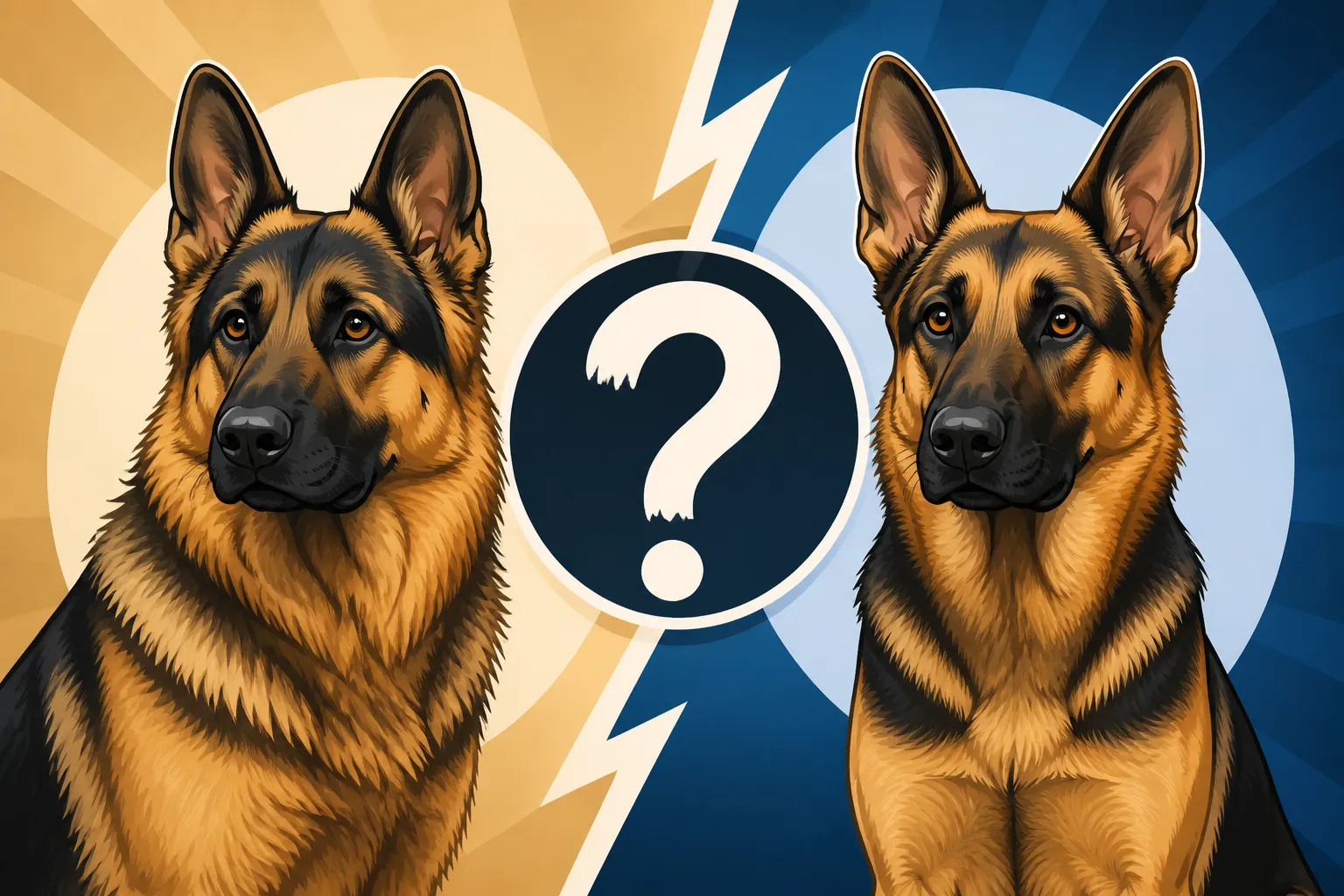
Is a Old-Fashioned German Shepherd a Real German Shepherd
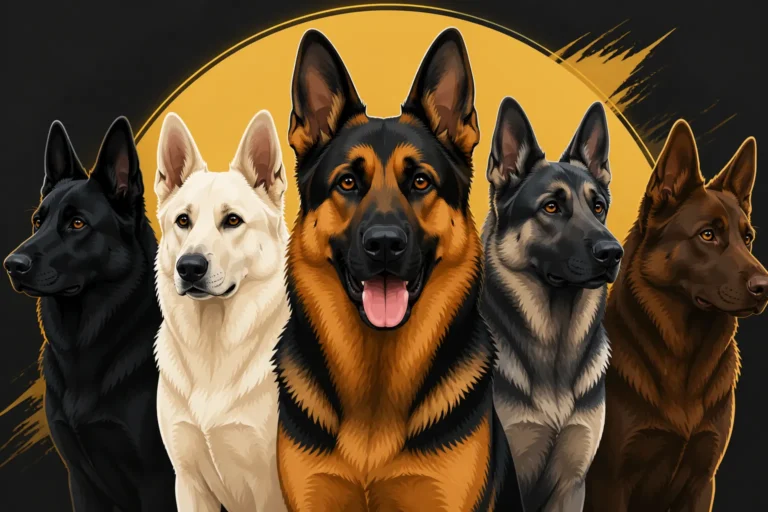
Many German Shepherd enthusiasts find themselves scratching their heads when they hear terms like "old-fashioned German Shepherd." It creates confusion, making you wonder if it's a completely different breed or just clever marketing. This guide will dive deep into what people typically mean when they refer to an "old-fashioned" German Shepherd, clarify its place within the breed, and explain how it relates to the German Shepherd we know and love today, ensuring you understand that these dogs are, indeed, 100% real German Shepherds.
Understanding the "Old-Fashioned" German Shepherd Terminology
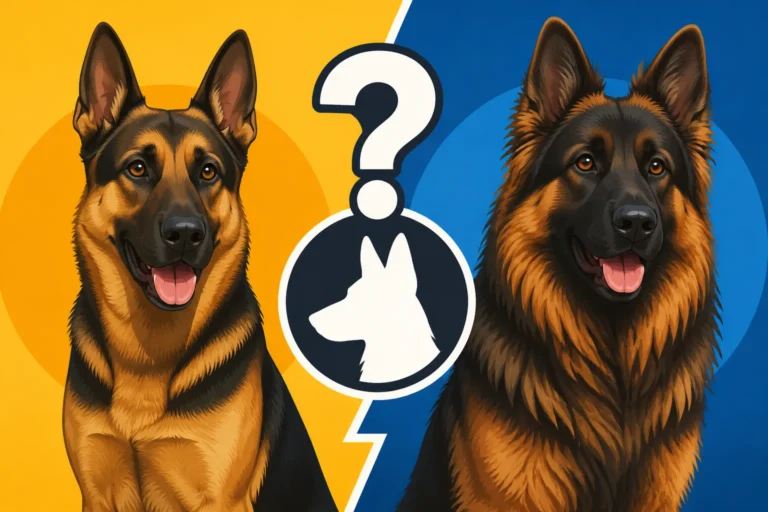
The term "old-fashioned German Shepherd" isn't an official designation recognized by kennel clubs, nor does it refer to a distinct breed. Instead, it's a descriptive phrase used by breeders and owners to distinguish a certain type or style of German Shepherd from others that have become more prevalent in recent decades. It harks back to an earlier era of the breed's development, emphasizing characteristics that were more common in its formative years.
What Does "Old-Fashioned" Really Mean?
When people say "old-fashioned," they're usually referring to German Shepherds that exhibit a more moderate, traditional conformation, reminiscent of the dogs bred in the breed's early to mid-20th century. This often means a straighter back, less extreme angulation in the rear, a more substantial and robust build, and a generally calmer, more versatile temperament. The phrase is often born out of a desire to return to the foundational traits of the breed before specialized lines—like extreme show lines or hyper-driven working lines—began to diverge significantly in appearance and sometimes temperament. It's a way of saying, "This is what a German Shepherd used to look like and behave like, and many of us still prefer those qualities."
Historical Context of the German Shepherd Breed
To understand the "old-fashioned" concept, it helps to briefly look at the breed's origins. The German Shepherd Dog was meticulously developed by Captain Max von Stephanitz in Germany with the primary goal of creating the ultimate herding dog. His vision was a dog that was intelligent, resilient, courageous, and above all, a versatile working animal. The original standard emphasized utility, sound structure, and stable temperament. These dogs were bred for their ability to perform tasks, not just for aesthetics or extreme athleticism in a single discipline. Early German Shepherds were robust, agile, and well-balanced, capable of long days of work without undue strain on their joints. Their structure was designed for endurance and functionality, a far cry from some of the more exaggerated physical traits that would emerge much later. You can learn more about the overall German Shepherd Breed Guide and its history.
Characteristics of the "Old-Fashioned" German Shepherd
The allure of the "old-fashioned" German Shepherd lies in its adherence to what many consider the breed's original blueprint. These dogs embody a balance of physical prowess and mental stability that breeders once championed above all else. Owners of these dogs often praise their overall hardiness and steadfast nature.
Physical Traits
One of the most striking physical differences in an "old-fashioned" German Shepherd is its back. Unlike the heavily sloped backs seen in many modern American or West German show lines, the old-fashioned type typically boasts a straighter, level topline. This structural difference is not merely cosmetic; it's believed by many to contribute to better joint health and longevity. These dogs often have more moderate angulation in their rear legs, meaning their hocks and stifles aren't as sharply angled, allowing for a more natural, efficient gait rather than the low-to-the-ground, sweeping movement often preferred in the show ring. Their overall build tends to be more substantial, with good bone density, a deep chest, and a powerful, well-muscled body that speaks to their working heritage. When you're looking at pictures of German Shepherds from the early to mid-20th century, you'll see these traits consistently present. This moderate structure is often linked to a lower incidence of issues like German Shepherd Hip Dysplasia Explained and German Shepherd Elbow Dysplasia: Symptoms and Treatment.
Temperament and Drive
Beyond their physical appearance, the "old-fashioned" German Shepherd is also characterized by a particular temperament. These dogs are generally known for their stable, steady nerves, confident demeanor, and unwavering loyalty. They possess a strong working drive and intelligence, making them highly trainable and eager to please, but without the intense, sometimes over-the-top energy levels or extreme prey drive that can be found in some specialized working lines. They are versatile, capable of excelling in various roles, from family companion to protection dog, search and rescue, or even therapy work. Their courage is inherent, not reactive, and they are typically reserved with strangers but not shy or aggressive without cause. This balanced nature makes them excellent family dogs, provided they receive appropriate training and socialization. You can dive deeper into German Shepherd Temperament and Personality to see how these characteristics fit.
Health Considerations
Advocates of the "old-fashioned" German Shepherd often highlight their perceived health benefits. The emphasis on a more moderate structure, particularly a straighter back and less exaggerated angulation, is frequently linked to a reduced risk of orthopedic problems. While no German Shepherd is immune to genetic health issues, especially common ones like hip and elbow dysplasia, the breeding philosophy behind the "old-fashioned" type often prioritizes functional soundness over extreme aesthetics. This focus on structural integrity, combined with responsible breeding practices like thorough German Shepherd Genetic Health Testing, aims to produce dogs that are not only capable but also live longer, healthier lives with fewer mobility issues. Owners often find themselves investing in quality foods from retailers like Chewy and preventative joint supplements to maintain their dog's robust health, which can be an ongoing part of German Shepherd Ownership Costs Explained.
Comparing "Old-Fashioned" to Modern German Shepherd Lines
The landscape of the German Shepherd breed has shifted over the decades, leading to the emergence of distinct "lines" that prioritize different traits. Understanding these differences helps clarify why the "old-fashioned" designation even exists. It's not about one being inherently "better" but rather recognizing the impact of specific breeding goals.
The Evolution of the German Shepherd Look
Over time, breeding programs began to specialize. In some show lines, particularly those in North America, there was a growing emphasis on a dramatically sloped back, extreme rear angulation, and a flashy, ground-covering gait that impressed judges in the show ring. This aesthetic, while visually striking to some, has been controversial, with critics arguing it can lead to structural weaknesses and health problems. Conversely, certain modern working lines, often European in origin, became intensely focused on high drive, extreme prey drive, and specific bite work capabilities for sports like Schutzhund or IGP. While these dogs are incredible athletes, their intensity isn't always suitable for every family or owner. The "old-fashioned" movement seeks to avoid both these extremes, aiming for a middle ground that prioritizes the versatile, sound dog of yesteryear. The discussion of Straight Back vs Sloped Back German Shepherd is a central point here.
Distinguishing Between Lines
To help visualize these differences, let's look at a comparison of typical traits across these various German Shepherd lines. It's important to remember these are generalizations, and individual dogs within any line can vary greatly.
| Feature | Old-Fashioned German Shepherd (Traditional) | Modern Show Line (e.g., American Show Line) | Modern Working Line (e.g., West German Working Line, Czech) |
|---|---|---|---|
| Topline (Back) | Straighter, more level | Significantly sloped from shoulders to tail | Generally straight, but can have slight slope |
| Rear Angulation | Moderate, functional | Extreme, exaggerated | Moderate to strong, designed for explosive power |
| Build/Bone | Robust, substantial, well-muscled | Refined, sometimes lighter bone | Muscular, powerful, athletic |
| Temperament | Stable, confident, versatile | Can be more sensitive, sometimes shy | Intense, high drive, very focused |
| Working Drive | Strong, adaptable to many tasks | Varies, often less pronounced | Extremely high, requires significant engagement |
| Gait | Efficient, ground-covering, not exaggerated | Low-to-the-ground, sweeping | Powerful, agile, efficient |
This table helps illustrate the spectrum within the breed. The "old-fashioned" type aligns closely with the original intent of a balanced, functional dog.
Why the Shift Occurred
The shift in breeding priorities can be attributed to several factors. In the early to mid-20th century, German Shepherds gained immense popularity, leading to an increased demand. As the breed entered more competitive show rings, certain physical traits that caught the judge's eye became more desirable, sometimes at the expense of overall health and function. Similarly, as canine sports grew in popularity, specialized working lines emerged, bred specifically for intense drive and performance. This specialization, while creating dogs excellent in their niche, sometimes meant moving away from the "all-around" utility dog that von Stephanitz envisioned. The term "old-fashioned" is a direct response to these developments, a call back to a time when balance was paramount.
Is the Old-Fashioned German Shepherd a "Real" German Shepherd?
Absolutely, unequivocally, yes! An "old-fashioned" German Shepherd is every bit as real as any other German Shepherd you might encounter. The term simply describes a preference for a particular style or set of traits within the breed, one that hews closely to its historical roots. It's not a different breed, a hybrid, or a diluted version; it's a German Shepherd bred with specific, traditional characteristics in mind.
Breed Standard and Recognition
The German Shepherd Dog Club of America (GSDCA) and similar organizations around the world maintain a breed standard that describes the ideal German Shepherd. While interpretations of this standard can vary and lead to different "types," dogs referred to as "old-fashioned" generally fall well within the parameters of the overall breed standard. They might not win in a modern show ring that favors extreme angulation, but their structure and temperament often align very closely with the functional dog originally described by von Stephanitz. They possess all the genetic markers and lineage of a purebred German Shepherd. Think of it like different styles of art within the same artistic movement; they are all still art. When you're considering getting a German Shepherd, understanding the German Shepherd Breed Standard Explained can help you recognize these nuances.
The Importance of Responsible Breeding
The continuation of the "old-fashioned" German Shepherd style is largely thanks to dedicated, responsible breeders who consciously choose to prioritize health, stable temperament, and traditional structure over passing fads or extreme specialization. These breeders often trace their dogs' pedigrees back to older lines known for their soundness and workability. They are typically very transparent about their breeding goals and the health clearances of their parent dogs, aiming to produce robust, long-lived companions. If you're drawn to this particular type, it's crucial to seek out such a breeder. Resources like How to Find a Reputable German Shepherd Breeder can guide you in your search. You'll want to ask about their breeding philosophy and if their lines lean towards the more traditional conformation.
Finding an "Old-Fashioned" German Shepherd
If the traits of an "old-fashioned" German Shepherd resonate with you, the good news is that there are breeders who specifically aim to preserve this style. However, because it's not an officially recognized "type," finding one requires careful research and discernment.
What to Look For in a Breeder
When searching for a breeder, you'll want to focus on those who explicitly state their commitment to breeding for health, temperament, and correct, moderate structure, often referencing the original German Shepherd standard. Look for breeders who are open about their dogs' pedigrees and health testing results for conditions like hip and elbow dysplasia, as well as Degenerative Myelopathy in German Shepherds. A good breeder will prioritize the long-term well-being of their dogs over fleeting trends. They should be able to show you the parents of the litter, or at least provide detailed information and photos. Their dogs should appear well-socialized, confident, and have a clear, intelligent gaze. Many reputable breeders also offer ongoing support and advice for the lifetime of your dog. Finding quality supplies for your new puppy, from durable toys to nutritious food, is easy through platforms like Chewy, which can support your commitment to How to Keep a German Shepherd Healthy.
Questions to Ask
Engaging with potential breeders is key. Don't be shy about asking detailed questions. Inquire about their breeding philosophy, specifically if they aim for a particular "type" of German Shepherd. Ask to see health certifications (OFA or PennHIP for hips and elbows are crucial) for both parents. Discuss the temperament of their adult dogs and what kind of environment the puppies are raised in. A breeder dedicated to the "old-fashioned" style will be passionate about discussing the structural integrity, moderate angulation, and stable nerves of their dogs. They should also be transparent about the German Shepherd Puppy Price Explained and what is included. Furthermore, ask about the puppies' socialization protocols and what support they offer post-adoption. This due diligence will ensure you find a healthy, well-adjusted puppy that embodies the traditional German Shepherd virtues you admire. Don't forget to ask about the German Shepherd Exercise Requirements for their dogs, as "old-fashioned" types still need plenty of activity.
In conclusion, an "old-fashioned" German Shepherd is not some mythical creature or a diluted version of the breed. It is a genuine German Shepherd, bred to embody the robust health, balanced temperament, and functional structure that defined the breed in its earlier days. These dogs are every bit as real, loyal, and capable as any German Shepherd, and for many, they represent the ideal combination of traits that make this breed so extraordinary.
Disclaimer
This article is for general informational purposes only and does not constitute professional advice. Laws, prices and regulations vary by location and change over time. Consult a qualified professional for guidance on your specific situation.