How to Tell if a German Shepherd Is Purebred
It's an exciting journey welcoming a German Shepherd into your life, but sometimes, doubts can creep in about their true heritage. Maybe you adopted from a rescue, or perhaps you got a puppy without extensive paperwork, and now you find yourself wondering: is my beloved companion truly a purebred German Shepherd? This guide is here to walk you through the various ways you can investigate your furry friend's lineage, helping you confidently determine if your German Shepherd is indeed purebred.
Understanding the German Shepherd Breed Standard
When we talk about a "purebred" German Shepherd, we're really talking about a dog that adheres to a specific set of characteristics defined by kennel clubs and breed associations around the world. These characteristics cover everything from their physical appearance to their innate personality traits. Think of it as the blueprint for what makes a German Shepherd, well, a German Shepherd.
Physical Characteristics
One of the first and most obvious ways to gauge your dog's purebred status is by comparing them to the established physical breed standard. German Shepherds have a very distinct look, and any significant deviations might raise a question mark.
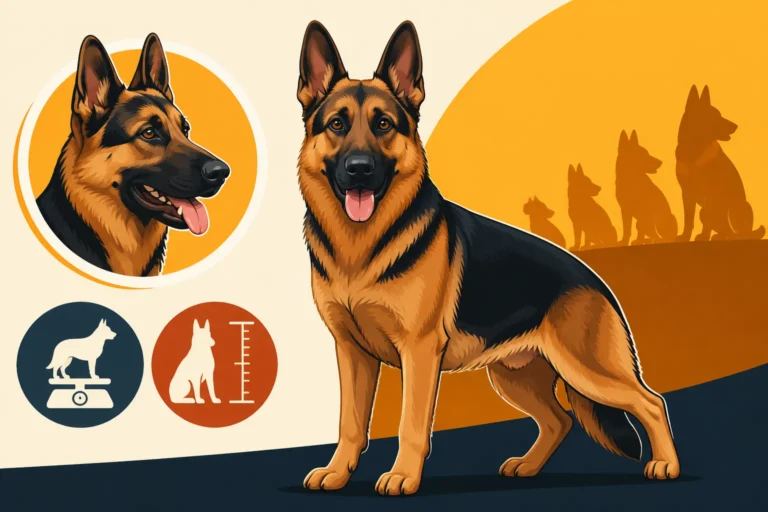
First, let's talk about their build. Purebred German Shepherds are generally well-muscled, agile, and robust dogs, built for endurance and strength. They typically possess a strong, slightly sloped back (though this varies by line, with some having a more pronounced slope than others, and others exhibiting the older, "straight back" style). Their chest should be deep, and their legs powerful. For a deeper dive into their physical makeup, check out German Shepherd Physical Characteristics. When it comes to size, adult males typically stand between 24-26 inches at the shoulder and weigh 65-90 pounds, while females are usually 22-24 inches and 50-70 pounds. Of course, individual dogs can vary, but extreme differences from these ranges could indicate mixed ancestry. You can learn more about their expected growth in our German Shepherd Size and Weight Guide.
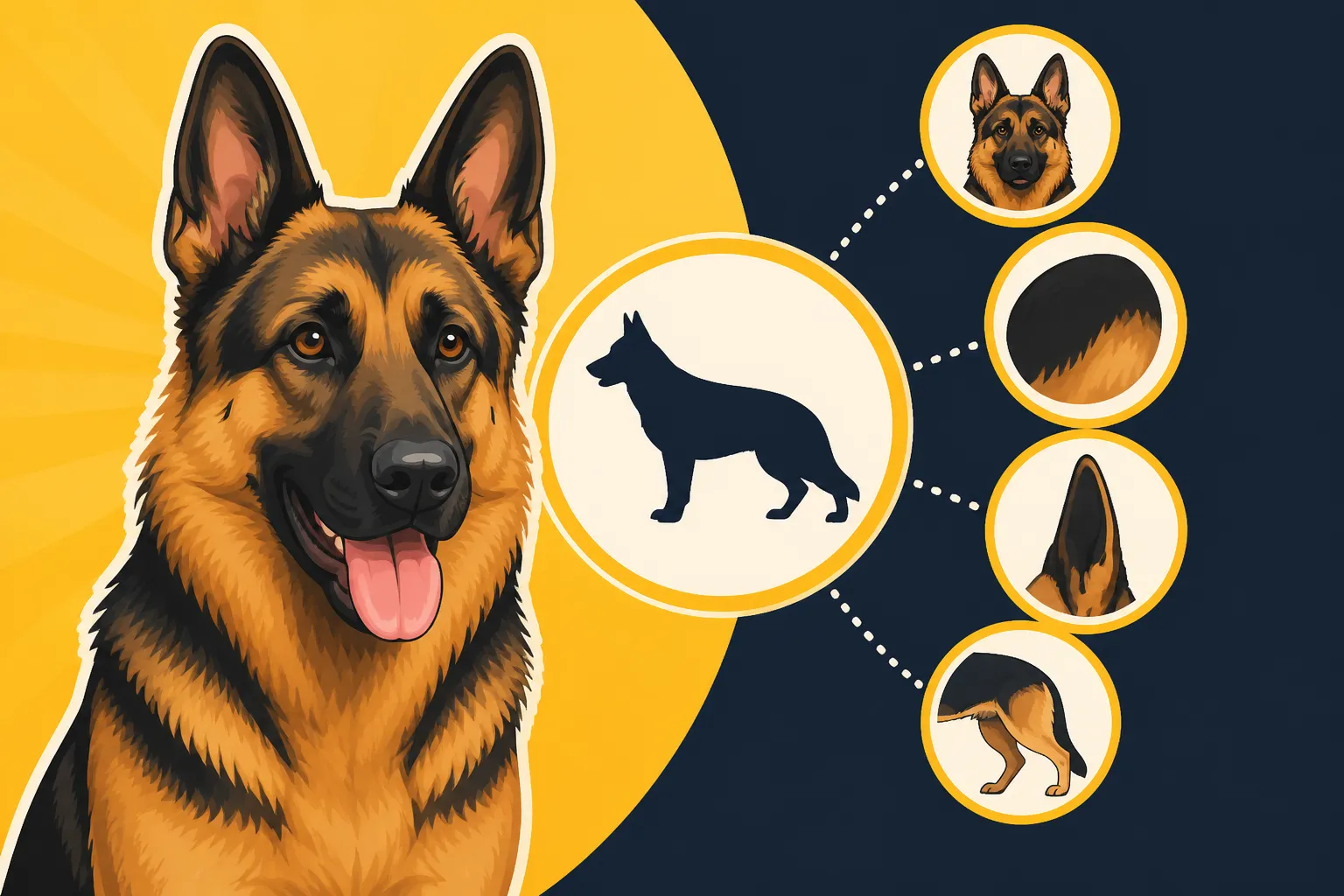
Their head should be proportionate to their body, with a strong muzzle and dark, almond-shaped eyes that convey intelligence and alertness. And those ears? They should be erect and open at the front, though puppies might have floppy ears for a while. We have a whole article dedicated to German Shepherd Ear Types and Development.
Then there's the coat. German Shepherds are famous for their dense double coat, which can be medium or long-haired, providing excellent protection against the elements. The common colors include black and tan, black and red, sable, solid black, and bi-color. Rarer colors like liver or blue exist, but they are considered disqualifying faults in some show lines, though they're still genetically purebred German Shepherds. German Shepherd Colors and Coat Types goes into more detail on this fascinating topic. If your dog has a single coat or unusual patterns not recognized by the breed standard, it might suggest a mix.
Temperament and Behavioral Traits
Beyond their looks, a purebred German Shepherd also carries a distinct set of temperament and behavioral traits. These dogs were originally bred for herding and protection, which deeply influences their personality. They are known for being incredibly intelligent, confident, and courageous. A well-bred German Shepherd should be calm and self-assured, not overly shy or aggressive without cause. However, their protective instincts are strong, and they can be reserved with strangers.
They are highly trainable and eager to please their owners, making them excellent candidates for obedience work, agility, and protection sports. This intelligence also means they need significant mental stimulation; a bored German Shepherd can quickly become a destructive one. You can read more about their smarts in German Shepherd Intelligence and Trainability. They also have a notable energy level, requiring substantial exercise to stay happy and healthy. German Shepherd Energy Level Explained can give you a better idea of what to expect. While individual personalities vary, a German Shepherd exhibiting an unusually low drive, extreme shyness, or an inability to focus might have some other breeds in their genetic makeup, as these traits are generally not typical of the breed standard.
The Importance of Official Documentation and Pedigrees
While physical appearance and temperament are strong indicators, the most definitive way to tell if a German Shepherd is purebred comes down to paperwork and verifiable lineage. This is where organizations like the American Kennel Club (AKC) in the United States or the Verein für Deutsche Schäferhunde (SV) in Germany come into play.
Examining Registration Papers
When you acquire a purebred German Shepherd from a reputable breeder, they should provide you with official registration papers. These documents, such as an AKC registration certificate or SV pedigree, are essentially birth certificates and family trees for your dog. They verify that both parents were registered purebreds of the same breed, and sometimes even list several generations of ancestors.
These papers aren't just fancy pieces of parchment; they provide a verifiable record of your dog's lineage. If you have a puppy, you might receive a limited registration (meaning offspring cannot be registered) or a full registration, depending on the breeder's contract and your intentions for the dog. Always scrutinize these documents. Look for official seals, breeder information, and clear identification of the dog. Be cautious of photocopies or documents that look easily altered. A quick call to the registering body (like AKC) can often confirm the validity of a registration number. Understanding What Papers Come with a Purebred German Shepherd is crucial for any potential owner.
Breeder Contracts and Health Clearances
A reputable German Shepherd breeder will not only provide registration papers but also a comprehensive contract and proof of health clearances for the puppy's parents. This is incredibly important because it speaks to the breeder's commitment to the breed's health and integrity. Good breeders invest in genetic health testing to screen for common issues in German Shepherds, such as hip and elbow dysplasia, German Shepherd Hip Dysplasia Explained and Degenerative Myelopathy in German Shepherds.
These health clearances (often from organizations like OFA or PennHIP for hips and elbows) are not just about health; they're also an indicator of responsible breeding practices that prioritize the health and purity of the line. If a breeder can provide multiple generations of health-tested ancestors, it strongly supports the claim of purebred status and responsible breeding. You should always feel comfortable asking a breeder Questions to Ask a German Shepherd Breeder about these clearances and their breeding philosophy. A solid contract will often outline guarantees regarding the puppy's health and sometimes even their purebred status. When evaluating breeders, watch out for German Shepherd Breeder Red Flags which can indicate a less-than-reputable source.
Genetic Testing and DNA Confirmation
If you adopted your German Shepherd or simply don't have official registration papers, all hope is not lost! Advances in canine genetics offer a fantastic tool: DNA testing. This is often the most definitive way to confirm breed purity when documentation is absent.
How DNA Tests Work
Canine DNA tests, easily purchased online or through pet supply retailers like Chewy, typically involve a simple cheek swab collection that you can do at home. You just rub a swab along the inside of your dog's cheek to collect saliva and epithelial cells. This sample is then mailed to a specialized laboratory.
The lab analyzes your dog's DNA and compares it against a vast database of genetic markers from hundreds of different dog breeds. They look for specific sequences that are characteristic of the German Shepherd breed. The science behind it is quite sophisticated, allowing them to identify not only the primary breed components but often also a breakdown of percentages if your dog is a mix. This can be incredibly illuminating, sometimes revealing unexpected breeds in a dog you thought was purebred, or confirming the purebred status of a dog whose origins were a mystery.
Interpreting DNA Test Results
When you receive your DNA test results, they will typically come as a detailed report, often accessible through an online portal. For a truly purebred German Shepherd, the report should ideally show 100% German Shepherd. Some tests might indicate very small trace amounts (e.g., less than 1%) of other breeds due to common ancestors far back in the lineage or minor cross-contamination, but generally, 99-100% German Shepherd is what you're looking for.
If the results show a significant percentage of other breeds (e.g., 25% Labrador, 75% German Shepherd), then your dog is indeed a mixed breed. This doesn't make them any less wonderful, of course, but it definitively answers the question of purebred status. It's also worth noting that DNA tests can sometimes offer insights into genetic health predispositions, which can be invaluable information for your dog's long-term care, complementing other forms of German Shepherd Genetic Health Testing.
Observing Lineage and Parental Information
For those acquiring a puppy, the opportunity to observe the parents and the breeder's environment is an invaluable part of determining purebred status and overall quality.
Meeting the Parents
A responsible breeder will almost always allow you to meet the puppy's mother, and often the father too, or at least provide extensive information and photos if the father is off-site. This visit gives you a firsthand look at the traits that are likely to be passed down to your puppy. When you see the parents, look for physical traits that align with the German Shepherd breed standard: their size, coat type, ear set, and overall conformation.
Beyond physical appearance, pay close attention to their temperament. Do they seem confident, calm, and well-socialized? Are they wary but not aggressive towards strangers (you)? A shy, fearful, or overly aggressive parent can pass those traits down, regardless of purebred status, and might indicate poor breeding practices. Observing the parents helps confirm their purebred looks and also gives you a window into the potential temperament of your puppy, making sure it aligns with the classic German Shepherd personality.
Evaluating the Breeder's Reputation
The reputation and practices of the breeder are arguably one of the most significant indicators of whether you are getting a truly purebred German Shepherd. A truly reputable breeder is dedicated to preserving and improving the breed. They will be transparent about their dogs' lineage, health testing, and breeding goals.
They should be knowledgeable about German Shepherd history, temperament, and health issues. They will typically participate in dog sports or conformation shows, which demonstrate their commitment to the breed standard. They will also be very selective about who they sell their puppies to, asking you many questions to ensure their puppies go to suitable homes. Conversely, "backyard breeders" or puppy mills often have little regard for breed standards, health testing, or proper socialization, making purebred claims much less reliable. Always seek out breeders who prioritize the health and temperament of their dogs above all else. How to Choose a German Shepherd Breeder can provide more detailed guidance on this critical step.
Here's a quick summary of indicators:
| Category | Strong Indicators of Purebred | Weak Indicators / Potential Mixed Breed |
|---|---|---|
| Physical Appearance | Adheres to breed standard (size, coat, colors, ear set) | Significant deviations from breed standard, unusual features |
| Temperament | Confident, intelligent, protective, highly trainable | Overly shy, fearful, excessively aggressive, low drive |
| Documentation | AKC/SV registration papers, multi-generational pedigree | No papers, suspicious or easily altered documents |
| Health Clearances | Proof of OFA/PennHIP for hips/elbows, genetic testing | No health testing, vague claims of "healthy" dogs |
| Genetic Testing | DNA test results showing 99-100% German Shepherd | DNA test results showing significant mixed breeds |
| Parental Observation | Parents physically and temperamentally conform to standard | Parents not available, do not resemble breed, poor temperament |
| Breeder Reputation | Reputable, transparent, health-focused, involved in breed | "Backyard breeder," puppy mill, evasive, no health info |
Confirming your German Shepherd's purebred status can be a multi-faceted endeavor. While official registration papers provide the most straightforward answer, a combination of careful observation of physical and temperamental traits, along with modern genetic testing, can offer significant insight. Regardless of the outcome, remember that the love and companionship your German Shepherd provides are truly priceless.
Disclaimer
This article is for general informational purposes only and does not constitute professional advice. Laws, prices and regulations vary by location and change over time. Consult a qualified professional for guidance on your specific situation.