German Shepherd Allergies: Cost to Treat
It's heartbreaking to watch your beloved German Shepherd constantly scratching, biting their paws, or rubbing against furniture, all while you worry about what it is and, perhaps more pressingly, what it's going to cost to fix. The frustration of dealing with chronic allergies in dogs, especially in a breed as prone to them as German Shepherds, is a burden many owners know all too well. This comprehensive guide is here to break down the common financial considerations, from initial diagnosis to long-term management, so you can better understand and prepare for the costs associated with treating German Shepherd allergies.
The Financial Impact of German Shepherd Allergies
German Shepherds, with their majestic double coats and robust nature, are unfortunately quite susceptible to various allergies. These aren't just minor irritations; left untreated, they can lead to chronic skin infections, ear problems, gastrointestinal issues, and a significantly diminished quality of life for your furry friend. When your German Shepherd starts showing signs of allergies, such as persistent itching, redness, hair loss, or even digestive upset, the first thought is usually about their well-being, quickly followed by concerns about veterinary bills. Understanding the potential costs upfront can help you navigate this challenging journey with a clearer mind and a more prepared wallet.
Recognizing Allergy Symptoms in German Shepherds
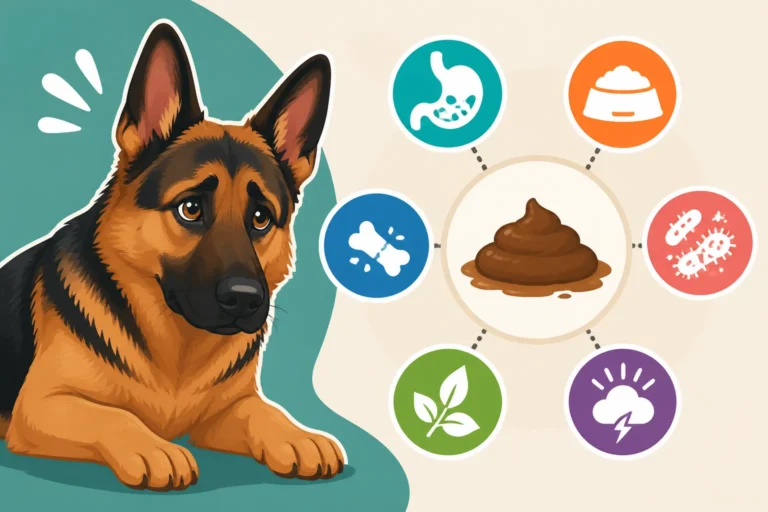
Before we dive into the costs, it's crucial to identify what you're dealing with. German Shepherd allergies often manifest differently depending on the type. Environmental allergies (atopy) are incredibly common and can be triggered by pollen, dust mites, or mold. Food allergies, while less common than environmental ones, can cause similar skin symptoms alongside digestive issues like vomiting or diarrhea. Contact allergies are rarer but occur when your dog's skin reacts to something it touches. Early recognition is key to getting effective treatment and managing costs, as prolonged inflammation can lead to secondary infections that are more complex and expensive to treat. If you're noticing your German Shepherd constantly scratching, licking their paws, or developing skin rashes, it's definitely time for a vet visit. For a deeper dive, check out our guide on German Shepherd Allergies: Symptoms and Treatment.
Initial Veterinary Consultation Fees
The very first step in tackling any health concern, including allergies, is a visit to your trusted veterinarian. This initial consultation is crucial for establishing a baseline, discussing your dog's symptoms, and allowing the vet to perform a general physical examination. The cost for this visit typically ranges from $60 to $150, depending on your location and the specific veterinary clinic.
During this appointment, your vet will ask a lot of questions: when did the symptoms start, what changes have you made recently (food, environment), and what previous treatments, if any, have you tried. They'll examine your German Shepherd's skin, ears, paws, and coat thoroughly. This initial assessment helps them narrow down potential causes and decide on the next steps, which almost always involve diagnostic testing to pinpoint the exact allergen or underlying issue.
Unraveling the Mystery: Diagnostic Costs for German Shepherd Allergies
Diagnosing allergies in German Shepherds isn't always straightforward. It often requires a series of tests to rule out other conditions and identify the specific triggers. This investigative process can be the most unpredictable part of the allergy journey financially, as different tests come with varying price tags.
Skin Scrapings and Cytology
Often, the first tests a vet will perform involve taking samples from your German Shepherd's skin or ears. Skin scrapings examine for mites (like demodex or sarcoptic mange), while cytology involves looking at cells from the skin or ears under a microscope to identify yeast or bacterial infections that are often secondary to allergies. These tests are relatively quick and inexpensive, typically costing between $50 and $150. They are vital for ruling out parasites or infections that might mimic allergy symptoms, or for identifying secondary issues that need to be addressed alongside the primary allergy.
It’s a common scenario: you bring your German Shepherd in for relentless paw licking, and the vet finds a nasty yeast infection between their toes. While the yeast isn't the cause of the allergy, it's a direct result of the allergy weakening the skin's defenses, and it needs to be treated before other allergy treatments can be truly effective.
Food Elimination Trials
If food allergies are suspected, your vet will likely recommend a food elimination trial. This isn't a lab test with an upfront fee, but it does come with its own set of costs. The trial involves feeding your German Shepherd a novel protein or hydrolyzed protein diet exclusively for 8-12 weeks. During this time, no other treats, table scraps, or flavored medications can be given.
The primary cost here is the specialized food itself, which can be significantly more expensive than regular kibble. Expect to pay anywhere from $80 to $150 or more per large bag, and you might need several bags over the course of the trial. Brands like Royal Canin or Purina Pro Plan often have veterinary-specific diets for these trials. While it might seem expensive, this is often the most reliable way to diagnose a food allergy. For insights on appropriate nutrition, check out our guide on Best Diet for a German Shepherd with Allergies.
Blood Allergy Testing (Serum Testing)
Once parasites and infections are ruled out, and if environmental allergies are suspected, your vet might recommend blood allergy testing. These tests analyze a blood sample for antibodies to specific environmental allergens (like pollens, molds, and dust mites). Labs like Spectrum Labs or Heska offer these services. The cost for a comprehensive panel can range from $200 to $400 or even higher.
While convenient, blood tests aren't always definitive and can sometimes produce false positives or negatives. They are generally used to guide the formulation of immunotherapy (allergy shots) if that's the chosen treatment path. Your vet might also suggest checking your German Shepherd's blood for other health markers, which could fall under the scope of a German Shepherd Bloodwork: What to Test panel.
Intradermal Skin Testing
For the most accurate diagnosis of environmental allergies, a veterinary dermatologist often performs intradermal skin testing (IDST). This is considered the gold standard. Your German Shepherd will be lightly sedated, and small amounts of common allergens are injected into their shaved skin. The dermatologist then observes which allergens cause a reaction (redness or swelling).
This procedure is typically more expensive due to the specialist's fees and the nature of the test. You can expect to pay between $300 and $500 or more for the test itself, plus an initial consultation fee with the dermatologist, which might be another $150-$250. These costs usually include the sedation and interpretation of the results. This investment can be incredibly valuable for developing a highly targeted immunotherapy plan.
Here's a quick overview of typical diagnostic costs:
| Diagnostic Test | Average Cost Range ($) | Purpose |
|---|---|---|
| Initial Vet Consultation | $60 – $150 | General exam, history, initial assessment |
| Skin Scrape/Cytology | $50 – $150 | Rule out mites, identify yeast/bacterial infections |
| Fungal Culture | $100 – $200 | Identify fungal infections (e.g., ringworm) |
| Food Elimination Diet (Cost of Food) | $80 – $150+ per bag | Diagnose food allergies by feeding specialized diet |
| Blood Allergy Test (Serum) | $200 – $400+ | Identify environmental allergens (e.g., pollen, dust mites) |
| Dermatologist Consultation | $150 – $250 | Specialist assessment for complex cases |
| Intradermal Skin Test (IDST) | $300 – $500+ | Gold standard for environmental allergy diagnosis (plus sedation) |
Managing the Itch: Treatment Costs for German Shepherd Allergies
Once the diagnosis is made, the real work of managing your German Shepherd's allergies begins, and with it, ongoing treatment costs. These can vary widely depending on the type and severity of the allergy, as well as your dog's individual response to different therapies.
Medications for Symptom Relief
Many German Shepherds with allergies will require ongoing medication to manage their symptoms, especially during flare-ups.
- Antihistamines: Over-the-counter options like Benadryl or Zyrtec are relatively inexpensive (a few dollars per month), but they are often not potent enough to control severe German Shepherd allergies.
- Steroids (Prednisone): For acute flare-ups and severe itching, vets often prescribe corticosteroids. These are effective but come with potential long-term side effects. A short course might cost $20-$50, but long-term use is usually avoided.
- Apoquel (Oclacitinib): This is a popular and effective medication for controlling itch in allergic dogs. It's not a steroid, and typically has fewer side effects. However, it can be quite expensive, ranging from $60 to $150 per month, depending on your German Shepherd's weight and dosage.
- Cytopoint Injections (Lokivetmab): This injectable medication provides targeted itch relief by blocking a specific signaling pathway involved in allergic itching. It's given every 4-8 weeks by your vet. Each injection can cost anywhere from $80 to $200, again, depending on your dog's size. Many owners find these injections to be a game-changer for their itchy dogs.
- Antibiotics/Antifungals: Since allergies often lead to secondary bacterial or yeast infections, your German Shepherd may need courses of antibiotics (e.g., cephalexin) or antifungals (e.g., ketoconazole). A course of these medications can cost $30 to $100 or more, and severe, recurring infections might require multiple courses throughout the year.
These medications are often necessary to keep your German Shepherd comfortable and prevent further complications.
Specialized Diets
For German Shepherds with diagnosed food allergies, staying on a prescription novel protein or hydrolyzed protein diet is typically a lifelong commitment. As mentioned before, these diets are more expensive than standard dog food, often costing $80-$150+ per large bag, or even more for certain brands or formulations. This is a consistent monthly expense you'll need to factor into your budget. Switching foods can sometimes lead to German Shepherd Sensitive Stomach Solutions and additional vet visits.
Even for environmental allergies, some vets recommend diets rich in omega-3 fatty acids or specifically designed for skin health, which can also be pricier than conventional options.
Immunotherapy (Allergy Shots or Drops)
For environmental allergies, immunotherapy is often recommended as a long-term solution rather than just symptom management. Based on the results of blood or intradermal allergy tests, a custom vaccine is formulated for your German Shepherd. This vaccine gradually desensitizes your dog to the specific allergens they react to.
The initial cost of producing the custom vaccine can range from $300 to $800. After that, there's an ongoing monthly cost for the maintenance doses, whether given as injections at home or drops under the tongue. This typically runs about $50 to $100 per month. While it's a significant upfront and ongoing cost, immunotherapy has a high success rate and can greatly reduce the need for other, more expensive symptom-relief medications in the long run. It's often considered the most effective way to truly manage environmental allergies.
Long-Term Management and Associated Expenses
Treating German Shepherd allergies isn't a one-time fix; it's a journey of long-term management. This involves continuous care, preventative measures, and adapting to your dog's changing needs.
Topical Treatments and Supplements
Beyond oral medications and diet, many German Shepherds benefit from topical treatments and supplements to support their skin health and immune system.
- Medicated Shampoos and Conditioners: For itchy or infected skin, your vet might prescribe medicated shampoos containing ingredients like chlorhexidine or miconazole. These can cost $20-$40 per bottle and might need to be used regularly, especially during flare-ups. Regular bathing can also help wash away environmental allergens from your German Shepherd's coat.
- Topical Sprays and Wipes: Corticosteroid sprays, antiseptic wipes for paws, or soothing oatmeal sprays can provide localized relief. Expect to spend $15-$30 per product monthly or as needed. For more details, explore German Shepherd Itchy Skin: Causes and Fixes.
- Omega-3 Fatty Acids: Supplements containing fish oil (EPA and DHA) are widely recommended for improving skin barrier function and reducing inflammation. High-quality omega-3 supplements can cost $20-$50 per month.
- Probiotics: Supporting gut health can sometimes positively impact skin health. Probiotic supplements range from $15-$40 per month.
These items might seem small individually, but they add up, becoming a consistent part of your monthly budget dedicated to your German Shepherd's allergy care.
Follow-Up Visits and Specialist Referrals
Managing allergies often requires regular follow-up visits to your primary vet to monitor your German Shepherd's progress, adjust medications, and address any new flare-ups. These visits typically cost $50 to $100 each, and you might need several per year, especially initially or during challenging seasons.
In some complex or stubborn cases, your vet might refer you back to a veterinary dermatologist for further evaluation or more advanced treatments. Specialist consultations usually come with higher fees, often starting at $150-$250 for an initial visit, not including any tests or procedures performed.
Pet Insurance as a Financial Safety Net
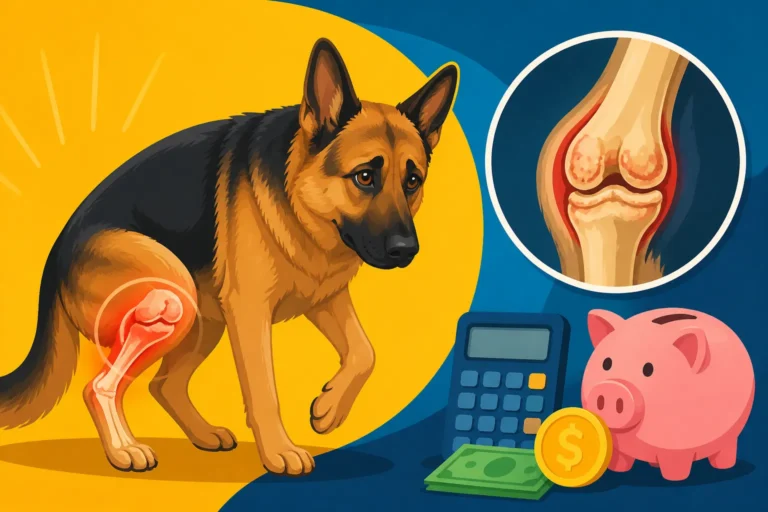
The cumulative cost of diagnosing and treating German Shepherd allergies can be substantial, easily running into hundreds or even thousands of dollars annually. This is where pet insurance can be a huge relief. Many pet insurance plans, like those offered by Healthy Paws, cover a significant portion of diagnostic tests, medications, specialist visits, and even long-term treatments like immunotherapy for allergies, as long as the condition isn't pre-existing before you enroll.
Having a robust pet insurance policy can turn a daunting $500 vet bill into a much more manageable out-of-pocket expense after your deductible and reimbursement rate. It allows you to make treatment decisions based on what's best for your German Shepherd, rather than solely on what you can afford at that exact moment. Many owners find peace of mind knowing that unexpected flare-ups or new allergy-related issues will be financially supported. Considering the long-term nature of allergy management, exploring options like Is Pet Insurance Worth It for a German Shepherd is a very wise move.
When considering pet insurance, always read the fine print to understand what allergies are covered and what constitutes a "pre-existing condition." Enrolling your German Shepherd when they are young and healthy is often the best strategy to ensure maximum coverage should allergies develop later in life. Companies like Healthy Paws are known for their comprehensive coverage, which can be invaluable for chronic conditions.
Overall, budgeting for German Shepherd allergies means recognizing that this isn't a one-and-done expense. It's an ongoing commitment, much like having a child with a chronic condition. While the costs can be intimidating, a combination of proactive management, diligent treatment, and smart financial planning (like pet insurance) can ensure your German Shepherd lives a happy, comfortable, and itch-free life. Understanding the full scope of German Shepherd Vet Costs Per Year is an important part of responsible ownership.
Disclaimer
Please remember that the cost estimates provided in this guide are averages and can vary significantly based on your geographic location (urban vs. rural), the specific veterinary clinic or specialist, the severity of your German Shepherd's condition, and any complications that may arise. Always consult with your veterinarian for an accurate diagnosis and treatment plan tailored to your individual dog. This information is intended for educational purposes only and should not replace professional veterinary advice.