German Shepherd EPI: Cost to Treat
Discovering your beloved German Shepherd has Exocrine Pancreatic Insufficiency (EPI) can feel overwhelming, not just emotionally, but financially too. The struggle of seeing your dog lose weight despite eating ravenously, coupled with chronic diarrhea, is heartbreaking. This guide is here to walk you through the various costs associated with diagnosing and managing EPI in German Shepherds, offering a realistic look at the expenses involved so you can better prepare for your furry friend's long-term care.
Understanding Exocrine Pancreatic Insufficiency in German Shepherds
EPI is a condition where the pancreas doesn't produce enough digestive enzymes to properly break down food. This means your dog isn't absorbing vital nutrients, leading to weight loss, diarrhea, and a host of other issues, even if they're eating plenty. For German Shepherd owners, this diagnosis often hits particularly hard because the breed is genetically predisposed to EPI, making it one of the more common German Shepherd health problems. It's a condition we unfortunately see far too often in our magnificent companions.
What is EPI and Why Are German Shepherds Prone?
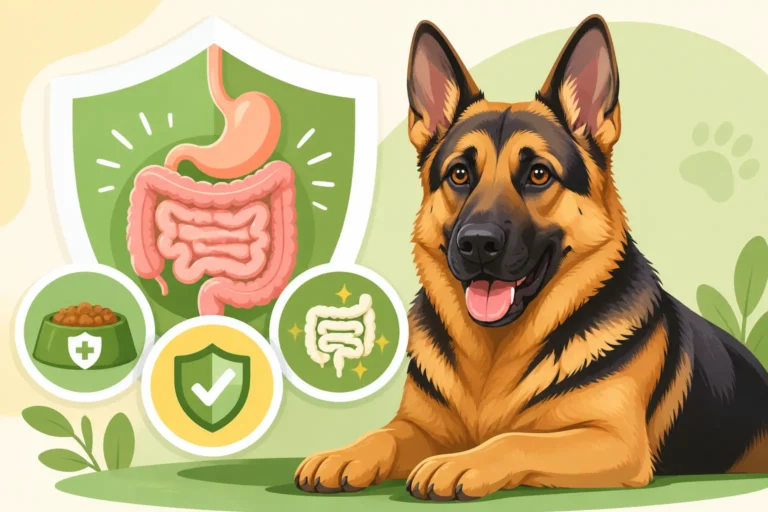
At its core, EPI means the exocrine cells of the pancreas are failing to produce sufficient amounts of enzymes like amylase, lipase, and protease. These enzymes are crucial for digesting carbohydrates, fats, and proteins, respectively. Without them, food passes through the digestive tract largely undigested, leading to maldigestion and malabsorption. Your dog might be eating bowl after bowl, but their body isn't actually getting the nutrition it needs.
Why German Shepherds? Well, genetic factors play a significant role. It's believed that an autosomal recessive gene is responsible for the juvenile pancreatic atrophy that often leads to EPI in this breed. This means both parents must carry the gene for a puppy to potentially develop the condition, though not all carriers will show symptoms. This genetic predisposition means that if you own a German Shepherd, being aware of German Shepherd EPI: Symptoms and Treatment is particularly important. It's not a reflection of your care, but rather a genetic lottery that sometimes impacts this wonderful breed.
Recognizing the Signs of EPI
The symptoms of EPI can be quite distressing to witness, and they often lead owners down a rabbit hole of trying different foods or dewormers before realizing the true cause. The most hallmark sign is significant weight loss despite a ravenous appetite. Imagine your dog eating more than ever, yet looking thinner by the day – it’s baffling and frustrating.
Beyond the weight loss and increased hunger, you'll typically notice changes in their stool. It's often voluminous, pale yellow or gray, greasy, and has a distinct, foul odor. This is due to the undigested fat content. Other signs can include chronic diarrhea, excessive gas, stomach rumbling, and sometimes even vomiting. If you're seeing your German Shepherd consistently having German Shepherd Loose Stool: Common Causes and losing weight, EPI should definitely be on your radar. Early recognition is key to starting treatment and preventing further deterioration of your dog's health.
Initial Diagnosis: Uncovering EPI's Financial Imprint
When you first notice these troubling signs, your immediate thought is to get to the vet. This initial phase of diagnosis is where the first costs begin to accumulate. It’s an essential investment, as getting an accurate diagnosis is the only way to effectively manage EPI and bring your German Shepherd back to health.
Veterinary Consultations and Exams
The journey starts with a visit to your veterinarian. An initial consultation can range anywhere from $60 to $150, depending on your location and the specific clinic. During this visit, your vet will perform a thorough physical examination, discuss your dog's symptoms, diet, and history, and likely feel their abdomen. They’ll be looking for signs like poor body condition, a dull coat, and any tenderness.
If your regular vet suspects EPI, they might recommend follow-up visits or even a referral to an internal medicine specialist, particularly if the initial tests are inconclusive or if your dog has other complex health issues. A specialist consultation can be significantly more expensive, typically ranging from $150 to $300 or more. Each visit adds up, but these are crucial steps to rule out other conditions that might mimic EPI, like severe food allergies or inflammatory bowel disease.
Diagnostic Testing Costs
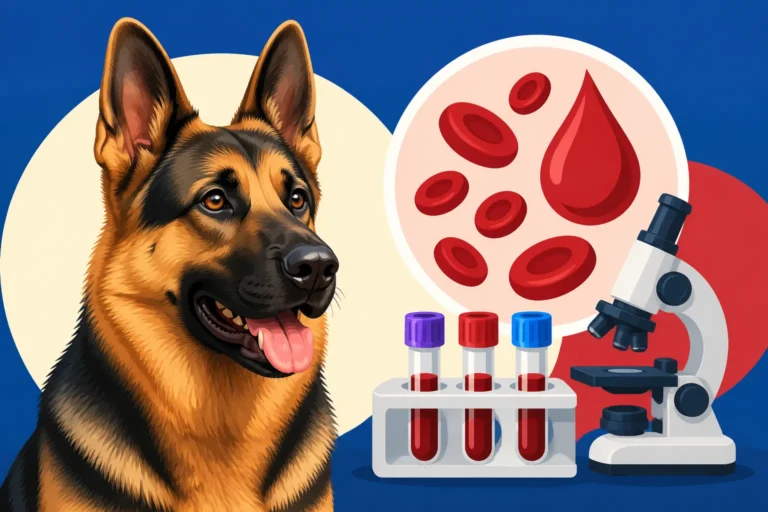
The definitive diagnosis of EPI relies on specific blood tests. The gold standard test is the canine trypsin-like immunoreactivity (cTLI) test. This test measures the level of trypsinogen, a precursor to a digestive enzyme, in your dog's bloodstream. If the levels are very low, it confirms EPI.
Here’s a breakdown of common diagnostic test costs:
- cTLI Test: This is the most important test for EPI. The cost typically ranges from $100 to $250, often including the lab fees.
- Cobalamin (Vitamin B12) and Folate Levels: Dogs with EPI often have deficiencies in these vitamins due to malabsorption. Testing for these can add another $80 to $150 to the bill.
- Complete Blood Count (CBC) and Chemistry Panel: These routine blood tests help assess overall health, rule out other conditions like liver or kidney disease, and check for anemia (common in EPI dogs). A CBC and chemistry panel might cost $100 to $200.
- Fecal Tests: While not definitive for EPI, fecal exams are often done initially to rule out intestinal parasites, which can cause similar symptoms. These usually run $30 to $80.
In total, expect the initial diagnostic phase to cost anywhere from $300 to $700, potentially more if multiple vet visits or specialist consultations are required. It's a significant upfront cost, but getting a clear diagnosis means you can stop guessing and start effective treatment.
Ongoing Daily and Monthly EPI Treatment Expenses
Once EPI is diagnosed, it's important to understand that it's a lifelong condition. There's no cure, but it's highly manageable with consistent treatment. The bulk of your financial commitment will shift from diagnosis to the daily and monthly expenses of managing your German Shepherd's condition.
Pancreatic Enzyme Replacement Therapy (PERT)
The cornerstone of EPI treatment is Pancreatic Enzyme Replacement Therapy (PERT). This involves supplementing your dog's food with pancreatic enzymes extracted from porcine (pig) pancreases. These enzymes come in powdered form and are sprinkled over your dog's food before each meal.
The cost of these enzymes can vary widely based on the brand, the size of your dog (and thus the dosage required), and where you purchase them. Popular brands include PancreVed, EpiPet, and VetOne.
- Enzyme Powder: For a typical adult German Shepherd, you might go through a 12-ounce container of enzyme powder every 3-6 weeks, depending on the dosage. These containers can cost anywhere from $60 to $150 each.
- Purchasing Frequency: If your German Shepherd requires a higher dose, or you find a brand that comes in smaller containers, you could be purchasing enzymes more frequently, perhaps two containers a month.
On average, you can expect to spend $100 to $300 per month on pancreatic enzymes alone. This is the single largest ongoing expense for EPI management. It’s non-negotiable, as without the enzymes, your German Shepherd simply cannot digest their food.
Dietary Management and Special Foods
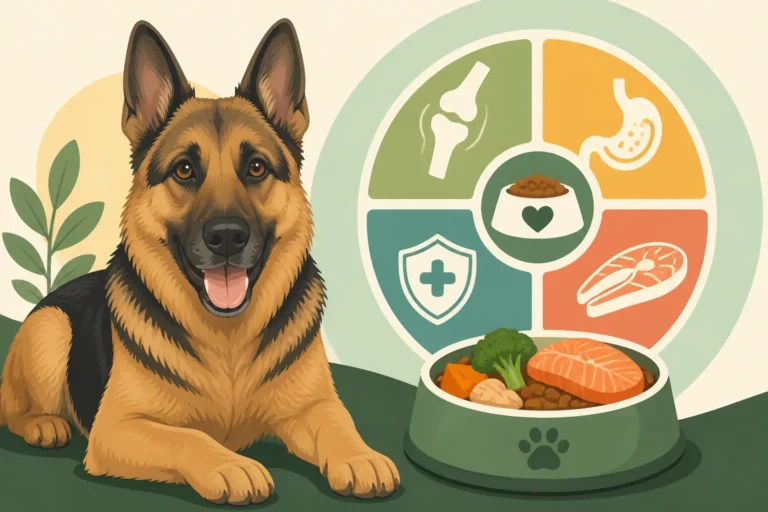
While enzyme therapy is crucial, adjusting your German Shepherd's diet plays a vital supporting role. The goal is a highly digestible diet, often lower in fiber and moderate in fat. Your vet might recommend a specific prescription diet, or you might find a commercial kibble that works well.
- Prescription Diets: Brands like Purina Pro Plan Veterinary Diets EN Gastroenteric or Royal Canin Veterinary Diet Gastrointestinal Low Fat are often recommended. These specialty foods can be more expensive than standard kibble, ranging from $70 to $100+ for a large bag (25-30 lbs). Depending on your German Shepherd's size and appetite, a bag might last 3-4 weeks.
- High-Quality Commercial Diets: Some owners find success with high-quality, easily digestible commercial diets. Look for formulas with high protein, moderate fat, and limited ingredients. While potentially cheaper than prescription diets, these still represent a significant investment compared to budget kibbles. Expect to pay $50-$80 for a large bag.
The monthly cost for specialized food could be anywhere from $50 to $150, depending on the brand and your dog's caloric needs. Finding the Best Dog Food for German Shepherds with EPI is an ongoing journey of trial and error for some, but a critical part of their well-being.
Vitamin Supplementation and Adjunctive Therapies
As mentioned earlier, EPI often leads to malabsorption of vitamins, particularly B12. Supplementation is almost always necessary and adds to the ongoing costs.
- Vitamin B12 Injections or Oral Supplements: Many vets start with a series of B12 injections, which might cost $20 to $50 per injection at the clinic. Once levels stabilize, you might switch to oral cobalamin supplements or continue with less frequent injections. Oral B12 supplements for dogs can cost $15 to $40 per month.
- Probiotics: While not always required, probiotics can support gut health, especially since EPI often disrupts the delicate balance of intestinal flora. A quality probiotic supplement might cost $20 to $50 per month.
- Follow-up Vet Visits: Even after diagnosis, routine check-ups (initially more frequent, then perhaps every 6-12 months) are necessary to monitor your German Shepherd's weight, overall health, and adjust enzyme dosages or medications as needed. These visits can range from $60 to $150 each.
These additional supplements and check-ups can add another $50 to $150 per month to your total EPI management costs.
Navigating Complications and Unexpected Costs
While most German Shepherds with EPI thrive on a consistent regimen of enzymes and diet, complications can arise, adding unexpected financial burdens. It's wise to be aware of these possibilities and factor them into your overall financial planning.
Small Intestinal Bacterial Overgrowth (SIBO)
One of the most common complications associated with EPI is Small Intestinal Bacterial Overgrowth (SIBO). Because undigested food ferments in the small intestine, it creates an ideal environment for harmful bacteria to multiply. This overgrowth can exacerbate digestive issues, causing more diarrhea, gas, and discomfort, even when enzyme therapy is in place.
- Antibiotics: SIBO is typically treated with a course of antibiotics, most commonly metronidazole or tylosin. A course of antibiotics can cost anywhere from $30 to $100, and some dogs might require repeated courses or even long-term, low-dose antibiotic therapy.
- Additional Vet Visits: Diagnosing and monitoring SIBO often requires additional vet visits and potentially further testing to confirm bacterial overgrowth or rule out other causes of persistent symptoms. These visits and tests will add to your bills, similar to initial diagnostic costs.
Treating SIBO is crucial, as it can severely undermine the effectiveness of EPI treatment. It's a reminder that managing German Shepherd Sensitive Stomach Solutions goes beyond just enzymes.
Other Potential Issues
Beyond SIBO, other issues can pop up. Some dogs with EPI might develop concurrent food sensitivities or allergies, requiring further dietary adjustments or allergy testing, which can run into hundreds of dollars. There's also the general risk of other illnesses, as a dog with a compromised digestive system might have a slightly weaker immune system. For instance, if you notice your German Shepherd Limping: When to Worry or showing other signs of pain, it will necessitate another vet visit and investigation.
In rare cases, severe malabsorption can lead to conditions like hepatic lipidosis (fatty liver disease) if not properly managed, requiring hospitalization and intensive care, which can quickly rack up bills in the thousands. While these are less common, they underscore the importance of vigilant care and early intervention if your German Shepherd’s condition seems to worsen or new symptoms appear.
Strategies for Managing German Shepherd EPI Treatment Costs
The lifetime cost of treating EPI in a German Shepherd can be substantial, easily reaching into the thousands of dollars over their lifespan. Understanding these costs upfront allows you to plan and explore options to make this care more manageable.
Pet Insurance Options
Pet insurance can be a lifesaver for managing chronic conditions like EPI, especially if you enroll your German Shepherd before any symptoms appear or before a diagnosis is made. Most pet insurance policies consider EPI a pre-existing condition if diagnosed before enrollment or during the waiting period, which means they won't cover treatment. However, if your dog is already insured, many comprehensive plans will cover a significant portion of the costs.
Companies like Healthy Paws offer robust accident and illness plans that, if purchased prior to diagnosis, could cover 70-90% of your eligible vet bills, including enzyme therapy, prescription diets, and medications for complications like SIBO. Always read the fine print to understand what is covered, what the deductibles are, and what reimbursement percentages are available. It's a crucial question when considering Is Pet Insurance Worth It for a German Shepherd. Having a good policy can dramatically reduce your out-of-pocket expenses for EPI care.
Budgeting and Savings Strategies
Even with pet insurance, you'll still have out-of-pocket expenses for deductibles, co-pays, and potentially non-covered items. Creating a dedicated savings fund for your German Shepherd's health is a smart move. Setting aside a specific amount each month, even a small one, can help cushion the blow of enzyme purchases, prescription food, or unexpected vet visits.
- Comparison Shopping: For non-prescription items like certain B12 supplements or probiotics, compare prices online or at different pet supply stores. However, always consult your vet before making changes to their treatment plan or sourcing enzymes from unknown suppliers.
- Subscription Services: Some online pet pharmacies offer subscription services for enzyme powders or prescription diets, which can sometimes come with a small discount and the convenience of automatic delivery.
- Financial Assistance Programs: While less common for chronic management, some veterinary schools or animal welfare organizations might offer financial aid for diagnostic work-ups or initial treatment for complex conditions. It's worth researching if you're facing severe financial strain.
- Preventative Care: While EPI isn't preventable, generally keeping your German Shepherd healthy can prevent other issues from arising, thereby saving on additional vet bills. Regular exercise, appropriate German Shepherd Feeding Guide, and routine check-ups are always good practice for How to Keep a German Shepherd Healthy.
By combining proactive measures like pet insurance (if applicable) with careful budgeting and smart shopping, you can make the financial burden of German Shepherd EPI treatment much more manageable, allowing you to focus on giving your beloved companion the best quality of life possible.
EPI Treatment Cost Summary
To give you a clearer picture, here's a general summary of the costs you might expect for German Shepherd EPI, though these are estimates and can vary significantly by region and individual needs.
| Cost Category | Estimated Initial Cost (One-time) | Estimated Monthly Cost (Ongoing) |
|---|---|---|
| Initial Vet Consultation/Exam | $60 – $150 | – |
| Diagnostic Tests (cTLI, B12, etc.) | $300 – $700 | – |
| Pancreatic Enzymes | – | $100 – $300 |
| Specialized Diet | – | $50 – $150 |
| Vitamin B12 Supplements/Injections | – | $15 – $50 |
| Probiotics (if needed) | – | $20 – $50 |
| Follow-up Vet Visits | – | $0 – $50 (Avg. over a year) |
| SIBO Treatment (Antibiotics) | $30 – $100 (per course, as needed) | $0 – $50 (Avg. as needed) |
| Total Initial Investment | $360 – $850+ | – |
| Total Estimated Monthly | – | $185 – $600+ |
Remember, these are broad estimates. Your specific costs could be higher or lower. The most important thing is to work closely with your veterinarian to develop the most effective and sustainable treatment plan for your German Shepherd.
Disclaimer
The information provided in this article is for general informational purposes only and does not constitute veterinary advice. Always consult with a qualified veterinarian for any health concerns or before making any decisions about your German Shepherd's medical care or treatment plan. Costs are estimates and can vary significantly.