Why Do German Shepherds Have Hip Problems
It's incredibly disheartening for any German Shepherd owner to watch their loyal companion struggle with pain, especially when it comes to something as fundamental as walking or running. The sudden limp, the hesitation to jump, or the general stiffness that creeps into their majestic gait can be a heartbreaking experience. You might find yourself constantly wondering, "Why my dog? Why German Shepherds?" This guide is dedicated to unraveling the complex reasons behind why German Shepherds are so prone to hip problems, diving deep into the genetic predispositions and environmental factors that contribute to this challenging health issue.
The Genetic Blueprint: Understanding the Predisposition to Hip Problems
German Shepherds, with their impressive physique and athletic prowess, are sadly a breed frequently associated with hip problems, primarily hip dysplasia. It's not just bad luck; there's a significant genetic component at play that makes these wonderful dogs more susceptible than many other breeds. Understanding this genetic blueprint is the first step in comprehending why these issues arise.
What is Hip Dysplasia?
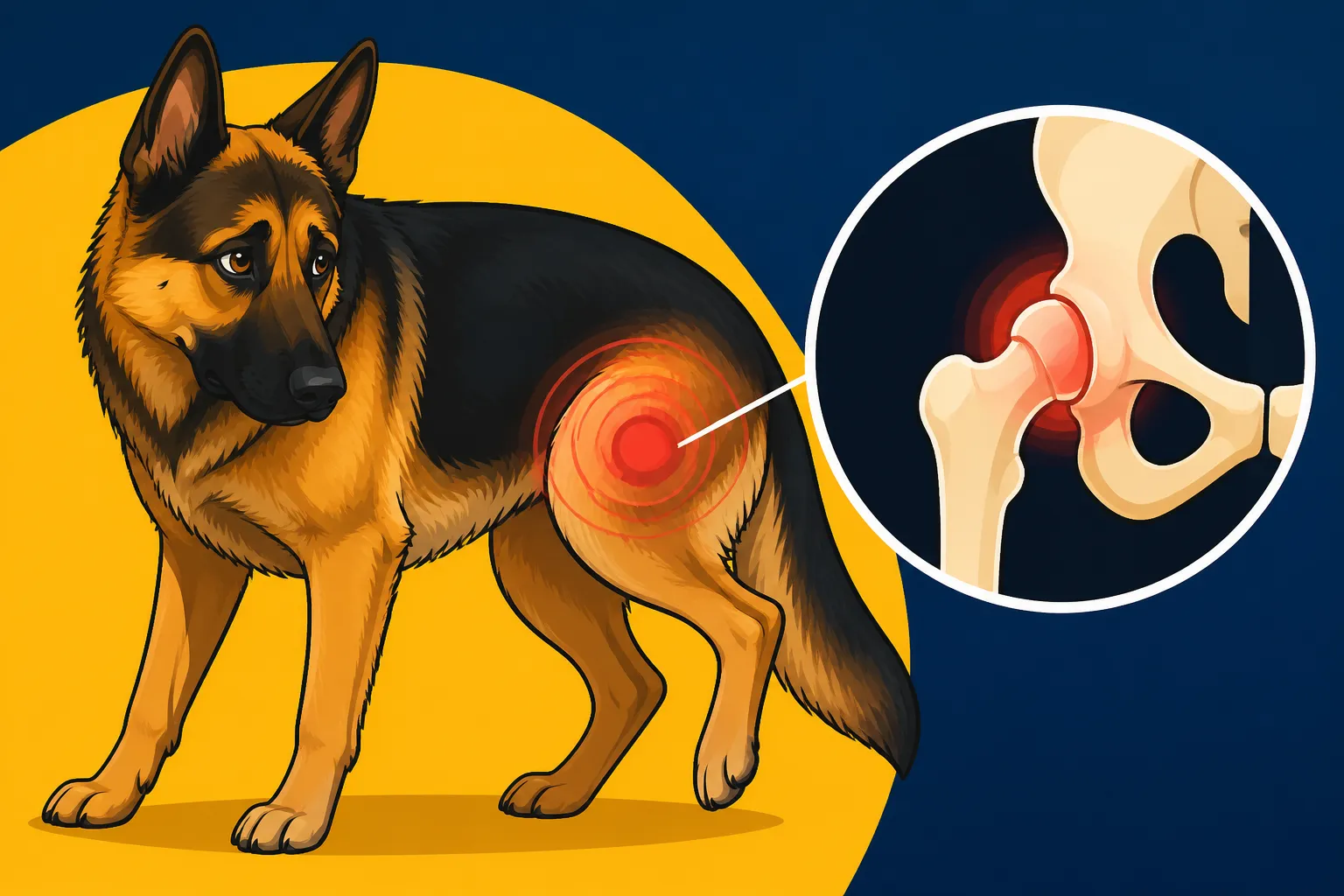
Before we delve into the "why," let's quickly clarify what hip dysplasia actually is. Essentially, it's a condition where the hip joint doesn't form properly. Think of the hip as a ball-and-socket joint. In a healthy hip, the "ball" (the head of the femur) fits snugly into the "socket" (the acetabulum in the pelvis). With hip dysplasia, this fit is loose or malformed, leading to instability. Over time, this abnormal wear and tear causes degenerative joint disease, or osteoarthritis, which is what ultimately leads to pain, stiffness, and reduced mobility.
Many owners notice the first signs of hip dysplasia in German Shepherds during their puppyhood, often between 5 and 10 months of age, though it can manifest later. It might start as a subtle bunny hop when they run, a reluctance to climb stairs, or simply a less energetic play style. It's easy to dismiss these early indicators as "growing pains," but it’s crucial to be vigilant.
The Role of Breed Standards and Selective Breeding
The very characteristics that make German Shepherds so recognizable and desirable – their powerful hindquarters, strong topline, and distinctive gait – are intrinsically linked to their skeletal structure. Unfortunately, the desire for certain aesthetic traits or performance capabilities has, in some historical breeding practices, inadvertently intensified the predisposition to hip dysplasia. Breeders often sought dogs with specific angulation in their hind legs, believing it contributed to a more powerful trot or a visually appealing stance in the show ring. However, if these traits are exaggerated or combine with underlying genetic flaws, they can put immense strain on the hip joints, leading to instability.
For instance, the "sloped back" appearance often seen in some show lines can be controversial, with critics arguing it can contribute to hindquarter issues. While reputable breeders today are far more aware and actively work to breed away from these problems, the legacy of past breeding choices still impacts the breed as a whole. It underscores the critical importance of choosing a breeder who prioritizes health and temperament over superficial characteristics.
Inherited Genes and Risk Factors
Hip dysplasia is considered a polygenic trait, meaning it's influenced by multiple genes rather than a single one. This makes breeding out the condition particularly challenging. A dog might carry genes for hip dysplasia but not display severe symptoms itself, yet pass those genes on to its offspring. This is why just looking at a dog's parents and seeing they walk fine isn't enough; breeders must utilize rigorous health testing. Organizations like the Orthopedic Foundation for Animals (OFA) and PennHIP provide methods for evaluating hip joint laxity and conformation, giving breeders crucial information to make informed decisions. A good breeder will proudly share the OFA or PennHIP scores of their breeding stock, often for several generations, demonstrating their commitment to reducing the incidence of this inherited disease.
A dog can inherit genes from either parent, or a combination, that leads to varying degrees of hip joint laxity. This laxity, or looseness, is the primary driver of the abnormal wear and tear that ultimately culminates in hip dysplasia and accompanying arthritis. While we can't completely eliminate the genes from the breed, careful, ethical breeding practices that incorporate comprehensive German Shepherd Genetic Health Testing are the most powerful tool we have to reduce its prevalence. It's a long-term commitment, but one that every responsible breeder should embrace wholeheartedly.
Beyond Genes: Environmental Factors That Influence Hip Health
While genetics lay the groundwork, they aren't the sole culprits in the development or severity of hip problems in German Shepherds. Environmental factors, particularly during a dog's crucial growth period, can significantly influence whether a genetically predisposed dog develops clinical signs of hip dysplasia or how severe those signs become. Think of it like a loaded gun; genetics loads the gun, but environmental factors pull the trigger.
Rapid Growth and Nutrition During Puppyhood
One of the most significant environmental factors is a puppy's growth rate and nutrition. German Shepherds are large breed dogs that grow incredibly fast, especially during their first year. If a puppy grows too quickly, their bones and joints, particularly the hip joints, don't have enough time to develop and harden properly. This rapid growth can exacerbate any underlying genetic predisposition to hip laxity, as the soft, rapidly developing cartilage and bone are put under undue stress.
Feeding large breed puppies diets that are too high in calories, protein, or certain minerals (like calcium) can trigger this accelerated growth. It sounds counterintuitive – surely more nutrients are better, right? But for large breeds, a slower, controlled growth rate is actually healthier for joint development. This is why veterinarians and reputable breeders strongly recommend specific large breed puppy foods that are formulated to support a moderate growth pace, ensuring the proper calcium-to-phosphorus ratio and appropriate calorie levels. Overfeeding, even with a suitable large breed puppy food, can also contribute to unwanted rapid growth and weight gain, putting extra strain on vulnerable joints.
Excessive Exercise and Trauma
The urge to exercise an energetic German Shepherd puppy can be strong, but over-exercising a growing puppy can be detrimental to their developing joints. Activities that involve high impact, repetitive jumping, or sustained running on hard surfaces can put undue stress on the hip joints before they are fully mature. For example, long runs on pavement, intensive agility training, or hours of fetch where the puppy constantly twists and turns can damage fragile growth plates and developing cartilage.
The bones and growth plates of a German Shepherd puppy don't fully close until they are around 12-18 months old, and sometimes even later. During this time, their joints are particularly vulnerable. A common mistake is allowing young puppies to jump excessively from heights, like off furniture or out of a truck bed, which can cause microtraumas or even more serious injuries that contribute to poor hip development. Instead, controlled exercise, such as short, frequent walks on soft surfaces, gentle play, and swimming (which is low impact), is far more beneficial. Understanding German Shepherd Growth Plates and Exercise is crucial for preventing future problems.
Weight Management and Lifestyle
As German Shepherds mature, maintaining a healthy weight becomes paramount, especially for dogs with a genetic predisposition to hip issues. Excess weight puts additional strain on all joints, particularly the hips, accelerating the progression of arthritis and increasing pain in dogs with hip dysplasia. Imagine carrying an extra 20 pounds around all day, every day – that's the equivalent for an overweight German Shepherd, and it significantly worsens the wear and tear on already compromised joints.
An inactive lifestyle can also be a contributing factor. While excessive exercise is bad, a sedentary lifestyle leads to weak muscles around the hips, which provide crucial support for the joint. Strong, well-developed muscles can help stabilize a mildly dysplastic hip, reducing symptoms and slowing the progression of arthritis. Therefore, a balanced approach combining appropriate nutrition with consistent, moderate, low-impact exercise throughout their life is key. This includes regular walks, swimming, and mental stimulation, ensuring they stay active without overstressing their joints.
Recognizing the Early Warning Signs and Seeking Veterinary Care
It can be incredibly stressful to think about your German Shepherd developing hip problems. Knowing why they are prone to these issues is one thing, but knowing what to look for and when to act is another crucial piece of the puzzle. Early detection and intervention can make a significant difference in managing the condition and improving your dog's quality of life.
Subtle Signs to Watch For
Hip dysplasia often doesn't appear suddenly; it's a gradual process, and the early signs can be subtle and easy to miss, or simply attributed to other things. This is particularly true in younger dogs who might still have a high pain tolerance or are adept at compensating. Keep an eye out for these indicators, which might signal First Signs of Hip Dysplasia in German Shepherds:
- Reluctance to jump or climb stairs: Does your typically agile GSD now hesitate before hopping into the car or going up a flight of stairs?
- Difficulty standing up from a lying position: They might struggle, take longer, or seem stiff, especially after resting.
- "Bunny hopping" gait: Instead of independently moving their hind legs, they might move both back legs together, like a rabbit, to minimize hip movement.
- Decreased activity or playfulness: A dog in pain might not want to run or play as much as they used to.
- Limping or lameness in the hind legs: This might be intermittent at first, especially after exercise.
- Stiffness, especially after exercise or rest: They might seem stiff when they first wake up or after a long walk.
- Loss of muscle mass in the hindquarters: Over time, if they're not using their hind legs properly due to pain, the muscles can atrophy.
- Audible "clicking" or "popping" sounds from the hips: This indicates instability in the joint.
- Changes in temperament: Chronic pain can lead to irritability, decreased patience, or even aggression in some dogs.
If you observe any of these signs, even if they're mild, it's always best to consult your veterinarian. The sooner you identify a potential problem, the more options you'll have for managing it.
The Importance of Early Diagnosis and Intervention
Once you notice any suspicious symptoms, don't delay in seeking professional veterinary advice. Early diagnosis of German Shepherd Hip Dysplasia: Symptoms and Treatment is incredibly important because it allows for proactive management strategies that can slow the progression of the disease and mitigate pain. Your vet will likely perform a physical examination, feeling for joint laxity and pain response. They will almost certainly recommend X-rays of the hips, often taken with the dog sedated to get the best diagnostic images. These X-rays are crucial for assessing the degree of hip dysplasia present.
With a diagnosis in hand, your vet can then discuss a tailored management plan. This might include:
- Weight management: Strict control of your dog's weight.
- Controlled exercise: Switching to low-impact activities.
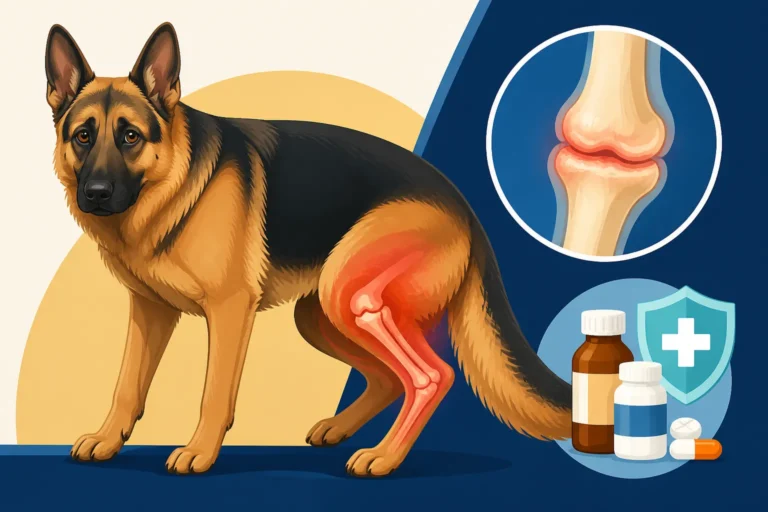
- Medications: Anti-inflammatory drugs (NSAIDs) for pain and inflammation, or other pain relief medications.
- Supplements: Joint supplements containing glucosamine, chondroitin, and MSM, like those recommended for German Shepherd Joint Health Supplements.
- Physical therapy: Hydrotherapy, massage, and specific exercises can strengthen supporting muscles and improve mobility.
- Surgery: In more severe cases, or for younger dogs, surgical options like a triple pelvic osteotomy (TPO), femoral head ostectomy (FHO), or total hip replacement (THR) might be considered.
The financial aspect of managing hip dysplasia can be substantial, especially if surgery is required. Procedures like a total hip replacement can cost thousands of dollars per hip. This is where foresight and planning truly pay off. Many pet owners find immense relief in having pet insurance. For example, companies like Healthy Paws offer comprehensive coverage that can significantly alleviate the financial burden of chronic conditions, allowing you to focus on your dog's well-being without added monetary stress. Their plans often cover diagnostics, medications, physical therapy, and even specialized surgeries, which can make a world of difference when your beloved companion needs extensive care. Having a good insurance plan from a provider like Healthy Paws can mean the difference between pursuing the best possible treatment and having to make difficult financial decisions.
Proactive Measures: Minimizing Risk and Supporting Joint Health
Understanding that German Shepherds are predisposed to hip problems, both genetically and environmentally, empowers us to take proactive steps. While we can't completely eliminate the risk, especially with inherited conditions, there's a lot we can do to minimize the chances of severe symptoms and ensure our dogs live comfortable, happy lives. This focus on prevention and ongoing support is a cornerstone of How to Keep a German Shepherd Healthy.
Responsible Breeding and Puppy Selection
The single most impactful proactive measure you can take starts before you even bring a German Shepherd puppy home. Choosing a responsible breeder is paramount. A truly ethical breeder will:
- Perform extensive health clearances: They won't just say their dogs are healthy; they'll provide documentation (OFA, PennHIP, elbow scores, DM testing results) for both parents and often several generations back. They understand that German Shepherd Genetic Health Testing is non-negotiable.
- Prioritize temperament and health: Their breeding decisions are based on improving the breed, not just making a profit or chasing show titles without regard for underlying health.
- Offer a health guarantee: Reputable breeders stand behind their puppies and typically offer a guarantee against debilitating genetic conditions.
- Educate prospective owners: They'll be a resource for you, providing advice on proper nutrition, exercise, and care for a growing puppy to reduce environmental risks.
- Don't breed too young or too old: They adhere to best practices regarding breeding age to ensure the health of the parents and offspring.
Avoid breeders who don't offer health clearances, discourage questions, or seem solely focused on quick sales. Puppy mills and backyard breeders often contribute significantly to the prevalence of genetic health problems because they prioritize quantity over quality and rarely conduct proper health testing. This is why it's so important to do your homework when looking for a German Shepherd puppy.
Nutrition and Exercise for Growing Pups
Once you bring your German Shepherd puppy home, their nutrition and exercise regimen become critical for proper joint development.
- Controlled Growth Diet: Feed a high-quality, large-breed specific puppy food that is formulated for slow, steady growth. Avoid generic "all-purpose" puppy foods, which may be too calorie-dense. Your vet can provide guidance on the best brands and portion sizes. Follow German Shepherd Puppy Feeding Schedule carefully, ensuring your pup isn't overeating or growing too rapidly.
- Appropriate Exercise: Remember that adage, "a tired puppy is a good puppy"? While true for behavior, it shouldn't mean relentless physical exertion. For young German Shepherds, exercise should be controlled and low-impact. Short, frequent walks on soft ground, gentle play sessions, and swimming are excellent options. Avoid forced running, long hikes, jumping from heights, or intense agility work until their growth plates have closed, typically around 12-18 months of age. Consult your vet to understand How Much Exercise Is Too Much for a Puppy and when it's safe to increase intensity.
These early choices can significantly impact your dog's long-term joint health. It truly is a case where prevention is worth a pound of cure.
Ongoing Joint Support and Lifestyle Choices
As your German Shepherd transitions from puppyhood to adulthood and eventually into their senior years, maintaining joint health remains a priority.
- Weight Management for Life: Keep your German Shepherd at a lean, healthy weight throughout their entire life. Regular weigh-ins and consistent monitoring of their body condition score are crucial. Every extra pound puts stress on their joints, accelerating wear and tear.
- Regular, Moderate Exercise: Continue with consistent, moderate exercise. Activities like leash walks, hiking on varied terrain, and swimming help build and maintain strong muscles around the joints, providing natural support. Avoid periods of intense, sporadic exercise followed by long periods of inactivity, as this can shock the system.
- Joint Supplements: Many owners opt to use joint supplements, especially as their German Shepherd ages or if they have a known genetic predisposition. Ingredients like glucosamine, chondroitin, and omega-3 fatty acids are popular for their anti-inflammatory and cartilage-supporting properties. Always discuss supplement choices with your vet to ensure they are appropriate and dosed correctly.
- Comfortable Living Environment: Provide soft bedding to prevent pressure sores and offer supportive cushioning for tired joints. Ramps or pet stairs can help senior dogs or those with mobility issues access furniture or vehicles without painful jumps. For older dogs, a comprehensive German Shepherd Senior Care Guide can offer invaluable insights into maintaining their comfort and quality of life.
By being mindful of these factors throughout your German Shepherd's life, you're giving them the best possible chance to live comfortably, even if they carry a genetic predisposition. It's about empowering them to thrive despite the challenges the breed faces. When the unforeseen happens, having adequate pet insurance, like a plan from Healthy Paws, can provide an essential safety net, ensuring that you can always afford the best possible care, from routine check-ups to specialized treatments.
Understanding German Shepherd Hip Dysplasia Severity
Hip dysplasia is not a one-size-fits-all condition; its severity can vary greatly, impacting a German Shepherd's quality of life differently depending on the grade of dysplasia. This spectrum of severity is often evaluated through physical examination and X-rays, providing a clearer picture of the joint's condition.
| Severity Grade | Description | Clinical Signs (Typical) | Management Approach (Typical) |
|---|---|---|---|
| Excellent/Good (OFA) | Considered normal hips; tight, well-formed joints with minimal laxity. | None. Dog exhibits normal mobility and activity. | No specific intervention required beyond general wellness care. Ideal for breeding (OFA certification). |
| Fair (OFA) | Acceptable hip conformation, but with slight laxity or minor incongruity. Still considered within passing limits for OFA. | Usually asymptomatic in young dogs; may show mild stiffness after heavy exercise or early signs of arthritis in middle age. | Monitor closely, maintain ideal weight, consider joint supplements, moderate exercise. |
| Mild Dysplasia | Noticeable joint laxity and some flattening of the femoral head or shallow acetabulum. Early signs of osteoarthritis may be present. | Intermittent lameness, reluctance to jump or climb, "bunny hopping," stiffness after rest or exercise. Pain typically manageable with medication. | Weight management, NSAIDs, joint supplements, physical therapy, controlled exercise. Regular vet check-ups. |
| Moderate Dysplasia | Significant joint laxity, clear signs of malformation, and prominent osteoarthritic changes (bone spurs, joint capsule thickening). The "ball" is often partially out of the "socket." | Consistent lameness, noticeable pain, difficulty with everyday movements, significant reduction in activity. Muscle atrophy in hindquarters. | Aggressive medical management (painkillers, anti-inflammatories), extensive physical therapy, possibly surgical intervention (FHO, TPO, or THR) depending on age and severity. Long-term management of pain. |
| Severe Dysplasia | Profound joint laxity with the femoral head completely or almost completely out of the acetabulum (subluxation or luxation). Extensive degenerative changes, severe arthritis, and potential remodeling of bone. | Crippling pain, severe lameness, inability to bear weight, constant discomfort, significant muscle wastage. Dog's quality of life severely impacted without intervention. | Often requires surgical intervention (Total Hip Replacement (THR) is most effective, FHO if THR isn't an option) to restore function and reduce pain. Intensive rehabilitation and lifelong pain management. Pet insurance from providers like Healthy Paws becomes critically important here for covering these extensive costs. |
It's important to remember that the presence of hip dysplasia on an X-ray doesn't always perfectly correlate with the clinical signs a dog exhibits. Some dogs with seemingly severe X-ray findings may show surprisingly few symptoms, while others with mild dysplasia may experience significant pain. This is why a comprehensive approach, combining imaging with a thorough physical examination and assessment of your dog's behavior, is essential for diagnosis and determining the best treatment plan. Regardless of the severity, proactive care and early intervention are crucial for improving the long-term prognosis for any German Shepherd facing hip problems.
Disclaimer
The information provided in this article is for general informational purposes only and is not a substitute for professional veterinary advice. Always consult with a qualified veterinarian for any health concerns or before making any decisions related to your pet's health and treatment.