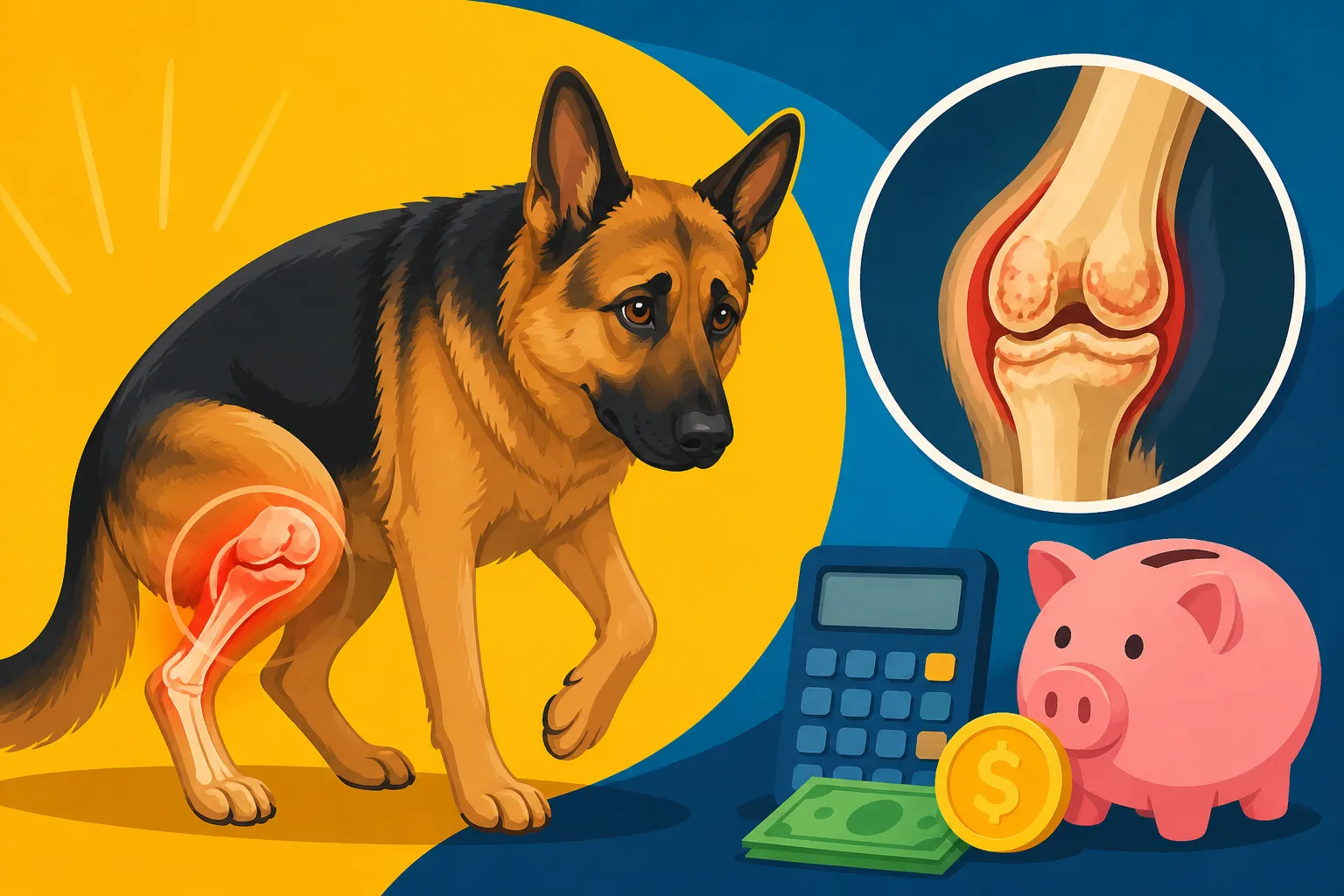
German Shepherd Osteoarthritis: Cost to Treat
It's heartbreaking to see our beloved German Shepherds start to slow down, struggling with stiffness and pain, especially when it comes to a chronic condition like osteoarthritis. The worry isn't just about their comfort, but also the daunting question of how we'll manage the veterinary bills. This guide will meticulously break down the various costs associated with diagnosing and treating osteoarthritis in German Shepherds, helping you prepare financially and emotionally for this journey.
Understanding the Financial Landscape of German Shepherd Osteoarthritis
When your German Shepherd is diagnosed with osteoarthritis, it's not just a single vet visit and a one-time bill. This is a chronic, progressive condition, meaning the financial commitment will be ongoing. It can feel overwhelming, like you're staring down a mountain of expenses, but understanding what to expect can help you navigate it more effectively. The costs can range dramatically depending on the severity of the disease, the specific treatments chosen, and even your geographic location. Living in a major city like New York or Los Angeles often means higher veterinary costs than in a rural area.
Osteoarthritis can manifest at different ages, though it's most common in senior dogs. However, due to the prevalence of conditions like German Shepherd Hip Dysplasia Explained and German Shepherd Elbow Dysplasia: Symptoms and Treatment, German Shepherds can sometimes develop secondary osteoarthritis much earlier. This means that a condition that started as a developmental issue can evolve into chronic arthritis, piling on the expenses over many years.
Initial Diagnosis Costs
The first step when you notice your German Shepherd limping or showing signs of discomfort is a trip to the vet. This initial phase involves several diagnostic procedures to confirm osteoarthritis and rule out other potential issues.
- Veterinary Consultation: A standard vet visit can cost anywhere from $60 to $150, depending on your clinic and location. This is where the vet will perform a physical examination, checking for tenderness, reduced range of motion, and crepitus (a grating sound or sensation in the joint).
- Radiographs (X-rays): X-rays are crucial for diagnosing osteoarthritis. They allow the vet to visualize joint changes, such as narrowing of the joint space, bone spurs (osteophytes), and other indicators of cartilage degradation. Typically, a set of X-rays for a large dog like a German Shepherd can run from $200 to $400, especially if sedation is required to get clear images. Sometimes, multiple views are needed, increasing the cost.
- Blood Work: While not directly diagnosing osteoarthritis, blood tests are often recommended to assess your dog's overall health before starting long-term medications, especially pain relievers that can affect the liver or kidneys. A basic blood panel can cost between $100 and $250. This is a vital step to ensure your dog can safely tolerate any prescribed treatments.
- Advanced Imaging (MRI/CT Scans): In more complex cases, or if other conditions are suspected, your vet might recommend an MRI or CT scan. These provide much more detailed images of soft tissues and bones, but they come with a significantly higher price tag, often ranging from $1,500 to $4,000, requiring general anesthesia. This isn't a first-line diagnostic for most OA cases but can be necessary for precise diagnosis or surgical planning.
Ongoing Medical Management Expenses
Once osteoarthritis is diagnosed, the focus shifts to managing pain, inflammation, and slowing the disease's progression. This is where the bulk of the long-term costs will accumulate, as it involves a combination of medications, supplements, and lifestyle adjustments.
- Non-Steroidal Anti-Inflammatory Drugs (NSAIDs): These are often the cornerstone of pain management for osteoarthritis. Drugs like Carprofen (Rimadyl), Meloxicam (Metacam), or Galliprant are commonly prescribed. The monthly cost can range from $30 to $100, depending on the drug, dosage, and your dog's size. Remember, German Shepherds are large dogs, so their dosages will naturally be higher. Regular blood work (every 6-12 months) is usually recommended while on NSAIDs to monitor liver and kidney function, adding another $100-$250 per test.
- Joint Supplements: Many owners opt for joint supplements containing ingredients like glucosamine, chondroitin, and MSM. Brands like Cosequin, Dasuquin, or GlycoFlex are popular choices. While not a cure, they can support joint health and sometimes reduce the need for higher doses of NSAIDs. Monthly costs for these supplements can vary from $20 to $80. You can explore options in our guide on German Shepherd Joint Health Supplements.
- Other Pain Medications: For more severe pain or when NSAIDs aren't enough, vets might prescribe other pain relievers like Gabapentin or Amantadine. These can add another $20 to $70 per month to your medication budget. The goal is to create a multi-modal pain management plan that addresses all aspects of your German Shepherd's discomfort.
- Disease-Modifying Osteoarthritis Drugs (DMOADs): Injections like Adequan Canine (polysulfated glycosaminoglycan) aim to improve joint fluid and cartilage health. A course of injections typically involves multiple doses over several weeks, followed by maintenance injections. The initial course might cost $200-$400, with monthly or quarterly booster shots costing $50-$150 each.
Rehabilitation and Alternative Therapies
Beyond medications, physical therapy and alternative treatments can significantly improve your German Shepherd's quality of life, but they do add to the overall cost. These therapies often focus on strengthening surrounding muscles, improving range of motion, and reducing pain without heavy reliance on pharmaceuticals.
Physical Rehabilitation Services
A certified canine rehabilitation therapist can develop a tailored exercise plan for your German Shepherd. This often includes various modalities designed to support joint health and muscle strength.
- Hydrotherapy (Underwater Treadmill): This low-impact exercise allows dogs to move without putting excessive stress on their joints. Sessions can cost $50 to $100 each, and a typical course might involve 1-2 sessions per week initially.
- Therapeutic Exercises: These are specific exercises taught by a therapist to build muscle, improve balance, and increase flexibility. Initial consultations and customized exercise plans can cost $100-$200, with follow-up sessions ranging from $40-$80. Many of these exercises can be continued at home to save on costs.
- Laser Therapy: Cold laser therapy can help reduce pain and inflammation and promote healing. A single session might cost $25-$75, with a series of sessions often recommended for optimal results.
- Acupuncture: Some German Shepherds respond well to acupuncture for pain relief. Sessions typically cost $50-$100, and like laser therapy, a series is usually needed to see significant improvement.
It's wise to consider pet insurance from providers like Healthy Paws. Many plans can help cover a significant portion of these rehabilitation costs, which can quickly add up over the long term.
Home Modifications and Supportive Care
Investing in your home environment can make a huge difference in your German Shepherd's comfort and mobility, reducing strain on their arthritic joints.
- Orthopedic Dog Beds: A high-quality orthopedic bed provides better support than a standard bed, relieving pressure on sore joints. These can range from $80 to $300+.
- Ramps and Stairs: To prevent jumping and climbing, which can exacerbate joint pain, consider ramps for cars or short steps for couches and beds. These can cost $50-$200.
- Non-Slip Flooring: If you have hardwood or tile floors, runners or rugs can provide better traction, preventing slips and falls that could injure compromised joints.
- Mobility Aids: As the disease progresses, your German Shepherd might benefit from harnesses that help support their weight, or even a dog wheelchair for advanced cases. These range from $50 for a supportive harness to $500-$1,500 for a custom wheelchair. Our article on German Shepherd DM: Wheelchair and Care Options also touches on similar mobility challenges and solutions.
Surgical Interventions and Advanced Treatments
In some severe cases of osteoarthritis, particularly those stemming from pre-existing conditions like hip or elbow dysplasia, surgery might be considered. While these are often more immediate, higher costs, they can offer significant long-term relief.
Common Surgical Options
Surgical interventions are usually reserved for cases where conservative medical management is no longer effective or when the structural damage is severe enough to warrant it.
- Femoral Head Ostectomy (FHO): For severe hip arthritis, an FHO removes the head of the femur, allowing a "false joint" to form. This can significantly reduce pain, especially in smaller or less active dogs. The cost can range from $1,200 to $3,500 per hip. Post-operative physical therapy is critical for success, adding to the total expense.
- Total Hip Replacement (THR): This is a more complex and expensive procedure where the damaged hip joint is replaced with a prosthetic. It offers the best chance for complete pain relief and return to function. A single THR can cost between $4,000 and $7,000 per hip. This is a major surgery requiring extensive recovery and rehabilitation.
- Arthrodesis (Joint Fusion): In cases of severe, irreparable joint damage, especially in lower leg joints, fusion surgery might be performed to stabilize the joint and eliminate pain by preventing movement. This can cost $2,000 to $5,000.
- Arthroscopy: While primarily diagnostic, arthroscopy can sometimes be used to perform minimally invasive procedures within the joint, such as removing bone fragments or addressing cartilage issues, which could contribute to osteoarthritis. This is less common for widespread OA but can be an option for specific localized problems, costing $1,500-$3,000.
The decision for surgery is a serious one, not just emotionally but financially. It's a conversation you'll have extensively with your veterinarian and potentially a veterinary orthopedic specialist. Being prepared for these costs is paramount.
Innovative Therapies
The field of veterinary medicine is constantly advancing, bringing new hope and treatment options for osteoarthritis. These are often cutting-edge and can be quite costly.
- Platelet-Rich Plasma (PRP) Therapy: PRP therapy involves drawing your dog's blood, processing it to concentrate platelets (which contain growth factors), and injecting the plasma back into the affected joint. This can stimulate healing and reduce inflammation. Each treatment can cost $500 to $1,000, and multiple treatments may be recommended.
- Stem Cell Therapy: Stem cell therapy is another regenerative medicine approach where stem cells (often harvested from your dog's fat) are injected into arthritic joints. The goal is to regenerate damaged cartilage and reduce inflammation. This is one of the more expensive options, with initial treatments typically ranging from $2,000 to $3,000, not including follow-up injections.
These advanced therapies are exciting, but it's important to discuss their efficacy and suitability for your German Shepherd's specific condition with your vet. Many pet insurance providers, such as Healthy Paws, are starting to cover these newer treatments, but it's essential to check your policy details.
Cost Comparison Table: Osteoarthritis Treatment Options
To give you a clearer picture, here's a general overview of the potential costs for various osteoarthritis treatments. Keep in mind these are estimates and can fluctuate significantly.
| Treatment Category | Specific Treatment | Estimated Single/Monthly Cost | Notes |
|---|---|---|---|
| Diagnostics | Vet Consultation | $60 – $150 | Initial visit for assessment. |
| X-rays (Radiographs) | $200 – $400 | Crucial for diagnosis, may require sedation. | |
| Blood Work | $100 – $250 | Pre-treatment health check, ongoing monitoring for meds. | |
| MRI/CT Scan | $1,500 – $4,000 | For complex cases, requires anesthesia. | |
| Medical Management | NSAIDs (e.g., Carprofen) | $30 – $100/month | Primary pain & inflammation control. |
| Joint Supplements | $20 – $80/month | Glucosamine, chondroitin, MSM. | |
| Other Pain Meds | $20 – $70/month | Gabapentin, Amantadine, added for severe pain. | |
| DMOAD Injections (Adequan) | $50 – $150/injection | Course of injections then maintenance. | |
| Rehabilitation & Support | Hydrotherapy Session | $50 – $100/session | Low-impact exercise, often multiple sessions. |
| Laser Therapy Session | $25 – $75/session | Reduces pain/inflammation, typically in a series. | |
| Acupuncture Session | $50 – $100/session | Alternative pain relief, usually in a series. | |
| Orthopedic Dog Bed | $80 – $300+ | One-time purchase for comfort. | |
| Ramps/Stairs | $50 – $200 | One-time purchase for accessibility. | |
| Mobility Harness/Wheelchair | $50 – $1,500 | Varies greatly by complexity. | |
| Surgical Options | FHO (per hip) | $1,200 – $3,500 | Salvage procedure for severe hip arthritis. |
| Total Hip Replacement (per hip) | $4,000 – $7,000 | Major surgery for significant pain relief. | |
| PRP Therapy (per treatment) | $500 – $1,000 | Regenerative therapy, multiple treatments may be needed. | |
| Stem Cell Therapy | $2,000 – $3,000+ | Advanced regenerative therapy. |
Strategies for Managing Costs
The costs can certainly add up, and it’s completely normal to feel overwhelmed. But there are proactive steps you can take to manage these expenses without compromising your German Shepherd's care. Being prepared is half the battle when dealing with a chronic condition like German Shepherd Osteoarthritis: Symptoms and Treatment.
Pet Insurance: A Financial Lifeline
Many German Shepherd owners find pet insurance to be an invaluable tool for managing unexpected and ongoing veterinary costs. Policies can vary widely, but comprehensive plans often cover accidents, illnesses, surgeries, medications, and sometimes even rehabilitation.
- Understanding Coverage: Before enrolling, thoroughly research different providers and their plans. Look for plans that cover chronic conditions like arthritis, and pay close attention to deductibles, reimbursement percentages (e.g., 70%, 80%, or 90% of eligible costs), and annual limits. Companies like Healthy Paws are well-regarded for their comprehensive coverage and unlimited lifetime payouts, which can be a huge relief for a chronic condition.
- Enroll Early: The best time to get pet insurance is when your German Shepherd is young and healthy, before any pre-existing conditions develop. Most policies will not cover conditions diagnosed before enrollment, including osteoarthritis.
- Evaluate Worth: While you'll pay a monthly premium (which can range from $40-$80+ for a German Shepherd, depending on age and location), the peace of mind and potential savings on major treatments like surgery or long-term medication can be significant. It effectively transforms potentially enormous, unpredictable bills into manageable monthly payments.
When you're looking at the average German Shepherd lifespan, which can be 9-13 years, the potential for chronic conditions to arise is high. Having a good insurance policy in place means you can focus on getting the best care, not just the cheapest.
Budgeting and Financial Planning
Even with pet insurance, you'll still have out-of-pocket expenses. Having a dedicated fund for your German Shepherd's healthcare is a smart move.
- Emergency Fund: Aim to have at least $1,000-$2,000 set aside specifically for pet emergencies or unexpected medical needs. This can cover your deductible or the portion of a bill not covered by insurance.
- Savings Account: Consider setting up a separate savings account for your German Shepherd's care, depositing a small amount each month. Over time, this can grow into a substantial fund.
- Payment Plans: Many veterinary clinics offer payment plans for larger bills, or you can look into third-party financing options like CareCredit, which provides credit cards specifically for healthcare expenses.
- Preventative Care: While this article is about treating an existing condition, remember that preventing or delaying the onset of severe arthritis can reduce costs in the long run. Proper nutrition, maintaining a healthy weight, and appropriate exercise are key. You can learn more about How to Keep a German Shepherd Healthy to minimize overall health costs.
Seeking Second Opinions and Comparing Costs
Don't hesitate to seek a second opinion, especially for major decisions like surgery or advanced therapies. Different vets may have different approaches or price structures.
- Specialists vs. General Vets: For complex orthopedic issues, a board-certified veterinary orthopedic specialist might offer the most advanced treatments and diagnoses. While their initial consultation fees might be higher, their expertise can sometimes lead to more effective and ultimately more cost-efficient long-term solutions.
- Pharmacy Shopping: Once you have a prescription, compare prices at different pharmacies. Online pet pharmacies (with a valid prescription from your vet) often offer medications at a lower cost than your veterinary clinic. Just ensure they are reputable and licensed.
- Homemade Options (with Vet Approval): For things like physical therapy, once you've learned the proper techniques from a professional, you can often continue many exercises at home, saving on session fees. Always ensure your vet approves of any at-home care plans.
Managing osteoarthritis in your German Shepherd is a journey, not a sprint. It requires dedication, patience, and a realistic understanding of the financial commitment involved. By being proactive and exploring all available options, you can provide your cherished companion with the best possible quality of life despite their condition. For more tips on managing their comfort, check out German Shepherd Arthritis Management at Home.
Disclaimer
This article is intended for informational purposes only and does not constitute veterinary advice. The cost estimates provided are general and can vary significantly based on location, veterinary clinic, individual dog's condition, and treatment choices. Always consult with a qualified veterinarian for accurate diagnosis, treatment plans, and specific cost estimations for your German Shepherd's health needs.