German Shepherd Senior Diet Adjustments
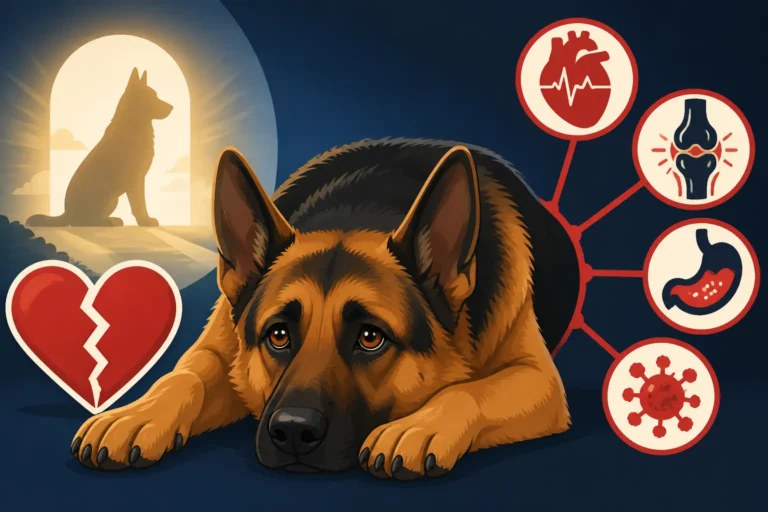
It's heartbreaking to watch our beloved German Shepherds start slowing down, seeing those once boundless bursts of energy become more sedate, and knowing that their bodies are changing as they enter their senior years. One of the most impactful ways we can support them through this natural transition is by adjusting their diet, and this guide will walk you through exactly what nutritional tweaks your aging German Shepherd needs to stay as comfortable and healthy as possible.
Recognizing When Your German Shepherd is a Senior
Determining exactly when a German Shepherd becomes a "senior" isn't always a strict calendar date; it's more about physical changes and health markers. Generally, large breeds like German Shepherds tend to age faster than smaller dogs, so while a tiny chihuahua might still be spry at ten, your German Shepherd is likely showing signs of seniority around the age of seven or eight.
Physical and Behavioral Indicators of Aging
You know your dog better than anyone, so pay close attention to the subtle shifts in their daily routine and physical demeanor. Are they sleeping more? Do they take longer to get up after a nap? Maybe they're not as eager for those long walks they once devoured, or they're skipping playtime altogether. These aren't necessarily signs of illness, but rather common indications that their body isn't as youthful as it once was. You might notice a slight dulling of their once-vibrant coat, a little cloudiness in their eyes, or perhaps they're not hearing or seeing quite as well. Their metabolism starts to slow down, and they might gain weight more easily or, conversely, struggle to maintain muscle mass.
For a deeper dive into overall care, our article on the German Shepherd Senior Care Guide offers extensive advice on managing these golden years. It's truly a time for us to step up and make their comfort our priority, and that starts with understanding their changing needs.
Importance of Veterinary Check-ups
Even if your German Shepherd seems perfectly fine, regular veterinary check-ups become even more crucial as they age. Your vet can perform comprehensive physical exams, blood work, and urine tests that can detect underlying health issues before they become serious. They can also provide a professional assessment of your dog's ideal weight and body condition, which is paramount for guiding dietary adjustments. Often, subtle signs of conditions like arthritis, kidney disease, or even early diabetes can be caught during these visits, allowing for proactive management, including specific dietary recommendations. Think of these check-ups as your roadmap for extending your German Shepherd's lifespan and ensuring their quality of life.
Key Nutritional Changes for Senior German Shepherds
As our German Shepherds enter their golden years, their nutritional requirements shift significantly from their younger, more active selves. What worked for a two-year-old high-energy dog might not be suitable for a ten-year-old who prefers naps to long hikes. The goal is to support their aging body, manage potential health issues, and maintain their ideal weight without over- or under-feeding.
Adjusting Calorie Intake
One of the most common pitfalls for senior German Shepherds is unintentional weight gain. As their activity levels naturally decrease, their metabolism slows down, meaning they simply don't need as many calories as they once did. Continuing to feed them the same amount of food can quickly lead to obesity, which exacerbates joint problems like German Shepherd Arthritis Management at Home and can put extra strain on their organs.
On average, a senior dog might need 20-30% fewer calories than an adult dog of the same size. However, this isn't a one-size-fits-all rule. Some seniors, particularly those with certain health conditions or very high metabolisms, might actually struggle to keep weight on. It's a delicate balance, and closely monitoring their body condition score is essential. You should be able to feel their ribs easily without seeing them protruding, and they should have a discernible waist when viewed from above. If you're unsure, your vet can help you calculate the precise caloric needs for your individual dog, taking into account their current weight, activity level, and any health concerns.
Protein Requirements for Muscle Maintenance
There's a common misconception that senior dogs need less protein, especially if they have kidney issues. However, for most healthy senior German Shepherds, adequate, high-quality protein is vital. As dogs age, they can start to lose muscle mass, a condition known as sarcopenia. High-quality protein helps combat this, maintaining muscle strength and supporting organ function. The key here is quality over quantity – easily digestible protein sources are preferred.
Look for dog foods where meat is the first ingredient, and aim for a protein content of around 25-30% on a dry matter basis for most healthy seniors. For dogs with specific kidney conditions, your vet might recommend a lower protein diet, but this should always be a vet-guided decision, not a blanket assumption for all senior dogs. Protein supports their immune system, helps repair tissues, and provides essential amino acids that keep them feeling strong.
Fat and Fiber Balance
Fats are crucial for energy and nutrient absorption, but senior German Shepherds typically require a lower fat intake due to their reduced caloric needs and slower metabolism. Too much fat can lead to weight gain and potentially upset their sensitive stomachs. Aim for moderate fat content, generally between 12-15% on a dry matter basis. However, don't cut out healthy fats entirely; Omega-3 fatty acids, found in fish oil, are particularly beneficial for joint health, cognitive function, and maintaining a healthy coat, even for older dogs.
Fiber, on the other hand, often becomes more important as dogs age. Many senior German Shepherds experience constipation or irregular bowel movements. Adequate fiber helps promote healthy digestion, regulate blood sugar, and contribute to satiety, which can be helpful if you're reducing their overall food portion. Sources of healthy fiber include whole grains, pumpkin, and certain vegetables.
Essential Vitamins, Minerals, and Supplements
Beyond macronutrients, specific micronutrients and supplements can make a significant difference in a senior German Shepherd's quality of life.
- Antioxidants: Vitamins E and C, along with other antioxidants, help combat cellular damage from free radicals, supporting immune health and potentially slowing cognitive decline.
- Joint Supplements: Glucosamine and chondroitin are practically non-negotiable for most aging German Shepherds, especially given their breed's predisposition to joint issues like German Shepherd Hip Dysplasia Explained and arthritis. These compounds help maintain cartilage health and reduce inflammation. Our guide on Best Joint Supplements for Senior German Shepherds can provide more detailed recommendations.
- Omega-3 Fatty Acids: As mentioned, these are powerful anti-inflammatories beneficial for joints, skin, coat, and brain health.
- Probiotics: A healthy gut microbiome is crucial at any age, but particularly for seniors who might have more sensitive digestive systems or are prone to issues like loose stool. Probiotics can aid digestion and nutrient absorption.
Always discuss any new supplements with your veterinarian, as they can recommend appropriate dosages and ensure they don't interact negatively with any medications your dog might be taking.
Common Senior Health Issues Impacting Diet
As German Shepherds age, they become more susceptible to certain health conditions that directly influence their dietary needs. Being proactive and understanding these links is key to managing their health effectively.
Arthritis and Joint Pain
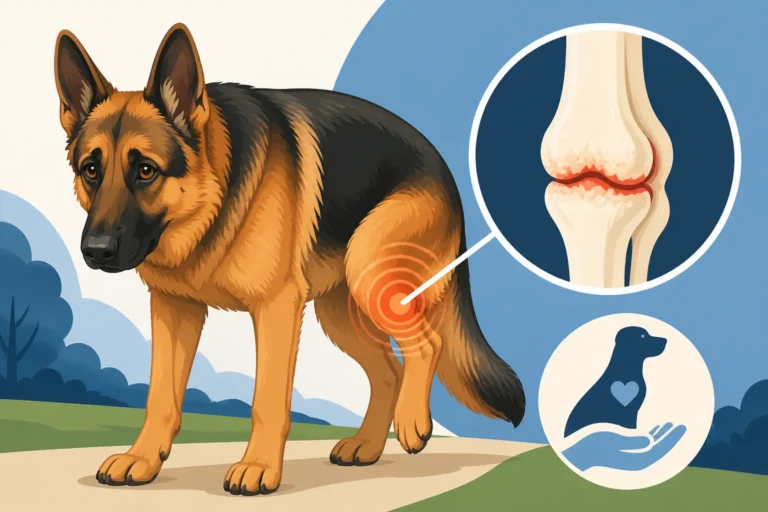
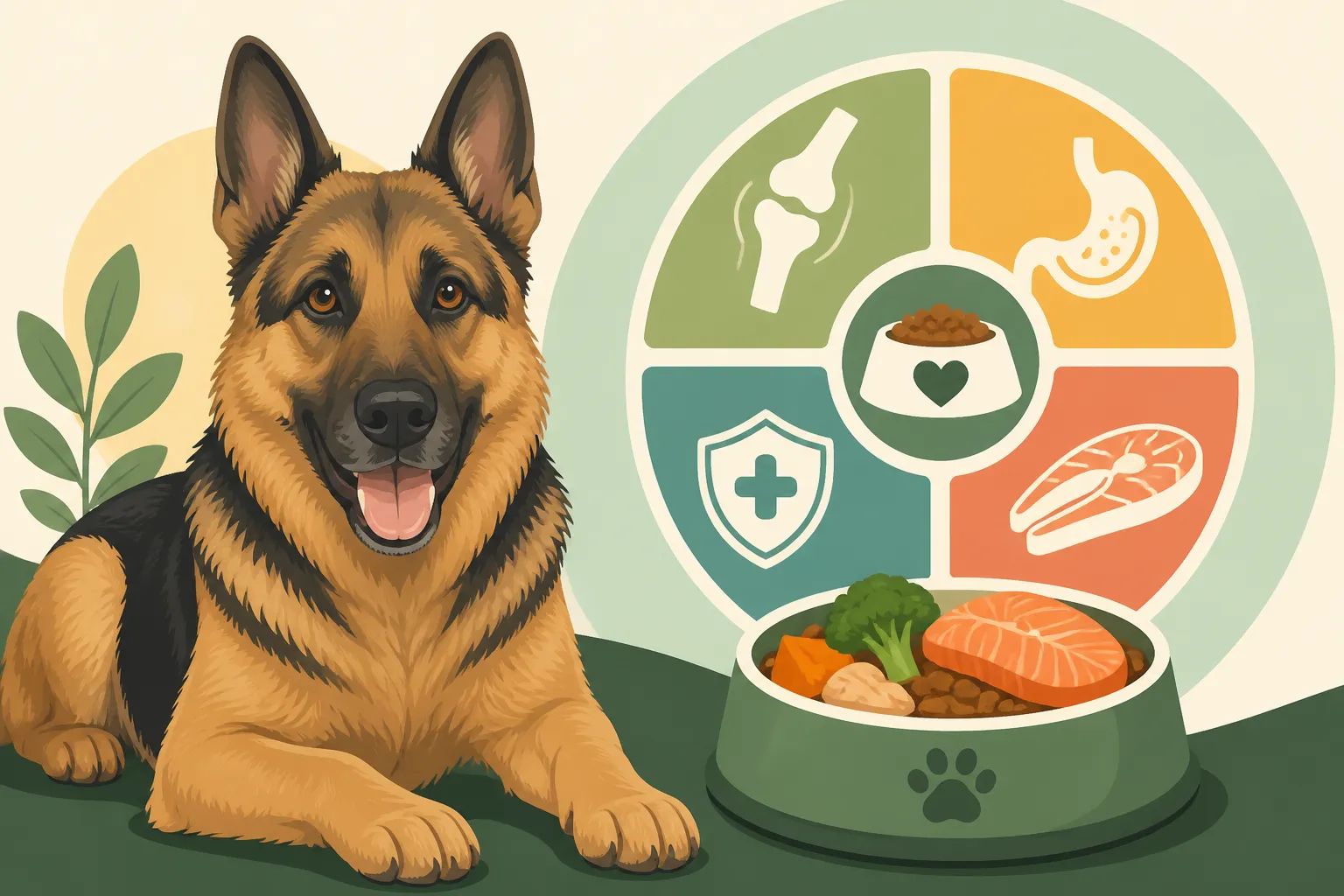
Arthritis is an almost inevitable part of aging for many large breeds, and German Shepherds are no exception. The pain and stiffness from conditions like osteoarthritis can significantly reduce their mobility and quality of life. While joint supplements like glucosamine, chondroitin, and Omega-3 fatty acids are crucial, diet plays an even broader role.
Maintaining a lean body weight is perhaps the single most important dietary factor in managing arthritis. Excess weight puts immense strain on already compromised joints, worsening pain and progression. A diet lower in calories and moderate in fat helps achieve and maintain this lean condition. Additionally, some senior dog foods are formulated with ingredients specifically designed to reduce inflammation, such as turmeric or green-lipped mussel, which can be beneficial. Regular, gentle exercise, coupled with a supportive diet, can help keep them comfortable for longer.
Kidney Disease
Kidney disease is another common ailment in older dogs, and diet is a cornerstone of its management. When kidneys begin to fail, they struggle to filter waste products from the blood effectively. A vet-prescribed kidney diet typically involves reduced protein, but, critically, the protein that is included must be of very high quality to minimize waste products while still preventing muscle loss. These diets are also often restricted in phosphorus and sodium, which can exacerbate kidney issues.
Early detection through routine blood work is vital, as dietary changes can slow the progression of kidney disease and improve your dog's comfort. Never attempt to put your dog on a kidney diet without veterinary guidance, as incorrect formulations can be detrimental.
Dental Problems and Chewing Difficulties
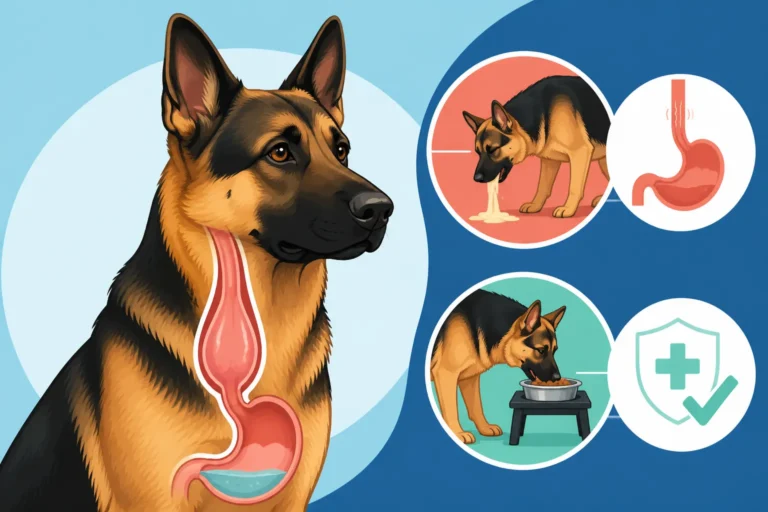
It's a harsh reality, but many senior German Shepherds develop dental problems like gum disease, loose teeth, or tooth pain. This can make eating hard kibble a painful experience, leading to reduced food intake and weight loss. If your senior dog starts showing reluctance to eat their usual dry food, dental issues might be the culprit.
Options for addressing this include switching to smaller kibble sizes, moistening their kibble with warm water or broth to soften it, or transitioning to wet food. Some owners opt for a mix of wet and dry food to make meals more palatable. Regular dental check-ups and cleanings throughout their life, as discussed in German Shepherd Dental Care Explained, can help prevent severe issues in their senior years, but when problems arise, adjusting the food texture is a simple, effective solution.
Weight Management Concerns
Both obesity and unintentional weight loss can be significant concerns for senior German Shepherds.
Obesity Risk: As mentioned, decreased activity and a slower metabolism are prime contributors to weight gain. This isn't just cosmetic; obesity drastically increases the risk of diabetes, heart disease, certain cancers, and worsens joint pain. Our guide on German Shepherd Weight and Obesity Risks delves into the full spectrum of these dangers. Dietary strategies to combat obesity include:
- Reducing overall caloric intake.
- Feeding a high-fiber diet to promote satiety.
- Using low-calorie, healthy treats sparingly.
- Ensuring portion control and avoiding free-feeding.
Underweight Concerns: Conversely, some senior dogs start to lose weight as they age, especially if they develop conditions like cancer, gastrointestinal issues, or dental pain, or if they have Exocrine Pancreatic Insufficiency (EPI) which needs a specific German Shepherd EPI Diet and Management. If your senior German Shepherd is losing weight despite eating adequately, it's crucial to consult your vet to rule out underlying medical conditions. If healthy, strategies might include:
- Increasing calorie density of their food (higher fat, higher protein).
- Feeding smaller, more frequent meals.
- Making food more palatable by warming it or adding flavor enhancers (like low-sodium broth).
Here's a quick comparison of general dietary guidelines for adult vs. senior German Shepherds:
| Nutritional Component | Adult German Shepherd (Typical) | Senior German Shepherd (Typical) | Rationale for Change |
|---|---|---|---|
| Calorie Intake | Higher, for active metabolism | Lower (20-30% reduction) | Decreased activity, slower metabolism |
| Protein | High quality, moderate-to-high (25-30%) | High quality, moderate-to-high (25-30%) | Maintain muscle mass, combat sarcopenia |
| Fat | Moderate-to-high (15-20%) | Moderate-to-low (10-15%) | Reduce calories, prevent weight gain |
| Fiber | Moderate | Higher | Aid digestion, prevent constipation, promote satiety |
| Omega-3s | Beneficial | Highly Recommended | Anti-inflammatory, joint, cognitive support |
| Glucosamine/Chondroitin | Optional/Preventative | Highly Recommended | Joint health, arthritis management |
| Antioxidants | Beneficial | Highly Recommended | Immune support, cognitive health |
Note: These are general guidelines; always consult your veterinarian for specific recommendations for your dog.
Practical Tips for Transitioning and Feeding
Making dietary adjustments for your senior German Shepherd isn't just about picking a new bag of food; it's about a mindful transition and establishing a routine that supports their changing needs. Patience and observation are your best tools here.
Gradual Food Transitions
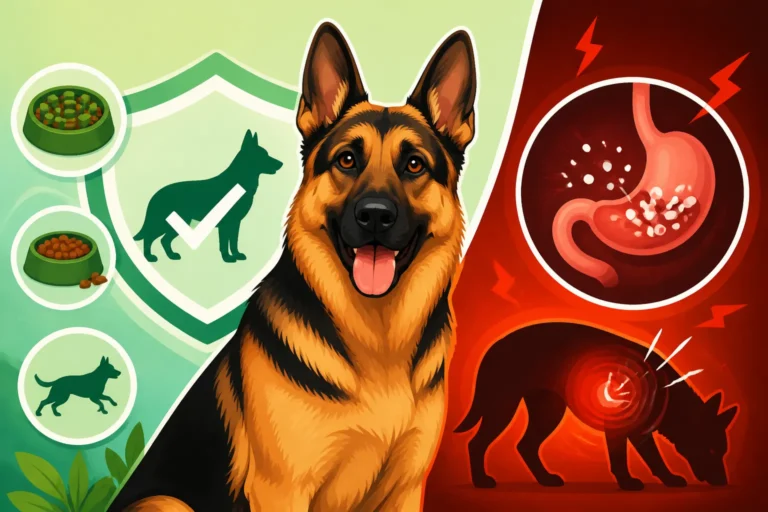
Never switch your dog's food cold turkey, especially an older dog with a potentially sensitive digestive system. A sudden change can lead to upset stomach, diarrhea, or vomiting, which is the last thing you want for your beloved senior. The key is a slow, gradual transition over 7-10 days, allowing their digestive system to adapt.
Start by mixing a small amount of the new food with their old food, about 25% new to 75% old, for the first few days. If they tolerate it well, gradually increase the proportion of new food while decreasing the old. By day 7-10, they should be on 100% new food. Watch for any signs of digestive upset, such as changes in stool consistency or appetite. If you notice any issues, slow down the transition even further. Some dogs might need two weeks or more. This gentle approach helps ensure they get the nutritional benefits without the discomfort.
Feeding Schedule and Environment
As German Shepherds age, some benefit from more frequent, smaller meals rather than one or two large ones. This can be easier on their digestive system and help maintain more stable energy levels. Two to three smaller meals spread throughout the day might be ideal.
Consider their feeding environment too. If your senior German Shepherd has arthritis or joint pain, bending down to eat from a bowl on the floor can be uncomfortable. Elevated food bowls can make mealtime much more accessible and reduce strain on their neck and joints. Ensure their eating area is quiet, easily accessible, and free from competition if you have other pets. This makes mealtime a positive, stress-free experience.
Monitoring and Adjustments
The process of finding the perfect senior diet isn't a one-and-done deal; it requires ongoing monitoring and adjustments. Regularly assess your German Shepherd's body condition – are they gaining or losing too much weight? Are their ribs easily palpable but not visible? Pay attention to their coat quality, energy levels, and bowel movements. These are all indicators of how well their diet is working.
If you notice any significant changes or concerns, don't hesitate to consult your veterinarian. They can help fine-tune the diet, recommend specific prescription foods for medical conditions, or suggest additional supplements. Remember, providing a tailored diet is a continuous act of love and care, evolving as your senior German Shepherd continues to enjoy their golden years. When considering the comprehensive care that comes with an aging companion, it's also worth thinking about how a robust pet insurance plan, such as those offered by Healthy Paws, can help alleviate the financial burden of unexpected health issues that often arise as dogs get older. Having that safety net can make a world of difference.
Hydration and Water Intake for Senior German Shepherds
Just like with humans, proper hydration becomes increasingly vital for senior dogs. As German Shepherds age, their thirst drive might decrease, or they might not be as mobile to reach their water bowl as frequently. Yet, their bodies still desperately need water for all essential functions, especially kidney health.
Importance of Consistent Water Access
Ensuring constant access to fresh, clean water is paramount. If you have a multi-story home, consider placing multiple water bowls on each floor where your senior German Shepherd spends time. This reduces the need for them to navigate stairs, which can be challenging for stiff joints. Keep the water bowls sparkling clean; stale or dirty water can deter them from drinking. Some dogs prefer ceramic or stainless steel bowls over plastic, as plastic can sometimes retain odors.
You might also consider an automatic water fountain. Many dogs are intrigued by moving water and tend to drink more from fountains, which also helps keep the water circulated and fresher. For dogs with specific medical conditions like kidney disease or urinary tract issues, increased water intake is often a critical part of their treatment plan.
Enhancing Water Intake
If your senior German Shepherd isn't drinking enough, there are several ways to encourage them. One simple method is to add water or low-sodium, dog-safe broth to their kibble. This not only softens the food, which can be helpful for dental issues, but also adds a significant amount of hydration to their meal. You can also incorporate wet dog food into their diet, as it has a much higher moisture content than dry kibble.
Another trick is offering ice cubes as treats, especially on warmer days. Some dogs enjoy crunching on them, and it's a fun way to sneak in extra hydration. Just make sure the cubes are small enough to prevent choking. Always consult your vet if you are concerned about your dog's hydration levels, as severe dehydration can be a sign of underlying health problems that require immediate medical attention. Remember that keeping your German Shepherd hydrated is a simple yet incredibly impactful way to support their overall health and well-being as they age.
German Shepherd Senior Diet Adjustments: Final Thoughts
Navigating the senior years with your German Shepherd is a journey filled with love, patience, and careful attention to their changing needs. Adjusting their diet is one of the most powerful tools you have to ensure their comfort, health, and happiness during this precious time. From reducing calories to supporting their joints and kidneys, every tweak to their food bowl is a testament to the bond you share.
Remember, every German Shepherd is an individual, and what works perfectly for one might need slight modifications for another. Don't be afraid to experiment under veterinary guidance, always prioritizing quality ingredients and a gentle transition. If you're ever worried about the costs associated with senior care, from specialized diets to veterinary treatments, exploring options like pet insurance from Healthy Paws can provide much-needed financial support, allowing you to focus on what truly matters: giving your senior German Shepherd the best possible quality of life in their golden years. By being proactive and informed, you're not just feeding your dog; you're nurturing their spirit and honoring the incredible companionship they've given you.
Disclaimer
The information provided in this article is for general informational purposes only and is not intended as a substitute for professional veterinary advice, diagnosis, or treatment. Always seek the advice of your veterinarian or other qualified health provider with any questions you may have regarding a medical condition or the health and nutrition of your German Shepherd. Never disregard professional veterinary advice or delay in seeking it because of something you have read here.