Degenerative Myelopathy in German Shepherds
It’s truly heartbreaking to watch your beloved German Shepherd, once so vibrant and agile, begin to struggle with their hind legs, stumbling and losing coordination. This slow, often bewildering decline is a reality many German Shepherd owners face when their dog is diagnosed with Degenerative Myelopathy (DM), a cruel and unforgiving neurological disease. This comprehensive guide is here to walk you through everything you need to know about DM, from understanding its causes and recognizing early signs to navigating diagnosis, treatment, and providing the best possible quality of life for your cherished companion.
What Exactly is Degenerative Myelopathy in German Shepherds?
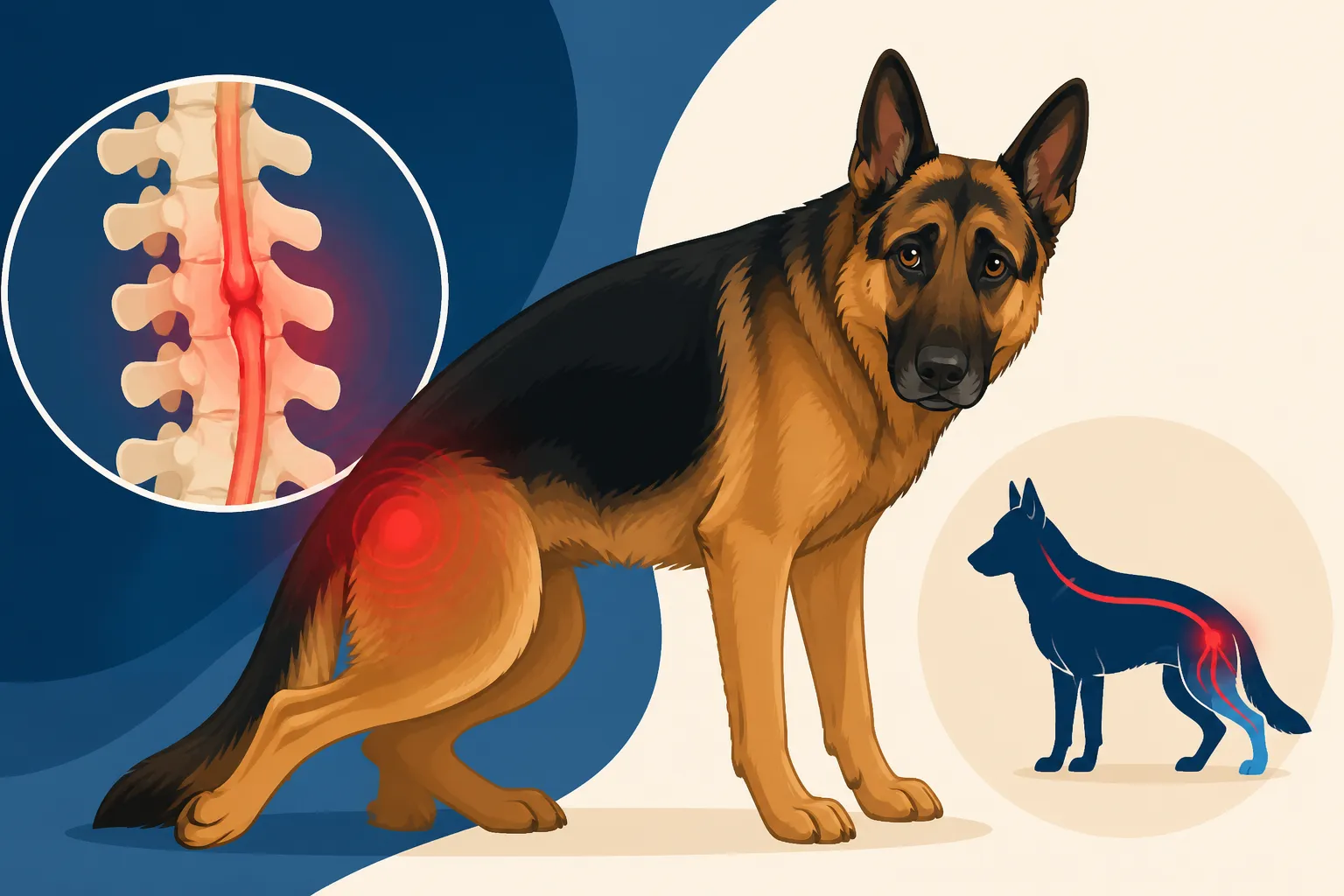
Degenerative Myelopathy is a progressive, incurable neurological disease affecting the spinal cord of dogs, leading to a gradual loss of mobility and function, particularly in the hind limbs. It's an emotionally taxing diagnosis, primarily because it robs dogs of their ability to move without causing them any pain, which can be a difficult concept for many owners to grasp. Imagine your dog wanting to run and play but their body simply won't cooperate – that's the silent battle many German Shepherds with DM face.
Understanding the Underlying Cause
At its core, DM is a genetic disease. Researchers have identified a specific mutation in the SOD1 gene that is highly associated with the development of DM in German Shepherds and several other breeds. This gene is responsible for producing an enzyme that helps protect cells from damage. When it's mutated, it's thought to lead to the degeneration of the white matter in the spinal cord. Think of the spinal cord as a superhighway carrying messages from the brain to the limbs and back again. In DM, the protective sheath (myelin) around these nerve fibers starts to break down, and the nerve fibers themselves become damaged, much like frayed wires. This disrupts the signals, causing the neurological symptoms we see.
While the SOD1 gene mutation is a major risk factor, it's not the entire picture. Not every dog with two copies of the mutated gene will develop DM, suggesting other genetic or environmental factors might play a role in its expression. However, having two copies significantly increases the likelihood. This is why tools like German Shepherd Genetic Health Testing are so vital for breeders.
The Insidious Progression of DM
What makes DM particularly devastating is its insidious, slow, and progressive nature. It typically begins in middle-aged to senior German Shepherds, usually between 8 and 14 years of age. The onset is often so subtle that early signs can easily be mistaken for normal aging, arthritis, or other common conditions like German Shepherd Hip Dysplasia Explained. Owners might first notice a slight clumsiness, a paw dragging now and then, or a bit of wobbliness in their dog's hind end.
Over months to a year or more, these symptoms gradually worsen. The hind leg weakness progresses, leading to difficulty standing, walking, and eventually, complete paralysis of the hind limbs. As the disease advances, it can spread to the front limbs and even affect the muscles involved in swallowing and breathing, though this is less common and usually occurs in very advanced stages. It's crucial to understand that throughout this progression, DM is generally considered a painless condition. While the physical deterioration is profound, your dog isn't experiencing the type of joint pain associated with arthritis. This distinction is vital for understanding treatment goals and managing your dog's comfort.
Recognizing the Early Warning Signs of Degenerative Myelopathy
Spotting DM early can be incredibly challenging because its initial symptoms often mimic other, less serious conditions. As a German Shepherd owner, you're keenly aware of their robust nature, but also of their propensity for certain health issues. This makes identifying the first signs of DM a real detective job, requiring a watchful eye and a deep understanding of your dog's normal behavior.
Subtle Changes in Gait and Movement
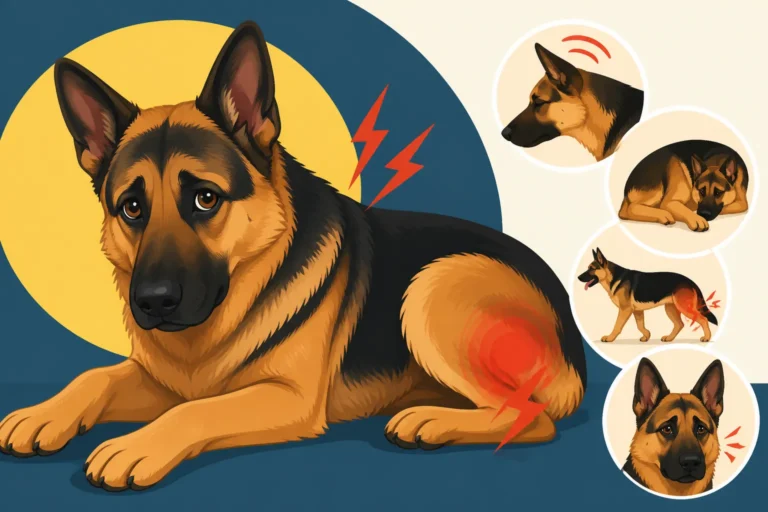
The very first indicators of DM almost always involve subtle changes in your German Shepherd's hind leg function. You might start noticing that your dog, who once bounded effortlessly, now seems a bit off-kilter. This could manifest as a slight clumsiness or a lack of coordination in their back legs. They might scuff their nails on the ground more frequently, particularly on hard surfaces like concrete, as they start to lose conscious awareness of where their paws are placed – a condition called proprioceptive deficit.
Imagine your dog walking across the living room carpet. Instead of lifting their back feet cleanly, you might hear a faint dragging sound. They might occasionally stumble or trip over their own paws, especially when turning corners or navigating uneven terrain. Getting up from a lying position, which was once effortless, may now require more effort, often accompanied by a noticeable wobble or splay. Stairs can become a significant challenge, with your dog hesitating or even falling. As the disease progresses, this hind limb weakness, known as ataxia, becomes more pronounced, leading to a distinctive "drunken sailor" gait. They might sway from side to side, and their rear end may appear to be "wobbling" or "swaying" more than usual, even when standing still.
Differentiating DM from Other Conditions
This is perhaps the most critical part of early detection: understanding that many of these initial symptoms are not unique to DM. German Shepherds are notoriously prone to orthopedic issues like German Shepherd Hip Dysplasia: Symptoms and Treatment and German Shepherd Arthritis: Symptoms and Treatment. It’s also common for older dogs to develop spinal disc problems. This overlap can make a definitive diagnosis elusive without proper veterinary intervention.
The key differentiator, and one that your veterinarian will assess, is the absence of pain in early DM. Dogs with hip dysplasia or severe arthritis typically show clear signs of pain: yelping, reluctance to move, favoring a limb, or even aggression when touched in painful areas. In contrast, a German Shepherd with early DM will often not react to palpation or manipulation of their hind limbs and spine, indicating a neurological issue rather than an orthopedic one. They might even continue to wag their tail and seem happy, despite their growing mobility challenges. This lack of pain can sometimes delay owners seeking veterinary attention, as they may assume it’s just a sign of old age. That's why if you notice any persistent changes in your German Shepherd's gait or hind leg function, it’s always best to consult your vet. Early investigation, including discussions about conditions like DM, is crucial to understanding what's truly going on.
The Diagnostic Journey for Degenerative Myelopathy
Receiving a DM diagnosis for your German Shepherd can be a harrowing experience, especially given its progressive and incurable nature. However, the diagnostic journey is vital to ensure that you are indeed dealing with DM and not a treatable condition that mimics its symptoms. This journey often involves a thorough physical exam, ruling out other possibilities, and finally, a genetic test.
Veterinary Examination and Neurological Assessment
When you bring your German Shepherd to the veterinarian with concerns about hind leg weakness, the first step will be a comprehensive physical and neurological examination. Your vet will observe your dog's gait, looking for specific signs like the scuffing of nails, ataxia, or a wide-based stance. They'll also perform a series of neurological tests. These tests are designed to assess your dog's proprioception (their sense of body position), reflexes, and muscle strength.
For example, your vet might gently flip your dog's paw over so the knuckles are touching the ground. A healthy dog will immediately correct this. A dog with DM, however, may be slow to correct it or not correct it at all, indicating a deficit in proprioception. They’ll also check spinal reflexes, such as the withdrawal reflex, and assess for muscle atrophy in the hind limbs, which can occur as the disease progresses. These initial assessments provide crucial clues that point towards a neurological issue originating in the spinal cord, rather than a problem with the muscles or bones themselves.
Ruling Out Other Conditions with Advanced Imaging
Because DM symptoms can so closely resemble those of other diseases, your veterinarian will need to perform tests to rule out other possible causes for your German Shepherd's mobility issues. This is often the most frustrating and expensive part of the diagnostic process for owners, as it involves advanced imaging that can be costly. Conditions like severe hip dysplasia, intervertebral disc disease (IVDD), spinal tumors, or even German Shepherd Osteoarthritis: Symptoms and Treatment can present with similar hind limb weakness.
To rule these out, your vet may recommend X-rays of the spine and hips, a CT scan, or even an MRI. An MRI, in particular, provides detailed images of the spinal cord, allowing the vet to see if there are any compressions, tumors, or severe disc abnormalities that could explain the symptoms. The critical thing to remember is that these imaging techniques do not diagnose DM. Instead, they serve to exclude other treatable conditions. If a German Shepherd presents with DM-like symptoms, and all other possible causes are ruled out by imaging, it significantly strengthens the suspicion of DM. This can be a tough pill to swallow – investing in expensive tests only to find out what it isn't rather than what it is. This is where having pet insurance like Healthy Paws can truly alleviate some of the financial stress.
The Definitive DNA Test (SOD1 Gene)
Once other conditions have been largely ruled out, the definitive diagnosis of Degenerative Myelopathy often relies on a genetic test for the SOD1 gene mutation. This test is typically performed using a cheek swab or blood sample and can be sent to specialized veterinary genetics labs. The Orthopedic Foundation for Animals (OFA) offers such testing.
The results of the SOD1 gene test will categorize your German Shepherd into one of three classifications:
- N/N (Clear): Your dog does not have the mutated gene and is not at risk for developing DM, nor will they pass it on to offspring.
- A/N (Carrier): Your dog has one copy of the mutated gene. They are not expected to develop DM themselves, but they are a carrier and could pass the gene to their offspring if bred with another carrier or at-risk dog.
- A/A (At-Risk): Your dog has two copies of the mutated gene, meaning they are genetically "at-risk" for developing DM.
It's vital to understand that an A/A result doesn't mean your German Shepherd will definitely develop DM, only that they have the genetic predisposition. However, if your dog is exhibiting classic DM symptoms and tests A/A, this result, combined with the exclusion of other diseases, provides a highly confident diagnosis of Degenerative Myelopathy. This German Shepherd DM DNA Testing Explained article goes into more detail about what these results mean for your pet and future breeding decisions.
Managing Degenerative Myelopathy: What Can Be Done?
Upon receiving a diagnosis of Degenerative Myelopathy, it's natural to feel a sense of despair, given its incurable nature. However, it’s important to shift focus from cure to care. While we can’t stop the progression of DM, we can implement strategies to manage the symptoms, slow its advancement, and significantly enhance your German Shepherd's quality of life for as long as possible. The goal is to keep them as mobile, comfortable, and engaged as they can be.
Supportive Care and Physical Therapy
One of the most impactful interventions for German Shepherds with DM is a consistent regimen of supportive care and physical therapy. The primary goal here isn't to reverse the damage, but to maintain muscle strength, improve coordination, and prevent muscle atrophy for as long as possible. Regular, controlled exercise helps keep the remaining nerve pathways active and muscles toned.
This might include a variety of therapies:
- Hydrotherapy: Often performed in specialized facilities, hydrotherapy (swimming or underwater treadmill) allows your German Shepherd to exercise their limbs with reduced weight-bearing stress, which can be incredibly beneficial for maintaining muscle mass and range of motion without exacerbating weakness or risking falls. It's often a favorite activity for dogs who struggle on land.
- Acupuncture: Some owners and vets report positive results with acupuncture, which is believed to stimulate nerve function and improve blood flow. While not a cure, it can help manage secondary discomfort and potentially improve nerve signaling.
- Massage: Gentle massage can help improve circulation, reduce muscle stiffness, and provide comfort. This is something you can easily learn to do at home, creating a bonding experience with your dog.
- Therapeutic Exercises: Your veterinary physical therapist will likely provide a tailored program of exercises you can do at home. These might include assisted standing, passive range of motion exercises (gently moving your dog's joints), controlled walking on different surfaces, and weight-shifting exercises. Consistency is key here. Just 10-15 minutes, two or three times a day, can make a huge difference. These efforts are all part of How to Slow Degenerative Myelopathy Naturally.
Mobility Aids and Equipment
As DM progresses, even with diligent physical therapy, your German Shepherd will likely need assistance with mobility. This is where various mobility aids become invaluable, allowing your dog to maintain independence and continue enjoying activities they love.
- Support Harnesses and Slings: For dogs with early to moderate hind limb weakness, a rear-support harness or a simple sling can provide the extra stability they need to walk, get up, or navigate stairs with your assistance. These are particularly useful for short outings or quick trips outside. Brands like Ruffwear and Help 'Em Up Harnesses are popular choices among GSD owners for their sturdy construction.
- Dog Wheelchairs: This is often the most significant game-changer for German Shepherds with advanced DM. A properly fitted dog wheelchair allows your dog to use their front legs for propulsion while supporting their weakened hindquarters. Many German Shepherds adapt remarkably well to wheelchairs, often showing renewed enthusiasm for walks and outdoor activities. Companies like Eddie's Wheels and Walkin' Pets specialize in custom and adjustable wheelchairs. Seeing your dog run again, even with wheels, can be a huge emotional boost for both of you. You can learn more about these options in German Shepherd DM: Wheelchair and Care Options.
- Specialized Booties: If your German Shepherd is dragging their paws, booties can protect their nails and skin from abrasions. Look for durable, non-slip booties that provide good traction and fit snugly without being restrictive.
The transition to using these aids might take time and patience, but the long-term benefits to your dog's morale and physical well-being are immeasurable.
Nutritional Support and Supplements
While no specific diet or supplement can cure DM, optimizing your German Shepherd's nutrition can support their overall health, muscle maintenance, and neurological function. This is especially true for senior dogs, who often have additional nutritional needs.
- Antioxidants and Anti-inflammatory Supplements: Supplements rich in antioxidants, like Vitamin C and E, coenzyme Q10, and alpha-lipoic acid, are often recommended, as they may help combat oxidative stress on nerve cells. Omega-3 fatty acids (EPA and DHA), found in fish oil, have anti-inflammatory properties that can support overall neurological health, even if they don't directly stop DM. Best Joint Supplements for Senior German Shepherds are often beneficial, too, as they contain ingredients that support overall mobility.
- B Vitamins: B vitamins, particularly B12 (cobalamin), play a crucial role in nerve health. Your vet might recommend a B-complex supplement.
- L-Carnitine: Some studies have explored L-carnitine as a potential neuroprotective agent, though more research is needed specifically for DM.
- High-Quality Diet: Ensure your German Shepherd is on a high-quality, easily digestible diet appropriate for their age and activity level. If they are losing muscle mass, your vet might recommend a diet with slightly higher protein content to help preserve lean muscle. Hydration is also important, so always ensure fresh water is available.
Always discuss any dietary changes or supplements with your veterinarian. They can provide guidance tailored to your German Shepherd's specific needs and ensure there are no interactions with other medications. This proactive approach to care can make a significant difference in your dog's comfort and longevity. When considering the long-term costs of managing DM, including therapies and supplements, pet insurance plans like those offered by Healthy Paws can be a real lifeline.
The Emotional Toll and Providing Quality of Life
Living with a German Shepherd diagnosed with Degenerative Myelopathy is not just a physical challenge for the dog; it's an immense emotional journey for their human family. The slow, relentless progression of the disease can be heartbreaking to witness, and owners often grapple with feelings of helplessness, guilt, and profound sadness. Acknowledging and navigating these emotions is just as important as providing physical care for your beloved companion.
Coping with a Progressive Diagnosis
The initial shock of a DM diagnosis can be overwhelming. You've likely invested time, emotion, and money into diagnosing what's wrong, only to be told there's no cure. It's perfectly normal to feel angry, sad, frustrated, or even a sense of denial. You might look at your German Shepherd, seemingly happy despite their wobbly legs, and wonder how this can be happening. One of the hardest parts is that the disease progresses in stages, meaning you constantly have to adapt to new limitations and make difficult decisions.
It’s crucial to give yourself grace during this time. Talk to your veterinarian openly about your feelings and concerns. They've likely guided many families through similar situations. Consider joining online support groups for owners of dogs with DM; connecting with others who understand your struggles can provide invaluable emotional support and practical advice. Focus on the present: cherish every moment, celebrate every small victory, and ensure your German Shepherd feels loved and comfortable. Their unconditional love for you remains, even as their body changes. Remember, you're doing an amazing job, even when it feels like you're not.
Adapting the Home Environment
As your German Shepherd's mobility declines, adapting your home environment becomes essential to ensure their safety, comfort, and continued independence. Proactive changes can prevent accidents, reduce stress for your dog, and make daily care easier for you.
- Non-Slip Surfaces: Hardwood floors, tile, and linoleum can become treacherous for a dog with weak hind legs. Lay down non-slip rugs, yoga mats, or carpet runners in high-traffic areas and wherever your dog typically rests or eats. This provides crucial traction and confidence.
- Ramps and Steps: If your German Shepherd loves to get on the couch or bed, or needs to navigate a few steps to go outside, invest in sturdy ramps or pet steps. This eliminates risky jumping or struggling that could lead to injury.
- Easy-Access Beds: Consider an orthopedic dog bed that's low to the ground, making it easier for your dog to get in and out. Ensure it provides excellent joint support.
- Food and Water Access: Elevate food and water bowls to a comfortable height to reduce strain on their neck and back while eating. Look for bowls designed for large breeds or use a sturdy stand.
- Contained Spaces: If your German Shepherd struggles to hold their bladder or bowels, consider creating a designated, easy-to-clean space, possibly with absorbent potty pads, to manage accidents and maintain hygiene. German Shepherd Senior Care Guide offers many practical tips for these kinds of adjustments.
These adaptations aren't just for your dog's physical well-being; they also help maintain their dignity and reduce your own daily stress in caring for them. Every little change you make contributes to a more comfortable and manageable life for your German Shepherd.
When to Consider End-of-Life Decisions
This is arguably the most agonizing decision any pet owner will ever face, and with a progressive disease like DM, it's a conversation that will eventually arise. While DM itself is not painful, the secondary effects can significantly impact quality of life. These might include difficulty breathing as trunk muscles weaken, chronic skin infections from incontinence, persistent pressure sores, or severe anxiety from constant immobility.
The most important metric to consider is your German Shepherd's overall quality of life. This is a very personal assessment, and what constitutes "quality" will vary for every dog and family. Here are some questions to consider:
- Is your dog still enjoying their food and treats?
- Do they still show interest in family interactions, toys, or their surroundings?
- Are they able to manage their bodily functions with reasonable comfort and hygiene, or is incontinence causing distress or recurring infections?
- Are they experiencing secondary discomfort or pain that can no longer be managed effectively?
- Are there more bad days than good days?
It’s about finding the balance between extending life and preserving dignity and comfort. Have an open and honest conversation with your veterinarian about your German Shepherd's condition and prognosis. They can help you assess their current quality of life and guide you through this incredibly difficult decision, ensuring that when the time comes, it's a peaceful and loving transition. Remembering that DM affects the brain as little as possible means they are still "in there," which can make this decision even harder, but ultimately, it's about preventing suffering.
Preventing Degenerative Myelopathy: The Role of Responsible Breeding
While we can't cure DM once it develops, we can significantly reduce its prevalence through responsible breeding practices. Understanding the genetic basis of DM empowers breeders and prospective owners to make informed choices that protect the future health of the German Shepherd breed. This proactive approach is the single most effective way to combat this devastating disease.
Understanding Genetic Testing for Breeding Dogs
The discovery of the SOD1 gene mutation has revolutionized the approach to DM prevention. Now, breeders have a powerful tool at their disposal: the DNA test. Reputable breeders will routinely screen their breeding dogs for the SOD1 gene mutation before considering any pairings. As discussed earlier, the results classify dogs as N/N (clear), A/N (carrier), or A/A (at-risk).
The ethical implications of these results for breeding are critical. A truly responsible breeder will never knowingly breed two dogs that are both A/A (at-risk), nor would they typically breed an A/A dog at all, as this dramatically increases the chance of producing offspring that will develop DM. Breeding two A/N (carrier) dogs together carries a 25% chance of producing A/A puppies, which is also generally avoided. The safest practice is to breed an N/N (clear) dog with another N/N (clear) dog, ensuring no puppies will be at risk. Alternatively, an N/N dog can be bred with an A/N carrier, with the understanding that some puppies may be carriers themselves but none will be at-risk. This careful selective breeding over generations can progressively reduce the number of affected German Shepherds. This information is crucial for maintaining a healthy bloodline and is part of a broader discussion on German Shepherd Health Problems Guide.
The Importance of Breeder Selection
For prospective German Shepherd owners, your role in preventing DM begins with choosing a reputable breeder. This choice isn't just about getting a cute puppy; it's about investing in the long-term health and well-being of your future family member. A responsible breeder will be transparent about the health testing they conduct on their breeding dogs, including DM.
When you contact a breeder, don't hesitate to ask specific questions about DM testing. Request to see the health clearances for both parents, which should include documentation of their SOD1 gene test results from a recognized lab like OFA. A good breeder will not only provide these records but will also be happy to explain their breeding philosophy regarding DM. They should be able to articulate how they use these tests to make informed decisions about pairings, aiming to produce puppies that are genetically clear or at most, carriers, but never at-risk.
Avoid breeders who:
- Claim DM isn't an issue in their lines without providing proof of testing.
- Tell you DM testing isn't necessary.
- Only test some of their dogs.
- Are unfamiliar with the SOD1 gene and its implications.
- Offer puppies at unusually low prices (often a red flag for cutting corners on health testing).
Choosing a breeder who prioritizes genetic health testing, including for conditions like DM and How to Prevent Hip Dysplasia in German Shepherds, is one of the best ways to ensure you bring home a healthy puppy with the best possible chance at a long, fulfilling life. It's a testament to your commitment to the breed's future and your own peace of mind.
| Symptom Category | Degenerative Myelopathy (DM) | Hip Dysplasia / Arthritis |
|---|---|---|
| Onset | Insidious, 8-14 years old | Variable, often younger/older |
| Pain Level | Generally painless initially; secondary pain from falls/sores possible. | Often painful; dog may yelp, limp, or avoid touch. |
| Symmetry | Usually starts asymmetrically (one hind leg weaker), progressing to both. | Can be unilateral or bilateral; often pain in specific joint. |
| Gait | Ataxia (wobbliness), stumbling, knuckling, paw dragging. | Limping, stiffness, "bunny hopping," reluctance to bear weight. |
| Progression | Slow, progressive loss of hind limb function, eventually paralysis. | Can worsen with activity, cold weather; may have good days/bad days. |
| Reflexes | Diminished or absent proprioception, sometimes exaggerated reflexes. | Usually normal reflexes, but pain may inhibit movement. |
| Muscle Atrophy | Develops as disease progresses due to disuse. | Can develop around affected joints due to disuse/pain. |
| Spinal Palpation | Typically no pain response. | May elicit pain response. |
| Genetic Test | SOD1 gene test (A/A at-risk) is diagnostic with clinical signs. | No definitive genetic test for diagnosis; X-rays are primary. |
| Cure | No known cure. | Managed with medication, therapy, surgery. |
Disclaimer
The information provided in this guide is for informational purposes only and is not intended to be a substitute for professional veterinary advice, diagnosis, or treatment. Always seek the advice of your veterinarian or other qualified animal health provider with any questions you may have regarding a medical condition. Never disregard professional veterinary advice or delay in seeking it because of something you have read in this article.