German Shepherd Osteoarthritis: Symptoms and Treatment
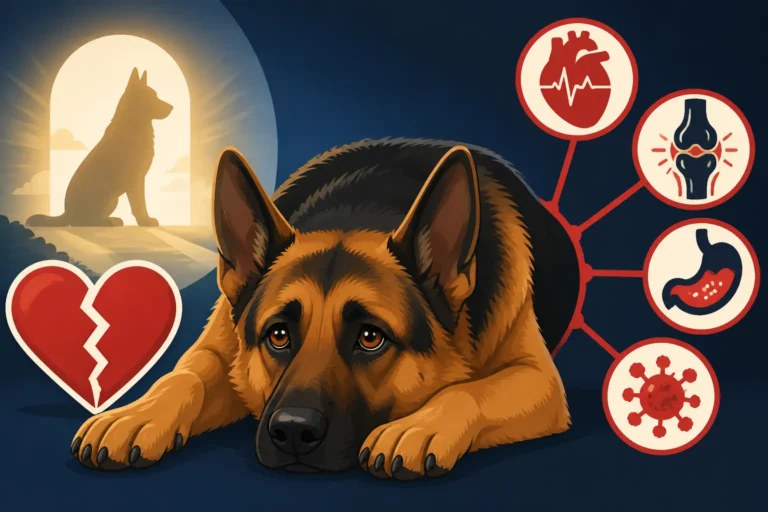
It's heartbreaking to see your usually vibrant German Shepherd start to slow down, struggling with what seems like stiffness or pain after a good romp or even just getting up from a nap. This isn't just "getting old" – it could be osteoarthritis, a progressive and often painful condition affecting their joints. Understanding German Shepherd osteoarthritis, its subtle symptoms, and the range of available treatments is crucial for providing your beloved companion the comfort and quality of life they deserve. This comprehensive guide will walk you through everything you need to know.
Understanding German Shepherd Osteoarthritis
Osteoarthritis, often referred to as degenerative joint disease (DJD), is a chronic, progressive condition characterized by the breakdown of cartilage in the joints. For our magnificent German Shepherds, whose powerful structure and active lifestyles place considerable stress on their joints, it's an unfortunately common ailment. Unlike an acute injury, osteoarthritis doesn't just appear overnight; it's a gradual process that wears down the protective cushioning within the joint, leading to pain, stiffness, and reduced mobility.
What is Degenerative Joint Disease?
At its core, degenerative joint disease is a slow, relentless erosion of the articular cartilage, the smooth, slippery tissue that covers the ends of bones within a joint. This cartilage allows bones to glide past each other seamlessly, absorbing shock and ensuring fluid movement. When osteoarthritis sets in, this cartilage begins to thin, fray, and eventually disappear. This leaves the underlying bone exposed, leading to bone-on-bone friction. The body tries to repair this damage by forming new bone, often in the form of painful osteophytes (bone spurs), further exacerbating the problem and restricting movement. It's a cruel cycle of damage, inflammation, and attempted, but ultimately ineffective, repair.
German Shepherds are particularly susceptible due to their genetics and conformation. Conditions like German Shepherd Hip Dysplasia Explained and German Shepherd Elbow Dysplasia: Symptoms and Treatment are primary causes of secondary osteoarthritis. These developmental orthopedic diseases create abnormal joint structures from a young age, leading to uneven weight distribution and premature wear and tear on the cartilage. Even without overt dysplasia, the sheer size and athleticism of the breed mean their joints endure significant forces throughout their lives, increasing the risk of cartilage degradation over time.
Common Joints Affected in German Shepherds
While osteoarthritis can technically affect any joint in a German Shepherd's body, certain areas are far more commonly impacted due to the breed's predispositions and biomechanics. The hips, elbows, and spine are the usual culprits, each presenting its own set of challenges and symptoms. Understanding which joints are most vulnerable can help you be more vigilant in observing your dog for early signs of discomfort.
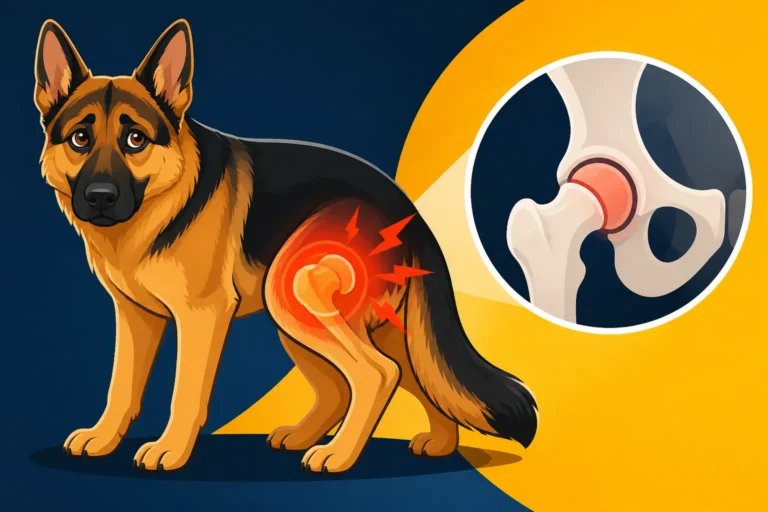
The hip joints are perhaps the most notorious, largely due to the high prevalence of hip dysplasia in the breed. When the ball and socket of the hip don't fit together perfectly, the joint becomes unstable, leading to abnormal wear. Over time, this instability inevitably results in osteoarthritis. Similarly, the elbow joints are frequently affected, often stemming from conditions grouped under "elbow dysplasia," which include things like ununited anconeal process, fragmented coronoid process, and osteochondrosis dissecans (OCD). These conditions also create an imperfect fit within the elbow, paving the way for degenerative changes. Spinal osteoarthritis, particularly in the lower back, is another common issue, especially as German Shepherds age. The sheer length of their spine and the stress placed on it during their typical activities, like jumping and running, can lead to disc degeneration and subsequent arthritis in the vertebral joints. Other joints like the stifles (knees) or hocks (ankles) can also be affected, though less frequently as a primary site of the disease.
Recognizing the Signs and Symptoms
Detecting osteoarthritis in German Shepherds can be tricky because dogs are masters at hiding pain, especially in the early stages. They often adapt their movements to avoid discomfort, making subtle changes hard for even the most observant owner to notice. However, once you know what to look for, you can become more attuned to these indicators and seek veterinary help sooner, which can make a significant difference in managing the condition.
Subtle Early Indicators
Before your German Shepherd starts overtly limping or struggling to get up, there are usually subtle cues that something isn't quite right. These can be easy to dismiss as just a "bad day" or a sign of aging, but paying close attention to them is key. You might notice a slight reluctance to perform activities they once loved, such as jumping into the car, tackling stairs, or initiating a game of fetch. Perhaps they're a little slower on walks, or they don't sprint with the same joyful abandon as before. They might start greeting you a bit more sedately, or take longer to settle into a comfortable position when lying down.
Another early indicator can be changes in their posture or how they hold themselves. A dog might shift weight to compensate for a painful joint, leading to an altered stance or gait. They might also appear stiff, particularly after periods of rest, like first waking up in the morning or after a long nap. This stiffness usually lessens with a bit of movement, only to return after another period of inactivity. Some owners report their dogs showing mild irritation when touched in certain areas, or a diminished desire for petting and interaction, signaling discomfort without an explicit whine or limp.
Advanced and Obvious Symptoms
As osteoarthritis progresses, the signs become more pronounced and harder to ignore. What started as subtle stiffness might evolve into a noticeable limp or favoring of a limb. Your German Shepherd might visibly struggle to get up from a lying position, often using their front legs to pull themselves up while their hindquarters lag behind. They may hesitate or refuse to climb stairs, jump onto furniture, or even enter the car without assistance. Their stride might shorten, and their gait could become bunny-hopping (moving both hind legs together) to reduce stress on painful hips or a stiff back.
Muscle atrophy, particularly in the hindquarters, is another common symptom in advanced cases, as the dog uses the affected limb less, leading to muscle wastage. You might also notice licking, chewing, or biting at painful joints, which can lead to skin irritation or hot spots. Behavioral changes can also be significant: increased irritability, snapping when touched, withdrawal from family activities, or even aggression, particularly if they feel threatened or are in severe pain. It's a sad reality when your once playful companion is clearly in distress, and at this stage, seeking prompt veterinary intervention is paramount.
Diagnosing Osteoarthritis
When you suspect your German Shepherd might be suffering from osteoarthritis, a visit to your veterinarian is the crucial next step. Don't try to self-diagnose or delay; early diagnosis and intervention can significantly impact the long-term management and your dog's quality of life. The diagnostic process typically involves a thorough physical examination, gait analysis, and imaging studies to confirm the presence and severity of the disease.
Veterinary Examination and Gait Analysis
Your vet will start with a comprehensive physical examination. This isn't just a quick once-over; they will meticulously palpate (feel) all of your German Shepherd's joints, checking for swelling, pain response, and range of motion. They'll extend and flex each joint, listening for crepitus (a grinding or popping sound), which is a classic sign of bone-on-bone friction within an arthritic joint. They'll also assess for any muscle atrophy, which can indicate that a particular limb isn't being used properly due to pain.
Beyond the hands-on exam, a critical part of the diagnosis is gait analysis. Your vet will ask to observe your German Shepherd walking, trotting, and sometimes even running. They're looking for subtle lameness, asymmetry in movement, changes in stride length, or any compensatory movements where your dog shifts weight to avoid pain. Sometimes, they might even use specialized equipment, like a force plate, to quantify weight distribution, offering a precise objective measure of lameness. Don't be surprised if they want to see your dog move both on and off a leash, and in different directions, as slight changes can often reveal the affected joint.
Imaging Studies: X-rays and Beyond
While a physical exam can strongly suggest osteoarthritis, imaging studies are essential to confirm the diagnosis, assess the severity, and rule out other potential causes of lameness. X-rays are the most common and accessible diagnostic tool. On an X-ray, your vet will look for tell-tale signs of osteoarthritis, such as joint space narrowing (indicating cartilage loss), osteophytes (bone spurs), subchondral bone sclerosis (increased density of the bone below the cartilage), and sometimes even joint effusion (fluid accumulation within the joint). It's important to remember that the severity of radiographic changes doesn't always perfectly correlate with the degree of pain your dog is experiencing, but it provides vital structural information.
In some complex cases, or when a more precise diagnosis is needed to plan for surgical intervention, your vet might recommend more advanced imaging techniques. These could include a CT scan (Computed Tomography) or MRI (Magnetic Resonance Imaging). CT scans provide detailed cross-sectional images, excellent for evaluating bone structure and subtle changes that might be missed on standard X-rays, particularly in areas like the elbow or spine. MRIs, on the other hand, excel at visualizing soft tissues, such as cartilage, ligaments, and spinal discs, offering a more complete picture of the joint's condition. These advanced diagnostics can be expensive, but a robust pet insurance plan like those offered by Healthy Paws can certainly help mitigate the costs involved in comprehensive diagnostic workups.
Treatment Approaches for German Shepherd Osteoarthritis
Managing osteoarthritis in German Shepherds is less about a "cure" and more about effective, long-term management to control pain, improve mobility, and slow the progression of the disease. It's a multi-modal approach, meaning it combines several different strategies, often simultaneously, to achieve the best results. The goal is to maximize your German Shepherd's comfort and quality of life for as long as possible.
Conservative Management and Medications
For most German Shepherds diagnosed with osteoarthritis, initial treatment begins with conservative management, which primarily involves lifestyle adjustments and medication. Weight management is paramount; even a few extra pounds can significantly increase the load on already compromised joints. Your vet will help you determine an ideal weight for your dog and recommend appropriate dietary changes. Controlled exercise is also crucial – short, frequent walks on soft surfaces are usually better than intense, sporadic activity. Swimming is often an excellent low-impact option.
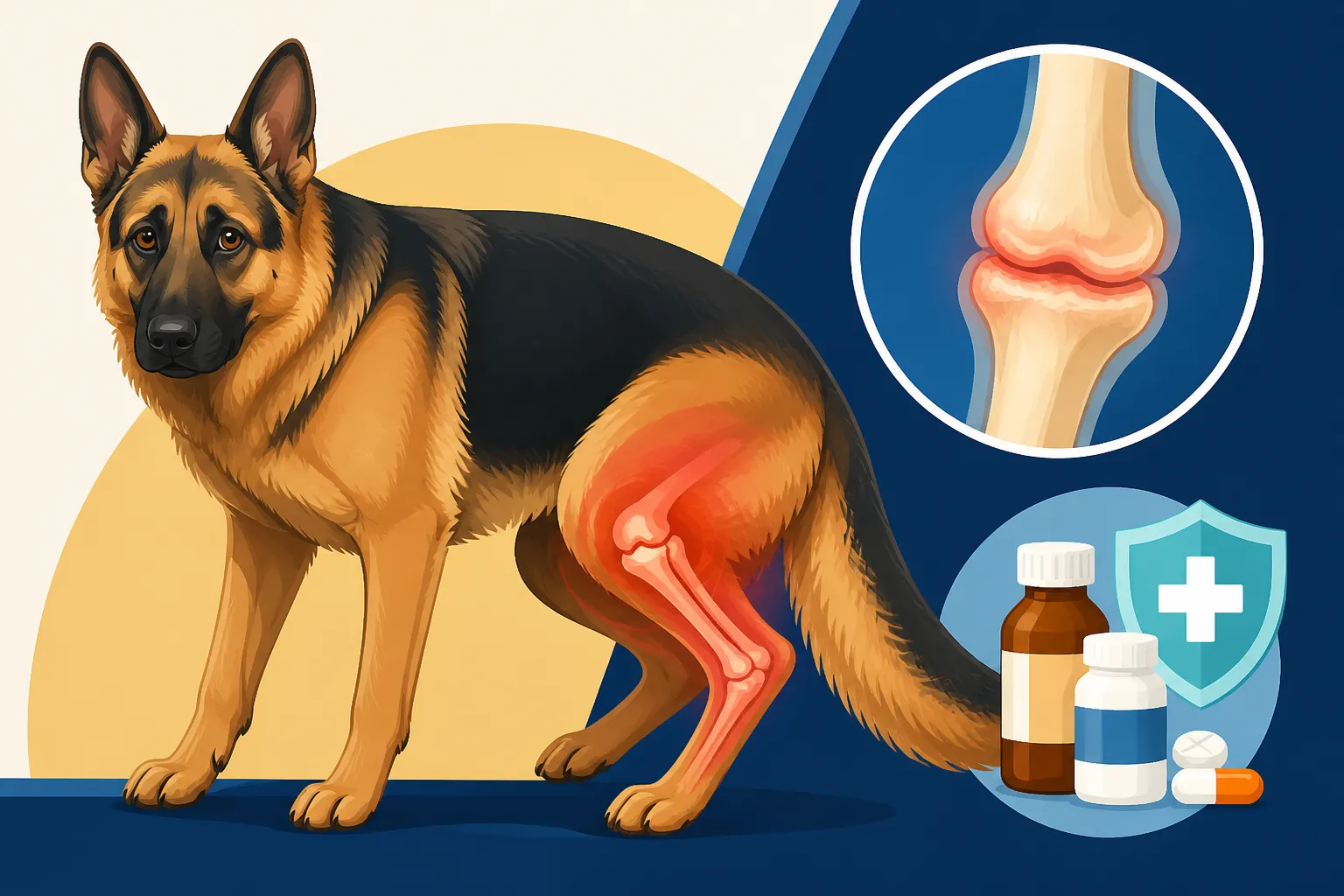
Medications play a vital role in pain and inflammation control. Non-Steroidal Anti-Inflammatory Drugs (NSAIDs) are a cornerstone of treatment. Brands like Rimadyl, Metacam, Galliprant, and Deramaxx are commonly prescribed to reduce pain and inflammation, allowing your dog to move more comfortably. It's important to use these strictly under veterinary guidance, as long-term use requires monitoring for potential side effects, especially on the liver and kidneys. Beyond NSAIDs, other pain relievers like gabapentin or tramadol might be used, often in conjunction with NSAIDs, especially for more severe pain or when NSAIDs alone aren't sufficient. Adequan Canine (polysulfated glycosaminoglycan) injections are another popular choice; these injections aim to protect cartilage and improve joint fluid quality. Many owners also explore German Shepherd Joint Health Supplements containing ingredients like glucosamine, chondroitin, and MSM, which are believed to support cartilage health, although their efficacy can vary.
Rehabilitation and Therapeutic Options
Beyond medication, a wide array of rehabilitation and therapeutic options can significantly improve a German Shepherd's comfort and mobility when dealing with osteoarthritis. These therapies focus on strengthening supporting muscles, improving flexibility, reducing pain, and enhancing overall function without solely relying on pharmaceuticals. Just like humans with arthritis benefit from physical therapy, so too can our dogs.
Physical rehabilitation, often supervised by a certified canine rehabilitation therapist, includes exercises tailored to your dog's specific needs. This might involve hydrotherapy (underwater treadmill or swimming), therapeutic exercises on balance balls or cavaletti poles, massage, and stretching. These activities help build muscle mass around weakened joints, improve range of motion, and increase proprioception (awareness of body position), all of which contribute to better joint stability and reduced pain. Laser therapy (photobiomodulation) is another increasingly popular non-invasive treatment that uses specific wavelengths of light to reduce pain and inflammation and accelerate tissue healing at a cellular level. Acupuncture, a traditional Chinese veterinary medicine technique, involves inserting fine needles into specific points on the body to stimulate nerve function, release natural pain-relieving compounds, and improve blood flow, often providing significant pain relief for arthritic dogs.
Surgical Interventions
While most osteoarthritis cases are managed conservatively, in some situations, surgical intervention may be considered, especially if the underlying cause of the arthritis is amenable to correction or if the pain is severe and unmanageable through other means. It's not a common first line of defense for generalized osteoarthritis, but specific surgical procedures can be life-changing for certain dogs.
For German Shepherds suffering from severe hip osteoarthritis secondary to hip dysplasia, a total hip replacement (THR) can offer a complete resolution of pain and restoration of normal function. This involves replacing the diseased hip joint with prosthetic components, much like in human medicine. It's a major surgery with a significant recovery period and cost, but the success rates are very high for appropriate candidates. Another procedure, femoral head ostectomy (FHO), involves removing the ball portion of the hip joint, allowing a "false joint" to form, which can relieve pain. This is usually considered for smaller dogs or when THR is not an option. For elbow osteoarthritis resulting from conditions like fragmented coronoid process, arthroscopy (minimally invasive joint surgery) can be performed to remove irritating bone fragments, helping to slow down further joint damage and reduce pain. Discussing all options with a board-certified veterinary surgeon is essential to determine if surgery is a viable and beneficial path for your individual German Shepherd.
Managing Life with Osteoarthritis
Living with a German Shepherd who has osteoarthritis means making adjustments to your daily routine and home environment. It's about proactive management, not just reactive treatment when pain flares up. By creating a supportive environment and consistently applying management strategies, you can significantly improve your dog's comfort and prolong their active years.
Environmental Modifications and Daily Routine
Making simple changes around your home can dramatically help your German Shepherd navigate their world with less pain. Start by ensuring they have easy access to soft, orthopedic dog beds that provide good joint support and keep them off cold, hard floors. Consider adding ramps for climbing into cars or onto furniture if they can no longer jump comfortably. Non-slip rugs or runners on slippery floors (like hardwood or tile) can prevent painful falls and provide better traction, which is especially important for unsteady, arthritic dogs. Blocking off stairs or providing a gate can prevent them from attempting risky climbs.
Your daily routine also needs to be structured to support their condition. Consistency is key. Establish a regular schedule for medication, controlled exercise, and rest periods. Avoid long periods of inactivity followed by bursts of intense exercise, which can worsen joint pain. Multiple short walks throughout the day are often better than one long one. Monitor their activity levels closely and learn to recognize when they've done too much – slight stiffness the next day might indicate you need to scale back. A pet camera can even help you observe their movements and comfort levels when you're not physically present.
Diet, Exercise, and Weight Management
Nutrition and exercise are inextricably linked to managing German Shepherd osteoarthritis. Maintaining a healthy weight is arguably the single most impactful thing you can do for an arthritic dog. Every extra pound puts additional stress on already compromised joints, accelerating cartilage breakdown and increasing pain. Your veterinarian can help you determine the ideal body condition score for your German Shepherd and recommend a diet plan. This often involves feeding a high-quality, calorie-controlled food or a specific therapeutic diet formulated for joint health and weight management. These diets often include higher levels of omega-3 fatty acids, glucosamine, and chondroitin.
When it comes to exercise, the goal isn't to stop it entirely, but to modify it. Regular, low-impact exercise helps maintain muscle mass, flexibility, and blood flow to the joints. Think gentle leash walks on soft ground, short swimming sessions (if your German Shepherd enjoys it), or controlled stretches prescribed by a rehabilitation specialist. Avoid high-impact activities like intense ball chasing, jumping, or long runs on hard surfaces. The key is moderation and consistency. Monitoring your dog's response to exercise is crucial – if they seem more stiff or painful the next day, you've likely overdone it. A gradual increase in activity, always under veterinary guidance, is the safest approach. For more detailed advice on their diet, you might want to look at our guide on German Shepherd Senior Diet Adjustments.
Long-Term Care and Monitoring
Managing osteoarthritis in a German Shepherd is a lifelong commitment. It requires ongoing vigilance, regular veterinary check-ups, and a willingness to adjust treatment plans as the disease progresses. What works today might need tweaking six months from now. Regular communication with your vet is paramount to ensure your dog's pain management strategy remains effective. They'll likely recommend routine bloodwork, especially for dogs on long-term NSAIDs, to monitor liver and kidney function and ensure the medication isn't causing adverse effects.
Staying on top of your dog's comfort level involves subtle observation. Are they still eager for walks? Are they sleeping soundly without restlessness? Are they grooming themselves adequately? Any changes could indicate a need to reassess their pain control. Many owners find it helpful to keep a journal of their dog's activity levels, pain signs, and medication schedule. This record can be invaluable when discussing their progress with your vet. Consider integrating regular check-ins with a canine rehabilitation therapist to maintain muscle strength and joint flexibility. And remember, while the journey can be challenging, providing consistent, compassionate care can significantly enhance your German Shepherd's quality of life even with this chronic condition. It’s also important to remember that pet insurance, such as Healthy Paws, can be a great resource to help manage the ongoing costs of these long-term care plans, ensuring you can provide the best possible care without constant financial worry.
Prevention and Long-Term Outlook
While you can't always completely prevent osteoarthritis, especially in a breed like the German Shepherd predisposed to joint issues, there are significant steps you can take to minimize its risk and impact. For owners, both new and experienced, understanding these preventative measures and having a realistic long-term outlook is incredibly important.
Early Intervention and Responsible Breeding
One of the most powerful preventative measures starts even before you bring your German Shepherd puppy home: choosing a reputable breeder. A responsible breeder will prioritize German Shepherd Genetic Health Testing for their breeding stock, screening for conditions like hip and elbow dysplasia. This significantly reduces the likelihood of passing on genetic predispositions to severe joint problems that often lead to early-onset osteoarthritis. Always ask to see OFA (Orthopedic Foundation for Animals) or PennHIP certifications for the parents. Our guide on OFA vs PennHIP Hip Scoring Explained can help you understand these certifications.
Once you have your puppy, early intervention in their development is key. Avoid strenuous, high-impact exercise during their rapid growth phases when their growth plates are still open. Excessive jumping, long runs on hard surfaces, and prolonged stair climbing can put undue stress on developing joints. Instead, focus on controlled, moderate exercise and proper nutrition. Maintaining a healthy weight from puppyhood onward is also crucial, as obesity at any age puts immense strain on the joints. If any signs of lameness or discomfort arise in a young dog, prompt veterinary assessment is vital to address issues like panosteitis (growing pains) or early signs of developmental orthopedic diseases before they progress to severe osteoarthritis.
Prognosis and Quality of Life
The prognosis for German Shepherds with osteoarthritis varies widely depending on the severity of the disease, the joints affected, and how early and consistently treatment is initiated. While osteoarthritis is a progressive disease and cannot be cured, it can be effectively managed in most cases. Many German Shepherds, with a dedicated management plan, can live comfortable, active, and fulfilling lives for many years.
The key to a good quality of life lies in consistent pain management, appropriate exercise, strict weight control, and environmental modifications. Regular communication with your vet to adjust the treatment plan as needed is essential. It's a journey, not a sprint, and there will be good days and bad days. However, with modern veterinary medicine, rehabilitation therapies, and a loving, supportive owner, a German Shepherd with osteoarthritis can enjoy a wonderful life. Our article on How to Extend a German Shepherd's Lifespan also touches on general health practices that support longevity and comfort, even with chronic conditions. While the disease might limit some high-impact activities, it doesn't have to diminish the bond you share or the joy you both find in everyday life.
Comparison of Common Osteoarthritis Treatments
Below is a table summarizing some common treatments for German Shepherd osteoarthritis, highlighting their purpose, benefits, drawbacks, and general cost considerations.
| Treatment Category | Purpose | Benefits | Drawbacks | Estimated Annual Cost Range (USD) |
|---|---|---|---|---|
| NSAIDs | Reduce pain and inflammation | Highly effective, readily available, improves mobility | Potential side effects (GI upset, kidney/liver issues), requires monitoring | $300 – $1,000+ |
| Gabapentin/Tramadol | Manage neuropathic pain, adjunct pain relief | Can be used with NSAIDs, good for chronic pain | Sedation, less effective alone for inflammation, potential for tolerance | $200 – $800 |
| Joint Supplements | Support cartilage health, mild pain relief | Few side effects, over-the-counter options, can complement other treatments | Efficacy varies, takes time to show effect, not a primary pain reliever | $150 – $400 |
| Adequan Injections | Cartilage protection, improve joint fluid | Direct joint benefit, can reduce NSAID reliance | Administered by vet (or taught to owner), initial loading dose required | $400 – $800 (initial), $100-300 (maintenance) |
| Physical Therapy | Strengthen muscles, improve mobility | Non-invasive, tailored to dog, improves overall function | Requires commitment, travel to facility, cost can add up quickly | $500 – $2,000+ (course of sessions) |
| Laser Therapy | Reduce pain, inflammation, promote healing | Non-invasive, no known side effects, quick sessions | Requires multiple sessions, not a standalone treatment | $300 – $800 (course of sessions) |
| Acupuncture | Pain relief, muscle relaxation | Non-invasive, holistic approach, good for chronic pain | Efficacy varies, requires multiple sessions, finding a certified vet | $300 – $700 (course of sessions) |
| Total Hip Replacement | Complete pain resolution for hip OA | Excellent long-term outcome, restores function | Major surgery, high cost, long recovery, potential complications | $5,000 – $10,000+ (per hip) |
Please note: These cost ranges are general estimates and can vary significantly based on location, severity of the condition, specific medications, and veterinary clinic pricing.
Disclaimer
The information provided in this article is for general informational purposes only and does not constitute veterinary medical advice. Always consult with a qualified veterinarian for any health concerns or before making any decisions about your German Shepherd's medical care or treatment plan.