West German vs East German Shepherd Differences
West German and East German Shepherds differ in physical appearance, historical breeding philosophies, and working temperaments.

West German and East German Shepherds differ in physical appearance, historical breeding philosophies, and working temperaments.
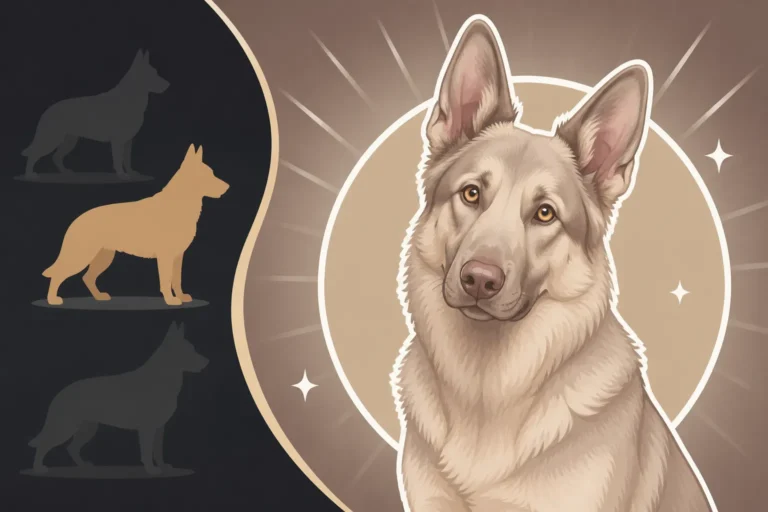
The Isabella German Shepherd coat color is a rare genetic trait requiring specific recessive dilution genes from both parent dogs.
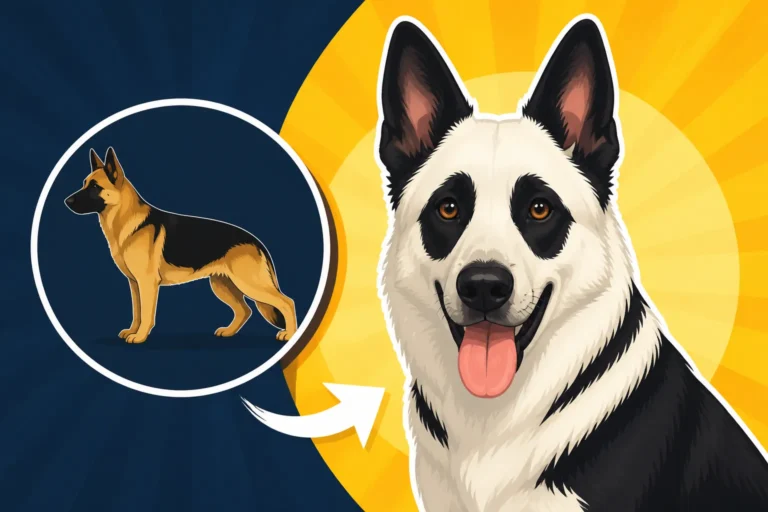
Panda German Shepherds are purebred dogs with a rare piebald coat pattern caused by a spontaneous genetic mutation in the KIT gene.

White German Shepherds are purebred dogs carrying a recessive gene that masks other colors to create a unique white coat.
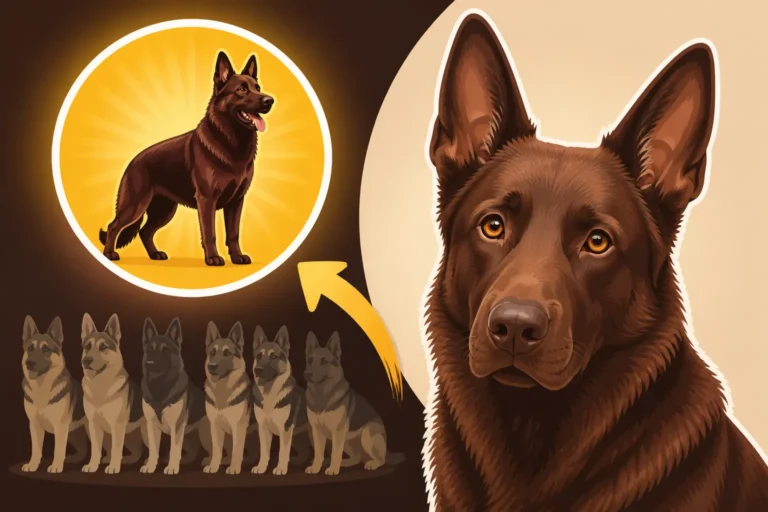
Liver German Shepherds feature a recessive gene that modifies black pigment into brown, creating their unique chocolate-colored coats and noses.
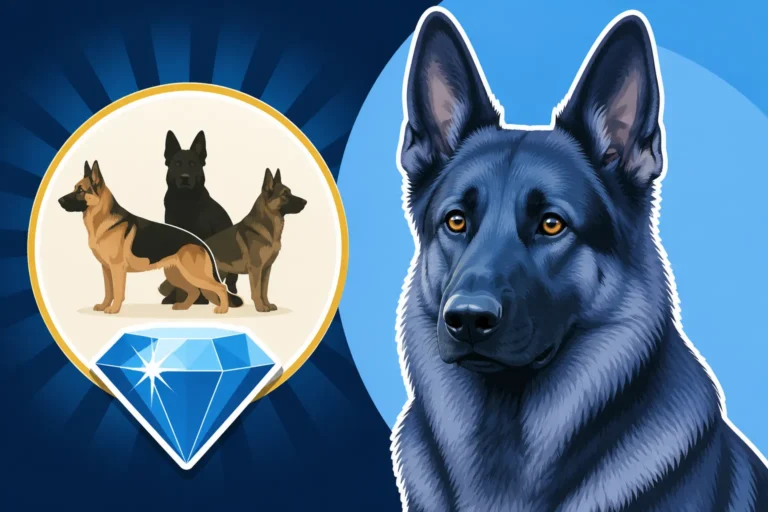
A blue German Shepherd features a smoky gray coat resulting from a recessive dilution gene that alters the black pigment.

Bicolor German Shepherd coat genetics, actual prevalence compared to other colors, and the realities of finding this specific dog.
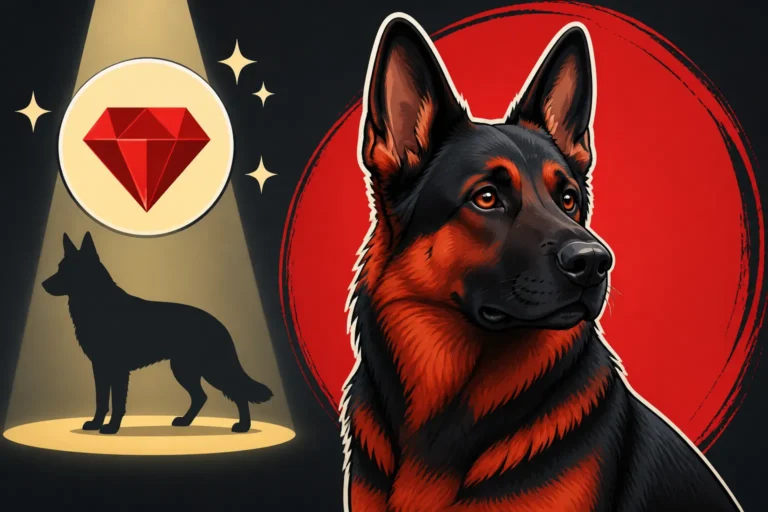
Black and red German Shepherd genetics and coat color variations are explained to clarify why this popular pattern is not actually rare.
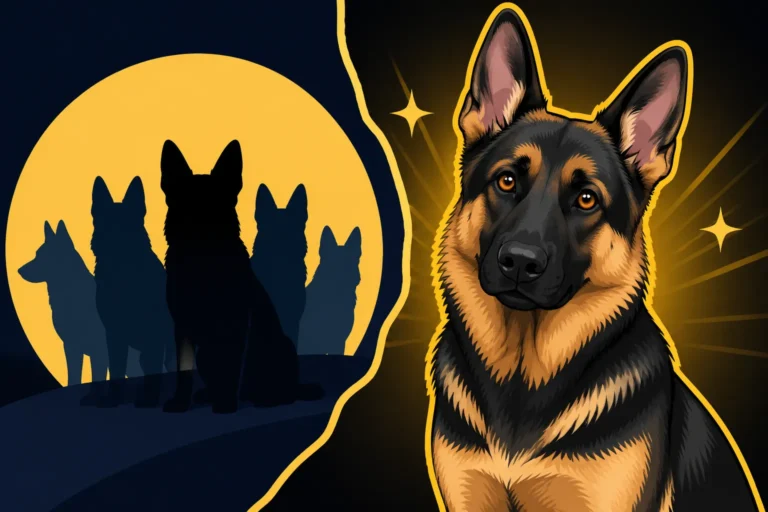
Black and tan German Shepherd coloration is actually the most common and widely recognized pattern, rather than a rare trait.

The sable German Shepherd coat genetics, history, and prevalence across working and show breeding lines determine actual color rarity.