How Rare Is a Panda German Shepherd
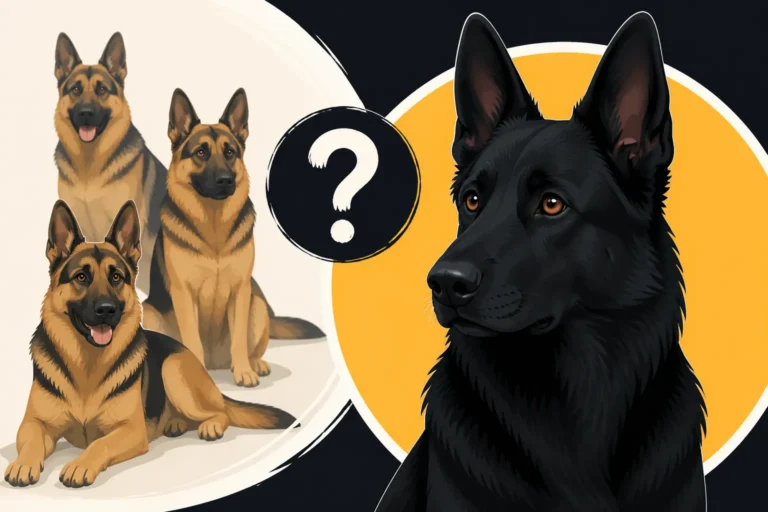
It's completely understandable to see a dog with the striking black, white, and tan markings of a Panda German Shepherd and wonder, "What is that?" You might think it's a mixed breed or a rare discovery, and the truth often gets lost in speculation. This comprehensive guide is here to clear up the confusion, delve into the genetics behind their unique appearance, and definitively answer the question of how rare Panda German Shepherds truly are.
What Exactly is a Panda German Shepherd?
The term "Panda German Shepherd" conjures images of an exotic, perhaps even designer, dog. However, the reality is much simpler and, in many ways, more fascinating. These dogs are, at their core, purebred German Shepherds, distinguished by a very specific and unusual coat pattern. They aren't a new breed, nor are they a deliberate crossbreed for aesthetics. They're a beautiful testament to the genetic diversity that can exist within a single breed.
Understanding Their Unique Appearance
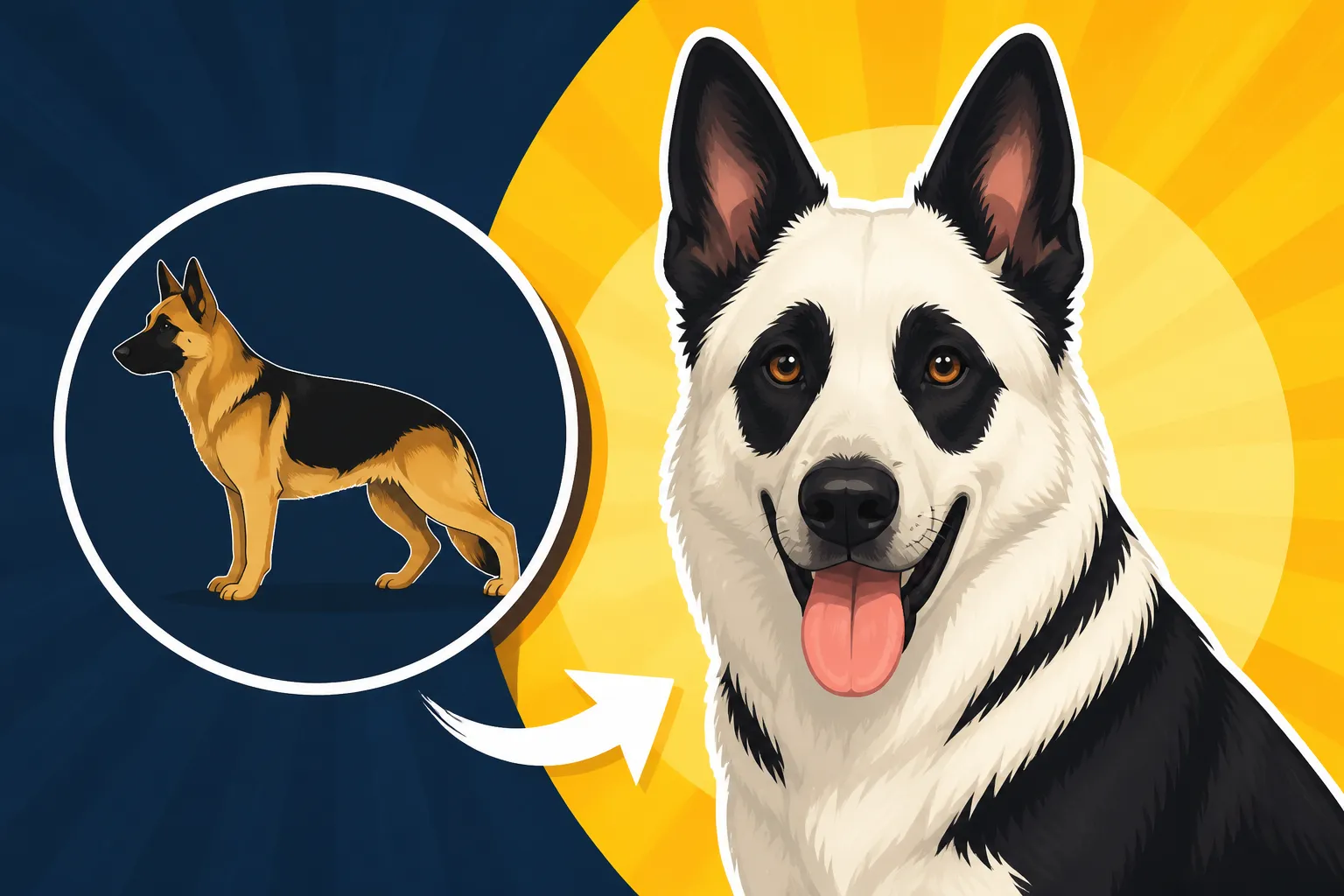
What makes a Panda German Shepherd so visually arresting is its bicolor or tricolor coat pattern, dominated by large patches of white, black, and sometimes tan or sable markings. Imagine a traditional black and tan German Shepherd, but with significant white areas on its chest, legs, belly, and often a distinctive white blaze running up its face. This isn't just a small white patch; it's substantial white spotting that gives them a truly unique, almost painted, look. The white is often sharply contrasted against the darker German Shepherd colors, making them stand out in a crowd of traditionally colored GSDs.
These aren't just fluffy white German Shepherds, which are another distinct color variation. The "Panda" look specifically refers to this piebald or parti-color pattern. It’s the contrast and placement of the white that earns them their moniker, reminiscent of the giant panda bear's distinct black and white coat. Every Panda German Shepherd's markings are as individual as a snowflake, making each one truly one-of-a-kind.
The Genetic Explanation Behind the "Panda" Look
The secret to the Panda German Shepherd's distinctive coat lies in a spontaneous genetic mutation, specifically involving the KIT gene. This gene plays a crucial role in pigment formation and migration during embryonic development. When a particular mutation occurs in the KIT gene, it results in a lack of pigment in certain areas, leading to the white spotting we see. This type of mutation is known as piebaldism, and it's a naturally occurring phenomenon seen in many different animal species, including other dog breeds.
It's important to understand that this is not the result of cross-breeding with another dog to introduce white markings. It's a mutation that spontaneously occurred within purebred German Shepherd lines. The first documented Panda German Shepherd, named Lewcinkas Sweetie Pie, appeared in 2000, and her lineage was traced back through fully registered German Shepherds, confirming that this trait can arise from within the purebred population. It's a recessive gene, meaning both parents must carry the gene, or a spontaneous mutation must occur, for it to manifest.
Debunking Misconceptions About Their Origin
Because their appearance is so different from the widely recognized German Shepherd breed standard, many people assume Panda German Shepherds must be a mix of German Shepherd and another breed, perhaps a Border Collie or a Great Pyrenees. This is a common misconception that often frustrates dedicated owners and ethical breeders alike. Let's be absolutely clear: a true Panda German Shepherd is 100% German Shepherd. They carry the same genetic markers and lineage as any other German Shepherd, just with this unique color gene expressing itself.
Another misconception is that the white markings indicate health problems or a weaker constitution. There's no scientific evidence to link the KIT gene mutation causing the piebald pattern directly to any specific health issues beyond the coat color itself. They are susceptible to the same potential German Shepherd Health Problems Guide as any other German Shepherd, but their color doesn't add to that list. Responsible breeders, regardless of a dog's color, will always conduct German Shepherd Genetic Health Testing to ensure healthy offspring, and this is just as true for those breeding Panda German Shepherds.
So, How Rare Are Panda German Shepherds, Really?
This is the million-dollar question, isn't it? When you see something so distinctive, it naturally leads to questions of rarity. The answer is nuanced: they are indeed rare, but perhaps not in the way you might assume.
The Rarity in Numbers and Occurrence
Panda German Shepherds are rare primarily because the specific KIT gene mutation that causes their unique piebald pattern is uncommon. It's not a trait that is commonly found in the overall German Shepherd gene pool, and it's even rarer for two carriers of this recessive gene to be bred together, or for a spontaneous mutation to occur in a lineage. This means that even in breeding programs, the appearance of a Panda German Shepherd is a surprise, not a guarantee.
Unlike specific colors that can be selectively bred for over generations, the Panda pattern is still a relatively recent and unpredictable occurrence. There are no vast kennels churning out litters of Panda German Shepherds because the genetics don't work that way. When a litter produces a Panda puppy, it's often a unique event for that breeder, making them quite exclusive.
Why You Don't See Them Often
Several factors contribute to their scarcity in the public eye. Firstly, as mentioned, the genetic event itself is rare. Secondly, because the piebald pattern falls outside the traditional German Shepherd Breed Standard Explained recognized by major kennel clubs like the American Kennel Club (AKC), breeders focused on conformation showing typically avoid breeding for or even registering dogs with such markings. The breed standard emphasizes specific colors like black and tan, black and red, sable, and solid black, without white spotting. This means many breeders simply aren't aiming for this look.
This lack of mainstream recognition means fewer breeders are actively, ethically pursuing the continuation of this specific color pattern. Therefore, you won't find them widely advertised or available from most standard German Shepherd breeders. If you're looking for one, it requires specific research to How to Find a Reputable German Shepherd Breeder who has experience with this rare coloration. Places like Chewy might carry a wide range of German Shepherd-specific products, but finding a rare colored dog is a different quest altogether.
The Difference Between Rare and Unrecognized
It's crucial to distinguish between a trait being "rare" and being "unrecognized" by breed standards. A Panda German Shepherd is rare because the genetic mutation is uncommon. It is also "unrecognized" in the context of show rings and breed standards, which contributes to its perceived rarity.
| Feature | Panda German Shepherd | Standard German Shepherd |
|---|---|---|
| Appearance | Distinctive black, white, and tan/sable piebald pattern | Solid black, black & tan, black & red, sable, bi-color |
| Genetic Basis | Spontaneous KIT gene mutation (piebaldism) | Predominant color genes within the breed |
| True Rarity | Yes, due to uncommon genetic mutation | Common, widely available |
| Kennel Club Recognition | Not recognized for show/breeding standards by major clubs | Fully recognized by major kennel clubs (e.g., AKC) |
| Health Concerns | Same as any German Shepherd; color not linked to specific issues | Same as any German Shepherd breed |
| Temperament | Typical German Shepherd temperament | Typical German Shepherd temperament |
The fact that they are not recognized by the AKC, for example, for show purposes, does not mean they are not purebred German Shepherds. It simply means their coat pattern doesn't conform to the aesthetic ideals set forth for the breed in competitive contexts. This is a subtle but very important distinction when you're considering a Panda German Shepherd.
Are Panda German Shepherds Purebred? Addressing the Controversy.
The question of purity often comes up when discussing unique or rare coat patterns, especially when they deviate significantly from established breed standards. With Panda German Shepherds, the answer is a resounding yes, they are purebred, but the "controversy" stems from formal recognition rather than genetic reality.
The Genetic Purity Argument
As we discussed, the white spotting on a Panda German Shepherd is caused by a naturally occurring genetic mutation within the German Shepherd genome. It’s not an indication of mixed heritage. Scientific analysis, including DNA testing, can confirm their purebred status, tracing their ancestry back to established German Shepherd lines. The initial Panda German Shepherd, Sweetie Pie, had verifiable purebred parents, meaning this genetic trait emerged from within the breed's existing gene pool.
This makes them no less a German Shepherd than a traditional black and tan or a solid black GSD. They possess the same foundational genetic makeup, intelligence, drive, and physical characteristics that define the breed. The only difference is the expression of this one particular gene affecting coat color.
Kennel Club Recognition and What It Means
Here's where the "controversy" lies for some. While genetically pure, the piebald pattern of a Panda German Shepherd is not recognized by many major kennel clubs around the world, including the American Kennel Club (AKC), as a standard color for the breed. This means that while a Panda German Shepherd can still be registered as a purebred German Shepherd if its parents are registered, it would likely be marked as a "disqualification" in the show ring due to its non-standard coloring.
This non-recognition primarily affects show dog enthusiasts and breeders who aim for conformation titles. For families or individuals looking for a loyal companion, a working dog, or a pet, kennel club recognition for a specific coat color often holds little importance. It's a formal, aesthetic standard, not a judgment on the dog's inherent breed identity, health, or capability.
Finding a Reputable Breeder for a Panda German Shepherd
Given their rarity and the non-standard coloration, finding a Panda German Shepherd requires extra diligence. Unfortunately, whenever a unique trait gains popularity, there can be unscrupulous individuals looking to profit without proper care for the dogs. It's absolutely crucial to seek out ethical, reputable breeders who prioritize health, temperament, and responsible breeding practices above all else.
When looking for a Panda German Shepherd, ask detailed questions about the parents' health clearances, including screenings for common German Shepherd ailments like hip and elbow dysplasia. Ask about their temperaments and working abilities. A good breeder will be transparent about their dogs' lineage and genetic testing results. They will also be honest about the implications of the Panda coloring, including the lack of show recognition. You might find reputable breeders advertising on specialized German Shepherd forums or through breed-specific rescue groups. For all your puppy supplies, from specific foods for large breeds to tough toys, resources like Chewy can be invaluable, but finding the right breeder is a separate, critical step. Always be wary of breeders who focus solely on the "rare" aspect without discussing health or temperament.
Living with a Panda German Shepherd: What to Expect.
So, you're enchanted by the unique look of a Panda German Shepherd and are considering bringing one into your life. That's fantastic! But it's important to remember that beneath that striking coat, you have a German Shepherd, and their needs are just like any other GSD.
Temperament and Health: No Difference Due to Color
The most important thing to understand is that the white markings do not alter the inherent temperament or general health profile of a German Shepherd. A Panda German Shepherd will have the same intelligent, loyal, protective, and sometimes intense personality as any other GSD. They will bond fiercely with their family and require proper training and socialization to be well-adjusted companions. You can expect them to be highly energetic and eager to learn, mirroring the traits that make the breed so popular. German Shepherd Temperament and Personality is a great resource to understand what to expect.
In terms of health, as mentioned before, the piebald gene itself is not linked to any specific health conditions beyond the coat color. However, like all German Shepherds, they are predisposed to certain genetic conditions such as hip and elbow dysplasia, degenerative myelopathy, and bloat. A reputable breeder will have screened for these conditions in the parent dogs. Regardless of color, How to Keep a German Shepherd Healthy involves a proper diet, regular vet check-ups, and an active lifestyle.
Exercise, Training, and Care Needs
Owning a Panda German Shepherd means committing to the robust needs of the German Shepherd breed. These are not couch potato dogs! They thrive on activity, purpose, and mental stimulation.
- Exercise: Expect to provide ample daily exercise, including vigorous walks, runs, fetch sessions, or dog sports. German Shepherd Exercise Requirements are significant, and failure to meet them can lead to destructive behaviors or excessive energy.
- Training: German Shepherds are highly intelligent and trainable, but they require consistent, firm, and positive reinforcement training from a young age. Early socialization is critical to prevent shyness or aggression. Begin with German Shepherd Puppy Training Guide and continue into adulthood. Ongoing mental challenges, such as puzzle toys or advanced obedience, will keep their sharp minds engaged.
- Grooming: Their double coat will shed, especially during "blow coat" seasons. Regular brushing is essential to manage shedding and keep their coat healthy, regardless of the white patches.
- Nutrition: A high-quality diet appropriate for large, active breeds is vital for their overall health and development. Consult a German Shepherd Feeding Guide for age and activity level. You might find excellent food options and accessories for your GSD on Chewy.
Embracing Their Uniqueness
If you're fortunate enough to welcome a Panda German Shepherd into your family, be prepared for attention! Their striking looks often lead to questions and comments from strangers. Embrace their uniqueness while remembering that they are, first and foremost, a beloved member of your family with all the typical German Shepherd needs. Their rarity is just one fascinating aspect of their story; their personality, loyalty, and companionship are what truly matter.
It’s an amazing journey raising a German Shepherd, and the unique beauty of a Panda GSD only adds to that special bond. Understanding their genetic background helps us appreciate them even more, confirming they are indeed purebred, albeit rare, treasures. While the initial German Shepherd Ownership Costs Explained can be substantial, and German Shepherd Monthly Expenses Breakdown are ongoing, the love and companionship these intelligent dogs provide are truly priceless. While they might be Is a German Shepherd Expensive to Own, their distinct charm makes the investment worthwhile for many.
Disclaimer
This article is for general informational purposes only and does not constitute professional advice. Laws, prices and regulations vary by location and change over time. Consult a qualified professional for guidance on your specific situation.