How Rare Is a Bicolor German Shepherd
It’s easy to get captivated by the stunning array of German Shepherd coat colors, from classic black and tan to the dramatic sables and even the more unusual blues and livers. When you stumble upon a striking bicolor German Shepherd, often you're left wondering just how special this unique coloring truly is. Many prospective owners get swept up in the idea of owning something "rare," but understanding the true rarity of a bicolor coat, and what it really means for your dog, requires a bit more digging than a quick internet search. This guide will dive deep into what makes a German Shepherd bicolor, its actual prevalence, and what you should consider when looking for one.
Understanding the Bicolor German Shepherd Coat
When you see a German Shepherd with a coat that's predominantly black with rich, well-defined tan, cream, or red markings, you might be looking at a bicolor. It's a magnificent combination that truly highlights the breed's powerful physique. But what exactly defines "bicolor" in a German Shepherd, and what are the genetic secrets behind it?
What Exactly is a Bicolor German Shepherd?
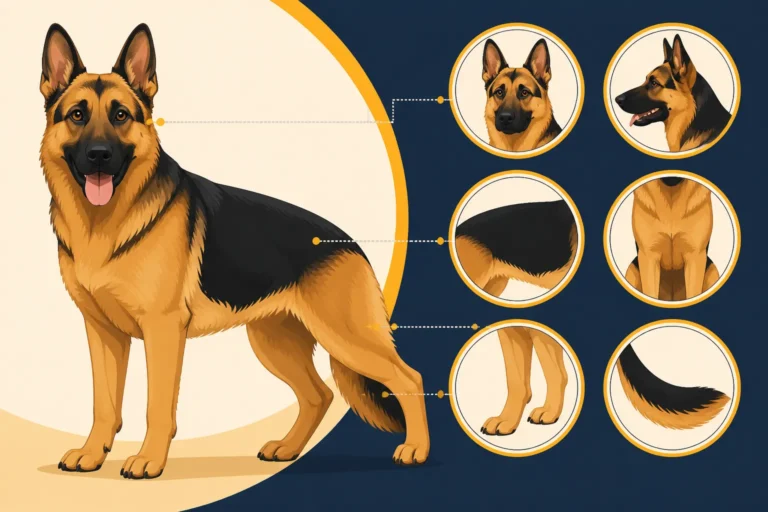
A bicolor German Shepherd is characterized by a coat that is mostly solid black, with the lighter tan, red, or cream markings typically restricted to specific areas like the paws, lower legs, chest, and sometimes around the muzzle and eyebrows. Unlike a standard black and tan German Shepherd, where the tan or red color covers large portions of the legs, belly, and face in a more expansive pattern, the bicolor's dark pigmentation is much more dominant. Think of it as a German Shepherd wearing a nearly full black suit, with just a few touches of color peeking out at the cuffs, collar, and socks. This deep, rich black is what often gives them a very intense and formidable appearance, especially if they have a long coat.
The contrast can be incredibly striking, making them stand out in a crowd. Sometimes, people confuse them with solid black German Shepherds, but a true bicolor will always have those distinct lighter markings, even if they are minimal. It’s those precise points of color that set them apart and give them their specific designation.
The Genetics Behind Bicolor Coats
Understanding why a German Shepherd is bicolor means taking a peek into their genetic makeup, specifically focusing on a set of genes known as the agouti series, or A-locus. This particular locus determines the distribution of black and red/tan pigments in a dog's coat.
For a German Shepherd to be bicolor, they typically inherit two copies of the "a" gene (a/a) at the A-locus, combined with at least one dominant black (K^B) gene at the K-locus. The 'a/a' combination results in a recessive black dog, meaning the dog's coat would be solid black if it weren't for other modifying genes. However, the presence of these modifying genes then allows the small patches of tan or red to express themselves in the typical bicolor pattern. It’s a delicate dance between different genes, but ultimately, the genetic blueprint ensures that the black color is the overwhelmingly dominant shade, pushing the lighter hues to the periphery. This genetic interplay means that a bicolor German Shepherd isn't just a randomly colored dog; it's the result of specific, predictable genetic combinations. You won't find a bicolor puppy in every litter, which contributes to the perception of their uniqueness.
Are Bicolor German Shepherds Truly Rare?
When something looks distinctive, our minds often jump to the conclusion that it must be rare. With bicolor German Shepherds, it's a bit more nuanced than a simple yes or no answer. While they might not be as commonplace as the classic black and tan, their "rarity" is often perceived rather than an absolute genetic scarcity.
Prevalence Compared to Standard Colors
Let's put it into perspective. The most common German Shepherd coat pattern you'll encounter is the traditional black and tan or black and red. These colors are highly prevalent and widely recognized as the hallmark of the breed. Sable German Shepherds, with their grizzled appearance, are also quite common, especially in working lines.
Bicolor German Shepherds, while not as ubiquitous as black and tan, are definitely not as rare as truly uncommon colors like blue or liver. They are present in the German Shepherd gene pool and are produced by reputable breeders, particularly those focusing on working lines where a strong, dark pigmentation is often desired. If you're walking through a dog park or attending a local German Shepherd specialty show, you'll likely see several black and tan dogs, a few sables, and perhaps one or two bicolors. This experience can make them feel less common, but it doesn't mean they are genetically scarce in the same way a truly recessive or dilute color might be. Their presence is consistent enough that they are not considered an anomaly by breed enthusiasts.
Factors Influencing Perceived Rarity
The perception of rarity for bicolor German Shepherds can be influenced by several factors:
- Breeding Focus: Many breeders, especially those involved in conformation showing, often focus on producing dogs that align with specific German Shepherd Breed Standard Explained preferences, which have historically favored the classic black and tan saddle pattern or strong sables. While bicolor is an accepted color, it might not always be the primary goal for every breeding program. Working line breeders, however, often appreciate the strong pigmentation found in bicolors.
- Aesthetics and Demand: The striking appearance of a bicolor can make people think they are rarer because they stand out. When something catches the eye, it feels unique. This can sometimes lead to higher demand, which then makes finding one seem more challenging, further fueling the "rare" perception. However, genuine rarity is about the statistical frequency in the population, not just how often you personally see one.
- Geographic Location: In some regions or with certain breeding philosophies, bicolors might be more or less common. For instance, if you live in an area with a strong focus on European working lines, you might encounter bicolors more frequently than in regions dominated by American show lines. Types of German Shepherds Explained delves deeper into these distinctions.
- Information Disparity: There's a lot of information floating around about "rare" dog colors, sometimes exaggerated by breeders or sellers hoping to command higher prices. It’s crucial to distinguish between a color being genuinely uncommon due to complex genetics and one that is simply less frequently seen due to breeding preferences or cultural trends.
So, while not as common as black and tan, bicolors aren't "rare" in the sense that blue or liver German Shepherds are. They're a beautiful, perfectly accepted, and genetically sound variation within the breed.
| German Shepherd Coat Type | Typical Appearance | General Prevalence |
|---|---|---|
| Black and Tan/Red | Black saddle, tan/red legs, chest, face | Very Common |
| Sable | Each hair banded with multiple colors, grizzled | Common |
| Bicolor | Predominantly black, tan/red points on legs, chest, muzzle | Moderately Common |
| Solid Black | Uniform black coat | Moderately Common |
| Solid White | Uniform white coat | Less Common |
| Blue | Diluted black, grayish-blue appearance | Rare |
| Liver | Diluted brown, brownish nose and paw pads | Rare |
The Appeal and Characteristics of Bicolor German Shepherds
Beyond their striking appearance, many people wonder if there's anything else that sets a bicolor German Shepherd apart. Do they have a different personality? Are they more prone to certain issues? The good news is that when it comes to temperament and overall characteristics, the coat color generally plays no role.
Beyond the Coat: Temperament and Drive
The color of a German Shepherd's coat has absolutely no bearing on its temperament, intelligence, or drive. A bicolor German Shepherd will possess the same core traits as any other color variant of the breed. They are known for being intelligent, loyal, confident, and highly trainable. Their energetic nature means they thrive on purpose and require significant mental and physical stimulation.
If you're looking for a dog with the classic German Shepherd traits – an unwavering loyalty to their family, a protective instinct, and a keen mind that loves to learn – a bicolor will fit the bill just as well as a sable or a black and tan. Their German Shepherd Temperament and Personality are shaped by genetics from their parents' lines, early socialization, and consistent training, not by the shade of their fur. So, whether you're bringing home a bicolor puppy or an adult, you should expect the same commitment to training and socialization that any German Shepherd demands. This means engaging them with activities, providing structure, and exposing them to various sights, sounds, and experiences from a young age to help them become well-adjusted members of your family.
Finding a Bicolor German Shepherd
So, you're enchanted by the bicolor look and have decided it's the right choice for you. How do you go about finding one responsibly?
- Focus on Reputable Breeders: This is paramount for any German Shepherd, regardless of color. Look for breeders who prioritize health, temperament, and adherence to breed standards. They should be transparent about their dogs' health clearances, including genetic testing for common issues like hip and elbow dysplasia. Ask about certifications like those from the Orthopedic Foundation for Animals (OFA) or PennHIP. A good breeder will screen for German Shepherd Genetic Health Testing and be open about their breeding practices. They won't breed solely for color. How to Find a Reputable German Shepherd Breeder is an excellent resource to guide you.
- Enquire About Lines: Bicolors tend to be more prevalent in working lines (e.g., Czech, East German DDR, West German Working Lines) due to breeding preferences for strong pigment and working ability. If you have a specific color preference, discuss it with breeders who specialize in these lines, but remember that temperament and health should always be the top priority.
- Be Patient: While not truly rare, a specific color combined with all the desired health and temperament traits might mean a longer wait. Don't rush into buying from the first breeder who offers a bicolor puppy without proper vetting. Responsible breeders often have waiting lists.
- Check Rescues: Sometimes, bicolors find their way into German Shepherd rescues. Adopting can be a wonderful way to give a deserving dog a second chance, and often, these dogs are already spayed/neutered and have some basic training.
When you bring your bicolor German Shepherd home, you'll need all the right supplies. Online retailers like Chewy offer a vast selection of high-quality dog food, toys, grooming tools, and training aids. It's a convenient way to get everything you need to welcome your new family member, ensuring they have a comfortable and stimulating environment from day one.
Caring for a Bicolor German Shepherd
Caring for a bicolor German Shepherd is essentially the same as caring for any other German Shepherd. Their distinctive coat color doesn't introduce any unique care requirements or predispositions to specific health issues related to their hue. What matters most is providing comprehensive care that addresses the general needs of the breed.
General German Shepherd Care
Your bicolor German Shepherd will thrive on a routine that includes proper nutrition, regular exercise, consistent grooming, and attentive health monitoring.
- Nutrition: A high-quality diet is crucial for a German Shepherd's overall health, energy levels, and coat condition. Large breed formulas are often recommended, especially for puppies, to support healthy growth without excessive weight gain, which can impact joint development. German Shepherd Feeding Guide provides detailed advice on how much to feed and what types of food are best. You can find excellent options on Chewy, often with detailed ingredient lists and customer reviews to help you make an informed choice.
- Exercise: German Shepherds are active and intelligent dogs. They need significant daily exercise to stay physically fit and mentally stimulated. This means more than just a quick walk around the block. Think brisk walks, runs, fetch, hikes, or even dog sports. Underexercised German Shepherds can become bored and develop destructive behaviors. German Shepherd Exercise Requirements elaborates on the ideal activity levels for this breed.
- Grooming: Bicolor German Shepherds have a double coat, just like other GSDs, which means they shed, often quite a bit, especially during seasonal "blows." Regular brushing, 2-3 times a week, is essential to remove loose hair, prevent matting, and keep their skin healthy. During shedding season, daily brushing might be necessary. While their coat is beautiful, it requires commitment to maintenance. How to Groom a German Shepherd and German Shepherd Shedding: How to Manage It offer practical tips and tricks. Regular nail trims and ear cleaning are also vital for their hygiene. You can get all the necessary grooming tools from Chewy, from deshedding brushes to ear cleaners.
- Training and Socialization: Given their intelligence and protective instincts, early and consistent training and socialization are non-negotiable. This ensures they grow into well-behaved, confident companions. Enroll in puppy classes, work on obedience commands at home, and expose them positively to new people, places, and other animals.
Health Considerations
It's important to remember that coat color in German Shepherds is not linked to any specific health conditions. A bicolor German Shepherd is susceptible to the same breed-specific health issues as any other German Shepherd. Therefore, focusing on general breed health is key:
- Genetic Conditions: German Shepherds are prone to certain genetic conditions, notably hip and elbow dysplasia, Degenerative Myelopathy in German Shepherds, and bloat. A reputable breeder will have screened their breeding dogs for these conditions, offering you a better chance of bringing home a healthy puppy. German Shepherd Health Problems Guide gives an in-depth look at common ailments.
- Preventative Care: Regular veterinary check-ups are vital for monitoring your dog's health, administering necessary vaccinations, and discussing preventative measures. Catching potential issues early can make a significant difference in treatment outcomes and costs.
- Environmental Factors: Maintaining a healthy weight, providing a balanced diet, and ensuring adequate exercise can help mitigate the risk of some health problems, particularly joint issues. Providing joint supplements, especially as they age, can be beneficial, and you'll find a wide range of options on Chewy.
Ultimately, a bicolor German Shepherd is a German Shepherd first and foremost. Their unique coloring is a bonus, not a defining characteristic of their health or personality. With proper care, training, and a loving home, your bicolor companion will bring immense joy and loyalty to your life.
Disclaimer
This article is for general informational purposes only and does not constitute professional advice. Laws, prices and regulations vary by location and change over time. Consult a qualified professional for guidance on your specific situation.