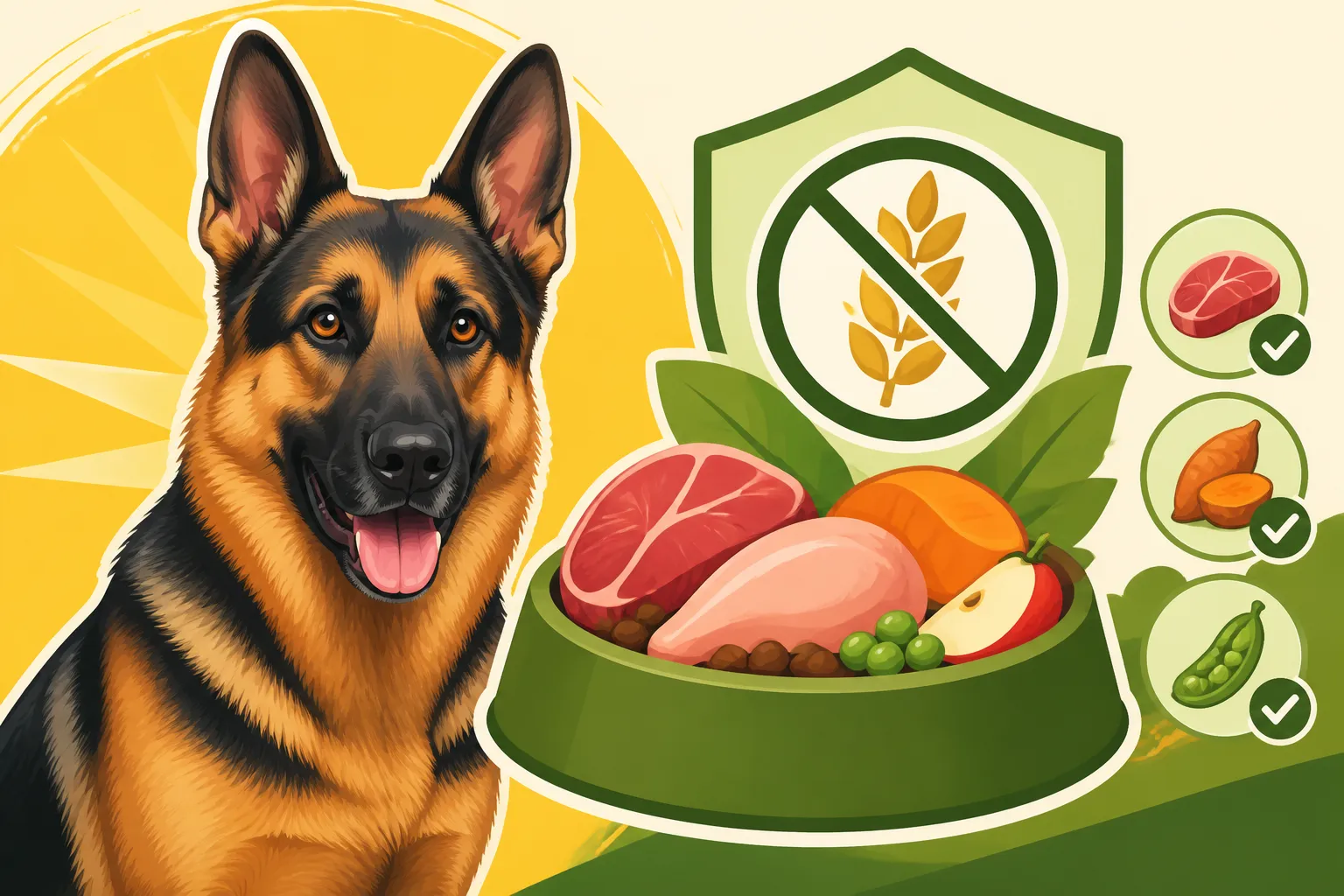
Best Grain-Free Food for German Shepherds
It’s tough trying to figure out the best diet for your beloved German Shepherd, isn't it? One minute everyone's raving about grain-free, the next you're hearing whispers of health risks. The confusion can be overwhelming, especially when all you want is to give your furry family member the best nutrition possible without accidentally causing harm. This guide is here to clear the air, breaking down what grain-free food really means, when it might be beneficial for your German Shepherd, and what crucial factors to consider when making this important dietary decision.
What Exactly is Grain-Free Dog Food?
When you see "grain-free" plastered across a dog food bag, it means exactly what it sounds like: the recipe excludes common cereal grains. But it’s not just about what’s not in it; it's also about what is. These foods typically replace ingredients like corn, wheat, soy, barley, and rice with alternative carbohydrate sources. It's a fundamental shift in how the food provides energy and fiber to your dog.
Common Grain Replacements
Instead of traditional grains, grain-free dog foods often lean on a variety of other ingredients to provide carbohydrates, binding properties, and essential nutrients. These alternatives can be quite diverse, and understanding them is key to truly knowing what you're feeding your German Shepherd. They're not necessarily "better" or "worse," just different.
You'll frequently find ingredients like potatoes, sweet potatoes, peas, lentils, tapioca, and chickpeas as the primary carbohydrate sources. For instance, a bag of "Best Dog Food for a German Shepherd with Allergies" might feature sweet potatoes and peas prominently. Some brands also incorporate other vegetables like carrots or pumpkin. It's important to remember that these ingredients still contain carbohydrates and calories; they just don't come from grains. The idea isn't to remove carbs entirely but to source them differently.
The Myth of "Carb-Free"
There's a common misconception that grain-free means carb-free, but that's simply not true. Dogs need carbohydrates for energy, just like we do. The difference lies in the source of those carbohydrates. While grain-free diets omit traditional grains, they must replace them with other carbohydrate-rich ingredients.
Think of it this way: instead of a meal primarily driven by brown rice or oats, a grain-free meal might use sweet potatoes or lentils. Both provide energy, but the nutritional profiles, including how quickly they release sugar into the bloodstream or their fiber content, can vary. It’s not about cutting carbs; it’s about swapping them out. This distinction is crucial for owners who are concerned about their German Shepherd's weight or energy levels, as calorie content can still be high regardless of whether grains are present.
The Grain-Free Debate: Benefits and Potential Risks for German Shepherds
The conversation around grain-free dog food has been a rollercoaster for pet parents, full of conflicting advice and genuine concern. Initially, it was hailed as a healthier, more "natural" option, but more recently, alarms have been raised. It’s enough to make any conscientious German Shepherd owner feel like they're walking on eggshells.
Perceived Benefits and Why They Were Popular
Many owners initially turned to grain-free options hoping to alleviate various health issues in their German Shepherds. The idea was that grains were "fillers" or common allergens, and removing them would lead to better digestion, shinier coats, and fewer sensitivities. Indeed, for a small percentage of dogs with diagnosed grain allergies, a grain-free diet can be life-changing, leading to improvements in skin health and gastrointestinal comfort. Some believe that dogs, as descendants of wolves, are not naturally equipped to digest grains efficiently.
Anecdotal evidence from many dog owners supported these claims, reporting improvements in their pets' energy levels, coat quality, and reduction in itchy skin or digestive upset. This made grain-free food a very attractive option, especially for breeds like German Shepherds, who can sometimes be prone to sensitive stomachs or skin issues.
The Dilated Cardiomyopathy (DCM) Controversy
However, the tide began to turn with the FDA's investigation into a potential link between certain grain-free, boutique, or exotic ingredient diets and an increased risk of Dilated Cardiomyopathy (DCM) in dogs. DCM is a serious heart condition where the heart's pumping ability becomes impaired, leading to progressive heart failure. The connection isn't fully understood, but the diets implicated often featured high levels of peas, lentils, other legume seeds, or potatoes as primary ingredients, displacing grains like corn, rice, and wheat.
The concern is particularly pronounced for German Shepherds, given their genetic predisposition to certain heart conditions, although DCM itself isn't typically one of the most common German Shepherd heart problems. The FDA's investigation, which is ongoing, has raised legitimate questions about the long-term safety of some of these diets, particularly regarding nutrient deficiencies (like taurine) or unique ingredient interactions that could be detrimental. This is why a conversation with your vet about your dog's specific dietary needs and any German Shepherd Genetic Health Testing results is more important than ever.
When Might a Grain-Free Diet Be Necessary for Your German Shepherd?
Despite the debates, there are specific situations where a grain-free diet isn't just a trend, but a medically necessary choice for your German Shepherd. It's not a one-size-fits-all solution, and understanding your dog's individual needs is paramount.
Diagnosed Grain Allergies or Sensitivities
The most direct and unequivocal reason to consider a grain-free diet for your German Shepherd is a confirmed grain allergy or severe sensitivity. This isn't just your dog having an occasional loose stool; this is a consistent, often debilitating reaction to specific grain proteins. Symptoms can manifest as chronic ear infections, persistent itchy skin and hot spots, digestive upset like vomiting or diarrhea, or even paw chewing.
Diagnosing a true grain allergy typically involves an elimination diet under veterinary guidance. This is a rigorous process where you feed your dog a novel protein and carbohydrate source for several weeks, then reintroduce ingredients one by one to pinpoint the culprit. If grains are identified as the issue, then a grain-free diet becomes a medical necessity to manage their symptoms and improve their quality of life. For dogs struggling with these issues, a specialized diet, often found from brands like Ollie or customized fresh food services, can bring immense relief. You can learn more in our article about German Shepherd Allergies: Symptoms and Treatment.
Specific Digestive Issues
Beyond outright allergies, some German Shepherds simply seem to thrive better on a diet without grains if they have particularly sensitive digestive systems. While grains are not inherently bad, some dogs might find certain grain types harder to digest, leading to discomfort, gas, or inconsistent stool quality. For example, a dog with a history of recurrent pancreatitis might benefit from a diet carefully formulated to be easily digestible, and sometimes this includes avoiding certain grains.
However, it's crucial to distinguish between a general "sensitive stomach" and a specific grain intolerance. Often, other factors like food quality, sudden diet changes, or even underlying conditions like Exocrine Pancreatic Insufficiency (EPI) are at play. If your German Shepherd has a German Shepherd Sensitive Stomach Solutions, consulting your vet is the first step to rule out serious issues before simply switching to a grain-free formula. They might recommend a limited-ingredient diet, which may or may not be grain-free, depending on the identified triggers.
Choosing the Right Grain-Free Food: Key Considerations
If, after careful consideration and consultation with your veterinarian, you decide that a grain-free diet is the right path for your German Shepherd, the next challenge is choosing the right one. With so many options out there, it’s easy to feel overwhelmed. Here’s what you need to focus on to make an informed choice that truly benefits your dog.
Prioritize Whole, High-Quality Ingredients
No matter the diet type, the quality of the ingredients should always be your top priority. Look for grain-free foods that list a named meat protein (like "deboned chicken" or "salmon meal") as the very first ingredient. Avoid ambiguous terms like "meat by-products" or "animal digest" as primary protein sources. The carb sources should also be identifiable and wholesome, such as sweet potatoes, peas, or lentils, rather than heavily processed starches.
Think about the overall nutritional balance. A good food will have a well-rounded profile of proteins, fats, and carbohydrates, along with essential vitamins and minerals. Some high-quality grain-free options available through popular retailers like Chewy often provide detailed ingredient lists and nutritional analyses, making it easier to compare.
Consult Your Veterinarian
This is perhaps the most critical step. Given the ongoing FDA investigation into DCM and its potential link to certain grain-free diets, a conversation with your vet is non-negotiable before making a significant dietary change. Your veterinarian knows your German Shepherd's medical history, genetic predispositions, and overall health status.
They can help you assess if a grain-free diet is truly necessary or if another type of specialized diet might be more appropriate. They can also recommend specific brands or formulations that they trust and have seen success with, or advise on the inclusion of taurine supplements if you opt for a grain-free diet that features high amounts of legumes. For example, if you're concerned about German Shepherd Bloat: Signs and Prevention, your vet can also advise on feeding practices, not just ingredient lists.
Examine the Carbohydrate Sources
Since grain-free foods replace grains with other carb sources, pay close attention to what those replacements are. While peas and lentils are nutritious and provide fiber and protein, diets where they are the predominant ingredient (often appearing multiple times in the first few spots of the ingredient list) are the ones primarily implicated in the DCM concerns.
Look for a variety of carb sources rather than just one or two repeated. Sweet potatoes, pumpkin, and tapioca are common alternatives. A diverse array of whole ingredients generally indicates a more balanced and thought-out recipe.
Here’s a quick comparison of common carbohydrate sources found in grain-free dog foods:
| Carbohydrate Source | Pros | Cons | Common Usage |
|---|---|---|---|
| Sweet Potatoes | Rich in vitamins A & C, fiber, complex carb | Higher glycemic index than some options, can be a major ingredient | Popular, well-tolerated, good for sensitive stomachs |
| Peas | Good source of protein, fiber, vitamins | High amounts linked to DCM concerns, can cause gas in some dogs | Used for protein and fiber, can be a primary carb |
| Lentils | High in protein, fiber, iron | High amounts linked to DCM concerns, may cause digestive upset | Used for protein and fiber |
| Potatoes | Easily digestible, good energy source | Can be high glycemic, some dogs sensitive to nightshades | Common filler, source of energy |
| Tapioca | Hypoallergenic, easily digestible | Low nutritional value compared to other carbs, mainly starch | Binder, thickener, carb source for sensitive dogs |
| Chickpeas | Good protein, fiber, folate, iron | High amounts linked to DCM concerns, can cause gas | Protein and fiber source |
Consider Brand Reputation and Research
When evaluating grain-free dog food, the brand behind the bag matters. Look for companies that have a long-standing reputation for quality and have invested in nutritional research. Check if they employ veterinary nutritionists on their staff and perform feeding trials. Transparent brands will readily provide information about their sourcing, manufacturing processes, and quality control.
While brands like Purina Pro Plan and Hill's Science Diet offer some grain-inclusive diets, many high-quality grain-free options are also available through specialty brands, often found online through platforms like Amazon. Do your homework. Read reviews, but also delve into the company's background and commitment to scientific formulation. Remember that even within well-known brands, specific formulas can vary, so always look at the exact product you're considering. It's all part of ensuring your German Shepherd receives the best nutrition as outlined in a comprehensive German Shepherd Feeding Guide.
Ultimately, the decision to feed a grain-free diet to your German Shepherd should be an informed one, based on their individual health needs, veterinary advice, and a thorough understanding of the ingredients. It’s not just about what’s missing, but what’s included and in what proportions. Ensuring a German Shepherd Nutrition Essentials approach, tailored to your dog's specific requirements, will always lead to the best outcomes.
Disclaimer
This article is intended for informational purposes only and does not constitute veterinary advice. Always consult with a qualified veterinarian regarding your German Shepherd's specific dietary needs, health concerns, and before making any significant changes to their diet or health regimen.