How Many Times a Day to Feed a German Shepherd
It’s easy to feel overwhelmed by all the conflicting advice out there when it comes to feeding your beloved German Shepherd. You want to do what’s best, but between puppy growth spurts, adult energy levels, and the mellowing of senior years, figuring out just how many times a day to feed them can feel like a moving target. This guide is here to cut through the noise, breaking down ideal feeding frequencies for German Shepherds across all life stages, ensuring their health, happiness, and well-being.
The German Shepherd Puppy: Tiny Tummies, Frequent Meals
Bringing home a German Shepherd puppy is an absolute joy, but it also comes with a lot of responsibility, especially when it comes to their diet. These little bundles of fluff are growing at an incredible rate, and their nutritional needs are vastly different from those of an adult dog. Getting their feeding schedule right from the start is paramount.
Why Puppies Need More Frequent Feedings
Think about a human baby – they eat constantly, right? German Shepherd puppies aren't much different. Their tiny stomachs simply can't hold a large quantity of food, yet their rapidly developing bodies are burning through calories at an alarming pace. This high metabolism, combined with their small gastric capacity, means they need smaller, more frequent meals throughout the day to sustain their energy and growth. Trying to feed them just twice a day like an adult could lead to energy crashes and, in some cases, even hypoglycemia, especially in very young pups. Consistent meal times also provide a predictable routine, which is fantastic for German Shepherd Puppy Training Guide and housebreaking efforts, as what goes in on a schedule, often comes out on a schedule!
Beyond the immediate energy needs, frequent feeding helps support their immune system development and ensures a steady supply of nutrients for bone and muscle growth. Puppies are essentially little building machines, and they need a continuous flow of fuel to construct that magnificent German Shepherd physique.
Puppy Feeding Schedule by Age
The frequency of your German Shepherd puppy's meals will naturally evolve as they grow. What works for an 8-week-old won't be quite right for a 6-month-old, so it's important to adjust as they mature.
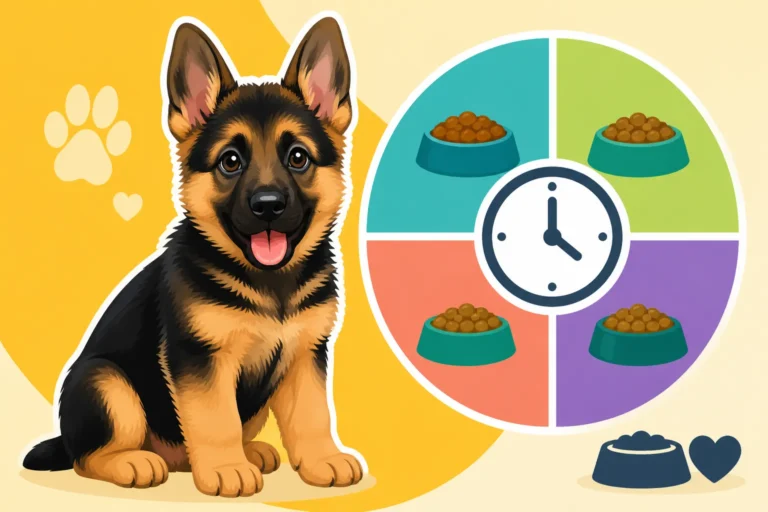
For very young puppies, say from 8 weeks up to about 3 months old, they typically need to eat about four to five times a day. This might sound like a lot, but remember those tiny tummies! If you've just brought home an 8-week-old pup, you might find yourself feeding them at 7 AM, 11 AM, 3 PM, 7 PM, and possibly a small snack before bed to tide them over. This ensures they maintain stable blood sugar levels and have consistent energy for all their learning and playing. It's a busy schedule for you, but it's crucial for their early development.
As your German Shepherd puppy approaches 3 to 6 months of age, you can usually start to reduce the frequency slightly to three to four meals a day. Their stomachs are getting a little bigger, and their digestive systems are maturing. You might drop the very late-night snack or consolidate two smaller meals. For instance, feeding at 7 AM, 1 PM, and 7 PM often works well. This phase is still about sustained growth, so don't be tempted to cut back too much too soon. You can find more specific guidance in our detailed German Shepherd Puppy Feeding Schedule article.
Once they hit the 6-month mark and are heading towards their first birthday (typically around 12-18 months is When Do German Shepherds Stop Growing), you can gradually transition them to two to three meals a day. Many owners opt for three meals during this adolescent phase, spreading out their daily caloric intake while their bones and muscles are still rapidly developing. By 9-12 months, most German Shepherds are comfortable with two solid meals a day, morning and evening. This is a critical time for proper nutrition, so always ensure you're feeding a high-quality large-breed puppy food designed to support their unique growth plate development.
Adult German Shepherds: Establishing a Healthy Routine
Once your German Shepherd has moved past the whirlwind puppy phase and into adulthood, their feeding schedule will become much more predictable. The goal now is to maintain their health, energy, and ideal body weight without over or underfeeding.
The Standard: Twice a Day is Best
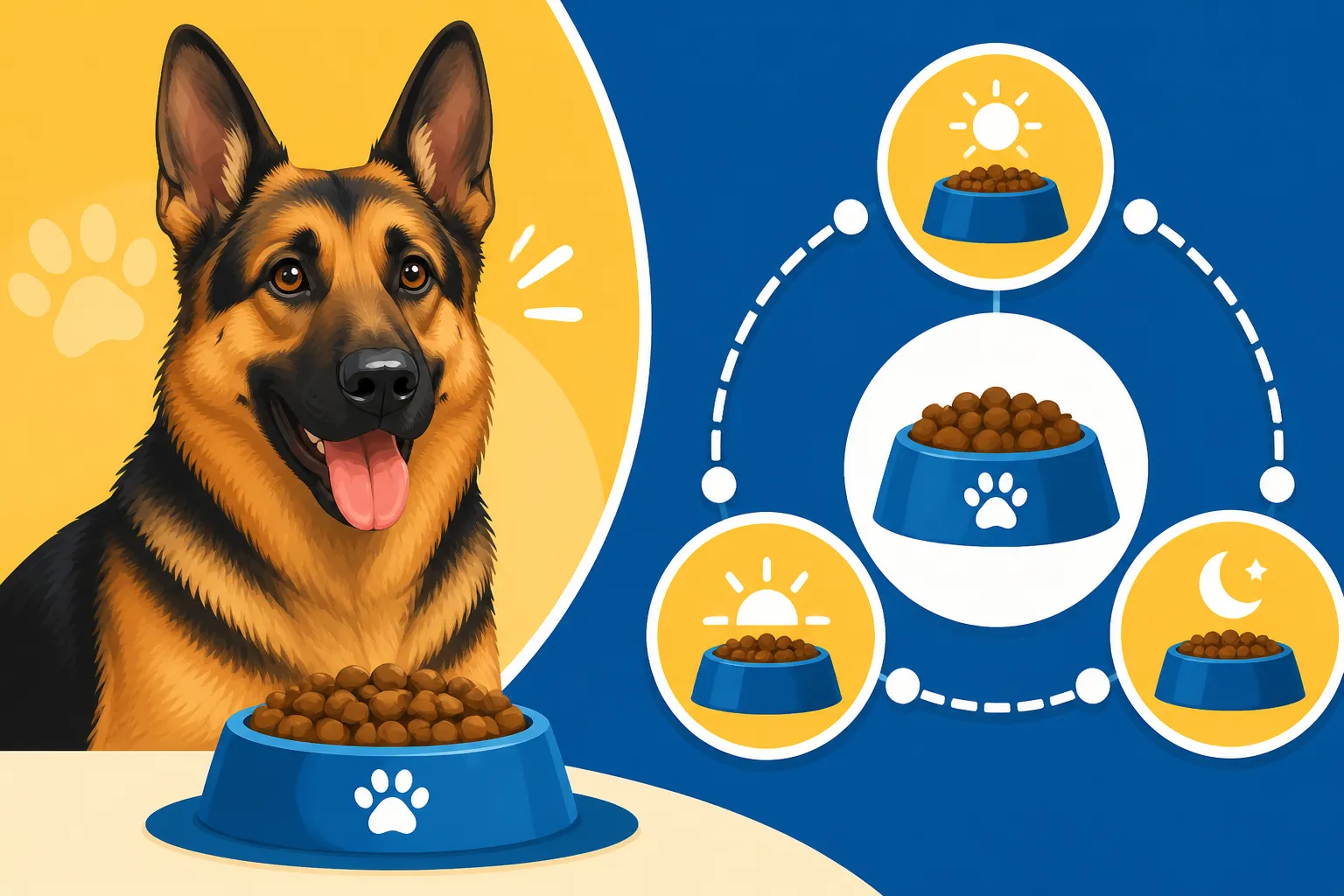
For the vast majority of adult German Shepherds, two meals a day is the gold standard, and for very good reason. Splitting their daily food intake into a morning and an evening meal offers several significant benefits. Firstly, it helps manage hunger. German Shepherds are smart dogs, and if they only get one meal, they might spend the rest of the day feeling hungry and looking for scraps, or worse, developing resource guarding behaviors. Two meals keep them feeling satisfied and reduce the likelihood of begging.
More critically, for a large, deep-chested breed like the German Shepherd, two meals a day can be a vital preventative measure against a life-threatening condition known as bloat, or Gastric Dilatation and Volvulus (GDV). Eating one large meal, especially if followed by vigorous exercise, can increase the risk of the stomach filling with gas and twisting. By dividing the food, you're reducing the volume in the stomach at any one time, which can lower this risk. It also helps to maintain stable energy levels throughout the day, preventing that post-meal sluggishness followed by an "I'm starving!" phase. This consistency is key for their digestive system and overall well-being. Keeping an eye on their weight is important too, as obesity can lead to a host of other German Shepherd Health Problems Guide.
Factors Influencing Adult Feeding Schedules
While two meals a day is generally recommended, individual circumstances can lead to slight adjustments. Your German Shepherd isn't a robot, and their needs might vary.
One major factor is their activity level. A working line German Shepherd training for IGP or herding sheep daily will burn significantly more calories and might benefit from slightly more food or even an extra small meal or snack compared to a German Shepherd who enjoys a more leisurely lifestyle as a family companion. For highly active dogs, some owners might split their intake into three slightly smaller meals, or offer their regular two meals with a high-value, high-energy snack in between training sessions. If you're wondering How Much Exercise Does an Adult German Shepherd Need, remember that high activity often means higher caloric needs.
Another consideration is health concerns. Dogs with certain conditions, like diabetes, often require very strict feeding schedules to manage blood sugar. German Shepherds prone to German Shepherd Pancreatitis: Symptoms and Treatment or those with a German Shepherd Sensitive Stomach Solutions might do better with smaller, more frequent feedings to ease the burden on their digestive system. Always consult your veterinarian if your dog has specific health issues that might influence their diet. The type of food also plays a role. Whether you feed high-quality kibble from brands available on platforms like Chewy or Amazon, a fresh food diet like Ollie, or a raw diet, the density and nutrient content will impact how much they need at each sitting.
Finally, your own owner schedule plays a practical role. If you work long hours, ensuring someone can give that midday meal to a pup transitioning to adulthood might be challenging. However, for most adult GSDs, a morning meal before work and an evening meal after you're home fits well into a busy human schedule. The key is consistency – your dog thrives on routine, so once you establish a schedule, try to stick to it as closely as possible.
Senior German Shepherds: Adapting to Changing Needs
As our beloved German Shepherds gray around the muzzle, their needs inevitably change. The vibrant energy of youth slowly gives way to a more relaxed pace, and their bodies require different support. This includes adjusting their feeding routine.
Slower Metabolisms, Different Requirements
Just like humans, senior German Shepherds tend to slow down. Their metabolism isn't as roaring as it once was, meaning they don't burn calories as quickly. This often translates to needing slightly less food overall to maintain a healthy weight, preventing German Shepherd Weight and Obesity Risks. However, it's not just about the quantity; the quality and ease of eating become increasingly important. Older dogs might develop dental issues, making crunching hard kibble difficult or even painful. You might notice them dropping kibble, or showing reluctance to eat.
Furthermore, conditions like German Shepherd Arthritis in Senior Dogs or other joint pain can make it uncomfortable for them to stand over a bowl for long periods, or to even get up and down easily. These physical changes mean that their eating experience needs to be as comfortable and accessible as possible. Senior-specific diets are often formulated with fewer calories, higher fiber for digestive health, and added joint supplements like glucosamine and chondroitin to support their aging bodies. These specialized foods, available from pet retailers like Chewy, can make a huge difference in their comfort and nutrient absorption.
Adjusting Frequency for Older Dogs
For many senior German Shepherds, continuing with the two meals a day schedule works perfectly fine, especially if they are maintaining a healthy weight and showing no signs of digestive distress or discomfort during meal times. This familiar routine can be comforting for them.
However, some senior dogs might benefit from three smaller meals spread throughout the day. This can be particularly helpful if:
- Appetite is dwindling: Smaller, more frequent meals can be less overwhelming and more appealing than one or two large ones.
- Digestion is an issue: As dogs age, their digestive systems can become less efficient. More frequent, smaller meals can be easier to process, reducing the risk of upset stomachs or bloat.
- Medical conditions require it: Dogs with certain health conditions, or those on medications, might have better tolerance or absorption with more frequent, smaller food portions.
When feeding a senior dog, consider using raised bowls to alleviate strain on their neck and joints. If they have dental problems, moistening kibble with warm water or bone broth can make it softer and easier to chew. Monitoring their weight, energy levels, and overall demeanor after eating is crucial. Any significant changes in appetite or eating habits should always warrant a call to your vet, as it could be a sign of an underlying health issue. Our comprehensive German Shepherd Senior Care Guide offers even more insights into supporting your aging companion.
Special Considerations and Common Pitfalls
Beyond the age-based guidelines, there are several crucial factors that all German Shepherd owners need to be aware of when it comes to feeding frequency and practices. Ignoring these can have serious consequences for your dog's health.
The Bloat Risk and Feeding Practices
We simply cannot talk about feeding German Shepherds without talking about bloat, or Gastric Dilatation and Volvulus (GDV). It's a terrifying, rapidly progressing, and often fatal condition where the stomach fills with gas and can twist, cutting off blood supply. German Shepherds are one of the breeds most susceptible to this emergency, and feeding practices play a significant role in prevention.
One large meal per day is a definite no-go for German Shepherds. As discussed, dividing their food into two meals daily is a critical first step in prevention. Beyond frequency, you need to consider when and how they eat. Avoid strenuous exercise at least one hour before and one hour after meals. This means no intense playtime, running, or training sessions right after they've eaten. A short, calm walk to relieve themselves is generally fine, but anything vigorous is risky.
Using a slow feeder bowl can also be incredibly beneficial. These bowls have various ridges or obstacles that force your dog to eat around them, significantly slowing down their ingestion of food. This reduces the amount of air they swallow, which is a major contributor to bloat. While raised bowls were once recommended to prevent bloat, recent studies have actually suggested they might increase the risk for some large breeds. It's best to consult your vet regarding the use of raised bowls, but for most, feeding at floor level or slightly elevated might be safer. For more in-depth information on this critical topic, please read our article on German Shepherd Bloat: Signs and Prevention.
Free Feeding vs. Scheduled Meals
The debate between free-feeding and scheduled meals is one that arises often, but for a German Shepherd, scheduled meals are unequivocally the better and safer option.
Free-feeding means leaving food out all day for your dog to graze on whenever they please. While this might sound convenient or like it caters to their "natural" eating rhythm, it comes with a host of downsides for a German Shepherd:
- Overeating and Obesity: Many GSDs will simply eat whenever food is available, leading to rapid weight gain and obesity, which contributes to joint problems like German Shepherd Hip Dysplasia Explained and other health issues.
- Difficulty Monitoring Intake: If you have multiple pets, or if your dog is feeling unwell, it's impossible to know exactly how much each dog has eaten, or if your German Shepherd has lost their appetite.
- Increased Bloat Risk: As mentioned, grazing can lead to intermittent eating, and a large meal at an unpredictable time can be risky if they then become active.
- No Routine: Dogs thrive on routine. Scheduled meals provide predictability and can help with house training and overall behavior management.
- Food Safety: Food left out can attract pests or spoil, especially in warmer climates.
With scheduled meals, you control the portion sizes, monitor their appetite, and establish a consistent routine that supports their digestive health and overall well-being. It's an essential part of How to Keep a German Shepherd Healthy.
Monitoring and Adjusting
Even with the best intentions and adherence to general guidelines, every German Shepherd is an individual. What works perfectly for one might need slight tweaks for another. This is where your role as a diligent observer becomes paramount.
Pay close attention to your dog's body condition. Are they maintaining a healthy weight? You should be able to easily feel their ribs without seeing them protruding. If their waist disappears or they start looking like a furry barrel, they're likely overweight. If their ribs are very prominent, they might be underweight. Tools like the World Small Animal Veterinary Association (WSAVA) Body Condition Score chart are excellent visual aids. If you notice weight fluctuations, it's time to adjust their food quantity, not necessarily the frequency. Our guide on How Much to Feed a German Shepherd goes into more detail on portion sizing.
Also, observe their energy levels, coat condition, and stool quality. A healthy German Shepherd should have good energy, a shiny coat, and firm, consistent stool. Loose stool or diarrhea could indicate they're eating too much, eating something they shouldn't, or have a digestive issue. Changes in any of these areas can be a sign that their diet, including the feeding frequency, needs to be re-evaluated.
Always, always consult your veterinarian if you have concerns about your German Shepherd's weight, appetite, or digestive health. They can provide personalized recommendations based on your dog's specific health profile, activity level, and any underlying conditions. Regular check-ups are key to catching potential issues early and ensuring your German Shepherd leads a long, healthy life.
German Shepherd Feeding Frequency at a Glance
To summarize the general guidelines for feeding frequency throughout your German Shepherd's life, here's a helpful table:
| Life Stage | Typical Age Range | Recommended Feeding Frequency | Key Considerations |
|---|---|---|---|
| Puppy (Young) | 8 weeks – 3 months | 4-5 times a day | Small stomachs, high metabolism, rapid growth. Crucial for stable blood sugar. |
| Puppy (Growing) | 3 months – 6 months | 3-4 times a day | Still growing quickly, increased stomach capacity. Good for energy and nutrient absorption. |
| Puppy (Adolescent) | 6 months – 12 months | 2-3 times a day | Approaching maturity, sustained growth. Gradually transitioning to adult schedule. |
| Adult | 1 year – 7 years | 2 times a day | Standard for most GSDs. Reduces bloat risk, manages hunger, maintains energy. |
| Senior | 7+ years | 2 times a day (or 3 smaller) | Slower metabolism, potential dental/joint issues. May benefit from 3 smaller meals if digestion/appetite is a concern. |
This table provides a general framework, but remember that individual needs can vary. Always prioritize your dog's health and consult your vet for tailored advice.
Disclaimer
The information provided in this article is for general informational purposes only and is not a substitute for professional veterinary advice. Always consult with a qualified veterinarian for any health concerns or before making any changes to your German Shepherd's diet or care routine.