German Shepherd Nutrition Essentials
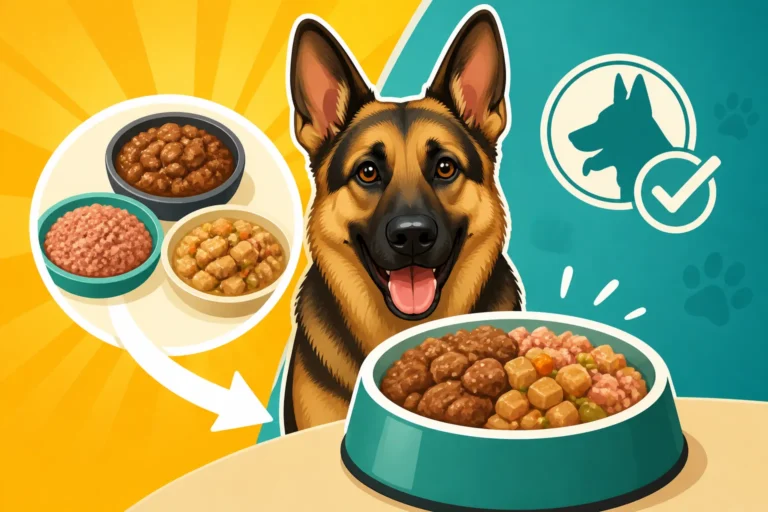
Trying to figure out what to feed your German Shepherd can feel like deciphering a secret code. With so much conflicting advice online and a dizzying array of dog food options, it’s easy to second-guess every decision, wondering if you’re truly giving your powerful, loyal companion everything they need to thrive. This guide cuts through the noise, offering a comprehensive, realistic look at German Shepherd nutrition essentials, tailored to their unique needs at every stage of life, so you can feed your dog with confidence.
Understanding Your German Shepherd's Unique Nutritional Needs
Owning a German Shepherd is a commitment to a magnificent, athletic, and intelligent breed. But with their specific build and genetic predispositions, their dietary requirements aren't a one-size-fits-all situation. What works for a smaller, less active dog won't necessarily cut it for a German Shepherd, and overlooking these nuances can lead to a host of health issues down the road. It's not just about filling a bowl; it's about fueling a highly developed system.
Why German Shepherds Aren't Just Any Dog
German Shepherds are large, deep-chested, and energetic dogs with a propensity for certain breed-specific health concerns. Their rapid growth as puppies, their active adult lifestyles, and their later-life joint issues all demand a diet that supports these characteristics. They aren't dainty eaters, nor are they typically sedentary couch potatoes. Their digestive systems, while robust, can also be prone to sensitivity, making the choice of ingredients paramount.
For instance, their large size and deep chest make them more susceptible to bloat (gastric dilatation-volvulus), a life-threatening condition where the stomach twists. While genetics play a role, feeding practices, such as preventing rapid eating or consuming too much water after meals, are crucial. This is just one example of how their unique physiology dictates specific nutritional considerations that might not apply to other breeds. Understanding these foundational differences is the first step in optimizing their diet for a long, healthy life.
The Importance of Breed-Specific Formulas
You'll often see dog food brands offering "German Shepherd formulas," and while some might dismiss this as marketing, there's often genuine science behind it. These formulas are typically designed with the breed's size, bone structure, activity level, and common health issues in mind. They often contain specific nutrient ratios and ingredients tailored to support joint health, maintain a healthy coat, and aid digestion. This isn't just about kibble shape, though that can also play a role in promoting slower eating and better dental hygiene for large breeds.
For example, a breed-specific formula might contain higher levels of glucosamine and chondroitin for joint support, which is vital for a breed prone to conditions like hip and elbow dysplasia. They also tend to have carefully balanced calcium-to-phosphorus ratios to support skeletal development in puppies, preventing too-rapid growth that can exacerbate joint problems. While not mandatory, these specialized foods can offer a convenient way to ensure your German Shepherd receives targeted nutritional support. You can often find a wide selection of these specialized foods on platforms like Chewy, allowing you to compare different brands and formulas easily.
Caloric and Energy Requirements
German Shepherds are generally active dogs, and their caloric needs reflect this. A working-line German Shepherd herding sheep or training for Schutzhund will have vastly different energy requirements than a show-line companion dog enjoying daily walks. Age, activity level, metabolism, and even climate all factor into how many calories your dog needs daily. Overfeeding can lead to obesity, putting unnecessary strain on joints and organs, while underfeeding can result in lethargy and poor coat condition.
A general guideline is to feed based on their ideal adult weight and adjust according to their energy expenditure. Growing puppies, pregnant or lactating females, and highly active dogs will require significantly more calories. It's a delicate balance, and closely monitoring your dog's body condition score (not just their weight on a scale) is the best way to tell if you're hitting the mark. Always start with the recommendations on the dog food bag, but be prepared to tweak it based on your individual dog's needs and activity. Our guide on How Much to Feed a German Shepherd goes into even more detail about these specific requirements.
Macronutrients: The Building Blocks of a Healthy Diet
Just like us, dogs need a balanced intake of macronutrients – protein, fats, and carbohydrates – to thrive. These aren't just buzzwords on a dog food label; they are the fundamental components that provide energy, build and repair tissues, and keep every bodily system functioning optimally. For a German Shepherd, given their size and activity, the quality and balance of these macronutrients are particularly critical.
Protein: The Foundation for Muscle and Repair
Protein is king for German Shepherds. As a large, muscular breed, they require high-quality animal protein to support muscle development, repair tissues, and maintain a strong immune system. Good sources include chicken, beef, lamb, fish, and eggs. Look for formulas where a named meat source (e.g., "chicken meal" rather than "meat meal") is listed as the first ingredient. Protein is composed of amino acids, and dogs, especially large breeds, need a full spectrum of these to ensure proper growth and function. Without adequate protein, German Shepherds can experience muscle wasting, a dull coat, and a compromised immune response.
It's not just the quantity of protein that matters, but its digestibility and biological value. Highly digestible proteins mean your dog can utilize more of the nutrients, leading to less waste and better overall health. For an active German Shepherd, protein intake can range from 22-26% in adult food, sometimes higher for working dogs or growing puppies. This ensures they have the necessary building blocks to maintain their powerful physique and recover from exercise. This is a crucial element of a healthy German Shepherd diet.
Fats: Essential for Energy and Coat Health
Dietary fats are a concentrated source of energy, providing more than twice the calories per gram compared to proteins or carbohydrates. For an active German Shepherd, healthy fats are essential for sustained energy, absorption of fat-soluble vitamins (A, D, E, K), and maintaining a healthy skin and coat. Omega-3 and Omega-6 fatty acids are particularly important. Omega-3s, found in fish oil and flaxseed, have anti-inflammatory properties that can support joint health and reduce skin irritation. Omega-6s, found in chicken fat and vegetable oils, are vital for skin barrier function and coat luster.
A diet lacking in sufficient healthy fats can result in dry, flaky skin, a dull coat, and reduced energy levels. For German Shepherds, a healthy fat content typically falls between 12-18% for adults, with slightly higher levels for puppies or highly active individuals. When evaluating dog food, look for sources like chicken fat, salmon oil, or flaxseed. These fats not only provide energy but also contribute to the delicious flavor that makes food appealing to your canine companion, ensuring they get the necessary nutrients without a fuss.
Carbohydrates: Fuel for an Active Lifestyle
While dogs don't have an absolute physiological requirement for carbohydrates in the same way they do for protein and fat, complex carbohydrates provide a readily available source of glucose for energy. They are particularly beneficial for German Shepherds with their active lifestyles, offering sustained energy release that prevents energy crashes. Good sources include whole grains like brown rice, oats, and barley, as well as vegetables like sweet potatoes and peas. These complex carbs also provide dietary fiber, which is crucial for digestive health and regularity.
Fiber helps regulate bowel movements, aids in nutrient absorption, and can contribute to a feeling of fullness, which is helpful for weight management. For a German Shepherd, a moderate amount of complex carbohydrates is usually beneficial, typically making up 30-50% of their diet. While "grain-free" diets became popular, for most dogs without specific grain allergies, whole grains are a healthy and economical source of energy and fiber. If your German Shepherd has a sensitive stomach, choosing easily digestible carbohydrate sources can make a significant difference in their comfort and overall gut health.
Micronutrients, Vitamins, and Minerals: The Unsung Heroes
Beyond the big three macronutrients, a German Shepherd's diet must also contain a carefully balanced array of vitamins and minerals. These micronutrients, though needed in smaller quantities, play immense roles in virtually every bodily function, from bone formation and nerve transmission to immune response and antioxidant defense. Skipping on these or having them out of balance can lead to subtle deficiencies or excesses that manifest as significant health problems over time.
Vitamins: Immunity, Vision, and Bone Health
Vitamins are organic compounds crucial for metabolic processes. For German Shepherds, key vitamins include:
- Vitamin A: Essential for good vision, immune function, and healthy skin. Found in liver, eggs, and sweet potatoes.
- B Vitamins (B1, B2, B6, B12, Niacin, Folic Acid): A complex group vital for energy metabolism, nervous system function, and red blood cell production. Found in meats, whole grains, and leafy greens.
- Vitamin D: Crucial for calcium absorption and bone health, working in tandem with calcium and phosphorus. Synthesized by the skin or obtained from oily fish and fortified foods.
- Vitamin E: A powerful antioxidant that protects cells from damage and supports immune function. Found in vegetable oils and leafy greens.
- Vitamin K: Necessary for proper blood clotting. Found in leafy greens and synthesized by gut bacteria.
Ensuring a complete and balanced diet from a reputable brand usually covers these needs. However, specific life stages or health conditions might warrant veterinary-recommended supplements. For example, a senior German Shepherd might benefit from additional antioxidants. Remember, more isn't always better with vitamins; excessive intake of fat-soluble vitamins (A, D, E, K) can be toxic.
Minerals: From Bones to Nerve Function
Minerals are inorganic substances essential for numerous physiological functions. For German Shepherds, particular attention should be paid to:
- Calcium and Phosphorus: Crucial for strong bones and teeth, especially during puppyhood. The correct ratio is vital for large breeds to prevent skeletal problems.
- Zinc: Supports immune function, skin and coat health, and proper thyroid function. Found in meat, eggs, and whole grains.
- Selenium: An antioxidant that works with Vitamin E to protect cells. Found in organ meats, fish, and whole grains.
- Iron: Essential for oxygen transport in the blood (hemoglobin). Found in red meat and organ meats.
- Copper: Involved in iron metabolism, bone formation, and pigment production. Found in organ meats and nuts.
Maintaining the correct balance of minerals is critical. For instance, too much calcium in a growing German Shepherd puppy can contribute to developmental orthopedic diseases, even if the puppy food is otherwise high quality. This is why choosing a large-breed puppy formula is often recommended, as they typically have lower calcium levels than regular puppy foods. Always consult your vet if you suspect a mineral imbalance or before adding any significant mineral supplements to your dog's diet.
Crucial Supplements to Consider
While a balanced diet should provide most essential nutrients, some supplements can offer targeted support, especially for a breed like the German Shepherd that is prone to certain conditions.
- Glucosamine and Chondroitin: These are perhaps the most common supplements for large breeds. They support joint health by helping to maintain cartilage and improve joint lubrication. Given that German Shepherd Hip Dysplasia Explained and elbow dysplasia are significant concerns, many owners start these supplements proactively or when the first signs of arthritis appear. Brands like Nutramax's Dasuquin or Cosequin are popular choices, often available through veterinarians or reputable online retailers.
- Omega-3 Fatty Acids (Fish Oil): Beyond contributing to a healthy coat, the EPA and DHA in fish oil have powerful anti-inflammatory effects, which can benefit dogs with joint pain, allergies, or certain heart conditions. It's a fantastic general wellness supplement.
- Probiotics: If your German Shepherd has a sensitive stomach or has recently been on antibiotics, probiotics can help restore a healthy balance of gut bacteria, aiding digestion and nutrient absorption. Options like Fortiflora or Purina Pro Plan's Calming Care are often recommended by vets.
When considering supplements, always discuss them with your veterinarian first. They can help determine if a supplement is truly necessary and recommend appropriate dosages and reputable brands. Over-supplementation can sometimes be as detrimental as a deficiency.
Navigating Different Food Types and Diets
The sheer variety of dog food available today can be dizzying. From traditional kibble to fresh-cooked meals and raw diets, each option comes with its own set of benefits and drawbacks. Understanding these differences will help you make an informed decision that best suits your German Shepherd's needs, your lifestyle, and your budget.
Kibble: Pros, Cons, and Quality Factors
Dry kibble remains the most popular and convenient choice for dog owners.
Pros:
- Convenience and Shelf Life: Kibble is easy to store, has a long shelf life, and is simple to portion out. It doesn't require refrigeration before opening.
- Cost-Effectiveness: Generally, kibble is the most budget-friendly option, making it accessible for large breeds like German Shepherds.
- Dental Benefits: Some kibble formulations are designed to help scrape plaque off teeth as your dog chews, contributing to dental hygiene.
Cons:
- Lower Moisture Content: Kibble is very dry, meaning dogs need to drink more water to stay hydrated. Some dogs struggle with this.
- Processing: Kibble undergoes extensive processing at high temperatures, which can sometimes reduce the nutritional value of certain ingredients.
- Ingredients Concerns: Lower quality kibbles can contain excessive fillers, artificial preservatives, and by-products that offer little nutritional benefit.
When choosing kibble, look for:
- Named Meat Sources: A specific animal protein (e.g., "chicken," "beef") as the first ingredient.
- Whole Grains or Digestible Carbs: Brown rice, oats, sweet potatoes are good examples.
- Healthy Fats: Named animal fats or fish oils.
- No Artificial Colors, Flavors, or Preservatives: These are unnecessary and can sometimes cause sensitivities.
Many German Shepherd owners find great success with high-quality kibble brands like Purina Pro Plan, Royal Canin, or Victor, which formulate specifically for large breeds and active dogs.
Wet Food and Fresh Food Options
Beyond kibble, there's a growing market for wet and fresh dog food.
Wet Food:
Often comes in cans or pouches, wet food is a great way to add moisture to your dog's diet.
Pros:
- High Palatability: Many dogs find wet food more appealing and easier to eat, especially older dogs or those with dental issues.
- Higher Moisture Content: Excellent for hydration, which is beneficial for kidney health.
- Often Less Processed: Can have more whole ingredients and less starch than kibble.
Cons:
- Cost: Generally more expensive than kibble, especially for a large dog.
- Dental Health: Does not provide the abrasive action of kibble to help clean teeth, potentially requiring more diligent dental care.
- Shelf Life: Once opened, wet food needs to be refrigerated and consumed quickly.
Fresh Food:
This category includes commercially prepared, gently cooked, human-grade meals. Services like Ollie have made fresh food more accessible, delivering customized, pre-portioned meals.
Pros:
- High-Quality Ingredients: Often made with human-grade meats, vegetables, and grains, with full transparency.
- Digestibility: Many owners report improved digestion, smaller stools, and better coat condition.
- Customization: Can be tailored to specific dietary needs or allergies.
Cons:
- Cost: This is often the most expensive option, which can be a significant factor for German Shepherds.
- Storage: Requires refrigeration or freezer space.
- Transition: Requires a slow transition to avoid upsetting your dog's stomach.
Both wet and fresh food options can be excellent choices, particularly for German Shepherds with picky appetites or those needing extra hydration or a boost in nutrient absorption.
Raw (BARF) and Homemade Diets: What to Know
Raw (Biologically Appropriate Raw Food or Bones And Raw Food – BARF) and homemade cooked diets are gaining traction, with proponents touting significant health benefits. However, they come with substantial responsibilities and potential risks. Our article on Raw Diet for German Shepherds Explained covers this in extensive detail.
Raw (BARF) Diets:
Typically consist of raw muscle meat, organs, bones, and a small percentage of fruits and vegetables.
Pros:
- Mimics Ancestral Diet: Supporters believe it's what dogs are naturally designed to eat, leading to improved coat, dental health, and digestion.
- High Moisture and Bioavailability: Raw ingredients are thought to retain more natural enzymes and nutrients.
Cons:
- Bacterial Contamination: Risk of pathogens like Salmonella or E. coli for both dog and human. Proper hygiene is paramount.
- Nutritional Imbalance: It's incredibly difficult to formulate a complete and balanced raw diet without expert guidance, leading to potential deficiencies or excesses.
- Cost and Time: Can be expensive and very time-consuming to prepare and store safely.
Homemade Cooked Diets:
Prepared from scratch using cooked ingredients.
Pros:
- Full Control Over Ingredients: You know exactly what your dog is eating, avoiding allergens or unwanted additives.
- Palatability: Can be highly appealing to picky eaters.
Cons:
- Nutritional Imbalance: Just like raw, it's very challenging to ensure a complete and balanced diet. Without a veterinary nutritionist's guidance, deficiencies are common.
- Time and Effort: Requires significant time for shopping, preparation, and cooking.
- Cost: Can be more expensive than kibble.
If considering a raw or homemade diet, consulting with a board-certified veterinary nutritionist is absolutely essential. They can help you formulate a diet that meets all your German Shepherd's specific nutritional needs, minimizing risks. Without professional guidance, you risk causing serious health problems. Our guide to Homemade Food for German Shepherds provides more insight into this complex topic.
Here's a quick comparison of popular dog food types:
| Diet Type | Pros | Cons | Cost (Relative) | Convenience (Relative) |
|---|---|---|---|---|
| Dry Kibble | Long shelf life, dental benefits (some), cost-effective | Lower moisture, potential for fillers, less palatability | Low to Medium | High |
| Wet Food | High moisture, very palatable, often less processed | Expensive, shorter shelf life once open, dental hygiene needs | Medium to High | Medium |
| Fresh/Cooked | High quality, digestible, control over ingredients | Very expensive, shorter shelf life, requires refrigeration | High | Medium |
| Raw (BARF) | Mimics ancestral diet, high palatability, good for skin/coat | High risk of bacterial contamination, unbalanced if not done right, time-consuming | High | Low to Medium |
Feeding by Life Stage: From Puppy to Senior
A German Shepherd's nutritional needs are not static; they evolve dramatically throughout their life. What's perfect for a rapidly growing puppy can be detrimental to an adult, and what sustains an adult may not be adequate for a senior dog. Tailoring the diet to each life stage is a cornerstone of responsible German Shepherd ownership, ensuring they receive the precise nutrients required for optimal health and longevity. Our comprehensive German Shepherd Diet by Age and Weight guide provides a more granular look at these specific needs.
Puppyhood: Growth and Development Needs
German Shepherd puppies grow incredibly fast, but this rapid growth also makes them susceptible to developmental orthopedic diseases if their diet is not carefully controlled. The key is controlled growth, not maximum growth. A common misconception is that puppies need extremely high protein and calcium to grow big quickly. In reality, too much calcium can lead to skeletal abnormalities, especially in large breeds.
Puppy food for German Shepherds should be:
- Formulated for Large Breed Puppies: These foods have a precisely balanced calcium-to-phosphorus ratio and appropriate calorie density to support steady, healthy growth without promoting excessive weight gain or bone development. Look for labels that explicitly state "large breed puppy formula."
- High-Quality Protein: Essential for muscle and tissue development.
- Moderate Fat Content: To provide energy without encouraging too-rapid weight gain.
- DHA: An omega-3 fatty acid crucial for brain and vision development.
Feed your German Shepherd puppy multiple small meals throughout the day (3-4 times) to support their rapid metabolism and prevent overeating at one sitting. Consistency is key, and avoid free-feeding to help manage their growth. Our detailed German Shepherd Puppy Feeding Schedule offers a clear roadmap for this crucial period.
Adulthood: Maintaining Optimal Health
Once your German Shepherd reaches about 12-18 months of age, their rapid growth period slows down, and it's time to transition them to an adult formula. This is a critical transition, as adult dog food is designed to maintain their current body condition rather than promote growth.
For adult German Shepherds, the focus shifts to:
- Maintenance Calories: Adjusting their caloric intake to match their activity level and prevent weight gain. An active German Shepherd will need more calories than a more sedate one.
- Joint Support: Many adult German Shepherd formulas include glucosamine and chondroitin, which are vital for supporting the health of their joints throughout their working lives.
- Skin and Coat Health: Omega fatty acids become particularly important here, contributing to that thick, lustrous double coat.
- Digestive Health: Easily digestible ingredients and appropriate fiber content help maintain a healthy gut.
Monitor your adult German Shepherd's weight and body condition regularly. You should be able to feel their ribs easily but not see them protruding. Their waist should be evident when viewed from above. Adjusting portion sizes based on their activity and metabolism is a continuous process throughout their adult life. Remember, a healthy adult German Shepherd is typically lean and well-muscled, not heavy.
Senior Years: Adjustments for Aging German Shepherds
As your German Shepherd enters their senior years (typically around 7-8 years old), their metabolism slows down, activity levels may decrease, and they may start to develop age-related health issues like arthritis or organ decline. Their diet needs to adapt to these changes.
Senior German Shepherd food should typically be:
- Lower in Calories: To prevent weight gain, as older dogs are often less active. Excess weight puts additional strain on aging joints.
- Higher in Fiber: To support digestive health, which can sometimes slow down with age, and help with satiety.
- Increased Joint Support: Higher levels of glucosamine, chondroitin, and omega-3 fatty acids are incredibly beneficial for managing arthritis and maintaining mobility.
- Highly Digestible Protein: To help maintain muscle mass, which can naturally decrease with age, without overtaxing their kidneys.
- Antioxidants: Vitamins E and C, along with other antioxidants, can help combat cellular damage and support cognitive function.
Many senior formulas are specifically designed to address these needs. Some German Shepherds may also benefit from smaller, more frequent meals if their appetite or digestion becomes an issue. Regular veterinary check-ups are essential during these years, as your vet can recommend specific dietary changes or supplements based on any emerging health concerns. Giving your German Shepherd the right nutrition in their golden years can significantly improve their comfort and quality of life.
Common Nutritional Challenges and Solutions
Even with the best intentions, German Shepherd owners can encounter various nutritional challenges. From sensitive tummies to itchy skin, these issues often have a dietary component. Understanding these common problems and knowing how to address them nutritionally is key to keeping your dog healthy and happy. Our general guide to German Shepherd Health Problems Guide can help identify other non-nutritional issues.
Sensitive Stomachs and Digestive Issues
Many German Shepherds are notorious for having sensitive stomachs. This can manifest as loose stools, excessive gas, occasional vomiting, or a general reluctance to eat certain foods. Finding the right diet for a sensitive German Shepherd can feel like a never-ending quest.
Common Causes:
- Food Intolerance: An inability to properly digest certain ingredients (e.g., specific proteins, grains, or fats).
- Sudden Diet Changes: Rapidly switching foods without a slow transition can upset the gut microbiome.
- Exocrine Pancreatic Insufficiency (EPI): A condition common in German Shepherds where the pancreas doesn't produce enough digestive enzymes. This is a serious condition requiring veterinary diagnosis and treatment.
- Inflammatory Bowel Disease (IBD): Chronic inflammation of the digestive tract.
Solutions:
- Slow Diet Transitions: Always transition new food over 7-10 days, gradually mixing increasing amounts of new food with decreasing amounts of old food.
- Limited Ingredient Diets (LID): Foods with a single source of animal protein and a single source of carbohydrate can help identify and avoid trigger ingredients.
- Easily Digestible Ingredients: Look for formulas with highly digestible proteins (e.g., hydrolyzed protein, novel proteins) and gentle carbohydrates like sweet potato or rice.
- Probiotics and Prebiotics: These can help support a healthy gut microbiome. Many high-quality dog foods now include them, or they can be added as supplements.
- Small, Frequent Meals: For some dogs, smaller meals spread throughout the day are easier to digest than one or two large meals.
If digestive issues persist, a veterinary consultation is crucial to rule out underlying medical conditions like EPI or IBD. Our article on German Shepherd Sensitive Stomach Solutions provides additional actionable strategies to help.
Allergies and Dietary Restrictions
Food allergies and sensitivities are another frequent concern for German Shepherd owners, often presenting as itchy skin, ear infections, or gastrointestinal upset. Unlike intolerances, true food allergies involve an immune response to a specific protein.
Common Allergens:
- Proteins: Chicken, beef, dairy, and eggs are frequently implicated, although a dog can be allergic to any protein.
- Grains: Wheat and corn are sometimes cited, but grain allergies are less common than protein allergies.
Signs of Allergies:
- Skin Issues: Chronic itching, scratching, licking, paw chewing, hot spots, recurrent ear infections, and skin redness.
- Digestive Upset: Vomiting, diarrhea, and excessive gas.
Solutions:
- Elimination Diet: The gold standard for diagnosing food allergies. This involves feeding a novel protein (one your dog has never eaten before, like duck or venison) or a hydrolyzed protein diet for 8-12 weeks, then reintroducing old ingredients one by one to identify the allergen. This must be done strictly under veterinary guidance.
- Hypoallergenic or Hydrolyzed Protein Diets: These foods contain proteins that have been broken down into such small components that the immune system doesn't recognize them as allergens.
- Limited Ingredient Diets (LID): As mentioned for sensitive stomachs, LID foods can also be helpful for managing allergies once the trigger ingredient is identified.
Managing allergies is often a long-term commitment to a specific diet. Consistent feeding and avoiding treats or human foods that contain allergens are paramount. Consult with your veterinarian to develop a strategy if you suspect your German Shepherd has food allergies. For more in-depth information, explore our guide on German Shepherd Allergies: Symptoms and Treatment.
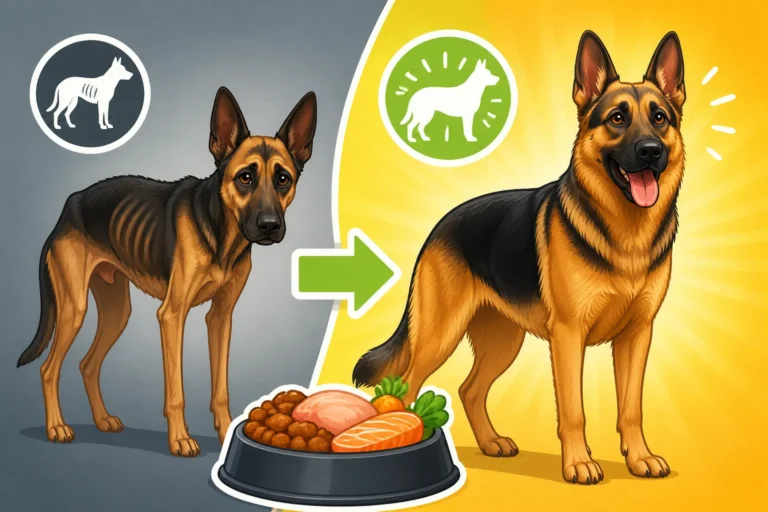
Weight Management: Obesity and Underweight Concerns
Maintaining an ideal weight is critical for a German Shepherd's overall health, impacting everything from joint longevity to organ function. Both obesity and being underweight pose significant risks. Our detailed guide on German Shepherd Weight and Obesity Risks delves into this topic further.
Obesity:
- Causes: Overfeeding, insufficient exercise, high-calorie treats, and sometimes underlying medical conditions (e.g., hypothyroidism).
- Risks: Increased strain on joints (exacerbating hip/elbow dysplasia and arthritis), heart disease, diabetes, reduced lifespan, and decreased quality of life.
- Solutions:
- Portion Control: Accurately measure food and stick to recommended serving sizes, adjusted for activity.
- Calorie-Reduced Food: Transition to a "light" or "weight management" formula that is lower in calories but still nutritionally complete.
- Increase Exercise: Incorporate more walks, playtime, and mental stimulation.
- Healthy Treats: Opt for low-calorie treats or use healthy vegetables like carrots or green beans in moderation.
Underweight:
- Causes: Underfeeding, high metabolism, extreme activity without adequate calorie intake, underlying medical conditions (e.g., EPI, parasites, chronic illness).
- Risks: Muscle wasting, poor coat quality, weakened immune system, lack of energy, nutrient deficiencies.
- Solutions:
- Increased Calorie Intake: Gradually increase portion sizes or switch to a higher-calorie, nutrient-dense food (e.g., active dog formula, puppy food for very active adults).
- Frequent Meals: Offer several smaller meals throughout the day.
- Address Underlying Conditions: Veterinary check-up to rule out medical reasons for weight loss.
- High-Quality Protein and Fat: Ensure the diet contains excellent sources of these essential macronutrients to support healthy weight gain and muscle mass.
Regularly assess your German Shepherd's body condition score. If you're unsure, your veterinarian can provide guidance and help you create a tailored weight management plan. Small, consistent changes usually yield the best long-term results.
Practical Feeding Tips for German Shepherd Owners
Beyond choosing the right food, how you feed your German Shepherd is just as important as what you feed them. Implementing thoughtful feeding practices can significantly impact their digestion, prevent serious health issues like bloat, and contribute to their overall well-being. These aren't just minor details; they are critical components of German Shepherd care.
Portion Control and Feeding Schedules
Consistency is key when it comes to feeding your German Shepherd. Establishing a regular feeding schedule and adhering to accurate portion control are fundamental.
- Scheduled Feeding: Instead of free-feeding (leaving food out all day), feed your German Shepherd two distinct meals a day. This allows you to monitor their appetite, manage their weight, and establish a routine. For puppies, 3-4 meals a day might be necessary, transitioning to two as they mature.
- Accurate Portions: Don't eyeball it! Use a measuring cup specific for dog food (they often differ from standard kitchen cups) or, ideally, a kitchen scale to weigh out their kibble. Food bags provide guidelines, but adjust based on your dog's activity level and body condition. Overfeeding, even by a small amount each day, adds up quickly for a large breed.
- Slow Feeder Bowls: Given the German Shepherd's predisposition to bloat, using a slow feeder bowl is highly recommended. These bowls have obstacles that force your dog to eat around them, significantly slowing down their mealtime. You can find many effective and durable options for slow feeder bowls on Amazon. This reduces the amount of air they swallow and gives their stomach time to process the food.
- Elevated Bowls: While once thought to prevent bloat, recent studies suggest elevated bowls might actually increase the risk in deep-chested breeds. It's generally safer to feed your German Shepherd from a bowl on the floor unless medically advised otherwise by your vet.
Maintaining a consistent feeding routine helps regulate your dog's digestive system and can prevent digestive upset.
Hydration: Water Intake is Key
Water is perhaps the most overlooked but utterly vital nutrient for dogs. German Shepherds, being active and often eating dry kibble, require a significant amount of fresh water daily.
- Constant Access to Fresh Water: Always ensure your German Shepherd has access to a clean bowl of fresh water. Change the water frequently throughout the day, and clean the bowl daily to prevent bacterial buildup.
- Monitor Intake: While dogs regulate their own water intake, be mindful if you notice a sudden increase or decrease, as this can be a sign of an underlying health issue.
- Multiple Water Sources: If you have a large home or yard, consider having multiple water bowls available. This is especially helpful during hot weather or after strenuous exercise.
- Hydration During Exercise: Always bring water with you on walks, hikes, or training sessions, especially if it's warm. A collapsible bowl is a great investment.
Adequate hydration supports every bodily function, including digestion, nutrient absorption, temperature regulation, and joint lubrication. Dehydration can quickly become a serious medical emergency, particularly for active dogs.
Treats, Chews, and Human Foods to Avoid
Treats are wonderful for training and bonding, but they must be given in moderation and chosen carefully. They should make up no more than 10% of your German Shepherd's daily caloric intake to prevent nutritional imbalance and weight gain.
- Healthy Treat Options:
- Store-bought treats: Look for low-calorie, natural options without artificial ingredients. Many brands offer treats specifically designed for large breeds.
- Fruits and Vegetables: Many are safe and healthy, such as carrots, green beans, apples (no seeds), blueberries, and pumpkin. Always research if a specific fruit or vegetable is safe before offering it.
- Dental Chews: Can help with dental hygiene, but choose appropriate sizes for German Shepherds to prevent choking hazards or excessive calorie intake.
- Chews: Durable chew toys are excellent for mental stimulation and dental health. Always supervise your dog with chews, especially rawhide or bones, which can splinter or cause blockages. Hard rubber chews or certain nylabones are often safer alternatives.
- Foods to Avoid: Many human foods are toxic or dangerous for dogs.
- Toxic Foods: Chocolate, grapes, raisins, onions, garlic, xylitol (artificial sweetener), avocado, macadamia nuts, alcohol, caffeine.
- Dangerous Foods: Cooked bones (splinter easily), excessive fat trimmings, raw yeast dough, large amounts of dairy (many dogs are lactose intolerant).
- High-Sodium/Fatty Foods: Processed meats, fast food, and highly seasoned dishes can cause digestive upset and pancreatitis.
Always err on the side of caution. If you're unsure whether a human food is safe, don't give it to your German Shepherd. A quick online search or call to your vet can prevent a trip to the emergency clinic.
Choosing the Right Food: What to Look For and Avoid
The sheer volume of dog food choices can be incredibly overwhelming. Every brand claims to be the best, using enticing marketing terms that don't always reflect what's truly inside the bag. Cutting through the noise requires understanding how to read labels and prioritize quality over clever slogans. This final step is crucial for ensuring your German Shepherd receives truly optimal nutrition.
Decoding Dog Food Labels
Understanding a dog food label is like learning a new language, but it's an essential skill for any German Shepherd owner. The information on the bag can tell you a lot about the quality and composition of the food.
- Ingredient List: Ingredients are listed in descending order by weight. Look for a named meat source (e.g., "chicken," "beef," "lamb") as the first ingredient, not a generic "meat meal" or "by-product." Following the meat, look for whole grains (like brown rice or oats) or quality carbohydrates (like sweet potatoes, peas). Avoid fillers like corn gluten meal or excessive amounts of un-named animal by-products.
- Guaranteed Analysis: This panel lists the minimum percentages of crude protein and fat, and maximum percentages of crude fiber and moisture. For German Shepherds, aim for at least 22-26% protein and 12-18% fat for adults. Fiber should be moderate (2-5%).
- AAFCO Statement: This is the most important part of the label. Look for a statement from the Association of American Feed Control Officials (AAFCO) that says the food is "formulated to meet the nutritional levels established by the AAFCO Dog Food Nutrient Profiles" for a specific life stage (e.g., "growth," "all life stages," or "maintenance"). This indicates the food is nutritionally complete and balanced. Without this statement, the food might not provide all the necessary nutrients.
- Calorie Content: Often listed as "kcal/cup" or "kcal/kg." This helps you accurately portion food for your German Shepherd's energy needs.
Don't be swayed solely by attractive packaging or buzzwords like "natural" or "holistic." Dig into the actual ingredients and guaranteed analysis to make an informed decision.
Reputable Brands vs. Marketing Hype
The dog food industry is big business, and not all brands prioritize your dog's health equally. While new boutique brands often pop up with impressive marketing, established, scientifically-backed brands often have a long history of research, quality control, and successful outcomes.
- Research and Reputation: Look for brands that conduct extensive research, employ veterinary nutritionists, and have strict quality control measures. Companies like Purina Pro Plan, Royal Canin, Hill's Science Diet, and Victor are often recommended by veterinarians for their scientific approach and consistent quality.
- Transparency: Reputable brands are usually transparent about their ingredient sourcing, manufacturing processes, and nutritional philosophy. They should be able to answer questions about where their ingredients come from and how their food is made.
- Avoid Fads: Be wary of trends that lack scientific evidence, such as overly restrictive grain-free diets for dogs without a diagnosed allergy. While some trends might be harmless, others can lead to nutritional deficiencies or other health problems.
- Price vs. Quality: While expensive doesn't always mean better, extremely cheap foods often rely on lower-quality ingredients and fillers. Aim for the best quality food you can reasonably afford, as it's an investment in your German Shepherd's long-term health.
Ultimately, the "best" food is one that provides complete and balanced nutrition, is highly digestible for your individual German Shepherd, and maintains their ideal weight and body condition.
Consulting Your Vet: A Non-Negotiable Step
While guides like this can provide a wealth of information, nothing replaces the personalized advice of your veterinarian. They know your German Shepherd's individual health history, activity level, and any specific predispositions.
- Personalized Recommendations: Your vet can help you choose the best food based on your German Shepherd's age, weight, activity, and any specific health concerns (e.g., allergies, sensitive stomach, joint issues). They can also advise on appropriate portion sizes.
- Diagnosing Issues: If your German Shepherd is experiencing persistent digestive problems, skin issues, or weight fluctuations, your vet can run diagnostics to identify any underlying medical conditions that require specific dietary management.
- Supplement Advice: Before adding any supplements to your German Shepherd's diet, always consult your vet. They can advise on necessity, dosage, and potential interactions with other medications.
- Monitoring Progress: Regular check-ups allow your vet to monitor your German Shepherd's weight, body condition, and overall health, helping you make timely dietary adjustments as needed.
Consider your vet an invaluable partner in your German Shepherd's nutritional journey. Their expertise can help you navigate the complexities of canine nutrition and ensure your beloved companion receives the very best care throughout their life. This proactive approach is a cornerstone of How to Keep a German Shepherd Healthy.
Disclaimer
The information provided in this article is for general informational purposes only and is not a substitute for professional veterinary advice. Always consult with a qualified veterinarian regarding your German Shepherd's specific dietary needs, health concerns, and before making any changes to their diet or supplement regimen.