Orijen vs Store Brand for German Shepherds
Choosing the right food for your beloved German Shepherd can feel like navigating a minefield. You want the absolute best for their health, energy, and longevity, but the sheer number of options, from high-end premium brands like Orijen to budget-friendly store brands, can be overwhelming and frankly, confusing. This comprehensive guide is here to cut through the noise, helping you understand the real differences in what you're feeding your majestic companion, so you can make an informed decision that truly benefits their well-being.
Understanding Your German Shepherd's Unique Nutritional Needs
German Shepherds are magnificent athletes, renowned for their intelligence, strength, and working capabilities. But with their impressive physique comes specific dietary requirements that, if not met, can lead to a host of health problems. It's not just about filling their bowl; it's about fueling their entire system for a long, healthy, and happy life.
High Energy and Joint Health Demands
Your German Shepherd isn't just a pet; they're often a bundle of boundless energy, whether they're herding imaginary sheep in the backyard or accompanying you on long hikes. This high activity level means they require a diet rich in high-quality protein to support lean muscle mass and sustained energy. Without adequate protein, their muscles can't repair and grow properly, leading to fatigue and diminished physical capability. It’s like trying to run a high-performance sports car on regular gas – it just won't perform at its peak.
Beyond energy, German Shepherds are notoriously prone to joint issues, especially German Shepherd Hip Dysplasia Explained and elbow dysplasia. This predisposition means their diet needs to be carefully formulated to support strong bones and healthy cartilage. Ingredients like glucosamine and chondroitin, often found in higher concentrations in premium foods, are crucial for joint health and can help mitigate the risk of these debilitating conditions. Proper calcium and phosphorus ratios are also vital, particularly during their rapid growth phase as puppies, to ensure correct skeletal development.
Sensitive Stomachs and Allergy Considerations
It's a common lament among German Shepherd owners: the dreaded sensitive stomach. Many GSDs experience digestive upset, from loose stools to chronic diarrhea, which can be incredibly frustrating for both you and your dog. This sensitivity often stems from food intolerances or allergies to common ingredients like corn, wheat, soy, or certain protein sources. A diet that is easily digestible and free from common allergens is paramount for maintaining gut health.
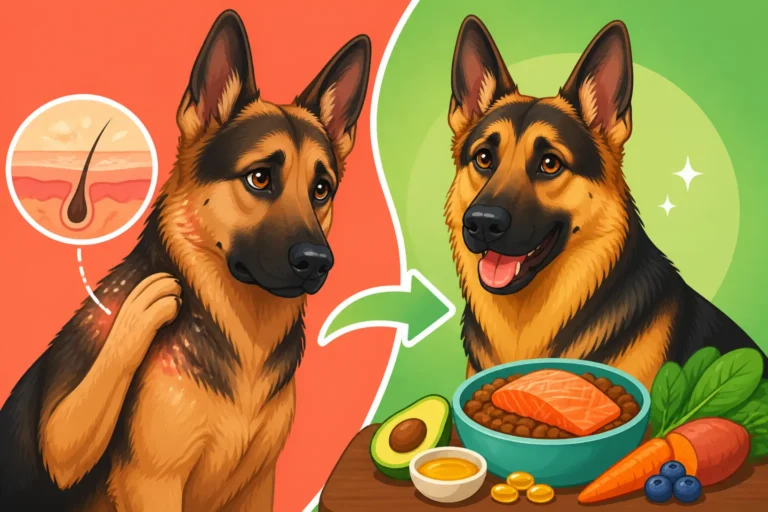
Beyond simple digestive woes, German Shepherds are also susceptible to various allergies, manifesting as itchy skin, ear infections, or constant paw licking. If you've found yourself constantly wondering about German Shepherd Food Allergy Symptoms or battling persistent skin irritations, their food could very well be the culprit. A carefully chosen diet with novel protein sources or limited ingredients can make a world of difference. Choosing a food with a balanced omega-3 and omega-6 fatty acid profile can also significantly improve skin and coat health, helping to soothe and prevent allergic reactions.
The Orijen Difference: A Deep Dive into a Premium Brand
When you start looking at premium dog food brands, Orijen often comes up in conversation, and for good reason. It's built its reputation on a philosophy of biologically appropriate nutrition, aiming to mimic the natural diet of canines in the wild. This approach prioritizes fresh, whole ingredients, setting it apart from many other brands on the market.
Ingredients and Sourcing Philosophy
Orijen's standout feature is its commitment to high-quality, regionally sourced ingredients. They proudly proclaim "whole prey" ratios, meaning their foods include not just muscle meat, but also organs, cartilage, and bone from animals, reflecting a wolf's natural diet. This provides a comprehensive nutrient profile without relying heavily on synthetic supplements. For example, their adult dog formulas typically feature a staggering 85% animal ingredients, with fresh or raw poultry, fish, and eggs being among the top five ingredients.
Their sourcing is transparent, often highlighting ingredients from specific Canadian farms, ranches, and waters. You’ll see names like free-run chicken, turkey, wild-caught fish like mackerel and herring, and cage-free eggs. This focus on fresh, regional ingredients not only ensures quality but also supports local agriculture. They strictly avoid common fillers like corn, wheat, tapioca, and potato, which are often problematic for German Shepherds with sensitive stomachs or allergies. Instead, they opt for low-glycemic fruits and vegetables to provide essential vitamins and fiber. This thoughtful selection is crucial when considering Best Dog Food for German Shepherds for overall health.
Nutritional Profile and Benefits
The nutritional profile of Orijen foods is designed to align with a carnivorous diet. This means a significantly higher protein content compared to many other brands, often ranging from 38% to 42%. This robust protein level is ideal for the muscular build and high energy demands of a German Shepherd, promoting lean muscle development and sustained stamina. The protein sources are diverse and animal-based, ensuring a complete amino acid profile.
Fat content is also generous, typically between 18% and 22%, derived from animal sources like chicken fat, turkey fat, and fish oil. These fats provide concentrated energy and are rich in omega-3 fatty acids, which are vital for a healthy coat, skin, cognitive function, and reducing inflammation, an important consideration for German Shepherd Joint Health Supplements. The carbohydrate content is kept intentionally low, usually around 15-20%, primarily from lentils, chickpeas, and fresh vegetables, rather than grains that can cause digestive upset or contribute to unhealthy weight gain in less active dogs. This balanced, nutrient-dense approach aims to support every aspect of your German Shepherd's health, from digestion to immunity.
Decoding Store Brands: What You're Really Getting
On the other side of the spectrum are store brands, which can be incredibly tempting due to their accessible price point. When you’re staring at a massive bag of kibble that costs half as much as a premium brand, it’s easy to think you’re getting a great deal. However, understanding what goes into these formulations is crucial, as the cost savings often come at a nutritional price.
Common Store Brand Ingredients and Fillers
The primary difference you’ll notice in most store brands is the ingredient list, which often starts with various grains like corn, wheat, or soy. While grains aren't inherently "bad" for all dogs, these particular types are often used as cheap fillers, providing bulk and carbohydrates but little nutritional value beyond basic energy. For German Shepherds, known for their sensitive digestive systems and propensity for allergies, these ingredients can be problematic, leading to digestive upset, skin issues, and even contributing to inflammation.
You’ll also frequently find "meat by-products" or "meat and bone meal" high on the ingredient list. These terms can be ambiguous, representing a mix of rendered animal parts that can include internal organs, bones, and other materials not typically considered human-grade. While they do provide protein, the quality and digestibility can be inconsistent compared to whole, identifiable meat sources. Furthermore, many store brands rely on artificial colors, flavors, and preservatives to enhance palatability and shelf life. These chemical additives offer no nutritional benefit and can be potential allergens or irritants for sensitive dogs. This is a stark contrast to the whole food philosophy of brands like Orijen.
Potential Nutritional Gaps and Concerns
The lower quality ingredients in many store brands often translate to significant nutritional gaps, especially for a large, active breed like the German Shepherd. Protein levels tend to be much lower, sometimes in the 20-25% range, and a good portion of this protein might come from plant-based sources like corn gluten meal, which isn't as bioavailable or complete for dogs as animal protein. This can mean less muscle support and a higher chance of your GSD not reaching their full physical potential or recovering effectively from exercise.
Fat content in store brands can also be lower or derived from less beneficial sources. While fat is essential, the type of fat matters immensely. Omega-3 fatty acids, crucial for joint health, skin, and coat, are often deficient or absent in cheaper foods, which can exacerbate issues like dry, itchy skin or contribute to joint stiffness over time. The carbohydrate load is typically much higher due to the reliance on grain fillers, potentially leading to unhealthy weight gain if not carefully managed, and contributing to spikes and crashes in energy levels. Moreover, the lack of natural vitamins and minerals means many store brands rely heavily on synthetic supplements, which may not be absorbed as efficiently as nutrients derived directly from whole food sources. When thinking about How to Keep a German Shepherd Healthy, these nutritional considerations are paramount.
The Cost-Benefit Analysis: Orijen vs. Store Brand
When it comes down to making a choice, the price tag is often the first thing people notice. Yes, Orijen is a premium brand, and its upfront cost is significantly higher than most store brands. But focusing solely on the immediate price per bag can be a short-sighted approach, especially for a dog whose health can heavily impact your long-term finances and emotional well-being.
Initial Price vs. Long-Term Value
Let's not sugarcoat it: a large bag of Orijen will undeniably cost more than a comparable size from a store brand. You might find a 25-pound bag of Orijen ranging from $80-$100 or more, while a store brand equivalent could be $30-$50. This initial sticker shock is real. However, think about the long-term implications. A German Shepherd fed a high-quality, nutrient-dense diet from a young age is often healthier, more energetic, and experiences fewer chronic issues later in life. This can translate to fewer vet visits for digestive problems, skin allergies, or joint discomfort. Imagine avoiding multiple trips to the vet for expensive allergy medications or specialized gastrointestinal diets – those savings can quickly add up and even surpass the difference in food costs over a year or two.
A dog thriving on a premium diet often has a shinier coat, healthier skin, better muscle tone, and more consistent energy levels, all indicators of a healthy internal system. The digestibility of Orijen's ingredients also means your dog might eat less of it because they're absorbing more nutrients per serving, potentially making a bag last longer than a cheaper, less nutrient-dense food. This isn't always a direct 1:1 offset, but it certainly narrows the perceived cost gap. For a holistic view of your dog's well-being and your wallet, considering the Cost of Owning a German Shepherd Per Year should include factoring in the price of quality food.
Where to Find and What to Expect in Pricing
Orijen, being a premium brand, isn't typically found on every grocery store shelf. You'll usually find it at specialty pet supply stores like Petco, PetSmart, or independent pet boutiques. Online retailers are often the most convenient and sometimes the most competitive for pricing. Websites like Chewy and Amazon regularly stock Orijen products, sometimes offering subscription discounts that can make the cost a bit more manageable.
Store brands, on the other hand, are ubiquitous. You can pick them up at nearly any supermarket, big-box retailer like Walmart, or general merchandise store. Their accessibility and lower price point are their main selling features. While Orijen focuses on a relatively narrow range of specialized formulas, store brands tend to have a wider, more generic selection, sometimes under different house brands. Always check the "best by" dates, especially when buying in bulk, regardless of whether you're shopping on Chewy for Orijen or at your local supermarket for a store brand.
Here's a simplified comparison of what you might expect when comparing Orijen to a typical store brand:
| Feature | Orijen (Premium Brand) | Store Brand (Generic) |
|---|---|---|
| Ingredient Quality | High-quality, fresh/raw animal protein, whole prey | Meat by-products, ambiguous meat meals |
| Primary Carbs | Low-glycemic fruits, vegetables, lentils | Corn, wheat, soy, cheap fillers |
| Protein Content | Very High (38-42%+) | Moderate to Low (20-28%) |
| Fat Content | High (18-22%), rich in omegas from animal sources | Moderate (12-18%), less beneficial fat sources |
| Digestibility | Highly digestible, minimal fillers | Varies, often contains common irritants |
| Additives | Few to none, natural preservatives | Artificial colors, flavors, chemical preservatives |
| Price per Bag | Higher (e.g., $80-$100+ for 25lb) | Lower (e.g., $30-$50 for 25lb) |
| Long-Term Health Impact | Potentially reduced vet bills, better coat/joints | Higher risk of health issues, more vet visits |
Making the Right Choice for Your German Shepherd
Ultimately, the decision rests with you, the dedicated German Shepherd owner. There’s no single "perfect" food for every dog, but by understanding the core differences between premium and store brands, you can make a choice that aligns with your GSD's individual needs and your budget. It's about being an educated consumer and advocate for your furry family member.
Reading Labels and Understanding Guarantees
Don't let flashy packaging or marketing jargon sway you. The most important tool you have is the ingredient list and the guaranteed analysis on the back of the bag. Always look for:
- Named Meat as the First Ingredient: In Orijen, you'll see "deboned chicken" or "whole mackerel." In store brands, you might see "meat by-product meal" or "chicken meal," which are less specific. The first few ingredients make up the bulk of the food, so quality here is crucial.
- Specific Fat Sources: Look for named animal fats (e.g., chicken fat) and ideally, fish oils (e.g., salmon oil) for omega-3s.
- Limited Fillers: A good quality food will have minimal or no corn, wheat, or soy. Instead, it will use whole, digestible carbohydrate sources like lentils, peas, or sweet potatoes.
- Guaranteed Analysis: Pay attention to the minimum percentages of crude protein and fat, and maximum percentages of crude fiber and moisture. For a German Shepherd, you want higher protein and fat.
- AAFCO Statement: Ensure the food meets the nutritional levels established by the AAFCO (Association of American Feed Control Officials) for your dog's life stage (e.g., "for maintenance" for adults, "for growth and reproduction" for puppies/pregnant dogs).
Understanding these elements helps you objectively compare any food, whether it's a bag of Orijen or a store brand, against the German Shepherd Feeding Guide recommendations.
Consulting Your Veterinarian
While online research and comparing labels are excellent starting points, nothing replaces the personalized advice of your veterinarian. They know your German Shepherd's medical history, current health status, and any specific predispositions. They can help you determine if your GSD has specific dietary needs, such as a prescription diet for German Shepherd Pancreatitis Diet or a limited ingredient diet for severe allergies.
Your vet can offer insights into whether a premium food like Orijen is truly necessary or if a carefully selected mid-range option might be sufficient. They can also provide guidance on How Much to Feed a German Shepherd based on their activity level, weight, and age, ensuring they don't become overweight or underweight. Don't hesitate to bring the ingredient lists of potential foods to your next appointment for an expert opinion. They are an invaluable resource in making the best nutritional choices for your cherished German Shepherd.
Disclaimer
This article is for general informational purposes only and does not constitute professional advice. Laws, prices and regulations vary by location and change over time. Consult a qualified professional for guidance on your specific situation.