Can German Shepherds Eat Fish
As a German Shepherd parent, you're always looking for ways to boost your loyal companion's health and happiness. But when it comes to diversifying their diet, especially with something like fish, it’s easy to feel a little lost. Is it safe? What kind? How much? It's a common dilemma, given how delicate some GSD stomachs can be. This comprehensive guide will deep dive into feeding fish to your German Shepherd, ensuring you have all the information to make the best, safest choices for their well-being.
The Nutritional Goldmine: Why Fish Can Benefit Your German Shepherd
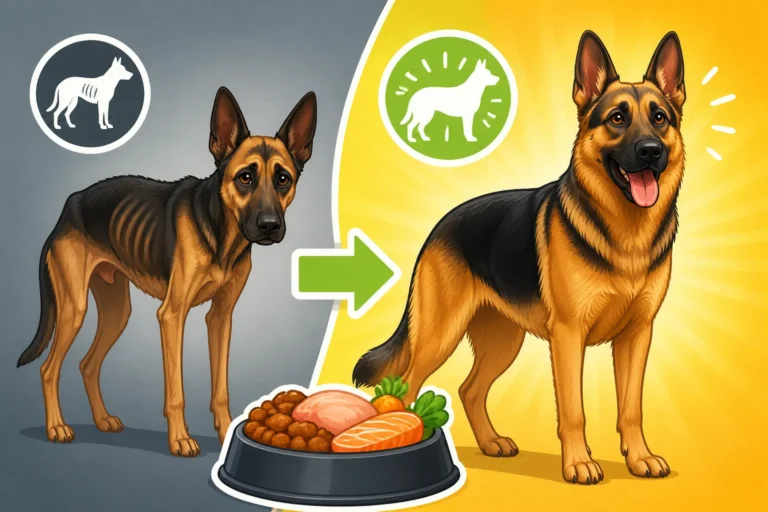
It’s no secret that German Shepherds thrive on a balanced diet rich in protein and essential nutrients. Many owners wonder if fish, a staple in human diets, can offer similar advantages for their canine companions. The good news is, yes, fish can be a fantastic addition to your German Shepherd's diet, offering a wealth of nutritional benefits that support overall health, from a shiny coat to robust joint function. However, the key lies in understanding which types of fish are beneficial and how to prepare them correctly.
Fish is particularly renowned for its high-quality protein content, which is crucial for muscle development, tissue repair, and a strong immune system in active breeds like German Shepherds. Beyond protein, fish packs a punch with important vitamins and minerals. Think about the wild salmon swimming upstream – that fish is lean, muscular, and packed with everything it needs to thrive. We want to bring some of that natural goodness to our dogs, but with careful consideration of their unique digestive systems.
Omega-3 Fatty Acids for Joint and Coat Health
One of the most celebrated benefits of feeding fish to German Shepherds is the abundance of Omega-3 fatty acids, specifically EPA (eicosapentaenoic acid) and DHA (docosahexaenoic acid). These aren't just trendy supplements; they are powerful anti-inflammatory agents that play a vital role in canine health. For a breed prone to orthopedic issues, the value of Omega-3s cannot be overstated.
These beneficial fats work by reducing inflammation throughout the body, which can be particularly helpful for dogs experiencing joint discomfort. For example, conditions like hip dysplasia, a common concern in German Shepherds, can be managed with proper nutritional support. While fish won't cure German Shepherd Hip Dysplasia Explained, the anti-inflammatory properties of Omega-3s can help alleviate pain and improve mobility. Similarly, if your senior German Shepherd is starting to show signs of German Shepherd Arthritis: Symptoms and Treatment, incorporating fish or fish oil into their diet could provide noticeable relief and improve their quality of life. Owners often report seeing a significant improvement in their dog's coat and skin health after introducing Omega-3s. A dull, dry coat can transform into a lustrous, healthy one, and flaky skin issues often subside. This contributes to overall German Shepherd Coat and Skin Care, making your dog not only feel better but look better too.
Lean Protein Source and Essential Nutrients
Beyond the wonders of Omega-3s, fish provides a highly digestible, lean protein source that’s excellent for German Shepherds. Unlike some other protein sources, fish is generally easier on the digestive system, making it a good option for dogs with sensitive stomachs or those who need a lower-fat diet. The amino acids found in fish are the building blocks for every cell in your dog's body, supporting everything from muscle maintenance to enzyme production.
Moreover, fish is a natural source of several essential vitamins and minerals. Vitamin D, for instance, is crucial for calcium absorption and bone health, vital for a large breed like the German Shepherd. B vitamins, like B12 and niacin, support metabolism, nerve function, and red blood cell formation. Minerals such as selenium, iodine, and phosphorus are also present, contributing to thyroid health, cellular function, and strong bones and teeth. When you think about it, a piece of plain, cooked fish is a compact powerhouse of nutrition, offering a natural boost that many commercially processed foods might lack in bioavailability.
Navigating the Waters: Safe and Unsafe Fish for German Shepherds
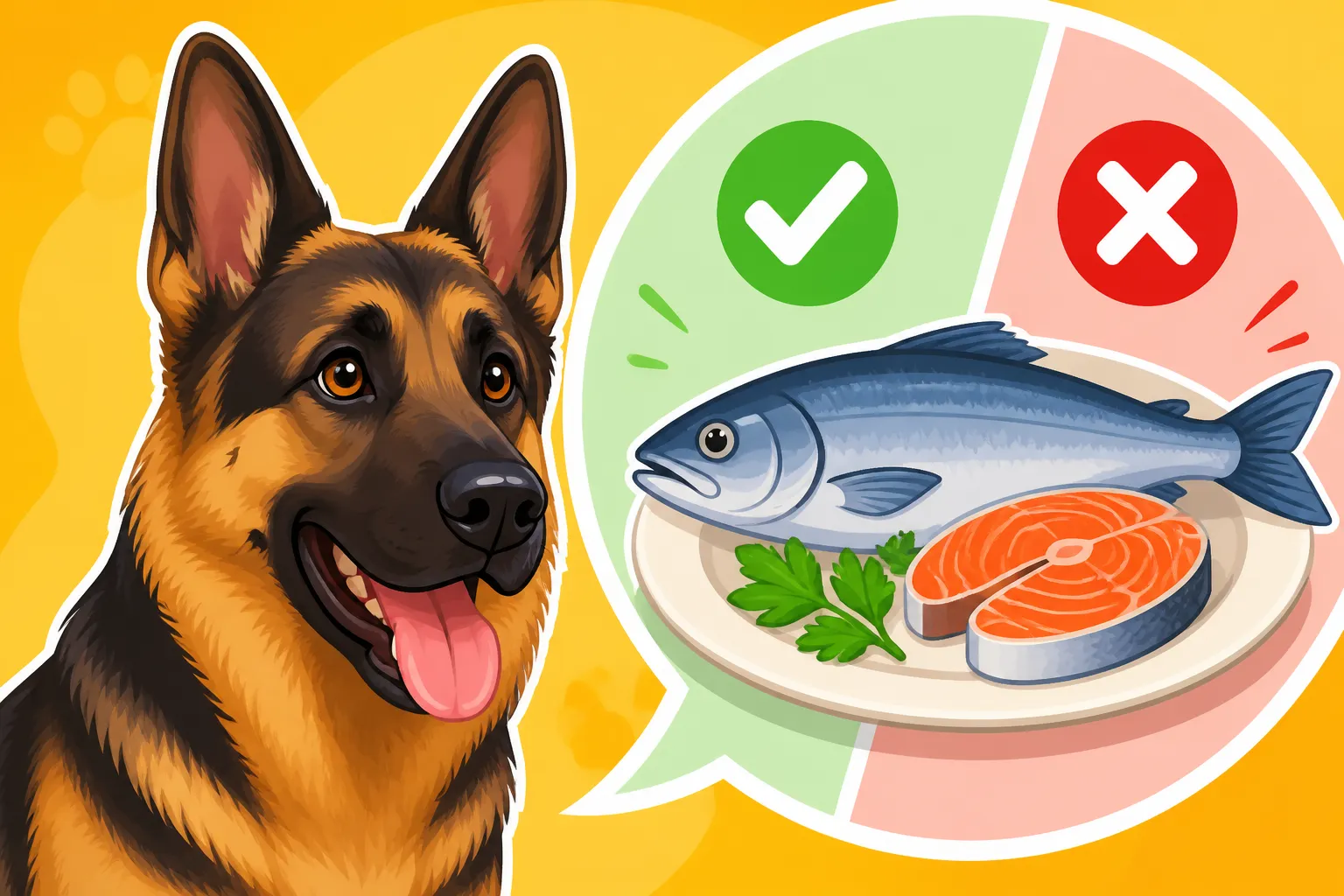
While fish offers fantastic health benefits, not all fish are created equal, and not all preparation methods are safe for your German Shepherd. It's vital to know which fish varieties are safe and which ones you should steer clear of to avoid potential health issues, ranging from digestive upset to more serious concerns like mercury poisoning or parasitic infections. Always err on the side of caution and consult your veterinarian before making significant changes to your dog's diet, especially if they have pre-existing health conditions. This informed approach is part of providing excellent How to Keep a German Shepherd Healthy.
Safe Fish Options and How to Prepare Them
When choosing fish for your German Shepherd, prioritize those that are low in mercury and thoroughly cooked. The goal is to provide beneficial nutrients without introducing harmful substances or choking hazards.
Here are some excellent choices:
- Salmon: Rich in Omega-3s, salmon is a top pick. Always feed it cooked, plain, and ensure all bones are removed. Steaming, baking, or grilling without any seasonings or oils is ideal. Raw salmon can carry parasites, so cooking is non-negotiable.
- Cod: A lean, white fish that's easy to digest. It’s low in fat and a good source of protein. Like salmon, it should be cooked thoroughly and deboned.
- Whitefish (e.g., Flounder, Tilapia, Pollock): These are generally safe, mild-flavored, and low in fat. They offer good protein and are easy on the stomach. Again, cooked and boneless is the rule.
- Sardines (packed in water, no salt): These small fish are fantastic because they're low on the food chain, meaning less mercury, and they can be fed whole (bones and all, as they are very soft and digestible). Just make sure they're packed in water with no added salt or oils. A few sardines can be a great treat or meal topper.
- Haddock: Another great white fish option, similar to cod in its nutritional profile and safety.
When preparing fish, remember:
- Cook It: Always cook fish thoroughly to kill bacteria and parasites. Steaming, baking, or boiling are the best methods. Avoid frying, as the added fats and oils can upset your dog's stomach.
- Plain Only: Do not add any seasonings, salt, garlic, onions, or spices. These can be toxic or harmful to dogs.
- Boneless: Carefully remove all bones. Fish bones are small and brittle and can easily splinter, posing a choking hazard or causing internal damage. This is a critical step that should never be skipped, except for tiny, soft sardine bones.
Fish to Avoid and Why
Just as there are safe options, there are certain types of fish and preparation methods that are decidedly unsafe for your German Shepherd. Feeding these can lead to serious health problems.
Avoid these fish:
- Raw Fish: This is a big one. Raw fish can contain harmful bacteria like Salmonella and Listeria, as well as parasites such as flukes, roundworms, and tapeworms. Some raw fish, especially certain freshwater species like salmon, trout, and some carp, can contain thiaminase, an enzyme that destroys thiamine (Vitamin B1). A thiamine deficiency can lead to severe neurological problems. Always cook fish.
- Large, Long-Lived Fish (High Mercury Content): Fish like tuna (especially albacore), swordfish, king mackerel, tilefish, and shark accumulate higher levels of mercury over their lifespan. While a tiny, infrequent amount of canned tuna (in water, no salt) might be okay for some dogs, it's generally best to avoid these fish altogether or offer them extremely rarely and in very small quantities. Mercury poisoning can cause neurological damage and other severe health issues.
- Farm-Raised Fish (Sometimes): While not inherently unsafe, some farm-raised fish may have higher levels of antibiotics or other chemicals. Opt for wild-caught options when possible, though responsibly farmed fish can also be a good choice.
- Smoked or Cured Fish: These products are typically very high in sodium, which is bad for dogs, and often contain other additives or preservatives that are not suitable.
- Heavily Seasoned or Fried Fish: As mentioned, any human seasoning, oil, or frying batter is a no-go. These can cause digestive upset, pancreatitis, or be toxic.
Considerations for Mercury Content
Understanding mercury content in fish is crucial for responsible pet ownership. Mercury is a neurotoxin that can accumulate in the body over time, leading to various health problems. The general rule of thumb is that smaller, shorter-lived fish tend to have lower mercury levels, while larger, predatory fish that live longer and eat other fish accumulate more.
This is why species like sardines, anchovies, and smaller whitefish are often recommended over tuna or swordfish for both humans and pets. Even safe fish like salmon can vary. Wild-caught Alaskan salmon, for instance, generally has lower mercury levels than some farm-raised varieties or species from other regions. When in doubt, stick to the smaller, less predatory fish options, and always provide them in moderation as part of a balanced diet. You can easily find suitable fish options and even fish-based dog foods at reputable retailers like Chewy, which often highlight the source and type of fish used.
Integrating Fish into Your German Shepherd's Diet
So, you're ready to introduce some healthy fish into your German Shepherd's meal plan. That's fantastic! But just like introducing any new food, it's not something to jump into headfirst. German Shepherds can sometimes have sensitive stomachs, so a slow and careful approach is best to avoid any digestive upset. It's all part of a comprehensive German Shepherd Feeding Guide.
Introducing Fish Gradually and Portion Control
The golden rule for introducing any new food to your dog is gradually. Start with a very small amount, perhaps a teaspoon or a tablespoon of cooked, plain, boneless fish mixed in with their regular kibble. Observe your German Shepherd closely for 24-48 hours. Look for any signs of digestive upset, such as diarrhea, vomiting, or excessive gas. If they handle it well, you can slowly increase the amount over several days or a week.
Portion control is equally important. Fish should be considered a healthy treat or a supplement to their main diet, not the primary component of every meal. For an adult German Shepherd, a good starting point might be a few ounces of cooked fish once or twice a week.
Here’s a general guideline for portion sizes, but always adjust based on your dog’s size, activity level, and individual tolerance:
| Fish Type | Preparation | Recommended Frequency | Portion for Adult GSD (approx.) |
|---|---|---|---|
| Salmon | Cooked, plain, boneless | 1-2 times per week | 2-4 oz |
| Cod / Whitefish | Cooked, plain, boneless | 2-3 times per week | 3-5 oz |
| Sardines | Canned in water, no salt | 2-3 times per week | 1-2 small cans |
| Tuna (Canned in water) | Cooked, plain, no salt | Very occasional | 1-2 tbsp (flakes) |
Remember, this is about adding variety and boosting nutrition, not replacing their balanced dog food. If you're wondering How Much to Feed a German Shepherd in total, always consider the calories from the fish as part of their daily intake.
When Fish Should Be Avoided or Limited
While fish is generally beneficial, there are specific scenarios where it might be best to avoid or severely limit its intake for your German Shepherd.
- Allergies: Some dogs can be allergic to fish. If your German Shepherd has a history of food sensitivities or allergies, introduce fish with extreme caution. Watch for common German Shepherd Allergies: Symptoms and Treatment like itchy skin, paw licking, ear infections, or digestive upset. If you notice any of these signs, discontinue feeding fish and consult your vet.
- Pancreatitis or Other Digestive Issues: Dogs with a history of pancreatitis need a very low-fat diet. While some fish (like cod) are lean, others (like salmon) are fattier. Always discuss with your vet before introducing fish to a dog with pancreatic issues or chronic German Shepherd Sensitive Stomach Solutions challenges.
- Kidney Disease: Dogs with advanced kidney disease often require specific protein and phosphorus restrictions. While fish provides high-quality protein, the phosphorus content might be too high for some kidney diets. Your vet can advise on suitable dietary adjustments.
- Medication Interactions: Although rare, certain components in fish or fish oil could potentially interact with medications. Always inform your veterinarian about all supplements and additions to your dog's diet.
If your German Shepherd is currently on a specialized diet for a health condition, or if you're concerned about potential interactions, a quick chat with your vet is always the smartest move.
Commercial Dog Foods and Supplements Featuring Fish
It's clear that fish offers substantial benefits for German Shepherds, which is why you'll find it featured prominently in many high-quality commercial dog foods. For owners who want to provide the advantages of fish without the hassle of preparing it, these options can be a convenient and balanced solution. Even fresh dog food services like Ollie often incorporate fish into their balanced meal plans, offering another convenient option for owners who prefer fresh, human-grade ingredients.
Looking for Quality Fish-Based Dog Foods
When choosing a commercial dog food that features fish, it's crucial to read the ingredient list carefully. Not all "fish formulas" are created equal. You want to look for specific, named fish ingredients rather than generic terms.
Here’s what to look for:
- Named Fish as a Primary Ingredient: Look for "salmon meal," "deboned salmon," "herring meal," or "whitefish" listed among the first few ingredients. This indicates that fish is a significant protein source in the food. Avoid foods that simply say "fish meal" without specifying the type, as this can be made from a mix of lower-quality fish or byproducts.
- Whole Fish vs. Byproducts: While fish meal (a concentrated form of fish protein) is good, seeing actual whole fish listed (like deboned salmon) can be a sign of higher quality. Fish byproducts can be acceptable if from a reputable source, but whole fish offers more reassurance.
- Balanced Nutrition: Ensure the food is "complete and balanced" for your German Shepherd's life stage (e.g., puppy, adult, senior). This means it contains all the necessary vitamins, minerals, and other nutrients in appropriate ratios. A good Best Dog Food for German Shepherds often balances fish with other ingredients.
- Omega-3 Content: Many fish-based foods will highlight their Omega-3 content, sometimes listed as EPA and DHA. This is a good indicator that the food is leveraging the full benefits of the fish.
Brands like Purina Pro Plan, Orijen, and Taste of the Wild often have excellent fish-based formulas that cater to large breeds and sensitive stomachs. For specific brands or ingredients, platforms like Chewy make it easy to compare and filter products based on your preferences.
Supplemental Fish Products
Beyond incorporating fish directly into meals or choosing fish-based kibble, there are also supplemental ways to ensure your German Shepherd receives the benefits of fish.
- Fish Oil Supplements: This is arguably the most common way to supplement Omega-3s. High-quality fish oil, usually from salmon, pollock, or anchovies/sardines, provides a concentrated dose of EPA and DHA. Look for products that are molecularly distilled to remove toxins like mercury and PCBs, and always check the expiration date. Brands like Nordic Naturals or Zesty Paws are popular choices among pet owners, and you can often find them readily available on Amazon or Chewy. Discuss proper dosage with your veterinarian, as too much can lead to digestive issues or other problems.
- Green-Lipped Mussel Powder: While not strictly fish, green-lipped mussels are a marine source of Omega-3s and also contain glucosamine and chondroitin, which are excellent for joint health. They are often sold in powder form and can be sprinkled over food. This can be a great addition to support overall German Shepherd Joint Health Supplements.
- Fish-Based Treats: Many brands offer treats made with fish, such as salmon jerky or whitefish chews. These can be a tasty and healthy way to give your German Shepherd a little fishy goodness, but always check the ingredients for added sugars, salts, or unhealthy preservatives.
Whether you're offering whole, cooked fish, selecting a premium fish-based dog food, or adding a quality supplement, providing your German Shepherd with the benefits of fish can be a wonderful way to support their long-term health and vitality. Just remember to always prioritize safety, proper preparation, and moderation.
Disclaimer
The information provided in this article is for informational purposes only and does not constitute veterinary advice. Always consult with a qualified veterinarian regarding your German Shepherd's health and dietary needs, especially before making any significant changes to their diet or introducing new foods or supplements. Individual dogs may have different dietary requirements and sensitivities.