How Much to Feed a 2-Year-Old German Shepherd
It’s a common moment for German Shepherd owners: your beloved companion is officially two years old, no longer a lanky adolescent but a powerful, majestic adult. But with this milestone comes a new set of questions about their diet – how much should you really be feeding this magnificent creature to keep them healthy and thriving? This guide aims to cut through the confusion and provide clear, empathetic advice on nourishing your 2-year-old German Shepherd.
Understanding Your 2-Year-Old German Shepherd's Nutritional Needs
Reaching two years old is a significant point in your German Shepherd’s life, as they’ve largely finished the rapid growth phases of puppyhood and adolescence. This means their nutritional requirements shift from supporting explosive development to maintaining peak adult health, muscle mass, and energy levels. It’s a transition many owners find perplexing, especially when previous feeding charts no longer seem to fit.
Why 2 Years is a Key Age for Feeding
At two years of age, most German Shepherds have reached their full adult height and close to their mature weight, though some may continue to fill out slightly in muscle and chest depth until around 3 years old. This cessation of rapid growth signifies a fundamental change in their metabolic needs. Unlike a growing puppy that needs a higher calorie and protein intake to fuel bone and muscle development, a 2-year-old adult German Shepherd requires a more balanced approach focused on maintenance. Overfeeding at this stage can quickly lead to weight gain, which can exacerbate or even cause joint issues, a common concern for the breed, as detailed in our guide on German Shepherd Hip Dysplasia Explained. Underfeeding, conversely, can lead to a lack of energy, poor coat quality, and compromised immune function.
It’s crucial to recognize that the "puppy food" you might have been feeding is now likely too calorie-dense and rich for their current needs. Transitioning to an adult formula is usually warranted, but the exact timing and method are important to prevent digestive upset. This isn't just about switching bags; it's about re-evaluating their entire nutritional landscape to suit their new adult status.
Calorie Requirements and Energy Output
The caloric needs of a 2-year-old German Shepherd aren’t a one-size-fits-all number. It’s a dynamic equation influenced by their activity level, metabolism, and individual physiological makeup. A highly active German Shepherd, perhaps involved in dog sports like agility, IGP, or regular intense training sessions, will naturally burn more calories than a more sedate companion whose main daily activity is a leisurely stroll around the block.
On average, a healthy, moderately active 2-year-old German Shepherd might require anywhere from 1,700 to 2,400 calories per day. For highly active or working dogs, this could easily jump to 2,500-3,000 calories or more, especially if they are lean and burning a lot of energy. Conversely, a less active dog might only need around 1,500-1,800 calories. These are just ballpark figures; the most important thing is to observe your dog’s body condition. Are they maintaining a healthy weight? Can you easily feel their ribs without seeing them prominently? Is their waist visible from above? These are better indicators than simply relying on a number on a bag. Our guide on How Much to Feed a German Shepherd delves deeper into these general considerations.
Macronutrients: Protein, Fat, and Carbs
For an adult German Shepherd, the balance of protein, fat, and carbohydrates is paramount for sustained health and energy.
- Protein: As a large, muscular breed, German Shepherds need a good amount of high-quality protein to maintain muscle mass and support various bodily functions. Look for adult dog foods where protein is a primary ingredient, typically making up around 22-26% of the dry matter content. Sources like chicken, beef, lamb, and fish are excellent. Good protein is essential, especially as they age, to combat muscle atrophy.
- Fat: Healthy fats are a concentrated source of energy and are vital for skin and coat health, vitamin absorption, and overall cellular function. A fat content of 12-18% is generally appropriate for an adult German Shepherd. Omega-3 fatty acids, often from fish oil, are particularly beneficial for joint health and reducing inflammation, which can be a proactive measure against common issues like German Shepherd Arthritis Management at Home.
- Carbohydrates: While often viewed negatively, complex carbohydrates provide sustained energy and fiber for digestive health. Grains like brown rice, oats, and barley, or vegetables like sweet potatoes, can be excellent sources. The key is balance; too many fillers or simple carbs can lead to weight gain and digestive issues.
The best dog food for your German Shepherd will strike a thoughtful balance of these macronutrients, tailored to large breeds. Reputable brands like Purina Pro Plan, Royal Canin, and Hill's Science Diet often offer specific large breed adult formulas designed with these considerations in mind. When you're browsing options, whether on a site like Chewy or your local pet store, always check the guaranteed analysis on the label.
Factors Influencing Feeding Amounts
Determining the perfect feeding amount isn't just about age; it's a multi-faceted decision based on your individual dog's unique circumstances. Ignoring these factors can lead to either an underweight, under-energized dog or an overweight one susceptible to a host of health problems. It's a balance we all strive for, but sometimes the nuances can be tricky to navigate.
Activity Level and Lifestyle
This is perhaps the biggest variable in your 2-year-old German Shepherd's caloric needs. A working line German Shepherd that trains daily for protection work or regularly participates in high-intensity activities will require significantly more fuel than a show line German Shepherd that enjoys a more relaxed routine.
Consider these scenarios:
- High-Energy/Working Dog: If your GSD is accompanying you on long hikes, runs, or engaging in intense training sessions for an hour or more daily, they are burning a substantial amount of calories. Their food portion will need to be on the higher end of the recommended range, or even exceed it, to prevent muscle loss and fatigue. They might benefit from a performance-oriented adult dog food, which typically has a higher fat and protein content.
- Moderately Active Dog: This is common for many family German Shepherds who get a good 45-60 minute walk or play session daily, plus regular backyard romps. They need a solid, balanced adult formula, and their feeding amount will likely fall squarely within the average guidelines provided by dog food manufacturers for their weight.
- Lower Activity Dog: Perhaps due to age, injury, or just a naturally calmer disposition, some 2-year-old German Shepherds aren't as active. If your dog spends most of their day lounging and only gets short, infrequent walks, their caloric intake should be adjusted downwards. Overfeeding a less active dog is a surefire way to pack on pounds, which puts unnecessary stress on their joints, something we explore in our article on German Shepherd Joint Health Supplements.
Always remember that these are dynamic needs. A week where you're both recovering from a bug or the weather is terrible for outdoor adventures means their calorie intake should temporarily be a little lower.
Ideal Body Condition Score
Forget the numbers on the scale for a moment. The best way to assess if you're feeding your German Shepherd correctly is by regularly checking their Body Condition Score (BCS). This is a visual and tactile assessment that veterinarians use, and it's something you can easily learn to do at home.
- Ideal (BCS 4-5/9): You should be able to easily feel your dog’s ribs without seeing them protruding. Their waist should be evident when viewed from above, and there should be an abdominal tuck when viewed from the side (meaning their belly curves up from their chest). They should have good muscle definition. This is where you want your GSD to be.
- Underweight (BCS 1-3/9): Ribs, spine, and pelvic bones are easily visible. There’s little to no fat cover. This indicates underfeeding or a potential underlying health issue. You’ll need to increase their food intake gradually and perhaps consult with your vet.
- Overweight (BCS 6-9/9): Ribs are difficult to feel due to excess fat. The waist is absent or barely discernible, and there's no abdominal tuck. There may be fatty deposits over the lumbar area and tail base. Being overweight puts immense strain on joints, heart, and other organs, significantly impacting their quality of life and lifespan. If your German Shepherd is creeping into this category, our guide on How to Help a German Shepherd Lose Weight offers actionable strategies.
Regularly performing a BCS check, perhaps weekly, allows you to make minor adjustments to their food intake before significant weight changes occur. It's a proactive step in managing your German Shepherd Weight and Obesity Risks.
Health Concerns and Dietary Adjustments
Your German Shepherd's health status plays a critical role in their dietary needs. A healthy dog thriving on a standard adult diet may need significant adjustments if specific health issues arise.
- Allergies or Sensitivities: German Shepherds can be prone to allergies, manifesting as itchy skin, ear infections, or digestive upset (like loose stools). If your dog has been diagnosed with a food allergy or sensitivity, you might need to switch to a limited ingredient diet or a hydrolyzed protein diet. Brands like Royal Canin and Hill's Science Diet offer prescription diets for such cases, often available through platforms like Amazon with veterinary approval. Our article on German Shepherd Food Allergy Symptoms can help you spot the signs.
- Digestive Issues: Conditions like Exocrine Pancreatic Insufficiency (EPI), which is more common in German Shepherds, require highly digestible food with pancreatic enzyme supplementation. Other sensitive stomach issues might call for easily digestible proteins and specific fiber blends. For these challenges, you might find guidance in our post on German Shepherd EPI Diet and Management or German Shepherd Sensitive Stomach Solutions.
- Joint Problems: While not a "dietary adjustment" in the traditional sense, dogs with hip or elbow dysplasia or arthritis benefit greatly from maintaining a lean weight to minimize stress on their joints. Additionally, supplements like glucosamine, chondroitin, and Omega-3 fatty acids can be incorporated, often available as chewable treats or liquid additives. Our piece on German Shepherd Joint Health Supplements highlights effective options.
- Sterilization Status: Spayed or neutered German Shepherds often have a slightly lower metabolic rate and may be more prone to weight gain. If your 2-year-old is spayed or neutered, you might need to feed slightly less than an intact dog of the same activity level to prevent excess weight.
Always consult your veterinarian before making drastic dietary changes, especially if a health concern is present. They can provide tailored advice and recommend specific therapeutic diets if necessary.
Practical Feeding Guidelines and Schedules
Once you understand the 'why' behind their nutritional needs, it's time to dive into the 'how.' Implementing a consistent and thoughtful feeding routine for your 2-year-old German Shepherd is crucial for their health and well-being. This isn't just about throwing food in a bowl; it's about establishing habits that support optimal digestion and prevent common issues.
Recommended Daily Portions
The amount of food your 2-year-old German Shepherd needs will ultimately be determined by the specific brand and formula you choose, as calorie density varies wildly between products. However, as a general rule, most high-quality adult large-breed dog foods will provide a feeding chart on their packaging. These charts typically base recommendations on your dog's weight and sometimes their activity level.
Let's look at a hypothetical example:
If you're feeding a premium dry kibble that has approximately 350-400 calories per cup, a 75-pound moderately active German Shepherd might need around 3.5 to 4.5 cups of food per day. A more active 90-pound male could easily consume 5 to 6 cups.
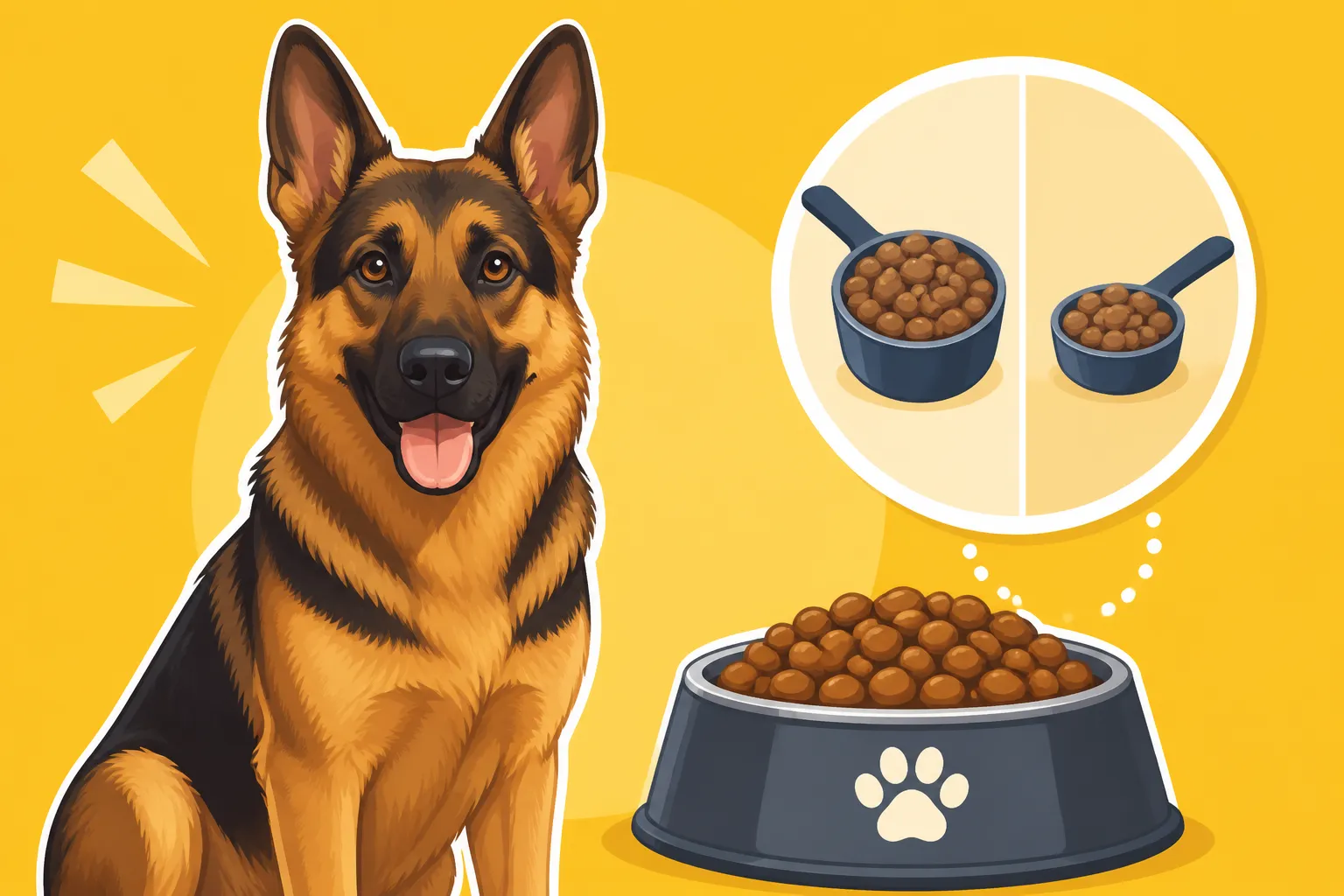
Important Tip: Always use a standard measuring cup, not just any random scoop. The difference between a true cup and a large scooper can be significant and lead to overfeeding over time.
It's crucial to remember that these are starting points. Monitor your dog's body condition regularly (as discussed above) and adjust up or down by about ¼ cup increments every few days until you find the sweet spot where they maintain their ideal weight. Don't be afraid to deviate slightly from the bag's recommendations if your dog's physique tells you otherwise. After all, the bag doesn't know your dog's specific metabolism or daily routine.
Choosing the Right Food
Selecting the best dog food for German Shepherds is paramount. For a 2-year-old, you'll want an adult formula, ideally one specifically formulated for large breeds. These formulas often have:
- Appropriate Protein Levels: Sufficient to maintain muscle, but not excessively high like some puppy foods, which can be hard on kidneys over time for less active adults.
- Balanced Calcium and Phosphorus: Important for bone health, especially in large breeds, to prevent orthopedic issues.
- Joint Support Nutrients: Many large breed formulas include glucosamine and chondroitin, which are excellent for long-term joint health.
- Kibble Size: Larger kibble pieces encourage chewing, which can help with dental hygiene and slow down eating, reducing the risk of bloat.
When you're searching, look for foods with whole meat (chicken, beef, lamb, fish) as the first ingredient. Avoid foods with excessive fillers, artificial colors, or vague ingredient lists like "meat by-products" without specific sources. Brands like Orijen, Acana, and Victor are often praised for their high-quality ingredients and appropriate nutrient profiles for large, active dogs. You can find these at most major pet retailers or online through platforms like Chewy or Amazon.
For those interested in exploring different dietary approaches, options like fresh dog food services are also gaining popularity. Services like Ollie deliver pre-portioned, human-grade meals that can be a fantastic option for dogs with sensitivities or for owners who prefer a less processed diet.
Feeding Schedules and Bloat Prevention
How you feed your German Shepherd is almost as important as what you feed them. For a 2-year-old German Shepherd, two meals a day is generally recommended. This breaks up their total daily intake, making it easier to digest and significantly reducing the risk of bloat (Gastric Dilatation-Volvulus), a life-threatening condition that German Shepherds are particularly susceptible to. Our guide on German Shepherd Bloat (GDV): Symptoms and Treatment provides critical information on this risk.
- Consistency is Key: Try to feed your dog at the same times each day, roughly 12 hours apart. For example, 7 AM and 7 PM. This helps regulate their digestive system.
- Slow Eating: If your German Shepherd gulps down their food, consider using a slow feeder bowl. These bowls have obstacles that force your dog to eat around them, extending mealtime and reducing air intake.
- Avoid Exercise Around Meals: Do not let your German Shepherd engage in strenuous exercise an hour before or an hour after eating. This is a critical rule for bloat prevention. Allow them to rest and digest quietly.
- Water Access: Always ensure your dog has access to fresh, clean water, but avoid allowing them to gulp large quantities immediately after eating, as this can also contribute to bloat.
By implementing a structured feeding routine, you're not just providing nourishment; you're also protecting your German Shepherd from potentially serious health complications.
Monitoring and Adjusting Your German Shepherd's Diet
Even with the best intentions and the most carefully selected food, a dog's needs can change. Just like humans, German Shepherds can have fluctuating appetites, activity levels, and even metabolic rates. It's an ongoing process of observation and adjustment to ensure your 2-year-old remains in peak condition. Don't fall into the trap of setting it and forgetting it.
Signs of Underfeeding or Overfeeding
Being attuned to the subtle cues your German Shepherd gives you about their dietary needs is a hallmark of a responsible owner. These aren't always obvious at first glance, but with regular observation, you'll become an expert in your dog's patterns.
Signs of Underfeeding:
- Visible Ribs/Prominent Bones: If you can clearly see their ribs, hip bones, or spine, or feel them with no fat padding, your dog is likely underweight.
- Lack of Energy: While German Shepherds are generally energetic, persistent lethargy, unwillingness to play, or lack of enthusiasm for walks could indicate insufficient calories.
- Poor Coat Quality: A dull, dry, flaky coat can sometimes be a sign of inadequate nutrition, particularly insufficient fats and proteins.
- Muscle Loss: Look for a decrease in muscle mass, especially over the hips and shoulders.
- Excessive Hunger: While they might always act hungry, persistent begging or intense focus on food beyond what’s normal could be a sign.
Signs of Overfeeding:
- Difficulty Feeling Ribs: If you have to press hard to feel their ribs, or they feel spongy due to a thick layer of fat, your dog is likely overweight.
- No Visible Waist/Abdominal Tuck: From above, they look like a solid cylinder rather than having a defined waist. From the side, their belly might hang low instead of tucking up.
- Reduced Stamina: They might tire easily during walks or play, show less enthusiasm for physical activity, or lag behind.
- Labored Breathing: Especially after mild exertion, this can be a serious sign of excess weight straining their cardiovascular system.
- Joint Pain: Excess weight puts immense stress on their joints, potentially worsening conditions like hip or elbow dysplasia. If your dog starts limping or seems stiff, it could be a sign related to weight, as discussed in How to Tell If a German Shepherd Is in Pain.
If you notice any of these signs, don't panic. Start by re-evaluating their food portions, measuring carefully, and checking their body condition. Small, gradual adjustments are always better than drastic changes.
When to Consult Your Veterinarian
While you are your German Shepherd's primary caregiver, your veterinarian is an invaluable partner in their health journey. There are definitely times when professional input is essential.
- Persistent Weight Issues: If you've been diligently adjusting their food and monitoring activity for a few weeks and your dog is still gaining or losing weight despite your efforts, it's time for a vet visit. There could be an underlying medical condition affecting their metabolism, such as a thyroid issue, diabetes, or even malabsorption.
- Digestive Upset: Chronic diarrhea, vomiting, or excessive gas are not normal. These could indicate food intolerances, allergies, or more serious gastrointestinal problems.
- Sudden Changes in Appetite: A sudden refusal to eat or a dramatic increase in hunger could signal illness.
- New or Worsening Health Conditions: If your dog develops new symptoms or an existing condition (like arthritis) seems to be worsening, a vet can advise on dietary changes or supplements that might help. For instance, dogs with German Shepherd Pancreatitis: Symptoms and Treatment will require a very specific low-fat diet.
- Considering a Raw or Homemade Diet: If you’re thinking about preparing your own food or feeding a raw diet, it's critical to consult with a vet or a veterinary nutritionist. Improperly balanced homemade diets can lead to serious nutrient deficiencies or excesses, especially in a growing large breed dog. Our guide on Raw Diet for German Shepherds Explained emphasizes this need for professional guidance.
Your vet can provide a professional body condition assessment, run diagnostic tests if needed, and offer personalized dietary recommendations that go beyond general advice.
Transitioning Foods Safely
Switching your German Shepherd to a new food, whether it's a different brand, formula, or type of diet, needs to be done gradually to avoid upsetting their digestive system. A sudden change can lead to diarrhea, vomiting, and a very uncomfortable dog (and owner!).
Here's a typical 7-10 day transition schedule:
- Day 1-2: Mix 25% new food with 75% old food.
- Day 3-4: Mix 50% new food with 50% old food.
- Day 5-6: Mix 75% new food with 25% old food.
- Day 7-10: 100% new food.
During this transition, closely monitor your dog's stool and overall demeanor. If they experience any digestive upset (loose stools, gas, or vomiting), slow down the transition. You might need to hold at a certain percentage for a few extra days until their system adjusts. If issues persist even with a slow transition, the new food might not be suitable for them.
Remember, consistency, observation, and a willingness to adapt are your best tools in ensuring your 2-year-old German Shepherd receives optimal nutrition throughout their adult life.
German Shepherd Calorie & Food Guideline Table
This table provides a general guideline for how much dry kibble a 2-year-old German Shepherd might need daily, based on average calorie content (around 350-400 kcal/cup). Always adjust based on individual body condition and vet advice.
| Weight (lbs) | Activity Level: Low (kcal/day) | Activity Level: Moderate (kcal/day) | Activity Level: High (kcal/day) | Estimated Cups/Day (375 kcal/cup) – Low Activity | Estimated Cups/Day (375 kcal/cup) – Moderate Activity | Estimated Cups/Day (375 kcal/cup) – High Activity |
|---|---|---|---|---|---|---|
| 60 | 1,200 – 1,400 | 1,600 – 1,800 | 2,000 – 2,200 | 3.2 – 3.7 | 4.3 – 4.8 | 5.3 – 5.9 |
| 70 | 1,400 – 1,600 | 1,800 – 2,000 | 2,200 – 2,500 | 3.7 – 4.3 | 4.8 – 5.3 | 5.9 – 6.7 |
| 80 | 1,600 – 1,800 | 2,000 – 2,300 | 2,500 – 2,800 | 4.3 – 4.8 | 5.3 – 6.1 | 6.7 – 7.5 |
| 90 | 1,800 – 2,000 | 2,300 – 2,600 | 2,800 – 3,100 | 4.8 – 5.3 | 6.1 – 6.9 | 7.5 – 8.3 |
| 100 | 2,000 – 2,200 | 2,600 – 2,900 | 3,100 – 3,400 | 5.3 – 5.9 | 6.9 – 7.7 | 8.3 – 9.1 |
Note: These are approximations. Always refer to your chosen dog food's specific feeding instructions and consult your veterinarian for personalized advice.
Disclaimer
The information provided in this article is for general informational purposes only and does not constitute veterinary advice. Always consult with a qualified veterinarian for any health concerns or before making any changes to your German Shepherd's diet or healthcare routine.