Can German Shepherds Eat Eggs
As a German Shepherd owner, you're constantly seeking ways to enrich your beloved companion's diet and ensure they're getting the best nutrition possible. But with so much conflicting information out there, it’s easy to feel overwhelmed, especially when it comes to human foods like eggs. Can German Shepherds truly eat eggs safely? This comprehensive guide will crack open everything you need to know, from nutritional benefits to essential safety precautions, helping you make informed decisions for your furry family member.
Can German Shepherds Safely Eat Eggs?
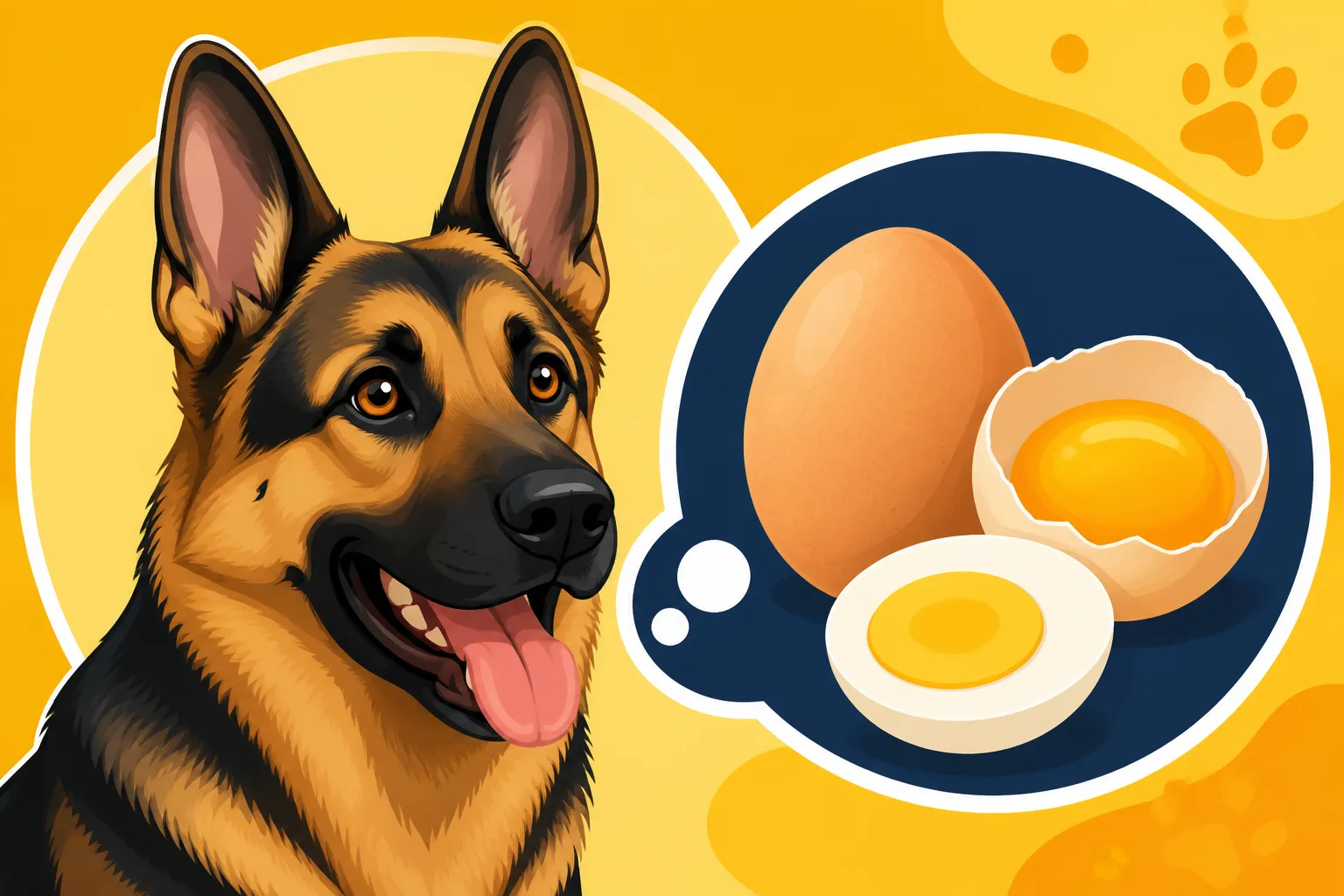
It’s a question many of us ponder while scrambling breakfast for ourselves: can I share a bite with my watchful German Shepherd? The good news is, for most healthy German Shepherds, the answer is a resounding yes! Eggs can be a fantastic, nutrient-rich addition to their diet when prepared and served correctly. However, like with any "people food," there are important considerations to keep in mind to ensure you're doing it safely and beneficially.
The Simple Answer: Yes, But with Caveats
Think of eggs as a superfood, not just for humans, but for dogs too. They're packed with essential nutrients that can contribute positively to your German Shepherd's overall health. But this isn't a free pass to start tossing them raw eggs from the carton. The main "caveat" here is preparation. Raw eggs carry risks, much like they do for us, and understanding these is crucial. Our goal is to harness the good stuff without introducing any unnecessary dangers. When we talk about healthy eating for your German Shepherd, making informed choices is always key, just like understanding their full German Shepherd Feeding Guide.
A Look at the Nutritional Goodness
Eggs are truly miniature powerhouses of nutrition. They contain a complete protein profile, meaning they offer all the essential amino acids that your German Shepherd needs but cannot produce on their own. Beyond protein, they're loaded with healthy fats, vitamins, and minerals that support various bodily functions. These aren't just empty calories; they're building blocks for a thriving canine body. Understanding what's in their food helps us ensure a balanced German Shepherd Diet by Age and Weight.
Here's a quick look at some of the key nutrients you'll find in a typical large egg:
| Nutrient Category | Specific Nutrients | Benefit for German Shepherds |
|---|---|---|
| Protein | Complete amino acids | Muscle growth, repair, energy |
| Fats | Healthy fatty acids | Energy, cell function, coat health |
| Vitamins | A, D, E, B12, Riboflavin, Folate | Vision, bone health, antioxidant, nerve function, metabolism |
| Minerals | Iron, Selenium, Zinc, Calcium | Oxygen transport, immune support, enzyme function, bone density |
| Other | Choline, Biotin | Brain development, liver function, skin & coat health |
This rich composition explains why eggs are such a valuable supplement, offering more than just a tasty treat. They contribute to robust health from the inside out.
The Incredible Health Benefits of Feeding Eggs to Your German Shepherd
Beyond simply being safe, eggs offer a spectrum of fantastic health benefits that can genuinely enhance your German Shepherd's well-being. From their powerful muscles to their magnificent double coat, the nutrients in eggs play a vital role in keeping them in peak condition.
Boosting Protein for Strong Muscles
German Shepherds are, by nature, active and muscular dogs. Whether they're a working line or a show line, they need a significant amount of high-quality protein to maintain that impressive physique, support daily energy, and help repair tissues after exercise. Eggs are a nearly perfect source of this protein. The amino acids found in eggs are highly digestible and readily utilized by a dog's body, making them excellent for muscle development and recovery. This is particularly important for growing puppies or highly active adults who need a consistent supply of muscle-building blocks. Ensuring proper protein intake is fundamental to How to Keep a German Shepherd Healthy throughout their life.
Imagine your German Shepherd, after a vigorous training session or a long hike, their muscles need to recover. The protein from a well-cooked egg can provide that immediate, bioavailable support, helping them bounce back stronger. It's like giving their body exactly what it needs for optimal performance.
Essential Vitamins and Minerals for Vitality
It’s not just about protein; eggs are brimming with vitamins and minerals that contribute to your German Shepherd's overall vitality. Vitamin D, for instance, is crucial for calcium absorption and bone health, while Vitamin A supports vision and immune function. B vitamins, like B12 and riboflavin, are essential for energy metabolism, converting food into usable fuel. Selenium acts as an antioxidant, protecting cells from damage, and iron is vital for oxygen transport in the blood. Choline, often overlooked, is critical for brain development and liver function, particularly beneficial for puppies and senior dogs. These micronutrients work synergistically, meaning they work together to support a healthy body, much like how various supplements contribute to Best Supplements for German Shepherds.
These small but mighty components help keep their immune system strong, their cognitive functions sharp, and their internal systems running smoothly. It's a holistic boost that goes beyond just filling their belly.
Promoting a Healthy, Shiny Coat and Skin
If there’s one thing every German Shepherd owner knows, it’s the sheer glory of a healthy German Shepherd coat – and the struggle of shedding! Eggs, particularly their healthy fats and biotin content, can do wonders for your dog's skin and coat. Biotin, a B vitamin, is often highlighted for its role in promoting healthy hair and skin. While there are some debates around raw egg whites and biotin absorption (which we’ll get to!), the cooked egg yolk is a fantastic source. The fatty acids in eggs also contribute to a healthy skin barrier and a lustrous, shiny coat that feels soft to the touch. This makes eggs a valuable component in a comprehensive German Shepherd Coat and Skin Care routine, working from the inside out.
Many owners swear by adding eggs to their dogs' diets for noticeable improvements in coat quality, helping to reduce dryness, flakiness, and giving that beautiful, characteristic sheen that makes a German Shepherd stand out.
Important Safety Precautions and Potential Downsides
While eggs are generally safe and beneficial, ignoring potential risks would be irresponsible. As with introducing any new food, especially human food, a cautious approach is best. Understanding these potential downsides helps you feed eggs responsibly and keep your German Shepherd safe.
Understanding the Risks of Raw Eggs
This is probably the biggest and most common concern for owners, and for good reason. There are two primary risks associated with feeding raw eggs:
- Salmonella Contamination: Just like humans, dogs can contract Salmonella from raw or undercooked eggs. While a healthy dog's digestive system is often more robust than ours and can handle some bacteria, a severe Salmonella infection can lead to gastrointestinal distress, including vomiting, diarrhea, lethargy, and fever. In rare, severe cases, it can be life-threatening, especially for puppies, senior dogs, or those with compromised immune systems. It's simply not worth the risk.
- Biotin Deficiency: This is a classic concern you'll often hear about. Raw egg whites contain a protein called avidin, which binds with biotin (Vitamin B7). Biotin is essential for healthy skin, coat, and metabolism. The theory is that if a dog consumes large quantities of raw egg whites over a long period, the avidin could prevent biotin absorption, potentially leading to a biotin deficiency. However, it’s important to note that the yolk is rich in biotin, and it would take a significant and consistent intake of only raw egg whites to truly cause a deficiency. For most dogs, the occasional raw egg wouldn't cause an issue, but why take the chance? Cooking the egg denatures avidin, eliminating this concern entirely.
Given these risks, the consensus among veterinary professionals and experienced German Shepherd owners is to always feed cooked eggs. It eliminates both the Salmonella and biotin concerns, leaving only the pure nutritional benefits.
Recognizing and Managing Egg Allergies
Even natural, wholesome foods can sometimes trigger allergies. While not extremely common, some German Shepherds can develop an allergy or sensitivity to eggs. This isn't usually an immediate, life-threatening anaphylactic reaction, but rather a food intolerance that manifests as digestive issues or skin problems.
Signs of an egg allergy or sensitivity might include:
- Gastrointestinal upset: Vomiting, diarrhea, excessive gas, or loose stools. If your German Shepherd experiences frequent German Shepherd Loose Stool: Common Causes, it's worth evaluating their diet.
- Skin issues: Itchy skin, redness, rashes, hot spots, or excessive licking and scratching, especially around the paws or ears. These symptoms often overlap with German Shepherd Allergies: Symptoms and Treatment.
- Ear infections: Chronic ear infections can sometimes be a sign of a food allergy.
If you suspect your German Shepherd might have an egg allergy, stop feeding eggs immediately and consult your veterinarian. When introducing eggs for the first time, offer a small amount and observe your dog for any adverse reactions for 24-48 hours. This slow introduction is key for any new food, especially for those with a German Shepherd Sensitive Stomach Solutions.
Serving Considerations: Choking and Eggshells
When offering eggs, think about how your German Shepherd will consume them. A large, intact hard-boiled egg might be a choking hazard, especially for an enthusiastic eater. It's always best to chop cooked eggs into smaller, manageable pieces to prevent any gulping accidents.
What about eggshells? This is another area of mixed opinions. Some owners choose to feed finely crushed, thoroughly cleaned eggshells as a source of calcium. While eggshells are primarily calcium carbonate and can provide supplemental calcium, they also pose potential risks:
- Sharp Edges: Even finely crushed shells can have sharp edges that could potentially irritate or injure your dog's mouth or digestive tract.
- Pesticides/Bacteria: Unless you're certain of their source and cleanliness, eggshells can carry external bacteria or even chemical residues.
- Dietary Imbalance: Adding calcium in an unregulated way can sometimes lead to an imbalance with phosphorus, which is crucial for overall bone health.
For most German Shepherds on a balanced commercial diet (like those you might find on Chewy or Amazon), or a carefully crafted raw diet, additional calcium from eggshells isn't necessary. If you are concerned about your dog's calcium intake, speak to your vet first. They might recommend specific calcium supplements rather than eggshells, ensuring proper ratios for bone density and joint health, especially when considering a German Shepherd's predisposition to conditions like German Shepherd Hip Dysplasia Explained.
Best Practices for Feeding Eggs to Your German Shepherd
Now that we've covered the why and the watch-outs, let's get down to the practicalities. Feeding eggs to your German Shepherd is simple once you know the best methods. Following these guidelines ensures they get all the benefits safely and deliciously.
Preparation Methods: Cooked is Key
As established, cooking eggs is non-negotiable for safety. Here are the best ways to prepare eggs for your German Shepherd:
- Hard-Boiled: This is probably the easiest and cleanest method. Simply boil an egg until it's firm. Once cooled, you can peel it, chop it up, and serve it as a treat or mixed into their regular food. No added fats, seasonings, or fuss.
- Scrambled: Lightly scramble an egg in a non-stick pan. The absolute key here is to cook it plain. Do not add butter, oils, salt, pepper, cheese, or any other human seasonings. These can be unhealthy or even toxic for dogs. A little cooking spray to prevent sticking is fine, but nothing else.
- Fried: Similar to scrambled, you can fry an egg, but again, without any oil, butter, or seasonings. A dry fry or a very light spray of olive oil (a tiny amount) on a non-stick pan is the way to go. Make sure the yolk and white are fully set, not runny.
- Poached: Poaching is another excellent, fat-free option. Cook until both the white and yolk are firm.
Always let the cooked egg cool completely before offering it to your German Shepherd. Hot food can burn their mouth or esophagus. Remember, the goal is to keep it simple, plain, and cooked through.
Determining the Right Amount and Frequency
The "right" amount of eggs depends on your German Shepherd's size, activity level, and overall diet. Eggs should be considered a supplement or a treat, not a primary food source, especially if you're feeding a balanced commercial kibble.
- Adult German Shepherds: For a typical adult German Shepherd, one whole cooked egg a few times a week (2-3 times) is generally a good guideline. Some highly active working dogs might tolerate a bit more, but always introduce gradually.
- German Shepherd Puppies: Puppies have very specific dietary needs for growth. While small amounts of cooked egg yolk can be beneficial for nutrients like choline, always consult your vet before adding eggs to a puppy's diet. Their German Shepherd Puppy Feeding Schedule is delicate and shouldn't be disrupted by too many extras. If given, a portion of a scrambled or hard-boiled egg (e.g., half an egg) once or twice a week is usually sufficient, ensuring it's chopped very small.
- Senior German Shepherds: Senior dogs often benefit from easily digestible, high-quality protein. Cooked eggs can be an excellent addition to their diet, supporting muscle mass and overall health. The same frequency as adult dogs applies, but ensure it's easy for them to chew and digest. For specific guidance on their nutritional needs, refer to the German Shepherd Senior Diet Adjustments guide.
Always start with a very small amount to gauge their tolerance. If they handle it well, you can gradually increase to the recommended frequency. Overfeeding eggs can lead to weight gain due to their caloric density, or digestive upset if their system isn't used to it.
Sourcing and Storing Eggs Safely
Just as you'd select quality food for yourself, the same care should apply to the eggs you feed your German Shepherd.
- Sourcing: Opt for fresh, high-quality eggs from a reputable source. If possible, choose organic or free-range eggs, as these often come from hens with better diets and living conditions. You can find these at most grocery stores, farmers' markets, or through online retailers like Chewy or even Amazon for specific brands.
- Storage: Store eggs in their carton in the coldest part of your refrigerator (usually not the door, where temperatures fluctuate). Eggs typically last for several weeks past their "sell by" date if properly stored. Once cooked, eggs should be refrigerated within two hours and consumed within 3-4 days. Always discard any eggs that look or smell off.
By paying attention to where your eggs come from and how they are stored, you're taking another step to ensure the safety and quality of the treats you're providing to your beloved German Shepherd. These details matter in maintaining their long-term health and well-being.
Disclaimer
The information provided in this article is for educational purposes only and is not a substitute for professional veterinary advice. Always consult with your veterinarian before making any significant changes to your German Shepherd's diet, especially if they have any underlying health conditions or are on specific medications.