German Shepherd Food Allergy Symptoms
German Shepherd food allergy symptoms include intense itching, chronic ear infections, digestive upset, and hair loss caused by specific dietary proteins.
Know what to watch for.
Breed-specific conditions, screening and DNA tests, what surgery actually costs, and the daily habits that stretch a healthy lifespan.
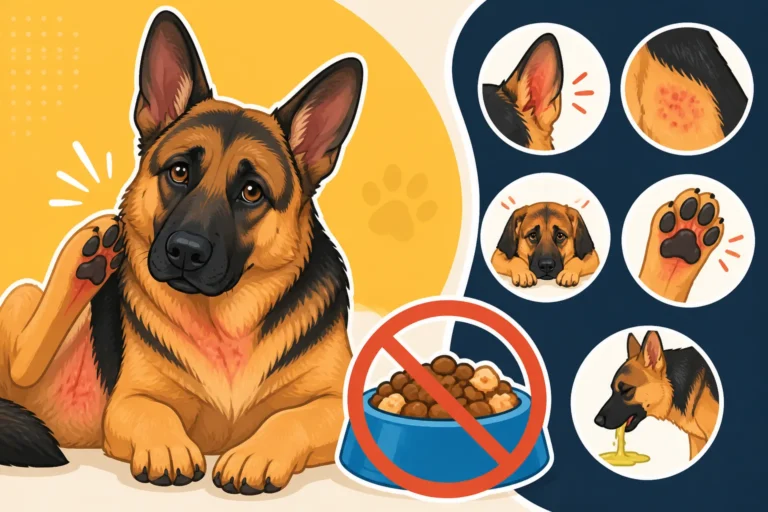
German Shepherd food allergy symptoms include intense itching, chronic ear infections, digestive upset, and hair loss caused by specific dietary proteins.
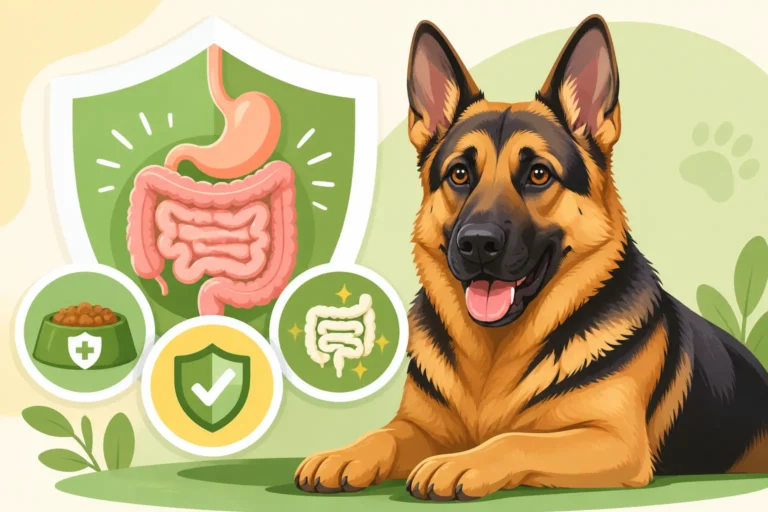
Exocrine pancreatic insufficiency in German Shepherds requires enzyme replacement therapy, blood testing, proper nutrition, and lifelong veterinary care.
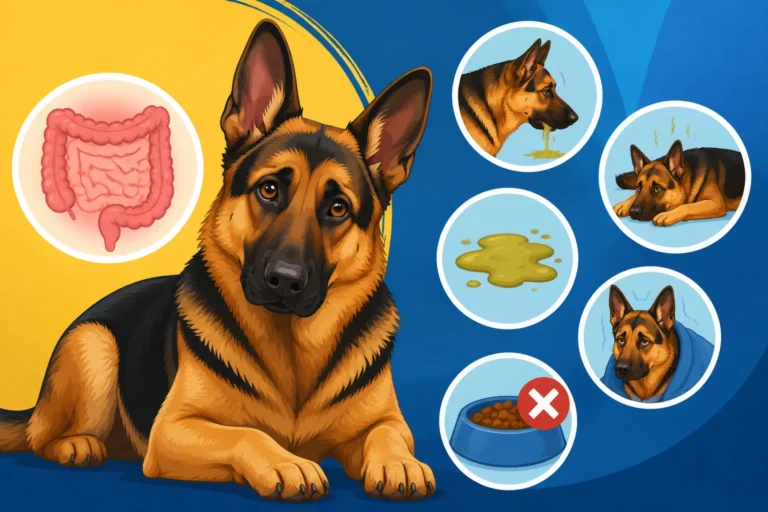
Exocrine pancreatic insufficiency in German Shepherds causes severe weight loss and chronic diarrhea, requiring early detection for proper management.

Scientific research on German Shepherd raised bowls indicates increased bloat risks, but elevated feeders help senior dogs and those with megaesophagus.

German Shepherd bloat surgery expenses typically range between two thousand five hundred and seven thousand five hundred dollars.
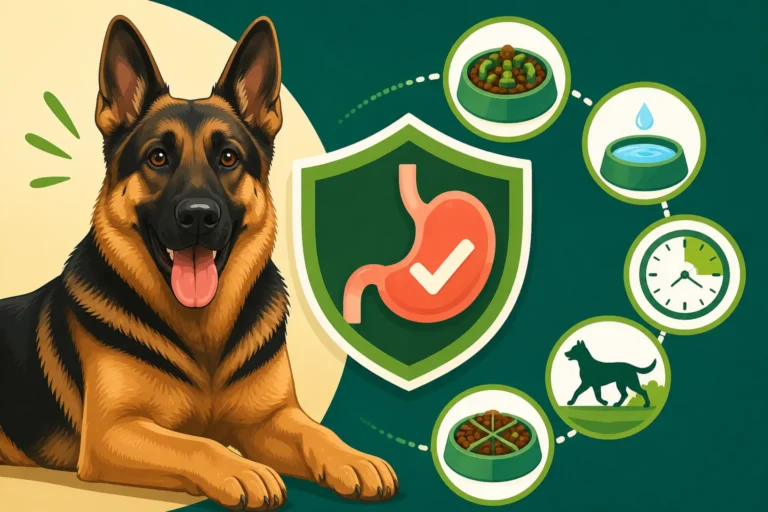
German Shepherd bloat prevention requires managing feeding schedules, restricting exercise around meals, and learning early warning signs to save lives.

Degenerative Myelopathy in German Shepherds causes hind leg weakness, but rear-support wheelchairs and slings restore mobility and independence.

Degenerative myelopathy life expectancy for German Shepherds typically ranges from six to eighteen months following the initial onset of symptoms.
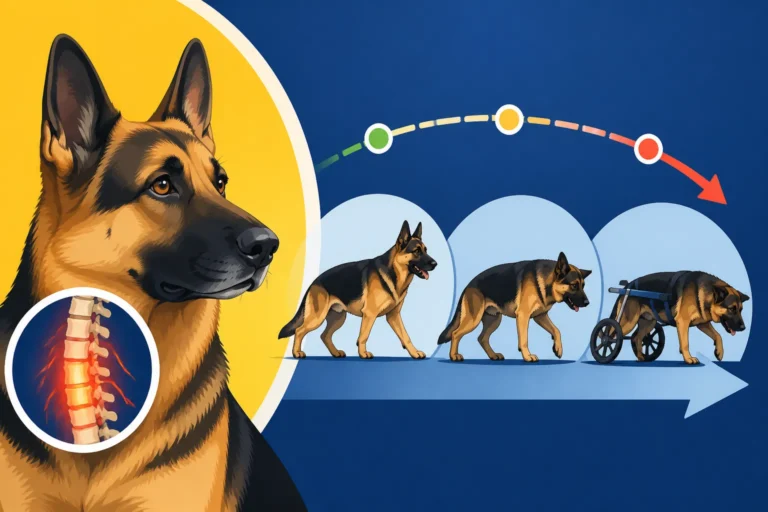
Degenerative myelopathy follows a six-month to three-year timeline, causing gradual hind limb weakness and eventual paralysis in German Shepherds.
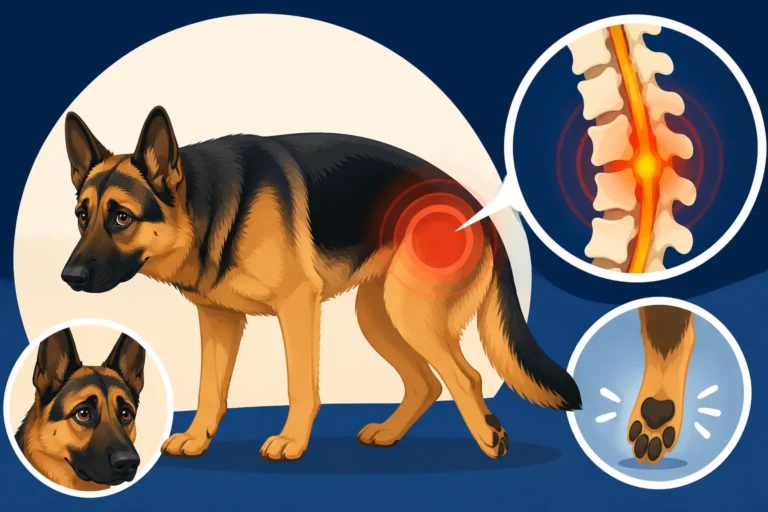
Degenerative Myelopathy in German Shepherds causes subtle hind limb weakness, gait changes, and paw dragging in senior dogs.