How to Prevent Bloat in a German Shepherd
The fear of bloat, or Gastric Dilatation-Volvulus (GDV), is a heavy burden for any German Shepherd owner. It's a terrifying, often rapidly fatal condition where your dog's stomach fills with gas and can twist, cutting off blood supply and quickly becoming a life-or-death emergency. The suddenness and severity of bloat can leave you feeling helpless, but understanding the risk factors and implementing preventative measures can significantly reduce the chances of your beloved companion facing this nightmare. This guide will walk you through practical, actionable strategies to protect your German Shepherd from bloat.
Understanding Bloat Gastric Dilatation-Volvulus in German Shepherds
Bloat is one of the most frightening and least understood emergencies a German Shepherd owner might face. It comes on fast, can escalate quickly, and often requires immediate, expensive veterinary intervention. The emotional toll of watching your dog suffer from GDV, coupled with the financial strain of emergency care, is something no one wants to experience. German Shepherds, like many other deep-chested large breeds, are unfortunately predisposed to this condition, making prevention even more critical.
What Exactly Is Bloat and Why Is It So Dangerous
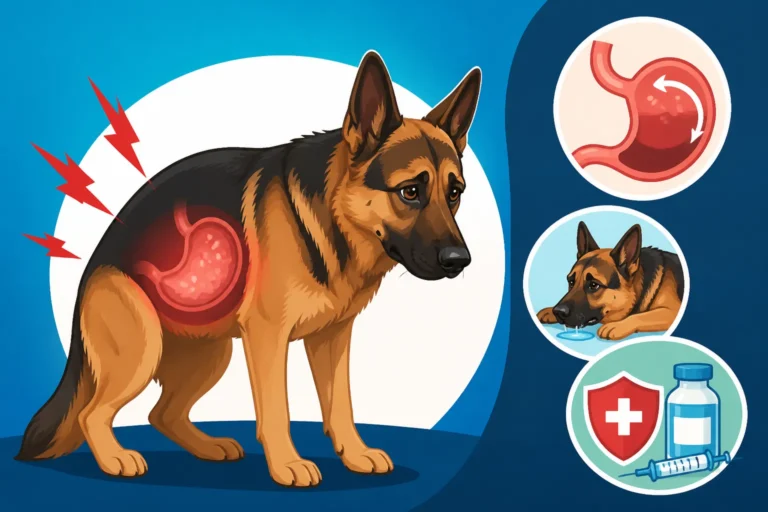
At its core, bloat is a two-part process. First, the stomach distends, meaning it fills rapidly with gas, fluid, or food. This alone is painful and problematic, but the truly life-threatening part is the "volvulus," where the distended stomach then twists on its axis. Imagine a balloon tied at both ends and then twisted – that's essentially what happens. This twisting cuts off blood flow to and from the stomach, traps gas and fluids, and impacts other vital organs like the spleen and major blood vessels. The pressure builds, affecting breathing and heart function, leading to shock and, if not treated swiftly, death.
The danger lies in its rapid progression. A dog can go from seemingly fine to critically ill in a matter of hours, sometimes even minutes. Once the stomach twists, every second counts. The blood supply to the stomach tissue is compromised, leading to tissue death, and the pressure on surrounding organs can quickly cause systemic shock. This isn't just an upset tummy; it's a full-blown medical catastrophe that demands immediate veterinary attention.
Recognizing the Early Warning Signs of Bloat
Knowing the subtle initial signs of bloat can literally save your German Shepherd's life. Owners often mistake early symptoms for simple indigestion or discomfort, losing precious time. One of the first things you might notice is restlessness and pacing. Your dog might seem uncomfortable, unable to settle down, constantly shifting positions. You might also observe excessive drooling or attempts to vomit without anything coming up – this is known as non-productive retching or gagging, and it's a huge red flag.
As the condition progresses, you might see visible distension of the abdomen, particularly on the left side, which may feel hard and taut. Your German Shepherd might groan, whine, or show signs of pain when you gently touch their belly. Their gums might become pale, their breathing shallow and rapid, and they may appear weak or collapse. If you notice any combination of these signs, especially the non-productive retching or abdominal distension, don't wait. Head to an emergency vet immediately. It's always better to be safe than sorry when it comes to bloat, as detailed in our comprehensive guide on German Shepherd Bloat (GDV): Symptoms and Treatment.
Proven Dietary and Feeding Strategies to Minimize Bloat Risk
Diet and how you feed your German Shepherd play a monumental role in preventing bloat. It's not just about what's in the bowl, but how and when it's consumed. Making mindful choices here can greatly reduce the strain on their digestive system. Many small changes can add up to a significant protective effect for your dog. For a broader understanding of overall nutrition, check out our German Shepherd Feeding Guide.
The Importance of Small, Frequent Meals
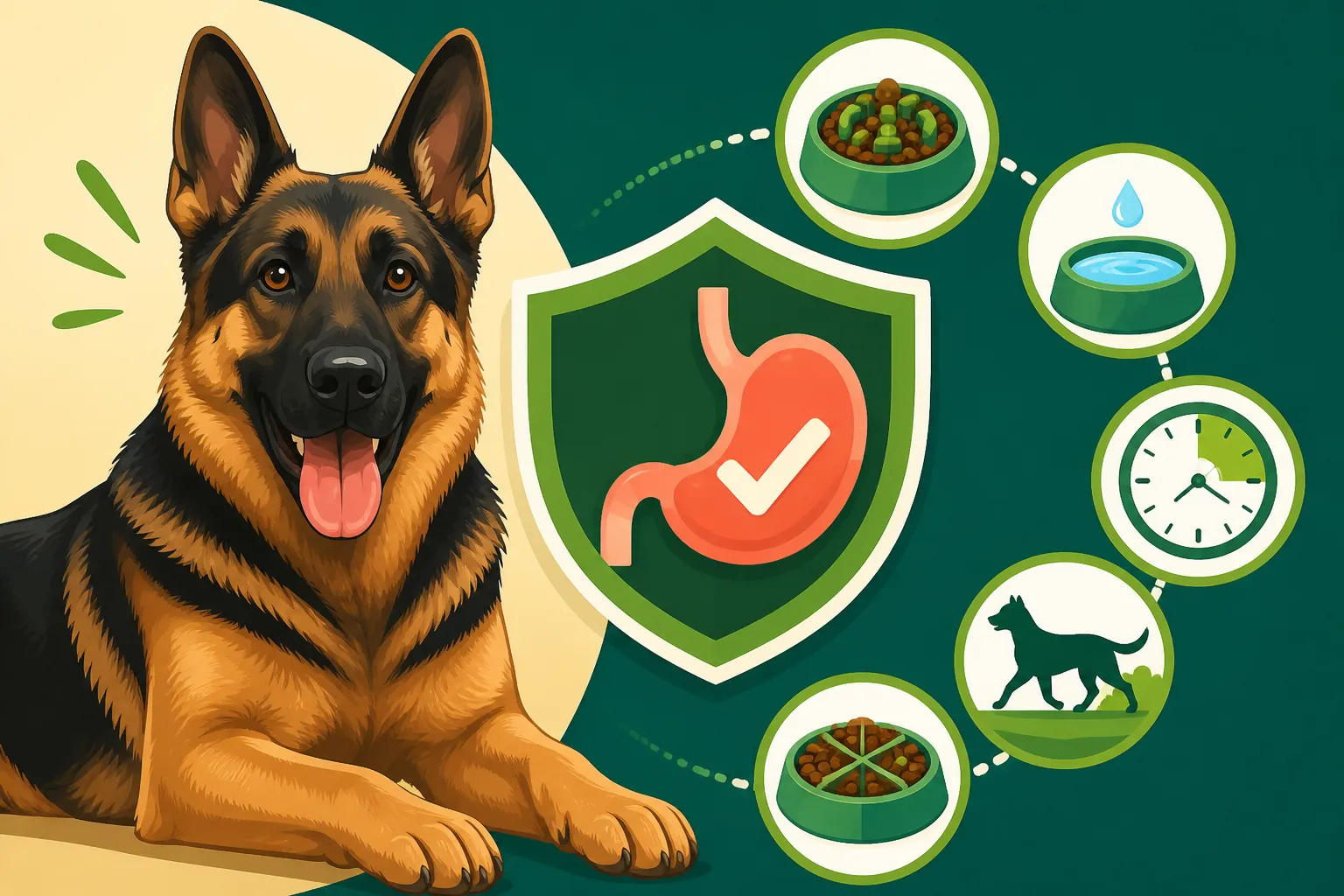
One of the most widely recommended preventive measures is to feed your German Shepherd multiple smaller meals throughout the day rather than one or two large ones. A large meal can cause the stomach to distend significantly, increasing the chances of it twisting. Splitting their daily food allowance into two, three, or even four smaller portions means less volume in the stomach at any given time, reducing the risk of overfilling and gas accumulation.
For instance, if your adult German Shepherd typically eats 4 cups of kibble a day, instead of giving them 2 cups in the morning and 2 in the evening, consider 1.5 cups in the morning, 1 cup at midday, and 1.5 cups in the evening. This not only aids digestion but also ensures a more consistent energy level without huge spikes and dips. For puppies, who are still growing and have different needs, consistent smaller meals are even more crucial, as outlined in the German Shepherd Puppy Feeding Schedule.
Choosing the Right Food and Bowl Type
When it comes to food, research into specific ingredients that directly cause bloat is ongoing and sometimes conflicting. However, some common recommendations include avoiding foods where fat is listed as one of the first few ingredients, or those with large amounts of fermentable ingredients like soy or certain legumes, as these can produce excess gas. Look for a high-quality, easily digestible diet. Many owners find success with trusted brands formulated for large breeds, which often balance protein, fat, and fiber appropriately. Brands like Purina Pro Plan or Royal Canin often have large-breed specific formulas that cater to these needs.
The type of bowl your dog eats from is another important consideration, and this is where some common misconceptions lie. For years, elevated food bowls were recommended to prevent bloat. However, modern research, including studies from Purdue University, suggests that for large, deep-chested breeds like German Shepherds, elevated bowls may actually increase the risk of bloat by encouraging faster eating and more air intake. It's generally safer to feed your German Shepherd from a bowl placed on the floor, unless your veterinarian specifically recommends an elevated bowl for other health reasons, such as megaesophagus. Additionally, consider using slow-feeder bowls, which have obstacles that force your dog to eat around them, slowing down their mealtime and reducing the amount of air they swallow.
Managing Water Intake Around Meals and Exercise
Just as with food, gulping down large quantities of water rapidly can cause stomach distension and increase bloat risk. This is especially true before or immediately after meals, or after vigorous exercise when your dog is panting heavily and prone to swallowing air. Try to limit large volumes of water at these critical times.
Instead of an unrestricted water bowl during these periods, offer smaller amounts of water more frequently. For example, after a walk or a play session, wait 15-30 minutes for your German Shepherd to cool down and calm their breathing before offering a small amount of water. You can then offer more in small increments every 10-15 minutes until they've had enough. Always ensure fresh water is available throughout the day, but manage how much they can drink at once during high-risk times.
Lifestyle Adjustments and Environmental Factors for Prevention
Beyond diet, your German Shepherd's daily routine and environment can also influence their risk of developing bloat. Proactive adjustments to their exercise schedule, stress levels, and even considering a preventative surgical option can make a substantial difference. Keeping a watchful eye on your dog's overall well-being is part of How to Keep a German Shepherd Healthy.
Regulating Exercise Around Feeding Times
One of the most critical lifestyle changes you can implement is to regulate your German Shepherd's exercise schedule around their meal times. Strenuous exercise – running, jumping, intense play, or training – should be strictly avoided for at least one hour before eating and at least two hours after eating. The reason is simple: vigorous activity can cause the stomach to bounce and jostle, especially when full of food, making it more susceptible to twisting.
Imagine a full water balloon being vigorously shaken; the internal pressure and movement can be disruptive. A similar principle applies to your dog's stomach. While gentle activities like a short, leisurely stroll or a potty break are usually fine, anything that involves high impact or rapid changes in direction should be off-limits during these windows. Planning your daily routine to accommodate these quiet periods around meals is a small price to pay for your dog's safety.
Reducing Stress and Anxiety
It might surprise you, but stress and anxiety can also be contributing factors to bloat. German Shepherds are intelligent and sensitive dogs, and significant stress can impact their digestive system, potentially leading to faster eating, gulping air, or digestive upset that precedes bloat. A change in routine, a new environment, separation anxiety, or even perceived threats can elevate stress levels.
Creating a calm, consistent environment for your German Shepherd can go a long way. This includes maintaining a predictable feeding schedule, providing a quiet, safe space where they can eat undisturbed, and managing situations that cause them undue stress. If your dog suffers from severe anxiety, consider consulting with a professional trainer or veterinary behaviorist for strategies to help them cope, as a calm dog is generally a healthier dog.
The Role of Gastropexy Surgery
For German Shepherd owners particularly concerned about bloat, or for those whose dogs have a high genetic predisposition, prophylactic gastropexy surgery is an option worth discussing with your veterinarian. This procedure involves surgically tacking or suturing the stomach to the abdominal wall, preventing it from twisting. While it doesn't prevent the stomach from distending with gas (which is still painful and requires veterinary attention), it eliminates the life-threatening volvulus component.
Often, a prophylactic gastropexy is performed at the same time a German Shepherd is spayed or neutered, especially in younger dogs, as this minimizes the need for an additional anesthetic event. It's a significant decision, involving a surgical procedure with associated risks, but for many owners, the peace of mind it offers is invaluable. Discussing the pros and cons with your vet, considering your dog's individual risk factors, and weighing the potential costs and benefits is crucial.
Long-Term Vigilance and Proactive Health Management
Preventing bloat isn't a one-time fix; it's an ongoing commitment to vigilance and proactive care. Being tuned into your German Shepherd's health and having a plan in place for emergencies are crucial components of responsible ownership. Regular health checks, smart financial planning, and continuous education about your dog's breed-specific needs will serve you well.
Regular Vet Check-ups and Risk Assessment
Consistent communication with your veterinarian is paramount for managing your German Shepherd's health. During annual check-ups, bring up your concerns about bloat. Your vet can help assess your dog's individual risk factors, which might include family history of bloat, temperament, or specific physical characteristics. They can also offer tailored advice on diet, exercise, and whether prophylactic gastropexy is a suitable option for your particular dog.
Don't hesitate to ask questions about the latest research on bloat prevention or any new recommendations. A good vet will be your partner in your German Shepherd's health journey, helping you to make informed decisions that contribute to their overall well-being and longevity. Choosing the right veterinary clinic is an important aspect of How to Choose a Vet for a German Shepherd.
Being Prepared for an Emergency
Despite all preventative measures, bloat can still happen. The speed at which it progresses means that being prepared for an emergency is not just a good idea, it's essential. Know the location and contact information for your nearest 24/7 emergency veterinary hospital. Have a plan for how you will transport your dog if bloat strikes. Time is literally life when it comes to GDV.
Considering pet insurance is also a very practical step. Emergency bloat surgery can be incredibly expensive, often running into thousands of dollars. Having a plan, whether it's a dedicated emergency savings fund or a robust pet insurance policy, can alleviate the financial stress during an already traumatic time, allowing you to focus on your dog's care. Providers like Healthy Paws offer coverage options that can help with unexpected veterinary costs, including emergencies like bloat. Investing in their health with proactive measures and a safety net like Healthy Paws pet insurance is a smart move for any German Shepherd owner. For more on this, consider reading Is Pet Insurance Worth It for a German Shepherd to understand the financial implications.
Key Bloat Prevention Strategies
| Strategy | Description | Benefits |
|---|---|---|
| Small, Frequent Meals | Divide your German Shepherd's daily food allowance into 2-4 smaller meals instead of one or two large ones. | Reduces the volume of food and gas in the stomach at any single time, preventing over-distension. |
| Slow Feeding | Use slow-feeder bowls or puzzle feeders to make your dog eat more slowly. Avoid elevated bowls unless medically necessary. | Decreases the amount of air ingested during eating and prevents rapid gulping, which can lead to gas buildup. Modern research suggests elevated bowls may increase risk. |
| Regulated Water Intake | Restrict large quantities of water consumption immediately before or after meals and strenuous exercise. Offer small amounts frequently. | Prevents rapid stomach filling with water, reducing distension and gas accumulation. |
| Manage Exercise | Avoid strenuous exercise (running, jumping, rough play) for at least one hour before meals and two hours after meals. | Prevents the stomach from jostling and twisting when full, reducing mechanical stress that can initiate volvulus. |
| Reduce Stress | Provide a calm, consistent environment and address sources of anxiety. Feed in a quiet, undisturbed area. | Stress can impact digestion and lead to rapid eating/air gulping. A calm dog is less likely to develop digestive issues. |
| High-Quality Diet | Choose a easily digestible, large-breed appropriate dog food. Consult your vet on ingredient sensitivities or recommendations. | Supports healthy digestion and minimizes gas production from less digestible or fermentable ingredients. |
| Prophylactic Gastropexy | Consider surgical "tacking" of the stomach to the abdominal wall, often done during spay/neuter. Consult with your veterinarian. | Prevents the stomach from twisting (volvulus), eliminating the most life-threatening aspect of bloat, though distension can still occur. This offers significant peace of mind for high-risk dogs. |
| Emergency Preparedness | Know the signs of bloat, have emergency vet contact information readily available, and consider pet insurance (e.g., Healthy Paws) or a dedicated emergency fund. | Enables rapid response, which is critical for survival. Financial preparation lessens the burden during a high-stress, high-cost emergency situation. |
| Regular Vet Checks | Maintain a schedule of regular veterinary check-ups to discuss your German Shepherd's overall health and specific bloat risk factors. | Allows for professional risk assessment, personalized advice, and early detection of any underlying health issues that might contribute to bloat. |
Disclaimer
The information provided in this article is for general informational purposes only and is not a substitute for professional veterinary advice. Always consult with a qualified veterinarian for any health concerns or before making any decisions related to your German Shepherd's health or treatment.