German Shepherd Food Allergy Symptoms
It's incredibly frustrating and heartbreaking when your beloved German Shepherd starts showing signs of discomfort, especially when you can't quite pinpoint what's wrong. You might be seeing endless scratching, a dull coat, or even tummy troubles, and it leaves you wondering if their diet, which you’ve carefully chosen, might actually be the culprit. This guide is here to walk you through the distinct signs and symptoms of food allergies in German Shepherds, helping you understand what to look for and how to approach finding relief for your furry companion.
Why German Shepherds Can Be Prone to Food Allergies
German Shepherds are magnificent dogs, known for their intelligence, loyalty, and imposing presence. However, like many purebred dogs, they can have certain predispositions to health issues, and allergies, including food allergies, are unfortunately among them. It’s not just bad luck; there are some genuine biological reasons why your GSD might be more susceptible to reacting negatively to certain ingredients in their food.
Genetic Predisposition and Immune System Sensitivity
One of the primary reasons German Shepherds might be more prone to food allergies stems from their genetics. Selective breeding over generations, while creating the distinct traits we admire, can sometimes inadvertently concentrate certain genetic vulnerabilities. This means that a GSD's immune system might be a bit more "on edge" or prone to overreacting to common food proteins that other breeds might tolerate just fine. Think of it like a family history of allergies in humans; if your parents or grandparents had them, you might be more likely to develop them too. For GSDs, this means their immune system can sometimes mistakenly identify harmless food proteins as threats, triggering an allergic response.
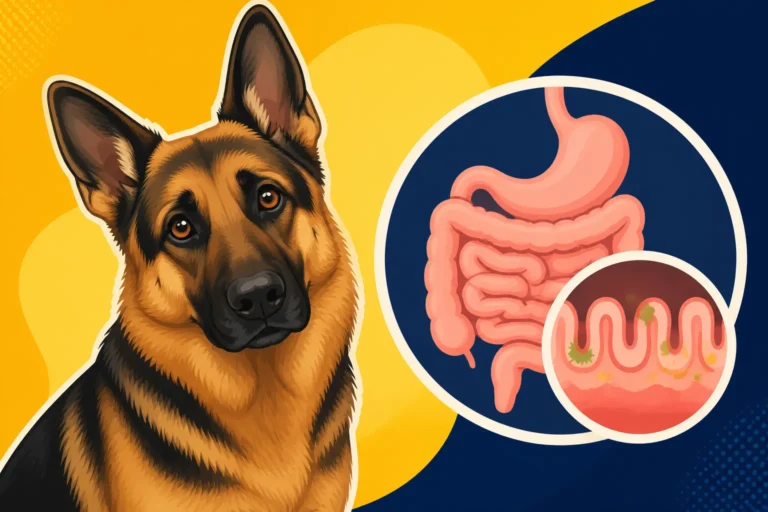
Moreover, the overall health of a German Shepherd's immune system plays a huge role. If their gut microbiome isn't balanced, or if they've had a history of gut issues, this can further exacerbate their sensitivity. An imbalanced gut means the gut lining might be more permeable, allowing undigested food particles to enter the bloodstream and trigger an immune reaction. While not an allergy itself, some German Shepherds also suffer from a condition called Exocrine Pancreatic Insufficiency (EPI), which can cause malabsorption and mimic some food allergy symptoms, though the underlying mechanism is different. It’s crucial to understand these nuances because sometimes what looks like an allergy could be another digestive issue at play, which is why a proper diagnosis from your vet is always the first step.
Common Allergenic Ingredients
It's a common misconception that "bad" or "cheap" ingredients are always the cause of food allergies. In reality, food allergies are typically triggered by specific protein sources that the dog has been exposed to repeatedly over time. The immune system learns to recognize and then overreact to these specific proteins. For German Shepherds, like many dogs, the usual suspects are proteins found in common dog food ingredients.
The most frequently reported food allergens in dogs include beef, dairy, chicken, wheat, soy, and corn. Yes, even chicken, a staple in many dog foods, can be a major culprit! It's less about the quality of the chicken and more about the immune system's individual reaction to the chicken protein itself. Many owners are surprised to learn this, especially since so many "sensitive stomach" formulas still contain chicken. Over time, constant exposure to these ingredients can sensitize the immune system, leading to an allergic reaction. This is why when you start seeing symptoms, it often feels like it's come out of nowhere, even if your dog has been eating the same food for years. The body takes time to develop that immune response.
Decoding the Signs: Common Food Allergy Symptoms in German Shepherds
When your German Shepherd is suffering from a food allergy, the symptoms can be incredibly varied and often mimic other conditions. This is what makes diagnosing a food allergy so tricky and frustrating for owners. It's rarely just one isolated symptom; often, it's a combination of issues that can really impact your dog's quality of life. Knowing what to look for is the first step in helping your furry friend.
Skin and Coat Issues
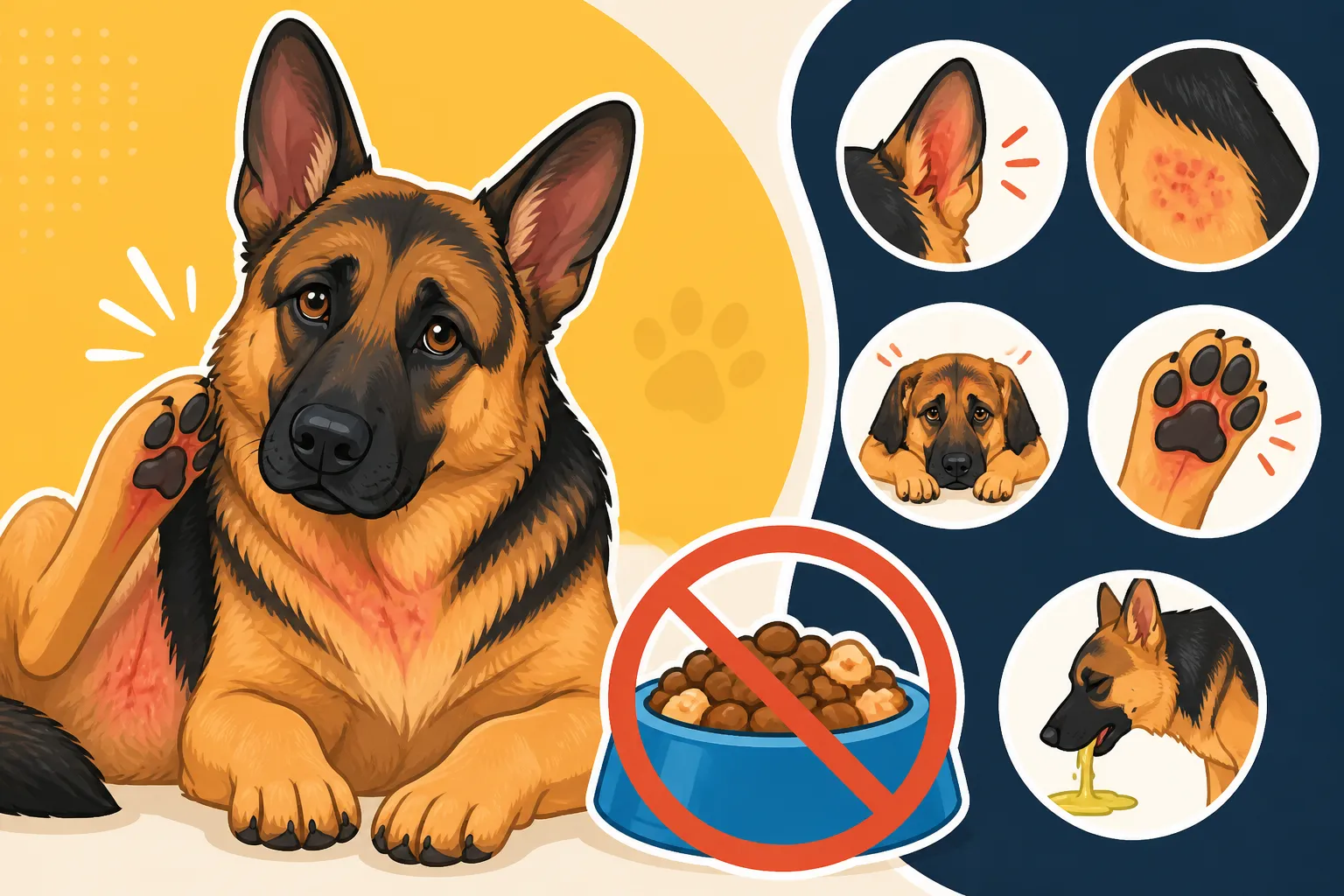
The most common and often the most visible signs of a food allergy in German Shepherds manifest in their skin and coat. If you're constantly noticing your dog scratching, licking, or chewing, especially their paws, groin, or ears, a food allergy should definitely be on your radar.
- Intense Itching (Pruritus): This is the hallmark symptom. Your GSD might scratch incessantly, sometimes even breaking the skin, leading to secondary bacterial or yeast infections. You might see them rubbing against furniture or gnawing at their legs, paws, and tail base. This relentless itching can lead to restless nights for both of you. It's not just a little itch; it's a deep, aggravating sensation that your dog desperately tries to relieve. If you're observing persistent scratching, it might be worth diving deeper into possible causes with our guide on German Shepherd Itchy Skin: Causes and Fixes.
- Redness and Inflammation: Areas of the skin that are being licked, scratched, or chewed can become visibly red, inflamed, and even hot to the touch. This is often seen in the armpits, groin, between the paw pads, and around the ears.
- Chronic Ear Infections: This is a huge one that often gets overlooked. If your German Shepherd is experiencing recurrent ear infections, with red, waxy, smelly ears, and frequent head shaking, a food allergy is a very strong possibility. The inflammation from the allergy makes the ear canal an ideal breeding ground for yeast and bacteria.
- Hair Loss and Dull Coat: Constant scratching and licking can lead to patchy hair loss, especially in the affected areas. Over time, the coat itself might lose its healthy sheen, becoming dull, brittle, or greasy due to underlying skin issues and irritation.
- Hot Spots: These are acute moist dermatitis lesions that appear suddenly. They are painful, rapidly spreading, red, oozing sores, typically caused by your dog intensely licking or chewing a particular spot, often triggered by an underlying itch from an allergy or insect bite.
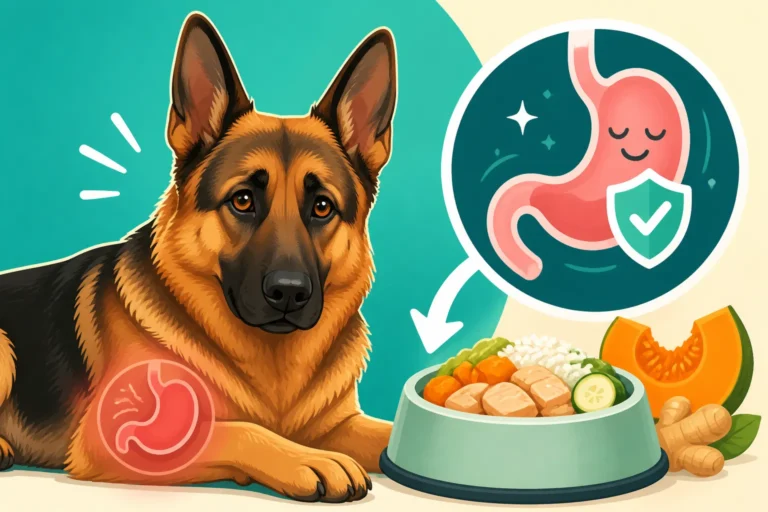
Gastrointestinal Upset
While skin issues are prevalent, food allergies can also wreak havoc on your German Shepherd's digestive system. These symptoms can be distressing and often lead to concerns about more serious conditions.
- Chronic Diarrhea or Loose Stools: Persistent or intermittent diarrhea is a common sign. It might not be constant watery stools but rather consistently soft, unformed stools. This often means the digestive system is inflamed and struggling to properly absorb nutrients. If you're dealing with this, our article on German Shepherd Loose Stool: Common Causes could offer further insights.
- Vomiting: While less common than diarrhea, some German Shepherds with food allergies may experience chronic or intermittent vomiting, especially soon after eating. This isn't usually projectile vomiting, but more often regurgitation or softer, food-filled vomit.
- Excessive Gas: If your GSD is frequently gassy, beyond what seems normal, it could indicate digestive distress caused by an allergic reaction to their food. This gas can also be quite foul-smelling.
- Abdominal Pain or Discomfort: You might notice your dog seems generally uncomfortable, perhaps reluctant to move, or has a sensitive belly to the touch. They might also appear bloated or have a rumbling stomach more often than usual.
- Loss of Appetite or Weight Loss: In more severe or prolonged cases, chronic digestive upset can lead to a decreased appetite and subsequent weight loss, as the dog isn't properly absorbing nutrients or feels too unwell to eat.
Other Less Common Symptoms
While skin and gut issues are primary, a food allergy can manifest in other subtle or less common ways that are important to recognize.
- Paw Licking and Chewing: This is a specific type of itching that deserves its own mention. German Shepherds with food allergies often obsessively lick and chew their paws, sometimes to the point of causing raw skin, infections, and brownish-red staining (from saliva) on their white fur.
- Hyperactivity or Changes in Behavior: Believe it or not, some dogs can exhibit behavioral changes, such as hyperactivity, restlessness, or even aggression, when they are constantly uncomfortable and itchy. Imagine living with a relentless itch; it would certainly make you irritable!
- Poor Growth in Puppies: In very young German Shepherd puppies, severe food allergies could potentially contribute to poor growth and failure to thrive, though this is less common and usually accompanied by pronounced digestive issues. It's a reminder of why proper nutrition is critical for a growing German Shepherd Puppy Feeding Schedule.
To help illustrate the commonality and variety of symptoms, here's a table summarizing the main indicators of food allergies in German Shepherds:
| Symptom Category | Specific Symptoms | Frequency of Occurrence (General) | Potential Severity |
|---|---|---|---|
| Skin & Coat | Intense, persistent itching (body, paws, ears, groin) | Very Common | Moderate to Severe |
| Redness, inflammation, irritated skin | Very Common | Moderate | |
| Chronic ear infections (red, waxy, smelly ears) | Common | Moderate to Severe | |
| Hair loss, thinning coat, dull/greasy fur | Common | Moderate | |
| Hot spots, secondary bacterial or yeast infections | Common | Severe | |
| Gastrointestinal | Chronic soft stools, intermittent diarrhea | Common | Moderate |
| Vomiting (intermittent or after meals) | Less Common | Moderate | |
| Excessive gas, flatulence | Common | Mild to Moderate | |
| Abdominal discomfort, gurgling stomach | Less Common | Mild to Moderate | |
| Decreased appetite, weight loss (in severe/chronic cases) | Less Common | Severe | |
| Behavioral/Other | Obsessive paw licking and chewing | Very Common | Moderate to Severe |
| Restlessness, irritability, behavioral changes due to discomfort | Less Common | Mild to Moderate |
Differentiating Food Allergies from Other Issues
One of the biggest hurdles in dealing with your German Shepherd's symptoms is figuring out if it's truly a food allergy or something else entirely. Many conditions can present with similar signs, leading to a lot of guesswork and frustration for pet parents. It’s a common scenario: you see your GSD scratching non-stop, and you immediately think "allergies," but which kind? Pinpointing the exact cause is crucial for effective treatment.
Environmental Allergies vs. Food Allergies
This is probably the most common confusion point. Both environmental allergies (atopy) and food allergies cause itching, redness, and ear infections. However, there are some key differences to help you and your vet narrow it down.
- Seasonality: Environmental allergies, like those to pollen, dust mites, or molds, are often seasonal. Your German Shepherd might only itch during spring and summer, or during specific times of the year when certain allergens are prevalent. Food allergies, on the other hand, typically cause year-round symptoms, as your dog is consuming the allergen consistently regardless of the season. Of course, a dog can have both, which complicates matters even further.
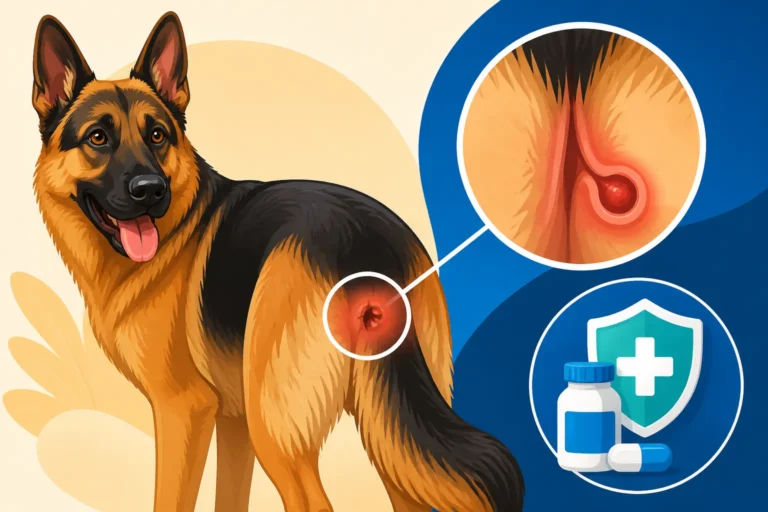
- Areas Affected: While both can cause generalized itching, environmental allergies often present with itching predominantly on the paws, belly, armpits, and around the face. Food allergies can also hit these areas hard, but they might also show up more intensely around the anus or with more severe, persistent ear issues.
- Onset of Symptoms: Environmental allergies can appear at any age but often manifest between 1-3 years old. Food allergies can also start at any age, even in puppies, and can sometimes develop after years of eating the same food.
- Gastrointestinal Symptoms: This is a big differentiator. If your GSD is experiencing both skin issues and consistent gastrointestinal upset (like diarrhea, vomiting, or excessive gas), a food allergy is much more likely to be the primary culprit than an environmental allergy. Environmental allergies rarely cause significant digestive problems. When looking at your dog's overall health, it's good to consider broader topics like German Shepherd Health Problems Guide to ensure you're not missing other potential issues.
Other Skin Conditions and Digestive Problems
Beyond environmental allergies, several other conditions can mimic food allergy symptoms, both dermatological and gastrointestinal.
- Flea Allergy Dermatitis (FAD): Even a single flea bite can cause an intensely itchy reaction in dogs with FAD. The itching is usually concentrated around the tail base, hindquarters, and inner thighs. If your German Shepherd is itching, your vet will almost always rule out fleas first, as it's a relatively easy fix with proper flea prevention. Always ensure your dog is on a good flea and tick preventative, as even an indoor dog can pick them up.
- Mites (Scabies, Demodex): Mites can cause severe itching, hair loss, and skin irritation. These are parasitic and require specific veterinary treatment. Unlike food allergies, mites are usually contagious (for scabies) and can be diagnosed with skin scrapings.
- Bacterial or Yeast Infections: Often, these are secondary to allergies (food or environmental), but they can also occur independently and cause itching, redness, and odor. A vet can diagnose these with skin cytology and prescribe appropriate antibiotics or antifungals.
- Gastrointestinal Parasites: Worms or other intestinal parasites can cause vomiting, diarrhea, weight loss, and general discomfort, mimicking digestive signs of food allergies. Regular deworming and stool sample checks are essential.
- Inflammatory Bowel Disease (IBD): IBD is a chronic condition where inflammatory cells infiltrate the lining of the GI tract, leading to persistent vomiting, diarrhea, weight loss, and poor appetite. While diet often plays a role in managing IBD, it's a distinct condition from a straightforward food allergy, though food allergies can exacerbate it.
- Exocrine Pancreatic Insufficiency (EPI): As mentioned earlier, EPI is a condition specific to German Shepherds where the pancreas doesn't produce enough digestive enzymes. This leads to maldigestion and malabsorption, causing chronic diarrhea, weight loss, and a ravenous appetite despite eating. It’s vital to get a specific diagnosis for issues like EPI, which can be done through a simple blood test. Our guide on German Shepherd EPI: Symptoms and Treatment provides more detail on this important condition.
The bottom line is that any persistent health issue warrants a trip to the veterinarian. A thorough examination, coupled with a detailed history from you, is the only way to begin to unravel the mystery of your GSD's discomfort.
Taking Action: What to Do When You Suspect a Food Allergy
Suspecting your German Shepherd has a food allergy is a stressful realization, but it's also the first step toward getting them relief. The good news is that once identified, food allergies are generally manageable through dietary changes. However, it requires a methodical approach, patience, and close collaboration with your veterinarian.
Consulting Your Veterinarian
Your vet is your most important ally in this process. Don't try to diagnose or treat a suspected food allergy on your own. There are too many variables and potential misdiagnoses that could lead to prolonged suffering for your dog.
- Thorough Examination and History: Your vet will conduct a full physical examination, looking closely at your German Shepherd's skin, ears, and overall condition. Be prepared to provide a detailed history, including when symptoms started, their frequency, what food your dog eats (including treats and table scraps!), their vaccination history, and any previous treatments. This comprehensive approach helps them rule out other conditions.
- Ruling Out Other Causes: Before jumping to a food allergy diagnosis, your vet will likely want to rule out other common issues. This might involve skin scrapings to check for mites, cytology to identify yeast or bacterial infections, and a stool sample to check for parasites. Blood tests might also be suggested to check for underlying systemic issues or to assess general health, which could influence treatment choices. This is especially important for conditions such as German Shepherd Thyroid Problems, which can also present with skin and coat changes.
- Discussion of Diagnostic Approach: If other causes are ruled out or deemed secondary, your vet will discuss the gold standard for diagnosing food allergies: an elimination diet. They will explain exactly how this process works and what you need to do.
Navigating veterinary costs can be daunting, especially with chronic conditions. Many owners find value in pet insurance for managing these expenses. A good pet insurance plan, like those offered by Healthy Paws, can certainly help offset some of the recurring veterinary costs, from diagnostic tests to specialized food or medications. When considering how to manage potential long-term care, thinking about options like Healthy Paws can provide much-needed financial peace of mind.
Implementing an Elimination Diet
This is the cornerstone of diagnosing a food allergy. It's not easy, but it's the most reliable method. The goal is to feed your German Shepherd a novel protein and carbohydrate source that they have never eaten before, or a hydrolyzed protein diet where the proteins are broken down into components too small to trigger an immune response.
- Choosing the Right Food: Your vet will recommend a specific "hypoallergenic" or "limited ingredient" prescription diet. These diets are carefully formulated to exclude common allergens. Examples of novel proteins might include venison, duck, rabbit, kangaroo, or even insect protein. Hydrolyzed diets, like those from Royal Canin or Hill's Science Diet, are another excellent option. It is absolutely crucial that this diet is the only thing your dog eats during the trial. No treats, no table scraps, no flavored medications, no flavored toys – nothing else. Even small amounts of an allergen can ruin the trial.
- Duration of the Trial: An elimination diet typically lasts for 8 to 12 weeks. It takes time for the old allergens to clear out of your dog's system and for the immune response to calm down. You need to be incredibly patient and consistent during this period. You should start seeing improvements in symptoms (reduced itching, better stool consistency) within 4-6 weeks, but the full 8-12 weeks is necessary for definitive results.
- Monitoring and Reintroduction (Challenge Phase): If your German Shepherd's symptoms significantly improve or resolve on the elimination diet, then it's highly likely they have a food allergy. The next step, often recommended by vets (though optional), is the "challenge phase." This involves reintroducing one old ingredient at a time (e.g., chicken, beef) back into their diet for about a week. If symptoms return, you've identified an allergen. You then remove that allergen, wait for symptoms to subside, and test another. This helps you pinpoint the exact culprits. This phase is best done under vet guidance, especially if your dog has severe reactions.
- Finding a Long-Term Solution: Once the offending ingredients are identified, you can work with your vet to find a commercially available dog food that avoids those allergens. There are many excellent Best Diet for a German Shepherd with Allergies options on the market, but reading labels carefully is paramount. Alternatively, your vet might recommend staying on the prescription hydrolyzed or novel protein diet long-term, especially if your dog has multiple allergies or very sensitive system.
Long-Term Management and Support
Managing a food allergy is a lifelong commitment, but it becomes much easier once you know what you're dealing with.
- Strict Dietary Adherence: The most important part of long-term management is sticking to the allergen-free diet. This means carefully checking all food labels, being mindful of treats (many dental chews contain common allergens), and educating family and friends about your dog's dietary restrictions.
- Addressing Secondary Issues: During the initial diagnosis and elimination diet, your vet will also treat any secondary skin infections, ear infections, or other symptoms. This might involve antibiotics, antifungals, medicated shampoos, or anti-inflammatory medications to provide immediate relief while the diet works its magic. Proper German Shepherd Dental Care Explained and German Shepherd Ear Infections: Prevention are important aspects of overall health that can also be affected by allergies.
- Regular Vet Check-ups: Even after symptoms resolve, regular check-ups are important to monitor your German Shepherd's overall health and ensure the diet is meeting all their nutritional needs. These appointments are also a good time to discuss any new concerns. As German Shepherds age, their needs change, and continuous veterinary care is key to a long and healthy life. Understanding your German Shepherd Lifespan: How Long They Live involves proactive health management.
Dealing with a German Shepherd food allergy can feel overwhelming, but with the right approach and your vet's guidance, you can help your dog live a comfortable, itch-free, and happy life. It truly is about understanding their unique needs and being a vigilant advocate for their well-being.
Disclaimer
The information provided in this article is for general informational purposes only and is not a substitute for professional veterinary advice. Always consult with a qualified veterinarian regarding any health concerns or before making any decisions about your German Shepherd's diet or treatment plan.