Is My German Shepherd Too Aggressive to Train
German Shepherd aggression management involves understanding types, assessing causes, and applying professional training to improve safety.
Work with the temperament you have.
House-training and crate work, recall, leash manners, separation anxiety, and the behaviors this breed is wired for.

German Shepherd aggression management involves understanding types, assessing causes, and applying professional training to improve safety.

German Shepherd protection training explains how to safely develop controlled defense behaviors through obedience, socialization, and professional experts.
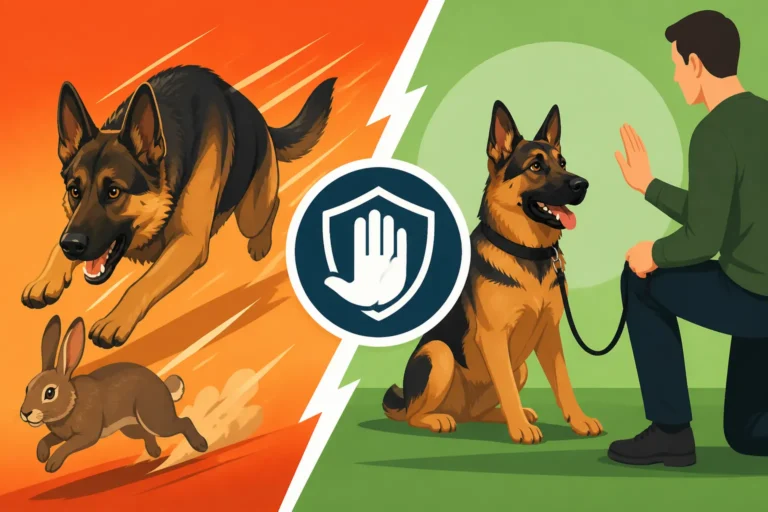
German Shepherd prey drive management strategies include early socialization, impulse control commands, and proper equipment for safe walks.
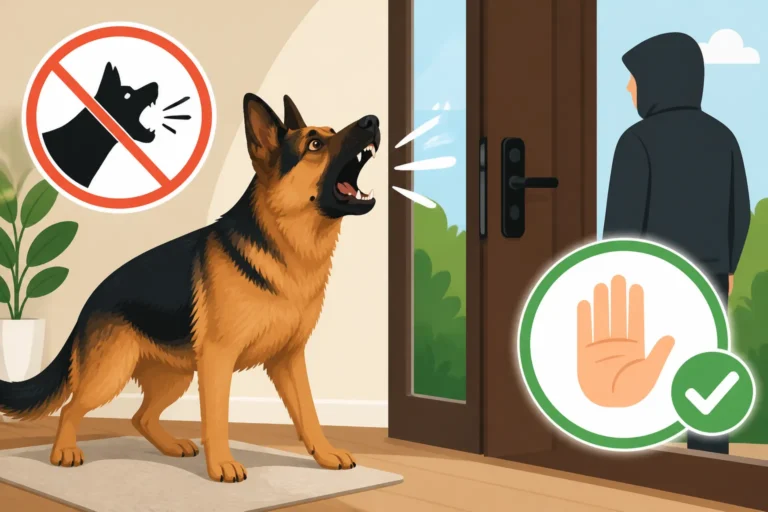
German Shepherd door barking training requires desensitization, impulse control, and commands like quiet and place to manage territorial instincts.

German Shepherd guardian instincts and fear cause stranger barking, which owners can reduce using training, socialization, and desensitization techniques.

Nighttime restlessness in German Shepherds involves addressing daily exercise needs, managing anxiety, and establishing a consistent bedtime routine.

Medical issues, pain, environmental stressors, and fear trigger sudden German Shepherd aggression, requiring veterinary checks and behavioral training.

German Shepherd adolescent development brings surging hormones and boundary-pushing challenges for owners of dogs aged six to thirty-six months.

German Shepherd potty training failures stem from erratic schedules, incomplete training, medical issues, anxiety, or territorial marking behavior.

Apartment potty training for a German Shepherd explains setup strategies, schedules, and consistency methods to ensure a clean home.