How to Stop a German Shepherd Barking at the Door
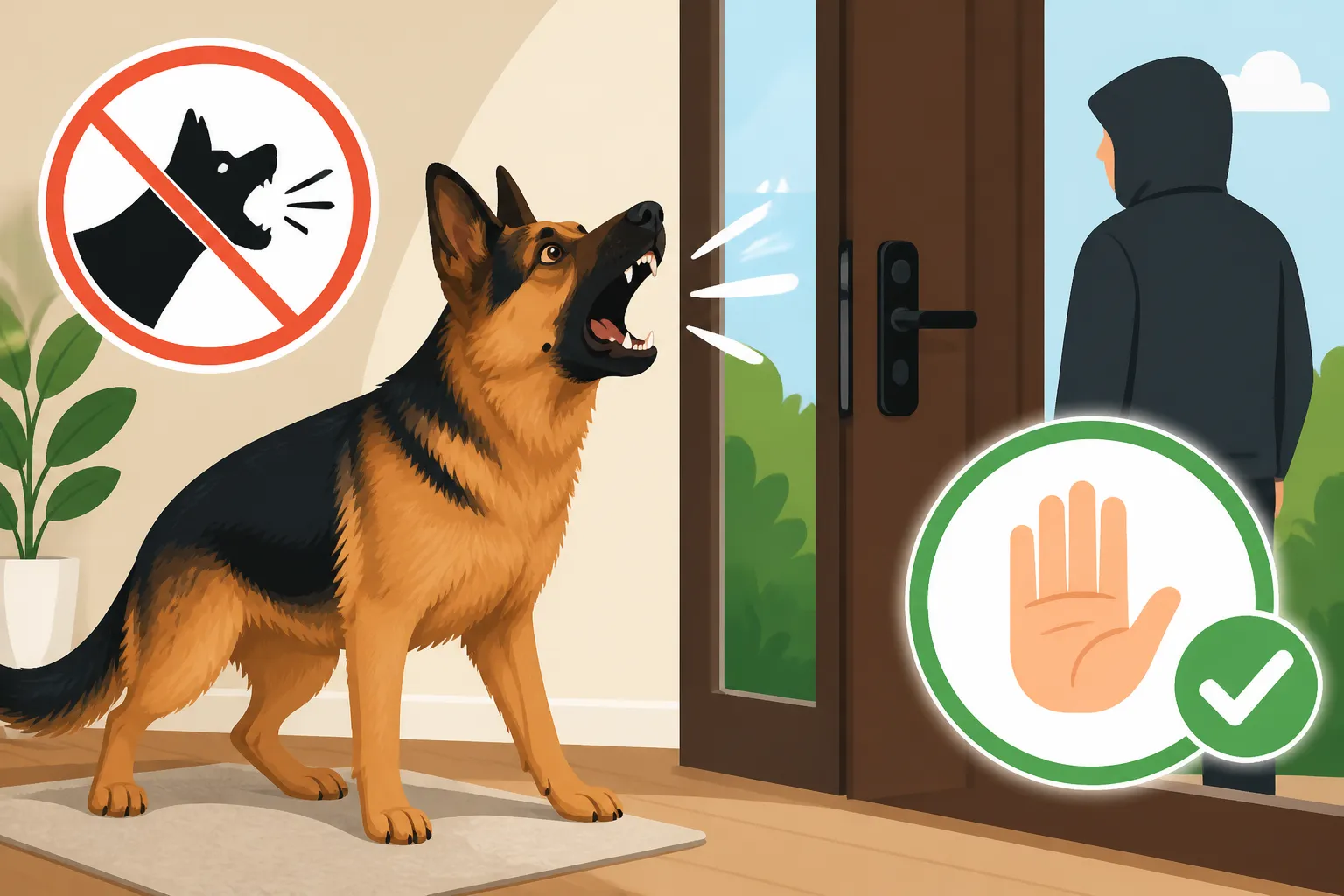
That startling, explosive bark from your German Shepherd when someone dares to approach your front door can be incredibly frustrating. It’s not just the noise; it’s the abrupt disruption, the feeling of losing control, and the worry about how visitors perceive your beloved, yet boisterous, companion. This isn't just a minor annoyance; for many German Shepherd owners, it feels like a constant battle to maintain peace and quiet. This guide is here to provide you with practical, empathetic, and detailed strategies to help you get a handle on that door-related barking, turning chaos into calm.
Understanding Why Your German Shepherd Barks at the Door
Before we can even begin to tackle the "how to stop" part, it's absolutely crucial to understand why your German Shepherd feels the need to erupt into a barking frenzy every time the doorbell rings or someone knocks. These aren't just random acts of defiance; they're rooted in instinct, learned behavior, and often, a deep sense of duty.
The Guardian Instinct and Territoriality
German Shepherds were quite literally bred to be guardians. Their lineage is steeped in protecting livestock and their human families. When someone approaches your home, whether it’s the mail carrier, a delivery driver from Amazon, or Aunt Carol, your German Shepherd sees them as an intruder to their territory – your territory. This isn't necessarily aggression, but rather a warning: "I see you, I hear you, and I am here to protect my space and my people." They truly believe they are doing their job, and that intense loyalty is part of what makes them such incredible companions.
Imagine a wolf protecting its den. Your German Shepherd carries that same primal drive, even if their "den" is a cozy living room. They perceive the approach of an unfamiliar person or even a familiar one, as a potential threat to the pack's security. This deep-seated instinct means that simply telling them "no" often won't be enough to override thousands of years of selective breeding. We need to work with this instinct, not against it, by teaching them acceptable ways to channel their protective energy.
Excitement, Fear, and Learned Behaviors
Beyond pure guardianship, several other factors contribute to door barking. Sometimes, it’s pure, unadulterated excitement. Your German Shepherd might associate the doorbell with something good happening – a new person to greet (or jump on!), or perhaps even you coming home. This over-the-top enthusiasm, while well-intentioned, can manifest as frantic barking. They might be so overwhelmed with anticipation that they can't regulate their response.
On the flip side, some German Shepherds bark out of fear or anxiety. If they've had a negative experience with a stranger or they simply aren't well-socialized, a knock on the door can trigger a defensive reaction. They might feel vulnerable, and barking becomes their way of trying to make the "threat" go away. Lastly, and perhaps most commonly, door barking can be a learned behavior. If every time your dog barks, you rush to the door, shout at them, or even just pay them attention (even negative attention), they learn that barking works to get your attention or to make the perceived threat (the visitor) eventually leave. They've effectively trained you without you even realizing it. This cycle can be incredibly tough to break, but it's far from impossible.
Laying the Groundwork: Essential Obedience Commands
Addressing door barking isn't about quick fixes; it's about building a strong foundation of obedience and trust. Without these basic commands firmly in place, any specific training for door barking will feel like trying to build a house on sand. Your goal is to give your German Shepherd clear alternatives to barking and to teach them self-control.
Teaching a Reliable "Quiet" Command
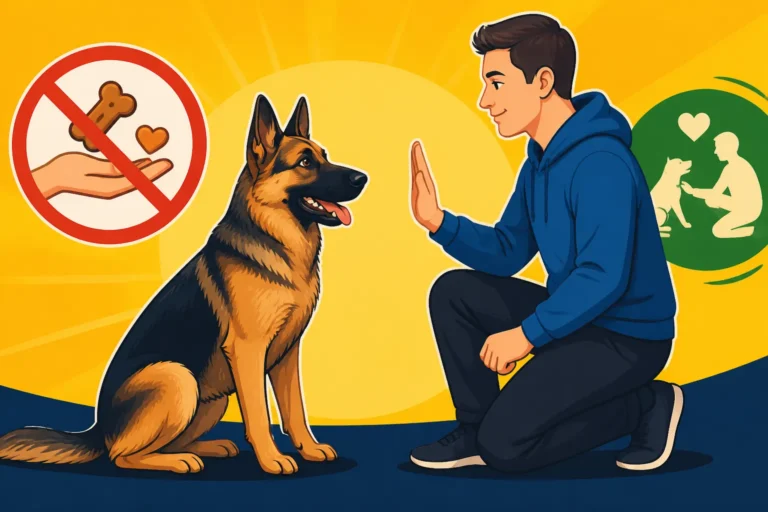
The "Quiet" command is your absolute first line of defense against excessive barking. This isn't just about yelling "Quiet!" when your dog barks; it's about systematically teaching them what "quiet" actually means. Start in a calm environment, perhaps by having someone gently knock on an interior door, or even create a small, easily manageable noise that usually triggers a bark. The moment your dog barks, let them get one or two barks out, then immediately place a treat at their nose or make a kissing sound to interrupt the bark, and say "Quiet!" in a firm but calm tone. The instant they stop barking for even a second, praise them enthusiastically and give them the treat.
Repeat this process many, many times. The key is to catch that moment of silence. Over time, you'll extend the duration of the silence before rewarding. Gradually, introduce more realistic triggers, like a soft doorbell ring (you can even use recordings from your phone or an app for this). The goal is for "Quiet!" to become a cue for them to choose silence, not just to momentarily stop barking due to your interruption. Remember, consistency across all family members is paramount; everyone needs to use the same command and reward system. For more detailed training methods, you might explore resources like those offered by BAXTER & Bella, which often provide structured online programs for core obedience.
Mastering the "Place" or "Mat" Command
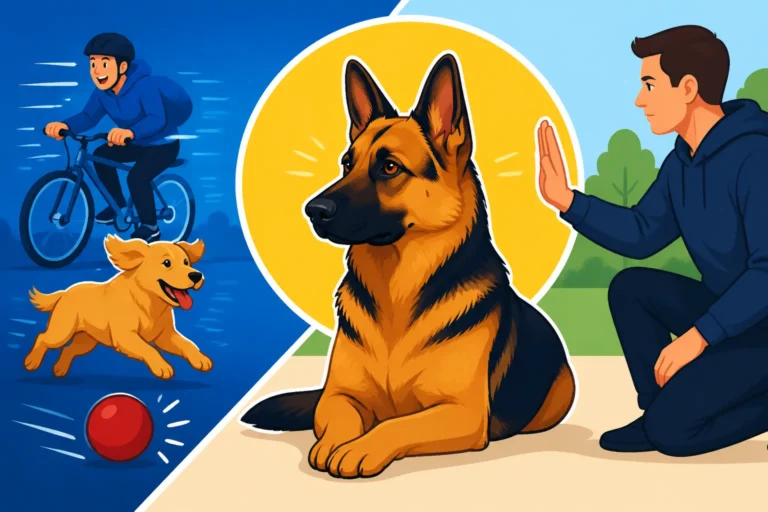
The "Place" command is a game-changer for door behavior. This command teaches your German Shepherd to go to a designated spot – a bed, a mat, or a crate – and remain there until released. This gives them a clear job to do when a visitor arrives, redirecting their focus from the door to their "place." Start by luring your dog onto their mat with a treat, saying "Place." Once they are on it, reward them. Gradually increase the time they stay on the mat, rewarding them for staying calm.
Practice "Place" in various scenarios and with increasing distractions. Begin with you walking around the room, then leaving the room for short periods. Eventually, you'll practice with the doorbell ringing or a soft knock. The beauty of the "Place" command is that it provides both physical and mental structure. It gives your German Shepherd a safe, predictable routine during potentially exciting or stressful situations, helping to reduce anxiety and over-arousal. A German Shepherd who knows their "place" can be a much calmer, more manageable dog when guests arrive. It’s also incredibly useful for general household manners and teaching your dog to settle.
Impulse Control Training
Impulse control is at the heart of stopping unwanted behaviors like door barking. This involves teaching your German Shepherd to wait, to resist immediate gratification, and to look to you for guidance. Exercises like "leave it" and "wait" are invaluable. "Leave it" teaches your dog to ignore a tempting item until you give permission, while "wait" teaches them to pause before going through a door or eating their food.
Practice "leave it" by placing a low-value treat on the floor and covering it with your hand. When your dog tries to get it, say "Leave it!" and keep your hand covering it. The moment they back away or look at you, reward them with a higher-value treat from your other hand. Gradually increase the difficulty by using more tempting items and less direct supervision. For "wait," practice before meals, before going out the door for a walk, or before getting out of the car. These small exercises build up their ability to control their impulses, which directly translates to them being able to control their urge to bark and lunge at the door. Think of it as teaching them to take a breath and think before reacting, a skill that's vital for a well-behaved companion. Establishing strong obedience is crucial for managing German Shepherd behavior problems and solutions.
Active Training Strategies to Stop Door Barking
Once your German Shepherd has a solid understanding of basic commands like "Quiet" and "Place," you can start implementing specific, targeted training strategies to directly address door barking. This phase involves a combination of desensitization, counter-conditioning, and active management to reshape their response to visitors.
Desensitization to Door Sounds
Desensitization means gradually exposing your German Shepherd to the triggers that cause them to bark, but at such a low intensity that they don't react. The goal is to make the sound of a doorbell or a knock mundane and uninteresting. Start by recording your doorbell or a knocking sound on your phone, or find a similar sound online (Amazon sells devices that can do this too, sometimes disguised as "bark deterrents" but useful for training). Play the sound at an extremely low volume, so quiet that your dog barely notices it, or hears it but doesn't react. The moment they hear it and don't bark, reward them calmly with a treat.
Repeat this many times over several sessions, gradually increasing the volume, but only to a point where your dog remains calm. If they start to react, you've gone too fast; go back to a lower volume. The idea is to slowly build their tolerance without ever pushing them over their threshold. You want them to associate the sound with neutrality, or even better, with positive experiences. This methodical approach helps to prevent their arousal levels from spiking, which is key to a calmer German Shepherd.
Counter-Conditioning with Positive Reinforcement
Counter-conditioning goes hand-in-hand with desensitization. It's not just about making the doorbell less scary or exciting; it's about creating a new, positive association with it. While you're playing the doorbell sound at low volumes, immediately follow the sound with a high-value treat or a favorite toy. The sequence is: doorbell sound -> treat. Repeat, repeat, repeat. Over time, your German Shepherd will start to hear the doorbell and anticipate a treat, rather than feeling the urge to bark.
You're literally changing their emotional response from "intruder alert!" to "treat is coming!" This needs to be practiced hundreds of times. Eventually, you can incorporate a knock on the door, then a gentle ring, then an actual visitor. Always reward for calm behavior. If they bark, the "treat opportunity" disappears. If they remain calm, they get the reward. This process can be slow, but it's incredibly effective because it re-wires their brain to respond differently. For a comprehensive German Shepherd puppy training guide, you'll often find these techniques as core components.
Managing Arrivals and Visitor Greetings
Even with excellent training, managing actual arrivals is crucial. Don't let your German Shepherd greet visitors at the door when they're in an over-aroused state. This only reinforces the idea that barking leads to interaction. Instead, implement a management plan. Use a baby gate to create a barrier to the front door, or put your dog in their crate with a long-lasting chew toy (like a Kong filled with frozen peanut butter) before the guest arrives. If you don't have a specific "place" for them, consider crating them while you answer the door.
When a guest arrives, keep your dog away from the immediate door area. Give them their "Place" command or secure them behind a gate. Once the visitor is inside and settled, and your dog has calmed down, then you can allow for a controlled, calm greeting. If your dog gets too excited or starts barking again, calmly remove them from the situation and try again after a few minutes of settling. The goal is to teach them that calm behavior earns them access to good things, like greeting guests, while frantic barking does not. This is a vital step in how to train a German Shepherd to exhibit polite manners.
Tools, Aids, and Everyday Management Techniques
Sometimes, even with the best training intentions, we need a little help from external tools and clever management techniques to support our German Shepherds and our sanity. These aids aren't substitutes for training, but rather valuable additions to your overall strategy.
Environmental Management and Visual Barriers
One of the simplest, yet most effective, ways to reduce door barking is to manage your German Shepherd's environment. If they can't see what's happening outside, they often have less to bark at. Consider opaque window film for windows near the door, or simply keep blinds and curtains closed during times when delivery services or neighbors are most active. Many German Shepherds are highly visually stimulated, and removing that visual trigger can dramatically decrease their barking frequency.
You can also use baby gates to physically block access to the front door area. This creates a safe zone for your dog further back in the house, where they can still hear but are less directly impacted by the arrivals. A dog cannot bark at the door if they cannot physically access the door. This separation allows you to answer the door calmly without your dog creating a spectacle. This strategy is particularly helpful while you are actively working on desensitization and counter-conditioning.
Smart Doorbells and White Noise Machines
Technology can be a real ally in managing door barking. Smart doorbells, like those from Ring or Google Nest, allow you to speak to visitors through the app, often before they even ring the bell. You can ask delivery people to leave packages without ringing, or to text you instead. This gives you more control over the initial trigger. Some smart doorbells also have "quiet modes" that only send notifications to your phone, avoiding the actual chime entirely.
White noise machines or even just a radio playing softly can help mask external sounds that might trigger your German Shepherd. If they can't distinctly hear the footsteps on the porch or the faint murmur of voices, they might be less inclined to react. Place these near the front of the house or in the room where your dog usually barks. This subtly changes their auditory environment, reducing potential triggers without relying on harsh deterrents.
Calming Aids and Puzzle Toys
For some German Shepherds, especially those with underlying anxiety or high arousal, calming aids can provide subtle support. These might include pheromone diffusers (like Adaptil), calming supplements (always consult your vet first!), or even ThunderShirts, which apply gentle, constant pressure to help dogs feel more secure. While these won't "cure" barking, they can help lower your dog's overall stress level, making them more receptive to training.
Puzzle toys, especially those filled with high-value treats, are excellent for redirection and mental stimulation. When you know a visitor is coming, or if you're working on door training, give your German Shepherd a challenging puzzle toy. This engages their brain and mouth in a positive, calming activity, diverting their attention away from the door. A frozen Kong, a LickiMat with some peanut butter, or a snuffle mat can keep them occupied and happy, making them less likely to react to external stimuli. These are also great tools for German Shepherd separation anxiety solutions.
Here's a quick comparison of various strategies:
| Strategy | Description | Pros | Cons |
|---|---|---|---|
| "Quiet" Command | Teaches dog to stop barking on cue. | Direct, empowers owner, works for various barking triggers. | Requires consistent training, difficult during high arousal. |
| "Place" Command | Teaches dog to go to and stay on a designated spot. | Provides an alternative behavior, creates structure, reduces jumping. | Requires prior training, dog may still whine/grumble on "place." |
| Desensitization | Gradually exposes dog to triggers at low intensity. | Addresses root cause, reduces fear/excitement. | Time-consuming, requires careful observation of dog's threshold. |
| Counter-Conditioning | Creates positive association with triggers (e.g., doorbell = treat). | Changes emotional response, builds positive associations. | Requires consistent rewards, can be slow. |
| Environmental Mgmt. | Using barriers (gates, curtains) to block access or views. | Immediate reduction in triggers, simple to implement. | Doesn't train behavior, only manages it; dog may still bark at sounds. |
| Smart Doorbells | Digital control over doorbell chime, communication with visitors. | Reduces initial trigger, convenient, customizes visitor interaction. | Technology-dependent, doesn't address internal drive to bark. |
| Puzzle Toys | Redirects dog's focus to a rewarding activity. | Positive distraction, mentally stimulating, reduces boredom. | Only effective if dog is engaged, not a training solution on its own. |
The Long Game: Consistency, Patience, and Realistic Expectations
Tackling door barking in a German Shepherd is rarely a quick fix. It's a journey that requires unwavering commitment, endless patience, and a healthy dose of realistic expectations. Your German Shepherd isn't trying to annoy you; they're acting on instinct and learned patterns, and changing those patterns takes time and dedication.
The Power of Routine and Consistency
Dogs thrive on routine and predictability. Establishing a consistent routine around door encounters is paramount. Every single family member, and anyone who interacts with your dog regularly, needs to be on the same page. Use the exact same commands, the same reward system, and the same management techniques every single time. If one person allows barking and another tries to correct it, your German Shepherd will become confused and progress will halt. This means consistently using "Quiet," "Place," and rewarding calm behavior, every time the door is a factor.
Consistency also means not giving up after a few days or weeks. This behavior has likely been ingrained over months or even years. It took time to develop, and it will take time to undo. Think of it like teaching a new language; you wouldn't expect fluency overnight. German Shepherds are incredibly intelligent, but they need clear, consistent communication to understand what's expected of them. For ongoing support in your training journey, a structured program like those from BAXTER & Bella can offer guidance and consistency through various training challenges, including how to handle German Shepherd excessive barking issues.
Celebrating Small Victories and Managing Setbacks
There will be days when you feel like you've made huge strides, and then there will be days when your German Shepherd barks at a leaf blowing past the window, and you feel utterly defeated. This is normal. It's crucial to celebrate the small victories – the time they only barked twice instead of ten times, the moment they went to their "Place" without being told, or the instant they looked at you after a soft knock instead of lunging. These are signs of progress, even if they seem minor.
Setbacks are not failures; they are opportunities to learn and adjust your approach. If your German Shepherd regresses, it might mean you're progressing too quickly, or there's an environmental factor you haven't accounted for. Don't punish barking after the fact; it's ineffective and can damage your bond. Instead, focus on redirecting and rewarding the desired behavior in the moment. Remember that every dog is an individual, and their learning pace will vary. Patience is not just a virtue here; it's a fundamental requirement. You can find more targeted advice on how to train an adult German Shepherd by focusing on these principles of consistency and positive reinforcement.
The Importance of Exercise and Mental Stimulation
A tired German Shepherd is often a well-behaved German Shepherd. These dogs are high-energy, intelligent working breeds. If they're not getting enough physical exercise or mental stimulation, they're more likely to develop unwanted behaviors like excessive barking, digging, or chewing. Ensure your dog is getting adequate daily exercise, which for a German Shepherd often means more than just a quick walk around the block. Think brisk walks, running, fetch, or even structured play sessions.
Just as important is mental stimulation. German Shepherds love to work their brains. Incorporate daily training sessions, engage them with puzzle toys, or teach them new tricks. Even a few minutes of training a day can make a significant difference in their overall calmness and responsiveness. A dog whose needs are met physically and mentally is less likely to be over-aroused and reactive to common triggers like the doorbell. If your German Shepherd is still struggling, check out resources on the best mental stimulation for German Shepherds to ensure their brains are being adequately challenged.
Disclaimer
The information provided in this article is for general informational purposes only and is not a substitute for professional veterinary advice, diagnosis, or treatment. Always seek the advice of your veterinarian or other qualified animal health provider with any questions you may have regarding a medical condition or training issue.