How to Prevent Hip Arthritis in German Shepherds
It’s a heartbreaking sight for any German Shepherd owner: watching your once vibrant, energetic companion slow down, struggle to get up, or limp after a short walk, all because of the relentless march of hip arthritis. The pain, the stiffness, the loss of joy in their movement – it’s a heavy burden we wish we could lift. This comprehensive guide isn't just about understanding this common condition; it's about empowering you with proactive, practical strategies to prevent hip arthritis in your German Shepherd, ensuring they enjoy a life of comfort and mobility for as long as possible.
Understanding German Shepherd Hip Arthritis
When we talk about hip arthritis in our beloved German Shepherds, we're often talking about the long-term, painful consequences of another condition: hip dysplasia. It’s a vicious cycle, and knowing what you’re up against is the first step in prevention.
What is Hip Arthritis and Why German Shepherds are Prone?
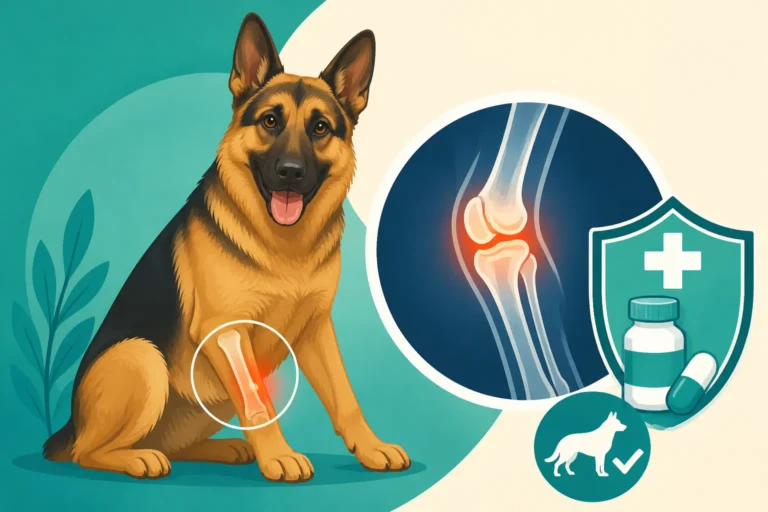
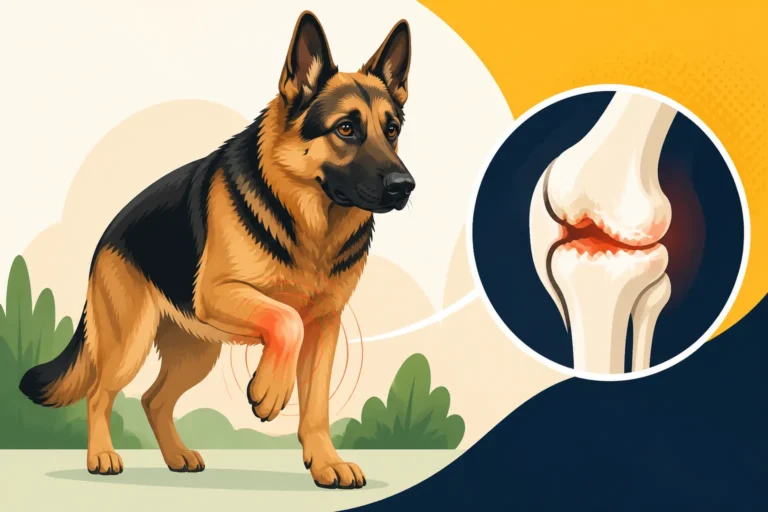
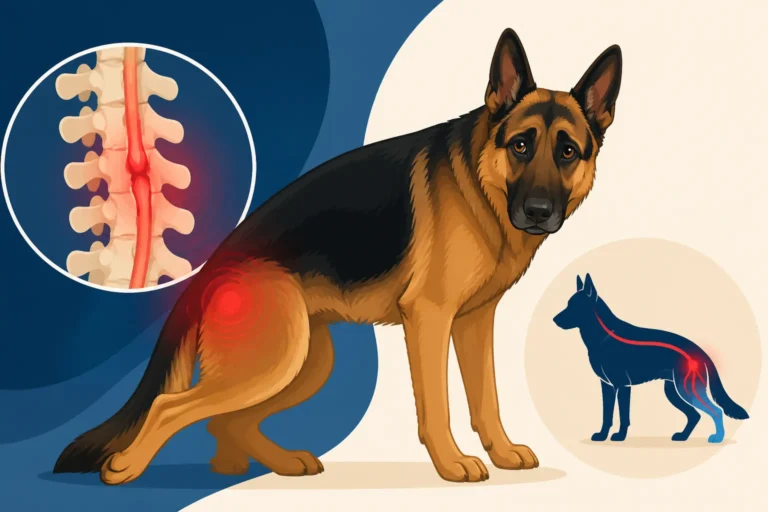
At its core, hip arthritis, or osteoarthritis, is the painful inflammation and degeneration of the hip joint. Imagine a well-oiled machine where the parts are perfectly aligned and glide smoothly. Now imagine those parts starting to grind, wear down, and become rough. That’s essentially what happens with arthritis. The protective cartilage that cushions the ends of the bones erodes, leading to bone-on-bone friction, pain, stiffness, and reduced mobility.
German Shepherds, unfortunately, are genetically predisposed to hip dysplasia, a condition where the hip joint doesn't form correctly. Instead of a smooth, snug fit between the ball (femoral head) and socket (acetabulum) of the hip, there’s looseness or malformation. This instability causes the joint components to rub and grind over time, accelerating the breakdown of cartilage and leading directly to the development of painful hip arthritis. It’s not a matter of if a dysplastic hip will develop arthritis, but when and how severely. This genetic predisposition is why focusing on prevention from the earliest stages of their life is absolutely critical. You can learn more about this foundational issue in our guide on German Shepherd Hip Dysplasia Explained.
Recognizing the Early Signs
Catching the signs of hip arthritis early can make a huge difference in managing the condition and slowing its progression. It's easy to dismiss subtle changes as just "getting older" or "overdoing it," but a keen eye can spot the whispers of discomfort before they become shouts of pain.
One of the most common early indicators is a noticeable stiffness, particularly after rest. Your German Shepherd might struggle to stand up after a nap, or seem a bit wobbly on their hind legs first thing in the morning. They might be reluctant to jump into the car, climb stairs, or even stand on their hind legs for a treat, activities they once performed with ease. You might observe a subtle limp, especially after exercise, or notice them shifting their weight more to their front legs. Another classic sign that many owners report is a "bunny hopping" gait when they run, where both hind legs move together rather than independently. This is often a subconscious way for them to minimize pain in one or both hips. Keep an eye out for changes in their demeanor too – a once playful dog might become more withdrawn or even a little grumpy due to chronic discomfort. If you suspect your German Shepherd is experiencing pain, our article on How to Tell If a German Shepherd Is in Pain offers more detailed guidance.
Early Life Foundations for Hip Health
Preventing hip arthritis in German Shepherds truly begins long before they become part of your family. The choices made by breeders, and the care provided during their critical puppyhood, lay the groundwork for a lifetime of hip health.
Responsible Breeding and Genetic Screening
This is perhaps the single most important factor in preventing hip arthritis stemming from hip dysplasia. A reputable German Shepherd breeder will prioritize health over aesthetics or quick profits. They understand the breed's genetic vulnerabilities and take proactive steps to minimize the risk in their litters.
Responsible breeders will rigorously screen their breeding dogs for hip and elbow dysplasia using recognized certifications like those from the Orthopedic Foundation for Animals (OFA) or the PennHIP evaluation. These evaluations assess the structural integrity and laxity of the hip joints. You should always ask to see the OFA or PennHIP certificates for both parents of a puppy you're considering. Look for "Good" or "Excellent" hip ratings from OFA, or PennHIP scores well within the breed average. A breeder who dismisses these tests or claims their dogs don't have issues because they've "never seen it" is a massive red flag. Avoiding dogs from lines with a history of hip dysplasia drastically reduces the likelihood of your puppy developing the condition and, consequently, debilitating arthritis later in life. Our detailed guide on German Shepherd Genetic Health Testing provides invaluable information on what to look for and how to interpret these critical health clearances. This upfront investment in a puppy from health-tested parents can save you untold heartache and significant veterinary costs down the line.
Puppy Nutrition and Controlled Growth
It might sound counterintuitive, but feeding a large-breed puppy too much or the wrong kind of food can actually contribute to developmental orthopedic diseases, including hip dysplasia and subsequent arthritis. German Shepherd puppies grow incredibly fast, and their bones, joints, and cartilage need to develop at a steady, controlled pace.
The key here is choosing a high-quality large breed puppy food that is specifically formulated for slow growth. These foods typically have a carefully balanced calcium-to-phosphorus ratio and moderate protein and fat levels, designed to prevent excessively rapid growth spurts. Avoid generic puppy foods or those meant for small to medium breeds, as they might have higher calorie counts and mineral levels that can over-accelerate bone growth, putting undue stress on developing joints. Overfeeding, in general, regardless of the food type, adds extra weight that stresses immature joints. Stick strictly to the feeding guidelines provided by the food manufacturer, adjusting for your puppy's activity level and individual needs, and resist the urge to let your puppy get chunky. A lean puppy is a healthy puppy when it comes to joint development. Many owners find it helpful to consult their vet to ensure they're on the right feeding schedule and portion sizes. We dive deeper into appropriate feeding in our German Shepherd Puppy Feeding Schedule guide.
Appropriate Exercise and Activity Levels
Just like nutrition, exercise during puppyhood is a delicate balance. German Shepherds are energetic dogs, and it’s natural to want to play endlessly with your new pup. However, excessive, high-impact exercise during their crucial growth phases can do more harm than good to their developing joints.
During the first year to 18 months of a German Shepherd's life, their growth plates (soft areas at the ends of bones) are still open and vulnerable. Repetitive, strenuous activities like long-distance running, intense agility drills, jumping from heights, or prolonged wrestling with other large dogs can damage these delicate growth plates and put immense stress on their developing hip joints. Instead, focus on short, controlled play sessions on soft surfaces, gentle walks, and mental stimulation. Think more about quality than quantity. Swimming is an excellent low-impact exercise that builds muscle without stressing joints. As they mature, you can gradually increase the intensity and duration of exercise, but always monitor their response. Never force a puppy to exercise beyond their willingness, and make sure they have plenty of opportunities for rest. Understanding German Shepherd Growth Plates and Exercise can help you make informed decisions about your puppy's activity.
Ongoing Care and Management Strategies
Even with the best start in life, preventing hip arthritis in German Shepherds requires consistent, mindful care throughout their adult years. It’s an ongoing commitment to their well-being.
Maintaining a Healthy Weight
This is a non-negotiable aspect of joint health, regardless of breed, but especially for large breeds like German Shepherds. Every extra pound your dog carries puts additional stress and strain on their joints, accelerating cartilage breakdown and exacerbating any underlying joint issues. For a dog genetically prone to hip problems, obesity is a direct highway to painful hip arthritis.
Regularly monitor your German Shepherd's weight and body condition. You should be able to easily feel their ribs without pressing hard, and they should have a visible waistline when viewed from above. If you’re struggling to feel those ribs or see a defined waist, it’s time to adjust their diet and increase their appropriate exercise. This often means carefully measuring food portions, avoiding excessive treats, and choosing a high-quality food that provides complete nutrition without excess calories. Your veterinarian can help you determine an ideal weight range for your dog and recommend a suitable feeding plan. Think of it this way: keeping your German Shepherd lean is like giving their hips a permanent vacation from unnecessary pressure. Maintaining an optimal weight is a cornerstone of How to Keep a German Shepherd Healthy.
Balanced Nutrition and Supplements
While a healthy weight is paramount, the right nutrition goes beyond just calorie control. A diet rich in anti-inflammatory ingredients and fortified with joint-supporting supplements can play a significant role in preventing or slowing the progression of hip arthritis.
Look for dog foods that include ingredients known to support joint health, such as Omega-3 fatty acids (from fish oil), glucosamine, and chondroitin. Beyond their diet, many German Shepherd owners choose to incorporate specific joint supplements. Glucosamine and chondroitin work synergistically to help maintain the health and elasticity of cartilage, while MSM (methylsulfonylmethane) can help reduce inflammation and pain. Omega-3s, particularly EPA and DHA found in fish oil, are powerful natural anti-inflammatories that can soothe existing joint discomfort and protect against further damage. Brands like Nutramax Dasuquin and Cosequin are widely respected in the veterinary community for their quality and efficacy. Always discuss any supplements with your veterinarian before adding them to your dog's routine to ensure appropriate dosing and to avoid potential interactions with other medications. The market is flooded with options, so choosing wisely is key. We have a dedicated resource on German Shepherd Joint Health Supplements that might help you navigate these choices.
| Supplement Type | Key Benefits | Common Sources |
|---|---|---|
| Glucosamine | Supports cartilage repair, reduces degradation | Shellfish extracts, synthetic |
| Chondroitin Sulfate | Improves cartilage elasticity, inhibits enzymes | Bovine/porcine cartilage, shark cartilage |
| MSM | Anti-inflammatory, pain relief, supports collagen | Plant-derived, synthetic |
| Omega-3 Fatty Acids | Powerful anti-inflammatory, improves joint lubrication | Fish oil (salmon, mackerel), flaxseed oil |
| Hyaluronic Acid (HA) | Improves joint fluid viscosity, acts as a shock absorber | Fermentation, rooster combs |
Regular Veterinary Check-ups and Monitoring
Even if your German Shepherd seems perfectly healthy, consistent veterinary care is crucial for early detection and proactive management of potential hip issues. Your vet is your best partner in this prevention journey.
Annual (or semi-annual for older dogs) check-ups allow your veterinarian to assess your dog’s gait, palpate their joints, and discuss any subtle changes you might have noticed. They can identify early signs of lameness, muscle atrophy, or discomfort that might indicate the onset of arthritis. In some cases, your vet might recommend X-rays to get a clearer picture of their hip health, especially if there's any suspicion of issues. Early detection means earlier intervention, which can significantly slow the progression of arthritis and improve your dog's quality of life. Your vet can also guide you on appropriate exercise levels, diet adjustments, and the introduction of preventative supplements. They can also advise on things like German Shepherd Vaccination Schedule and other routine health measures that contribute to overall well-being. Having a good pet insurance plan, like those offered by Healthy Paws, can be incredibly beneficial here, helping to cover the costs of regular diagnostics, medications, and potential therapies associated with managing a chronic condition like arthritis, allowing you to prioritize your dog's health without financial strain.
Lifestyle Adjustments for Senior German Shepherds
As German Shepherds age, even those with excellent hip health might start to experience some natural wear and tear. For those already battling early signs of arthritis, specific lifestyle adjustments become even more critical to maintain comfort and mobility. This is where your love and dedication really shine through.
Adapting Exercise Routines
The kind of exercise your senior German Shepherd needs is vastly different from their puppy or adult years. While activity is still vital to keep muscles strong and joints flexible, high-impact activities can quickly become detrimental.
Think gentle and consistent rather than intense. Shorter, more frequent walks are often better than one long excursion that leaves them stiff and sore. Uneven terrain and slippery surfaces should be avoided, as they can lead to slips and falls that exacerbate joint pain. Swimming remains an outstanding option for senior dogs with arthritis, as the buoyancy supports their weight, reducing stress on their hips while still allowing them to build and maintain muscle mass. Off-leash time in a securely fenced, flat grassy area can also provide enrichment and gentle movement. The goal is to keep them moving comfortably, not to push them to their physical limits. Pay close attention to their cues: if they lag behind, limp, or seem reluctant, it’s time to stop and rest. Adapting to their changing needs is a huge part of providing good German Shepherd Senior Care Guide.
Creating a Joint-Friendly Home Environment
Your home environment can profoundly impact your senior German Shepherd's comfort and mobility, especially if they are dealing with hip arthritis. Small changes can make a world of difference.
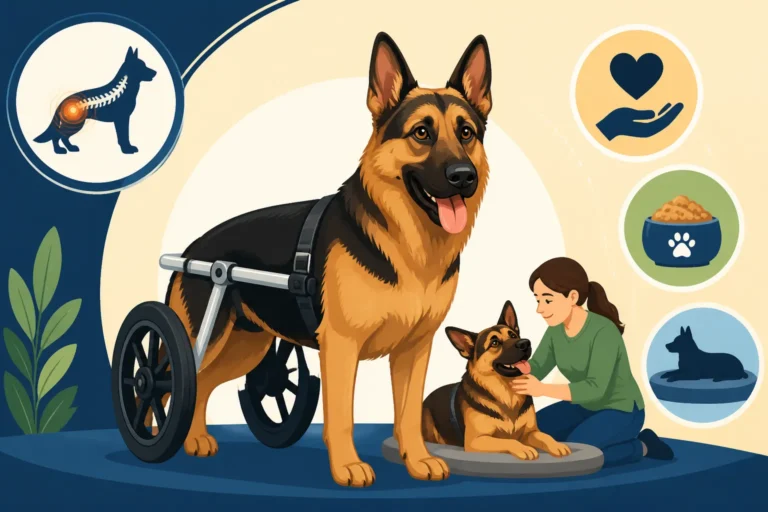
Invest in orthopedic dog beds that provide ample support and cushioning for their joints. These beds distribute weight evenly, relieving pressure points and making rest more comfortable. Look for memory foam or supportive foam options. Consider using ramps to help them access elevated areas like the car or furniture, rather than forcing them to jump, which can be painful and dangerous. Place non-slip rugs or runners on hard, slippery floors (like hardwood or tile) to provide better traction, reducing the risk of falls and making it easier for them to stand up and move around. Elevated food and water bowls can also alleviate strain on their neck and front joints by allowing them to eat and drink in a more natural, comfortable posture. If stairs are unavoidable, consider supervising them closely or, if possible, restricting access to reduce repetitive strain.
Physical Therapy and Alternative Treatments
When arthritis does set in, or as a preventative measure in aging dogs, a combination of traditional veterinary care and supportive therapies can make a significant impact on your German Shepherd's quality of life.
Your veterinarian might recommend physical therapy exercises designed to strengthen supporting muscles around the hips, improve range of motion, and reduce pain. This often includes controlled movements, gentle stretching, and balance exercises. Hydrotherapy, performed in a specialized underwater treadmill or pool, is particularly beneficial as it allows your dog to exercise without the full impact of gravity. Other alternative therapies, such as acupuncture, can help manage pain and inflammation by stimulating specific points on the body. Laser therapy (cold laser) is another non-invasive option that uses light to reduce pain and promote healing at a cellular level. Therapeutic massage can also improve circulation and flexibility. Discuss these options with your vet, who can help you develop a comprehensive pain management and mobility plan tailored to your German Shepherd's specific needs. While the costs for these therapies can add up, having a pet insurance plan like Healthy Paws can provide considerable financial relief, allowing you to explore the best possible treatments to keep your furry friend comfortable and active for longer. It's truly a game-changer for long-term chronic care.
Final Thoughts on Prevention
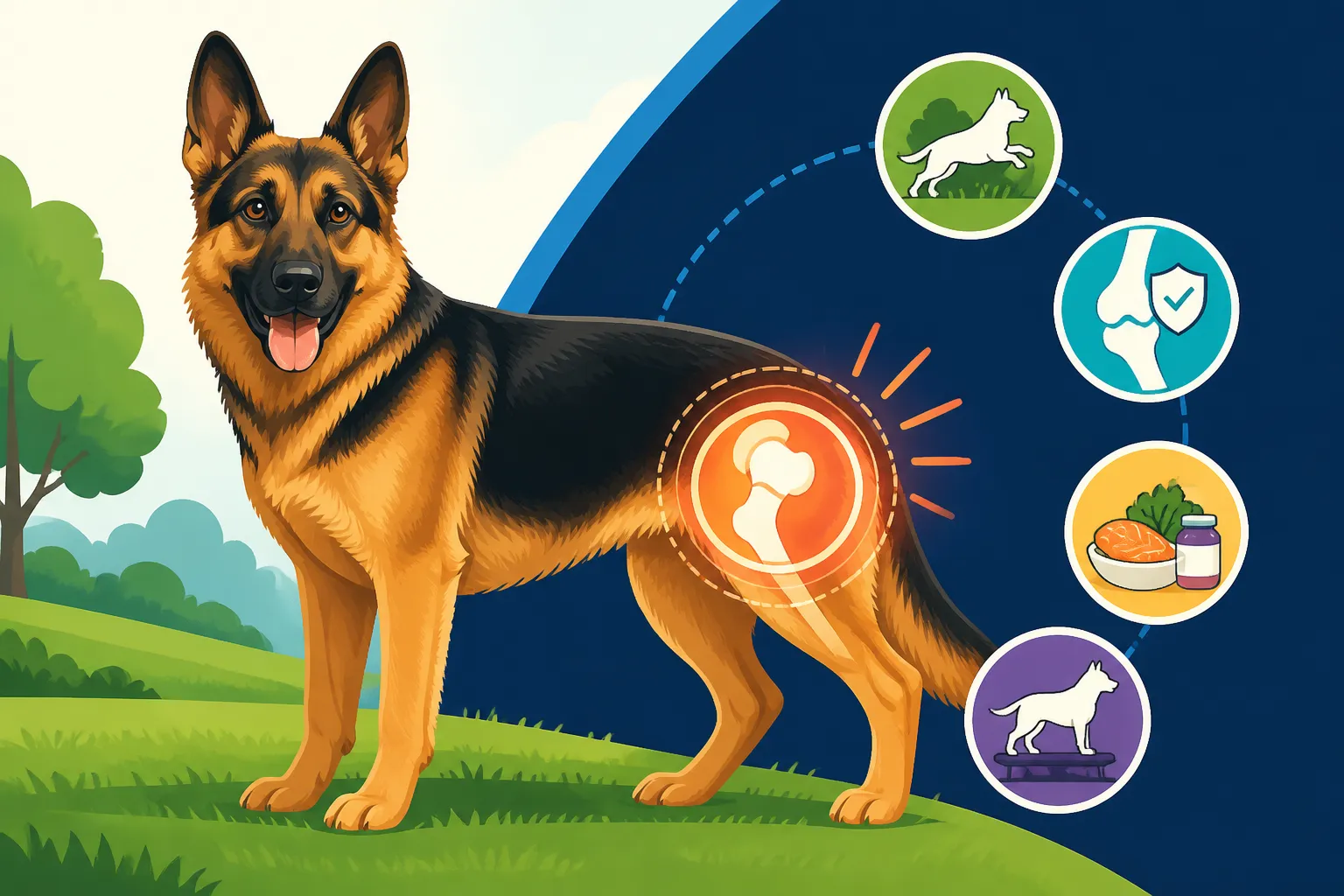
Preventing hip arthritis in your German Shepherd is a lifelong commitment, but one that is incredibly rewarding. From choosing a reputable breeder who prioritizes genetic health, to providing appropriate nutrition and exercise in puppyhood, and then adapting their care as they mature, every step you take contributes to their overall well-being. Understanding the risk factors and implementing preventative strategies gives your German Shepherd the best possible chance at a long, mobile, and pain-free life. It’s about being proactive, staying vigilant, and partnering with your veterinarian every step of the way. Your dedication makes all the difference for your loyal companion.
Disclaimer
Please remember that the information provided in this guide is for informational purposes only and is not a substitute for professional veterinary advice. Always consult with a qualified veterinarian regarding any health concerns or before making any decisions about your German Shepherd's care, diet, or treatment. Individual needs can vary, and a professional diagnosis and treatment plan are essential for your pet's well-being.