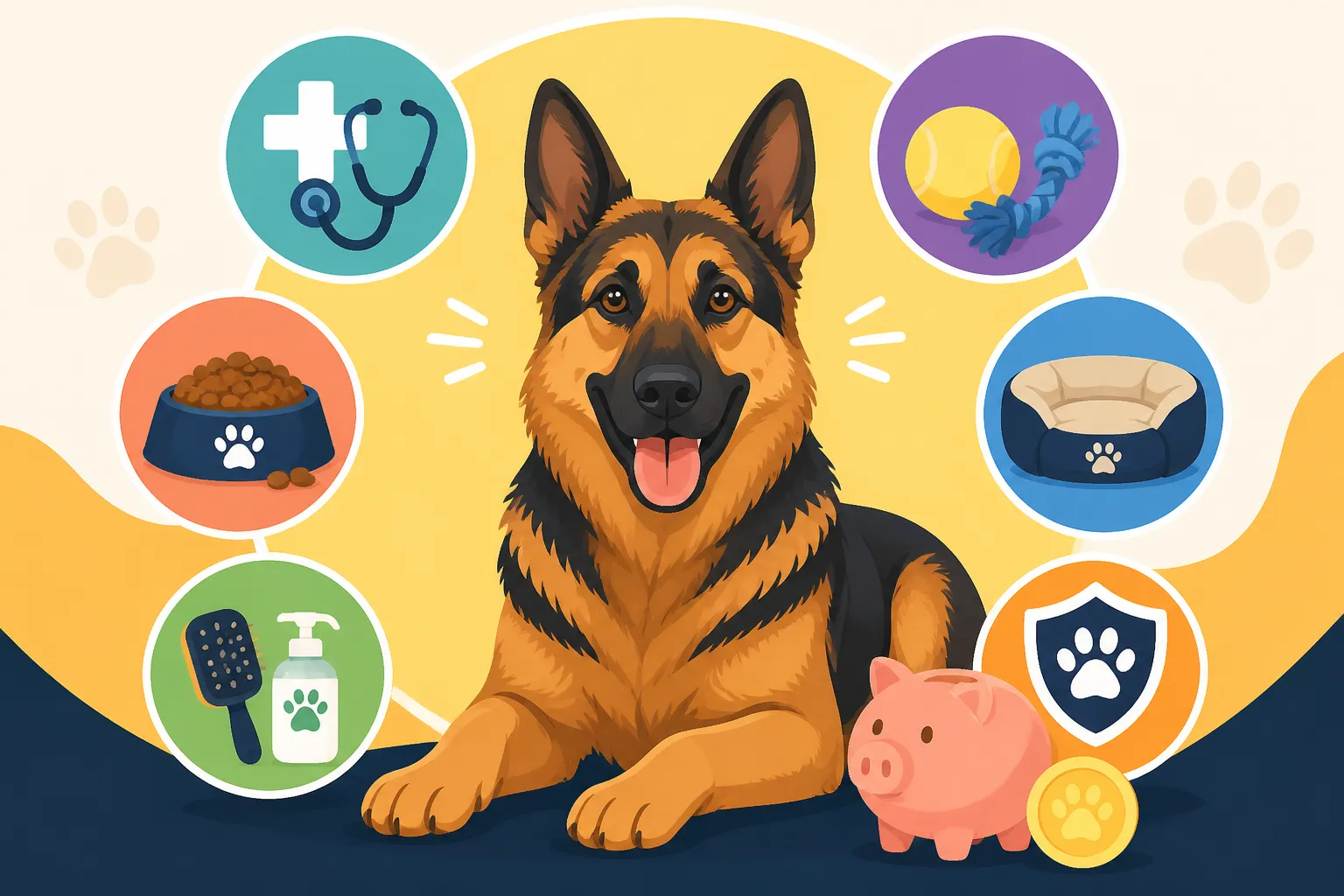
Cost of Owning a German Shepherd Per Year
Bringing a magnificent German Shepherd into your home is an incredibly rewarding experience, but the reality is, these loyal companions come with significant financial responsibilities. Many prospective and current owners feel overwhelmed trying to budget for all the various costs, from food and vet bills to training and unexpected emergencies. This comprehensive guide aims to demystify the financial commitment involved, giving you a clear breakdown of the yearly cost of owning a German Shepherd, so you can plan effectively and provide the best life for your beloved dog.
Initial Investments: The First-Year German Shepherd Price Tag
While the primary focus is on annual costs, it's impossible to discuss the financial reality of German Shepherd ownership without first acknowledging the substantial upfront investments made in the initial year. These aren't recurring annual expenses in the same way food or routine vet visits are, but they heavily skew the first-year total and lay the groundwork for years to come. Understanding these initial outlays helps paint a complete picture of the financial commitment you're making.
The Cost of Acquisition: Puppy or Adoption Fees
The very first expense you'll encounter is the cost of acquiring your German Shepherd. This can vary dramatically depending on whether you choose to purchase a puppy from a reputable breeder or adopt an older dog from a rescue organization. A well-bred German Shepherd puppy from a reputable breeder, particularly one with strong working lines or show lines, can cost anywhere from $1,500 to $5,000, and sometimes even more, especially for puppies with exceptional pedigrees or specific training. These breeders invest heavily in health testing their breeding stock for conditions like German Shepherd Hip Dysplasia Explained and Degenerative Myelopathy in German Shepherds, along with providing initial vaccinations and proper socialization, all of which contribute to the price.
On the other hand, adopting a German Shepherd from a rescue organization or shelter typically involves a much lower fee, usually ranging from $150 to $500. These fees often cover a portion of the dog's previous veterinary care, including spaying or neutering, vaccinations, and microchipping. While the initial cost is lower, it's important to remember that rescue dogs might come with unknown histories or existing health conditions that could lead to future expenses, though many rescues provide thorough health screenings beforehand. Making an informed decision based on your budget and desired commitment is key, and you can learn more about German Shepherd Adoption vs Buying.
Essential Startup Supplies and Home Prep
Once you've decided on your new furry family member, you'll need to prepare your home and gather a whole host of supplies. This initial shopping spree can easily add several hundred dollars to your first-year expenses. You'll need a sturdy crate, ideally a large one suitable for an adult German Shepherd, which can range from $80 to $250. Durable food and water bowls, especially stainless steel or ceramic options, are essential and might cost $20-$50.
Then there are collars, harnesses, and leashes – German Shepherds grow quickly, so you might need to upgrade these as your puppy matures. Factor in at least $50-$100 for a few sets. Don't forget an identification tag with your contact information, a small but vital expense. To help your new dog settle in, a comfortable dog bed (or two!) is a must, and a quality, large dog bed can run anywhere from $50 to $200. These items, while one-time purchases, are foundational to your German Shepherd's comfort and safety.
Early Veterinary Care and Preventative Measures
The first few months with a German Shepherd puppy are typically packed with veterinary appointments. Puppies require a series of vaccinations to protect them from common and potentially deadly diseases. These puppy shots usually involve 3-4 rounds, often starting around 6-8 weeks of age, followed by a rabies vaccine. Each vet visit for vaccinations, deworming, and a general health check-up can cost $75-$150. Beyond vaccinations, microchipping is a crucial step for identification and typically costs $30-$70.
If you bring home an intact puppy, spaying or neutering will be a significant one-time expense, typically performed between 6 months and 1 year of age. The cost for this surgery can range from $200 to $800, depending on your location and the vet clinic. Many rescues include this in their adoption fee, but if you get a puppy from a breeder, this will be your responsibility. All these early veterinary interventions are critical for setting your German Shepherd up for a healthy life and contribute heavily to the German Shepherd Puppy First-Year Cost Breakdown.
Annual Nutrition: Fueling Your German Shepherd's Health
Beyond the initial setup, food and nutrition will be one of the most consistent and substantial annual expenses for your German Shepherd. These are large, active dogs with specific dietary needs, and cutting corners here can lead to costly health problems down the line. A healthy diet is foundational to their overall well-being and energy levels.
Food Choices: Kibble, Raw, and Specialty Diets
The cost of feeding a German Shepherd can vary widely based on the type and quality of food you choose. For high-quality, large-breed specific kibble, you can expect to spend anywhere from $60 to $120 per month. Brands like Purina Pro Plan, Royal Canin German Shepherd, or Orijen often offer formulas tailored to the needs of larger breeds, focusing on joint health and appropriate protein levels. German Shepherds typically eat between 3 to 5 cups of dry food per day, depending on their age, weight, and activity level, so you'll go through a large bag (30-40 lbs) every 3-4 weeks. Online retailers like Chewy often provide competitive pricing and subscription services, which can help manage costs and ensure a steady supply of your chosen brand.
Some owners opt for raw diets or fresh food delivery services, which, while potentially offering great health benefits, come with a significantly higher price tag, often ranging from $150 to $400+ per month. For dogs with specific health issues, like allergies or sensitive stomachs, a veterinary prescription diet might be necessary, and these too can be more expensive than standard kibble. It's crucial to consult with your veterinarian to determine the Best Dog Food for German Shepherds that aligns with your dog's individual needs and your budget.
Treats, Chews, and Dietary Supplements
Beyond their main meals, German Shepherds benefit greatly from treats and chews, both for training and mental enrichment. However, these also add to your annual food budget. Training treats, dental chews, and recreational chews like bully sticks or elk antlers can easily add another $20-$50 per month to your expenses. For powerful chewers like German Shepherds, investing in durable, high-quality chews is important to prevent rapid consumption and potential health hazards.
Many German Shepherd owners also opt to give their dogs dietary supplements, particularly for joint health given the breed's predisposition to conditions like hip and elbow dysplasia. Glucosamine, chondroitin, and omega-3 fatty acid supplements are common choices, and these can cost an additional $20-$60 per month. While these aren't always strictly necessary, they can be a proactive measure to support your dog's long-term mobility, especially as they age. You might want to explore specific German Shepherd Joint Health Supplements recommended by your vet.
Managing Specific Nutritional Needs and Allergies
German Shepherds, unfortunately, are prone to a few dietary sensitivities and conditions that can impact food costs. For instance, German Shepherd EPI: Symptoms and Treatment (Exocrine Pancreatic Insufficiency) requires special enzyme supplements mixed with food, which adds a significant monthly cost. Similarly, if your German Shepherd develops allergies, whether food-related or environmental, finding the right hypoallergenic diet can be a journey of trial and error, often involving expensive limited-ingredient or prescription foods.
These specialized diets or necessary supplements can easily double or triple your monthly food budget, turning an already substantial expense into a truly formidable one. It's a prime example of how unexpected health issues can inflate annual costs, underscoring the importance of factoring in a buffer for such contingencies. Being prepared for these possibilities, even if they don't arise, is a smart part of long-term German Shepherd ownership planning.
Ongoing Healthcare: Yearly Vet Bills and Beyond
Routine veterinary care is a non-negotiable part of responsible German Shepherd ownership and forms another major component of your annual expenses. Preventative care helps catch issues early and can save you significant money and heartache in the long run.
Routine Check-ups, Vaccinations, and Parasite Control
Every German Shepherd, regardless of age, needs at least one annual veterinary check-up. These yearly visits typically cost between $75 and $200, including a physical examination. During this visit, your vet will ensure your dog is up-to-date on necessary booster vaccinations for diseases such as distemper, parvovirus, adenovirus, parainfluenza, leptospirosis, and potentially Bordetella (kennel cough), if your dog frequents dog parks or boarding facilities. These booster shots usually add another $50-$150 to the annual visit.
Beyond vaccines, year-round parasite prevention is critical. Monthly heartworm medication typically costs $5-$15, while flea and tick prevention can range from $15-$30 per month. These preventative measures protect your German Shepherd from common and potentially serious ailments, preventing much more expensive treatments later. For example, treating heartworm disease can cost thousands of dollars, making preventative medication a wise investment. You can find more details on a typical German Shepherd Vaccination Schedule.
Understanding Pet Insurance and Emergency Funds
Even with the best preventative care, German Shepherds can be prone to certain health issues, and unexpected emergencies can arise at any time. This is where pet insurance or a dedicated emergency fund comes into play. Pet insurance, like plans offered by Healthy Paws or Lemonade, can cost anywhere from $30 to $80+ per month for a German Shepherd, depending on factors like your dog's age, your location, the deductible, and the reimbursement percentage. While it's an additional monthly expense, pet insurance can be a lifesaver when faced with a sudden illness or accident, potentially covering 70-90% of eligible vet bills.
Alternatively, some owners opt to self-insure by setting aside a dedicated emergency fund, perhaps $1,000 to $5,000, specifically for their dog's medical needs. This money can then be accessed as needed without dealing with claims or premiums. Whether you choose insurance or a savings fund, having a financial safety net for your German Shepherd's health is paramount, as emergency veterinary care can quickly run into thousands of dollars. Understanding Is Pet Insurance Worth It for a German Shepherd is a common question many owners face.
Common Health Issues and Potential Treatment Costs
German Shepherds are magnificent dogs, but they are unfortunately predisposed to several significant health problems that can rack up substantial veterinary bills. Hip and elbow dysplasia are notoriously common, and while proactive breeding helps, many dogs still develop these conditions. Diagnosing and treating hip dysplasia, for instance, can range from $500 for conservative management to $4,000-$7,000+ for surgery like a total hip replacement. You can learn more about German Shepherd Hip Dysplasia: Symptoms and Treatment. Another serious concern is German Shepherd Bloat: Signs and Prevention, a life-threatening condition requiring immediate, expensive emergency surgery, which can cost $2,000-$6,000.
Other conditions like Degenerative Myelopathy in German Shepherds (DM), certain cancers, or allergies can also lead to ongoing treatment costs, medication, and specialized diagnostics. These costs can be unpredictable and vary greatly. For example, managing allergies with medication and special diets might be $50-$200 per month, while cancer treatments can range from hundreds to tens of thousands of dollars. It’s these potential, unforeseen health challenges that make German Shepherds an expensive breed to own, emphasizing the need for robust financial planning.
Grooming and Hygiene: Keeping Your German Shepherd Looking Their Best
German Shepherds are known for their beautiful double coats, but this beauty comes at the cost of regular grooming. While you can handle much of it yourself, there are still annual expenses associated with maintaining their coat and overall hygiene. Neglecting grooming can lead to uncomfortable and costly issues like matting, skin infections, or excessive shedding.
Essential Grooming Tools and Routine Care
To properly care for your German Shepherd's coat at home, you'll need a good set of grooming tools. This includes a high-quality deshedding tool (like a Furminator or undercoat rake), a slicker brush, and a pin brush. Initial purchase of these tools might be around $50-$100, but they should last for years, with minimal annual replacement costs, perhaps for new blades or brush heads. Regular brushing, ideally several times a week, is crucial, especially during their "blow coat" seasons when they shed their undercoat in vast quantities.
You'll also need dog-specific shampoo and conditioner, which typically cost $15-$30 per bottle and might last for several months depending on how often you bathe your dog. Regular ear cleaning solution (about $10-$20 per bottle) and dog-friendly toothpaste and a toothbrush (initial kit $15-$30, then just toothpaste refills) are also essential for their overall hygiene. While these are relatively small costs individually, they add up over the year.
Bathing, Nail Trims, and Ear Cleaning
German Shepherds don't usually need frequent bathing, perhaps every 1-3 months, unless they get particularly dirty or have skin issues. Over-bathing can strip their coat of natural oils. Doing this at home with a good quality shampoo can save money, but the cost of the shampoo and the effort involved are still part of the equation. Drying a double-coated dog properly can also take time and specialized equipment if you want to avoid skin issues. You can find detailed advice on How to Groom a German Shepherd effectively at home.
Nail trimming is another routine task. If you're comfortable doing it yourself, a good pair of dog nail clippers or a dremel grinder will be an initial investment of $15-$40, with minimal annual costs for replacement blades or grinding bands. If you prefer to have a vet tech or groomer trim their nails, this usually costs $10-$25 per visit, and your German Shepherd will likely need it every 3-4 weeks. Similarly, regular ear cleaning is important to prevent infections, which can be done at home with appropriate solutions.
When Professional Grooming Becomes Necessary
While many German Shepherd owners handle basic grooming at home, there are times when professional grooming can be beneficial or even necessary. During heavy shedding seasons, a professional groomer can perform a "deshedding treatment" using specialized tools and high-velocity dryers to remove an incredible amount of loose undercoat. This can significantly reduce the amount of hair in your home and on your clothes. These sessions can cost $60-$120 per visit.
If your German Shepherd develops skin issues, matting, or simply needs a thorough bath and trim that you can't manage, a professional groomer can step in. While generally not a breed that requires elaborate haircuts, their dense double coat can be challenging to manage, especially if you lack the right equipment or space. Factoring in one or two professional deshedding appointments per year can be a wise investment to maintain coat health and minimize household shedding, especially if you're dealing with German Shepherd Shedding: How to Manage It.
Training, Enrichment, and Exercise Needs: Investing in Behavior and Well-being
German Shepherds are intelligent, high-energy dogs with strong working instincts. Investing in their training, mental stimulation, and physical exercise is not just about preventing behavioral issues; it's about fostering a well-adjusted, happy companion. These aspects also represent significant annual costs that many owners might initially underestimate.
Ongoing Training Classes or Tools
Even if you tackle initial puppy training yourself, continued education is vital for a German Shepherd. Puppy classes typically cost $100-$250 for a 6-8 week course. As they grow, basic obedience classes might be $150-$300. For more advanced training, such as off-leash obedience, agility, or even protection work (for those interested), costs can easily climb into the hundreds or even thousands of dollars per course or for private sessions. For example, a "board and train" program for a few weeks could be $1,500-$4,000.
Beyond formal classes, you might invest in various training tools like long lines, treat pouches, clickers, or specialized collars and harnesses, which collectively could be $50-$150 annually as items wear out or new techniques are explored. These are not one-time expenses for a German Shepherd, as ongoing training and reinforcement are crucial throughout their lives to maintain good behavior and mental sharpness. You can delve deeper into German Shepherd Training Costs to understand the different options.
Toys, Chews, and Mental Stimulation
German Shepherds need a lot of mental stimulation to prevent boredom and destructive behaviors. This means a constant rotation of appropriate toys and puzzle feeders. Durable chew toys, like those from Kong or Nylabone, are essential for powerful chewers and can cost $10-$30 each, often needing replacement every few months. Puzzle toys, snuffle mats, and interactive feeders, which help to challenge their minds, range from $15-$50 and are great investments. However, even these sturdy items don't last forever with a determined German Shepherd.
Factor in an annual budget of $100-$300 for replacing worn-out toys, introducing new enrichment items, and stocking up on mentally stimulating chews. Ignoring this need can lead to your German Shepherd finding their own "toys" – like your furniture, shoes, or garden, leading to much higher repair or replacement costs. Brands like Ollie, known for fresh food, also sometimes offer durable chew options through their partnerships or recommended lists, underscoring the importance of quality.
Exercise Equipment and Activities
German Shepherds are a high-energy breed and require a substantial amount of physical exercise to stay healthy and happy. This might translate into costs for specialized equipment or activities. While daily walks and runs are free, you might invest in a hands-free leash for running (around $30-$60), or perhaps a flirt pole for mental and physical engagement ($20-$40). If you have a large yard, fencing costs (initial investment) or maintenance for existing fencing are also relevant, as containing a high-drive dog is crucial.
For owners who participate in dog sports like agility, obedience trials, or Schutzhund, costs can include club memberships ($50-$200 annually), entry fees for competitions ($25-$100 per event), and specialized equipment for home practice. Even if you don't compete, activities like dog park visits (though sometimes controversial for German Shepherds) or hiking adventures might involve gas costs. Ensuring your German Shepherd gets adequate exercise is paramount for their health, and you can learn more about German Shepherd Exercise Requirements.
Miscellaneous and Unexpected Annual Expenses
Beyond the regular categories, there are several other potential expenses that can crop up annually for German Shepherd owners. These might not be as predictable as food or vet bills, but they are very real parts of the overall cost of ownership. Being prepared for these "extras" can prevent financial surprises.
Licensing, Daycare, Boarding, and Pet Sitting
Many municipalities require annual dog licensing, which typically costs $10-$50 per year, often less if your dog is spayed or neutered. This is a small but legally mandated expense. For owners who work long hours or travel frequently, dog daycare or pet sitting services become necessary. Dog daycare for a large breed can range from $25-$60 per day, or $400-$800 per month for regular attendance. If you go on vacation, boarding facilities can cost $40-$80 per night. These services can add up very quickly, potentially costing hundreds to thousands of dollars annually, depending on your lifestyle and how often you need them.
If you opt for a pet sitter coming to your home, prices can vary based on the number of visits and services provided, typically $20-$50 per visit. While some friends or family might help for free, relying on professional care ensures your German Shepherd's routine and safety are maintained when you're away.
Replacing Worn-Out Gear and Home Repairs
German Shepherds are big, strong dogs, and their gear tends to take a beating. Leashes snap, collars fray, beds get flattened or torn, and crates can succumb to enthusiastic chewing over time. Budgeting for replacements for these items annually is a smart move. A new leash might be $20-$40, a new collar similar, and a sturdy dog bed could be $50-$150 to replace. Even items like food bowls or water dispensers might need replacing after a few years of wear and tear.
Beyond dog gear, sometimes our German Shepherds cause "wear and tear" on our homes. Chewed furniture legs, scratched floors, or even minor damage to landscaping from enthusiastic digging can happen, particularly with puppies or under-exercised dogs. While not a direct pet expense, these are indirect costs of ownership that can range from minor repairs to more substantial fixes, adding an unpredictable element to your annual budget.
Unforeseen Medical Emergencies and Senior Care
We already touched on the importance of an emergency fund or pet insurance, but it bears repeating that truly unexpected medical crises can decimate a budget. A sudden injury, an ingested foreign object requiring surgery, or an acute illness can mean thousands of dollars in veterinary bills in a matter of days. These aren't annual routine costs, but the potential for them is an annual financial burden on owners.
As German Shepherds age, their healthcare needs often increase. German Shepherd Senior Care Guide highlights that older dogs typically require more frequent veterinary check-ups, potentially twice a year, bloodwork panels to monitor organ function, and medication for conditions like arthritis or thyroid issues. These age-related costs can add $300-$1000+ to annual expenses in their later years. Planning for these eventualities ensures your beloved senior German Shepherd receives the care they deserve without causing undue financial strain.
The Grand Total: Calculating Your German Shepherd's Annual Budget
When you add up all the potential costs, it becomes clear that owning a German Shepherd is a significant financial commitment. While the first year is typically the most expensive due to initial acquisition costs and puppy care, subsequent years still require a substantial budget.
Averages, Ranges, and Key Cost Drivers
Based on the categories we've discussed, here's a general overview of the estimated annual costs for owning a German Shepherd, after the initial first-year setup:
| Category | Estimated Annual Cost Range (USD) |
|---|---|
| Food & Nutrition | $720 – $2,400+ |
| Routine Veterinary Care | $300 – $800 |
| Pet Insurance (Optional) | $360 – $960+ |
| Grooming Supplies | $50 – $200 |
| Professional Grooming (Optional) | $120 – $240+ |
| Training & Enrichment | $100 – $500+ |
| Toys & Chews | $100 – $300 |
| Licensing & Misc. | $10 – $100 |
| Total Annual Estimate | $1,760 – $5,500+ |
This table gives you a broad range. The lower end represents careful budgeting, primarily feeding high-quality kibble, handling all grooming at home, and no major health issues. The higher end reflects premium food choices (like fresh or raw), regular professional grooming, pet insurance, ongoing training, and perhaps minor unexpected vet visits. This doesn't include the initial acquisition cost, which can add another $150-$5000+ to the first year.
Strategies for Budgeting and Cost Savings
Managing the cost of a German Shepherd doesn't mean cutting corners on their well-being. Smart budgeting can make a big difference. One key strategy is to buy food and certain supplies in bulk, especially from online retailers like Chewy, which often offer discounts and free shipping on larger orders. Consider making some of your dog's treats at home using healthy, dog-safe ingredients to save money.
For vet care, prioritize preventative measures. Staying on top of vaccinations, heartworm, and flea/tick prevention is almost always cheaper than treating diseases. Many vets also offer wellness plans that can bundle annual check-ups and preventative care at a slightly reduced monthly fee. For grooming, learning to do basic tasks like nail trims and ear cleaning yourself can save a lot over the year. Also, actively seek out durable, high-quality toys and gear that will last longer, reducing replacement frequency.
The Long-Term Financial Commitment
Owning a German Shepherd is a long-term commitment, typically spanning 10 to 14 years. Therefore, it's crucial to view these annual costs as an ongoing responsibility, not just a one-off payment. Over a decade, your German Shepherd could easily cost you $17,600 to $55,000 or more, not including the initial purchase price or any major unforeseen health crises. This figure highlights the importance of financial stability before bringing one of these incredible dogs into your life.
Remember that costs can escalate as your German Shepherd enters their senior years, with increased vet visits and potential medications for age-related conditions. Planning for these later years by maintaining an emergency fund or continuous pet insurance coverage is essential. The joy and companionship a German Shepherd brings are immeasurable, but being financially prepared ensures you can provide them with a happy, healthy, and fulfilling life without undue stress.
Disclaimer
The information provided in this guide is intended for general informational purposes only and does not constitute professional financial or veterinary advice. Costs can vary significantly based on location, individual dog needs, specific product choices, and unexpected circumstances. Always consult with a qualified veterinarian for any health concerns regarding your German Shepherd.