German Shepherd Thyroid Problems
Few things are more disheartening than seeing your usually vibrant German Shepherd start to slow down, gain weight for no apparent reason, or suffer from mysterious skin issues. These changes can be incredibly worrying and confusing, often leaving you searching for answers. This comprehensive guide is here to shed light on German Shepherd thyroid problems, helping you understand the causes, recognize the symptoms, navigate diagnosis, and effectively manage this common health challenge so your furry family member can thrive.
Understanding German Shepherd Thyroid Problems
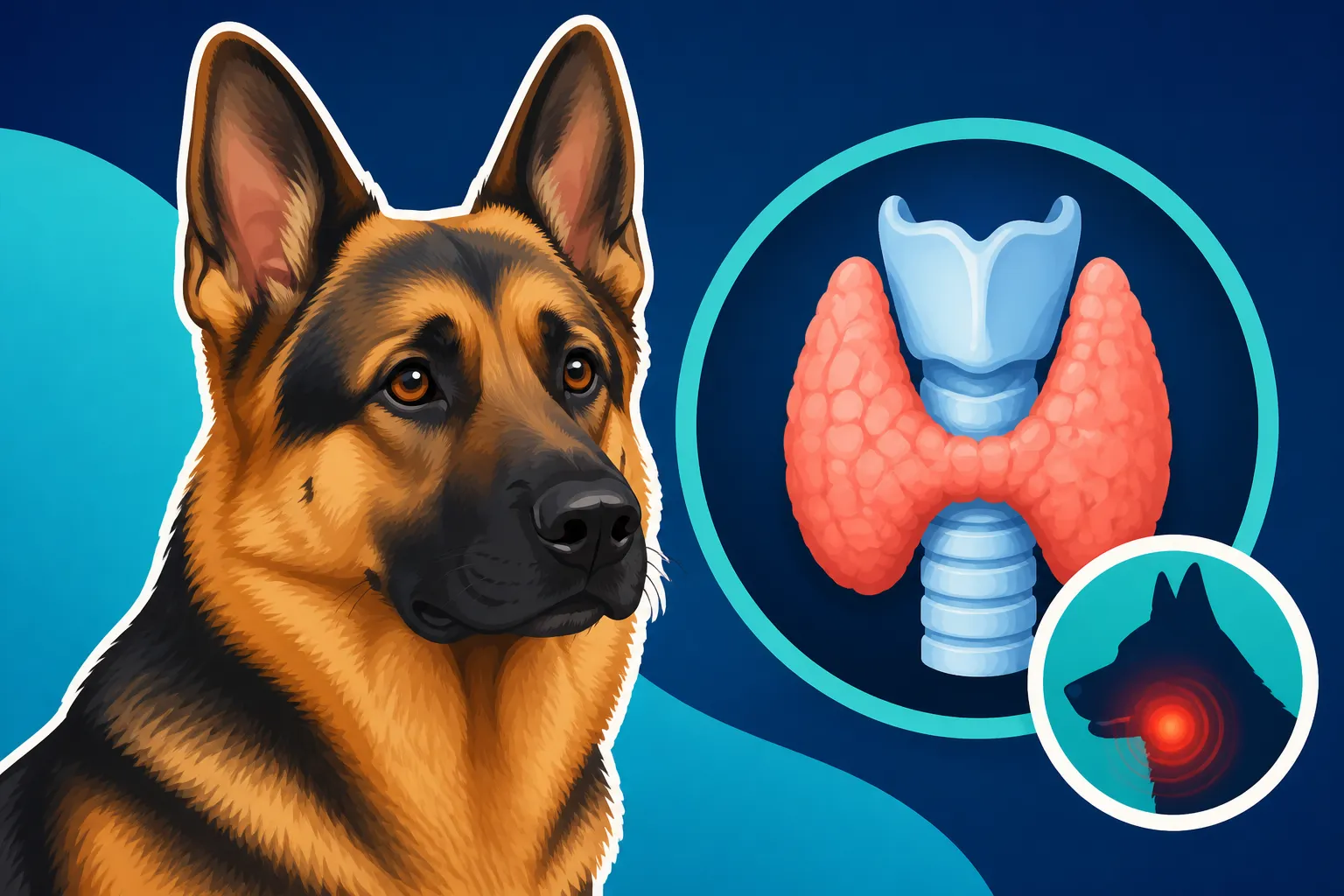
The thyroid gland, a small, butterfly-shaped organ located in your dog's neck, plays a colossal role in regulating their metabolism, energy levels, body temperature, and even the health of their skin and coat. When this crucial gland isn't functioning correctly, it can throw the entire body into disarray, leading to a cascade of unwelcome symptoms.
The Role of the Thyroid Gland in Canine Health
Think of the thyroid gland as the body's internal thermostat and energy manager. It produces hormones, primarily thyroxine (T4) and triiodothyronine (T3), which are essential for nearly every bodily function. These hormones tell cells how fast to work, influencing everything from heart rate and digestion to hair growth and brain function. When the thyroid produces too little of these hormones, the body's processes slow down dramatically. If it produces too much (a much rarer occurrence in dogs), things speed up.
For German Shepherds, specifically, the delicate balance of these hormones is particularly vital for maintaining their characteristic energy, intelligence, and impressive physical condition. A healthy thyroid ensures their magnificent double coat remains lustrous and their joints are supported by a strong metabolic system.
Why German Shepherds Are Prone to Hypothyroidism
While thyroid issues can affect any breed, German Shepherds, along with other large breeds like Golden Retrievers, Doberman Pinschers, and Great Danes, show a genetic predisposition to hypothyroidism. This means their genetic makeup makes them more susceptible to the condition than the general canine population. It’s a frustrating reality for many German Shepherd owners. The vast majority of cases in German Shepherds are due to autoimmune thyroiditis, where the dog's own immune system mistakenly attacks and destroys the thyroid gland.
This autoimmune attack doesn't happen overnight; it's a gradual process that can take years, often showing up between two and six years of age, though it can manifest earlier or later. This is precisely why German Shepherd Genetic Health Testing is so important for breeders, as careful breeding practices can help reduce the prevalence of such conditions in future generations. It's an invisible threat that silently develops until the cumulative damage becomes significant enough to produce outward symptoms, leaving many owners perplexed by their once-energetic dog's decline.
Differentiating Hypothyroidism and Hyperthyroidism
In the world of canine thyroid disorders, hypothyroidism (underactive thyroid) is the overwhelming concern for German Shepherd owners. It's the condition responsible for the lethargy, weight gain, and skin problems we often associate with "thyroid issues" in dogs. Here, the thyroid isn't making enough hormones, causing a systemic slowdown.
Hyperthyroidism, on the other hand, is when the thyroid produces too much hormone, leading to an accelerated metabolism. While common in older cats, it is incredibly rare in dogs and, when it does occur, is often linked to thyroid cancer rather than an autoimmune condition. So, if your German Shepherd is showing signs of a thyroid problem, nearly all veterinary focus will be on diagnosing and treating hypothyroidism. Understanding this distinction can help alleviate some initial confusion when discussing your dog's health with your vet.
Recognizing the Subtle Signs and Symptoms
One of the trickiest aspects of German Shepherd thyroid problems is that the symptoms can be incredibly subtle at first, often dismissed as normal aging or other minor ailments. It’s easy to attribute a bit of extra sleep or a slightly dull coat to just "getting older," especially if you have a senior German Shepherd. However, paying close attention to these early indicators can make a significant difference in early diagnosis and intervention.
Physical Changes to Watch For
The physical manifestations of an underactive thyroid can be widespread and sometimes seem unrelated. The most common sign is often unexplained weight gain, even if your dog's diet and exercise haven't changed. This isn't just a few extra pounds; it can be a noticeable, stubborn increase that's hard to shed. Alongside this, you might notice a general lack of energy or lethargy, where your once enthusiastic German Shepherd now seems less interested in walks or play. They might also show a reduced tolerance to cold, seeking out warm spots more frequently.
Skin and coat issues are hallmarks of hypothyroidism. This can include a dry, brittle, or thinning coat, sometimes referred to as a "rat tail" due to hair loss on the tail. You might observe bilateral (symmetrical) hair loss, often on the flanks or chest, that isn't itchy. Chronic skin infections, excessive dandruff, and even a "sad" or "tragic" facial expression due to thickening of the facial skin are also possible. It’s important to distinguish these from German Shepherd Skin Problems and Fixes caused by allergies or parasites.
Behavioral Shifts and Energy Levels
Beyond the physical, hypothyroidism can profoundly impact your German Shepherd's demeanor. Many owners report a noticeable change in temperament; a previously friendly and outgoing dog might become more withdrawn, anxious, or even display uncharacteristic aggression. This is because thyroid hormones also play a role in brain function and mood regulation. Your dog might seem less alert, struggle with memory, or appear generally dull.
The decreased energy isn't just about not wanting to run; it can manifest as a general disinterest in activities they once loved. They might sleep more, move more slowly, or appear generally subdued. It's a fundamental shift in their zest for life that, while easily mistaken for normal aging, warrants a deeper look. These subtle behavioral changes can be particularly distressing for owners who cherish their German Shepherd's typically alert and engaged personality.
When to Consult Your Veterinarian
If you're noticing a combination of these symptoms, even if they seem minor, it's absolutely time to schedule an appointment with your veterinarian. Don't wait until the symptoms are severe. Early intervention can prevent further decline and improve your German Shepherd's quality of life considerably. Be prepared to discuss all changes you've observed, no matter how small or seemingly insignificant. It’s also helpful to keep a record of your dog's weight over time, as this can provide valuable data.
Your vet will conduct a thorough physical examination, but because the symptoms are so varied, definitive diagnosis requires specific blood tests. If you're wondering How to Tell If a German Shepherd Is in Pain or simply "off," a trip to the vet is always the best course of action. They may also suggest other blood work to rule out other potential health issues, as several conditions can present with similar signs to hypothyroidism, making a comprehensive workup crucial.
Here's a quick reference table for common hypothyroid symptoms:
| Symptom Category | Specific Manifestations | Impact on Dog |
|---|---|---|
| Energy & Metabolism | Lethargy, reduced activity, increased sleeping, unexplained weight gain, cold intolerance | Overall sluggishness, difficulty maintaining ideal weight, seeking warmth |
| Skin & Coat | Dry, brittle coat, excessive shedding, symmetrical hair loss (especially flanks/tail), dandruff, recurrent skin infections | Dull appearance, discomfort, increased risk of secondary skin issues |
| Behavioral | Increased anxiety, fear, irritability, aggression, mental dullness, decreased alertness | Changes in personality, reduced trainability, potential safety concerns |
| Other | Slow heart rate, muscle weakness, constipation, reproductive issues (in intact dogs) | General decline in health, potential complications, impaired breeding ability |
The Diagnostic Journey and Treatment Pathway
Getting a proper diagnosis for German Shepherd thyroid problems isn't always a straightforward "yes or no" answer from a single test. Because thyroid hormone levels can fluctuate and be influenced by other illnesses, your vet might need to perform a panel of tests to get the full picture.
Getting an Accurate Diagnosis: What to Expect
When you bring your German Shepherd to the vet with concerns about their thyroid, the diagnostic process will likely involve several steps. Your vet will start with a complete physical exam and discuss your observations in detail. The most crucial diagnostic tools are blood tests. A basic screening might include a total T4 (thyroxine) test, but this alone isn't always enough to diagnose hypothyroidism definitively, as T4 levels can be affected by non-thyroidal illnesses, certain medications, or even stress.
For a more accurate diagnosis, your vet will likely recommend a full thyroid panel. This comprehensive test often includes:
- Total T4 (TT4): Measures the total amount of thyroxine in the blood.
- Free T4 (fT4) by equilibrium dialysis: Considered more accurate as it measures the biologically active, unbound portion of the hormone, which is less affected by other factors.
- TSH (Thyroid-Stimulating Hormone): Produced by the pituitary gland, TSH stimulates the thyroid. In hypothyroid dogs, TSH levels are typically high because the pituitary is trying to kick-start a non-responsive thyroid.
- Thyroglobulin Autoantibodies (TgAA): Tests for the presence of antibodies that attack the thyroid gland, indicating an autoimmune process, which is the most common cause of hypothyroidism in German Shepherds.
Interpreting these results requires veterinary expertise, as low T4 alone might be "euthyroid sick syndrome" (where illness suppresses thyroid function) rather than true hypothyroidism. Sometimes, especially with early-stage autoimmune thyroiditis, values might be borderline, requiring re-testing in a few months. This thorough approach is essential to avoid misdiagnosis, ensuring your dog gets the right treatment without unnecessary medication.
Lifelong Treatment with Medication
Once hypothyroidism is confirmed, the good news is that it is typically very manageable. Treatment involves lifelong daily medication, usually synthetic levothyroxine (L-thyroxine), which replaces the missing thyroid hormone. It's a medication that has to be given consistently, typically once or twice a day, exactly as prescribed by your vet. You can often administer it with food or a treat, making it a relatively easy routine to integrate into your day.
It's absolutely critical to stick to the prescribed dosage and not miss doses. Just like humans needing daily medication for similar conditions, your German Shepherd will depend on this to regulate their metabolism. You’ll usually start seeing improvements in energy levels and demeanor within a few weeks, while skin and coat issues may take several months to fully resolve as new hair growth and skin regeneration occur. Patience is key, but the transformation can be truly remarkable, restoring much of your German Shepherd's previous vigor.
Monitoring and Adjusting Care
Treatment for hypothyroidism isn't a "set it and forget it" situation. Your German Shepherd will need regular follow-up blood tests, usually starting a few weeks after beginning medication and then annually (or as recommended by your vet) to ensure the dosage is correct. These tests typically measure T4 levels, often 4-6 hours after the morning dose, to ensure the medication is being absorbed and maintained at therapeutic levels. If the levels are too low, the dosage may need to be increased; if too high, it might need to be reduced.
It's also important to continue monitoring your dog's overall condition, weight, and behavior at home. If symptoms return or new ones emerge, notify your vet promptly. The goal is to find the optimal dose that keeps your German Shepherd healthy and happy without causing side effects from too much hormone (which can include restlessness, panting, and weight loss). This ongoing collaboration with your veterinarian is crucial for the long-term success of managing your German Shepherd’s thyroid condition.
Living Well with a Hypothyroid German Shepherd
Receiving a diagnosis of hypothyroidism for your German Shepherd can feel overwhelming, but with proper management, your dog can lead a full, active, and happy life. It's a commitment, yes, but one that is incredibly rewarding as you see your beloved companion regain their spark.
Nutritional Support and Weight Management
One of the common symptoms of hypothyroidism is weight gain, which can exacerbate other health concerns like joint problems. Therefore, careful attention to diet and weight management becomes even more critical for a hypothyroid German Shepherd. Once on medication, your dog's metabolism should normalize, making weight loss and maintenance easier. However, it's still essential to feed a high-quality, balanced diet appropriate for their age, activity level, and breed. You can learn more about this in our guide on German Shepherd Feeding Guide.
Avoid overfeeding and ensure they get adequate, but not excessive, exercise, particularly during their recovery phase. Regular weight checks at home and during vet visits will help ensure they maintain a healthy body condition. Your vet might also recommend specific dietary adjustments or supplements to support their overall health, especially if skin and coat issues were prominent. Managing their weight is a vital component of supporting their joints and preventing issues like German Shepherd Arthritis.
Long-Term Care and Financial Considerations
Living with a dog with a chronic condition like hypothyroidism means embracing long-term care. This includes consistent medication, regular vet check-ups, and periodic blood tests to monitor thyroid hormone levels. These ongoing costs can add up, and it's a realistic concern for many pet owners. The good news is that the medication itself is generally affordable, but the initial diagnostic workup and subsequent monitoring tests do incur fees.
This is where planning ahead can really save stress and money. Many German Shepherd owners find that investing in pet insurance, like a comprehensive plan from Healthy Paws, can significantly alleviate the financial burden of managing chronic conditions. With a good policy, a substantial portion of the costs for diagnostic tests, medications, and even specialist visits can be covered, allowing you to focus on your dog's health without the added worry of veterinary bills. It's truly worth considering if you're asking Is Pet Insurance Worth It for a German Shepherd.
Ensuring Quality of Life
Ultimately, the goal of managing German Shepherd thyroid problems is to ensure your dog enjoys the best possible quality of life. With effective treatment, you should see a return to their normal energy levels, a healthier coat, and a more stable temperament. Consistent daily medication is the cornerstone of this, but also remember the importance of a loving, stimulating environment. Continue with regular, appropriate exercise—perhaps less strenuous during the initial phases of treatment, then gradually increasing as their stamina returns. Mental stimulation through training and puzzle toys is also crucial for their intelligent minds.
Observe your German Shepherd closely and celebrate the return of their personality and vitality. This journey can deepen your bond, as you become even more attuned to their needs and appreciate their resilience. For general well-being tips, our How to Keep a German Shepherd Healthy guide offers many valuable insights that complement specific medical care. With dedication and partnership with your vet, your German Shepherd can continue to be the magnificent companion you know and love for many years to come.
Disclaimer
This article is intended for informational purposes only and does not constitute veterinary advice. Always consult with a qualified veterinarian for any health concerns or before making any decisions about your German Shepherd's medical care or treatment plan.