At What Age Do German Shepherds Get Hip Dysplasia
One of the most heartbreaking worries for any German Shepherd owner is the thought of hip dysplasia. You might find yourself constantly watching your beloved companion for any hint of a limp or stiffness, wondering if and when this common condition might strike. It’s a frustrating reality that this breed is predisposed to it, and the uncertainty of when symptoms might emerge can be a source of constant anxiety. This comprehensive guide is here to shed light on the typical age at which German Shepherds tend to develop hip dysplasia, helping you understand the timeline and what to look out for.
Understanding German Shepherd Hip Dysplasia
Before we dive into when hip dysplasia usually appears, it's crucial to understand what it is. This isn't just a simple joint ache; it's a complex, often inherited condition that can severely impact your German Shepherd's quality of life. Knowing the fundamentals will help you be a more informed and proactive owner.
What is Hip Dysplasia Anyway?
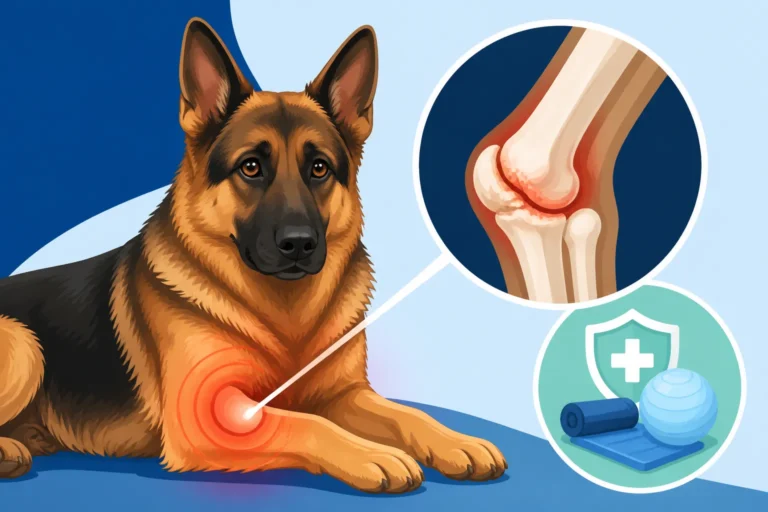
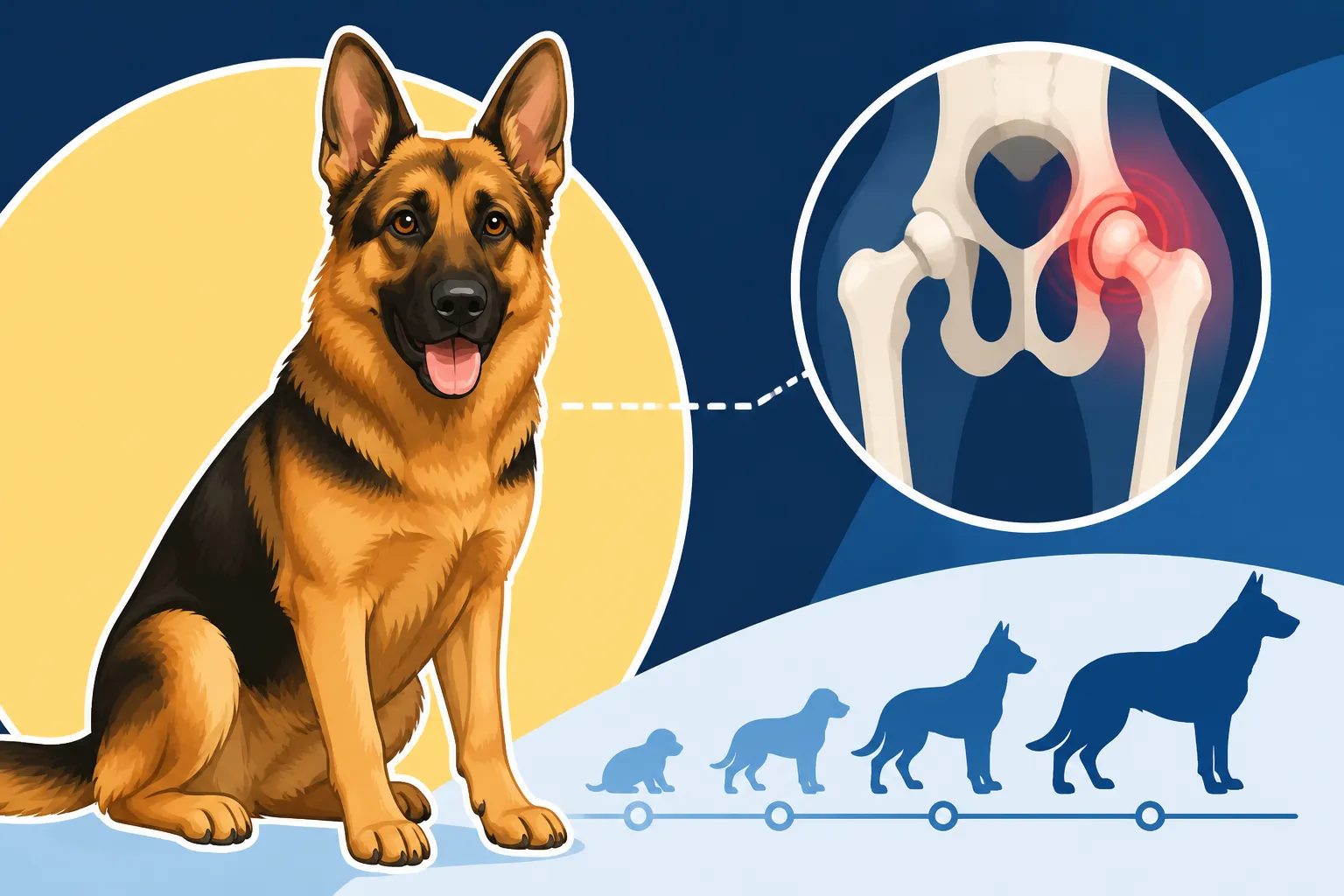
At its core, hip dysplasia is a malformation of the hip joint. Think of a perfectly functioning hip as a ball (the head of the femur, or thigh bone) fitting snugly and smoothly into a socket (the acetabulum in the pelvis). In a German Shepherd with hip dysplasia, this perfect fit is compromised. The ball and socket don't align properly, or the socket might be too shallow, or the ligaments supporting the joint are too lax. This creates excessive movement, friction, and grinding within the joint, rather than a smooth rotation.
Over time, this improper fit leads to wear and tear, inflammation, and the breakdown of cartilage. Eventually, the body tries to stabilize the joint by laying down new bone, leading to painful degenerative joint disease, or osteoarthritis. It’s a progressive condition, meaning it often gets worse over time if not managed. This isn't just a mechanical issue; it causes chronic pain and can severely limit a dog's mobility and happiness. It’s a primary concern highlighted in any good German Shepherd Health Problems Guide.
The Genetic Component and Early Indicators
It's a tough truth, but genetics play a huge role in German Shepherd hip dysplasia. While environmental factors like nutrition and exercise can influence the expression and severity of the condition, the underlying predisposition is inherited. This is why responsible breeders go to great lengths to screen their breeding dogs. They understand that even if a parent dog shows no outward signs, they could still carry the genes for hip dysplasia. This is where comprehensive German Shepherd Genetic Health Testing comes into play, utilizing tools like OFA (Orthopedic Foundation for Animals) and PennHIP evaluations.
Early indicators, even before overt symptoms manifest, can be incredibly subtle. In very young puppies, the joint laxity might be detectable by an experienced veterinarian during specific physical manipulations, but it’s not something you’d typically notice at home. These early, pre-symptomatic stages are where the genetic groundwork is being laid, and the structural abnormalities are beginning to form, setting the stage for future problems. Owners who are proactive and engaged with their vet can sometimes pick up on these nuances earlier.
Typical Age of Onset for Hip Dysplasia Symptoms
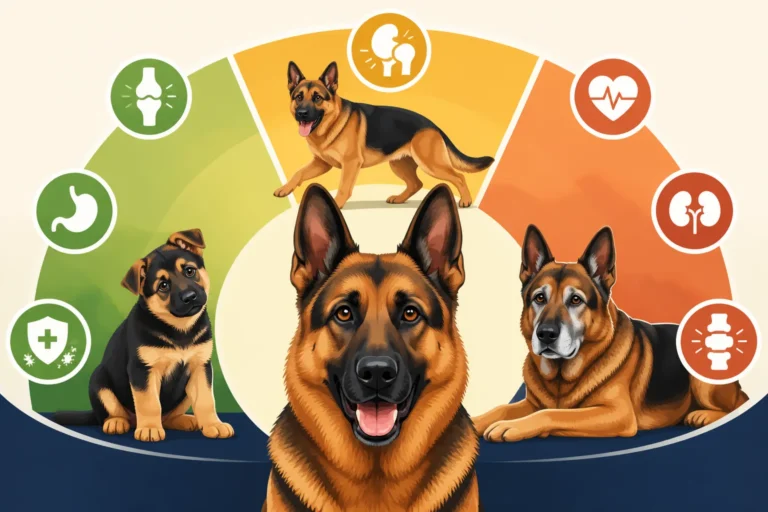
The tricky thing about hip dysplasia is that while the underlying condition is developing from a young age, the symptoms can show up at different points in a German Shepherd's life. It's not a one-size-fits-all scenario, and the timing often depends on the severity of the malformation and other contributing factors.
Puppyhood and Juvenile Hip Dysplasia
It might come as a shock, but some German Shepherds can show signs of hip dysplasia as early as four to six months of age, or even younger in severe cases. This is often referred to as "juvenile hip dysplasia." While relatively less common than later onset, it can be devastating. A young puppy might not be able to articulate pain, but you might notice them being reluctant to play as much as their littermates, or having difficulty rising after resting. They might exhibit a "bunny hop" gait when running, where both hind legs move together rather than independently, trying to minimize stress on their hips.
Imagine a rambunctious German Shepherd puppy, full of life, suddenly seeming a bit withdrawn, or hesitant to tackle a small set of stairs. These subtle changes, often dismissed as "just growing pains" or a quirky puppy phase, can actually be the first cries for help from their developing joints. Recognizing these early signs is critical, as early intervention can sometimes make a significant difference in long-term management. For owners worried about their young pups, reading up on First Signs of Hip Dysplasia in German Shepherds can be incredibly helpful.
Adolescence and Young Adulthood: The Most Common Time
For many German Shepherds, the period between 6 months and 2 years of age is when hip dysplasia symptoms become most evident. This stage is often characterized by rapid growth spurts and increased activity levels. As a German Shepherd matures, they gain weight and muscle mass, placing greater stress on their developing joints. If the hip joints are already compromised by dysplasia, this added stress can push them over the edge, causing pain and discomfort to become noticeable.
During this adolescent phase, you might start observing a distinct limping, especially after exercise or prolonged rest. Your dog might seem stiff when getting up in the morning, or struggle with activities they once enjoyed, like jumping into the car or scaling a small fence. Their enthusiasm for walks might wane, or you might notice a subtle shift in their gait. They might shift their weight more to their front legs, trying to alleviate pressure on their hips, leading to a noticeable sway or awkward movement in the hindquarters. You might even hear a subtle "clunk" or "click" from their hips as they move, indicative of the unstable joint. This is the age where many owners first seek veterinary advice for concerns about their dog’s mobility, leading to a diagnosis of German Shepherd Hip Dysplasia Explained.
Later Onset and Arthritis Complications
While the formative years are critical, some German Shepherds might not display significant clinical signs of hip dysplasia until much later in life, often in their middle or senior years (around 5-8 years old or beyond). In these cases, the underlying hip malformation may have been less severe, or the dog's lifestyle and muscle development helped compensate for the instability for a longer period. However, the chronic abnormal movement eventually takes its toll, leading to the gradual development of debilitating osteoarthritis.
For these older dogs, the hip dysplasia symptoms are often intertwined with the signs of arthritis. You might see more generalized stiffness, difficulty getting up after naps, reduced stamina, and a noticeable reluctance to engage in activities they once loved. The pain might become more constant, affecting their mood and overall demeanor. Managing these symptoms often requires a multi-faceted approach, similar to what's outlined in a German Shepherd Senior Care Guide, focusing on pain relief, joint support, and maintaining mobility. This secondary osteoarthritis is a common, painful consequence of long-standing hip dysplasia.
Factors Influencing the Age of Onset and Severity
It's not just a roll of the dice; several factors can significantly influence when hip dysplasia symptoms appear and how severe they become. Understanding these can empower you to take proactive steps, even if your German Shepherd has a genetic predisposition.
Genetics and Breeding Practices
As touched upon earlier, genetics are the bedrock of hip dysplasia. The more careful and responsible the breeding practices, the lower the risk of hip dysplasia appearing early or severely. Reputable breeders meticulously screen their breeding stock for hip and elbow dysplasia using methods like OFA and PennHIP. OFA evaluates the conformation of the hip joint at a minimum of 24 months of age, grading them as excellent, good, fair, borderline, or dysplastic. PennHIP, on the other hand, measures hip laxity, providing a distraction index that can be done as early as 16 weeks, offering a more objective and often earlier predictor of future hip health.
A German Shepherd puppy from parents with excellent hip scores is significantly less likely to develop severe hip dysplasia than a puppy from parents with questionable or unknown hip health. However, it's never a 100% guarantee due to the polygenic nature of the condition (multiple genes involved) and environmental influences. But choosing a breeder who transparently shares health clearances and understands the nuances of OFA vs PennHIP Hip Scoring Explained is your best defense against an early onset diagnosis.
Environmental and Lifestyle Contributions
While genetics load the gun, environment pulls the trigger. Your German Shepherd's upbringing and daily life choices can profoundly impact how and when hip dysplasia manifests.
- Nutrition: Overfeeding a German Shepherd puppy and encouraging rapid growth is one of the biggest culprits in exacerbating hip dysplasia. Large breed puppies need a diet specifically formulated for their growth rate, which is often lower in calories and calcium than standard puppy food. Rapid weight gain puts immense stress on rapidly developing, vulnerable joints. Aim for lean, steady growth, not chunky puppyhood.
- Exercise: Too much high-impact, strenuous exercise, especially in puppyhood, can be detrimental. Activities like excessive jumping, prolonged running on hard surfaces, or repetitive stair climbing can damage developing joints. Think controlled, moderate exercise like short walks and gentle play on soft surfaces. Knowing How Much Exercise Is Too Much for a Puppy is crucial for their long-term joint health.
- Weight Management: Keeping your German Shepherd at a healthy, lean weight throughout their life is perhaps one of the most impactful things you can do to manage or prevent the severity of hip dysplasia. Every extra pound adds significant stress to the hip joints, accelerating wear and tear and increasing pain. A lean body condition lessens the load, slows the progression of arthritis, and improves overall mobility.
Early Detection and Proactive Management
The earlier hip dysplasia is detected, the more options you have for managing it and potentially slowing its progression. Regular veterinary check-ups are paramount, especially during your German Shepherd's growth phases. Your vet can perform physical exams, watching for signs of pain or abnormal gait, and discuss preventive strategies.
Proactive management includes ensuring appropriate nutrition and exercise, as discussed. Beyond that, your veterinarian might recommend joint supplements. Many German Shepherd owners find success with ingredients like glucosamine, chondroitin, MSM, and Omega-3 fatty acids, which can help support cartilage health and reduce inflammation. If you're considering supplements, a guide like German Shepherd Joint Health Supplements can offer valuable insights. Even if your German Shepherd has a genetic predisposition, these proactive steps can significantly delay the onset of severe symptoms or lessen their impact, contributing to How to Keep a German Shepherd Healthy. Pet insurance, such as a policy from Healthy Paws, can be an invaluable safety net for unexpected vet costs related to conditions like hip dysplasia.
Recognizing the Signs and Next Steps
No owner wants to think about their German Shepherd suffering, but being able to recognize the signs of hip dysplasia is the first step toward getting them the help they need. Don't wait; early intervention makes a world of difference.
Subtle Clues and Obvious Indicators
Learning to read your German Shepherd's body language and movement patterns can give you a significant advantage in early detection. Here's a more detailed breakdown of what to watch for, keeping in mind these can vary greatly depending on age and severity:
- Changes in Gait: Observe how your dog walks, runs, and rises. Are they "bunny hopping" (using both back legs together) when running? Is there a noticeable sway in their hindquarters? Do they favor one leg? Do they seem to take shorter, choppier strides with their back legs?
- Difficulty with Movement: You might notice your German Shepherd struggling with activities that were once easy. This could include difficulty rising from a lying position, especially after rest; reluctance to jump into a car or onto furniture; hesitation or inability to climb stairs; or a decrease in their overall willingness to run or play.
- Stiffness and Limping: Stiffness, particularly after periods of rest or in the morning, is a classic sign. They might be visibly limping, or have an intermittent lameness that seems to come and go.
- Pain Response: Your German Shepherd might vocalize (whimper, whine) when getting up or moving in certain ways. They might flinch, snap, or become irritable if you touch their hip area, or even start avoiding being petted there.
- Muscle Atrophy: Over time, if one or both hips are painful, your dog might naturally reduce weight-bearing on that side, leading to a visible loss of muscle mass in their hindquarters. One side might look noticeably smaller or less developed than the other.
- Reduced Activity and Endurance: A general decrease in activity level or an inability to sustain exercise for as long as they once could are also red flags. They might tire more quickly on walks or seem uninterested in their usual playtime.
When to Consult Your Veterinarian
If you observe any of the signs mentioned above, or if you simply have a nagging feeling that something isn't quite right with your German Shepherd's mobility, do not hesitate to schedule an appointment with your veterinarian. It’s always better to be overly cautious than to delay care. The consultation will typically involve a thorough physical examination, where your vet will palpate your dog's hips, assess their range of motion, and look for signs of pain or instability.
The definitive diagnostic tool for hip dysplasia is an X-ray. Your vet will usually take specific views of the pelvis, often requiring sedation to ensure proper positioning and minimize discomfort for your dog. These images allow the veterinarian to visually assess the hip joint's conformation, looking for shallow sockets, flattened femoral heads, signs of joint laxity, and early arthritic changes. Getting a clear diagnosis is the crucial next step in understanding the severity and planning the best course of action.
Managing Hip Dysplasia: Treatment Options and Support
Once a diagnosis of hip dysplasia is made, your vet will discuss various management strategies tailored to your German Shepherd's age, severity of the condition, and overall health. These options generally fall into two categories: conservative management and surgical intervention.
Conservative Management focuses on pain relief and improving joint function without surgery. This often includes:
- Pain Medication: Non-steroidal anti-inflammatory drugs (NSAIDs) are commonly prescribed to reduce pain and inflammation. Other pain relievers might also be used.
- Weight Management: Maintaining an ideal body weight is paramount. Even a few extra pounds can significantly worsen symptoms.
- Physical Therapy: Controlled exercise, hydrotherapy (swimming), and specific strengthening exercises can help build supportive muscle mass around the hips and improve range of motion.
- Joint Supplements: Glucosamine, chondroitin, MSM, and Omega-3 fatty acids can help support joint health.
- Lifestyle Adjustments: Providing soft bedding, using ramps instead of stairs, and avoiding high-impact activities can make life more comfortable.
Surgical Options are considered for more severe cases or when conservative management is no longer effective. Common surgeries include:
- Femoral Head Ostectomy (FHO): The head of the femur is removed, and a "false joint" of scar tissue forms.
- Triple Pelvic Osteotomy (TPO) or Juvenile Pubic Symphysiodesis (JPS): These are typically performed on younger dogs (before significant arthritic changes) to correct the angle of the pelvis, improving the fit of the ball and socket.
- Total Hip Replacement (THR): The damaged hip joint is replaced with prosthetic components. This is often the most effective long-term solution for severe cases, offering significant pain relief and improved function, but it's also the most invasive and costly.
Understanding the German Shepherd Hip Dysplasia Surgery Cost can be a daunting prospect, which is where a good pet insurance policy, such as one from Healthy Paws, can be a true lifesaver. Having that financial support can allow you to make decisions based on what's best for your dog's health, rather than solely on your wallet. Taking these steps and being an advocate for your German Shepherd’s health will ensure they live the happiest, most comfortable life possible, regardless of when hip dysplasia decides to make its presence known.
Here's a quick overview of typical onset ages and associated symptoms:
| Age Range | Typical Symptom Onset | Common Signs to Watch For | Key Characteristics |
|---|---|---|---|
| Puppyhood (4-6 months) | Early Onset | Reluctance to play, difficulty rising, "bunny hopping" gait, unusual sitting postures. | Less common, but can indicate severe underlying laxity. Often mistaken for normal puppy clumsiness. |
| Adolescence (6-24 months) | Most Common | Limping (especially after exercise/rest), stiffness, decreased activity, pain when touched, difficulty with stairs/jumping. | Symptoms become more evident as dog grows and puts more stress on joints. Often triggers initial vet visit and diagnosis. |
| Adulthood/Senior (5+ years) | Later Onset | Generalized stiffness, chronic pain, reduced stamina, severe lameness, muscle atrophy, reluctance to move. | Often associated with secondary osteoarthritis development. Symptoms worsen gradually over time. |
Disclaimer
This article is intended for informational purposes only and does not constitute medical advice. Always consult with a qualified veterinarian for any health concerns or before making any decisions about your German Shepherd's care.