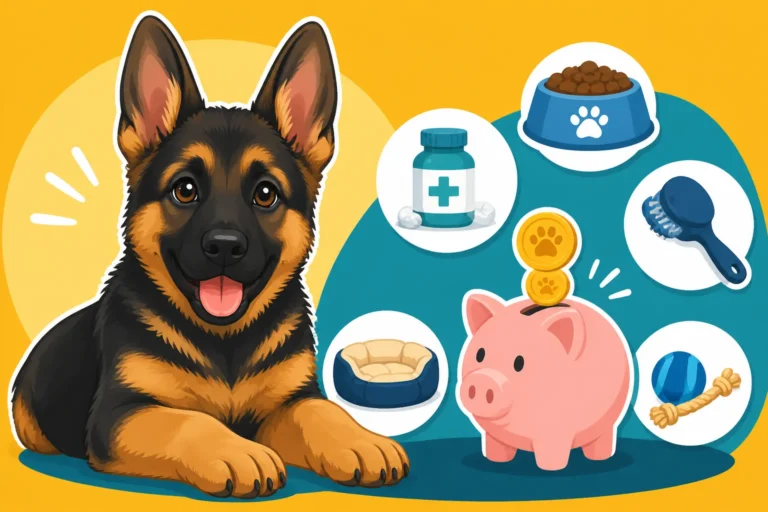
How Much Extra Do Rare-Color German Shepherds Cost
Bringing a German Shepherd into your life is an incredibly rewarding experience, but the journey often starts with a lot of questions, especially when you've fallen for the allure of a truly unique coat color. Many aspiring GSD owners find themselves wondering if that stunning blue or striking liver coat will come with an equally striking price tag. It's a valid concern, as the initial cost of a German Shepherd puppy can vary widely, and adding "rare color" to the equation can sometimes feel like stepping into uncharted financial territory. This comprehensive guide will delve into the nuances of pricing for German Shepherds with less common coat colors, exploring what makes them "rare," the factors that influence their cost, and what you should genuinely prioritize when choosing your next furry family member.
Understanding "Rare Colors" in German Shepherds
When we talk about "rare colors" in German Shepherds, it's important to understand that these aren't always colors that are accepted by the breed standard for conformation showing, like those set by the American Kennel Club (AKC) or the German Shepherd Dog Club of America (GSDCA). Often, "rare" simply means less common, and sometimes these colors are associated with specific genetic traits that might not be desired in breeding programs focused on traditional standards. However, their unique appearance makes them highly sought after by pet owners looking for something truly distinctive.
What Defines a "Rare" German Shepherd Color?
A German Shepherd's coat color is determined by complex genetics, involving multiple genes that control pigment production and distribution. What's considered "rare" typically involves recessive genes that need to be inherited from both parents for the color to express itself. For instance, the genes responsible for blue or liver coats are recessive dilution genes. If a puppy inherits just one copy, they might carry the gene but appear as a standard black and tan. Only with two copies will the diluted color manifest. This makes breeding for these colors more challenging and less predictable, contributing to their perceived rarity and often, their higher price. It's a fascinating peek into canine genetics, and understanding it helps demystify why certain colors pop up less frequently.
Beyond the specific genes, the term "rare" can also imply colors that deviate significantly from the typical black and tan, black and red, sable, or solid black German Shepherds you usually see. These traditional colors are what most breeders focus on, particularly those involved in show lines or working lines where specific appearances are part of the breed standard. When a breeder intentionally or unintentionally produces a non-standard color, it can create a niche market, but it also raises questions about their breeding priorities and genetic health considerations.
Common "Rare" Colors and Their Characteristics
Let's break down some of the most frequently encountered "rare" German Shepherd colors and what makes them unique. It's important to remember that while these colors are visually striking, they are genetically distinct and sometimes come with their own set of considerations.
- Blue German Shepherd: This is one of the most well-known "rare" colors. Blue German Shepherds aren't truly blue like the sky, but rather possess a diluted black pigment, giving their coat a silvery-blue or slate-gray appearance. Their nose, paw pads, and eye rims will also typically be blue/gray instead of black. The gene responsible for this dilution, known as the "d" locus, also affects the intensity of other colors, so a black and tan dog carrying the blue gene might have faded black patches. These dogs are truly beautiful, often looking quite majestic with their unique hue. However, their color is not recognized by major breed clubs for show purposes.
- Liver German Shepherd: Similar to blue, liver German Shepherds have a diluted black pigment, but instead of gray, the dilution results in a reddish-brown or chocolate color. Their nose, eye rims, and paw pads will also be liver-colored. A liver German Shepherd might look like a rich, dark brown, and can be quite stunning. The "b" locus gene causes this dilution. Like blue GSDs, liver is not accepted in the show ring, but they make wonderful companions for families who aren't focused on conformation.
- Isabella German Shepherd: This is perhaps the rarest of the rare. Isabella German Shepherds carry both the blue and liver dilution genes, resulting in an even lighter, almost fawn or pale grayish-tan color. Their pigment is severely diluted, meaning their nose and paw pads will also be a very pale liver or grayish-pink. These dogs are incredibly unique in appearance and are the result of a very specific genetic combination. Because of the double dilution, some breeders express concerns about overall coat and skin health, though this is not a universal truth for every Isabella dog.
- Panda German Shepherd: Now, this one is a bit different. Panda German Shepherds aren't a traditional "color" in the genetic sense but rather a unique pattern of white spotting. They usually have a black and tan or sable base coat with prominent, irregular patches of white, typically on their face, chest, belly, and legs. This striking pattern is caused by a dominant gene mutation, sometimes referred to as the "piebald" gene. What makes them particularly unique is that they are purebred German Shepherds, confirmed by DNA testing, and are not mixed breeds. The white patterning is what gives them their "Panda" moniker, making them stand out in a crowd.
- White German Shepherd: White German Shepherds are distinct from albino dogs. They have light-colored coats due to a recessive gene that inhibits the expression of all other coat colors, effectively masking them. They still have dark pigment in their eyes, nose, and paw pads, unlike albinos. White GSDs were once disqualified from show rings, but now some organizations recognize them, though they are often classified separately. Their majestic appearance has always drawn admirers, and they are recognized by the UKC (United Kennel Club) and various white German Shepherd clubs. They are not necessarily "rare" in the same genetic sense as blue or liver, but they are certainly less common than their standard-colored counterparts.
Each of these variations offers a distinct aesthetic, drawing in owners who appreciate their unique beauty. However, the path to acquiring one of these dogs often involves navigating a different set of considerations compared to purchasing a standard-colored German Shepherd.
Factors Influencing the Price of Rare-Color German Shepherds
So, why do these less common colors often command a higher price? It's not just about aesthetics. Several critical factors come into play, from the breeder's dedication to health and genetics to the basic economic principles of supply and demand. Understanding these elements can help you make an informed decision and prepare for the financial commitment.
Breeder Reputation and Health Testing
This is perhaps the single most important factor, regardless of color. A reputable German Shepherd breeder, whether they specialize in standard or rare colors, invests heavily in the health and well-being of their breeding stock. This means extensive health testing for common German Shepherd ailments like hip and elbow dysplasia, degenerative myelopathy (DM), and other genetic conditions.
When it comes to rare colors, this becomes even more critical. Because some dilution genes or specific color patterns can sometimes be linked to other genetic traits or health concerns (though not always directly causing them, it's a field of ongoing research), responsible breeders will go above and beyond to ensure their rare-colored dogs are just as healthy as their standard-colored counterparts. They'll perform all the necessary clearances, including OFA or PennHIP evaluations for hips and elbows, DNA testing for DM, and potentially other screenings like cardiac or eye exams. You can learn more about German Shepherd Genetic Health Testing to understand the importance of these screenings.
A breeder who is cutting corners on health testing simply to produce a rare color is a massive red flag. They might charge a high price, but you'll be paying for potential heartbreak and expensive vet bills down the line. It’s far better to pay a premium upfront for a healthy puppy from a reputable breeder than to save a few dollars and face a lifetime of costly medical issues. Speaking of vet bills, having a good pet insurance plan from a provider like Healthy Paws can make a huge difference, especially if unforeseen health issues arise, regardless of color.
Supply and Demand Dynamics
The core economic principle of supply and demand plays a significant role in the pricing of rare-color German Shepherds.
Since these colors are less common due to recessive genetics or specific breeding programs, the supply of truly well-bred, healthy rare-colored puppies is naturally lower. Meanwhile, the demand for visually unique dogs is often high. People are drawn to the distinctiveness of a blue, liver, or panda GSD, making them highly desirable.
This imbalance means breeders who responsibly produce rare colors can command a higher price. They're not just selling a dog; they're selling a unique aesthetic combined with the assurance of careful breeding and health clearances. If a breeder is producing rare colors indiscriminately without regard for health, they might flood the market with unhealthy, cheaper puppies, but this is a practice to avoid at all costs. The genuine rarity from ethical breeding practices is what drives the premium.
Genetic Testing and Health Guarantees
Ethical breeders of rare-color German Shepherds often invest more in genetic testing to understand the color genetics of their breeding stock. They might test parents to ensure they are carriers of the desired dilution genes or to verify the presence of the Panda gene. This specialized genetic testing adds to their operational costs, which is naturally factored into the puppy price.
Furthermore, reputable breeders typically offer health guarantees on their puppies, providing a safety net against certain genetic diseases. This guarantee reflects their confidence in their breeding practices and the health of their dogs. When you're looking at a rare-colored German Shepherd, inquire about these guarantees and what specific health screenings have been performed on the parents and the puppy itself. A transparent breeder will happily share all health clearances and pedigrees. It’s a crucial step in ensuring you're bringing home a healthy companion, not just a pretty face. For more insights on general health, you might find information on German Shepherd Health Problems Guide helpful, as many issues are universal, regardless of coat color.
Price Comparison: Standard vs. Rare German Shepherd Colors
Let's get down to the numbers, because that's often where the rubber meets the road. While prices can fluctuate based on location, breeder reputation, lineage, and current market trends, we can provide some general ranges to help you budget.
Average Costs for Standard Colors
A standard-colored German Shepherd puppy from a reputable breeder in the United States typically ranges anywhere from $1,500 to $4,000.
- Pet-quality puppies (for companions, not breeding or showing): Usually on the lower end of this spectrum, perhaps $1,500 to $2,500.
- Show-quality or working-line puppies (with strong pedigrees and potential for competition): Can easily be $2,500 to $4,000, and sometimes even higher for exceptional lines.
These prices generally apply to common colors such as:
- Black and Tan/Black and Red: These are the quintessential German Shepherd colors, known for their classic look.
- Sable: A beautiful pattern where each hair has bands of different colors, giving a grizzled appearance.
- Solid Black: Striking and less common than black and tan, but still within the "standard" range.
The breeder's reputation, the health clearances of the parents, the titles they may hold, and the care provided during the puppy's early weeks all contribute to these costs. This initial investment secures you a puppy from a lineage that has been carefully managed for health and temperament, which is paramount for a large, intelligent breed like the German Shepherd. If you're curious about all the factors influencing the base price, check out our guide on German Shepherd Puppy Price Explained.
The Premium for Rare Colors
Now, when you add a "rare color" into the mix, expect to see the price jump. The premium can vary significantly, but it's not uncommon for these puppies to cost anywhere from $3,000 to $7,000+.
Here's a breakdown of what you might expect:
| Rare Color Category | Typical Price Range (USD) | Key Influencing Factors |
|---|---|---|
| Blue German Shepherd | $3,000 – $5,500 | Demand for unique dilute, breeder health testing, lineage |
| Liver German Shepherd | $3,000 – $5,500 | Demand for unique dilute, breeder health testing, lineage |
| Isabella German Shepherd | $5,000 – $7,000+ | Extreme rarity, double dilution genetics, extensive breeder work |
| Panda German Shepherd | $4,000 – $6,500 | Unique pattern, verified purebred lineage, breeder health protocols |
| White German Shepherd | $2,000 – $4,000 | Varies more widely; less "rare" genetically than dilutes, but still distinctive |
- Blue and Liver German Shepherds: These diluted colors often command a price point from the higher end of the standard range to a moderate premium, typically $3,000 to $5,500. The cost reflects the breeder's specific program to produce these colors while maintaining health and temperament standards.
- Isabella German Shepherds: As the rarest of the diluted colors, an Isabella GSD could be among the most expensive, potentially ranging from $5,000 to $7,000 or even higher, depending on the breeder and demand. Their extreme uniqueness contributes heavily to this premium.
- Panda German Shepherds: With their striking white markings, Panda GSDs are also highly sought after. Prices for these puppies can range from $4,000 to $6,500, especially from breeders who have carefully cultivated their lines and conducted the necessary genetic testing to verify their purebred status and pattern.
- White German Shepherds: The pricing for white German Shepherds can sometimes be more aligned with the higher end of standard colors ($2,000 to $4,000) or slightly above. While visually distinct, the gene responsible for their white coat is recessive but fairly common, and they are recognized by some registries. Their price tends to reflect careful breeding and health more than extreme rarity.
It's important to be incredibly wary of any breeder offering rare-color puppies at suspiciously low prices. This is a common tactic of puppy mills or backyard breeders who prioritize profit over health, often leading to dogs with severe health or behavioral issues. Remember, a lower initial price often translates to significantly higher costs down the road in veterinary care or behavioral training.
Beyond the Initial Purchase Price
The purchase price is just the beginning of your financial commitment. Owning a German Shepherd, regardless of color, is a significant investment. You'll need to budget for:
- Food: High-quality food is essential for a large, active breed. Brands like Ollie offer fresh, human-grade dog food that can contribute to overall health.
- Vet Care: Vaccinations, deworming, annual check-ups, and unforeseen emergencies are ongoing costs. Consider setting up an emergency fund or investing in pet insurance. You can find more detail in our guide to German Shepherd Vet Costs Per Year.
- Supplies: Crate, leash, collar, toys (especially durable chew toys for German Shepherds!), bowls, beds.
- Training: German Shepherds are highly intelligent and need consistent training and socialization. Puppy classes, private lessons, or even board-and-train programs can add up.
- Grooming: While GSDs don't require professional grooming often, regular brushing, bathing, nail trims, and ear cleaning are necessary. You can get supplies easily from online retailers like Chewy.
- Miscellaneous: Licensing, microchipping, pet sitting/boarding, and unexpected costs.
In total, the Cost of Owning a German Shepherd Per Year can easily run into several thousands of dollars. The initial purchase is a fraction of the lifetime cost, so budgeting for ongoing care is just as, if not more, important than the puppy's sticker price.
What to Consider Before Buying a Rare-Color German Shepherd
Falling in love with a particular German Shepherd color is completely understandable, but it's crucial to approach the purchase with a clear head and a focus on the dog's overall well-being. A stunning coat is wonderful, but a healthy, well-tempered companion is priceless.
Prioritizing Health Over Color
This cannot be stressed enough: always prioritize health, temperament, and structure over a specific coat color. A rare color is a bonus, not the primary goal. Unfortunately, some unethical breeders capitalize on the demand for rare colors by breeding solely for that trait, often neglecting crucial health testing, temperament evaluations, or proper conformation. This can lead to puppies with genetic health problems, unstable temperaments, or structural faults that impact their quality of life.
Imagine falling for a gorgeous blue German Shepherd, only to discover later that they have severe hip dysplasia, a condition that can cause chronic pain and require expensive surgeries or lifelong medication. The aesthetic appeal quickly fades when your beloved companion is suffering. This is why it's so important to thoroughly research breeders and ask detailed questions about their health testing protocols. A responsible breeder will be transparent about potential health concerns within their lines and will never prioritize color at the expense of health. When considering bringing home any German Shepherd puppy, understanding Common German Shepherd Health Issues by Age can help you prepare for what to look out for throughout their life.
Finding a Reputable Breeder for Rare Colors
Finding an ethical breeder for rare-color German Shepherds requires extra diligence. Since these colors are often outside the standard, some breeders of rare colors may not be as involved in traditional show circuits or working trials, which can be indicators of quality for standard colors. However, this doesn't mean reputable breeders don't exist for rare colors.
Here's what to look for and questions to ask:
- Health Clearances are Non-Negotiable: Insist on seeing official documentation for hip and elbow clearances (OFA or PennHIP), DNA test results for degenerative myelopathy (DM), and potentially other relevant genetic screenings for both parents. A good breeder will have these readily available and understand their importance. For a deep dive into health testing, check out our guide on OFA vs PennHIP Hip Scoring Explained.
- Temperament First: Observe the parents and other adult dogs from the breeder's lines. Do they have stable, confident, and friendly temperaments? A German Shepherd's temperament is vital, especially given their size and protective instincts.
- Transparency and Openness: A reputable breeder will welcome questions, be open about their breeding practices, allow you to visit their facility (or conduct thorough video calls if geographically distant), and provide references from previous puppy buyers and their veterinarian.
- Genetic Understanding: They should be knowledgeable about the specific genetics behind the rare color they are breeding, and articulate why they are breeding for it (e.g., maintaining health while offering a unique option, not just for the novelty).
- Support System: A good breeder will be a resource for you throughout your dog's life, offering advice and support. They should also have a contract that outlines health guarantees and a spay/neuter clause for pet-quality puppies.
- Avoid "Designer" Dog Claims: Be wary of breeders who market their rare-color GSDs as "designer" dogs or imply they are somehow superior due to their color. This is often a sign of a profit-driven operation.
Don't be afraid to walk away if a breeder makes you uncomfortable or can't provide verifiable health documentation. Your future dog's health and happiness depend on it.
The Reality of "Rare" Genetics and Health
It's important to distinguish between a "rare" color and a "diluted" color. Blue, liver, and Isabella GSDs are the result of dilution genes. While these genes primarily affect coat color, some older studies and anecdotal evidence have raised questions about whether these dilution genes might be linked to other health issues in some breeds, specifically conditions like Color Dilution Alopecia (CDA), a skin condition. However, comprehensive scientific consensus specifically linking healthy German Shepherd dilution genes to widespread serious health problems isn't firmly established across the board for all lines.
That said, any time you are dealing with specific genetic traits, especially recessive ones, it emphasizes the need for extremely careful and ethical breeding. Over-breeding for a specific aesthetic, especially if the gene pool becomes too narrow, can inadvertently increase the risk of other recessive genetic conditions. This is why thorough German Shepherd Genetic Health Testing is so important, not just for the color gene itself but for all known GSD health issues.
Responsible breeders who focus on rare colors will use a diverse genetic pool, perform all standard health clearances, and be transparent about any known issues within their specific lines. They will not sacrifice temperament or structure for color. Remember, a German Shepherd is a magnificent creature, regardless of its coat color. The real value lies in their health, intelligence, and unwavering loyalty.
Disclaimer
This article is intended for informational purposes only and does not constitute veterinary advice. Always consult with a qualified veterinarian for any health concerns or before making any decisions about your pet's care. Prices mentioned are estimates and can vary significantly based on location, breeder, lineage, and market conditions.