OFA vs PennHIP Hip Scoring Explained
The anxiety that comes with owning a majestic German Shepherd often brings with it a nagging worry about their hips. Many responsible GSD parents understand the breed's predisposition to hip dysplasia, and you're likely wondering how best to ensure your furry family member has the healthiest, most comfortable life possible. It's confusing to navigate the different screening methods, but this comprehensive guide is here to demystify the two leading hip evaluation techniques—OFA and PennHIP—and help you understand what each entails, so you can make informed decisions for your beloved companion.
Why Hip Health is a Big Deal for German Shepherds
For German Shepherd owners, the phrase "hip dysplasia" can send shivers down the spine. This breed, renowned for its strength, intelligence, and loyalty, unfortunately, carries a genetic predisposition to this debilitating condition. It’s not just a minor ache; it can significantly impact their mobility and overall well-being, turning a once-energetic companion into a dog struggling with everyday movements. Understanding hip health isn't just about screening; it's about providing the best quality of life for your four-legged friend.
The Prevalence of Hip Dysplasia in the Breed
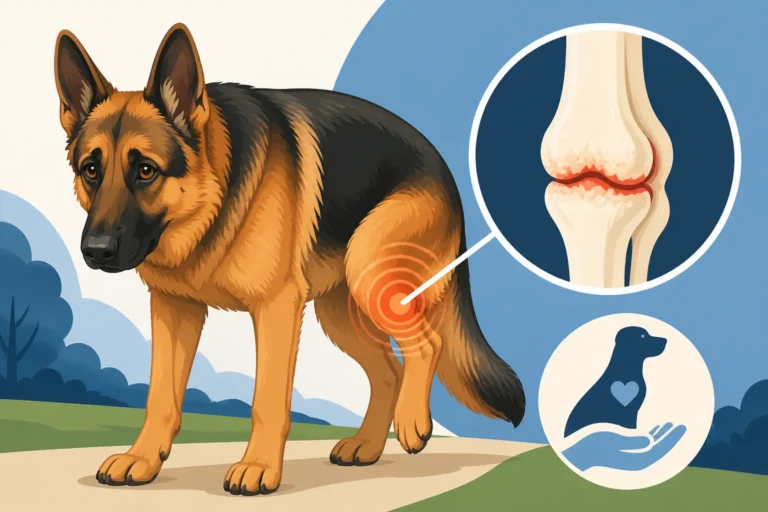
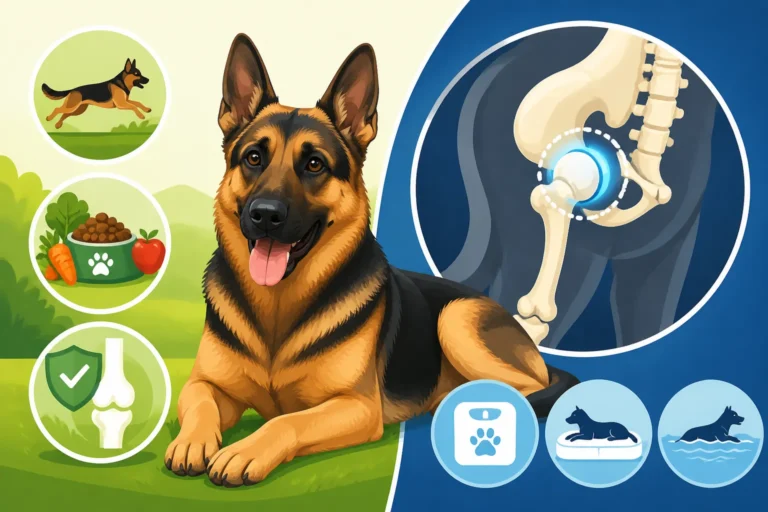
It's a stark reality that hip dysplasia is one of the most common orthopedic conditions affecting German Shepherds. This developmental disease occurs when the hip joint—a ball-and-socket joint—doesn't form properly, leading to looseness and eventual degeneration. This improper fit causes the bones to rub and grind against each other, instead of sliding smoothly. Over time, this leads to painful joint inflammation, loss of cartilage, and the development of osteoarthritis. While not every German Shepherd will develop hip dysplasia, the genetic component means that conscientious breeders and owners must take preventative measures and understand the risks. It's a key reason why understanding German Shepherd Health Problems Guide is so vital for the breed.
The unfortunate truth is that without proper screening of breeding dogs, the prevalence of hip dysplasia can remain high. This is why organizations like the Orthopedic Foundation for Animals (OFA) and the University of Pennsylvania Hip Improvement Program (PennHIP) exist, aiming to reduce the incidence of the disease through selective breeding. Their goal is to identify dogs with healthy hips, thereby improving the breed's overall health over generations. For an owner, knowing this prevalence underscores the importance of early detection and management, should the condition arise.
The Impact on Quality of Life
Imagine living with a constant ache in your joints, limiting your ability to run, jump, or even walk comfortably. That’s often the reality for a German Shepherd suffering from hip dysplasia. The impact extends far beyond physical discomfort, affecting their mental and emotional well-being too. A dog that once loved chasing a ball might become reluctant to play. They might struggle to climb stairs, jump into the car, or even stand up after a nap. This decline in activity can lead to weight gain, muscle atrophy, and a general decrease in their zest for life.
Early signs can be subtle: a slight limp after exercise, difficulty rising, or a change in gait. As the condition progresses, the pain becomes more pronounced, leading to significant mobility issues and a noticeable reduction in their quality of life. For dedicated German Shepherd parents, witnessing their vibrant companion suffer is heartbreaking. This makes proactive screening and subsequent management, whether through surgery or conservative methods, absolutely crucial. Addressing these issues early can make a world of difference in your dog's comfort and longevity.
Understanding OFA Hip Evaluations
The Orthopedic Foundation for Animals (OFA) is a widely recognized organization that has been evaluating canine orthopedic health for decades. Their hip evaluation method is perhaps the most traditional and commonly used screening tool for hip dysplasia in many breeds, including the German Shepherd. It provides a standardized system for assessing hip quality, giving breeders and owners a clearer picture of a dog's orthopedic health.
The OFA Scoring Process and Grading System
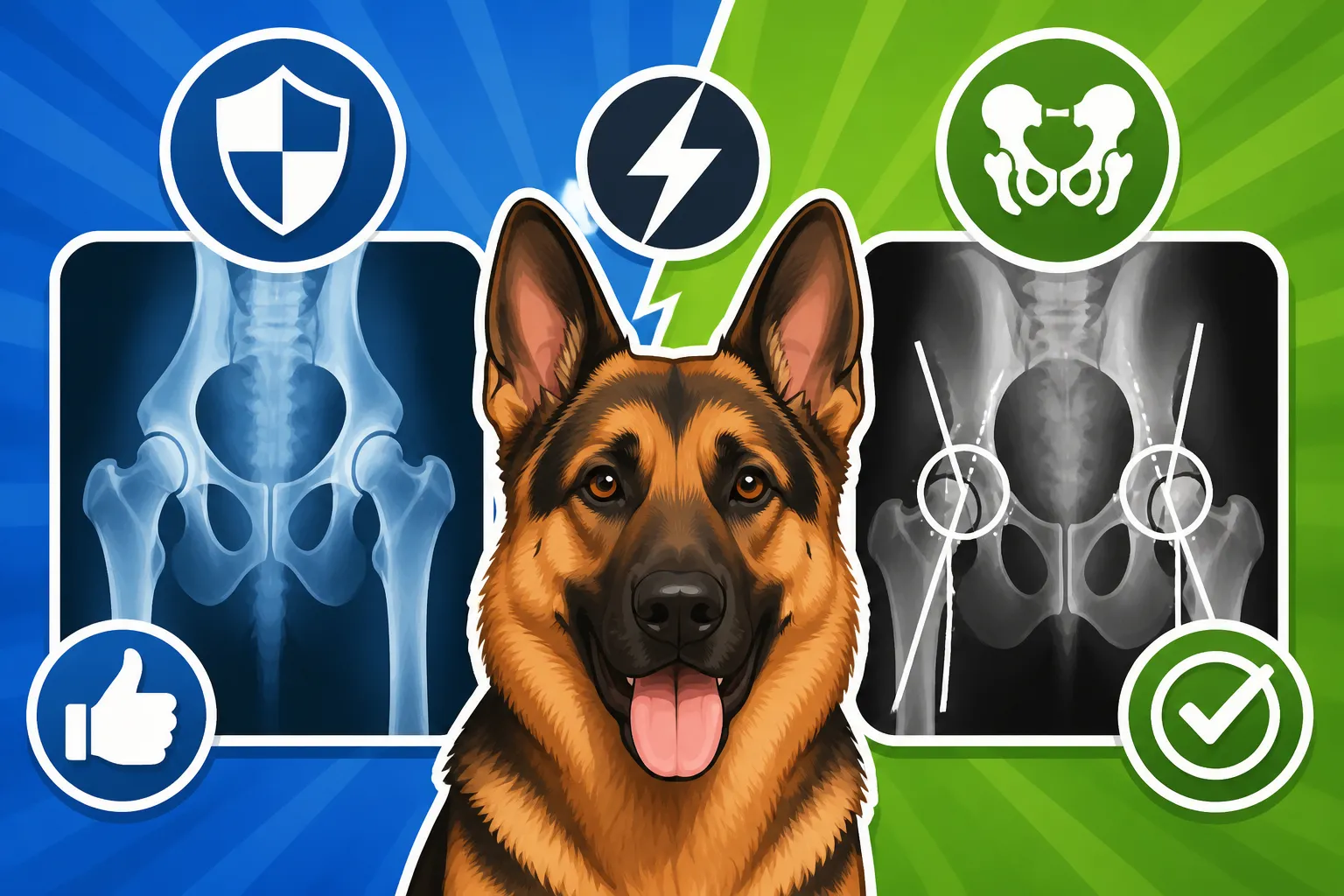
The OFA hip evaluation process involves taking a specific X-ray view of your dog's hips, typically known as the ventrodorsal view. For final certification, your dog must be at least 24 months old, as their skeletal structure needs to be mature for an accurate assessment. The X-rays are then submitted to the OFA, where they are reviewed by a panel of three independent, board-certified veterinary radiologists. These experts evaluate the images based on several criteria, including the depth of the acetabula (hip sockets), the fit of the femoral heads (ball) into the sockets, and the presence of any degenerative changes like bone spurs or remodeling.
Based on their evaluation, the hips are assigned a grade. The OFA grading system for hips includes seven categories: Excellent, Good, Fair (all considered "passing" or "normal"), Borderline, Mild, Moderate, and Severe (the last three being dysplastic).
- Excellent: Superior hip conformation.
- Good: Well-formed, congruent hips.
- Fair: Minor irregularities, but still considered within the normal range.
- Borderline: Not clearly normal or dysplastic; a re-evaluation might be recommended.
- Mild Dysplasia: Significant subluxation, some degenerative changes.
- Moderate Dysplasia: Significant subluxation, shallow acetabula, definite degenerative changes.
- Severe Dysplasia: Marked evidence of dysplasia, flat acetabula, extensive degenerative changes.
Only dogs receiving an Excellent, Good, or Fair rating are considered "normal" and are eligible for an OFA certification number, which is publicly recorded. This transparency is a cornerstone of the OFA system, allowing prospective puppy buyers to verify the health clearances of parent dogs.
Understanding OFA Preliminary and Final Certifications
It’s important to distinguish between OFA preliminary and final certifications. The final OFA hip certification, as mentioned, requires a dog to be at least 24 months old. This age ensures that the dog's hips are fully developed and that the radiographic findings are indicative of their mature hip status. A dog with a final "normal" OFA certification is deemed suitable for breeding in terms of hip health. Breeders committed to improving the breed will only use dogs with these official clearances.
However, sometimes owners or breeders want an earlier assessment, especially if they're considering potential breeding or simply want an early indication of their puppy's hip health. This is where preliminary OFA evaluations come into play. These can be done as early as 4 months of age, though typically they are performed between 6 and 18 months. While a preliminary evaluation can provide a good estimate of hip quality, it's not a final certification. The reliability of preliminary scores is quite high, with studies suggesting that dogs given a "normal" preliminary score rarely develop severe dysplasia later. However, a preliminary "dysplastic" score often holds true. It's crucial to remember that a preliminary evaluation is just that—preliminary—and should always be followed up with a final evaluation at 24 months for an official breeding clearance.
Pros and Cons of OFA
The OFA method has stood the test of time, and its widespread adoption speaks to its utility, but it's not without its drawbacks. On the "pro" side, OFA is highly accessible; most veterinarians are familiar with the required X-ray positioning, making it relatively easy to get the radiographs taken. It's also less expensive than PennHIP in most cases, which can be a significant factor for breeders managing multiple dogs. The grading system is straightforward and easy for laypeople to understand (Excellent, Good, Fair), and the public database provides valuable transparency, allowing anyone to look up a dog's hip health history. The OFA has certainly contributed to raising awareness and encouraging screening within the German Shepherd community, guiding many breeders toward healthier lines.
However, the OFA system also has its limitations. The primary criticism often cited is that it's a qualitative assessment based on a single X-ray view, evaluated by subjective interpretation, albeit by experts. The "passing" scores (Fair, Good, Excellent) don't quantify the degree of joint laxity, which is considered a primary indicator of hip dysplasia risk. A dog with "Fair" hips might still have more laxity than ideal. Moreover, the required age of 24 months means a breeder invests two years into a dog before knowing its final hip status, potentially delaying breeding decisions. There's also the argument that the X-ray positioning itself (extended limb view) can sometimes mask a dog's true hip laxity, as muscles and tendons can pull the femoral head into the socket, making the hips appear tighter than they are. This "positional artifact" is a common point of discussion when comparing OFA to other methods like PennHIP.
Delving into PennHIP Assessments
The PennHIP method offers a different, more quantitative approach to evaluating canine hip health, developed by the University of Pennsylvania's School of Veterinary Medicine. While newer than OFA, it has gained significant traction for its scientific basis and ability to predict hip dysplasia risk at an earlier age.
The PennHIP Measurement Process and DI Score
Unlike OFA's single standard X-ray view, the PennHIP method requires three distinct radiographic views:
- Distraction View: This is the most crucial view and unique to PennHIP. It measures the passive hip joint laxity—how much the femoral head can be pulled out of the hip socket. This is achieved using a specialized "distraction" device while the dog is under sedation.
- Compression View: This view measures the snugness of the hip joint, minimizing any joint laxity.
- Hip Extended View: Similar to the standard OFA view, this helps assess for degenerative joint disease.
All three X-ray views are taken by a PennHIP-certified veterinarian (meaning they've undergone specialized training) with the dog under sedation to ensure proper muscle relaxation and accurate measurements. The images are then sent to the PennHIP analysis center, not a panel of radiologists. Here, sophisticated software is used to objectively measure the joint laxity from the distraction view.
The primary outcome of a PennHIP evaluation is the Distraction Index (DI). This is a numerical value ranging from 0 to 1, where 0 indicates no laxity (a very tight joint) and 1 indicates maximum laxity (the ball is completely out of the socket). The lower the DI, the tighter the hips. This quantitative measure of laxity is considered highly predictive of a dog's susceptibility to developing hip dysplasia. Typically, dogs with DIs of 0.30 or less are considered to have very tight hips, while those with DIs above 0.70 are at extremely high risk.
What PennHIP Results Tell You
The PennHIP results provide a wealth of information beyond just a "pass" or "fail." The DI score is crucial because it allows owners and breeders to compare a dog's hip laxity to that of other dogs within the same breed, giving a percentile ranking. For example, a dog might have a DI of 0.45, and the report will state that this dog's hips are tighter than, say, 70% of German Shepherds evaluated by PennHIP. This comparative data is incredibly powerful for selective breeding, aiming to breed dogs that fall into the tighter end of the DI spectrum for the breed.
One of the most significant advantages of PennHIP is that it can be performed on dogs as young as 16 weeks (4 months) of age. This early assessment allows breeders to make informed decisions about potential breeding stock much earlier in a dog's life, saving time, resources, and emotional investment. A low DI score at 4 months is highly correlated with a low risk of developing hip dysplasia later in life. Conversely, a high DI score indicates a significant risk, allowing owners to take preventative measures, such as dietary adjustments, controlled exercise, and even considering German Shepherd Hip Dysplasia Prevention strategies early on. The report also includes an assessment for the presence of osteoarthritis, giving a complete picture of hip joint health.
Pros and Cons of PennHIP
PennHIP's rise in popularity, especially among breeders dedicated to genetic health, is due to its strong scientific backing. The most compelling "pro" is its objectivity and quantitative measurement of joint laxity. The Distraction Index (DI) provides a continuous scale for hip quality, allowing for more precise selection of breeding animals. Being able to perform the evaluation as early as 16 weeks old is a huge advantage for breeders, enabling earlier decisions and potentially reducing the emotional and financial investment in a dog that may not be suitable for breeding. PennHIP is also generally considered a more sensitive diagnostic tool, meaning it's better at identifying dogs at risk for hip dysplasia that might "pass" an OFA evaluation due to positional factors. This means that a PennHIP evaluation offers a more comprehensive and statistically robust prediction of hip health.
However, PennHIP also comes with its own set of "cons." The most significant is the cost; PennHIP evaluations are typically more expensive than OFA. This higher cost is due to the specialized equipment required and the need for sedation, as well as the certification process for the veterinarians who perform the procedure. Not all veterinarians are PennHIP certified, which means accessibility might be an issue depending on your location, requiring travel to a specialized clinic. Sedation, while necessary for accuracy, always carries a small inherent risk, which some owners may be concerned about. Lastly, the DI score, while objective, can be less intuitive for the average pet owner to understand compared to the descriptive OFA grades. Breeders often use the percentile ranking to explain the DI score, which helps bridge this gap.
Key Differences and Similarities: OFA vs. PennHIP
When you’re trying to decide the best path for your German Shepherd’s hip health, it’s not always a clear-cut choice between OFA and PennHIP. Both methods aim to identify healthy hips and reduce the incidence of hip dysplasia, but they approach this goal with distinct philosophies and techniques. Understanding these differences and where they overlap is essential for making an informed decision.
Methodology and Scientific Basis
The core difference between OFA and PennHIP lies in their fundamental methodology. OFA primarily relies on a phenotypic evaluation using a standard hip-extended radiograph. This means it assesses the physical appearance of the hip joint in a specific position. A panel of radiologists then subjectively, though expertly, interprets these images to grade the hips based on their visual conformation and the presence of degenerative changes. While effective, critics argue this method doesn't directly measure the inherent looseness of the joint.
PennHIP, on the other hand, employs a more quantitative and biomechanical approach. It directly measures hip joint laxity using specialized distraction and compression radiographs. The Distraction Index (DI) is an objective numerical measure of this laxity, which is widely accepted as a primary indicator of hip dysplasia risk. This method is based on the premise that hip laxity is the underlying cause of hip dysplasia, and measuring it directly provides a more predictive assessment. The scientific rigor behind PennHIP, including numerous peer-reviewed studies, is often highlighted as one of its main strengths, offering a more precise evaluation of a dog's genetic predisposition.
Age Requirements and Sedation
These two methods also differ significantly in their age requirements and the need for sedation.
- OFA: For official, final certification, dogs must be at least 24 months (2 years) old. This is to ensure full skeletal maturity, as hip conformation can change as a dog grows. Preliminary OFA evaluations can be done earlier (as young as 4 months, but typically 6-18 months), but these are not considered final. Sedation is generally recommended for OFA X-rays to ensure proper positioning, but it is not strictly mandatory for submission.
- PennHIP: This method can be performed on dogs as young as 16 weeks (4 months) old, providing a reliable assessment of hip laxity much earlier in life. This early screening is a huge advantage for breeders. Crucially, sedation is absolutely mandatory for PennHIP evaluations. This is because complete muscle relaxation is required to accurately perform the distraction view and measure joint laxity without muscle resistance or patient discomfort. The specialized training for PennHIP-certified vets also covers techniques for safe sedation.
Interpretation and Breeding Implications
The way results are interpreted and their implications for breeding also vary.
- OFA: The results are categorized into seven grades, with "Excellent," "Good," and "Fair" considered "normal" and suitable for breeding. The interpretation is descriptive and relies on the collective judgment of the radiologists. For breeders, an OFA "Good" or "Excellent" score is the goal, indicating a lower risk of passing on hip dysplasia. The public database allows for easy verification of breeding dogs' clearances.
- PennHIP: The primary result is the Distraction Index (DI), a continuous numerical score of hip laxity. Lower DI values indicate tighter hips and a lower risk of developing hip dysplasia. The report includes a percentile ranking, showing how a dog compares to others in its breed. For breeding purposes, PennHIP recommends breeding dogs with DIs that are tighter than the breed average (i.e., in the lower range of the breed's DI distribution) to gradually improve the breed's genetic hip health over generations. This quantitative approach allows for more targeted breeding decisions aimed at reducing the genetic predisposition to hip dysplasia.
Here’s a summary table comparing the two methods:
| Feature | OFA Hip Evaluation | PennHIP Assessment |
|---|---|---|
| Methodology | Qualitative, phenotypic assessment of hip conformation. | Quantitative, measures hip joint laxity. |
| Primary Output | Descriptive grades (Excellent, Good, Fair, Borderline, etc.) | Distraction Index (DI) score (0-1), percentile ranking. |
| Minimum Age for Final | 24 months (2 years) | 16 weeks (4 months) |
| Sedation | Recommended, but not strictly mandatory for submission. | Mandatory for accurate measurements. |
| X-ray Views | Single standard ventrodorsal (hip-extended) view. | Three views: Distraction, Compression, Hip-extended. |
| Interpretation | Subjective expert panel review. | Objective, software-based measurement. |
| Cost | Generally less expensive. | Generally more expensive. |
| Accessibility | Widely available, most vets can perform. | Requires PennHIP-certified vet and specialized equipment. |
| Predictive Power | Good for mature dogs; preliminary is indicative. | Higher predictive power at earlier age, measures primary cause. |
Choosing the Right Method for Your German Shepherd
Deciding between OFA and PennHIP can feel like a big decision, especially when you're thinking about the long-term health of your German Shepherd. There isn't a single "best" answer that fits every situation, and what's right for one owner or breeder might not be ideal for another. It really comes down to understanding your goals, your dog's age, and your resources.
Factors to Consider for Your Dog
When weighing your options, think about these key points related to your German Shepherd:
- Age of Your Dog: If your German Shepherd is still a puppy (under 4 months), you'll need to wait for a PennHIP assessment, or significantly longer for a final OFA certification. If they're over 2 years old, both options are fully available. Early screening with PennHIP can give you peace of mind (or an early heads-up) and allow for proactive management if needed.
- Purpose of Evaluation: Are you a breeder looking to make informed decisions about your breeding stock and improve the breed's genetic health? PennHIP's quantitative data and early assessment capabilities might be more appealing, especially if you're aiming for gradual, measurable improvements over generations. If you're a pet owner simply wanting to check your dog's hip status for personal knowledge or for their health record, OFA might be sufficient, particularly if cost is a concern.
- Temperament and Health: Both methods require your dog to be still for X-rays. PennHIP absolutely requires sedation, which might be a consideration if your dog has certain health conditions or an adverse reaction to sedatives. Discuss any health concerns with your veterinarian beforehand. Most German Shepherds handle sedation well, but it's always a point to consider.
- Veterinarian's Expertise: Does your current vet offer PennHIP, or will you need to travel to a specialty clinic? The accessibility of a PennHIP-certified veterinarian might influence your choice. Most general practitioners can perform OFA X-rays.
For a German Shepherd, especially those from lines known for hip issues, prioritizing a method that gives the most comprehensive and predictive data might be the wisest choice. This often points towards PennHIP for breeders focused on genetic improvement, and either method for pet owners depending on their individual circumstances.
When to Use Both Methods
You might be surprised to learn that some breeders and owners choose to utilize both OFA and PennHIP evaluations for their German Shepherds. While it adds to the cost and requires two separate procedures (or at least different interpretations of X-rays), this dual approach offers the most complete picture of a dog's hip health.
- Comprehensive Data: OFA assesses the "conformation" or shape of the hip joint and the presence of degenerative disease, while PennHIP measures "laxity," the looseness of the joint. By having both, you get information on both the structural integrity and the functional stability of the hips. A dog could have seemingly good conformation on an OFA, but still have significant laxity detected by PennHIP, indicating a potential long-term risk.
- Breeding Decisions: For dedicated German Shepherd breeders, using both methods can provide an unparalleled level of detail for making breeding decisions. It allows them to select for both optimal conformation and minimal laxity, aiming for the tightest, healthiest hips possible in their offspring. This is particularly relevant if they are trying to understand German Shepherd Genetic Health Testing more fully.
- Personal Peace of Mind: As a pet owner, if you have the resources, getting both evaluations can offer the ultimate peace of mind. You'll know your dog's hip status from two different, complementary perspectives, allowing you to tailor their exercise, diet, and lifestyle to best support their joint health. It can also provide a baseline for future comparisons if any lameness develops.
While not necessary for every dog, combining these powerful diagnostic tools provides the most thorough assessment available, giving you a deep understanding of your German Shepherd's hip structure and stability.
Discussing Options with Your Veterinarian
The absolute best first step in navigating OFA vs. PennHIP is to have a detailed conversation with your trusted veterinarian. They know your German Shepherd's individual health history, temperament, and your specific concerns.
- Expert Guidance: Your vet can explain the nuances of each procedure, including the sedation protocols, potential risks, and what to expect during and after the evaluation. They can help you interpret the results in the context of your dog's breed and lifestyle.
- Tailored Recommendation: Based on your goals (breeding, pet health, early detection), your vet can recommend which method, or combination of methods, would be most appropriate for your dog. For instance, if your German Shepherd is showing early signs of lameness, your vet might lean towards PennHIP for its sensitivity in detecting laxity, or simply recommend a basic X-ray to rule out First Signs of Hip Dysplasia in German Shepherds.
- Logistics and Cost: Your vet can provide accurate cost estimates for both procedures and discuss the logistics, such as whether they are PennHIP certified or if they'll need to refer you to a specialist clinic. They can also explain payment options and how pet insurance might factor in. Many pet insurance plans, like those from Healthy Paws, often cover diagnostic procedures related to conditions like hip dysplasia, though it’s always best to check your specific policy. This financial preparation is a key part of responsible ownership.
Don't hesitate to ask all your questions, no matter how small they seem. Your veterinarian is your best partner in ensuring your German Shepherd's long-term health and well-being.
Beyond the Score: Holistic Hip Health Management
Getting your German Shepherd's hips scored by OFA or PennHIP is a fantastic first step, but it's just one piece of the puzzle. A healthy life for a German Shepherd, especially one with a predisposition to joint issues, involves a comprehensive, holistic approach that goes far beyond a single X-ray. It’s about building a lifestyle that supports strong joints and overall wellness.
Preventative Measures and Lifestyle Choices
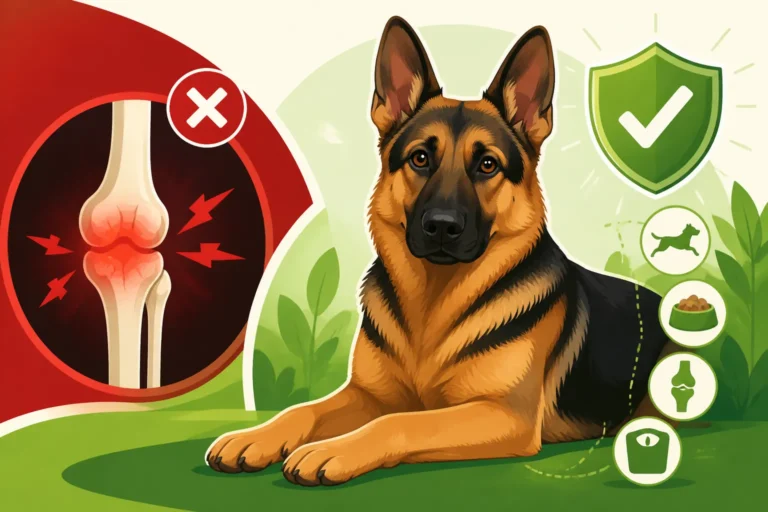
Even if your German Shepherd scores beautifully on their hip evaluations, or especially if they show some signs of laxity, preventative measures are absolutely key. You can significantly influence their long-term hip health through daily choices:
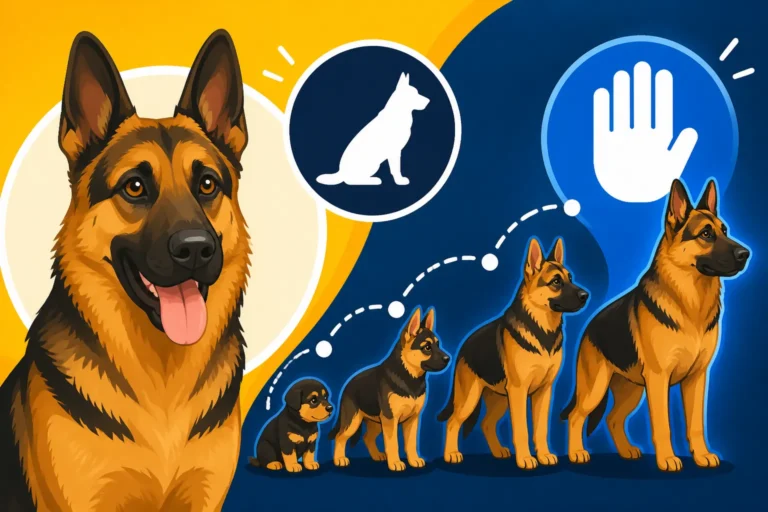
- Controlled Exercise: For puppies, avoid excessive, high-impact activities like jumping off high surfaces, long runs, or intense agility work before their growth plates close. Over-exercising a growing German Shepherd puppy can stress developing joints. Instead, focus on moderate, controlled exercise like leashed walks and swimming, which builds muscle without undue joint impact. You can learn more about appropriate exercise levels by reading about German Shepherd Growth Plates and Exercise. For adult dogs, maintaining a consistent, low-impact exercise routine helps keep muscles strong, which supports the joints.
- Weight Management: This is perhaps one of the most critical factors. Extra weight puts immense strain on a German Shepherd's joints, accelerating the progression of conditions like hip dysplasia and osteoarthritis. Keep your dog lean and at a healthy weight through a balanced diet and regular exercise. If you're unsure about their ideal weight, consult your vet.
- Proper Nutrition: A high-quality diet specifically formulated for large breeds or breed-specific German Shepherd foods provides the necessary nutrients for bone and joint development. Consider supplementing with joint-supporting ingredients like glucosamine, chondroitin, and Omega-3 fatty acids, especially as they age. Look for reputable brands or discuss Best Supplements for German Shepherd Hips with your vet.
- Safe Environment: Provide good traction on slippery floors with rugs or runners to prevent slips and falls that can injure hips. Consider ramps for cars or beds if your dog struggles with jumping, especially as they get older or if they have existing joint issues.
Implementing these daily habits can make a profound difference in minimizing the risk and managing the progression of hip problems, contributing significantly to How to Keep a German Shepherd Healthy.
Considering Pet Insurance for Hip Conditions
Let's be realistic: hip dysplasia, if it develops, can be incredibly expensive to manage. Surgical interventions like Triple Pelvic Osteotomy (TPO), Femoral Head Ostectomy (FHO), or Total Hip Replacement (THR) can cost thousands of dollars per hip. Even conservative management, involving pain medication, physical therapy, and supplements, can add up over a dog's lifetime. This is where pet insurance can be a literal lifesaver for your wallet and your peace of mind.
Having a robust pet insurance plan, like those offered by Healthy Paws, can significantly alleviate the financial burden of treating hip dysplasia and other orthopedic conditions. Most comprehensive plans cover diagnostics, surgeries, medications, and rehabilitation therapies for covered accidents and illnesses. It's crucial to understand that pet insurance typically doesn't cover pre-existing conditions, so enrolling your German Shepherd when they are young and healthy is ideal. If hip dysplasia or symptoms of it are noted before or during the waiting period, it may be excluded. Therefore, careful timing and understanding of your policy's terms are essential. A good plan ensures that you can make medical decisions based on what's best for your dog, not just what you can afford. This is a critical discussion point when considering Is Pet Insurance Worth It for a German Shepherd.
Ongoing Care and Monitoring
Even after receiving a hip score, your journey as a German Shepherd parent continues with diligent ongoing care and monitoring. Hip health isn't a "one and done" assessment; it's a lifelong commitment.
- Regular Vet Check-ups: Consistent veterinary visits are crucial. Your vet can monitor your dog's gait, range of motion, and overall comfort levels. They can catch subtle signs of pain or stiffness that you might miss during daily interactions.
- Observe Behavior Changes: German Shepherds are stoic, often hiding pain. Be vigilant for any changes in their behavior: reluctance to play, difficulty rising, a change in how they sit or lie down, a new limp, or even irritability. These can all be subtle indicators of discomfort. If you notice your German Shepherd Limping: When to Worry, it's time for a vet visit.
- Pain Management: If your German Shepherd is diagnosed with hip dysplasia, your vet will work with you to create a pain management plan. This might include anti-inflammatory medications, joint supplements, laser therapy, acupuncture, or physical therapy. The goal is to keep them as comfortable and mobile as possible.
- Adapt as They Age: As German Shepherds enter their senior years, joint health often becomes a more prominent concern, even for those with previously sound hips. Adapting their exercise, diet, and environment to accommodate age-related changes is vital for German Shepherd Senior Care Guide. Their needs will evolve, and your care plan should too.
By proactively managing your German Shepherd's hip health, from initial screening to daily lifestyle choices and ongoing monitoring, you are providing them with the best possible chance for a long, happy, and comfortable life by your side.
Disclaimer
The information provided in this article is for general informational purposes only and does not constitute veterinary advice. Always consult with a qualified veterinarian for any health concerns or before making any decisions related to your German Shepherd's health and treatment.