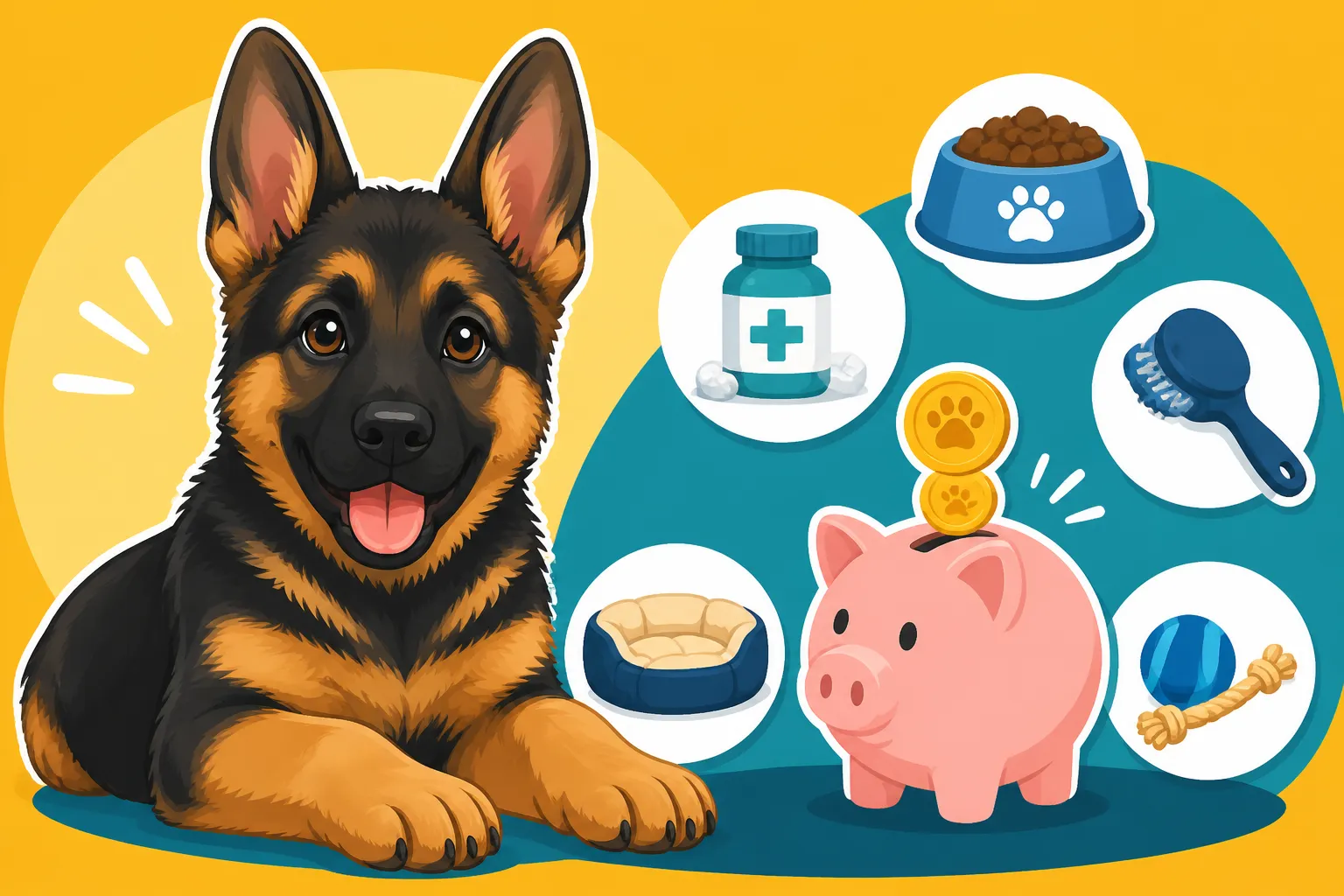
Cost of Raising a German Shepherd Puppy Year One
Bringing a German Shepherd puppy into your life is one of the most exciting and rewarding experiences, but let's be honest, it also comes with a hefty financial commitment, especially in that first whirlwind year. Many new owners find themselves a little blindsided by the true cost once the initial puppy-love haze wears off. This comprehensive guide is here to break down exactly what you can expect to spend in your German Shepherd puppy's first year, from the initial adoption fee to ongoing care, so you can plan effectively and give your furry friend the best start possible.
The Upfront Investment: Getting Your German Shepherd Puppy
Before your adorable bundle of fur even steps paw into your home, there are significant costs to consider. These are the foundational expenses that kickstart your journey as a German Shepherd parent. It’s not just the price tag on the puppy itself; it's also about setting up a safe and comfortable environment.
Puppy Purchase Price or Adoption Fees
The cost of acquiring a German Shepherd puppy can vary wildly, and it's often the first major hurdle for prospective owners. If you're looking for a well-bred German Shepherd from a reputable breeder, expect to pay anywhere from $1,500 to $3,000, or even more for puppies with exceptional pedigrees or specific working lines. These breeders invest heavily in health testing, proper nutrition for the mother, early socialization, and often even preliminary vet checks for the puppies before they go home. They're typically happy to discuss the full spectrum of their expenses, which ultimately influence the price. You can learn more about German Shepherd Puppy Price Explained.
On the other hand, if you choose to adopt from a rescue organization or shelter, the fees are usually much lower, typically ranging from $250 to $700. This fee often covers initial vaccinations, spay/neuter surgery, and sometimes even microchipping, making it a fantastic value. While you might not get a young puppy, you could find a slightly older adolescent who needs a loving home, and many rescue groups specifically have German Shepherd programs. The feeling of giving a dog a second chance is priceless, but financially, it can be a significant saving on initial medical costs. It's important to research how much a German Shepherd costs based on where you're acquiring them.
Initial Supplies and Setup Costs
Once you've secured your puppy, the next step is to prepare your home. This isn't just about a cute bed and some toys; it's about creating a safe, stimulating, and functional environment for a large, intelligent breed like the German Shepherd. A good quality large-breed crate, essential for potty training and providing a safe den, can cost between $80 and $200. You'll need food and water bowls, preferably stainless steel or ceramic for hygiene, which run about $20-$50.
Then there’s the leash, collar, and harness – vital tools for early training and walks. A durable set can easily be $40-$80. Don't forget puppy pads for accidents (if you choose to use them), a variety of chew toys (German Shepherds are notorious chewers!), and grooming tools like a brush, nail clippers, and puppy shampoo. These initial purchases can quickly add up to $200-$500, easily. Many owners find themselves frequently restocking chew toys, especially during the teething phase, so factor in that ongoing expense. Retailers like Chewy offer a wide array of options, often with competitive pricing and convenient delivery for all your initial puppy needs.
First Vet Visits and Vaccinations
Bringing a new puppy home means an immediate trip to the vet for a thorough check-up. This initial visit, even if the puppy seems perfectly healthy, is crucial to establish care and identify any potential underlying issues. Expect to pay around $60-$150 for the exam itself. Beyond that, your puppy will need a series of vaccinations, usually spread out over a few weeks, to protect them from common and serious diseases like distemper, parvovirus, and rabies.
A full series of puppy vaccinations can cost between $75 and $200. Don't forget deworming treatments, which are almost universally required for puppies, usually costing $20-$50 per dose. Many vets also recommend microchipping, which is a one-time fee of about $30-$70 and provides invaluable peace of mind should your puppy ever get lost. These essential early medical costs are non-negotiable for your puppy's health and safety, forming a significant chunk of your initial budget. Understanding the German Shepherd Vaccination Schedule is key to staying on top of these appointments.
Monthly Recurring Expenses for a Growing Puppy
The initial costs are just the beginning. A German Shepherd puppy grows rapidly and requires consistent care, which translates into recurring monthly expenses that need to be factored into your budget. This is where the long-term commitment truly begins.
High-Quality Puppy Food and Treats
Feeding a growing German Shepherd puppy isn't cheap, but it's one area where cutting corners can lead to serious health issues down the line. German Shepherds are a large breed prone to joint problems, so feeding a high-quality, large-breed specific puppy food is paramount for proper growth and development. These specialized formulas ensure a balanced calcium-to-phosphorus ratio to prevent overly rapid growth, which can exacerbate conditions like hip and elbow dysplasia.
A 30-pound bag of premium large-breed puppy food can range from $50 to $90 and might only last 3-4 weeks, depending on your puppy's age and activity level. As they grow, their food intake will increase. Consider brands like Purina Pro Plan Large Breed Puppy or Royal Canin German Shepherd Puppy, which are often recommended by veterinarians. You can read more about the Best Dog Food for German Shepherds. Additionally, training treats are an absolute necessity for positive reinforcement and can add another $15-$30 per month. If you explore fresh food options, like Ollie, costs could be higher but many owners find the health benefits worth it. For detailed guidance, check out How Much to Feed a German Shepherd Puppy.
Essential Training and Socialization
German Shepherds are highly intelligent and require consistent training and socialization from a young age. This isn't just about teaching "sit" and "stay"; it's about molding a well-behaved, confident, and safe companion. Puppy classes are an excellent investment, usually costing $120-$250 for a 6-8 week course. These classes provide crucial socialization with other puppies and people in a controlled environment, plus they teach you fundamental handling skills.
Beyond puppy classes, many owners find it beneficial to continue with obedience classes or even hire a private trainer for specific behavioral challenges. These can range from $50 to $150 per hour for private sessions or $200-$400 for advanced group classes. Training tools, such as clickers, treat pouches, and longer leashes for recall practice, are relatively inexpensive but add to the overall monthly spend if you're frequently replacing or upgrading. Remember, a well-trained German Shepherd is a joy; an untrained one can be a handful. Investing in German Shepherd Puppy Training Guide early will pay dividends for years to come.
Grooming and Maintenance Essentials
Despite their relatively low-maintenance appearance compared to some long-haired breeds, German Shepherds have a thick double coat that sheds, often profusely, especially during "blow coat" season. Regular grooming is essential for their skin and coat health. While many owners opt to do most grooming at home, you'll still need to invest in quality tools. A good deshedding brush, like a Furminator or a slicker brush, can cost $20-$50. Nail clippers or a dremel are another $15-$40.
You'll also need dog-specific shampoo and conditioner, ear cleaner, and possibly dental chews or a dog toothbrush and toothpaste. These supplies might only need to be purchased every few months, but they represent an ongoing cost. Professional grooming isn't usually a monthly necessity for German Shepherds unless you prefer it or have a specific issue, but a periodic bath and deshedding session at a groomer can cost $50-$100. Over the first year, budgeting around $20-$40 a month for these items and occasional professional help is a reasonable estimate. Don't underestimate the importance of German Shepherd Dental Care Explained for long-term health.
Preparing for the Unexpected: Health and Wellness Costs
Even with the best preventative care, owning a German Shepherd, especially a puppy, means preparing for the unexpected. These dogs are prone to certain breed-specific health issues, and puppies can get into all sorts of mischief. Having a plan for potential health crises is non-negotiable.
Routine Veterinary Care and Preventative Medicine
Beyond the initial puppy vaccinations, your German Shepherd will need annual wellness exams, booster shots, and ongoing preventative medications. Heartworm prevention is typically a monthly oral medication, costing around $10-$25 per month, and flea and tick prevention can range from $15-$40 monthly, depending on the product and your location. These are critical for preventing serious and often costly diseases.
Many vets recommend annual bloodwork for adult dogs, and while not strictly for puppies, some may recommend a baseline panel towards the end of their first year, costing $100-$200. Keeping up with these routine visits and preventative medicines is one of the best ways to keep your German Shepherd healthy and potentially avoid much larger vet bills down the road. For a deeper dive into overall health management, consult our How to Keep a German Shepherd Healthy guide.
Pet Insurance or Emergency Savings
This is arguably one of the most crucial considerations for German Shepherd owners. German Shepherds, unfortunately, are genetically predisposed to certain health conditions, notably hip and elbow dysplasia, bloat, and degenerative myelopathy. Treatments for these can run into thousands of dollars, easily. For example, German Shepherd Hip Dysplasia Surgery Cost can range from $3,000 to $7,000 per hip. An emergency bloat surgery could be $2,500-$7,000. These are not costs most people can absorb without significant financial strain.
Pet insurance can be a lifesaver. Monthly premiums for a German Shepherd puppy can range from $40 to $80, depending on your location, deductible, and coverage level. Providers like Healthy Paws are popular choices, offering comprehensive accident and illness plans. While it feels like an added expense, one major emergency can easily pay for years of premiums. If pet insurance isn't for you, then it's absolutely vital to have a dedicated emergency savings fund of at least $3,000-$5,000 specifically for your dog's medical needs. Read our guide on Is Pet Insurance Worth It for a German Shepherd for more insights.
Dealing with Common Puppy Ailments
Puppies, much like human children, are susceptible to various minor ailments and accidents. Gastrointestinal upset from eating something they shouldn't, minor cuts or scrapes, kennel cough, or ear infections are common occurrences. A quick vet visit for these issues can still cost $80-$300 for examination, medication, and possibly diagnostic tests.
For instance, if your puppy develops an ear infection, the vet visit, ear cleaning, and medication might be $150. If they ingest a foreign object and require X-rays, that could be $200-$500 even without surgery. It's not always about life-threatening conditions; sometimes it's just the everyday "oops" moments that add up. Being prepared for these smaller, more frequent medical issues is a key part of your first-year budget. Our German Shepherd Health Problems Guide can help you understand what to watch out for.
Totaling It Up: A First-Year Cost Breakdown and Budgeting Tips
So, what does all this truly add up to in that first exhilarating, exhausting, and expensive year? Let's consolidate the numbers to give you a clear picture. Remember, these are estimates and can fluctuate based on your choices, location, and your dog's individual needs.
Summary of Estimated First-Year Costs
Here's a generalized breakdown of what you might expect to spend:
| Category | Low Estimate (USD) | High Estimate (USD) | Notes |
|---|---|---|---|
| Acquisition | $250 (Adoption) | $3,000 (Breeder) | Varies significantly based on source. |
| Initial Supplies | $200 | $500 | Crate, bowls, leash, collar, toys, grooming tools. |
| First Vet & Vaccinations | $250 | $500 | Initial exam, full puppy vaccination series, deworming, microchip. |
| Food & Treats (12 mos) | $600 | $1,200 | Premium large-breed puppy food, high-value training treats. Varies with diet type (kibble vs. fresh). |
| Training & Socialization | $120 | $700 | Puppy classes, potential follow-up group classes, or a few private sessions. |
| Preventative Meds (12 mos) | $300 | $780 | Monthly heartworm, flea, & tick prevention. |
| Routine Vet Care (12 mos) | $100 | $250 | Annual check-up, minor vet visits for common puppy issues. Doesn't include major emergencies or illness beyond minor ones. |
| Pet Insurance (12 mos) | $480 | $960 | Optional, but highly recommended. Based on $40-$80/month. If no insurance, an emergency fund is critical. |
| Miscellaneous (12 mos) | $100 | $300 | Replacements for worn-out toys, unexpected grooming needs, new bed, training incidentals, etc. |
| TOTAL ESTIMATE | $2,600 | $8,190+ | This doesn't include costs for major medical emergencies, which could add thousands more without pet insurance. For a complete picture of ongoing costs, see German Shepherd Vet Costs Per Year. |
As you can see, the first year is definitely the most expensive due to initial setup and veterinary care. Even on the lower end, you're looking at a significant investment.
Smart Ways to Save Money Without Compromising Care
While owning a German Shepherd isn't cheap, there are smart ways to manage costs without sacrificing your puppy's well-being.
First, preventative care is your best friend. Keeping up with vaccinations, deworming, and parasite prevention is far cheaper than treating a full-blown illness. Regular exercise and a quality diet also contribute to long-term health, reducing vet bills.
Second, DIY where you can. Learning to trim nails, clean ears, and brush your German Shepherd at home can save you money on professional grooming services. There are plenty of online tutorials, and your vet or trainer can often show you how.
Third, comparison shop for supplies. Websites like Chewy or even local pet supply stores often have loyalty programs or bulk discounts on food and treats. Buying larger bags of kibble can reduce the per-pound cost significantly. Just make sure your puppy likes it before committing to a huge bag!
Finally, invest in durable items. While it's tempting to buy cheap toys, a German Shepherd can destroy them in minutes. Investing in high-quality, durable chew toys and equipment means less frequent replacements, saving you money in the long run. Kong and Nylabone are often good investments for strong chewers.
Long-Term Financial Planning
The first year is often the most intense financially, but German Shepherds can live for 10-14 years, meaning this is a long-term commitment. After the first year, many of the "startup" costs are gone, and ongoing expenses typically stabilize. However, as they age, senior German Shepherds may incur increasing veterinary costs related to age-related conditions like arthritis or declining organ function.
It’s wise to continue maintaining an emergency fund or pet insurance throughout their lives. Regular savings, even a small amount each month, can quickly build up to cover unexpected costs or future medical needs. Think of your German Shepherd as a beloved family member and factor their needs into your overall financial planning. The joy, loyalty, and companionship they bring are, in most owners' opinions, absolutely priceless, but preparing for the financial reality ensures you can provide them with the happy, healthy life they deserve.
Disclaimer
Please remember that this guide provides general information and estimated costs. Actual expenses can vary significantly based on your specific location, individual choices, and your German Shepherd's unique health needs. Always consult with a qualified veterinarian and reputable breeder for personalized advice.