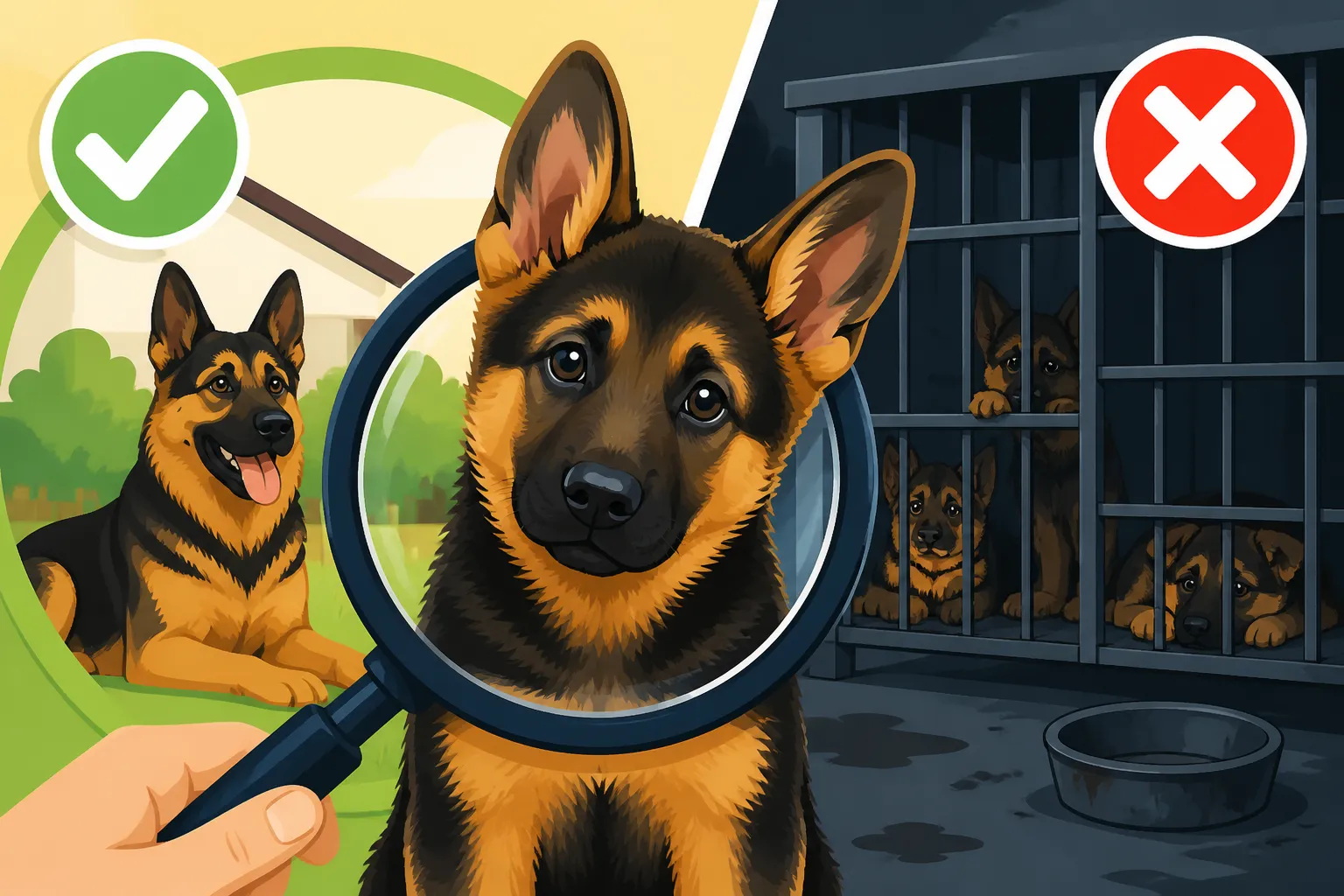
How to Spot a German Shepherd Puppy Mill
Bringing a German Shepherd puppy into your home is an incredibly exciting prospect, but the journey to find the right companion can be fraught with hidden dangers. One of the most heartbreaking pitfalls is unknowingly purchasing a puppy from a puppy mill, a place where profit ruthlessly trumps animal welfare. These operations often leave families with sick, undersocialized, and deeply traumatized puppies, leading to immense emotional and financial strain. This guide is here to equip you with the knowledge to recognize the red flags, protect yourself, and ensure your new furry family member comes from a place of care and ethical breeding.
Understanding What a Puppy Mill Is and Why They Are So Harmful
The term "puppy mill" often conjures up images of deplorable conditions, and unfortunately, those images are largely accurate. At its core, a puppy mill is a commercial breeding facility that prioritizes the quantity of puppies produced over the health, welfare, and genetic integrity of the parent dogs and their offspring. These operations are typically driven by profit, leading to severe neglect and substandard conditions that would shock any responsible animal lover.
The harm caused by puppy mills is profound and far-reaching. For the parent dogs, it means a life of continuous breeding, often confined to small, unsanitary cages with little to no human interaction, exercise, or proper veterinary care. They are often treated as breeding machines, their physical and mental health deteriorating with each litter. Their puppies, in turn, inherit not only potential genetic predispositions due to lack of health screening but also the direct consequences of their early environment, leading to a lifetime of challenges for both the dog and its unsuspecting new family.
The Harsh Reality of Puppy Mill Conditions
Imagine a place where dozens, sometimes hundreds, of dogs are crammed into small, wire-bottomed cages, stacked one on top of the other. This isn't an exaggeration; it's the reality for many dogs in puppy mills. Sanitation is often an afterthought, with feces and urine accumulating, creating a breeding ground for parasites and disease. Fresh water might be scarce, and food, when provided, is typically the cheapest, lowest-quality kibble available, just enough to sustain life, not health.
These dogs rarely, if ever, feel soft grass beneath their paws or experience the joy of a warm bed. They don't receive affection, play, or socialization. Their entire world is the confines of their cage, leading to severe psychological distress. They might pace endlessly, chew at their fur, or become extremely fearful of humans and new situations. This lack of stimulation and basic care is a direct result of the mill owner's desire to cut costs and maximize output.
The Long-Term Impact on Puppies
Puppies born in these environments are at a significant disadvantage from day one. Their mothers are often malnourished, stressed, and unwell, meaning the puppies don't get the best start in the womb or during nursing. The lack of proper nutrition, vaccinations, and early veterinary care in the mill leaves them vulnerable to a host of illnesses. You might find yourself dealing with persistent diarrhea, severe parasitic infections, or even parvovirus shortly after bringing a puppy home.
Beyond the immediate physical ailments, the lack of early socialization is a major issue. Puppies learn crucial social cues and build confidence during their first few months of life. In a puppy mill, they're deprived of positive human interaction, exposure to different sights and sounds, and interaction with a well-adjusted mother and littermates. This often results in behavioral problems like extreme fear, aggression, anxiety, and difficulty with house-training or leash manners. Many of these puppies face lifelong struggles with fear-based aggression or intense separation anxiety, requiring extensive training and often professional intervention. While there's plenty of great information out there like our comprehensive guide on German Shepherd Puppy Training Guide, overcoming these foundational deficits can be incredibly challenging.
Furthermore, a significant concern with puppy mill German Shepherds is the increased likelihood of inheriting serious genetic health problems. Reputable breeders meticulously screen their breeding stock for conditions common in the breed, such as hip and elbow dysplasia, degenerative myelopathy, and certain eye conditions. Puppy mills skip these expensive but crucial steps, passing on these debilitating issues to unsuspecting buyers. This is why understanding German Shepherd Genetic Health Testing is so important when seeking a new puppy. These genetic predispositions, combined with poor nutrition and living conditions, can manifest as severe issues that require costly treatments throughout the dog's life. Our guide on German Shepherd Health Problems Guide details many of the potential issues.
Red Flags to Watch Out For When Searching for a Breeder
When you're excitedly looking for a German Shepherd puppy, it's easy to get caught up in the adorable pictures. However, staying vigilant and recognizing warning signs is absolutely critical. Puppy mills are masters of deception, often creating convincing online facades. Knowing what to look for can save you a world of heartache and expense.
Initial Contact and Communication Red Flags
One of the first indicators of a potential puppy mill is how a breeder communicates with you. A reputable breeder is eager to build a relationship, ask you questions about your home and experience, and be a resource for the lifetime of your dog. A puppy mill, on the other hand, will often prioritize making a sale above all else.
- Vague or Evasive Answers: If a "breeder" is hesitant to answer specific questions about their breeding practices, the puppy's parents, or their facilities, that's a huge red flag. They might give generic responses or change the subject.
- Pressure to Buy Immediately: Legitimate breeders often have waiting lists, and certainly won't pressure you to make a snap decision. Puppy mills, however, want to move puppies quickly. Watch out for tactics like "this is the last one" or "someone else is coming tomorrow."
- Multiple Breeds for Sale: A true German Shepherd enthusiast will specialize in German Shepherds, perhaps one other breed if they have a long history with it, but generally, they focus their efforts on mastering one or two breeds. If a breeder is advertising dozens of different breeds, it's a strong sign they are a high-volume commercial operation, likely a puppy mill or a broker.
- No Interest in Your Home Life: A responsible breeder cares deeply about where their puppies go. They will ask detailed questions about your living situation, family members, experience with dogs, and what you're looking for in a German Shepherd. If they don't seem interested in you or your ability to provide a good home, walk away.
- Meeting in Neutral Locations: This is a classic puppy mill tactic. A reputable breeder will insist you visit their home and see the puppies in their living environment. If they suggest meeting in a parking lot, rest stop, or somewhere other than their residence, it's almost certain they're hiding something.
Facility and Environment Red Flags
If you get to the point of visiting the "breeder," pay very close attention to your surroundings. This is where the reality often becomes starkly clear. Trust your gut feeling; if something feels off, it probably is.
- Restricted Access: A legitimate breeder will welcome you to see the puppies with their mother in a clean, stimulating environment where they are raised. If you're only allowed to see the puppies in a separate room, a designated "viewing area," or prevented from seeing where the mother dog lives, it's a major warning sign. They might claim it's for biosecurity, but a responsible breeder will still allow you to see the mother and home environment, perhaps asking you to sanitize your hands.
- Unsanitary or Overcrowded Conditions: The most obvious sign. Look for dirty kennels, strong unpleasant odors, or too many dogs in a small space. Puppies and parent dogs should be clean, have fresh water, and access to proper shelter.
- Too Many Dogs or Litters: A reputable breeder typically has only a few breeding females and might produce one or two litters a year. If you see numerous adult dogs, multiple litters, or puppies of varying ages, it indicates a high-volume operation, which is characteristic of a mill.
- Lack of Socialization or Stimulation: Puppies should be active, curious, and comfortable with human interaction. They should have toys, clean bedding, and a safe space to explore. If the puppies seem timid, fearful, or shy away from human touch, or if their environment is barren, it suggests they haven't received adequate socialization.
- Puppies Don't Look Healthy: Observe the puppies carefully. Do they have clear eyes and noses? Are their coats clean and shiny? Do they seem energetic and playful? Dull coats, discharge from eyes or nose, potbellies (a sign of worms), or excessive scratching are all signs of poor health. You can learn more about what to look for in Signs of a Healthy German Shepherd.
Puppy and Parent Health Red Flags
The health of the puppies and their parents is paramount. Ethical breeders invest heavily in ensuring their dogs are healthy and genetically sound. Puppy mills do the opposite.
- No Health Clearances or Records: This is non-negotiable for German Shepherds. Reputable breeders will provide proof of health clearances for the parents from organizations like the Orthopedic Foundation for Animals (OFA) or PennHIP for hips and elbows, and often DNA tests for conditions like Degenerative Myelopathy. If a breeder makes excuses or claims these tests aren't necessary, they are likely a puppy mill. German Shepherd Hip Dysplasia Explained is a common, costly issue that responsible breeding aims to mitigate.
- Unkempt or Unhealthy Parent Dogs: Insist on seeing the mother (dam) of the puppies, and ideally the father (sire) if he is on-site. The parent dogs should look healthy, well-groomed, and have good temperaments. If they appear timid, aggressive, matted, or underweight, it's a huge warning sign about the care they receive and the temperament they might pass on.
- Lack of Veterinary Records for Puppies: Puppies should have received their first vaccinations and deworming. A reputable breeder will provide detailed veterinary records, including vaccination dates, types of vaccines, and deworming history, and will advise you on the next steps in their German Shepherd Vaccination Schedule.
- Puppies are too Young: Responsible breeders will not let puppies go home before 8 weeks of age. This allows them crucial time with their mother and littermates for proper development and socialization. If a breeder tries to send puppies home earlier, it's a sign they're trying to cut costs or don't understand critical puppy development.
- Poor Nutrition: A puppy mill will likely feed the cheapest, lowest-quality food. Ask what the puppies and their mother are eating. A reputable breeder will choose a high-quality diet. Many conscientious owners opt for premium fresh food options like Ollie, which offers personalized meal plans crafted with human-grade ingredients, ensuring optimal nutrition. This is a far cry from the bulk, low-grade kibble often found in puppy mills. Proper nutrition, as detailed in a German Shepherd Puppy Feeding Schedule, is vital for a growing puppy.
Sales Tactics and Pricing Red Flags
How the transaction is handled can also reveal a lot about the operation. Puppy mills are often focused solely on the money.
- Cash-Only Transactions: While some small breeders might prefer cash, it becomes a red flag when combined with other suspicious behaviors, as it often allows them to operate "under the radar" without proper record-keeping.
- Unusually Low or High Prices Without Justification: While price can vary, extremely low prices for a "purebred" German Shepherd might indicate corners were cut on health testing, proper nutrition, or veterinary care. Conversely, excessively high prices without any verifiable health clearances, lineage information, or impressive titles could also be a scam. For more insight into what to expect, check out our guide on German Shepherd Puppy Price Explained.
- No Contract or Health Guarantee: A reputable breeder will always provide a written contract that outlines the terms of sale, health guarantees (often for genetic conditions like hip or elbow dysplasia for a certain period), and what happens if the puppy needs to be returned. A lack of such a document is a major warning sign. You can learn more about what to expect in a German Shepherd Puppy Contract Explained.
- Refusal to Provide References: A good breeder will happily provide references from previous puppy buyers or their veterinarian. If they refuse or become defensive, it's a sign they have something to hide.
What a Reputable German Shepherd Breeder Looks Like
Finding a German Shepherd from a responsible, ethical breeder is not just about avoiding puppy mills; it's about setting yourself and your future dog up for success. Reputable breeders are passionate about the breed, dedicated to improving it, and committed to the well-being of every single puppy they bring into the world.
Transparency and Open Communication
A hallmark of a good breeder is their eagerness to share information and involve you in the process. They're proud of their dogs and their facility, and they have nothing to hide.
- Willingness to Answer All Questions: They'll patiently answer all your questions, no matter how many you have, and they'll ask you plenty in return. This two-way conversation ensures a good fit for both the puppy and your family.
- Open Invitations to Visit: They will welcome you to their home to meet the parent dogs, see the puppies in their home environment, and observe the conditions firsthand. They might have specific visiting hours to ensure puppies are not overwhelmed, but they won't deny access to their premises.
- Provides Extensive Documentation: You'll receive comprehensive health records for the puppy, copies of the parents' health clearances (OFA/PennHIP certificates), pedigree information, and registration papers. They will explain what each document means and why it's important. This level of transparency helps you understand your puppy's background and potential. For a deep dive into how to find such a breeder, read our article on How to Choose a German Shepherd Breeder.
Focus on Health and Temperament
Responsible breeders prioritize the health and temperament of their German Shepherds above all else. They understand that a healthy, well-adjusted dog is the foundation of a happy life for the dog and its family.
- Thorough Health Screening: They conduct all recommended health screenings for German Shepherds (hips, elbows, DM, etc.) on their breeding dogs and can provide proof of these clearances. They actively work to breed away from known genetic diseases, reducing the risk of your puppy developing costly and painful conditions later in life.
- Emphasis on Socialization: Puppies are raised in a stimulating home environment, exposed to various sights, sounds, and people. They begin basic obedience and house-training foundations, ensuring they are well-socialized and confident when they go to their new homes. This early enrichment is crucial for developing a stable temperament.
- Thoughtful Temperament Matching: A good breeder will evaluate each puppy's individual personality and work with you to match you with a puppy whose temperament aligns with your lifestyle and experience. They don't just pick a puppy for you; they help guide you based on your needs and the puppy's inherent traits.
- High-Quality Nutrition and Care: They feed their breeding dogs and puppies a high-quality diet, provide excellent veterinary care, and maintain a clean, safe, and enriching environment. They understand that proper nutrition contributes significantly to a dog's overall health and development. While no reputable breeder requires specific brands, they often have strong recommendations for quality diets, whether it's a trusted kibble available at retailers like Chewy or a fresh food option.
- Guidance on Ongoing Care: Even with the best breeding practices, health issues can arise in any dog. A responsible breeder will discuss potential health concerns and recommend proactive measures. They might also discuss the benefits of pet insurance to help manage unexpected veterinary costs. Services like Healthy Paws can offer peace of mind, covering accidents and illnesses, which can be invaluable over a German Shepherd's lifespan. Considering Is Pet Insurance Worth It for a German Shepherd is a conversation a good breeder will be comfortable having.
Lifelong Support and Responsible Practices
An ethical breeder views themselves as a lifelong resource and partner in your German Shepherd's journey. Their commitment doesn't end when you take the puppy home.
- Written Contract and Health Guarantee: They provide a clear, comprehensive contract outlining responsibilities, health guarantees, and a "take-back" clause, meaning they will take the dog back at any point in its life if you can no longer care for it. This demonstrates their commitment to every dog they breed.
- Limited Litters: They breed infrequently, only when they have suitable homes lined up and when it benefits the breed. Breeding is not their primary source of income.
- Education and Resources: They provide ongoing support and advice, answering questions throughout your dog's life. They may also offer recommendations for trainers, veterinarians, or breed clubs.
- Post-Sale Follow-Up: A good breeder will check in on the puppy after it goes to its new home, genuinely interested in its progress and well-being.
Here's a quick comparison table to help you easily identify the differences:
| Feature | Puppy Mill Red Flags | Reputable Breeder Green Flags |
|---|---|---|
| Communication | Vague, evasive, pushes for quick sale, no questions about your home. | Open, detailed, asks many questions, answers all of yours patiently. |
| Facility Visit | Refuses visits, meets in public, only shows puppies in a separate area. | Welcomes visits to their home, shows parents and puppies in their living environment. |
| Number of Dogs/Litters | Many different breeds, multiple litters of varying ages, high volume. | Specializes in 1-2 breeds, few litters per year, manageable number of adult dogs. |
| Parent Dogs | Not seen or look unkempt/sickly, poor temperament, no health clearances. | Seen on-site, healthy, well-socialized, clear temperament, full health clearances. |
| Puppy Health/Care | Appears sick/timid, no vet records, poor nutrition, released before 8 weeks. | Alert, social, vet records, proper vaccinations/deworming, high-quality food, 8+ weeks. |
| Documentation | No contract, no health guarantee, no pedigree/registration papers. | Comprehensive contract, health guarantee, verifiable health clearances, pedigree. |
| Support | Disappears after sale, no interest in follow-up. | Offers lifelong support, follow-up, and is a resource for questions. |
Steps to Take if You Suspect a Puppy Mill
Spotting a puppy mill can be distressing, especially if you've already fallen in love with a puppy there. However, it's crucial to act responsibly, not just for the individual puppy but for the countless others suffering in similar operations.
Document Everything
If you encounter what you suspect is a puppy mill, your first and most important step is to gather as much evidence as possible, safely. Do not put yourself in a dangerous situation.
- Take Photos and Videos: If you can do so discreetly and without drawing attention to yourself, take pictures and videos of the conditions. Focus on the dogs' health, their living environment, visible injuries, and the general sanitation. These visual records are incredibly powerful.
- Note Down Details: Write down the exact address, the date and time of your visit, names of individuals you spoke with, phone numbers, website URLs, and any license numbers displayed (or lack thereof). Document the number of dogs, breeds, and litters present, and describe the conditions in detail.
- Save Communications: Keep all text messages, emails, and any other written communications you've had with the suspected breeder. These can provide additional evidence of their practices or lack thereof.
- Veterinary Reports (if applicable): If you've already purchased a puppy from a suspected mill and it's experiencing health issues, obtain detailed veterinary reports, diagnoses, and treatment costs. This documentation can be crucial evidence of the puppy's poor health at the time of sale.
Report Your Concerns
Once you've documented your concerns, it's time to report them to the appropriate authorities. Remember, reporting helps not only the current dogs but can prevent future litters from suffering.
- Local Animal Control or Humane Society: Start with your local animal control or humane society. They are usually the first point of contact for animal cruelty and neglect cases and have the authority to investigate. Provide them with all the detailed documentation you collected.
- State Agencies: Many states have agencies responsible for regulating commercial breeders, often under the Department of Agriculture. Check your state's specific regulations and reporting procedures.
- The Humane Society of the United States (HSUS) or ASPCA: These national organizations have extensive resources on combating puppy mills and can guide you on how to report in your specific area. They often maintain databases of known puppy mills and can provide valuable advice.
- Better Business Bureau (BBB): If the "breeder" has an online presence or advertises extensively, you can also file a complaint with the Better Business Bureau. While they don't have enforcement power, a pattern of complaints can warn other potential buyers.
- Online Platforms: If the breeder is advertising on online marketplaces or social media, report their listings to the platform administrators. Many platforms have strict rules against animal abuse and deceptive practices.
By taking these steps, you become an advocate for voiceless animals, helping to shut down unethical operations and ensuring that German Shepherds get the loving, responsible start they deserve.
Disclaimer
This guide provides general information and recommendations for identifying puppy mills. It is not intended as legal advice. Always consult with a qualified professional for specific guidance related to your situation. The mention of specific brands is for illustrative purposes as examples of products and services available in the market and does not constitute an endorsement.