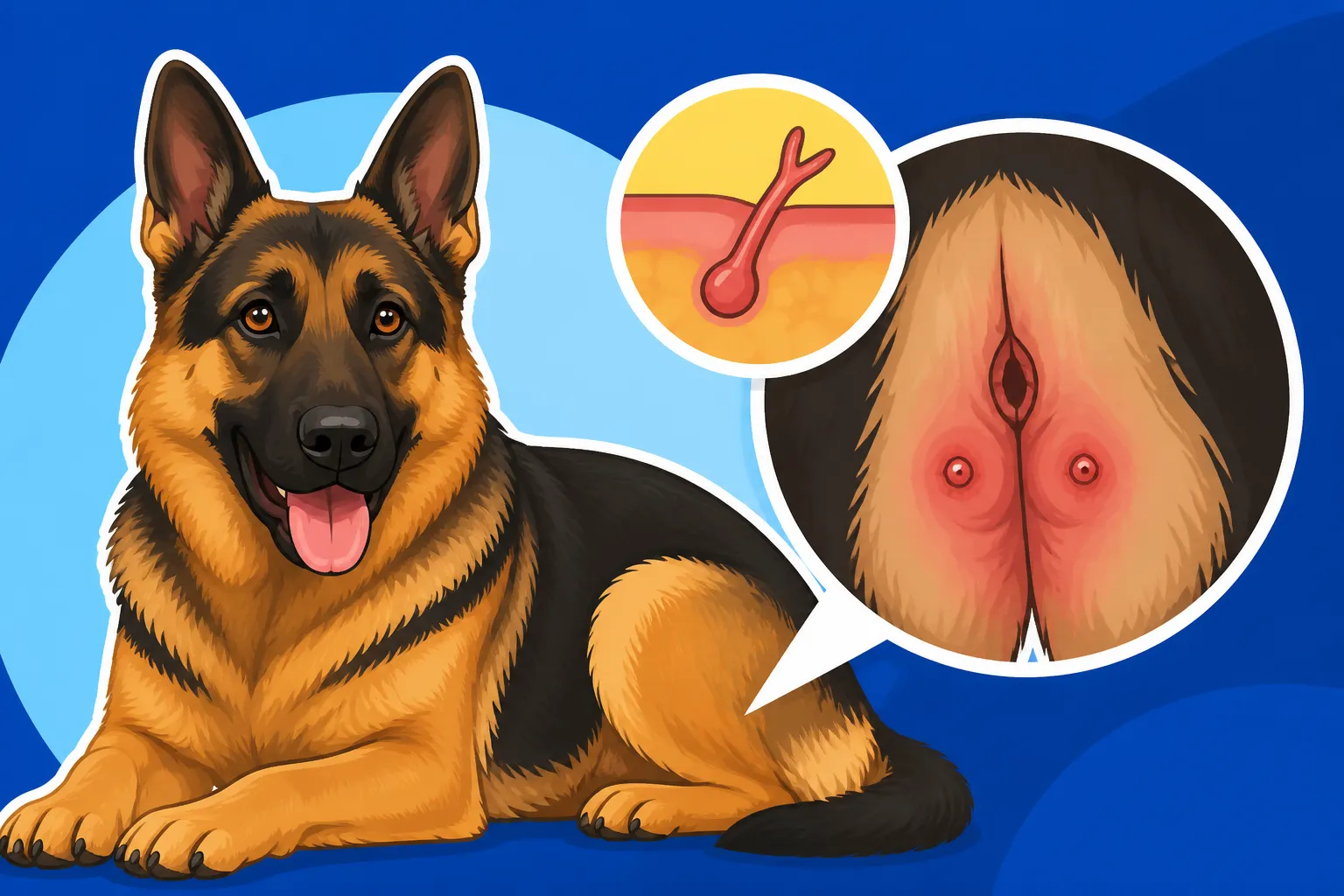
Is Perianal Fistula Common in German Shepherds
It’s truly disheartening when you start noticing something isn't quite right with your beloved German Shepherd, especially when the issue is in a sensitive area. Many German Shepherd owners find themselves grappling with concerns about their dog’s posterior region, often wondering if those persistent issues or discomfort they're seeing might be something serious like perianal fistula. This guide is here to shed light on what perianal fistula is, why German Shepherds seem to be disproportionately affected, and most importantly, how to recognize, manage, and live with this challenging condition.
Understanding Perianal Fistula in German Shepherds
The thought of any health issue affecting your dog is tough, but a condition like perianal fistula, which is often painful and chronic, can feel particularly overwhelming. It’s not just a minor irritation; it's a deep-seated problem that requires careful understanding and dedicated care. Learning about it is the first step in protecting your furry family member.
What Exactly is Perianal Fistula?
Imagine small, angry tunnels forming around your dog's anus – that's essentially what perianal fistula, also known as anal furunculosis, is. It's a chronic, progressive, and often debilitating inflammatory disease that creates ulcerated tracts or "fistulas" in the skin around the anus. These tunnels can be superficial or deep, and they often become infected, leading to a host of uncomfortable symptoms for your dog. It's not just a superficial skin irritation; it involves the deeper glandular structures and tissues.
The condition is characterized by inflammation, infection, and often deep ulcers that may discharge pus, blood, or a foul-smelling fluid. These lesions can spread, merge, and cause significant pain and discomfort, making basic bodily functions like defecation incredibly difficult for your dog. It's a persistent problem that won't simply go away on its own, and in fact, often worsens without intervention. This chronic inflammation is believed to be linked to an underlying immune system dysfunction, which is why treatments often focus on modulating the immune response.
Why German Shepherds are Prone to This Condition
It’s an unfortunate reality that German Shepherds, and some other breeds like Irish Setters and Labrador Retrievers, are significantly more predisposed to developing perianal fistula than the general dog population. While the exact cause isn't fully understood, current research strongly points towards a combination of genetic factors and an immune-mediated component. Basically, their immune systems, for reasons not entirely clear, sometimes decide to attack the tissues around the anus, causing this severe inflammation.
One leading theory suggests that the characteristic broad tail base and low-set tail of many German Shepherds might play a role. This anatomical feature can create a moist, poorly ventilated area around the anus, which might predispose the skin folds to inflammation and bacterial overgrowth. However, this is largely considered a contributing factor rather than the sole cause, with the underlying immune dysfunction being the primary driver. It's similar to how some breeds are more prone to issues like German Shepherd Hip Dysplasia Explained For German Shepherds, it's believed there's an inherited predisposition that makes their immune system more likely to react adversely in this specific region. If you’re ever considering getting a German Shepherd puppy, understanding German Shepherd Genetic Health Testing can give you insights into responsible breeding practices that aim to reduce the incidence of such conditions.
Is Perianal Fistula Truly Common?
When faced with a diagnosis like perianal fistula, it's natural to wonder, "Is this just my dog, or is this something that happens a lot?" For German Shepherd owners, the answer leans towards the latter. While not every German Shepherd will develop this condition, its prevalence within the breed is significantly higher than in the general canine population, making it a well-recognized breed-specific health concern.
Prevalence and Statistics
Yes, perianal fistula is notably more common in German Shepherds compared to other breeds. Studies and veterinary observations consistently show a disproportionate number of cases in this breed. While precise overall statistics can vary, German Shepherds are often cited as being 80-90% of all reported cases of perianal fistulas. This isn't a rare, one-off occurrence for them; it's a condition that vets who treat German Shepherds are very familiar with. It's one of the Common German Shepherd Health Issues by Age that owners need to be aware of, especially as their dogs move into adulthood.
This high prevalence is a key indicator that there's a strong genetic component at play, highlighting the importance of understanding the breed's specific health vulnerabilities. It’s not just bad luck; it’s an unfortunate characteristic tied to their genetic makeup. This makes early detection and proactive management even more critical for German Shepherd guardians.
Factors Increasing Risk
Beyond the inherent breed predisposition, several factors can further increase a German Shepherd's risk of developing or exacerbating perianal fistulas. While these aren't causes in themselves, they can certainly act as triggers or worsen existing conditions.
Firstly, unneutered males are thought to have a slightly higher incidence, possibly due to hormonal influences, although this link isn't as strong as the breed predisposition. Age also plays a role, with most dogs diagnosed between 4 and 7 years old, though it can occur at any age. Additionally, German Shepherds that suffer from other immune-mediated diseases or allergies might be at an elevated risk. For instance, dogs with German Shepherd Allergies: Symptoms and Treatment or inflammatory bowel disease (IBD) may have a generally dysregulated immune system, making them more susceptible to conditions like perianal fistula. Obesity can also exacerbate the problem by creating deeper skin folds and increasing moisture retention in the perianal region, making it harder to keep clean and promoting inflammation.
Recognizing the Signs and Symptoms
Catching perianal fistula early can make a huge difference in managing the condition and your dog's comfort. It's easy to dismiss early signs as minor irritations, but for a German Shepherd, any persistent issue around the tail and anus warrants immediate attention. Being vigilant and knowing what to look for is your best defense.
Early Warning Signs
Initially, the signs of perianal fistula might be subtle, easily mistaken for general discomfort or a minor skin issue. You might notice your German Shepherd licking or chewing excessively around their anus and under their tail. They might scoot their rear end along the floor more often than usual, which is a classic sign of anal gland issues, but can also be an early indicator of perianal fistula.
Changes in their behavior during defecation are also a red flag. They might strain, vocalize in pain, or show reluctance to poop. Sometimes, they might even seem constipated due to the pain, holding it in as long as possible. You might also notice a foul odor coming from the area, even if you don't yet see any open lesions. A slight dampness or matting of the hair around the tail base, indicating discharge, can be an early sign too. Regular grooming and petting are excellent opportunities to check for any tenderness, swelling, or changes in the skin in this region. This kind of hands-on monitoring is a crucial part of How to Keep a German Shepherd Healthy.
Advanced Symptoms
As perianal fistula progresses, the symptoms become much more obvious and severe. The initial inflammation and discomfort will develop into visible lesions, ulcerations, and deep tracts. You'll likely see open sores, often with a grayish, greasy discharge, sometimes mixed with pus or blood. The area will appear red, swollen, and very painful to the touch.
Your German Shepherd will likely exhibit significant pain. They might cry out when trying to defecate, arch their back, or refuse to sit comfortably. They may lose their appetite due to general malaise and pain, leading to weight loss. Some dogs become withdrawn or even aggressive due to chronic discomfort, especially when approached near their hindquarters. In severe cases, the entire perianal region can be extensively damaged, with multiple draining tracts and tissue destruction. The constant pain and infection can take a severe toll on their overall well-being, diminishing their quality of life.
When to Seek Veterinary Attention
If you suspect your German Shepherd might be developing perianal fistula, or if you notice any of the aforementioned symptoms, don't delay in contacting your veterinarian. This is not a condition that will resolve on its own, and early intervention is key to effective management and preventing further progression and pain.
Even if it's just excessive licking or scooting, it's worth getting it checked out, especially with a breed so prone to this issue. Your vet can differentiate between anal gland impaction, allergies, or the start of perianal fistula. The sooner a definitive diagnosis is made, the sooner treatment can begin, which often means less aggressive and more successful interventions. Ignoring these signs can lead to severe pain, widespread infection, and a much more challenging and costly treatment process down the line. Remember, conditions like German Shepherd Bloat Emergency: What to Do are acute, but chronic issues like perianal fistula also demand timely professional attention.
Diagnosis and Treatment Options
Getting a diagnosis of perianal fistula can feel daunting, but thankfully, there are established protocols for diagnosis and a range of effective treatment options. It’s a journey, not a quick fix, and it often involves a multi-modal approach tailored to your German Shepherd's specific needs.
How Vets Diagnose Perianal Fistula
The diagnosis of perianal fistula typically begins with a thorough physical examination by your veterinarian. They will visually inspect the perianal area, looking for characteristic lesions, ulcers, and draining tracts. Because the area is often very painful, sedation or even a light anesthetic might be necessary to allow for a complete and comfortable examination. This allows the vet to properly assess the extent of the disease, probe the tracts, and identify all affected areas.
During this examination, your vet may also perform a rectal exam to check for any internal involvement. Biopsies of the affected tissue are often taken to confirm the diagnosis, rule out other conditions like cancerous growths, and guide treatment decisions. These samples are sent to a lab for histopathological analysis. Additionally, blood work might be performed to check for any underlying systemic issues or infections. This comprehensive approach ensures an accurate diagnosis and helps the vet formulate the most effective treatment plan for your dog.
Medical Management Strategies
For many German Shepherds with perianal fistula, medical management is the first line of treatment, focusing primarily on controlling the inflammation and modulating the immune system. The cornerstone of medical therapy is typically cyclosporine, an immunosuppressive drug that helps to calm the overactive immune response attacking the perianal tissues. This medication is usually given orally and can take several weeks to show significant improvement, often requiring a lifelong maintenance dose.
Alongside cyclosporine, other medications may be used. Antibiotics are frequently prescribed to address secondary bacterial infections that are common in the open lesions. Pain management is crucial, so anti-inflammatory drugs and pain relievers will be given to ensure your dog's comfort. Dietary changes, such as switching to a novel protein or hydrolyzed protein diet, are often recommended because food allergies can sometimes exacerbate the condition or even be a contributing factor. Your vet might also recommend specific German Shepherd Joint Health Supplements if concurrent orthopedic issues are present, as a dog in pain from their rear might compensate by altering their gait. The goal is to reduce inflammation, alleviate pain, heal the lesions, and prevent recurrence.
Surgical Interventions and Post-Operative Care
While medical management is often successful, some German Shepherds may require surgical intervention, especially if the disease is very severe, extensive, or unresponsive to medication. Surgery aims to remove the diseased tissue and improve drainage, thereby promoting healing. However, surgery for perianal fistula can be delicate due to the proximity of the anus and the risk of damaging nerves or muscles, which could lead to fecal incontinence.
Various surgical techniques exist, including cryosurgery (freezing the tissue), excision (cutting out the affected tissue), and tail amputation (in very severe cases where the tail base contributes significantly to poor ventilation). The choice of surgery depends on the individual case and the surgeon's expertise. Post-operative care is critical and typically involves meticulous wound cleaning, pain management, antibiotics, and often a continuation of immunosuppressive drugs. An Elizabethan collar is usually necessary to prevent the dog from licking or chewing at the surgical site. Recovery can be long and requires significant dedication from the owner, but for some dogs, it offers the best chance at a pain-free life.
Living with Perianal Fistula and Long-Term Management
A diagnosis of perianal fistula means you're embarking on a long-term management plan for your German Shepherd. It’s not just about immediate treatment; it’s about maintaining their quality of life, preventing recurrence, and providing ongoing support. This requires vigilance, patience, and a close partnership with your veterinarian.
Nutritional Support and Diet Changes
Diet plays a surprisingly significant role in managing perianal fistula, primarily because food sensitivities and allergies can contribute to systemic inflammation and immune dysregulation. Many vets recommend a trial of a novel protein diet (one your dog hasn't eaten before, like duck or venison) or a hydrolyzed protein diet (where proteins are broken down into tiny particles to avoid immune reactions). This helps to rule out or manage any underlying food allergies that might be exacerbating the perianal inflammation.
Additionally, diets rich in omega-3 fatty acids can have anti-inflammatory effects and support overall skin health. Some owners find that adding fiber to their dog's diet, or feeding a higher-fiber kibble, can help produce softer, bulkier stools, making defecation less painful and reducing irritation to the affected area. Always discuss any significant dietary changes with your vet to ensure they are appropriate for your German Shepherd's specific needs and to avoid nutritional imbalances. Remember that a balanced diet is crucial for a German Shepherd Lifespan: How Long They Live and overall health.
At-Home Care and Hygiene
Ongoing at-home care is paramount for managing perianal fistula and preventing secondary infections. This often involves regular cleaning of the perianal area, especially after defecation. Your vet may recommend a gentle antiseptic solution or wipes to keep the area clean and reduce bacterial load. Keeping the fur around the anus trimmed short can help with hygiene and improve air circulation, preventing moisture buildup.
Pain management at home is also crucial. Your vet will prescribe appropriate pain medications, and it's vital to administer them consistently as directed. An Elizabethan collar (cone of shame) might be needed, particularly during flare-ups or if your dog is excessively licking, which can worsen the lesions and introduce more bacteria. The more comfortable you can keep your dog, the better their healing process will be. For older dogs, this careful home care becomes even more important as part of their German Shepherd Senior Care Guide.
The Importance of Regular Vet Check-ups
Because perianal fistula is a chronic condition prone to recurrence, regular follow-up appointments with your veterinarian are non-negotiable. These check-ups allow your vet to monitor your German Shepherd's progress, assess the effectiveness of the treatment, adjust medication dosages as needed, and catch any signs of recurrence early.
During these visits, your vet will likely re-examine the area, check for new lesions, and ensure existing ones are healing properly. They might also perform blood tests to monitor organ function, especially if your dog is on long-term medications like cyclosporine. This ongoing veterinary partnership is essential for tailoring the treatment plan, optimizing pain control, and ensuring your German Shepherd maintains the best possible quality of life. Consistent care helps prevent severe flare-ups, which can be both physically and financially taxing. Considering pet insurance from providers like Healthy Paws can significantly ease the financial burden of these frequent check-ups and ongoing medication costs.
Proactive Steps for German Shepherd Owners
While perianal fistula is a challenging condition, there are certainly proactive steps German Shepherd owners can take. From selecting a responsible breeder to maintaining meticulous daily care, every effort contributes to giving your dog the best possible chance at a healthy and comfortable life.
Early Detection is Key
We can't stress this enough: early detection is the single most powerful tool you have against perianal fistula. As soon as you notice any unusual licking, scooting, changes in stool consistency or defecation behavior, or a foul odor around your German Shepherd's rear, contact your vet. Don't wait for visible lesions or severe pain. The earlier treatment begins, the more likely it is to be successful and less invasive.
Make it a habit to regularly inspect your dog's perianal area, especially during grooming sessions. Gently lift their tail and examine the skin. Look for redness, swelling, any discharge, or even just matted fur. Pay attention to any signs of discomfort when you touch the area. Incorporate this into your routine, just like checking their ears for infections or their teeth for German Shepherd Dental Care Explained. Being proactive and observant can truly make a world of difference for your German Shepherd.
Choosing a Reputable Breeder
If you are considering bringing a German Shepherd puppy into your home, the choice of breeder is paramount, not just for temperament but for health as well. A reputable breeder will be transparent about the health history of their breeding lines and will actively work to minimize the risk of hereditary conditions like perianal fistula. While there isn't a specific genetic test for perianal fistula yet, breeders who prioritize overall health, sound immune systems, and good conformation (especially regarding tail set and carriage) are making responsible choices.
Ask breeders about the incidence of perianal fistula in their lines and among their puppies' parents and grandparents. A good breeder will be knowledgeable and honest. They should be able to provide health clearances for other common German Shepherd issues like hip and elbow dysplasia, which indicates a general commitment to breeding healthy dogs. Choosing a well-bred puppy from a responsible source is one of the most significant proactive steps you can take to mitigate the risk of many German Shepherd Health Problems Guide.
General Health and Immune System Support
Beyond specific treatments, maintaining your German Shepherd's overall health and supporting their immune system can contribute to managing or even preventing flare-ups of perianal fistula. A high-quality, balanced diet, appropriate for their age and activity level, is foundational. Regular exercise helps maintain a healthy weight and keeps their immune system robust.
Minimize stress in your dog's life, as chronic stress can weaken the immune system. This might involve consistent training, a stable routine, and plenty of mental stimulation. Ensuring they receive all necessary vaccinations and parasite prevention is also critical for overall immune health. While these measures won't cure a genetic predisposition, a strong, healthy body and a well-functioning immune system are better equipped to handle any health challenge, including chronic inflammatory conditions. Pet insurance, such as a plan from Healthy Paws, can provide peace of mind, knowing that you're financially prepared for consistent vet care and any unforeseen health issues. This proactive financial planning means you won't have to compromise on giving your German Shepherd the best possible care throughout their life, even for costly, chronic conditions.
Here's a quick overview of what we've discussed regarding perianal fistula in German Shepherds:
| Aspect | Description |
|---|---|
| What It Is | Chronic, progressive inflammatory disease causing painful ulcerated tracts (fistulas) around the anus, often with infection. |
| Commonality in GSDs | Significantly more common in German Shepherds; they account for 80-90% of all cases due to genetic predisposition and immune factors. |
| Key Symptoms | Excessive licking/scooting, straining/pain during defecation, foul odor, visible lesions, pus/blood discharge, weight loss, behavioral changes. |
| Diagnosis | Physical exam (often sedated), rectal exam, biopsies, blood work. |
| Primary Treatments | Medical (cyclosporine, antibiotics, pain meds, diet changes), Surgical (excision, cryosurgery, tail amputation in severe cases). |
| Long-Term Management | Consistent medication, strict hygiene, dietary adjustments, regular vet check-ups, pain control, and vigilance for recurrence. |
| Prevention/Proactive | Early detection, choosing reputable breeders, maintaining overall health, immune system support, and considering pet insurance like Healthy Paws. |
Is Pet Insurance Worth It for a German Shepherd
Given the breed's propensity for conditions like perianal fistula, hip and elbow dysplasia, and other chronic issues, many German Shepherd owners seriously consider pet insurance. A chronic condition like perianal fistula requires ongoing medication, frequent vet visits, and potentially expensive surgeries. Without insurance, these costs can quickly add up, creating a significant financial strain. For example, monthly medication like cyclosporine can be quite costly.
A comprehensive pet insurance plan, like those offered by Healthy Paws, can cover a large percentage of veterinary bills for accidents, illnesses, and even chronic conditions once the waiting period is met. This means you can focus on getting your German Shepherd the best possible care without worrying as much about the immediate impact on your wallet. While no one wants to think about their dog getting sick, having a safety net for potential future health challenges, particularly those common in German Shepherds, can be incredibly reassuring and enable you to provide lifelong care without compromise. Before committing, always research different plans and understand what they cover, exclusions, and deductibles.
Disclaimer
The information provided in this article is intended for general knowledge and informational purposes only, and does not constitute veterinary advice. It is essential to consult with a qualified veterinarian for any health concerns or before making any decisions related to your German Shepherd's health or treatment. Every dog is unique, and proper diagnosis and treatment should always come from a veterinary professional.