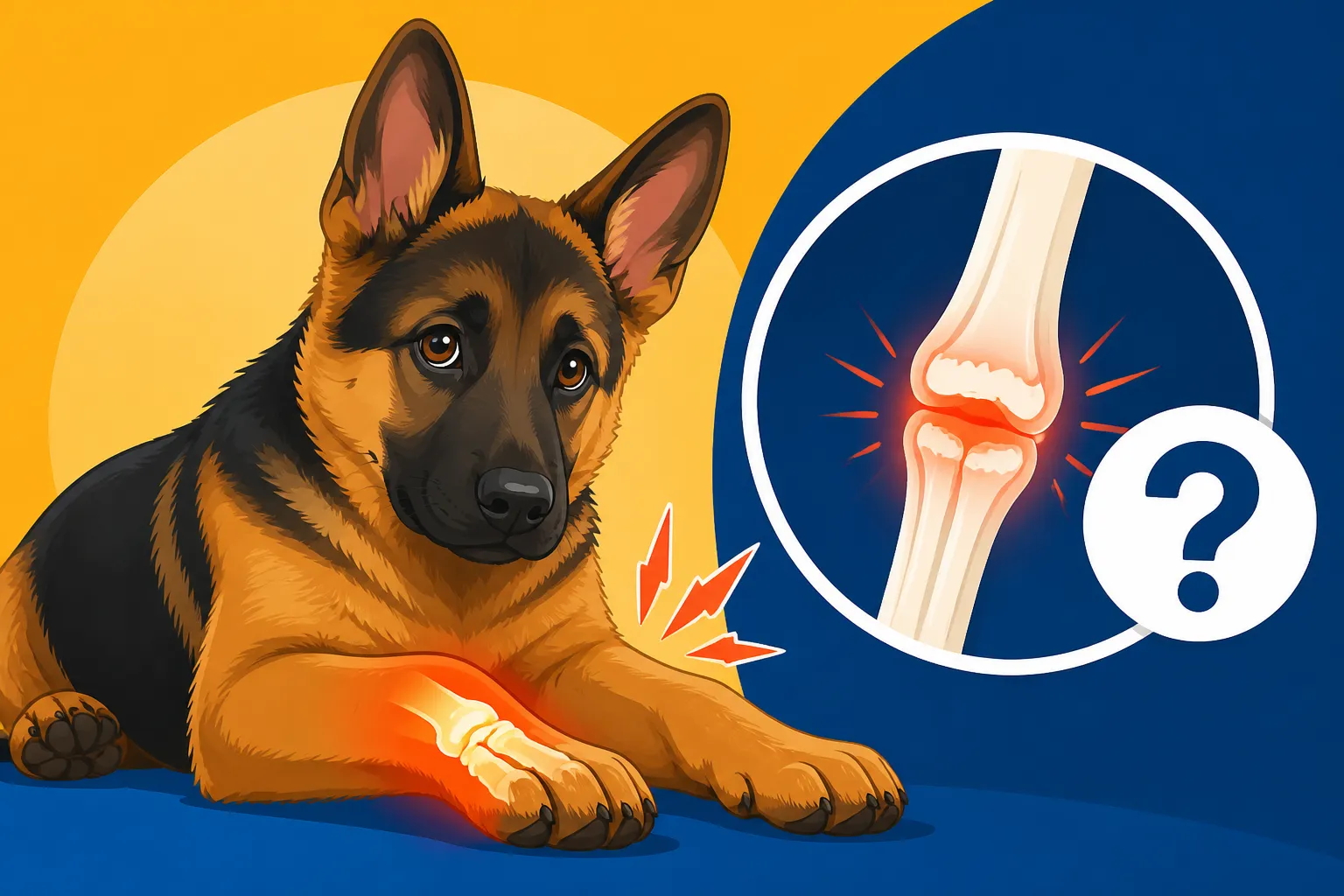
Is Panosteitis Common in German Shepherds
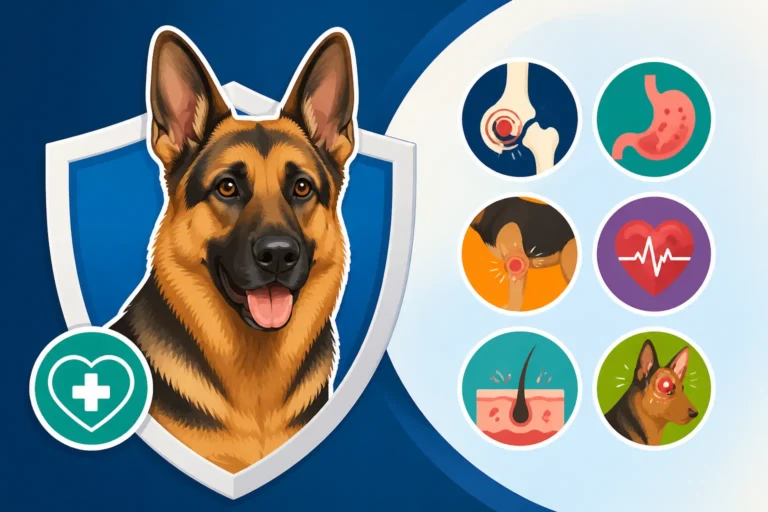
It's incredibly unsettling when your energetic German Shepherd puppy, full of life and boundless enthusiasm, suddenly develops a mysterious limp. Your mind races, conjuring up all sorts of worst-case scenarios, especially with a breed known for its orthopedic challenges. Often, the term "Panosteitis" gets thrown around as a possible cause, leaving you to wonder: just how common is this condition in our beloved German Shepherds, and what exactly does it mean for their health? This comprehensive guide will explore Panosteitis in German Shepherds, offering insights into its prevalence, symptoms, diagnosis, and effective management strategies to help you navigate this often temporary, but nonetheless distressing, issue.
Understanding Panosteitis in German Shepherds
For German Shepherd owners, concerns about bone and joint health are almost constant. From the moment they arrive as clumsy puppies, we're keenly aware of their rapid growth and the potential for conditions like hip and elbow dysplasia. However, sometimes the cause of a sudden limp or discomfort isn't a complex joint issue, but rather Panosteitis – a condition that, while painful, is generally self-limiting and resolves with maturity. It's a condition primarily affecting the long bones of rapidly growing medium to large breed puppies and adolescents.
What Exactly is Panosteitis
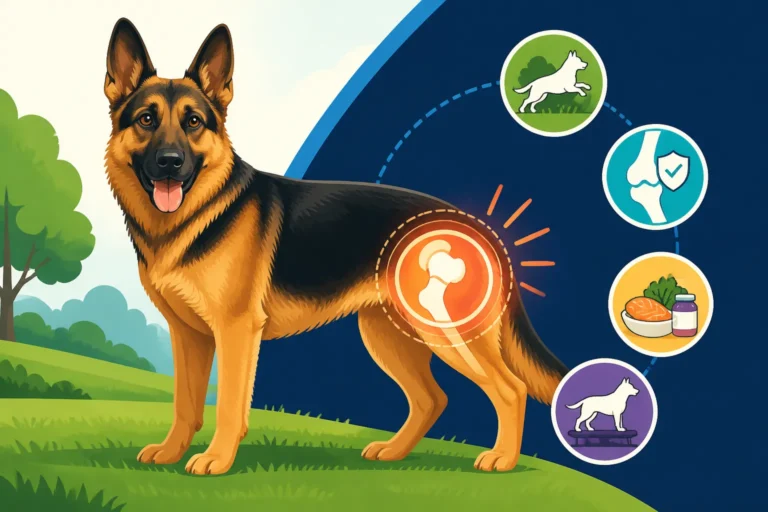
Panosteitis is an inflammatory condition that affects the long bones, specifically the outer surface (periosteum) and the bone marrow cavity. These are the bones in your dog's legs – the humerus, radius, ulna (front legs), femur, and tibia (back legs). Unlike arthritis, which impacts the joints, Panosteitis is an issue with the bone shaft itself. The exact cause remains somewhat of a mystery, which can be frustrating for owners seeking a definitive trigger. However, many veterinarians believe it stems from a combination of factors, including rapid growth rates, genetic predispositions, nutritional imbalances (especially diets that promote excessively fast growth), and sometimes even stress on the developing skeletal system from over-exercise.
This condition is sometimes referred to as "eosinophilic panosteitis" or simply "pano." It's characterized by inflammation and increased bone density within the marrow cavity, as well as thickening of the outer bone layer. It's not an infection, nor is it contagious. The confusing aspect for many owners is its transient and migratory nature: it can affect one bone, then seemingly resolve, only to appear in a different bone in another leg a few days or weeks later. This "shifting lameness" is a classic hallmark of Panosteitis and can often make owners feel like they're chasing a moving target.
Why German Shepherds Are Often Affected
When we ask if Panosteitis is "common" in German Shepherds, the answer is a resounding yes. This breed, along with other large and giant breeds such as Labrador Retrievers, Golden Retrievers, Doberman Pinschers, and Great Danes, exhibits a significantly higher incidence of Panosteitis compared to smaller breeds. Veterinary research and extensive clinical experience consistently point to German Shepherds as one of the most commonly affected breeds.
The primary reason behind this predisposition lies in the German Shepherd's inherent genetic makeup and their accelerated growth rate. These dogs undergo a tremendous amount of skeletal development in a relatively short period, often reaching close to their adult size by 12-18 months of age. This rapid, intense bone growth can create an environment ripe for inflammation. There's also a genetic component; if a German Shepherd's parents or littermates have experienced Panosteitis, there's a higher chance their offspring might too. While it's certainly not a guarantee, it's a known risk factor. Owners of German Shepherds should be particularly vigilant during their puppy and adolescent stages, typically between 5 and 18 months, which is the most common age range for the onset of symptoms. Understanding concepts like German Shepherd Growth Plates and Exercise is crucial during this phase.
The "Growing Pains" Misconception
The term "growing pains" is frequently used to describe Panosteitis, and while it accurately conveys that the condition occurs during a period of growth, it can sometimes trivialize the actual experience for the dog. When humans talk about "growing pains," we often picture a mild, dull ache. For a German Shepherd puppy, however, Panosteitis can be genuinely excruciating. They might express significant pain, be reluctant to move, or even refuse to bear weight on the affected limb. It’s not just a minor discomfort that they can easily shake off.
This common misconception can unfortunately lead some owners to delay seeking veterinary attention, assuming the discomfort is trivial and will simply disappear. While Panosteitis does eventually resolve on its own, managing your dog's pain and ensuring their comfort is paramount. Unmanaged severe pain can cause unnecessary suffering, impact their mobility, and even affect their behavior and willingness to participate in essential activities like light exercise and socialization. It's crucial to treat suspected Panosteitis seriously and consult your veterinarian promptly. Always remember that even if it's colloquially termed "growing pains," it's a real medical condition that warrants professional care and pain relief. For more insight into recognizing discomfort in your pet, consider reading How to Tell If a German Shepherd Is in Pain.
Recognizing the Signs and Symptoms
Watching your usually vibrant German Shepherd puppy suddenly become lethargic or start limping can be heartbreaking. As diligent owners, we're often hyper-aware of any changes in our dogs' behavior, especially with a breed known for its various German Shepherd Health Problems Guide. Knowing the specific indicators of Panosteitis can help you identify the issue early and seek timely veterinary intervention.
Key Indicators of Panosteitis
The most prominent and consistent symptom of Panosteitis is lameness, or limping. This can manifest in various ways, from a subtle stiffness or favoring of a leg to a noticeable limp, and in severe cases, a complete inability or unwillingness to bear weight on the affected limb. What makes Panosteitis particularly confusing is the sudden onset of this lameness, often appearing overnight, and its variable intensity from day to day. Your dog might be visibly limping one morning, seem almost normal by the afternoon, only for the lameness to return or shift to another leg a few days later.
Beyond the noticeable limp, there are several other signs you might observe in a German Shepherd affected by Panosteitis:
- Pain on Palpation: If you gently press or feel along the long bones of the affected leg, your dog might react by yelping, pulling away, or displaying obvious signs of discomfort. This localized pain is often a critical clue for veterinarians during the examination.
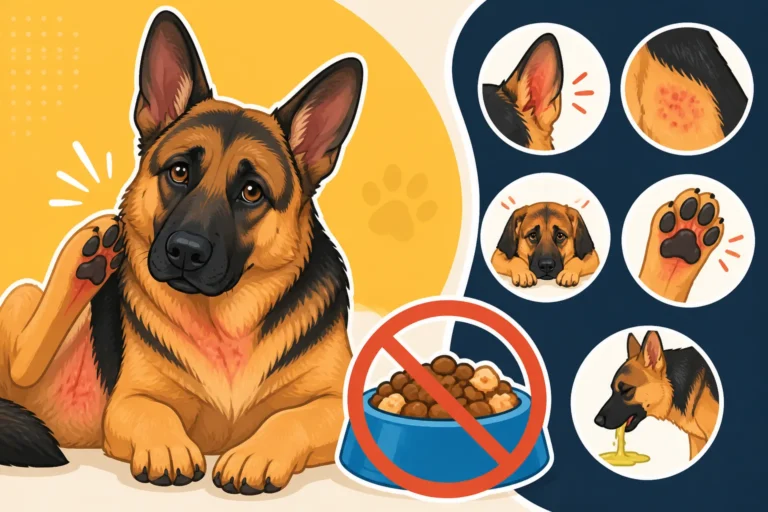
- Lethargy and Reduced Activity: Due to the pain, your normally energetic and playful German Shepherd puppy may become unusually tired, less enthusiastic about playtime, or generally withdrawn and subdued.
- Loss of Appetite: While not always present, severe pain can sometimes lead to a temporary decrease in appetite or reluctance to eat.
- Fever: In some instances, the inflammation associated with Panosteitis can cause a low-grade fever, further contributing to your dog's overall malaise.
- Weight Loss: If the condition is prolonged and leads to consistent pain and reduced appetite, some puppies might experience mild weight loss, though this is less common than other symptoms.
It is absolutely vital not to self-diagnose any limping as merely "growing pains." Given the German Shepherd's predisposition to more serious orthopedic conditions, a professional veterinary evaluation is always necessary to rule out other potential causes.
The Shifting Lameness Phenomenon
This particular symptom is one of the most distinctive, and often most baffling, aspects of Panosteitis for dog owners. The term "shifting lameness" precisely describes how the limping associated with Panosteitis isn't confined to a single limb. Instead, it moves. Your puppy might be lame on their front left leg for a few days, then appear to recover fully, only to start limping on their back right leg a week later. It can even switch to a front right, then a back left, or in some rarer cases, two limbs might show signs of discomfort simultaneously.
This migratory characteristic is a strong diagnostic indicator of Panosteitis because the inflammation can occur in different long bones at different times as the puppy grows. It can feel incredibly frustrating, like you're playing a guessing game with your dog's health, constantly trying to pinpoint the source of their discomfort. Maintaining a simple journal or using notes on your phone to track the dates, affected limbs, and severity of lameness can be immensely helpful. This detailed record provides valuable information for your veterinarian, aiding in a quicker and more accurate diagnosis. This pattern helps differentiate it from more localized or persistent orthopedic issues.
When to Consult Your Vet
As a German Shepherd owner, any persistent lameness or clear signs of pain in your growing puppy or adolescent should prompt an immediate call to your veterinarian. While Panosteitis is generally benign in the long run, its symptoms can mimic those of much more serious and potentially debilitating conditions. These include osteochondritis dissecans (OCD), various forms of arthritis (such as German Shepherd Arthritis: Symptoms and Treatment), or the early stages of German Shepherd Hip Dysplasia: Symptoms and Treatment or German Shepherd Elbow Dysplasia: Symptoms and Treatment. A professional diagnosis is crucial not only to confirm Panosteitis but, more importantly, to rule out these other conditions that may require different, more intensive interventions.
Please, do not attempt to self-diagnose your dog's condition based solely on online research. While being informed is excellent, a veterinarian’s physical examination, palpation of the bones, and diagnostic imaging like X-rays are the only reliable ways to accurately identify Panosteitis or uncover an alternative underlying issue. If your dog appears to be in severe distress, refuses to eat, or develops a fever, these warrant emergency veterinary attention without delay. Having comprehensive pet insurance, such as a policy from Healthy Paws, can offer invaluable peace of mind during these unexpected and often costly vet visits, allowing you to prioritize your dog's health without undue financial stress.
Diagnosing and Managing Panosteitis
When your beloved German Shepherd is clearly in pain, getting a definitive diagnosis and a clear plan for recovery becomes your utmost concern. The diagnostic process for Panosteitis, while sometimes requiring a few steps, is generally straightforward once other conditions are ruled out. The aim is to confirm what it is, and more critically, what it isn't.
The Diagnostic Process
Your veterinarian will typically start with a comprehensive physical examination. This includes observing your German Shepherd’s gait, assessing their mobility, and carefully palpating (feeling) along the long bones of all four legs. A strong pain response when pressure is applied to the mid-shaft of a long bone, even if there's no visible swelling, is a strong indicator for Panosteitis. This localized pain during palpation is often the most significant clinical sign.
To confirm the diagnosis of Panosteitis and, crucially, to differentiate it from other orthopedic issues, X-rays are usually recommended. While the clinical signs can be quite suggestive, X-rays provide definitive evidence by revealing characteristic changes within the bone. These changes might include increased bone density (sclerosis) or a patchy, hazy appearance within the bone marrow cavity. Sometimes, these radiographic changes can be subtle or not immediately visible on initial X-rays, especially early in the disease's progression. Your vet might suggest follow-up X-rays if symptoms persist, worsen, or if they still suspect another underlying problem. The good news is that X-rays for Panosteitis are generally simpler than the detailed, multi-view imaging required for assessing conditions like hip or elbow dysplasia.
Treatment and Pain Management Strategies
The most reassuring aspect of Panosteitis is that it is a self-limiting condition. This means it will ultimately resolve on its own as your German Shepherd matures and their bones finish growing. However, "resolving on its own" absolutely does not mean ignoring the pain your dog is experiencing. Managing your dog's discomfort is the primary goal of treatment.
Here are the cornerstone strategies for managing Panosteitis:
- Pain Relief Medication: Non-steroidal anti-inflammatory drugs (NSAIDs) are the most common prescription. These medications, such as carprofen (Rimadyl), meloxicam (Metacam), or firocoxib (Previcox), are highly effective at reducing both pain and inflammation. It is imperative to administer these medications exactly as prescribed by your veterinarian. Never give human pain relievers to your dog, as many are toxic and can cause severe adverse reactions.
- Rest and Activity Modification: While complete confinement isn't always necessary or realistic for an energetic German Shepherd puppy, strictly limiting strenuous activity is vital. Avoid rough play, long runs, jumping, or any activities that put excessive stress on their growing bones. Instead, focus on short, controlled leash walks. During active flare-ups, mental stimulation through puzzle toys or gentle training sessions should replace physical exertion. This period of reduced impact allows the inflamed bones to heal. How Much Exercise Is Too Much for a Puppy is an important read during this time.
- Supportive Care: Provide a soft, comfortable, and supportive resting place for your dog. An orthopedic bed can be a real game-changer. Some owners find that gentle, warm compresses applied to the affected areas provide soothing relief, but always discuss this with your vet first.
It's important to remember that Panosteitis can be episodic, with periods of lameness followed by seemingly normal times. Flare-ups can occur, and your veterinarian may need to adjust pain medication or activity levels based on your dog's fluctuating symptoms. This ongoing management is where having reliable pet insurance, like a plan from Healthy Paws, can be incredibly beneficial, alleviating concerns about continuous veterinary costs.
Supporting Your German Shepherd Through Recovery
Beyond direct medical intervention and managed rest, there are many ways you can actively support your German Shepherd through the challenges of Panosteitis:
- Nutrition Management: Ensure your puppy is on a high-quality, large-breed specific puppy food. These formulas are designed to promote slow, steady growth rather than rapid weight gain, which can exacerbate skeletal issues. Avoid overfeeding, as excess weight places additional strain on developing bones.
- Controlled, Gentle Exercise: When your pup isn't in the midst of a painful flare-up, short, gentle, and controlled walks are not only permissible but beneficial. Regular, low-impact movement helps maintain muscle tone and circulation without overstressing the bones. The key is controlled—no off-leash park romps or intense fetch sessions.
- Diligent Monitoring and Communication: Maintain a keen eye on your dog's symptoms. Document any changes in lameness, pain levels, or appetite. Consistent communication with your veterinarian is crucial, especially if you have concerns or if the prescribed pain medication doesn't seem to be providing adequate relief.
- Mental Enrichment: Since physical activity needs to be limited, focus heavily on mental stimulation. Puzzle toys, interactive feeders, and brief, low-impact training sessions covering basic obedience commands like those found in German Shepherd Obedience Training Basics can keep their intelligent minds engaged and prevent boredom-induced destructive behaviors when they're less active.
- Emotional Support: Living with Panosteitis can be frustrating for both you and your German Shepherd. Offer consistent comfort, reassurance, and plenty of gentle affection. Your calm and supportive presence will help your dog cope with the discomfort and maintain a positive outlook.
Here’s a summary table for common pain management approaches:
| Type of Treatment | Description | Considerations |
|---|---|---|
| NSAIDs (Oral) | Non-steroidal anti-inflammatory drugs (e.g., carprofen, meloxicam) prescribed by a vet to reduce pain and inflammation. | Administer strictly as prescribed; watch for side effects like gastrointestinal upset; never use human meds. |
| Controlled Activity | Limiting strenuous exercise (running, jumping, intense play) but allowing short, controlled leash walks. | Crucial for healing; focus on mental enrichment to prevent boredom; avoid forced exercise. |
| Comfortable Bedding | Providing a soft, well-padded, and supportive bed to minimize pressure on painful bones. | Orthopedic beds are ideal; ensure easy access without jumping. |
| Warm Compresses | Gentle heat application to painful areas can soothe muscles and bone pain. | Always consult vet first; ensure temperature is safe; monitor dog's comfort level. |
| Nutritional Support | Feeding a high-quality, large-breed puppy food for controlled growth; avoiding overfeeding. | Prevents rapid weight gain, which can worsen bone stress; discuss diet with your vet. |
| Supplements | While not a cure, some joint supplements (glucosamine, chondroitin) may offer general skeletal support. | Always discuss with your vet; efficacy specifically for Panosteitis is variable but can support overall German Shepherd Joint Health Supplements. |
Prognosis and Long-Term Outlook
It's perfectly normal for German Shepherd owners to feel anxious about the long-term implications of a painful condition like Panosteitis, especially when it occurs during their dog’s critical growth stages. You might worry if it will affect their agility, lead to chronic pain, or predispose them to other health issues later in life. These are all incredibly valid concerns.
What to Expect During and After Panosteitis
The reassuring news about Panosteitis is that the prognosis for German Shepherds is overwhelmingly positive. As mentioned, it is a self-limiting condition, which means it will fully resolve once your dog completes its rapid growth phase. This typically occurs between 5 and 18 months of age, though some cases might extend up to 2 years. Most dogs will experience intermittent episodes of lameness, lasting anywhere from a few days to several weeks, followed by periods of complete normalcy, and then potentially another flare-up in a different limb. This cycle continues until their growth plates close and skeletal maturity is reached.
During these active phases, your primary focus will be on diligent pain management and ensuring your dog's comfort. This period can be emotionally taxing for owners who are eager to engage their energetic German Shepherds in training and activities. However, maintaining perspective that these are temporary "growing pains" can help manage expectations. Work closely with your veterinarian, adhere strictly to medication schedules, and meticulously manage their exercise routine. It's a journey of patience, but the endpoint is usually a healthy, active adult dog. While pet insurance plans like Healthy Paws can help manage the costs of ongoing vet visits and medications, consistent communication with your vet is paramount to monitor your dog's progress.
Once your German Shepherd reaches skeletal maturity and the Panosteitis resolves, they generally go on to live full, active lives without any lasting effects or increased susceptibility to other orthopedic problems directly linked to their past Panosteitis. They can then fully engage in activities and training, fulfilling the potential you always knew they had.
Debunking Myths about Lasting Damage
There are several persistent myths about Panosteitis that can cause unnecessary stress and anxiety for German Shepherd owners. Let's address and clarify some of these common misconceptions:
- Myth 1: Panosteitis inevitably leads to arthritis or other chronic joint problems in later life. This is largely untrue. Panosteitis is an inflammation of the bone shaft, not the joint itself. Unlike conditions such as German Shepherd Hip Dysplasia Explained or German Shepherd Elbow Dysplasia: Symptoms and Treatment, which can indeed predispose dogs to osteoarthritis, Panosteitis does not typically increase the risk of developing arthritis or other chronic joint issues down the road. Once the bone inflammation subsides and the bone remodels, it usually heals completely without long-term structural damage to the joints.
- Myth 2: It will stunt my dog's growth or affect their adult size. Panosteitis does not impact your German Shepherd's final adult height or weight. While temporary lameness might lead to periods of reduced activity, it does not interfere with the overall growth trajectory that is genetically determined. Your pup will still reach their expected adult size.
- Myth 3: My dog will always be prone to limping or weakness. Once Panosteitis completely resolves with maturity, the episodes of lameness cease. Your dog will not suddenly start limping years later due to a previous bout of Panosteitis. If lameness occurs in an adult German Shepherd, it indicates a new, different orthopedic issue that requires investigation. The "growing pains" are firmly in the past.
The true challenge of Panosteitis lies in the required patience and dedicated pain management during the active growth phases. While it is a painful and often frustrating condition in the moment, the long-term outlook for your German Shepherd is exceptionally good. By focusing on proper nutrition (avoiding diets that promote overly rapid growth), ensuring appropriate exercise for their developmental stage, and providing prompt and consistent veterinary care, you can help your German Shepherd navigate this temporary stage smoothly. Remember, considering a robust pet insurance policy, such as those available from Healthy Paws, early in your German Shepherd’s life can be a prudent financial decision to help cover the costs associated with both Panosteitis and other common health issues detailed in articles like Common German Shepherd Health Issues by Age.
Disclaimer
The information provided in this article is for general informational purposes only and is not a substitute for professional veterinary advice. Always consult with a qualified veterinarian for any health concerns or before making any decisions related to your pet's health and treatment.