German Shepherd Elbow Dysplasia Surgery Cost
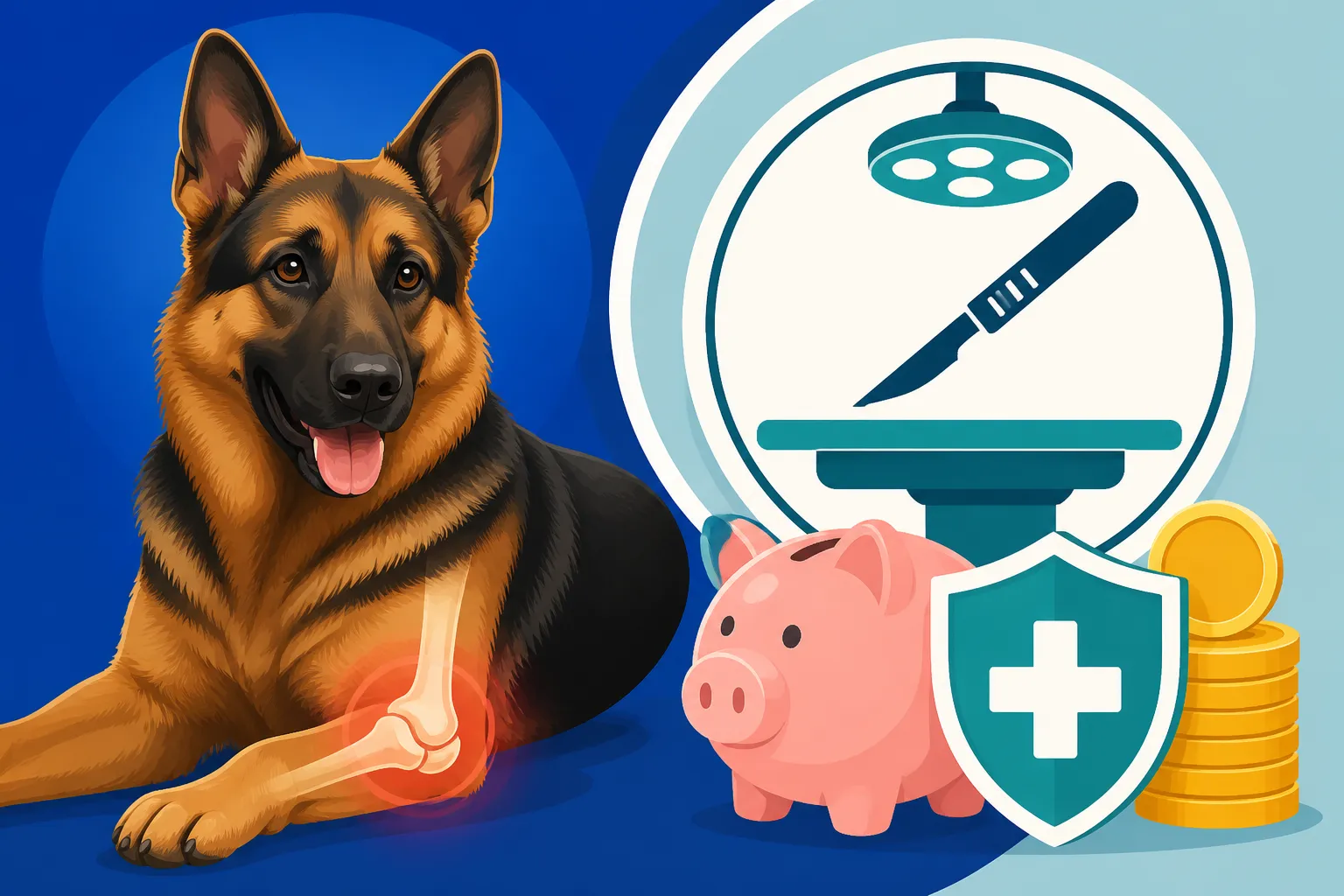
Receiving the diagnosis of elbow dysplasia in your beloved German Shepherd can be an incredibly upsetting moment. Beyond the immediate worry for your dog's comfort and long-term mobility, the looming question of veterinary costs, especially for surgery, can feel overwhelming. It’s a natural and valid concern, and navigating the financial side of such a complex health issue can add significant stress to an already difficult situation. This comprehensive guide aims to shed light on the various expenses associated with German Shepherd elbow dysplasia surgery, helping you understand what to expect and how to plan for the road ahead.
Understanding German Shepherd Elbow Dysplasia and Treatment Options
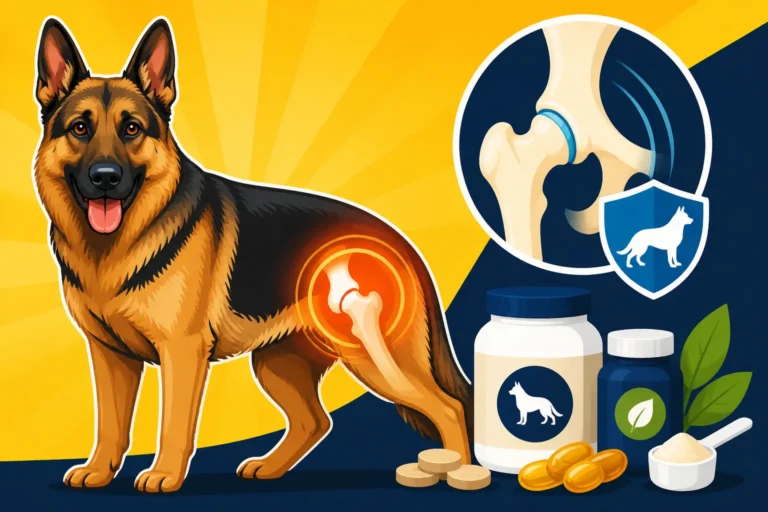
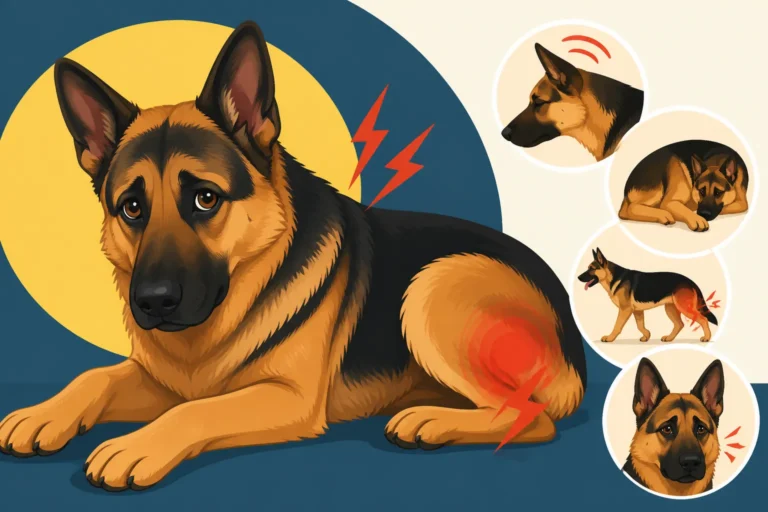
Elbow dysplasia isn't just one condition; it's a general term referring to several developmental abnormalities that can occur in a German Shepherd's elbow joint. This complex joint, where three bones—the humerus, radius, and ulna—meet, is crucial for mobility. When something goes wrong in its development, it can lead to chronic pain, lameness, and eventually, debilitating arthritis.
What Exactly is Elbow Dysplasia?
To truly understand the implications and the cost of treatment, it helps to know what we're up against. Elbow dysplasia in German Shepherds typically involves one or more of these specific issues:
- Fragmented Coronoid Process (FCP): This is often the most common form. The coronoid process is a small projection of the ulna bone. In FCP, a piece of this bone breaks off, causing irritation, inflammation, and pain within the joint. Imagine a tiny splinter constantly rubbing inside a finely tuned machine—it's incredibly uncomfortable.
- Ununited Anconeal Process (UAP): The anconeal process is another small projection, this time from the ulna, that normally fuses with the rest of the bone during puppyhood. If it fails to fuse (hence, "ununited"), it becomes a loose bone fragment within the joint, causing instability and severe pain.
- Osteochondrosis Dissecans (OCD): This occurs when cartilage, which normally covers the ends of bones and acts as a smooth cushion, fails to properly develop or detach from the underlying bone. A flap of cartilage can then float freely in the joint, causing pain and mechanical lameness.
- Elbow Incongruity: This refers to an uneven fit between the bones of the elbow joint. If the radius and ulna grow at different rates, they don't align perfectly with the humerus, leading to abnormal pressure distribution, cartilage damage, and pain.
Each of these conditions, or often a combination of them, can lead to severe discomfort and limit your German Shepherd's ability to live a full, active life. German Shepherds are particularly predisposed to these issues due to their rapid growth rate and genetic factors. Early diagnosis is absolutely key, as addressing these problems sooner rather than later can significantly impact the long-term prognosis and potentially reduce the severity of subsequent arthritis. This is one of the important aspects covered in a broader guide on German Shepherd Health Problems Guide.
Non-Surgical Management for Elbow Dysplasia
Before jumping to surgery, many veterinarians will explore conservative or non-surgical management, especially for milder cases or in situations where surgery isn't an option. While these methods won't cure the underlying anatomical defect, they can effectively manage pain and improve quality of life for a significant period. However, it's vital to understand that "managing" doesn't mean "free." These approaches come with their own ongoing costs.
Conservative treatments often include:
- Pain Management: This typically involves prescription non-steroidal anti-inflammatory drugs (NSAIDs) like carprofen (Rimadyl), meloxicam (Metacam), or galliprant to reduce inflammation and pain. These medications are often needed long-term, sometimes daily, and their cost can add up over months and years.
- Joint Supplements: Many owners turn to supplements containing ingredients like glucosamine, chondroitin, MSM, and omega-3 fatty acids. These can help support cartilage health and reduce inflammation. Brands like Dasuquin, Cosequin, and GlycoFlex are popular choices. While not cures, they can provide noticeable relief for some dogs. You can learn more about specific options in our guide on German Shepherd Joint Health Supplements.
- Physical Therapy & Rehabilitation: This is a huge component of conservative management and is often recommended even after surgery. It can include hydrotherapy (underwater treadmill), therapeutic exercises, massage, laser therapy, and acupuncture. These therapies build muscle, improve range of motion, and reduce pain without putting stress on the joints. Sessions can range from weekly to several times a week, and each session has a cost.
- Weight Management: Keeping your German Shepherd at a healthy weight is paramount. Excess weight puts additional strain on already compromised joints, exacerbating pain and accelerating arthritis. A controlled diet is a non-negotiable part of managing elbow dysplasia.
- Controlled Exercise: High-impact activities like jumping, intense running, and rough play should be avoided. Instead, focus on low-impact, consistent exercise like leash walks and swimming to maintain muscle tone without stressing the joints.
For some dogs, particularly older German Shepherds where the arthritis is already advanced or those with other health concerns, surgery might not be recommended. In these cases, a robust non-surgical plan, carefully managed, becomes their primary source of relief. It’s important to realize that while you might save on a one-time surgical fee, the ongoing costs of medication, supplements, and regular rehabilitation can be substantial over the lifespan of your dog. Owners often face the difficult decision of investing in continuous long-term care or a potentially more definitive (but also costly) surgical intervention. A detailed approach to managing arthritis at home is also discussed in German Shepherd Arthritis Management at Home.
Breaking Down German Shepherd Elbow Dysplasia Surgery Costs
When surgery becomes the recommended path, the costs can be daunting. It’s not just the surgeon's fee; a multitude of factors contribute to the final bill. Understanding these components can help you prepare financially.
Initial Diagnostic Expenses
Before any surgical knife touches your German Shepherd, a thorough diagnosis is essential to pinpoint the exact issue and plan the best course of action. These initial steps are crucial for identifying which specific elbow dysplasia component is causing the problem and if one or both elbows are affected.
Typically, the diagnostic process involves:
- Veterinary Consultation: This is your initial visit with your primary vet, who will perform a physical exam, assess lameness, and discuss your dog's history. This consultation typically costs between $60 and $150. If they suspect elbow dysplasia, they will likely refer you to an orthopedic specialist.
- Specialist Consultation: Seeing a board-certified veterinary orthopedic surgeon will involve a separate, more in-depth consultation fee, which can range from $150 to $350. The specialist will perform a comprehensive orthopedic examination and discuss diagnostic imaging.
- Radiographs (X-rays): Standard X-rays are the first line of defense. Your dog will likely need sedation to get clear, precise images of the elbow joint from multiple angles. Sedation and X-rays can cost anywhere from $250 to $600, depending on the number of views and the clinic.
- Advanced Imaging (CT Scan or MRI): In many cases, especially for complex or ambiguous findings, a CT (Computed Tomography) scan or an MRI (Magnetic Resonance Imaging) is required. These provide much more detailed, three-dimensional images of the bone and soft tissues, allowing the surgeon to accurately identify fragments, assess cartilage damage, and plan the surgery with precision. CT scans for an elbow can range from $800 to $2,000, while an MRI can be even higher, often between $1,500 and $3,000. These advanced diagnostics are often performed by a specialist clinic or university veterinary hospital.
So, just to get a definitive diagnosis and a surgical plan, you could easily be looking at an investment of $500 to $3,500 before any surgery even takes place.
Surgical Procedure Costs
The actual cost of surgery for elbow dysplasia varies widely based on the specific type of procedure needed, the severity of the condition, and where the surgery is performed. German Shepherds often require specialized orthopedic surgery due to the complexity and chronic nature of elbow dysplasia.
Here’s a breakdown of common surgical approaches and their estimated costs:
- Arthroscopy (Minimally Invasive): This is often the preferred method for conditions like FCP or OCD, especially if caught early. A small incision is made, and a tiny camera (arthroscope) is inserted into the joint, allowing the surgeon to visualize and remove bone fragments or cartilage flaps with minimal disruption to the surrounding tissues. This procedure typically results in faster recovery times. The cost for arthroscopy on one elbow can range from $2,500 to $4,500. If both elbows are affected (bilateral), the cost could be significantly higher, though often not a direct doubling due to shared anesthesia time.
- Osteotomy Procedures (e.g., PAUL or DUO): For more severe cases, particularly those involving elbow incongruity, reconstructive osteotomy procedures might be necessary.
- Proximal Abducting Ulnar Osteotomy (PAUL): This involves cutting the ulna bone and rotating it to offload pressure from the medial compartment of the elbow, where FCP often occurs.
- Distal Ulnar Osteotomy (DUO): Similar in principle, this aims to correct incongruity.
These are complex surgeries, and the cost for one elbow can range from $3,500 to $6,000.
- Ununited Anconeal Process (UAP) Fixation/Removal: Depending on the size of the fragment and the age of the dog, the anconeal process may be reattached with a screw or, more commonly in older dogs with severe arthritis, removed entirely. This can also fall into the $2,500 to $4,500 range.
- Total Elbow Replacement (TER): This is the most complex and expensive option, typically reserved for severe, end-stage elbow dysplasia with debilitating arthritis that hasn't responded to other treatments. It involves replacing the damaged joint surfaces with artificial components. This is a highly specialized procedure performed by only a few surgeons, and the cost can be exceptionally high, ranging from $7,000 to $10,000 per elbow or even more.
These surgical costs generally include:
- Anesthesia: Pre-anesthetic blood work, the anesthetic procedure itself, and monitoring throughout the surgery.
- Surgeon's Fees: The fee for the highly skilled veterinary orthopedic surgeon.
- Operating Room Fees: The cost associated with using the specialized facilities and equipment.
- Surgical Supplies: Implants (screws, plates if needed), sutures, drapes, etc.
- Hospitalization: Typically 1-3 days of post-operative care in the veterinary hospital.
It's absolutely essential to get a detailed estimate from your veterinary surgeon, which should outline all these individual components. Remember, if your German Shepherd requires surgery on both elbows, the costs can be significantly higher, though sometimes discounts are applied for simultaneous procedures.
Post-Operative Care and Rehabilitation
Many owners focus solely on the surgery cost, but the post-operative care and rehabilitation are just as critical—and often just as costly—for a successful outcome. Without proper rehab, even a perfectly executed surgery can fail to achieve optimal results.
Immediate post-operative care includes:
- Pain Medication and Antibiotics: Your German Shepherd will be sent home with a regimen of pain relievers, anti-inflammatories, and sometimes antibiotics. This initial round might cost $50-$200.
- E-Collar: To prevent licking or chewing at the incision site, an Elizabethan collar (cone) is essential, usually costing $20-$50.
- Bandage Changes and Incision Checks: Multiple follow-up visits will be needed to check the incision, change bandages, and eventually remove sutures. Each visit can cost $50-$150.
- Follow-up X-rays: Around 4-8 weeks post-surgery, follow-up X-rays will be needed to ensure proper healing and bone alignment. This will again involve sedation and X-ray fees, typically $250-$500.
Long-term rehabilitation is where a significant chunk of the post-operative budget goes. This can last for several months and is crucial for restoring strength, flexibility, and proper gait.
- Physical Therapy Sessions: These are tailored exercises and treatments performed by a certified canine rehabilitation therapist. Sessions can include therapeutic exercises, manual therapy, therapeutic ultrasound, electrical stimulation, and cold laser therapy. Each session typically costs $75-$150, and your dog might need weekly or bi-weekly sessions for 2-6 months or longer.
- Hydrotherapy (Underwater Treadmill): This low-impact exercise is excellent for building muscle and improving range of motion without stressing the healing joint. Sessions are similar in cost to physical therapy, $50-$100 per session.
- Home Exercise Program: Your therapist will provide exercises to do at home, but you might need specialized equipment like balance boards or therapeutic bands, which can be an additional expense.
- Supplements and Diet: Continued use of joint supplements and potentially a specialized diet to support healing and joint health will also contribute to ongoing costs.
- Supportive Devices: In some cases, custom braces or wraps might be recommended to provide external support during the recovery phase, adding hundreds of dollars.
When you factor in multiple sessions per week for several months, the rehabilitation costs alone can easily add up to $1,500 to $5,000 or more, depending on the intensity and duration required for your individual German Shepherd. It's a significant investment, but one that directly impacts the success of the surgery and your dog's long-term comfort.
Factors Influencing the Total Cost
The price tag for elbow dysplasia surgery isn't set in stone; it's a dynamic figure influenced by several key variables. Understanding these can help you anticipate the potential financial commitment more accurately.
Geographic Location and Veterinary Practice
Just like human healthcare, the cost of veterinary care, especially specialized surgery, can vary dramatically based on where you live.
- Urban vs. Rural Areas: Veterinary costs in major metropolitan areas like Los Angeles, New York City, or even bustling suburban areas tend to be significantly higher than in smaller towns or rural regions. This is due to higher overheads (rent, staff salaries), higher demand for specialized services, and a greater concentration of advanced veterinary hospitals.
- Cost of Living: States and cities with a higher general cost of living will naturally have higher veterinary expenses. For example, a specialist surgery in Southern California might be 20-30% more expensive than the same procedure in the Midwest.
- Type of Clinic: While most elbow dysplasia surgeries are performed by board-certified orthopedic specialists, the facility itself can influence pricing. University veterinary teaching hospitals, which often have state-of-the-art equipment and multiple specialists, might have slightly different pricing structures compared to private specialty clinics. However, both typically offer a very high standard of care.
It's always a good idea to research multiple veterinary orthopedic specialists in your region and get detailed estimates from each to compare. Don't just compare the bottom line; look at what's included in each estimate.
Severity of the Condition and Type of Surgery
As discussed earlier, elbow dysplasia isn't a single condition, and its severity can vary greatly. This directly impacts the complexity and cost of the surgical intervention.
- Specific Diagnosis: A simple fragmented coronoid process (FCP) that can be removed arthroscopically will generally be less expensive than a complex elbow incongruity requiring an osteotomy, or a severe, end-stage condition necessitating a total elbow replacement. The more invasive and technically demanding the surgery, the higher the surgeon's fee and associated costs.
- Bilateral vs. Unilateral: If your German Shepherd has elbow dysplasia in both elbows, this can significantly increase the total cost. While some clinics might offer a slight discount if both are done at the same time (due to a single anesthesia event), you're still looking at double the diagnostic fees, double the surgical time, and double the implants, roughly speaking. It's common for German Shepherds to be affected bilaterally, even if one elbow shows more pronounced symptoms initially.
- Complications: While rare, surgical complications can add unforeseen expenses. This could include infection, implant failure, or delayed healing, which would necessitate further veterinary visits, medication, or even additional surgery.
The surgeon's initial assessment and detailed diagnostic imaging are critical for determining the exact nature and severity of the problem, and thus the most appropriate and cost-effective (in the long run) surgical approach.
Age and Overall Health of Your German Shepherd
Your German Shepherd's individual health profile and age also play a role in the overall cost and risk of elbow dysplasia surgery.
- Puppies vs. Adults: Younger German Shepherds (often diagnosed around 5-12 months of age, which is discussed in Common German Shepherd Health Issues by Age) might have different surgical considerations. Early intervention can sometimes prevent more severe arthritis later, but anesthesia on a growing dog requires careful monitoring. Older dogs, especially senior German Shepherds, might have other underlying health conditions (e.g., heart murmurs, kidney issues) that increase anesthetic risk and require more extensive pre-surgical screening and post-operative monitoring, pushing up costs.
- Pre-Existing Conditions: If your German Shepherd has other medical issues, these will need to be managed before and after surgery. This might involve additional consultations with specialists (e.g., a veterinary cardiologist for a heart murmur), specialized medications, or extended hospitalization, all of which add to the total bill.
- Temperament: A calm, cooperative dog might recover more smoothly, requiring less sedation or handling post-op. A more anxious or high-strung German Shepherd might need additional medication or supervision to ensure they don't chew at stitches or overexert themselves during recovery, potentially leading to extra costs.
All these factors are meticulously evaluated by your veterinary team to create a personalized treatment plan, and each element contributes to the final financial picture. This is why a thorough discussion with your vet about all potential costs, not just the surgery, is so important.
Managing the Financial Burden of Elbow Dysplasia Treatment
Let's be real: these costs are significant. For many families, an unexpected bill of several thousand dollars can be a huge strain. Thankfully, there are several avenues you can explore to help manage the financial burden of elbow dysplasia treatment.
Pet Insurance Considerations
Pet insurance can be a lifesaver when dealing with unexpected and expensive veterinary care like elbow dysplasia surgery. However, it's crucial to understand how it works, especially regarding pre-existing conditions.
- How it Helps: A good pet insurance policy can reimburse you for a significant portion (often 70-90%) of your veterinary bills, including diagnostics, surgery, medication, and rehabilitation. Companies like Healthy Paws are popular choices among German Shepherd owners, known for their comprehensive coverage and straightforward claims process. Many owners, after navigating a major health crisis, will tell you that pet insurance was "worth every penny." We delve more into this topic in our article, Is Pet Insurance Worth It for a German Shepherd.
- Pre-Existing Conditions: This is the most critical point. Pet insurance policies do not cover pre-existing conditions. This means if your German Shepherd shows any signs of lameness or is diagnosed with elbow dysplasia before you enroll in a policy or before the waiting period ends, that condition will likely be excluded from coverage. This is why many experienced German Shepherd owners advocate for getting pet insurance when your dog is a young puppy, ideally before any health issues arise.
- Waiting Periods: Most policies have waiting periods (e.g., 14 days for accidents and illnesses, longer for orthopedic conditions like hip or elbow dysplasia, often 6-12 months). You must complete these waiting periods before coverage for that specific condition begins. If your dog develops symptoms or is diagnosed during this waiting period, it will be considered pre-existing.
If your German Shepherd is already diagnosed with elbow dysplasia, pet insurance likely won't cover this specific condition. However, it can still be valuable for any future unrelated illnesses or accidents. If you have a young, healthy German Shepherd puppy, enrolling in a good policy now is a proactive step that could save you thousands down the line.
Payment Plans and Financial Aid
Even without insurance, you're not entirely without options. Many veterinary practices understand the financial challenges pet owners face.
- Veterinary Clinic Payment Plans: Some veterinary hospitals, especially larger specialty or emergency clinics, offer in-house payment plans. These usually require a significant down payment and then monthly installments. It's always worth asking if this is an option when you receive your estimate.
- CareCredit: This is a credit card specifically designed for healthcare expenses, including veterinary care. It often offers promotional financing options, such as 0% interest for a certain period, if the balance is paid in full within that time frame. Many veterinary clinics accept CareCredit.
- Personal Loans: Banks and credit unions offer personal loans that can be used for veterinary expenses. Interest rates will vary based on your credit score.
- Emergency Funds: Having an emergency fund specifically for pet care is an excellent long-term strategy. This allows you to avoid debt when unexpected health issues arise. A good rule of thumb is to have at least $3,000-$5,000 readily available. This can reduce the stress of facing high vet costs, which are detailed further in our article on German Shepherd Vet Costs Per Year.
- Non-Profit Organizations: There are a handful of national and local non-profit organizations that offer financial assistance to pet owners facing significant veterinary bills. While often limited, it's worth exploring options like The Pet Fund, RedRover, or breed-specific rescues that may have funds allocated for medical emergencies.
- Crowdfunding: Platforms like GoFundMe or even local community outreach through social media can sometimes provide support from friends, family, and compassionate strangers.
Don't hesitate to have an open and honest conversation with your veterinary team about your financial concerns. They often have resources or suggestions you might not be aware of.
Preventative Measures and Early Detection Savings
While elbow dysplasia has a strong genetic component, there are steps you can take to potentially mitigate its severity or catch it early, which can sometimes lead to less invasive and less costly treatments.
- Responsible Breeding: This is paramount. Always choose a German Shepherd puppy from a reputable breeder who performs comprehensive health clearances on both parent dogs. This includes screening for hip and elbow dysplasia through organizations like the Orthopedic Foundation for Animals (OFA) or PennHIP. Breeders should be able to provide certification numbers for at least elbows, hips, and ideally, a clear genetic panel. This proactive step helps reduce the likelihood of inheriting these predispositions. You can read more about this in our guide on German Shepherd Genetic Health Testing.
- Controlled Growth in Puppies: Rapid growth can exacerbate developmental joint issues. Feed a high-quality, large-breed puppy food formulated for slow, controlled growth. Avoid overfeeding, as excessive weight gain during puppyhood puts undue stress on developing joints. Our article on German Shepherd Puppy Growth Plates and Exercise offers more insights into managing this crucial period.
- Appropriate Exercise: While exercise is vital, avoid high-impact activities, excessive jumping, or forced, long-distance running with a German Shepherd puppy whose growth plates are still open. This can stress developing joints. Gradually increase exercise as your puppy matures.
- Early Detection: Be vigilant for the first signs of lameness, stiffness, or reluctance to play in your German Shepherd, especially between 5-12 months of age. Even subtle changes in gait or activity levels warrant a veterinary visit. Catching elbow dysplasia early often means more treatment options (like arthroscopy) that are less invasive, potentially more effective, and often less expensive than treating advanced arthritis. Understanding Signs of a Healthy German Shepherd can help you spot these changes.
Investing in preventative care and being observant can potentially save you significant emotional and financial stress down the road. Regular check-ups with a veterinarian who understands German Shepherd health, like the one discussed in How to Choose a Vet for a German Shepherd, are invaluable.
Typical Cost Ranges for Elbow Dysplasia Treatment
To give you a clearer picture, here's a summary of typical cost ranges for different components of German Shepherd elbow dysplasia treatment. Please remember these are estimates and can vary based on location, specialist fees, and individual circumstances.
| Component | Estimated Cost Range (Unilateral) | Notes |
|---|---|---|
| Initial Diagnostics | ||
| Vet & Specialist Consults | $210 – $500 | Initial exam, orthopedic specialist review. |
| Sedated X-rays | $250 – $600 | Multiple views of the elbow. |
| CT Scan / MRI | $800 – $3,000 | Often required for precise diagnosis and surgical planning. |
| Surgical Procedure | (Includes anesthesia, surgeon's fee, hospital stay, initial meds) | |
| Arthroscopy (FCP/OCD) | $2,500 – $4,500 | Minimally invasive, faster recovery. |
| Osteotomy (PAUL/DUO) | $3,500 – $6,000 | For elbow incongruity, more complex. |
| Total Elbow Replacement | $7,000 – $10,000+ | Reserved for severe, end-stage cases; highly specialized. |
| Post-Operative Care | ||
| Initial Medications | $50 – $200 | Pain meds, anti-inflammatories, antibiotics. |
| Follow-up Visits/X-rays | $300 – $700 | Incision checks, suture removal, 4-8 week post-op X-rays (sedated). |
| Rehabilitation (3-6 months) | $1,500 – $5,000+ | Physical therapy, hydrotherapy, laser, home exercises; critical for success. Costs vary greatly. |
| Total Estimated Cost | $4,000 – $15,000+ | For a single elbow, depending on diagnosis and treatment path. Bilateral will be significantly higher. |
As you can see, the total cost for treating German Shepherd elbow dysplasia, particularly with surgery, can be a substantial financial undertaking. It's a testament to the love we have for our dogs that we consider these investments in their well-being.
Disclaimer
The information provided in this article is for general informational purposes only and does not constitute veterinary advice. Always consult with a qualified and licensed veterinarian for any medical concerns or before making any decisions about your German Shepherd's health or treatment plan. Costs are estimates and can vary significantly.