German Shepherd Hip Dysplasia Without Surgery
Receiving a diagnosis of hip dysplasia for your beloved German Shepherd can be absolutely heartbreaking, often immediately bringing up fears of invasive surgeries, extensive recovery, and overwhelming costs. It’s a common, painful reality for many GSD families. But what if surgery isn't the only path? This comprehensive guide will walk you through the various non-surgical approaches and management strategies available to help your German Shepherd live a comfortable, active life despite hip dysplasia.
Understanding German Shepherd Hip Dysplasia
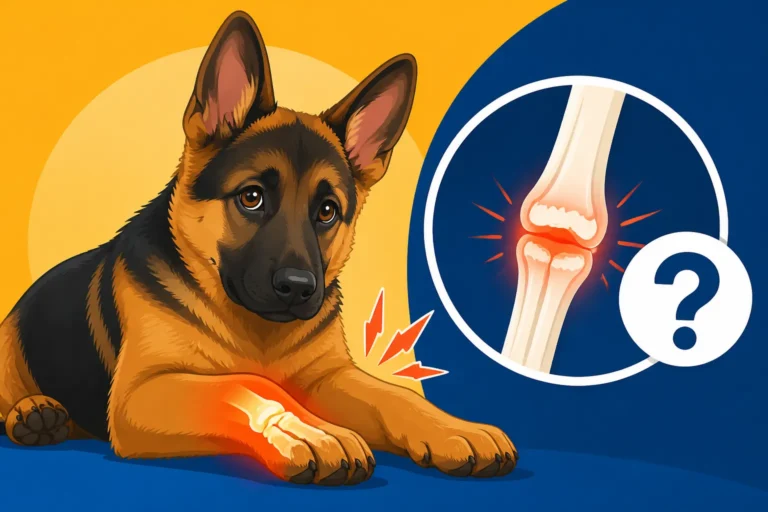
Hip dysplasia is a frustratingly common skeletal condition, particularly prevalent in large, fast-growing breeds like our magnificent German Shepherds. It's a genetic, developmental disorder where the hip joint doesn't form properly, leading to instability, pain, and eventually degenerative joint disease (osteoarthritis). Seeing your typically energetic companion struggle with movement, experiencing stiffness, or showing reluctance to play can be incredibly distressing, and it’s a situation many GSD owners unfortunately face.
What is Hip Dysplasia?
At its core, hip dysplasia is a malformation of the hip joint. In a healthy hip, the head of the femur (thigh bone) fits snugly into the acetabulum (hip socket) of the pelvis, like a perfectly matched ball and socket. This allows for smooth, frictionless movement. With hip dysplasia, this fit is loose or malformed. The ball might be flattened, the socket too shallow, or both. This poor fit causes the joint to grind and rub rather than glide smoothly, leading to wear and tear on the cartilage, inflammation, and the formation of bone spurs over time.
Think of it like a door hinge that's slightly out of alignment. Every time you open and close the door, it scrapes and groans, slowly damaging the frame. For our German Shepherds, every step, jump, or run can contribute to this painful degeneration. The body tries to compensate by laying down new bone, but this often makes the joint even less functional and more painful.
Why German Shepherds are Prone
It feels incredibly unfair that such an athletic and powerful breed is so susceptible to a condition that hinders their movement. German Shepherds are genetically predisposed to hip dysplasia, meaning the genes passed down from their parents play a significant role. This is why reputable breeders prioritize German Shepherd Genetic Health Testing and conduct thorough screenings like OFA (Orthopedic Foundation for Animals) or PennHIP on their breeding dogs.
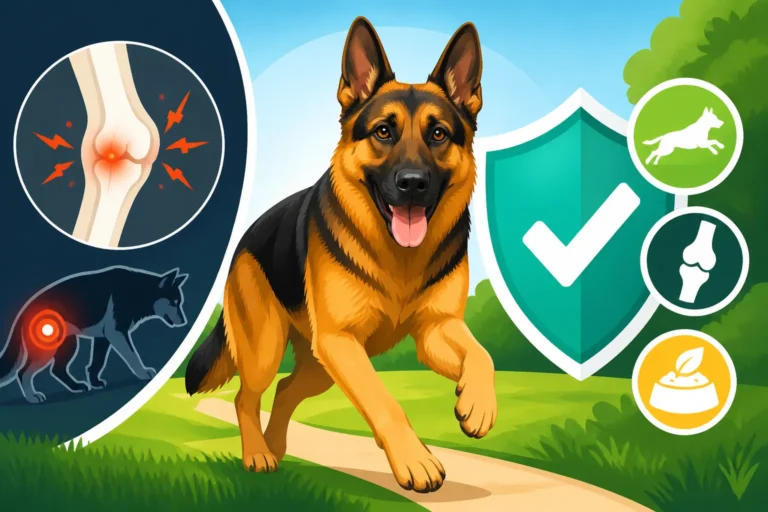
However, genetics aren't the only factor. Environmental influences also contribute significantly to the development and severity of hip dysplasia. Rapid growth, excessive or inappropriate exercise during puppyhood, poor nutrition, and obesity can all exacerbate a predisposition. A puppy might have the genetic markers for hip dysplasia, but how they are raised can determine whether or not the condition manifests severely. This is a crucial point for prevention and early management, highlighting why careful puppy care and How to Prevent Hip Dysplasia in German Shepherds are so vital.
Recognizing the Signs
One of the hardest parts about hip dysplasia is that the signs can be subtle at first, and dogs are incredibly good at hiding pain. You might not see a dramatic limp right away. Often, the earliest indicators appear during puppyhood or adolescence, typically between 5 months and a year of age, but sometimes even later in life as arthritis progresses. It’s also important to remember that the severity of the symptoms doesn't always correlate with the severity of the joint malformation; some dogs with bad X-rays show minimal pain, while others with seemingly mild dysplasia are quite uncomfortable.
Keep an eye out for these tell-tale signs: a swaying or "bunny-hopping" gait when they run, struggling to get up after lying down, reluctance to jump or use stairs, decreased activity levels, a noticeable stiffness, especially after rest or in cold weather, or even a shift in their personality due to chronic pain. They might also exhibit lameness in one or both hind legs, a reduced range of motion, or an audible clicking sound coming from their hips. If you notice any of these, it's essential to consult your vet immediately to get a proper diagnosis and start discussing a German Shepherd Hip Dysplasia: Symptoms and Treatment plan.
Comprehensive Non-Surgical Management Approaches
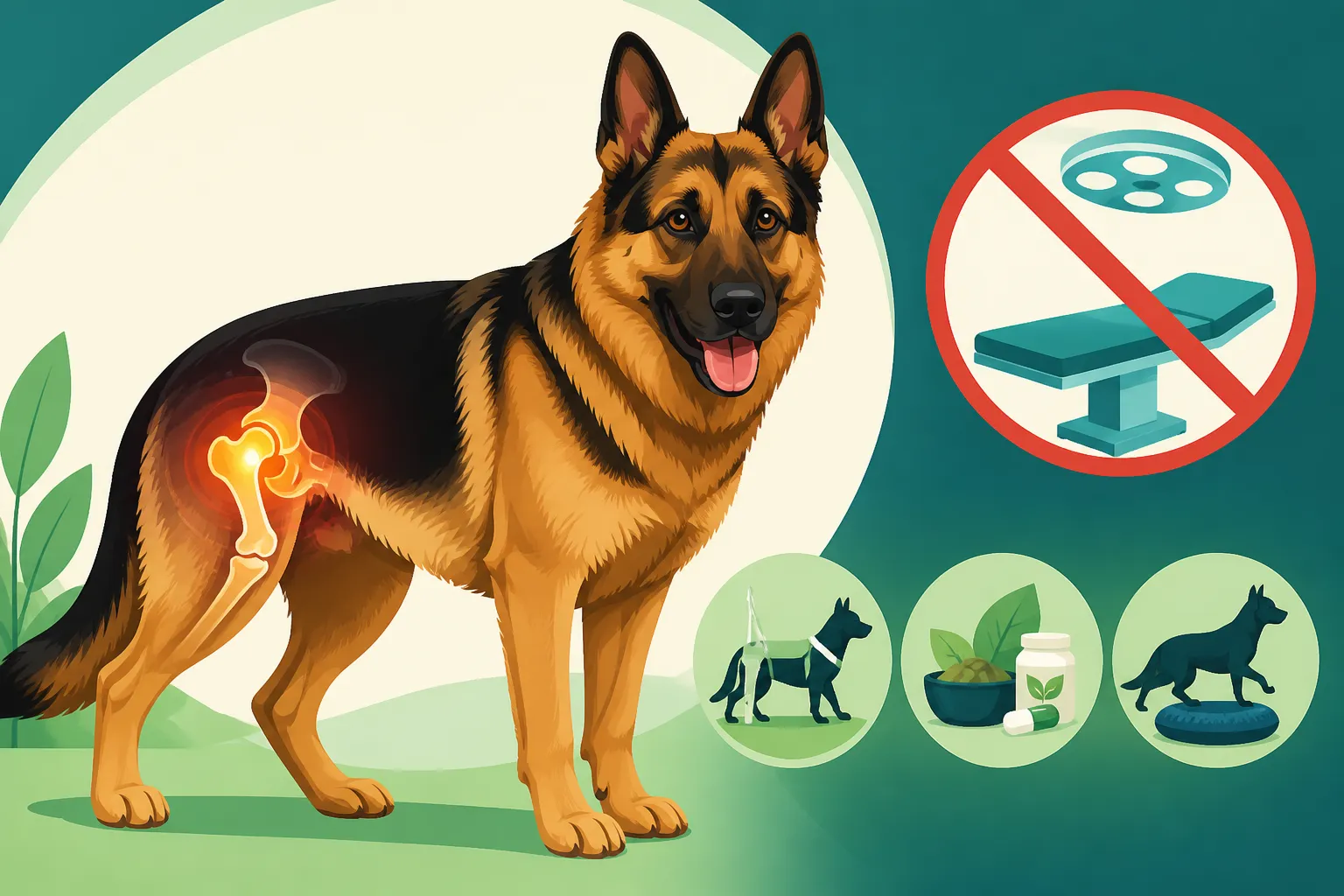
When facing a hip dysplasia diagnosis, the immediate thought of surgery can be daunting and, for many, financially out of reach. Thankfully, there's a wide array of non-surgical management strategies that can significantly improve your German Shepherd's quality of life, reduce pain, and slow the progression of arthritis. These approaches often work best when combined into a holistic treatment plan tailored to your dog's specific needs and the severity of their condition.
Weight Management and Exercise Modification
This is arguably the most critical and impactful non-surgical intervention you can implement. Every extra pound your German Shepherd carries puts immense stress on their already compromised hip joints, accelerating wear and tear and increasing pain. Maintaining an ideal lean body weight is absolutely paramount. Think of it this way: if your car's suspension is failing, you wouldn't load it up with extra cargo; you'd lighten the load. The same applies to your dog's hips.
Work closely with your veterinarian to determine your GSD's ideal weight and create a feeding plan. This might involve switching to a lower-calorie, high-quality dog food, carefully measuring portions, and limiting treats. It’s also essential to modify their exercise routine. High-impact activities like intense fetch sessions, jumping, or long runs on hard surfaces can worsen their condition. Instead, focus on controlled, low-impact exercises that build muscle around the hips without stressing the joints. Swimming is fantastic for this, as it provides a full-body workout with minimal joint impact. Regular, short walks on soft surfaces are also beneficial, aiming for consistency over intensity. These modifications are a cornerstone of How to Keep a German Shepherd Healthy overall, especially when dealing with joint issues.
Pain Management and Anti-Inflammatory Medications
Managing pain and inflammation is crucial for comfort and mobility. Your vet will likely prescribe Non-Steroidal Anti-Inflammatory Drugs (NSAIDs) such as Carprofen (Rimadyl), Meloxicam (Metacam), or Galliprant. These medications work by reducing inflammation, which in turn alleviates pain and helps your dog move more freely. It's important to administer NSAIDs exactly as prescribed and to never give human pain relievers, as they can be toxic to dogs. Regular blood work is often recommended while on NSAIDs to monitor liver and kidney function.
Beyond NSAIDs, other medications can be explored. Amantadine might be added for neuropathic pain, Gabapentin for chronic pain, or even corticosteroid injections directly into the joint for localized relief, though these are typically used sparingly due to potential side effects. Always discuss these options thoroughly with your vet. The goal is to find the right combination that provides the most comfort with the fewest side effects, giving your dog the best possible quality of life.
Physical Therapy and Rehabilitation
Just as with humans, physical therapy can be a game-changer for German Shepherds with hip dysplasia. A certified canine rehabilitation therapist can design a personalized program to strengthen the muscles supporting the hip joint, improve range of motion, reduce pain, and enhance overall mobility. This isn't just about making them feel better; it's about building a stronger foundation around the compromised joint.
Common physical therapy modalities include hydrotherapy (underwater treadmill or swimming, which we touched on), therapeutic exercises, massage, passive range of motion (PROM) exercises, and various modalities like therapeutic ultrasound, laser therapy, and electrical stimulation. Hydrotherapy, in particular, is incredibly effective because the buoyancy of the water reduces weight-bearing stress on the joints while still allowing for muscle strengthening. These sessions can transform a dog struggling with mobility into one that moves with greater ease and less discomfort, directly addressing the pain and stiffness often associated with German Shepherd Arthritis Management at Home.
Nutritional Support and Supplements
Supplementing your German Shepherd's diet with specific nutrients can play a vital role in supporting joint health and managing inflammation. These are not cures, but they can certainly help the body maintain and repair cartilage, and reduce the inflammatory response that contributes to pain. Many owners swear by the benefits of certain supplements, and for good reason.
Key supplements often recommended for hip dysplasia include:
- Glucosamine and Chondroitin: These are natural components of cartilage that help maintain its structure and elasticity. They can help slow down cartilage degeneration and reduce pain and inflammation. Brands like Nutramax Dasuquin or Cosequin are widely used and recommended by veterinarians.
- Omega-3 Fatty Acids (EPA and DHA): Found in fish oil, these powerful anti-inflammatory agents can significantly reduce joint inflammation and pain. Always choose a high-quality, vet-approved fish oil supplement.
- MSM (Methylsulfonylmethane): This is a natural sulfur compound that can help reduce pain and inflammation.
- Green-Lipped Mussel: A natural source of glucosamine, chondroitin, and omega-3s, offering comprehensive joint support.
It’s always best to discuss German Shepherd Joint Health Supplements with your veterinarian before adding anything new to your dog's regimen, as they can advise on appropriate dosages and ensure there are no interactions with existing medications.
Creating a Long-Term Management Plan
Living with a German Shepherd affected by hip dysplasia means committing to a long-term management strategy. This isn't a condition that gets better on its own; it requires ongoing vigilance, adaptation, and a proactive approach. The good news is that with a well-thought-out plan, many German Shepherds can maintain a good quality of life for many years.
Working with Your Veterinarian
Your veterinarian is your most important partner in managing hip dysplasia. They will help you develop a personalized treatment plan, monitor your dog's progress, and make adjustments as needed. Regular check-ups, typically every 3-6 months, are crucial. During these visits, your vet will assess your dog's pain levels, range of motion, muscle mass, and overall comfort. They may also recommend follow-up X-rays to monitor the progression of arthritis, though this is usually done less frequently once a stable management plan is in place.
Be open and honest with your vet about your dog's symptoms, activity levels, and any challenges you're facing. They can offer advice on everything from medication adjustments to physical therapy referrals, and even provide guidance on home modifications. Establishing a strong, trusting relationship with your vet is key to providing the best possible care for your German Shepherd. They are the experts who can help you navigate the complexities of this condition.
Home Modifications and Support
Making a few thoughtful changes around your home can significantly improve your German Shepherd's comfort and mobility, reducing strain on their hips. These adaptations are often simple but can make a world of difference in their daily life.
Consider the following:
- Orthopedic Beds: Investing in a high-quality orthopedic dog bed provides superior joint support and cushioning, allowing your GSD to rest comfortably without putting pressure on their hips. Brands like Big Barker or Dogbed4less offer excellent options.
- Ramps or Stairs: If your dog struggles to get onto the couch, into the car, or up and down stairs, consider ramps or pet stairs. This prevents painful jumps and repeated stress on their joints.
- Non-Slip Flooring: Slippery floors can be treacherous for a dog with hip dysplasia, as they require extra effort and can lead to falls. Lay down rugs, carpet runners, or even use paw grip pads to provide better traction.
- Warmth: In colder climates or during winter, a warm coat or even a heated dog bed can help alleviate stiffness and discomfort.
- Support Harnesses: For very severe cases or during flare-ups, a rear-support harness (like those from Ruffwear or Help 'Em Up) can help you assist your dog in standing, walking, or going to the bathroom, providing much-needed stability and reducing strain.
These modifications, combined with a good German Shepherd Senior Care Guide, can help ensure your dog's environment is as comfortable and safe as possible.
The Role of Pet Insurance
Let's be realistic: managing hip dysplasia long-term can be expensive. From monthly medications and supplements to regular vet visits, physical therapy sessions, and potential emergency care, the costs can add up quickly. This is where pet insurance can be an absolute lifesaver. While it won't cover pre-existing conditions (so it's best to get it before a diagnosis if possible), a good policy can significantly offset the financial burden of managing hip dysplasia if your dog is already covered.
Companies like Healthy Paws are well-regarded for their comprehensive plans. They can help cover a large percentage of eligible veterinary bills, including diagnostics, medications, physical therapy, and even some alternative treatments. Imagine not having to agonize over the cost of every vet visit or rehab session, but instead being able to focus solely on what's best for your furry family member. Pet insurance allows you to make treatment decisions based on your dog's needs, not your wallet. It's definitely worth exploring if Is Pet Insurance Worth It for a German Shepherd is something you’ve been considering, especially for a breed prone to these types of chronic conditions.
| Non-Surgical Treatment Type | Primary Benefit | Considerations |
|---|---|---|
| Weight Management | Reduces joint stress, less pain | Requires consistent diet control, careful portioning, often a long-term commitment. |
| Exercise Modification | Strengthens muscles, minimizes damage | Focus on low-impact (swimming, short walks), avoid high-impact activities, consistency. |
| NSAIDs (e.g., Carprofen) | Reduces pain and inflammation | Prescription required, potential side effects (GI, kidney/liver), regular monitoring. |
| Joint Supplements | Supports cartilage, reduces inflammation | Not a cure, takes time to show effect, quality varies, consult vet for best options. |
| Physical Therapy | Builds muscle, improves mobility | Requires commitment to sessions/home exercises, may be costly, certified therapist needed. |
| Home Modifications | Improves comfort, prevents injury | One-time investment, makes daily life easier for the dog and owner. |
| Acupuncture/Chiropractic | Pain relief, improved nerve function | Seek certified practitioners, effectiveness varies, often used in conjunction with others. |
When Non-Surgical Options Might Not Be Enough
While non-surgical management offers incredible benefits and can significantly improve a German Shepherd's life with hip dysplasia, it's important to acknowledge that there are limitations. Some cases are simply too severe, or the disease progresses despite the best conservative efforts, leading to a point where pain and loss of function become unbearable. This can be a truly difficult crossroads for any devoted owner.
Assessing Quality of Life
The most crucial factor in determining if non-surgical options are sufficient is your dog's quality of life. This isn't always easy to objectively measure, especially when we’re so emotionally invested. It requires honest, often painful, assessment of their daily existence. Is your German Shepherd still able to enjoy walks, even short ones? Are they eating, drinking, and interacting with the family? Or are they in constant pain, struggling to stand, losing interest in activities they once loved, and showing signs of chronic discomfort even with medication?
It's helpful to keep a journal of your dog's good days and bad days, their mobility, appetite, and general demeanor. Discuss this candidly with your veterinarian, who can provide an objective perspective. While we always hope for the best, sometimes the most loving decision is to explore surgical alternatives or, in the most unfortunate circumstances, consider end-of-life care when all other options have been exhausted.
Understanding Surgical Alternatives
If non-surgical treatments no longer provide adequate pain relief or functional improvement, your vet might discuss surgical options. It's not a decision to be taken lightly, as these procedures are often complex, costly, and require significant recovery time. However, for certain dogs, surgery can offer a dramatic improvement in quality of life.
The most common surgical procedures for hip dysplasia include:
- Femoral Head Ostectomy (FHO): This procedure involves removing the head of the femur, allowing a "false joint" to form. It's often considered for smaller or lighter German Shepherds, or when a total hip replacement isn't feasible. The goal is pain relief, not perfect joint function.
- Triple Pelvic Osteotomy (TPO) or Juvenile Pubic Symphysiodesis (JPS): These are preventative surgeries performed on younger dogs (TPO for dogs typically under a year, JPS for puppies under 5 months) to correct the angle of the hip socket and improve coverage of the femoral head, ideally preventing severe arthritis.
- Total Hip Replacement (THR): Considered the "gold standard" for severe, debilitating hip dysplasia, a THR involves replacing the diseased hip joint with artificial implants. This offers the best chance for full, pain-free function but is a major surgery with a substantial cost and recovery.
Each surgical option has its own set of pros, cons, costs (e.g., German Shepherd Hip Dysplasia Surgery Cost), and recovery protocols. Your vet will help you understand if your German Shepherd is a candidate for any of these, allowing you to make an informed decision about the next steps.
Disclaimer
The information provided in this guide is intended for educational purposes only and should not be considered a substitute for professional veterinary advice. Always consult with a qualified veterinarian for any health concerns or before making any decisions about your German Shepherd's medical care. Individual outcomes may vary.