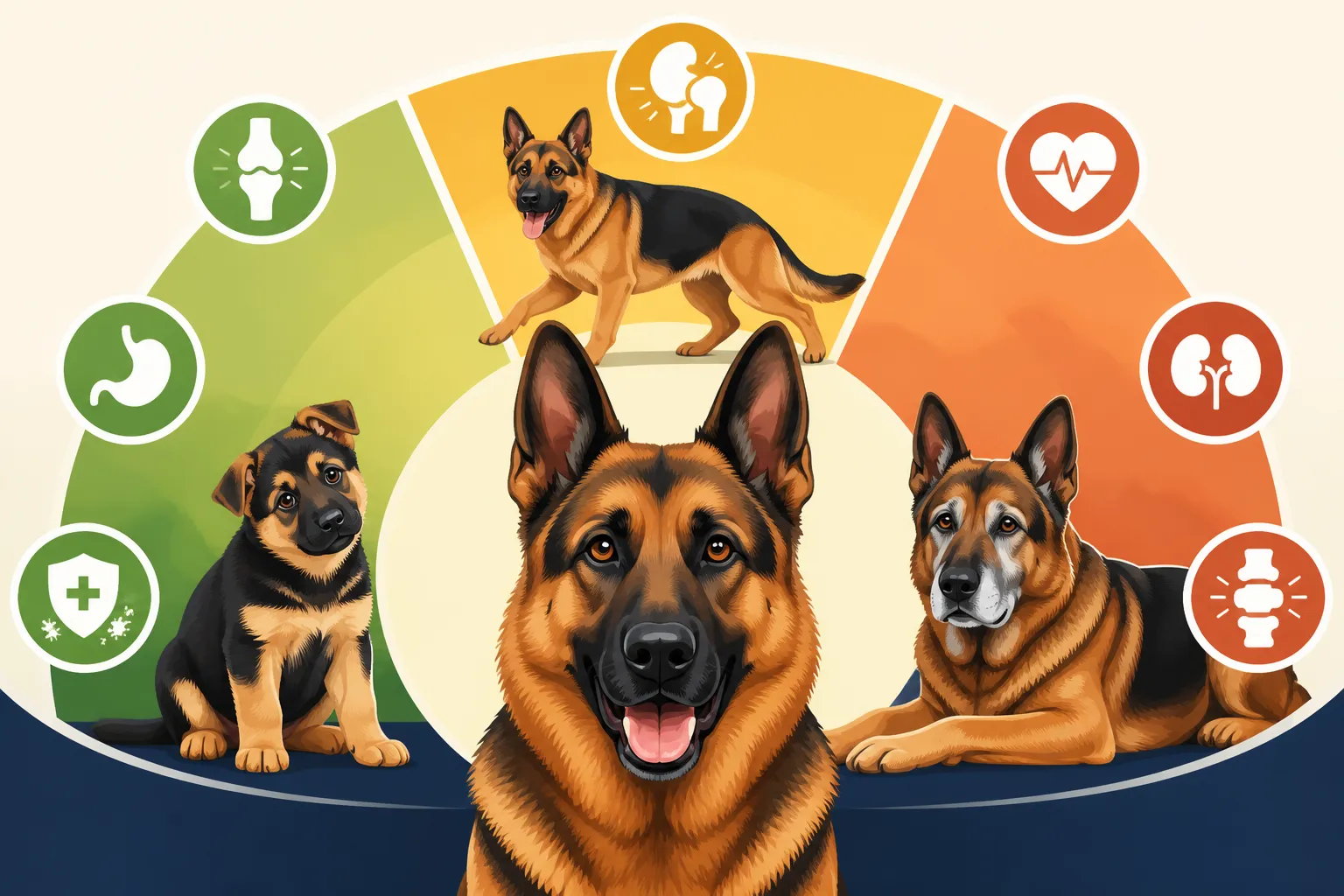
Common German Shepherd Health Issues by Age
It’s truly heartbreaking to watch your beloved German Shepherd suffer, and the worry about their health can feel overwhelming. Many of us grapple with that constant fear, especially knowing how prone this magnificent breed can be to certain conditions. Understanding the common health issues that might crop up at different stages of your German Shepherd’s life isn’t about dwelling on the negative; it’s about being prepared, recognizing signs early, and giving your loyal companion the best chance at a long, happy, and healthy existence. This comprehensive guide will walk you through the age-specific health challenges, offering insights and actionable advice to navigate them.
The Vulnerable Early Months: Puppyhood Health Concerns 0-12 Months
Bringing home a German Shepherd puppy is an exhilarating experience, full of boundless energy and adorable clumsiness. However, these early months are also a critical period where puppies are susceptible to specific health issues, some of which can be quite serious. Their immune systems are still developing, and their bodies are undergoing rapid growth, making them particularly vulnerable.
Infectious Diseases and Parasites in Young German Shepherds
One of the biggest concerns for young German Shepherd puppies is infectious diseases. They are often exposed to various pathogens before their vaccination series is complete, and their still-developing immune systems aren't always equipped to fight them off effectively. Diseases like Canine Parvovirus are a devastating threat, attacking the intestinal lining and bone marrow, leading to severe vomiting, diarrhea, and often, a grim prognosis if not treated aggressively and immediately. This is why strict isolation from unvaccinated dogs and potentially contaminated areas is paramount until their vaccine series is complete.
Beyond viruses, intestinal parasites are incredibly common in puppies. They can pick up worms like roundworms, hookworms, and whipworms from their mothers or the environment, as well as microscopic parasites like Coccidia and Giardia. These nasty invaders can cause diarrhea, weight loss, a dull coat, and a failure to thrive. Regular deworming, as recommended by your vet, and maintaining a clean environment are crucial steps in preventing and managing these issues. It's a frustrating battle, but vigilance is key to ensuring your puppy absorbs the nutrients they need to grow strong.
Rapid Growth and Developmental Orthopedic Concerns
German Shepherds are a large breed, and their rapid growth rate during puppyhood can unfortunately contribute to certain orthopedic problems. One common issue seen in this age group is Panosteitis, often referred to as "growing pains." This condition causes intermittent lameness that can shift from leg to leg, typically affecting puppies between 5 and 18 months of age. While it's usually self-limiting and resolves on its own, it can be quite painful for your puppy and requires careful pain management.
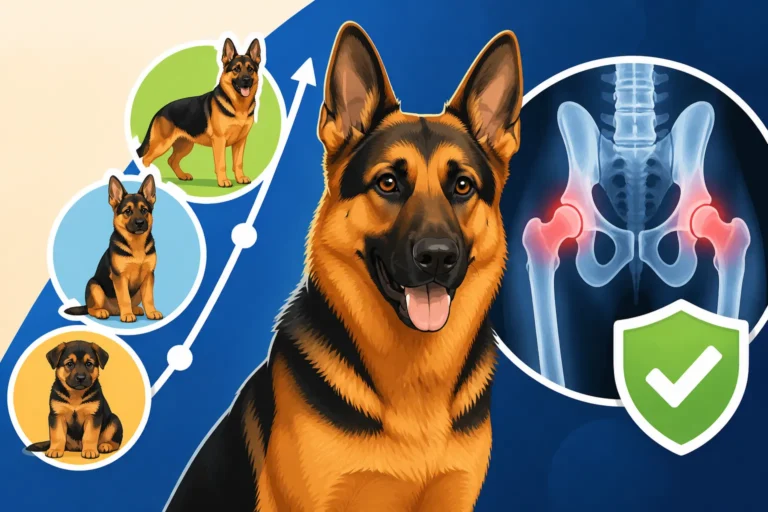
More significantly, the foundations for serious conditions like hip and elbow dysplasia are often laid during this rapid growth phase. While these conditions manifest more overtly in adulthood, the underlying genetic predisposition and environmental factors (like excessive exercise or poor nutrition) during puppyhood play a huge role. It’s a frustrating reality that the very activity we want for our energetic pups can sometimes exacerbate these inherent risks. Understanding "German Shepherd Hip Dysplasia Explained" early on can help you make informed decisions about managing your puppy's activity levels and diet to support healthy joint development.
Navigating Adolescence and Young Adulthood: 1-3 Years
As your German Shepherd transitions from puppyhood into adolescence and young adulthood, their energy levels often reach their peak, and they seem almost indestructible. However, this is also a crucial period where some of the breed's most infamous genetic predispositions begin to show their first subtle signs or become more pronounced. Owners often feel a mix of excitement and apprehension during these years, knowing that their dog is maturing but also aware of the potential for developing more serious health conditions.
Joint Dysplasia: The Silent Threat
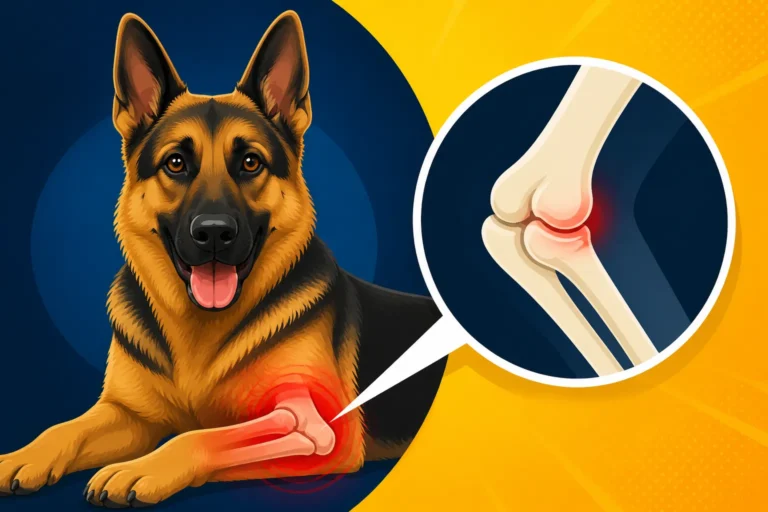
Hip and elbow dysplasia are perhaps the most well-known and feared conditions among German Shepherd owners. While the genetic component is strong, the symptoms often become noticeable between 6 months and 2 years of age, or even later. You might observe a subtle lameness after exercise, difficulty rising, a reluctance to jump, or a "bunny hopping" gait. It’s truly heartbreaking to see your active dog start to struggle with movement, and the thought of their pain can be all-consuming. Early diagnosis through X-rays is vital for effective management, which can range from conservative measures like pain medication and physical therapy to various surgical interventions depending on the severity. It’s a long road, and understanding "German Shepherd Hip Dysplasia: Symptoms and Treatment" is crucial for any owner.
Preventing or mitigating the severity of hip and elbow dysplasia starts long before symptoms appear. Responsible breeders screen their breeding dogs, which is a huge first step. For owners, ensuring proper nutrition for healthy growth (avoiding overfeeding which can lead to rapid weight gain), controlled exercise that doesn't overstress developing joints, and considering supplements aimed at joint health can make a difference. Many owners agonize over whether they did enough, but it’s often a complex interplay of genetics and environment.
Allergies: A Common Frustration
German Shepherds are unfortunately quite prone to various allergies, which can emerge or worsen during their young adult years. These can range from environmental allergies (atopy) triggered by pollen, dust mites, or molds, to food allergies or sensitivities. The symptoms are often incredibly frustrating for both dog and owner: relentless itching, licking, chewing at paws, chronic ear infections, skin rashes, and sometimes gastrointestinal upset. It's a constant battle to pinpoint the cause and provide relief, often involving multiple vet visits and trial-and-error treatments.
Diagnosing allergies can be a lengthy process, often involving elimination diets for food allergies or skin tests/blood tests for environmental triggers. Once diagnosed, management can include antihistamines, medicated shampoos, topical treatments, dietary changes, and sometimes more advanced therapies like immunotherapy injections or prescription medications. Brands like Healthy Paws, a pet insurance provider, can offer significant relief from the financial burden of chronic allergy management, as these conditions often require ongoing veterinary care, specialist consultations, and expensive medications throughout your dog's life. It's a condition that truly tests an owner's patience and wallet.
The Prime Years: Health Challenges in Adult German Shepherds 3-7 Years
These are often the golden years for a German Shepherd, where they are typically at their physical and mental peak. They’ve settled into their personality, their training is solid, and they are a true companion. However, even in their prime, German Shepherds face certain health challenges that owners need to be aware of. Some conditions that began to brew in younger years might become more pronounced, and new, often more serious, issues can emerge.
Degenerative Myelopathy: A Heartbreaking Diagnosis
Degenerative Myelopathy (DM) is a progressive neurological disease that often strikes German Shepherds in their middle to senior years, typically between 5 and 9 years old. It's a cruel disease that slowly attacks the spinal cord, leading to hind limb weakness, incoordination, and eventually paralysis. Owners often first notice a slight dragging of a back paw, stumbling, or difficulty standing. The progression is relentless, and there is no cure, making it one of the most heartbreaking diagnoses an owner can receive. We often feel helpless as we watch our strong, agile dogs slowly lose their mobility.
DM is primarily genetic, caused by a specific mutation in the SOD1 gene. This is why "German Shepherd Genetic Health Testing" for DM is so important for responsible breeders and for owners considering a puppy. While there's no cure, physical therapy, hydrotherapy, supportive devices like slings or wheelchairs, and maintaining muscle mass can help improve quality of life and slow progression. Understanding "Degenerative Myelopathy in German Shepherds" in depth can help owners cope and make informed decisions about their dog's care.
Exocrine Pancreatic Insufficiency (EPI): Digestive Woes
Exocrine Pancreatic Insufficiency (EPI) is another condition German Shepherds are genetically predisposed to, often appearing in adult dogs. The pancreas fails to produce enough digestive enzymes, leading to maldigestion and malabsorption of food. Symptoms are often striking: chronic diarrhea (often voluminous, greasy, and yellow), significant weight loss despite a ravenous appetite, and a poor, dull coat. It's frustrating to feed your dog well and watch them waste away, seemingly starving even after a full meal.
Diagnosis involves a simple blood test (TLI test). Thankfully, EPI is manageable. Treatment involves supplementing their food with pancreatic enzymes, which effectively replace what their body isn't producing. Diet adjustments, such as feeding a low-fiber, easily digestible food, can also be beneficial. It's a lifelong condition that requires consistent management, but with the right care, dogs with EPI can lead full, happy lives. Learning about "German Shepherd EPI: Symptoms and Treatment" can provide great comfort if your dog receives this diagnosis.
Bloat (GDV): An Emergency Situation
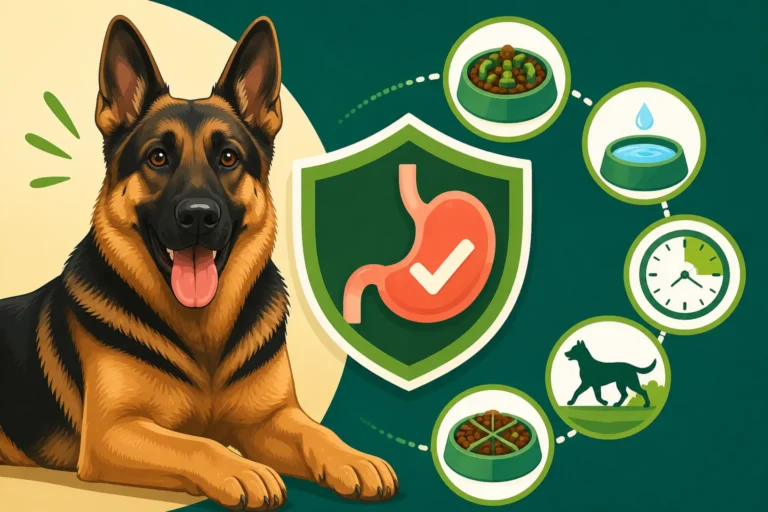
Gastric Dilatation-Volvulus (GDV), commonly known as bloat, is a life-threatening condition that can affect large, deep-chested breeds like German Shepherds at any age, but is particularly concerning in adults. It occurs when the stomach fills with gas and twists on itself, cutting off blood supply and trapping gas and food. Symptoms come on rapidly and are severe: a distended abdomen, retching without vomiting, excessive drooling, restlessness, and signs of pain. It's a terrifying emergency that requires immediate veterinary attention, often within minutes, as every second counts.
The exact cause of bloat isn't fully understood, but risk factors include eating one large meal a day, eating rapidly, exercising vigorously after eating, and stress. Genetic predisposition also plays a role. Prevention strategies include feeding multiple smaller meals, using slow-feeder bowls, limiting exercise before and after meals, and considering a prophylactic gastropexy (surgically tacking the stomach to the abdominal wall) during spay/neuter surgery. Familiarizing yourself with "German Shepherd Bloat: Signs and Prevention" is crucial for every German Shepherd owner.
The Wisdom Years: Senior German Shepherd Health Considerations 7+ Years
As our beloved German Shepherds enter their senior years, typically around age 7, they begin to slow down. Their muzzle might gray, their gait might become a little stiffer, and they might sleep more. This is a time to adjust our expectations and provide comfort, knowing that their bodies are aging. While they might still have a spark, senior German Shepherds are more susceptible to a range of age-related conditions, requiring more frequent vet check-ups and a keen eye for subtle changes.
Arthritis and Mobility Issues
Arthritis, or osteoarthritis, is an incredibly common ailment in senior German Shepherds, especially given their predisposition to joint issues like hip and elbow dysplasia. Years of wear and tear, coupled with any underlying joint problems, lead to inflammation and pain in the joints. You might notice difficulty getting up, reluctance to climb stairs, stiffness after rest, or a decreased interest in walks. It's heartbreaking to see them struggle with simple movements they once performed with ease.
Management for arthritis focuses on pain relief, maintaining mobility, and improving quality of life. This can include anti-inflammatory medications, joint supplements (like glucosamine, chondroitin, and omega-3 fatty acids), controlled low-impact exercise, weight management, and physical therapy. Providing comfortable orthopedic beds and ramps can also make a huge difference. Regular vet visits become even more critical to monitor pain levels and adjust medication. For more detailed information, see "German Shepherd Arthritis: Symptoms and Treatment".
Cognitive Decline and Sensory Loss
Just like humans, German Shepherds can experience cognitive decline as they age. Canine Cognitive Dysfunction (CCD) can manifest as disorientation (getting "stuck" in corners, staring blankly), changes in sleep-wake cycles (waking up at night, pacing), altered interactions (less responsive, increased irritability), and house-soiling accidents. It's confusing and frustrating when your once sharp, obedient companion seems to forget basic commands or acts strangely.
Alongside cognitive changes, many senior German Shepherds experience a decline in their sight and hearing. They might become startled more easily, bump into furniture, or fail to respond to commands they once knew. Creating a safe, predictable environment, maintaining a consistent routine, and using visual cues if hearing declines (or touch cues if sight declines) can help them cope. Open communication with your vet about these changes is important, as some symptoms can overlap with other medical conditions.
Cancer and Other Chronic Diseases
Cancer is a leading cause of death in senior German Shepherds. They are particularly prone to certain types, including hemangiosarcoma (a highly aggressive cancer of the blood vessel lining), osteosarcoma (bone cancer), and various lymphomas. Regular veterinary check-ups, including bloodwork and imaging, become vital for early detection, which can significantly improve prognosis. You might notice new lumps or bumps, unexplained weight loss, lethargy, or changes in appetite.
Other chronic conditions that become more prevalent with age include kidney disease, liver disease, and heart conditions. Symptoms can be subtle initially but progress over time. Frequent urination, increased thirst, vomiting, changes in appetite, and fatigue are all signs that warrant a veterinary visit. Early diagnosis and management through diet, medication, and supportive care can help prolong their life and maintain comfort. This is another area where a comprehensive pet insurance plan, such as one from Healthy Paws, can be an invaluable resource, helping to cover the often substantial costs associated with long-term care for chronic senior ailments.
Understanding Genetic Predispositions Across All Ages
It’s impossible to talk about German Shepherd health without diving into their genetic predispositions. This breed, while incredibly intelligent and loyal, carries a heavy burden of inherited conditions that can affect them throughout their lives. Knowing these risks isn't about fear-mongering; it's about being proactive and making informed choices, from selecting a puppy to managing their care.
The Role of Genetics in Breed-Specific Diseases
Many of the health issues discussed, from hip and elbow dysplasia to Degenerative Myelopathy and Exocrine Pancreatic Insufficiency, have a strong genetic component. This means that certain genes passed down from parents to offspring increase the likelihood of developing these conditions. It's a cruel twist of fate for a breed so beloved. Responsible breeding practices, which include thorough genetic health testing of parent dogs, are the first line of defense against these inherited diseases. Owners looking for a puppy should always inquire about the health clearances of the parents, including OFA or PennHIP certifications for hips and elbows, and DNA tests for DM. Understanding "German Shepherd Genetic Health Testing" can empower you to ask the right questions.
Beyond the major genetic conditions, German Shepherds can also be prone to other inherited disorders such as Von Willebrand Disease, a bleeding disorder. While some conditions are more complex with polygenic inheritance (multiple genes involved), others are simpler Mendelian traits. This genetic susceptibility means that even with the best care, some dogs may still develop these issues, reinforcing the need for continuous monitoring and a strong partnership with your veterinarian.
When to Consider Genetic Testing for Your Dog
If you adopted your German Shepherd and don't have access to their parents' health history, or if you're experiencing vague symptoms, discussing genetic testing with your vet can be beneficial. For conditions like DM, a DNA test can confirm if your dog carries the gene mutation, which is essential for diagnosis. While a positive test for the gene doesn't always mean your dog will develop the disease (especially for polygenic conditions), it indicates a higher risk and allows for earlier monitoring and potential intervention.
Genetic testing can also be important for ruling out certain conditions or confirming a diagnosis, helping to guide treatment plans and manage expectations. For example, if your dog has symptoms of EPI, a specific blood test is diagnostic, but knowing the breed predisposition certainly points the vet in the right direction. It’s an investment in understanding your dog's unique health blueprint, and it can save a lot of heartache and wasted time on incorrect diagnoses.
The Importance of Preventative Care and Early Detection
Proactive care is arguably the most powerful tool we have as German Shepherd owners. While we can't completely prevent all health issues, a strong preventative approach significantly reduces risks and allows for the earliest possible detection and intervention, which can make a world of difference in prognosis and quality of life. It’s about being vigilant without being paranoid, and consistent without being obsessive.
Regular Veterinary Check-ups and Screenings
Regular visits to the veterinarian are the cornerstone of preventative care. For puppies, this means a series of vaccinations and deworming. For adults, annual check-ups are standard, but as your German Shepherd ages into their senior years, twice-yearly visits are highly recommended. These appointments aren't just for shots; they allow your vet to perform thorough physical exams, listen to your dog's heart and lungs, check their joints, assess their weight, and discuss any subtle changes you might have noticed at home.
Beyond the physical exam, your vet might recommend routine bloodwork, urinalysis, or fecal tests, especially for senior dogs. These screenings can detect underlying issues like kidney disease, liver problems, diabetes, or even certain cancers long before external symptoms become obvious. For example, catching elevated kidney enzymes early can lead to dietary changes and medication that slow the progression of disease. Think of it as your dog's annual "wellness panel" – a crucial peek inside to ensure everything is functioning as it should.
Nutrition, Exercise, and Weight Management
A balanced, high-quality diet tailored to your German Shepherd's age, activity level, and any specific health needs is paramount. For puppies, this means large-breed puppy food to support controlled growth. For adults, a high-quality adult formula. Proper nutrition provides the building blocks for a strong immune system, healthy joints, and optimal organ function. Consult your vet or a canine nutritionist to ensure your dog is getting the right nutrients. You can learn more about this in "German Shepherd Feeding Guide".
Appropriate exercise is also key. German Shepherds are active dogs, but "appropriate" doesn't mean endless, high-impact activity, especially for growing puppies or senior dogs with arthritis. Controlled, moderate exercise helps maintain muscle mass, supports joint health, and prevents obesity, which is a major contributor to many health issues, including worsening hip and elbow dysplasia and arthritis. A fit German Shepherd is a healthier German Shepherd.
Weight management is inextricably linked to both diet and exercise. Obesity puts immense strain on joints, exacerbates conditions like arthritis and dysplasia, and increases the risk of other diseases like diabetes and certain cancers. Regularly monitoring your dog's weight and body condition score, and adjusting their food intake and exercise as needed, is one of the most impactful things you can do to extend their lifespan and improve their quality of life.
The Power of Observation at Home
You are your German Shepherd's primary advocate, and your daily observations are invaluable. You know your dog best – their quirks, their routines, their usual energy levels. Learning to recognize subtle changes can be the earliest indicator of a brewing health problem. A slight limp after a walk, a decreased appetite for a day or two, a change in stool consistency, excessive panting, or unusual lumps and bumps – these are all signals that warrant attention.
Keep a mental (or even written) record of anything out of the ordinary. Don't dismiss a symptom as "just a fluke" if it persists or recurs. Trust your gut. If something feels off, it's always better to call your vet and describe what you're seeing. Early intervention for conditions like bloat, for example, can mean the difference between life and death. You play a critical role in your dog's health surveillance.
When Health Issues Arise: Action and Support
Even with the best preventative care, health issues can still arise. When they do, the situation can feel incredibly stressful and overwhelming. Knowing how to react, what questions to ask, and where to find support can make a difficult time more manageable.
Recognizing Emergency Symptoms
Some German Shepherd health issues require immediate veterinary attention. Bloat (GDV) is the prime example, where a few hours can be the difference between life and death. Other emergencies include severe trauma, uncontrolled bleeding, persistent vomiting or diarrhea (especially with blood), collapse, difficulty breathing, seizures, or sudden paralysis. If you suspect an emergency, don't hesitate. Call your nearest emergency vet clinic immediately and head there without delay.
It's a good practice to know the location and phone number of the closest 24-hour emergency veterinary hospital, as your regular vet clinic might not be open during off-hours. Having a plan in place for how you'd transport your dog (especially if they're large and injured) can also reduce panic in a crisis. Being prepared for the worst allows you to act swiftly and decisively when minutes matter.
Working with Your Veterinarian
Your veterinarian is your most important partner in your German Shepherd's health journey. When a concern arises, schedule an appointment and clearly describe all the symptoms you’ve observed, including when they started, how often they occur, and any aggravating or alleviating factors. Don't be afraid to ask questions about potential diagnoses, diagnostic tests, treatment options, prognosis, and expected costs. A good vet will take the time to explain everything thoroughly.
If a serious or chronic condition is diagnosed, discuss all available management strategies. This might include medication, dietary changes, physical therapy, or even specialist referrals. Don't be shy about seeking a second opinion if you feel unsure about a diagnosis or treatment plan, especially for complex cases. It's your right as a pet owner, and many vets welcome it. Your vet team is there to support you and your dog through thick and thin.
Supporting Your German Shepherd Through Illness
Living with a German Shepherd who has a chronic illness requires patience, dedication, and a commitment to their well-being. This might mean administering daily medications, preparing special meals, managing their pain, or helping them with mobility. It’s a labor of love that strengthens your bond. Providing comfort, maintaining routine where possible, and offering plenty of affection can make a huge difference to their emotional state.
Consider how their condition might impact their quality of life and what adjustments you can make at home to support them. For example, if they have arthritis, provide soft bedding, minimize stairs, and use ramps if necessary. If they have cognitive decline, keep their environment consistent. Your unwavering presence and loving care are often the most powerful medicine of all.
Financial Planning for German Shepherd Health
Let’s be honest: vet bills can be incredibly expensive, especially for a large breed like a German Shepherd prone to genetic conditions. Thinking about the financial aspect of health care isn't cold or uncaring; it's a responsible part of pet ownership. Being prepared financially can save you from having to make impossible choices during an emotional crisis.
Understanding Veterinary Costs
The cost of veterinary care can vary dramatically depending on the specific issue, the required diagnostics, and the chosen treatments. A simple vet visit for an ear infection might be a couple of hundred dollars, but diagnostic imaging like X-rays or ultrasounds can quickly push costs into the hundreds. A major surgery, such as for hip dysplasia or bloat, can easily run into thousands of dollars. Chronic conditions like EPI or severe allergies require ongoing medication and frequent check-ups, which add up significantly over a lifetime.
Emergency vet visits are often substantially more expensive than regular clinic visits due to specialized equipment, staffing, and after-hours care. It’s a harsh reality that the financial burden can be a huge source of stress for many families when their beloved German Shepherd falls ill. It's not uncommon for owners to face bills well over $5,000 for a complex issue, and it can be a terrifying prospect without a financial safety net.
| Age Group | Common Health Issues | Typical Symptoms | Potential Cost Range (Estimate) |
|---|---|---|---|
| Puppy (0-12 mo) | Parvovirus, Coccidia/Giardia, Panosteitis | Vomiting, diarrhea, lethargy, lameness | $200 – $5,000+ |
| Young Adult (1-3 yrs) | Hip/Elbow Dysplasia, Allergies, Bloat (GDV) | Lameness, itching, skin issues, distended abdomen, retching | $500 – $10,000+ |
| Adult (3-7 yrs) | DM, EPI, Bloat (GDV), Cancer | Hind leg weakness, weight loss, chronic diarrhea, lumps, lethargy | $500 – $15,000+ |
| Senior (7+ yrs) | Arthritis, Cancer, Cognitive Dysfunction, Kidney/Liver Disease | Stiffness, pain, new lumps, disorientation, increased thirst/urination | $300 – $10,000+ |
Note: Costs are rough estimates and can vary widely based on location, severity, and required treatments.
The Value of Pet Insurance
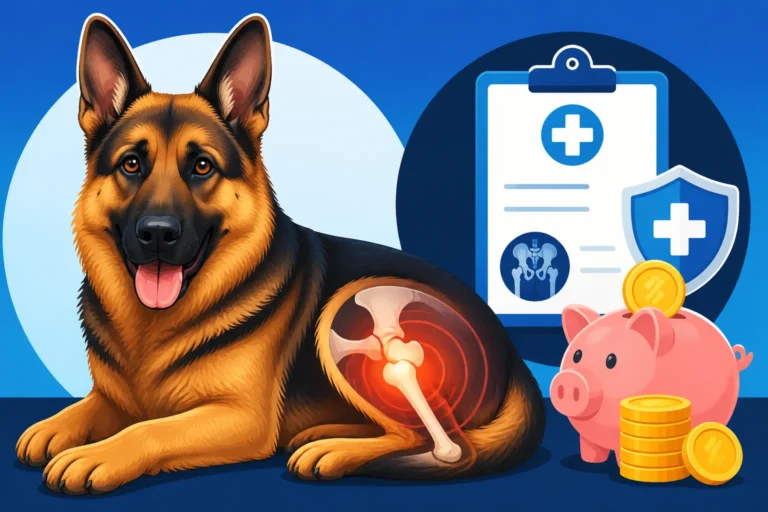
This is where pet insurance truly shines, offering a crucial safety net for unexpected and expensive health events. Policies typically cover a percentage of veterinary bills for accidents, illnesses, surgeries, medications, and sometimes even wellness care. For a breed like the German Shepherd, with its known predispositions, having a robust pet insurance policy can provide immense peace of mind. Instead of worrying about how you'll pay for a $6,000 surgery, you can focus on your dog's recovery.
When researching pet insurance, look for plans that offer comprehensive coverage and have a good reputation for processing claims efficiently. Companies like Healthy Paws are often recommended for their broad coverage and dedication to customer service, which can be a huge relief when you're already stressed about your dog's health. While there's a monthly premium, the potential savings on major medical expenses can be substantial over your dog’s lifetime, making it a wise investment for many German Shepherd owners. Thinking about "Is Pet Insurance Worth It for a German Shepherd" is a conversation every owner should have.
Building an Emergency Fund
Even with pet insurance, it's wise to have a dedicated emergency fund for your German Shepherd. Most insurance policies have a deductible you need to meet before coverage kicks in, and they typically reimburse a percentage (e.g., 80-90%) of the bill, meaning you'll still be responsible for the remainder. An emergency fund helps cover these out-of-pocket expenses, as well as any services not covered by your specific policy.
Start setting aside a small amount each month, perhaps in a separate savings account specifically for your dog. Even $50-$100 a month can accumulate quickly into a substantial sum over a few years. This financial cushion can make a world of difference when an unexpected health crisis strikes, allowing you to prioritize your German Shepherd's health without added financial strain. It truly empowers you to make medical decisions based on what’s best for your dog, not just what you can afford at that moment.
Conclusion: A Lifelong Commitment to Health
Owning a German Shepherd is a profound commitment, and part of that commitment involves being prepared for the potential health challenges that may arise throughout their life. From the energetic, clumsy puppy months to the wise, gray-muzzled senior years, understanding the age-specific health issues allows us to be proactive, vigilant, and provide the best possible care.
While the thought of these conditions can be daunting, remember that knowledge is power. Early detection, a strong partnership with your veterinarian, consistent preventative care, and sound financial planning, perhaps with a reputable provider like Healthy Paws, can equip you to face these challenges head-on. By being attentive to their needs, supporting their well-being, and showering them with love, you are giving your German Shepherd the greatest chance at a full, healthy, and happy life right by your side. For a broader look at what to expect, consider reviewing our "German Shepherd Health Problems Guide".
Disclaimer
The information provided in this guide is for general informational purposes only and does not constitute veterinary advice. Always consult with a qualified veterinarian for any health concerns or before making any decisions related to your German Shepherd's medical care.