How to Train a Rescue German Shepherd
Bringing a rescue German Shepherd into your home is an incredibly rewarding experience, but let's be honest, it often comes with a unique set of challenges. Unlike a puppy whose history you know, a rescue dog's past can be a mystery, leading to unexpected behaviors, fears, or anxieties that can feel overwhelming for even the most experienced dog owners. This comprehensive guide is here to walk you through an empathetic, effective approach to training and integrating your rescue German Shepherd, helping you build a strong, loving bond.
Understanding Your Rescue German Shepherd's Past and Present
When you adopt a rescue German Shepherd, you're not just getting a dog; you're taking on a living being with a history, both good and bad, that profoundly shapes who they are today. It’s a huge misconception to think that a rescue dog should just be grateful and immediately adapt. The truth is, many rescue German Shepherds have experienced trauma, neglect, or inconsistent training, and these experiences don't just magically disappear the moment they cross your threshold. They've likely learned to cope in ways that might not be ideal in a new home, and it’s up to us to patiently unravel those layers.
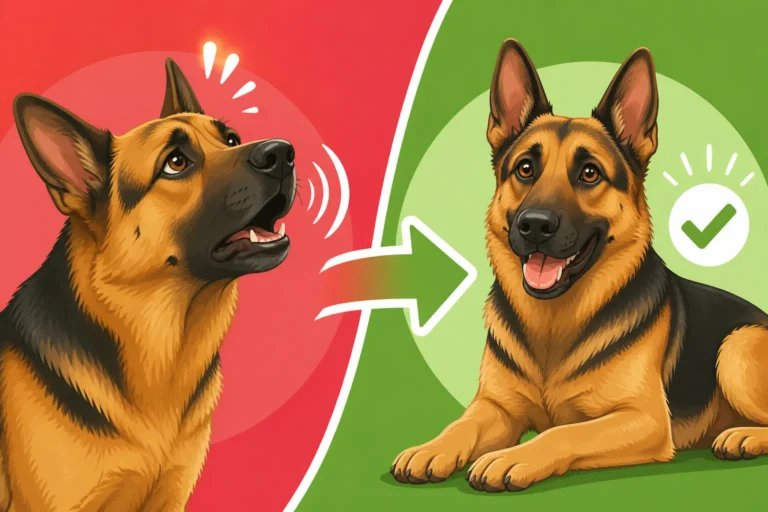
Imagine a dog who was surrendered because their previous owner couldn't handle their barking, but the barking was actually a symptom of severe separation anxiety. Or a dog that was found as a stray, having learned to be extremely resourceful (and sometimes destructive) to find food. These pasts create deeply ingrained patterns. Your job, initially, isn't to "fix" them instantly, but to become a detective, observing, understanding, and validating their current behaviors before you can even begin to think about redirection or training.
The "Rule of Threes" for Rescue Dogs
One of the most valuable frameworks I learned early on with my own rescue, a beautiful sable German Shepherd named Jaeger, was the "Rule of Threes." It's a gentle reminder of the time it takes for a rescue dog to truly decompress and start showing their real personality in a new environment.
- 3 Days: In the first three days, your rescue German Shepherd is likely in "survival mode." They're overwhelmed, possibly scared, and just trying to figure out if they're safe. They might be shut down, withdrawn, or even exhibit fear-based behaviors like hiding or growling if approached too quickly. Don't expect much in the way of interaction or training during this period. Focus solely on providing a quiet, safe space, consistent food and water, and short, leashed potty breaks. Keep interactions minimal and positive.
- 3 Weeks: After about three weeks, your dog starts to realize this new place might be permanent. They'll begin to relax a bit, their personality will slowly emerge, and you might start to see more of their true self – both the good and the behaviors you need to work on. This is when some of those "behavior problems" might start to surface, not because they're being difficult, but because they feel safe enough to be themselves. This is a critical time for establishing routines.
- 3 Months: By three months, your German Shepherd should be feeling much more settled. They'll understand the household routine, their bond with you will be forming, and you'll have a much clearer picture of their baseline temperament and any ongoing training needs. This is when more intensive training can really take root, as they're no longer primarily focused on just surviving. Remember, this is a guideline, and some dogs, especially those with significant trauma, may need much longer. Patience is truly the biggest virtue here.
Assessing Their Current State Without Judgment
Before you even think about teaching "sit" or "stay," you need to thoroughly assess your rescue German Shepherd's current state. This means observing them without judgment, as if you're taking notes for a scientific study. What are their triggers? Do they flinch at sudden movements? Are they comfortable around men, women, or children? How do they react to other dogs, cats, or even inanimate objects like vacuums or bicycles?
Pay close attention to their body language. A German Shepherd's communication is incredibly nuanced, from the position of their ears to the stiffness of their tail. Are they showing signs of stress like lip-licking, yawning, whale eye (when you see the whites of their eyes), or a low, tucked tail? Understanding these subtle cues is paramount to preventing escalation and building trust. If you notice signs that your German Shepherd is in pain, it's crucial to address this with a vet, as physical discomfort can manifest as behavioral issues. For more on this, check out our guide on How to Tell If a German Shepherd Is in Pain.
Establishing Trust and a Safe Environment
Trust is the bedrock of any successful relationship with a dog, especially a rescue German Shepherd who might have learned that humans aren't always reliable. You can't train effectively until your dog feels safe and secure with you. This isn't about grand gestures; it's about consistent, predictable, positive interactions that gradually chip away at any fear or uncertainty they harbor.
Think about it from their perspective: they've been uprooted, perhaps multiple times, and now they're in a strange new place with strange new people. Everything is different. Your primary goal in the beginning is to become a source of comfort, safety, and predictability, not a drill sergeant.
Creating a Den and Safe Spaces
One of the first things you need to do is provide your rescue German Shepherd with a designated safe space where they can retreat and feel completely secure. For many German Shepherds, a crate can be a fantastic "den" if introduced properly. It should be large enough for them to stand up, turn around, and lie down comfortably. Cover it with a blanket to make it feel more den-like, and place it in a quiet area of your home, not in the middle of a busy thoroughfare.
If a crate isn't an option or if your dog shows extreme crate aversion, a dedicated corner in a quiet room with a comfy bed can serve the same purpose. The key is that this space is theirs, and no one, especially children or other pets, should bother them when they are in it. This teaches them that they have control over their environment to some extent, which is incredibly empowering for a fearful dog. For more detailed guidance, read our article on How to Crate Train a a German Shepherd.
Building Predictable Routines
Dogs thrive on routine and predictability. It reduces anxiety because they know what to expect. Establish a consistent schedule for feeding, potty breaks, walks, and quiet time right from day one. This consistency helps your rescue German Shepherd understand the rhythms of your household and helps them feel more in control.
For example, feed them at the same times each day. Take them out for potty breaks immediately after waking up, after meals, and before bed. This isn't just about house training; it’s about providing structure that fosters a sense of security. A consistent German Shepherd Feeding Guide can be a great place to start planning their meal schedule.
| Activity | Importance for Rescue German Shepherds |
|---|---|
| Quiet Time/Rest | Essential for decompression, processing new information, and reducing stress. |
| Potty Breaks | Prevents accidents, establishes routine, and minimizes stress of holding it. |
| Feeding Schedule | Predictable meals build trust and satisfy basic needs, reducing anxiety. |
| Structured Walks | Exercise and mental stimulation, but also a chance for positive exposure. |
| Low-Key Interaction | Gentle praise, soft petting, brief play sessions to build positive associations. |
| Grooming | Gentle brushing builds connection; necessary for health, but introduce slowly. |
Positive Reinforcement and Gentle Handling
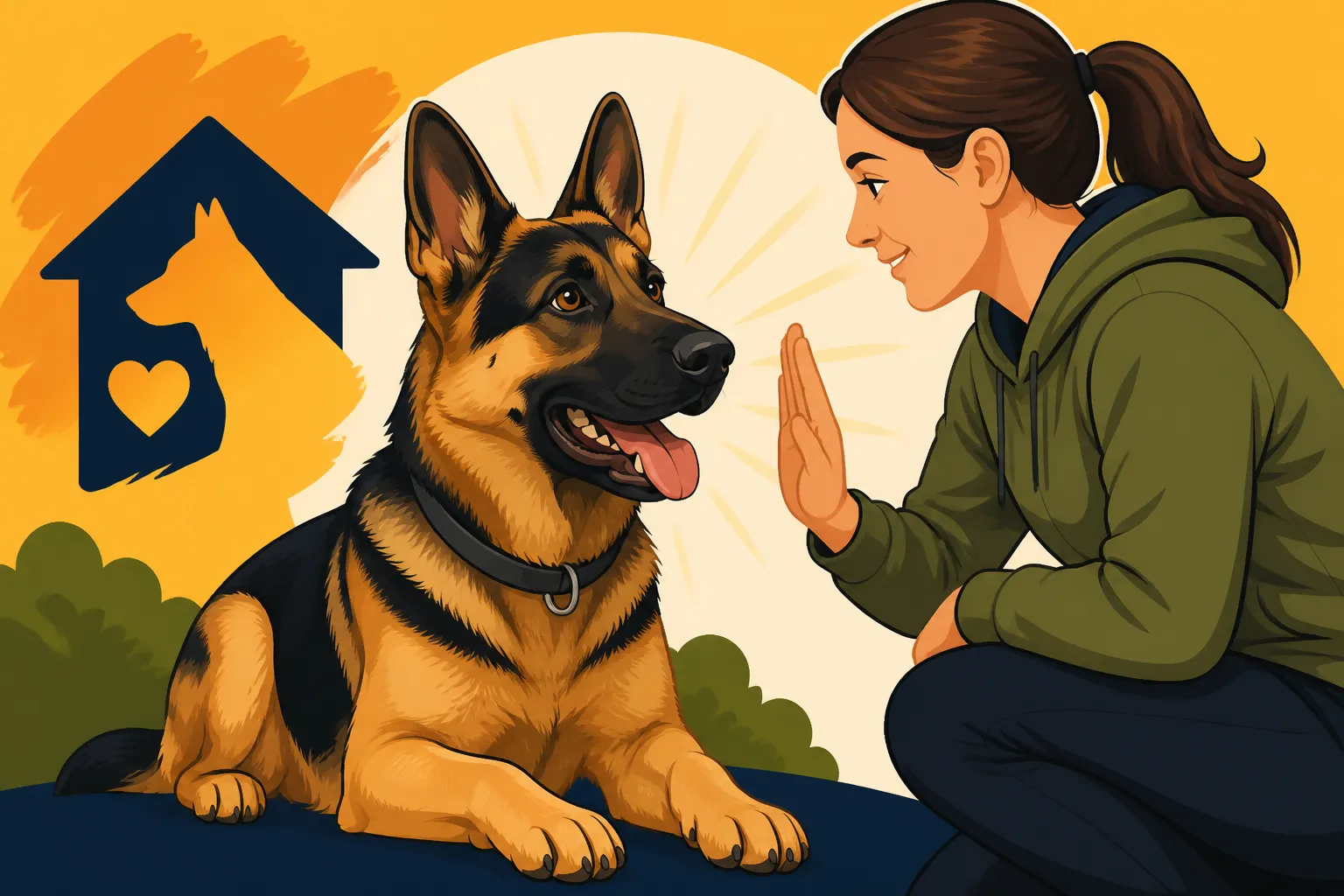
Every interaction with your rescue German Shepherd should be an opportunity to build trust and positive associations. This means using exclusively positive reinforcement methods. When they do something you like – even something as simple as calmly lying down or looking at you – reward them instantly with a high-value treat, calm praise, or a gentle stroke if they welcome it.
Avoid any harsh corrections, yelling, or punishment. These methods can severely damage the fragile trust you're trying to build with a rescue dog, potentially exacerbating fear-based behaviors or causing them to shut down entirely. If your dog makes a mistake, such as having an accident inside, simply clean it up without scolding and calmly redirect them to the appropriate area for future potty breaks. This is a journey of encouragement, not intimidation.
Key Training Principles for Rescue German Shepherds
Once your German Shepherd has started to settle in and you've established a foundation of trust and routine, you can gradually begin to introduce more formal training. The principles remain the same as training any dog, but with a rescue, you might need extra patience, more repetition, and a greater awareness of their potential past experiences influencing their learning.
Remember that German Shepherds are highly intelligent and eager to please, which can be a huge asset in training, but their intelligence also means they can pick up on your frustration or inconsistencies very quickly. Consistency from every family member is crucial for success.
Starting with Basic Obedience
Even if your rescue German Shepherd seems to know a few commands, start fresh with the basics. This allows you to build a common language, strengthen your bond, and ensure they understand what you expect. Commands like "sit," "stay," "come," "down," and "leave it" are not just tricks; they are vital communication tools that can keep your dog safe and manage their behavior in various situations.
Use short, frequent training sessions (5-10 minutes, 2-3 times a day) rather than one long, exhausting session. Keep it fun and rewarding. High-value treats, such as small pieces of cooked chicken or cheese, work wonders. For a deeper dive into foundational training, consider resources like BAXTER & Bella's online training programs, which offer structured guidance perfect for new rescue owners. They emphasize positive methods that are vital for building confidence in a dog with an unknown past. You can also explore our general guide on German Shepherd Obedience Training Basics.
Patience and Consistency are Non-Negotiable
This point cannot be stressed enough. Training a rescue German Shepherd will test your patience. There will be days when you feel like you're making no progress, or even going backward. This is normal. A dog who has learned certain coping mechanisms over years won't unlearn them in days or weeks. Every member of the household needs to be on the same page, using the same commands and reinforcing the same behaviors. Inconsistency is confusing and can undo progress.
For instance, if one person allows jumping on the couch and another doesn't, your German Shepherd won't understand the rules. Set clear boundaries and communicate them to everyone who interacts with the dog. This consistency builds confidence in your dog because they know what is expected of them.
Socialization and Gradual Exposure
Many rescue German Shepherds have limited or negative experiences with other dogs, people, or environments. Socialization for a rescue isn't about throwing them into a dog park on day one. It's about careful, controlled, positive exposure. This means gradually introducing them to new sights, sounds, smells, people, and other calm, well-behaved dogs, always at a distance where they feel comfortable and can remain relaxed.
Take short walks in different neighborhoods, allowing them to observe from a distance. Visit pet-friendly stores during off-peak hours. Enroll in a positive reinforcement obedience class where the focus is on controlled interactions. Always watch their body language closely and remove them from any situation where they show signs of stress or fear. Over-exposure too quickly can be detrimental. Our guide on How to Socialize a German Shepherd offers more insights into this careful process.
Addressing Common Behavioral Challenges
Rescue German Shepherds often come with a baggage of behavioral quirks or challenges. These aren't signs of a "bad" dog; they're usually learned responses to past circumstances, fear, anxiety, or simply a lack of appropriate training. Approaching these challenges with empathy and a problem-solving mindset, rather than frustration, is key.
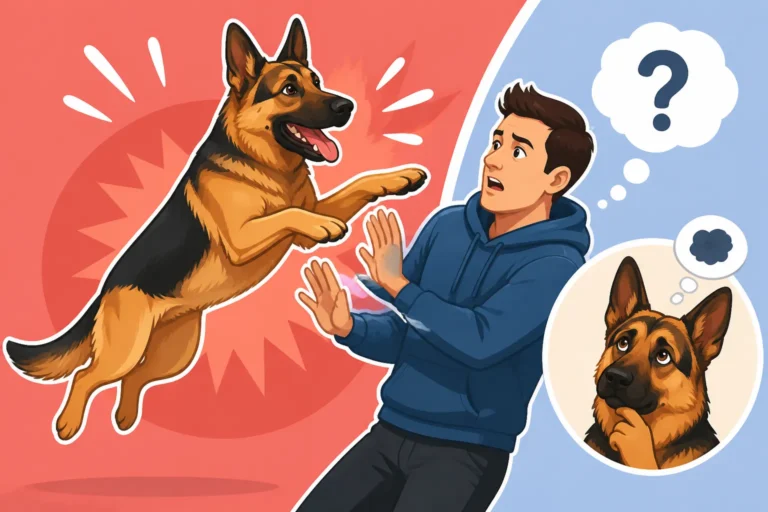
Remember, a German Shepherd's behavior is a form of communication. Digging, barking, chewing, or even aggression are often attempts to express an unmet need, fear, or discomfort.
Separation Anxiety
This is perhaps one of the most heartbreaking and common issues with rescue dogs. A dog left alone might vocalize excessively, become destructive, or even soil the house. This isn't out of spite; it's genuine distress at being left alone, often rooted in past abandonment.
Dealing with separation anxiety requires a multi-faceted approach. Start by creating a comfortable, safe space for them, as discussed earlier. Practice very short absences, starting with just a few seconds, then minutes, and gradually increasing the time as your dog remains calm. Use high-value, long-lasting chews or puzzle toys (many great options are available on Amazon) to distract them right before you leave. Avoid making a big fuss when you leave or return. The goal is to make departures and arrivals low-key events. If the anxiety is severe, professional help from a certified behaviorist might be necessary. Check out our detailed article on German Shepherd Separation Anxiety Solutions for more in-depth strategies.
Leash Reactivity and Fear
Many rescue German Shepherds, especially those not well-socialized or who have had negative experiences, can be reactive on leash. This might manifest as barking, lunging, or growling at other dogs, people, or vehicles. Often, this is rooted in fear or frustration rather than true aggression.
The key to managing leash reactivity is management and counter-conditioning.
- Management: Avoid triggers whenever possible. If you see another dog approaching, cross the street or turn around. Use a front-clip harness or a head halter for better control, but avoid harsh corrections that can worsen fear.
- Counter-conditioning: When you see a trigger at a distance where your dog is still calm, immediately reward them with high-value treats. The goal is to change their emotional response from "scary" to "treats happen when that thing is there!" This takes immense patience and consistency. Our article on German Shepherd Reactivity on Walks provides further techniques.
Resource Guarding
Resource guarding is when a dog becomes defensive over certain items, like food, toys, their bed, or even a person. They might growl, stiffen, or snap if someone approaches their valued item. This is often a learned behavior from a past where resources were scarce or they had to compete for them.
To address resource guarding, never punish your dog for it, as this can escalate the behavior. Instead, practice positive exchanges. When your dog has a high-value item, approach and offer an even higher-value treat, then calmly take the original item (if safe to do so) and return it. This teaches them that your approach means good things happen, rather than something being taken away. Always respect their space, especially around food bowls. Over time, they learn to trust that you aren't a threat to their resources.
Destructive Chewing and Digging
These behaviors are often symptoms of boredom, anxiety, or a lack of appropriate outlets for a German Shepherd's energy and instincts. Remember, German Shepherds were bred to work, and if they don't have a job to do, they'll invent one – often much to your furniture's detriment.
The solution involves:
- Mental Stimulation: Provide plenty of puzzle toys, training sessions, and interactive games.
- Physical Exercise: Ensure your German Shepherd gets adequate physical activity. A tired German Shepherd is a good German Shepherd.
- Appropriate Chews: Offer a variety of durable, safe chew toys. Rotate them to keep things interesting. Brands like KONG or Nylabone offer excellent, tough options available on Amazon.
- Management: Crate training can be invaluable during times you can't supervise them, preventing destructive habits from forming.
Building a Consistent Routine and Enrichment
Beyond specific training techniques, the daily rhythm of your home and the types of activities you provide play a monumental role in helping your rescue German Shepherd thrive. A predictable schedule provides security, while proper enrichment ensures their intelligent minds and active bodies are satisfied. This holistic approach is crucial for their overall well-being and continued progress.
Think of it as setting them up for success, rather than constantly trying to correct "bad" behaviors. Many behavioral issues stem from boredom, lack of exercise, or confusion. By proactively meeting their needs, you'll naturally see many problems diminish.
The Importance of Structure and Predictability
As we touched on earlier, routine is king for rescue dogs. It reduces the cognitive load they carry, allowing them to relax and trust their environment. This means:
- Fixed Feeding Times: Consistency in meals helps regulate their digestive system and gives them something to anticipate positively.
- Regular Potty Breaks: Frequent, scheduled outings prevent accidents and reinforce house training, especially helpful if their past environment lacked this structure.
- Designated Exercise Slots: Knowing when they'll get their walks, playtime, or training sessions helps them manage their energy and excitement throughout the day.
- Consistent Bedtime/Quiet Time: A predictable wind-down routine helps them settle for the night.
A German Shepherd's internal clock is incredibly precise. Once they learn the schedule, they will often remind you it's time for the next activity! This structure becomes a soothing constant in their lives, a stark contrast to the unpredictable nature many rescue dogs have experienced.
Daily Exercise and Mental Stimulation
German Shepherds are not couch potatoes. They are a highly intelligent and active breed, and a lack of appropriate physical and mental stimulation is a recipe for disaster, especially with a rescue who might have pent-up energy or anxiety. Our guide on German Shepherd Exercise Requirements elaborates on how much activity they need.
- Physical Exercise: Aim for at least 60-90 minutes of vigorous exercise daily for an adult German Shepherd, broken into multiple sessions. This could include brisk walks, jogging, playing fetch, or even swimming. However, be mindful of their age and any existing conditions like hip or elbow dysplasia. For puppies or young adults, be cautious with high-impact activities while their growth plates are still developing.
- Mental Stimulation: This is just as important, if not more so, than physical exercise. German Shepherds love to think and problem-solve. Incorporate:
- Puzzle Toys: Toys that dispense treats when manipulated keep their minds engaged.
- Training Sessions: Even short 5-10 minute sessions of learning new tricks or practicing obedience commands are mentally tiring.
- Scent Work: Hide treats around the house or yard and let them use their powerful noses to find them. This is incredibly fulfilling.
- Enrichment Feeders: Instead of just a bowl, use snuffle mats, slow feeders, or treat-dispensing toys for meals.
By providing a diverse range of activities, you satisfy their innate drives and reduce the likelihood of them inventing their own, less desirable forms of entertainment (like chewing your couch cushions). Understanding German Shepherd Behavior will help you tailor these activities to their specific needs.
Continued Learning and Skill Building
The training journey with a rescue German Shepherd doesn't end after they've mastered "sit" and "stay." Continued learning keeps their minds sharp and strengthens your bond. Consider:
- Advanced Obedience: Once basics are solid, explore more complex commands or off-leash reliability.
- Dog Sports: Activities like agility, tracking, or even trick training can be fantastic outlets for their energy and intelligence. These sports offer a structured way to bond and provide a "job" for your German Shepherd.
- Regular Review: Periodically practice previously learned commands in different environments and with increasing distractions. This ensures their understanding remains solid.
Remember, every step forward, no matter how small, is a victory. Celebrate those moments, and never stop learning about your amazing companion. Owning a rescue German Shepherd is a marathon, not a sprint, but the bond you forge through patience and understanding will be one of the most profound connections you'll ever experience.
Disclaimer
The information provided in this guide is for general informational purposes only and does not constitute professional veterinary or behavioral advice. Always consult with a qualified veterinarian or certified professional dog trainer for any concerns regarding your German Shepherd's health or behavior.