How to Stop a German Shepherd Chasing Cars
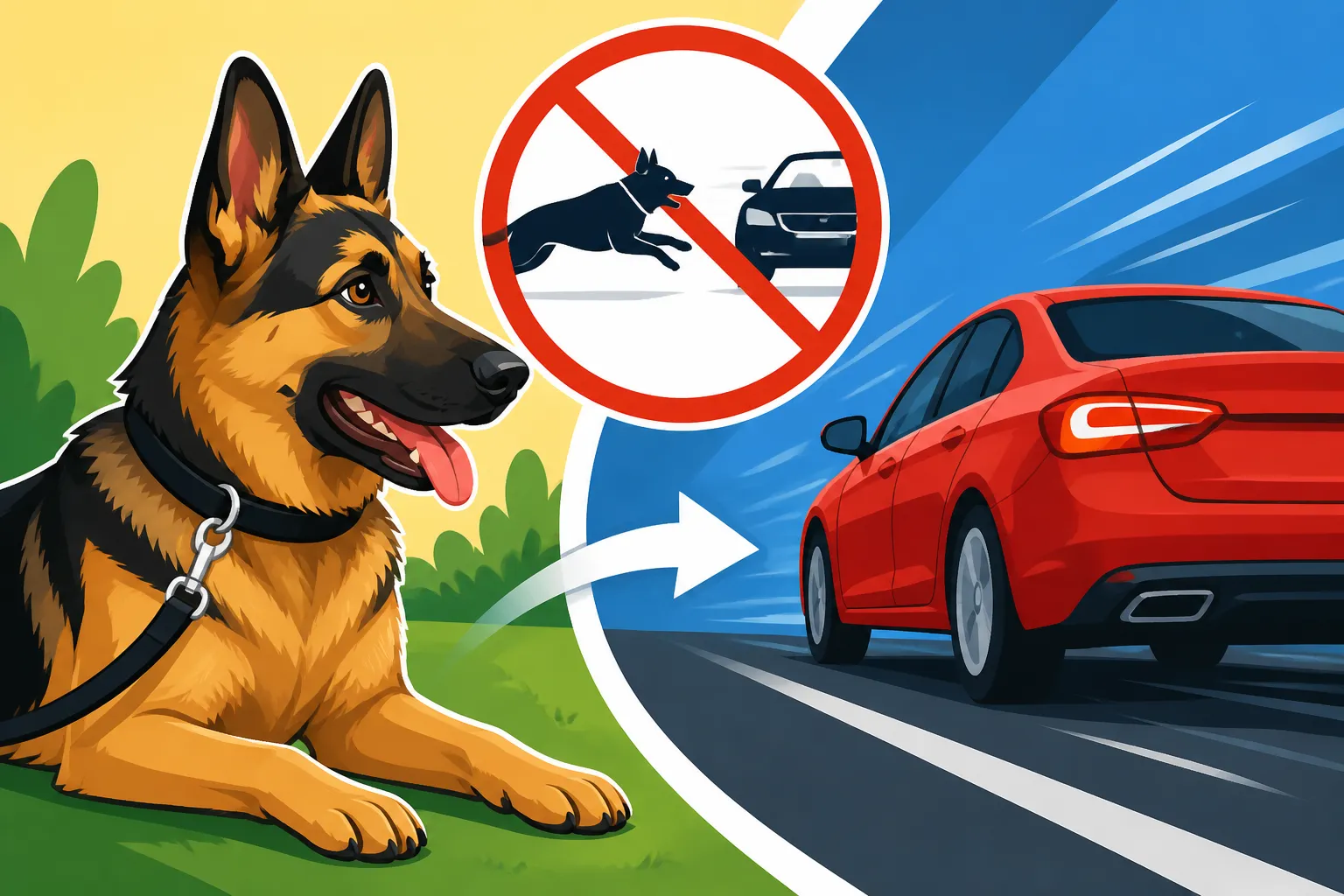
It’s a heart-stopping moment many German Shepherd owners know all too well: you’re on a peaceful walk, enjoying the fresh air, and suddenly, a car drives by, triggering an explosive lunge and bark from your beloved companion. This behavior isn't just annoying; it's genuinely dangerous, risking injury to both you and your dog, and can shatter your confidence in public. This comprehensive guide is here to walk you through understanding why your German Shepherd might be chasing cars and, more importantly, equip you with practical, compassionate strategies to curb this challenging habit for good.
Understanding Why Your German Shepherd Chases Cars
Before we can even begin to address the problem, we have to dig into the "why." It's not usually out of malice or disobedience; most often, this behavior stems from deep-seated canine instincts or learned responses. German Shepherds are intelligent, driven dogs, and understanding their motivations is key to finding effective solutions.
The Powerful Instinct of Prey Drive
This is hands down the most common culprit behind car chasing. German Shepherds were originally bred for herding and protection, roles that require a strong prey drive. Think of it: a car moving quickly, especially one that's a bit distant, can mimic the rapid movement of fleeing livestock or small game. To your German Shepherd, that car isn't just a vehicle; it's a "thing" moving, and their instinct tells them to pursue, stop, or herd it.
This isn't something they can simply "turn off." Their brains are wired to detect movement, initiate a chase, and potentially even mouth or bite to control it. For some German Shepherds, the excitement of the chase is its own reward, releasing a flood of feel-good chemicals in their brain. This makes the behavior self-reinforcing, meaning every successful lunge or bark at a passing car just makes them more likely to do it again. It's a powerful urge that takes serious, consistent work to manage. You can learn more about German Shepherd Prey Drive Explained to get a deeper insight into this intrinsic trait.
Boredom and Lack of Mental or Physical Stimulation
Imagine being a highly intelligent, high-energy German Shepherd stuck in a routine that doesn't challenge your mind or body. It sounds like a recipe for trouble, right? Many German Shepherds, especially those who aren't getting enough strenuous exercise or engaging mental games, will find their own outlets for that pent-up energy, and chasing cars can quickly become a "sport."
For a dog that's constantly under-stimulated, the sudden appearance of a moving car offers an intense, albeit inappropriate, burst of excitement and activity. It breaks the monotony of their walk and provides a much-needed "job" for their active minds and bodies. When they don't have enough constructive ways to burn off energy, their natural drives can manifest in undesirable ways, like fixating on moving objects. Ensuring adequate German Shepherd Exercise Requirements is crucial for their overall well-being and behavior.
Learned Behavior and Reinforcement
Dogs are masters of association. If a German Shepherd has learned that lunging and barking makes the "moving thing" go away (because the car, of course, continues on its path), then the behavior has been reinforced. They might think, "My barking worked! I scared it off!" This positive reinforcement, even if it's accidental, solidifies the behavior.
Sometimes, owners unintentionally reinforce the behavior by pulling back on the leash, yelling, or giving attention, even if it's negative. To the dog, any attention is better than no attention, especially if they're craving engagement. They might also learn that this dramatic display gets them home faster, or provides a break in their walk, which can further embed the unwanted habit. Understanding how dogs learn is fundamental to breaking this cycle.
Fear, Anxiety, or Reactivity
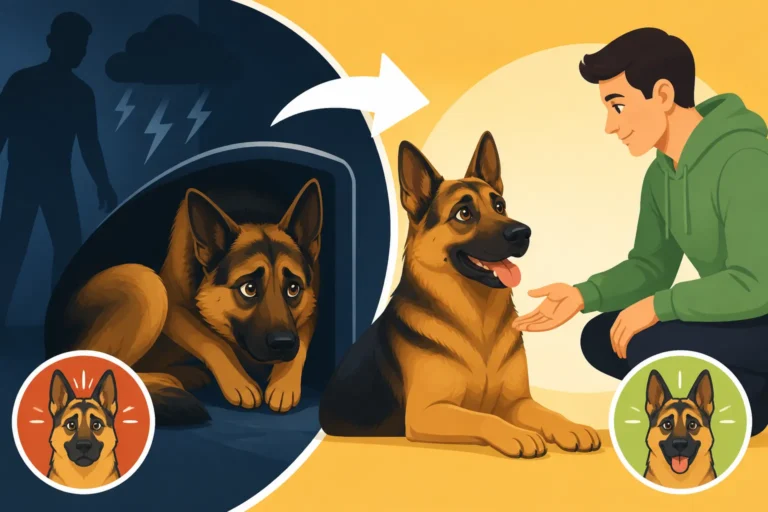
While less common than prey drive, some German Shepherds chase cars out of fear or anxiety. The loud noises, fast movements, and sheer size of vehicles can be overwhelming for a sensitive dog. Their lunging and barking might be an attempt to make the scary object disappear or create distance. This is often seen in dogs who weren't properly socialized as puppies or who had a traumatic experience involving a vehicle.
This reactivity can also be a combination of factors, where initial fear develops into a defensive lunge, which then inadvertently gets reinforced as the car passes. It's important to observe your dog's body language closely. Are they stiff, wide-eyed, tail tucked, or exhibiting signs of stress before the lunge? This can indicate an underlying anxiety that needs to be addressed with patience and understanding. Proper How to Socialize a German Shepherd can prevent many fear-based reactions.
Immediate Management and Safety Measures
When you're dealing with a German Shepherd who chases cars, safety has to be your absolute top priority. These dogs are powerful, and a sudden lunge can easily pull you off your feet or put them in harm's way. Before you even dive into intensive training, you need to implement management strategies that keep everyone safe.
Prioritizing Leash Control and Equipment
You simply cannot risk your German Shepherd getting loose while actively chasing a vehicle. A sturdy, non-retractable leash and a reliable harness or head halter are indispensable. Forget the retractable leashes for now; they offer almost no control when a large, powerful dog like a German Shepherd suddenly lunges.
A standard 6-foot nylon or leather leash is a good starting point. Pair this with a front-clip harness, like those from popular brands you can find on Amazon, which discourages pulling by redirecting the dog's momentum back towards you. Some owners find a head halter (like a Halti or Gentle Leader) incredibly effective, as it gives you control over their head, and where the head goes, the body often follows. Always introduce any new equipment gradually and positively to ensure your dog is comfortable wearing it. Your goal is to regain and maintain control, making walks less stressful for both of you.
Muzzle Training for Enhanced Safety
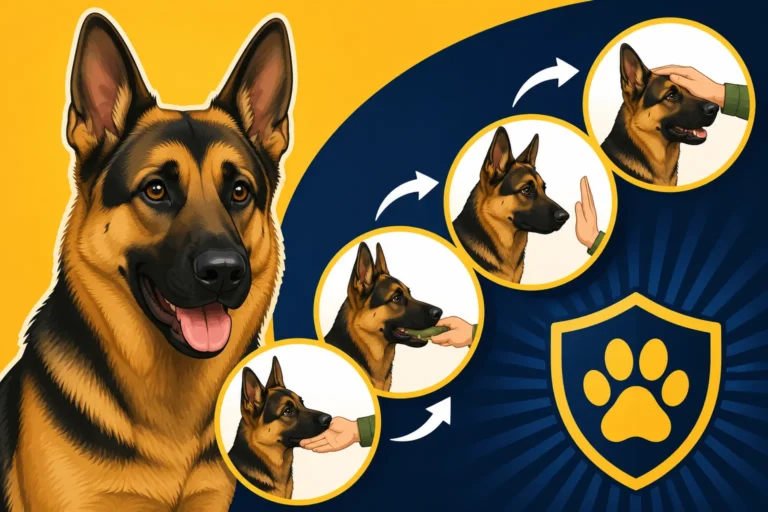
While it might seem drastic, muzzle training can be a life-saver, particularly if your German Shepherd's car chasing involves biting or nipping at tires, or if you're concerned about them biting someone if they get loose during a high-stress moment. A well-fitted basket muzzle allows your dog to pant, drink, and even take treats, but prevents biting.
It's crucial to introduce a muzzle slowly and positively, associating it with good things like high-value treats and praise. Never just strap it on and expect them to be okay with it. Start with short durations, letting them sniff it, then rewarding them for putting their nose in, gradually increasing the time they wear it. Muzzle training is a responsible safety measure, not a punishment, and it can significantly reduce your anxiety during walks, allowing you to focus more on training.
Securing Your Home Environment
If your German Shepherd is chasing cars from your yard, a secure fence is non-negotiable. This means a fence that is tall enough that they can't jump over and sturdy enough that they can't push through or dig under. Regularly inspect your fencing for weak spots or potential escape routes.
For dogs with an extremely high prey drive, simply being able to see cars might be enough to trigger their fixation and excitement, even if they can't get out. In these cases, consider privacy screens or planting dense shrubs along the fence line to block their view of the street. This helps reduce the visual stimuli that initiate the chase sequence, giving you a calmer yard environment and fewer triggers for your dog.
Training Strategies to Stop Car Chasing
Now that safety measures are in place, it's time to roll up your sleeves and dive into the consistent, patient training that will truly help your German Shepherd overcome car chasing. This isn't a quick fix; it's a journey of desensitization, counter-conditioning, and teaching alternative behaviors.
Building a Strong Foundation with Obedience
Before you can tackle a specific behavior like car chasing, your German Shepherd needs a solid grasp of basic obedience commands. "Sit," "stay," "come," and especially "leave it" are your bread and butter here. These commands give you a way to communicate with your dog and redirect their attention before they launch into a chase.
Imagine being able to say "leave it" as a car approaches, and your dog actually disengages! This requires countless repetitions in low-distraction environments first, gradually increasing the distractions. If you're struggling, an online obedience program, like those offered by BAXTER & Bella, can provide structured lessons and support. A strong foundation in German Shepherd Obedience Training Basics empowers both you and your dog to handle challenging situations with confidence.
Desensitization and Counter-Conditioning
This is the cornerstone of addressing reactivity and intense prey drive. The goal is to change your dog's emotional response to cars from "MUST CHASE!" to "Oh, a car means good things happen!"
- Start Far Away: Begin your training sessions at a distance where your dog notices cars but doesn't react. This might be across a park or down a long driveway.
- Observe for Triggers: As soon as a car appears and your dog looks at it, but before they tense up or lunge, immediately mark the behavior (with a clicker or a verbal "Yes!") and reward them with a high-value treat.
- Positive Association: The moment the car passes, continue to reward them, creating a strong positive association: "Car = delicious treat." The key is to catch them before the full-blown reaction.
- Gradual Approach: Over many sessions, slowly decrease the distance to the road or increase the proximity of cars, always staying at a point where your dog can succeed without reacting. If they react, you're too close and need to move back. This is a marathon, not a sprint. Consistency is everything.
The Power of "Leave It"
The "Leave It" command is your absolute best friend when it comes to any unwanted distraction, including moving vehicles. This command teaches your German Shepherd to ignore something tempting (the car) in favor of looking at you for a reward.
Practice "leave it" in a variety of low-distraction settings first, using treats on the floor or toys. Once they master it with static objects, you can start incorporating movement. Have a friend walk by with a toy, or roll a ball. Eventually, when you're on walks, start using it as cars approach, while still maintaining that safe distance where they can succeed. The goal is for "leave it" to become an automatic response when you say it, diverting their attention away from the trigger and back to you. For a step-by-step guide, consider checking out our article on German Shepherd Training Timeline by Age for general obedience.
Redirection and Engagement
When you see a car approaching and your German Shepherd is starting to fixate, you need a powerful way to redirect their attention to something more appropriate and engaging. This could be a favorite toy, a game of "find it" with scattered treats, or simply practicing known obedience commands.
Carry high-value treats (think cooked chicken, cheese, or hot dogs) and a squeaky toy or a tug toy on your walks. As a car approaches, if your dog is not yet at a reactive stage, immediately engage them in a fun, short activity. Ask for a "sit," then "down," then a quick game of "watch me," rewarding heavily. The idea is to make you and interaction with you far more interesting and rewarding than chasing the car. This takes focus and quick reflexes on your part, but it teaches your dog to look to you for guidance and fun, rather than external stimuli.
Understanding Training Tools
While a simple flat collar and leash are fine for a perfectly trained dog, when dealing with a strong German Shepherd and a high-stakes behavior like car chasing, specialized tools can make a big difference in ensuring safety and improving training efficacy.
| Training Tool | Description | Pros | Cons |
|---|---|---|---|
| Front-Clip Harness | Leash attaches to a ring on the dog's chest, redirecting them if they pull. | Reduces pulling, gentle, doesn't put pressure on the throat. | Can sometimes tangle legs if not fitted well, may not stop highly motivated pullers completely. |
| Head Halter | Fits over the dog's muzzle and behind the ears, giving control over the head. | Excellent control, can stop lunging quickly, prevents biting. | Many dogs initially resist it, requires positive introduction, some owners dislike the appearance. |
| Standard Flat Collar | Basic collar around the neck, suitable for identification tags. | Simple, widely available. | Offers minimal control against strong pulling, can cause choking if dog lunges hard. |
| Martingale Collar | Designed to tighten slightly when pulled, preventing the dog from backing out. | Good for "escape artists," provides mild correction. | Not ideal for consistent pulling, still puts pressure on the throat if used improperly. |
| Long Line (30-50 ft) | A very long lead used in open, safe areas for practicing recall and distance commands. | Allows for practice of off-leash behaviors in a safe, controlled way. | Can easily tangle, requires open spaces, needs careful handling to avoid tripping. |
When choosing tools, always prioritize safety and comfort for your German Shepherd. Avoid tools that rely on pain or fear, as these can exacerbate reactivity and damage your relationship with your dog.
Preventative Measures and Ongoing Reinforcement
Stopping car chasing isn't a one-and-done deal. It requires consistent effort, intelligent prevention, and continuous reinforcement to ensure your German Shepherd maintains good habits and remains safe. This long-term commitment is what truly seals the deal.
Consistency is Key in Training and Management
Dogs thrive on consistency. If you sometimes allow a lunge because you're tired or distracted, and other times you correct it, your German Shepherd will become confused. They won't understand what the rules are. Every time you step out the door with your dog, you need to be "on." This means always having your high-value treats ready, your chosen training tools in place, and your focus on your dog and their environment.
Involve everyone in the household in the training process. Ensure that every family member understands the commands, the reward system, and the strategies for managing car chasing. This united front ensures that your German Shepherd receives clear, consistent messages, accelerating their learning and making the new behaviors stick. Without this consistent effort, old habits can quickly resurface, especially when a tempting car drives by.
Providing Ample Exercise and Mental Stimulation
Remember how boredom can contribute to car chasing? Combat it directly by ensuring your German Shepherd gets plenty of appropriate physical and mental exercise every single day. These are working dogs, and they need to work!
Physical exercise could include long walks, runs, hikes, or playing fetch in a secure area. Aim for at least 1-2 hours of vigorous activity daily. Beyond physical exertion, mental stimulation is equally vital. Engage their brilliant minds with puzzle toys (many great options on Amazon!), scent work, training sessions, or interactive games. A mentally and physically tired German Shepherd is a well-behaved German Shepherd, much less likely to seek out inappropriate outlets for their energy, like chasing cars. Exploring Best Puzzle Toys for German Shepherds can give you some excellent ideas.
Creating a Safe and Controlled Environment
Beyond secure fencing, think about managing your dog's exposure to triggers. During peak traffic times, consider walking your German Shepherd in quieter areas, parks, or trails where car exposure is minimal. As their training progresses, you can gradually reintroduce more challenging environments.
Consider using a long line in a safe, enclosed park (away from roads) to practice recall and engagement with distractions, mimicking the movement of cars with toys or by running yourself. This allows you to practice vital skills in a controlled setting before taking them to higher-stimulus areas. The goal is to set your dog up for success by controlling the variables in their environment. Gradually increase exposure as they demonstrate consistent good behavior. If you need help with recall, our guide on How to Teach a German Shepherd to Come can be very useful.
Positive Reinforcement and Rewards
Always, always lean into positive reinforcement. When your German Shepherd sees a car and doesn't react, or when they respond to your "leave it" command, celebrate that moment! Shower them with praise, offer a super high-value treat, or engage in a quick game of tug. Make it clear that ignoring cars and focusing on you is the most rewarding choice they can make.
This positive association is what truly changes their underlying emotional response over time. The car goes by, they look at you, they get rewarded. It shifts their internal dialogue from "chase" to "look at my human for goodies!" This consistent rewarding of desirable behavior is far more effective and builds a stronger bond than any form of punishment for lunging.
When to Seek Professional Help
Even with the best intentions and consistent effort, some German Shepherds have deeply ingrained car-chasing habits or underlying anxieties that require more specialized intervention. There's absolutely no shame in seeking help from a qualified professional.
A certified professional dog trainer (CPDT-KA) or a certified dog behaviorist (CDBC) can assess your specific situation, identify the root causes of the behavior, and develop a tailored training plan. They can provide hands-on guidance, help you refine your techniques, and troubleshoot challenges you might be facing. For particularly severe cases of reactivity or fear, a veterinary behaviorist might be necessary. These specialists can offer medication if appropriate, alongside behavioral modification, to help manage extreme anxiety or compulsive behaviors. Investing in professional guidance is an investment in your dog's safety, your peace of mind, and the overall quality of your relationship.
Disclaimer
The information provided in this article is for general informational purposes only and is not a substitute for professional veterinary advice, diagnosis, or treatment. Always seek the advice of your veterinarian or other qualified health provider with any questions you may have regarding a medical condition or treatment plan for your German Shepherd.