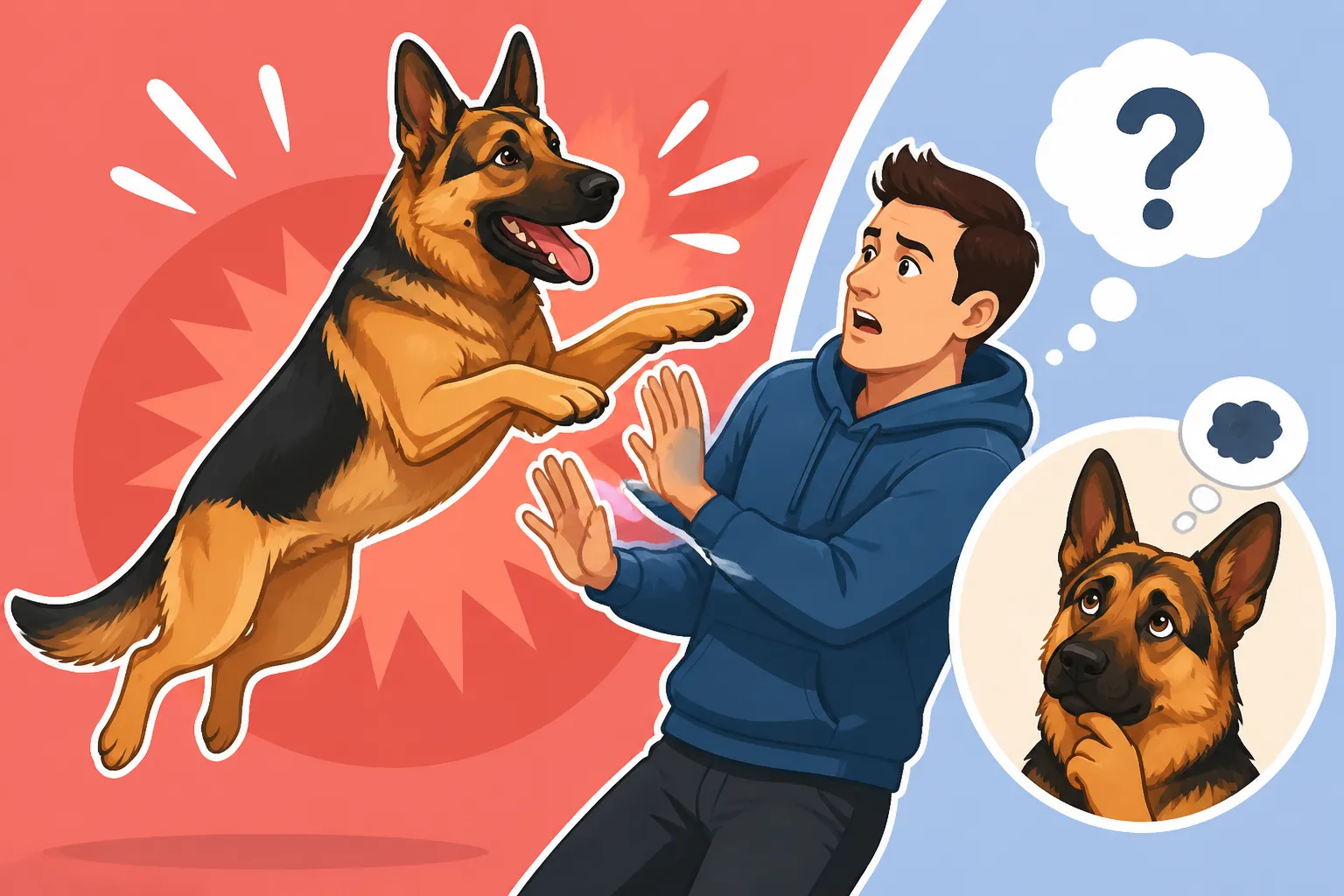
Why Does My German Shepherd Have Jumping Issues
It’s a scenario many German Shepherd owners know all too well: you walk through the door, bags in hand, utterly exhausted from a long day, only to be met by a burst of enthusiastic affection in the form of a large, powerful dog launching itself at you. Or perhaps it's a visiting friend, an unsuspecting mail carrier, or even just a quick trip to the kitchen that triggers your beloved companion to spring up, paws flailing. While that initial excitement is undoubtedly born of love, persistent jumping can be frustrating, painful, and frankly, a bit dangerous. This guide will delve into the underlying reasons why your German Shepherd might be developing these jumping habits and, more importantly, equip you with the knowledge to help them learn more appropriate ways to express their joy and seek your attention.
Why German Shepherds Jump: Understanding the Root Causes
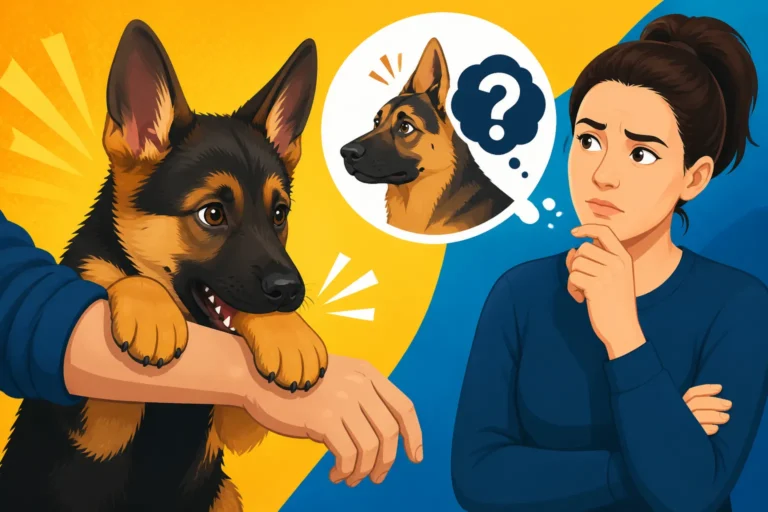
Understanding why your German Shepherd jumps is the first critical step toward addressing the behavior. It’s rarely out of malice or disobedience; more often, it stems from deeply ingrained canine instincts, learned behaviors, or even a lack of clear communication from us, their human companions. German Shepherds are intelligent, highly social animals, and their motivations are usually quite straightforward.
Excitement and Greeting Behavior
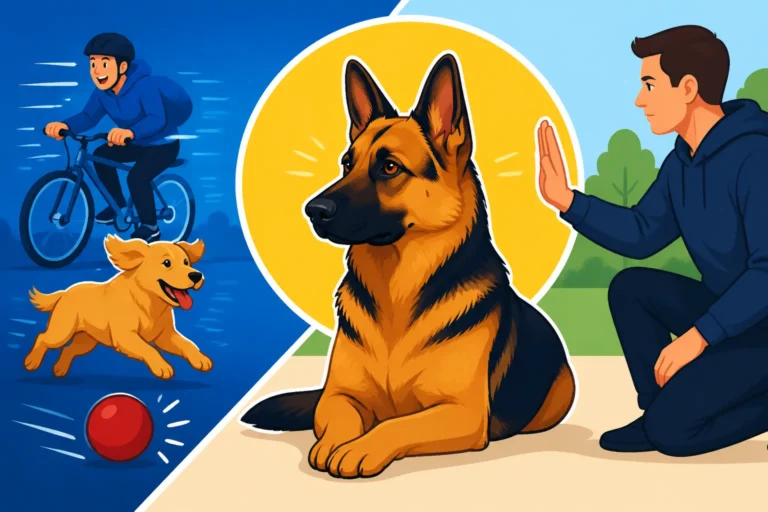
For many German Shepherds, jumping is a natural, albeit inconvenient, part of their exuberant greeting ritual. Think about it from their perspective: you are a giant, and they want to get closer to your face to greet you, which is a common and polite canine behavior. When you come home, they are often bursting with joy, adrenaline, and a powerful desire to reconnect. This overwhelming emotion can easily translate into jumping.
Sometimes, we inadvertently reinforce this behavior from a young age. When a cute, tiny German Shepherd puppy jumps up, our natural inclination is to bend down, scoop them up, and shower them with affection. While adorable then, we’re essentially teaching them that jumping gets them what they want – attention, affection, and proximity to our faces. As they grow into strong, 70-90 pound adults, that once-cute jump becomes a powerful, potentially injurious leap. They haven't forgotten the lesson, they've just grown significantly in size and impact.
This isn't just limited to returning home. Any new or exciting visitor, the delivery person at the door, or even just a family member getting up from the couch can trigger this explosive greeting. They might not be trying to be bad; they're just communicating in the most enthusiastic way they know how, a way they may have been conditioned to believe is acceptable. Addressing this requires patience and a conscious effort to change the dynamic of these greetings.
Seeking Attention
German Shepherds are incredibly intelligent and keenly observant. They quickly learn what actions get them a reaction from their humans. If your German Shepherd jumps up and you consistently push them off, tell them "no," or even just make eye contact and sigh, guess what? They’ve achieved their goal: they got your attention. Even negative attention is still attention, and for a dog craving interaction, any form of engagement can be a powerful reinforcer.
This attention-seeking jumping often occurs when you're busy – on the phone, cooking dinner, working on the computer, or simply trying to relax. Your German Shepherd might nudge you, whine, or bring you a toy. If these subtle cues don't work, jumping becomes their next, more dramatic attempt to say, "Hey! Look at me! I'm here!" They've learned that a forceful paw to the chest or a playful leap is far more effective at breaking your concentration than a gentle nuzzle.
It’s a classic case of cause and effect. If jumping results in you stopping what you're doing, even for a moment to scold them, they've won. They've learned to associate the jumping action with getting your focus, making it a highly effective tool in their communication repertoire. To break this cycle, you'll need to teach them that calm, appropriate behaviors are what earn them your valuable attention.
Lack of Training or Boundaries
Sometimes, the simplest explanation is the most accurate: your German Shepherd hasn't been explicitly taught not to jump, or hasn't learned what to do instead. This isn't a fault in the dog, but rather a gap in their training and the clear communication of household rules. German Shepherds thrive on structure and clear expectations. Without them, they'll often fall back on instinctual behaviors.
A common pitfall is inconsistency. One day, Aunt Sally allows your German Shepherd to jump on her because she finds it endearing, while the next day, Uncle Bob scolds them for doing the exact same thing. This mixed messaging is incredibly confusing for a dog and makes it impossible for them to understand what's expected of them. They might think, "Is jumping okay with some people but not others? Is it okay sometimes but not always?" This confusion leads to continued jumping.
Proper German Shepherd obedience training basics should include a solid "off" command or a reliable alternative behavior like "sit" or "four on the floor." If these haven't been thoroughly trained and generalized across different people and environments, your German Shepherd simply doesn't have the tools to know how else to behave. They need clear, consistent boundaries to understand their role and what actions are acceptable.
Under-Socialization or Fear
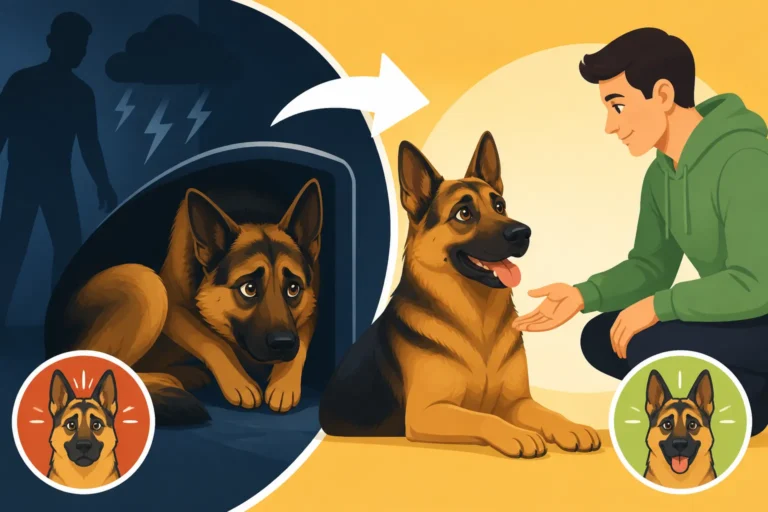
While less common than excitement or attention-seeking, some German Shepherds might jump out of fear or anxiety, especially if they haven't been adequately socialized. A dog that is unsure or nervous around new people or situations might jump as a way to create distance, gain information (by getting closer to smell or investigate), or even out of a misplaced attempt to appear dominant in an uncomfortable situation.
An under-socialized German Shepherd might not have had enough positive experiences with a wide variety of people, sights, and sounds during their critical developmental periods. This lack of exposure can lead to fear-based reactions, and jumping can be a manifestation of that underlying anxiety. For instance, a dog might jump on someone reaching out to pet them, not out of aggression, but because they're startled and trying to move away or establish control.
It's crucial to distinguish between an excited jump and a fearful jump, as the training approach will differ significantly. If you suspect fear or anxiety, observing their body language (tail tucked, ears back, stiff posture, lip licking) in conjunction with the jump is key. In these cases, the solution often involves careful desensitization and counter-conditioning, alongside structured How to Socialize a German Shepherd efforts, potentially with the guidance of a professional trainer.
Addressing the Habit: Practical Training Strategies
Once you understand why your German Shepherd is jumping, you can start implementing effective training strategies. The goal isn't to suppress their natural enthusiasm, but to redirect it into more appropriate and safe behaviors. Consistency and patience are your best friends here.
Positive Reinforcement Techniques
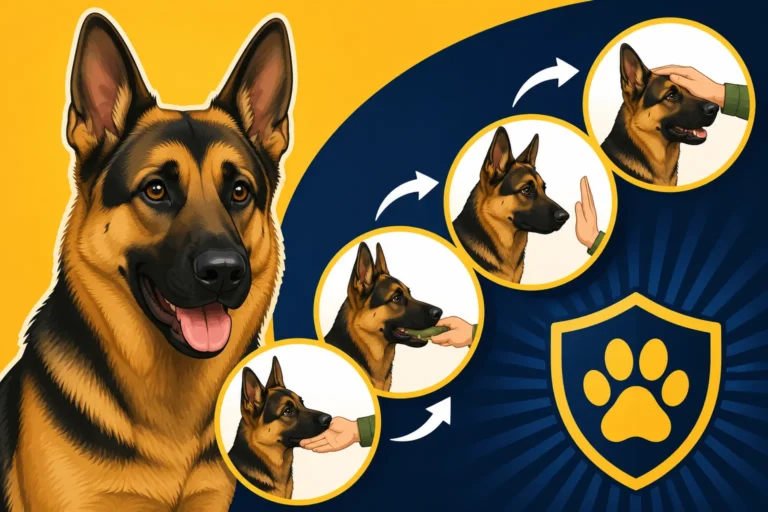
The most effective way to address jumping is through positive reinforcement, focusing on what you want your German Shepherd to do rather than just punishing what you don't. The "four on the floor" rule is paramount: your dog only gets attention, praise, or treats when all four paws are on the ground. This simple rule is powerful because it's clear and unambiguous.
Here's how to apply it during greetings:
- Ignore the Jump: When your German Shepherd jumps, completely turn your back, cross your arms, and avoid eye contact or any verbal interaction. This removes the "reward" of your attention.
- Wait for Calm: The moment all four paws hit the floor, even for a split second, immediately turn back, offer soft praise ("Good settle!"), and gently pet them. Keep the petting low and calm, avoiding overly excited gestures that might re-ignite jumping.
- Reward the Right Behavior: If they remain calm with all four paws down, you can extend the praise and give a small, high-value treat. You can find excellent training treats on Amazon that your dog will adore. The key is to catch and reward the exact moment they are doing what you want.
Repeat this process every single time, whether it's you, a family member, or a guest entering the room. Everyone in the household must be on board and consistent. Teaching your German Shepherd to How to Teach a German Shepherd to Stay in a down or sit position during greetings can also be incredibly helpful. This gives them a clear, actionable command to follow instead of defaulting to jumping.
Teaching Alternative Behaviors
Instead of just telling your German Shepherd "no" for jumping, give them a clear, acceptable alternative. This is where solid obedience training really shines. Teaching a reliable "sit" or "down" command is invaluable. When someone approaches, or you walk through the door, immediately ask for a "sit" or "down."
- "Sit to Greet": When someone comes to the door or you anticipate an excited greeting, have your German Shepherd on a leash. As they start to get excited, immediately ask for a "sit." If they comply, reward them with praise and a treat. If they jump, the leash gives you control to gently guide them back to the ground while you turn away and ignore. Practice this repeatedly.
- "Go to Your Place": For dogs that are excessively excited during greetings, teaching a "go to your place" or "go to your mat" command can be a game-changer. This involves teaching your dog to go to a designated spot (like a dog bed or mat) and stay there until released. When guests arrive, you can send your German Shepherd to their place, rewarding them for staying calm. Once they are settled, your guests can approach and greet them politely while they are still in their "place." Online training programs, such as those offered by BAXTER & Bella, often have excellent modules on teaching "place" commands with detailed video tutorials.
The goal is to replace the unwanted jumping behavior with a desired, polite behavior. It requires proactive training and setting your German Shepherd up for success, rather than waiting for them to make a mistake. Remember, a dog that knows what to do is far less likely to resort to undesirable actions.
Managing the Environment
While training is crucial, sometimes managing your German Shepherd's environment can prevent jumping incidents before they even happen, especially during the learning phase. This strategy is about controlling the situation to minimize opportunities for your dog to practice the unwanted behavior.
- Leash Control During Greetings: When anticipating visitors or coming home yourself, keep your German Shepherd on a leash. This gives you immediate, gentle control. If they start to jump, you can use the leash to guide them back to the floor while you implement the "four on the floor" rule. This also prevents them from practicing the jump and potentially self-rewarding if you're not quick enough to disengage.
- Controlled Introductions for Guests: Ask guests to help with training. Before they enter, briefly explain that they should ignore your German Shepherd if they jump, and only give attention when all four paws are on the ground. You might even have your dog on a leash when guests first arrive, allowing for a calmer, more controlled introduction.
- Doorbell Training: The sound of the doorbell is a major trigger for many German Shepherds. Practice "doorbell training" by ringing the bell yourself, then immediately asking your dog for a "sit" or "down" away from the door. Reward them for staying calm. Gradually increase distractions and duration. This preemptive training can significantly reduce over-excitement at the door.
- Gates and Barriers: For particularly excitable German Shepherds, using baby gates or dog gates can be incredibly useful. You can keep your dog behind a gate when guests first arrive, allowing them to settle down before a more direct interaction. This removes the immediate opportunity to jump and gives you a buffer zone to manage their excitement.
Environmental management isn't a substitute for training, but it's a powerful tool to support your training efforts, reduce stress for everyone involved, and ensure that your German Shepherd learns the correct behaviors in a structured way.
Prevention and Management: Setting Your Dog Up for Success
Consistent training is a marathon, not a sprint. Managing jumping issues, especially with a breed as intelligent and energetic as the German Shepherd, requires ongoing commitment, clear communication, and a holistic approach to their well-being.
Consistent Training and Socialization
The single most important factor in preventing and managing jumping issues is unwavering consistency in training. Every person who interacts with your German Shepherd must follow the same rules, every single time. If one person allows jumping and another corrects it, your dog will remain confused and the behavior will persist. Hold a family meeting to ensure everyone understands the "four on the floor" rule and how to appropriately reward calm greetings.
Think about how you've approached other important lessons, like German Shepherd puppy training guide for potty training or basic commands. This requires the same level of dedication. Integrating these lessons into everyday life, rather than just during dedicated training sessions, makes them stick. Enroll in ongoing How to Train a German Shepherd classes or utilize comprehensive online resources. Platforms like BAXTER & Bella provide structured training programs that can guide you through various stages of your dog's development, reinforcing good habits and addressing problem behaviors like jumping.
Beyond obedience, proper and ongoing socialization is vital. A well-socialized German Shepherd, exposed positively to a variety of people, environments, and situations from a young age, is generally more confident and less likely to resort to jumping out of fear or over-excitement. Continue exposing them to new experiences throughout their life in a controlled, positive manner, following guidelines like those found in a German Shepherd Socialization Checklist.
Exercise and Mental Stimulation
A tired German Shepherd is often a well-behaved German Shepherd. This breed is renowned for its high energy levels and sharp intelligence. If their physical and mental needs aren't met, they will find their own ways to expend that energy, and often, that means behaviors we deem undesirable, like excessive jumping, digging, or destructive chewing.
Ensure your German Shepherd is getting enough physical exercise every day. This isn't just a quick walk around the block; it means vigorous activity like running, fetching, or structured play. Learn about the specific German Shepherd Exercise Requirements for their age and energy level. A brisk 45-60 minute walk or run, twice a day, plus some playtime, might be a good starting point, but some GSDs need even more.
Equally important is mental stimulation. German Shepherds thrive on having a "job" to do. Puzzle toys, interactive feeders, scent work, and training sessions that challenge their minds can be just as tiring as physical exercise, if not more so. Look for ideas in guides like Best Mental Stimulation for German Shepherds. A German Shepherd that has had its mind engaged is less likely to be bouncing off the walls, literally, when guests arrive. This combination of physical and mental exertion leads to a calmer, more settled dog that is less prone to over-excitement and jumping.
Tools and Aids
While training and consistency are the cornerstones, certain tools and aids can be incredibly helpful in managing jumping behavior, especially in the initial stages or for very enthusiastic jumpers.
- Front-Clip Harnesses or Head Halters: For walks and managing greetings with guests, a front-clip harness (like the Easy Walk harness) or a head halter (like the Halti or Gentle Leader) can provide better control. These tools redirect your dog's momentum and make it physically harder for them to pull or jump without causing discomfort or pain. They are not correctional devices but rather management tools that make it easier for you to guide your dog into desired behaviors. You can find a wide variety of these harnesses and halters on Amazon.
- Long Line/Leash: For controlled outdoor greetings or even indoor practice, a longer leash allows you to manage distance while still maintaining control. This can be particularly useful when teaching your dog to calmly greet people without rushing up and jumping.
- Calming Treats or Supplements: For German Shepherds whose jumping is rooted in anxiety or extreme over-excitement, discussing calming treats or supplements with your vet might be an option. These are not a substitute for training but can help take the edge off their anxiety, making them more receptive to learning.
- Enrichment Toys: Providing appropriate chew toys and puzzle feeders can help redirect your German Shepherd's energy and attention when you're busy, reducing the likelihood they'll jump for attention. Durable chew toys for large breeds are always a good investment.
Remember, tools are only as effective as the training that accompanies them. Never rely solely on a tool to "fix" a behavior; instead, use them to support your consistent training efforts and help your German Shepherd learn more appropriate ways to interact with the world.
Jumping Triggers and Solutions
To summarize, here's a quick reference for common jumping triggers and practical steps you can take:
| Jumping Trigger | Underlying Cause | Immediate Action | Long-Term Solution |
|---|---|---|---|
| Owner arrives home | Excitement, greeting, attention-seeking | Turn back, ignore, reward "four on the floor" | Consistent "sit to greet" or "place" command training |
| Guests arrive | Excitement, under-socialization | Leash control, ask guests to ignore/reward calm | Proactive "place" command, controlled introductions |
| Seeking attention (while busy) | Learned behavior, attention-seeking | Ignore completely until calm, then reward | Teach "settle" command, reward calm presence |
| Encountering new people outside | Over-excitement, lack of boundaries | Redirect focus, walk away if jumping starts | Leash training, consistent "leave it" or "heel" |
| Playing/roughhousing | Over-arousal, lack of impulse control | Stop play immediately when jumping occurs | Teach "off" command, structured play sessions |
Disclaimer
This article is intended for informational purposes only and does not constitute professional veterinary advice. Always consult with a qualified veterinarian or certified professional dog trainer for any health concerns or before implementing any new training regimen for your German Shepherd. Individual results may vary.