How to Stop German Shepherd Whining
Few things can test a German Shepherd owner's patience quite like persistent whining. You love your intelligent, loyal companion, but that high-pitched, sometimes incessant, vocalization can really grate on your nerves, leaving you feeling frustrated and wondering if you're doing something wrong. It's a common struggle, and trust me, you're not alone in seeking a peaceful solution. This comprehensive guide will delve deep into understanding why your German Shepherd might be whining and, more importantly, equip you with practical, empathetic strategies to address and reduce this behavior effectively.
Understanding Why Your German Shepherd Whines
Whining isn't just noise; it's a deeply ingrained form of communication for dogs, especially a breed as communicative and intelligent as the German Shepherd. They can’t use words, so they use their voices and body language to tell us what’s on their minds. Ignoring it completely might seem like a quick fix, but it often misses the root cause of what your dog is trying to express. We need to become detectives, observing the context and nuances of their vocalizations to truly understand their needs.
Whining as a Form of Communication
For German Shepherds, whining is often a default setting when they're trying to convey something important to their human family. Think of it as their way of saying, "Hey, I need something!" or "Listen to me!" This breed is known for its strong bond with its owners and its desire to work and interact. When those needs aren't being met, or when they're feeling a strong emotion, whining can become their go-to method for getting your attention. It's not usually malicious or an attempt to annoy you; it’s simply a tool in their communication toolkit. Sometimes it's a soft, barely audible murmur, other times it can escalate into a full-blown plea, complete with pawing and nudging.
Common Triggers for German Shepherd Whining
Understanding the specific triggers behind the whining is the first crucial step in addressing it. Without this insight, you're essentially just guessing, and that’s rarely effective for a smart dog like a German Shepherd. Let's break down some of the most common reasons:
- Attention-Seeking: This is probably the number one reason many German Shepherds whine. They want your focus – a pat, a play session, a word of affirmation. If they've learned that whining reliably gets them what they want, even a frustrated sigh from you, they'll keep doing it. It's an effective, albeit annoying, strategy for them.
- Excitement: Ever come home to a German Shepherd who's so overjoyed they can barely contain themselves? The rapid tail wags, the dancing, and yes, the high-pitched squeals and whines are all part of that excited greeting ritual. This is often a temporary, context-specific type of whining that usually subsides once the initial excitement wears off.
- Anxiety or Fear: German Shepherds, despite their confident demeanor, can suffer from anxiety. This might manifest as whining during thunderstorms, fireworks, when left alone (separation anxiety), or in unfamiliar situations. If your German Shepherd exhibits excessive barking issues or destructive behavior, alongside whining, anxiety is a strong possibility. The whining here isn't a demand; it's an expression of distress and a call for comfort or reassurance.
- Pain or Discomfort: This is a critical one not to overlook. If your German Shepherd suddenly starts whining more than usual, or if the whining is accompanied by other signs like lethargy, loss of appetite, limping, or sensitivity to touch, it could indicate pain. Conditions like German Shepherd Hip Dysplasia Explained or German Shepherd Arthritis: Symptoms and Treatment can cause chronic discomfort, leading to increased vocalization. A sudden, unexplained increase in whining should always prompt a veterinary check-up.
- Boredom or Lack of Stimulation: German Shepherds are working dogs, bred for intelligence and high energy. If they're not getting enough physical exercise or mental stimulation, they become bored. A bored German Shepherd is often a destructive or vocal German Shepherd. Whining can be their way of saying, "I'm under-stimulated! Give me a job!" This is especially true for Working Line German Shepherd Explained who have an even higher drive.
- Demand Whining: This is closely related to attention-seeking but specifically for an item or activity – "Give me that toy!", "Let me outside!", "Feed me now!" If they’ve learned that whining for these things works, they’ll continue the behavior. This often happens around meal times or when they see you preparing for a walk.
- Frustration: Sometimes, a German Shepherd might whine simply out of frustration. Maybe they can't reach a toy, or they're eager to get to the dog park but you're still putting on your shoes. It's that "I want it now!" feeling that can come out as a whimper.
By carefully observing when your German Shepherd whines, what else is happening around them, and how they are behaving, you can start to pinpoint the underlying cause. This detective work is invaluable in crafting an effective solution.
The Difference Between Normal Whining and Problem Whining
It's important to differentiate between typical, acceptable dog communication and whining that has become problematic or indicates a deeper issue. Not all whining is bad, and trying to eliminate it entirely might be unrealistic and even detrimental to your dog's ability to communicate. The key is understanding context and frequency.
When Whining is Acceptable or Expected
There are definitely times when a little German Shepherd whine is completely normal and even endearing. It’s part of their charm, after all.
- Greeting Whines: When you walk through the door after a long day, and your German Shepherd greets you with a series of excited whines, a wagging tail, and perhaps a happy dance, that's often a sign of pure joy and affection. This kind of whining usually subsides quickly once you acknowledge them and settle in. It's their happy "You're home!" sound.
- Brief Frustration: Imagine your German Shepherd sees a squirrel out the window and can't get to it. A short, frustrated whine or grumble is a perfectly natural reaction. Or maybe their favorite toy rolled under the couch, just out of reach. A brief vocalization of frustration is normal and understandable.
- During Play: Some German Shepherds will whine softly during play, especially when they're highly engaged or a game is particularly exciting. It might be when they're chasing a ball or engaging in a game of tug-of-war. This is often an expression of their high energy and enjoyment, and usually isn't disruptive.
- Puppy Whining: Puppies whine a lot, and for good reason. They're adjusting to a new home, missing their littermates, and learning to communicate their basic needs. A young German Shepherd puppy might whine in their crate, when they need to go potty, or when they're hungry. This is a crucial time for German Shepherd Puppy Training Guide and teaching them appropriate ways to communicate.
Identifying Excessive or Concerning Whining
While some whining is normal, there are clear indicators that it has crossed the line into problematic territory. This is when you need to step in and implement strategies to address it.
- Frequency and Duration: If your German Shepherd is whining constantly throughout the day, for extended periods, and for seemingly no immediate reason, that's a red flag. It’s disruptive to your life and likely indicates an unmet need or learned behavior.
- Intensity and Escalation: If the whining starts soft but quickly escalates into loud, persistent cries, especially when you ignore it, it points to a dog who has learned that persistence pays off. This is often the case with demand or attention-seeking whining.
- Context Inappropriateness: Whining for no clear reason, like when they have access to food, water, toys, and have recently been exercised and had a potty break, suggests a behavioral issue rather than a genuine immediate need.
- New Onset or Sudden Change: If your adult German Shepherd, who was previously quiet, suddenly starts whining frequently, it's a significant indicator that something is wrong. This warrants a trip to the vet to rule out any underlying health problems immediately. German Shepherds are stoic, so a sudden change in vocalization could mean they're in pain or feeling unwell.
- Self-Soothing vs. Demand: Observe if the whining seems to be a self-soothing behavior (like a quiet sigh during a storm) or a direct attempt to get your attention or a specific item. Demand whining, where they stop the moment they get what they want, is a learned behavior that needs to be addressed.
Understanding this distinction is vital. It prevents you from inadvertently punishing normal communication while ensuring you address the behaviors that negatively impact your household and your dog's well-being.
Practical Strategies to Stop German Shepherd Whining
Once you've done your detective work and have a good idea of why your German Shepherd is whining, you can start implementing targeted strategies. Remember, consistency is absolutely key here. German Shepherds are smart, and they'll pick up on patterns quickly.
Addressing Attention-Seeking Whining
This is perhaps the most common and often the most frustrating type of whining. Your German Shepherd just wants your eyes, your hands, your voice, and they've figured out whining gets it.
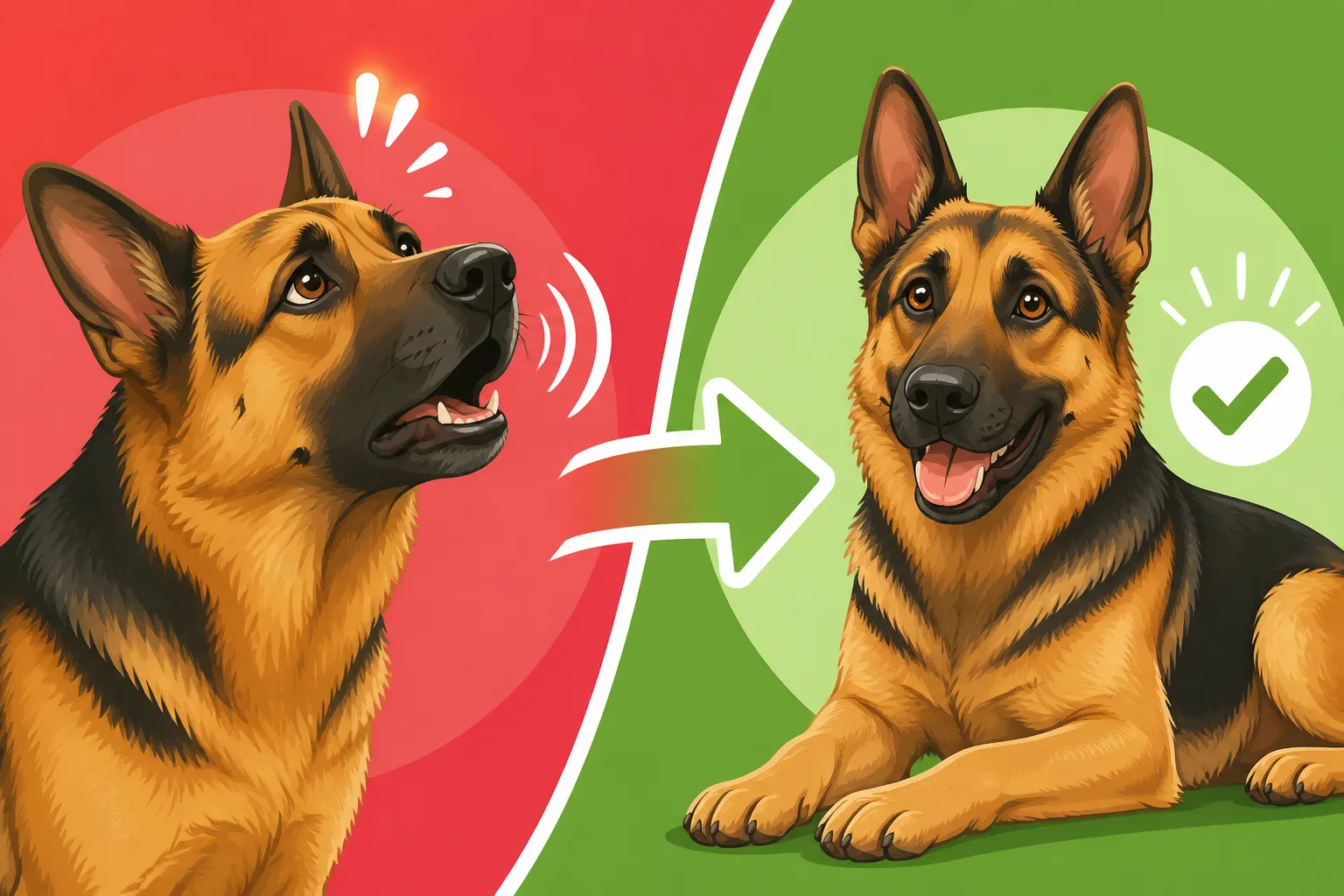
- The "Ignore and Reward Quiet" Method: This is tough, but effective. When your German Shepherd starts whining for attention, turn your back, walk away, or simply cease all interaction. Make no eye contact, say nothing. The moment they stop whining, even for a second, immediately turn back, praise them calmly, and give them the attention they were seeking (a pet, a calm word). The timing is critical – you are rewarding the absence of whining, not the whining itself. If they start whining again, repeat the process. It's often helpful to keep some high-value treats (from your Amazon order, perhaps?) handy for those moments of quiet.
- Structured Attention: Instead of waiting for your German Shepherd to demand attention, schedule specific times for focused interaction. This could be a play session, a training session, or dedicated cuddle time. By initiating attention on your terms, you teach them that attention is given freely, not demanded. This also reinforces their understanding of How to Establish Leadership with a German Shepherd.
- "Nothing in Life is Free" (NILIF): This training principle is fantastic for attention-seekers. Before your German Shepherd gets anything they want – food, a walk, a pat, a toy – they must first perform a simple command like "sit" or "down." This teaches them that polite behavior (and silence) leads to rewards, not whining.
Managing Whining Due to Anxiety or Fear
Whining rooted in anxiety or fear requires a gentle, supportive approach. Scolding will only make the anxiety worse.
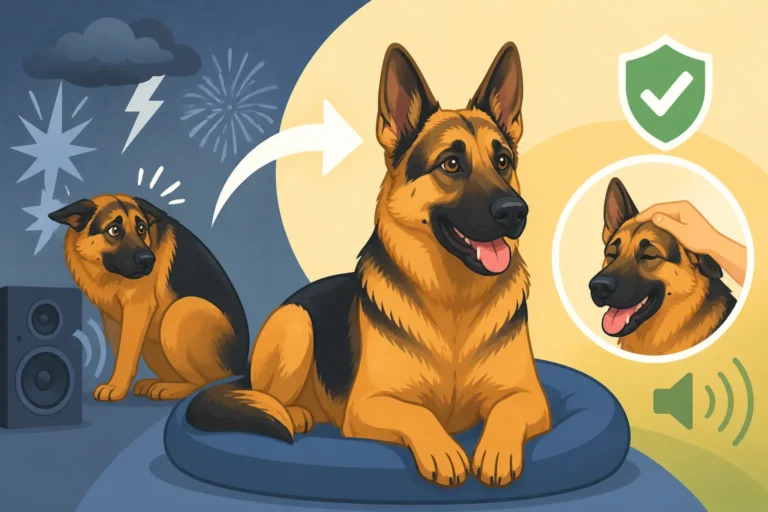
- Create a Safe Haven: Provide a comfortable, secure space for your German Shepherd where they can retreat when feeling anxious. This could be a crate covered with a blanket (never used for punishment!), a quiet corner, or their dog bed. Equip it with comforting items like a favorite blanket or a chew toy.
- Desensitization and Counter-Conditioning: If the fear is due to specific triggers (like thunderstorms), you can work on gradually exposing them to very low levels of the trigger while providing positive associations. For example, play very quiet storm sounds while giving them high-value treats or playing their favorite game. Slowly increase the volume over weeks or months. This is a long process and often best done with the guidance of a professional trainer.
- Vet Consultation and Medications: If the anxiety is severe (e.g., intense separation anxiety where your German Shepherd is destructive, or extreme phobias), talk to your veterinarian. They might suggest anti-anxiety medication or refer you to a veterinary behaviorist. For severe German Shepherd Separation Anxiety Solutions, a professional's help is invaluable.
- Interactive Toys: Distraction can be a powerful tool for mild anxiety. Toys that dispense treats, like Kongs filled with peanut butter, can keep their minds occupied and associate the stressful situation with something positive. You can often find a wide variety of these on Amazon.
Preventing Boredom and Lack of Exercise Whining
A bored German Shepherd is a problematic German Shepherd. These dogs need physical and mental stimulation.
- Ample Physical Exercise: German Shepherds require significant daily exercise. This isn't just a quick walk around the block. Think long walks, jogs, fetch, swimming, or active play sessions. The amount varies by age and line, but generally, 1-2 hours of vigorous activity daily is a good starting point. Read our guide on How Much Exercise Does an Adult German Shepherd Need for detailed insights.
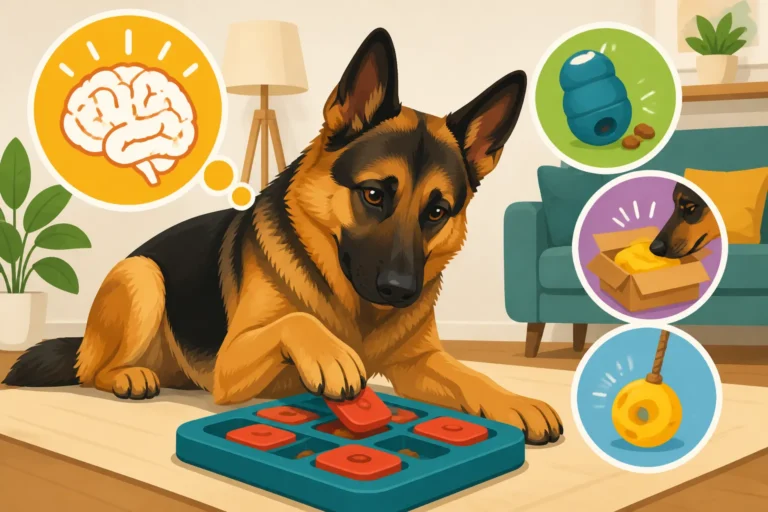
- Mental Stimulation: Exercise isn't just about physical exertion. German Shepherds thrive on mental challenges. Puzzle toys, scent work, obedience training sessions, and learning new tricks can be incredibly tiring for their minds. Rotating toys can also keep things interesting.
- Training Sessions: Daily short training sessions (5-10 minutes, several times a day) are fantastic for mental enrichment and strengthening your bond. Teach them new commands, practice old ones, or even try advanced tricks. Reputable online training platforms like BAXTER & Bella offer structured programs that can guide you through this.
- Dog Sports: Consider dog sports like agility, obedience, or German Shepherd IGP Training: Step-by-Step. These activities tap into their natural drives and provide an outlet for their intelligence and energy.
Dealing with Demand Whining for Food or Play
This type of whining is about your German Shepherd trying to control the situation. Your goal is to regain control and teach them patience.
- Structured Feeding Times: Feed your German Shepherd on a strict schedule, rather than free-feeding. When it's feeding time, have them sit patiently before putting the bowl down. If they whine, pick up the bowl, wait for silence, and then try again. They learn that whining delays the meal, while quiet gets it. This is also important for German Shepherd Bloat Prevention Feeding Tips.
- Initiate Play: Similar to structured attention, you should initiate play sessions. Don't respond to whining for play. Wait until your German Shepherd is calm and quiet, then invite them to play. Put toys away when play is over to avoid constant access and reduce demand behaviors.
- Delayed Gratification: Teach your German Shepherd impulse control. For example, when you have a treat, make them wait for a few seconds before giving it to them. Gradually increase the waiting time. This teaches them patience and that good things come to those who wait, not those who whine.
Ruling Out Medical Causes for Whining
As mentioned earlier, a sudden increase in whining or whining accompanied by other unusual symptoms always warrants a vet visit.
- Comprehensive Check-up: Your veterinarian can perform a thorough physical exam, blood tests, and potentially imaging (X-rays) to rule out pain, illness, or underlying health conditions. This is a crucial step before you assume the whining is purely behavioral.
- Age-Related Issues: Older German Shepherds might whine due to age-related pain or cognitive decline. Conditions like German Shepherd Arthritis in Senior Dogs can make movement painful, leading to vocalization. In these cases, your vet can recommend pain management or supplements. Always be observant for Signs Your German Shepherd Is Aging.
By systematically approaching the whining based on its likely cause, and by remaining patient and consistent, you can significantly reduce or eliminate unwanted vocalizations from your German Shepherd.
Training Techniques to Reduce Whining
Beyond addressing the underlying causes, specific training techniques can directly teach your German Shepherd to be quiet on command or to tolerate being alone without whining. These are active steps you can take to shape their behavior.
"Quiet" Command Training
Teaching a "quiet" command is an invaluable tool for managing any type of excessive barking or whining. It gives you a direct way to interrupt and redirect the behavior.
- Identify a Whining Trigger: Start by finding something that reliably makes your German Shepherd whine (e.g., you walk towards the door, you hold their leash).
- Let Them Whine (Briefly): Allow them to whine for a second or two.
- Interrupt with a Distraction: The moment they start, use a sudden, neutral sound to interrupt them – a sharp "shhh!", a clap, or even a brief shake of a treat jar (without giving a treat yet). The goal isn't to scare them, but to break their focus.
- Mark and Reward Silence: The instant they stop whining (even if it's just a momentary pause), immediately say "Yes!" or use a clicker, and then quickly give them a high-value treat. This teaches them that silence is what earns the reward.
- Add the "Quiet" Cue: Once they start understanding that silence after the interruption gets a treat, begin to add the verbal cue. Say "Quiet!" just before the interruption (e.g., "Quiet!" clap). As they become proficient, you can phase out the interruption and just use the verbal cue.
- Practice in Various Scenarios: Practice this command in different environments and with different levels of distraction. Start easy, then gradually increase the challenge. Over time, you'll be able to say "Quiet!" and your German Shepherd will understand that means to stop vocalizing and look to you for a reward.
This method is highly effective because it rewards the desired behavior (quiet) rather than punishing the undesired behavior (whining), which can often exacerbate anxiety.
Teaching Independence and Alone Time
Many German Shepherds whine when left alone, a classic sign of separation anxiety or simply a lack of confidence being independent. Training for alone time is crucial.
- Crate Training: A well-implemented crate training routine can provide a safe, den-like space for your German Shepherd when you're away. Make the crate a positive place, associated with good things like special chew toys or meals. Never use the crate for punishment. Start with very short periods and gradually increase the duration. If your German Shepherd is new to this, our guide on German Shepherd Crate Training: Step-by-Step can provide a detailed roadmap.
- Gradual Departures: Practice leaving your German Shepherd alone for very short periods, starting with just a few seconds, then a minute, then five minutes. Don't make a big fuss when you leave or return. The goal is to make your departures and arrivals uneventful, reducing the drama that can fuel anxiety.
- Provide Enrichment When Alone: Before leaving, ensure your German Shepherd has had adequate exercise and a potty break. Leave them with a safe, engaging chew toy (like a durable rubber toy filled with frozen peanut butter or kibble) to keep them occupied and associate alone time with something positive.
- Desensitize Pre-Departure Cues: Dogs learn your routine. Picking up keys, putting on your coat – these can become anxiety triggers. Practice these actions without actually leaving. Pick up your keys, put them down. Put on your coat, then sit back down. This helps desensitize your German Shepherd to these cues.
Utilizing Structured Training Programs
Sometimes, DIY training isn't enough, or you need a more guided approach. Structured training programs can offer immense support.
- Online Courses and Professional Trainers: For German Shepherds with significant whining issues, especially those stemming from deep-seated anxiety or behavioral patterns, working with a professional dog trainer or behaviorist is highly recommended. They can provide personalized advice and hands-on guidance. Online platforms like BAXTER & Bella provide comprehensive, step-by-step training programs that cover everything from basic obedience to addressing specific behavioral challenges. Their virtual setup allows you to learn at your own pace and implement strategies with expert support, which can be a game-changer for GSD owners feeling overwhelmed.
- Obedience Classes: Local obedience classes are excellent for socialization and teaching basic commands in a structured environment. This can help build your German Shepherd's confidence and give them a "job" to do, reducing boredom and anxiety-related whining. You might even find specialized classes for German Shepherd Obedience Training Basics.
By combining these training techniques with the practical strategies mentioned earlier, you're building a robust plan to teach your German Shepherd more appropriate ways to communicate and behave.
Common Mistakes German Shepherd Owners Make
Even with the best intentions, it's easy to fall into common traps that can inadvertently reinforce or worsen your German Shepherd's whining. Being aware of these pitfalls can help you avoid them and maintain consistency in your training.
Accidentally Reinforcing Whining
This is perhaps the biggest culprit behind persistent whining. German Shepherds are brilliant at learning what behaviors get them what they want, and if whining works even occasionally, they'll keep trying it.
- Giving In to Demands: The most common mistake is giving attention, food, or access to something the moment your German Shepherd whines. Your GSD whines at the door, you open it. They whine while you're eating, you toss a scrap. They whine for a belly rub, you provide it. Each instance, no matter how small, reinforces the idea that whining is an effective strategy. It's tough to resist those sad eyes and persistent sounds, but giving in teaches them that if they whine long enough, they'll get their way.
- Scolding or Negative Attention: While it might seem like scolding would deter the behavior, often, any attention—even negative attention—is still attention to a German Shepherd seeking interaction. A harsh "No!" or pushing them away still acknowledges their whining, which can unintentionally reinforce it. They might prefer negative attention to no attention at all.
- Inconsistent Responses: One day you ignore the whining, the next day you give in because you're tired or busy. This inconsistency creates confusion for your German Shepherd and teaches them that sometimes, whining does work. They learn that if they're persistent enough, they might just hit the jackpot. This makes the whining even harder to break because they're always hoping for that occasional reward.
Inconsistent Training and Expectations
German Shepherds thrive on routine, clear boundaries, and consistent expectations. A lack of these can lead to confusion and increased problematic behaviors, including whining.
- Lack of Clear Rules: If one family member allows whining for attention while another ignores it, your German Shepherd receives mixed signals. They won't understand what is expected of them, leading to frustration and continued whining as they try to figure out the "rules." Everyone in the household needs to be on the same page regarding how to respond to whining.
- Impatience: Changing a learned behavior takes time, especially with a smart and determined breed like the German Shepherd. If you give up on a training method too soon, or get frustrated and revert to old habits, you'll undo any progress you've made. The initial "extinction burst" – where the behavior temporarily gets worse before it gets better – can be particularly challenging, but pushing through it is essential.
Not Meeting Core Needs
Sometimes, whining isn't a behavioral problem but a cry for help because fundamental needs aren't being adequately met. This goes back to our initial detective work.
- Insufficient Exercise: German Shepherds are a high-energy breed. If they're not getting enough physical activity, that pent-up energy has to go somewhere, and often it comes out as whining, barking, or destructive chewing. An under-exercised German Shepherd is a frustrated German Shepherd. Our German Shepherd Exercise Requirements guide can help you ensure they're getting enough.
- Lack of Mental Stimulation: Beyond physical exercise, German Shepherds need to use their brains. Without mental challenges like training, puzzle toys, or scent work, they can become bored and restless, which often manifests as whining.
- Inadequate Socialization: An undersocialized German Shepherd might whine out of fear or anxiety in new situations or around new people/dogs. Early and ongoing How to Socialize a German Shepherd is vital for their confidence and comfort in various environments.
- Skipping Vet Check-ups: As discussed, pain or illness can be a primary driver of whining. Assuming it's "just behavior" without ruling out a medical cause is a critical mistake that can prolong your dog's discomfort. Regular vet check-ups are part of How to Keep a German Shepherd Healthy.
Avoiding these common mistakes will create a more conducive environment for training and help your German Shepherd learn more appropriate ways to communicate, leading to a quieter, happier household for everyone.
German Shepherd Whining: Causes and Solutions
To help you quickly reference the various causes of whining and their corresponding solutions, here's a handy table. Remember, this is a starting point – always observe your specific German Shepherd to understand their unique communication style.
| Whining Cause | Description | Recommended Solutions |
|---|---|---|
| Attention-Seeking | Wants your focus, pets, interaction. | Ignore whining, reward quiet behavior, schedule structured attention, implement "Nothing in Life is Free." |
| Excitement | Overjoyed at greetings, during play. | Keep greetings calm and low-key, wait for quiet before engaging, channel energy into appropriate play. |
| Anxiety/Fear | Distress due to loud noises, being alone, new situations. | Create a safe space, desensitize to triggers, vet consult for medication, provide interactive toys. |
| Pain/Discomfort | Sudden onset, accompanied by other symptoms (lethargy, limping). | Immediate vet visit to rule out medical issues (e.g., injuries, arthritis, internal illness). |
| Boredom/Under-Stimulated | Lack of physical exercise or mental challenges. | Increase vigorous exercise, provide mental puzzle toys, engage in daily training sessions, consider dog sports. |
| Demand Whining | Wants food, specific toy, to go outside now. | Implement structured feeding, initiate play on your terms, practice impulse control (e.g., "wait" command). |
| Frustration | Cannot reach a desired object, eager for an activity. | Teach patience, provide alternative appropriate outlets, ensure environmental enrichment. |
| Puppy Whining | Learning to communicate needs, adjusting to new home. | Consistent potty training, crate training, meeting basic needs (food, water, warmth), provide chew toys. |
Disclaimer
The information provided in this article is for educational and informational purposes only and does not constitute veterinary advice. Always consult with a qualified veterinarian for any health concerns or before making any decisions about your German Shepherd's medical care or treatment. Individual results from training methods may vary.