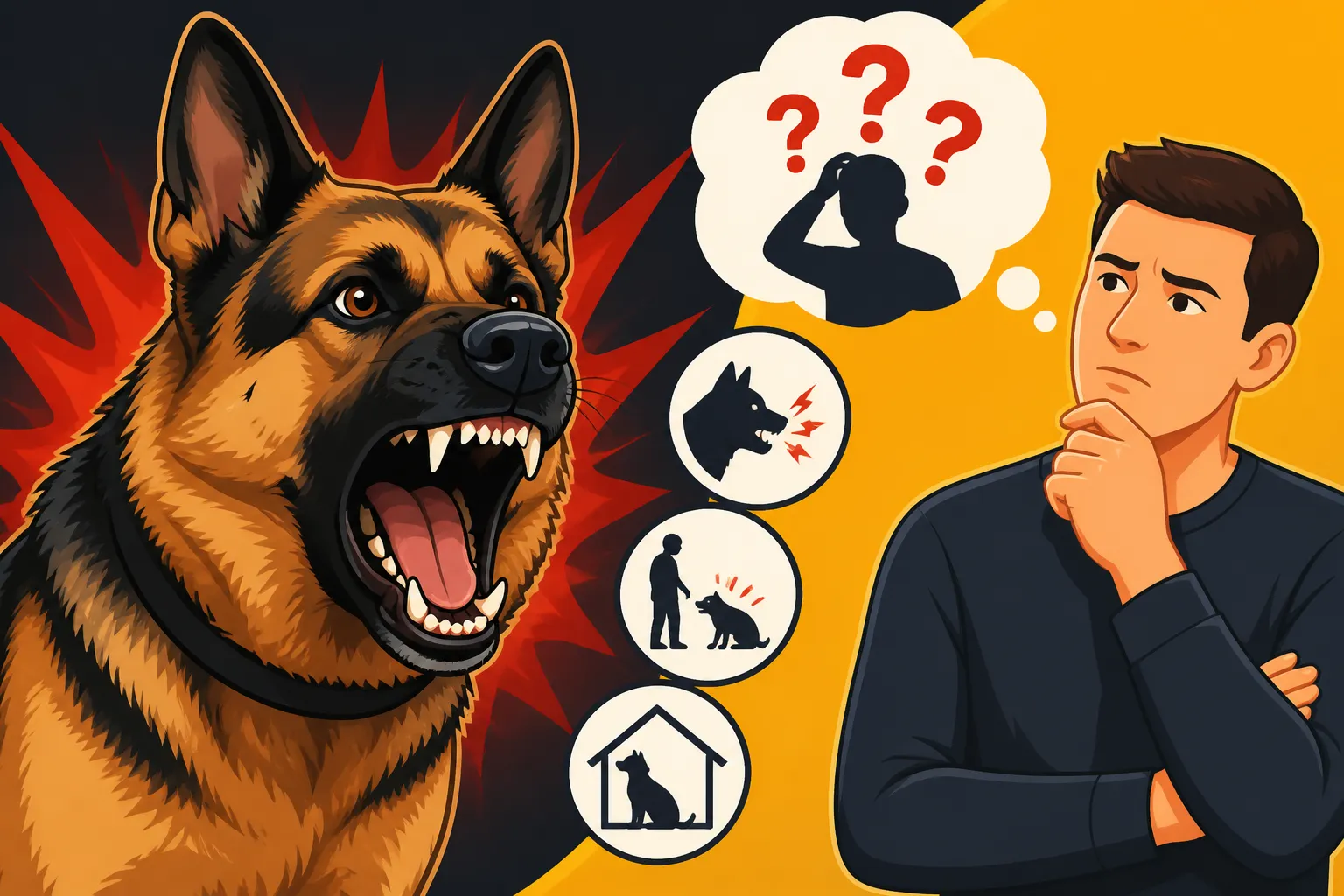
Why Is My German Shepherd So Aggressive
It's absolutely heartbreaking and incredibly frustrating when your beloved German Shepherd, a dog known for its loyalty and companionship, starts exhibiting aggressive behaviors. You might feel confused, scared, or even guilty, wondering what went wrong or if you've done something to cause it. This isn't just a minor issue; it impacts your daily life, your dog's well-being, and the safety of everyone around them. This comprehensive guide is here to shed light on the common reasons behind aggression in German Shepherds and offer realistic, actionable advice on how to understand, manage, and ultimately prevent these challenging behaviors.
Understanding German Shepherd Aggression: It's Not Always What It Seems
When we talk about "aggression" in dogs, it's often a loaded term that conjures up images of snarling, attacking animals. But the reality, especially with intelligent and sensitive breeds like German Shepherds, is far more nuanced. It's rarely about a dog being "bad" or malicious; it's almost always a reaction to a feeling, a situation, or an underlying issue.
The Nuances of Aggressive Behavior
Aggression isn't a single behavior; it's a spectrum of actions a dog might take when they feel threatened, fearful, or possessive. This can manifest in subtle ways, like a stiff body posture, a hard stare, or a low growl, all the way to more overt displays such as barking excessively, lunging, snapping, or, in severe cases, biting. Think of it as your dog trying to communicate in the loudest way they know how, saying "I'm uncomfortable," "Stay away," or "I need space." It's crucial for us as owners to learn to interpret these signals, often called a "ladder of aggression," before they escalate.
For example, your German Shepherd might growl when a child approaches their favorite chew toy. This isn't necessarily a sign they want to harm the child, but rather an indication that they feel their valuable item is being threatened. If this warning is ignored, the dog might feel compelled to escalate to a snap or a bite to protect their perceived resource. Understanding these nuances helps us respond appropriately and avoid inadvertently pushing our dogs past their tolerance thresholds.
Dispelling Myths About "Aggressive Breeds"
There's a persistent, unfair stereotype that certain breeds, including German Shepherds, are inherently aggressive. This couldn't be further from the truth. German Shepherds are magnificent animals, bred for their intelligence, courage, and protective instincts. These very traits, which make them incredible working dogs, police dogs, and family guardians, can be misunderstood or mishandled, leading to behavioral problems if not properly channeled. A well-bred, well-socialized, and well-trained German Shepherd is typically a confident, stable, and loyal companion.
The issue isn't the breed itself, but often the circumstances. A German Shepherd from a questionable breeder with poor genetics, one that hasn't been properly socialized as a puppy, or one that has been subjected to harsh or inconsistent training, is more likely to develop behavioral issues, including aggression. It's a disservice to these noble dogs to label them broadly; instead, we must look at the individual dog, their history, and their environment. Investing in a reputable breeder who prioritizes temperament and health, and then committing to ongoing socialization and positive reinforcement training, is the best defense against unwarranted aggression. You can learn more about the breed's general temperament in our guide to German Shepherd Temperament and Personality If you're wondering Why Do German Shepherds Have Hip Problems, it's another area where responsible breeding is critical.
Common Root Causes of Aggression in German Shepherds
Pinpointing the exact reason for aggressive behavior in your German Shepherd can feel like detective work, but it's a critical step toward finding a solution. Many factors can contribute, and often, it's a combination of several. Let's delve into the most common culprits.
Fear-Based Aggression
One of the most prevalent forms of aggression stems from fear. When a German Shepherd feels trapped, overwhelmed, or threatened, their natural instinct is to either flee or fight. If fleeing isn't an option, fighting (which manifests as aggressive displays) becomes their last resort to create distance or make the perceived threat go away. This can happen with strangers approaching too quickly, loud noises like fireworks or thunderstorms, novel environments, or even specific objects they haven't been properly introduced to.
Imagine a German Shepherd puppy who wasn't exposed to many different people or sounds during their crucial developmental period. Now, as an adult, a new visitor entering the home, especially if they make direct eye contact or reach out quickly, can be terrifying. The dog might bark, lunge, or even snap to say, "Please, stay away, you're scaring me." It's not about being mean; it's about self-preservation. Previous negative experiences, even if unintentional, can also contribute to fear. A dog that was once startled by a child might subsequently react aggressively to all children. This often requires careful How to Socialize a German Shepherd approach, especially if they are adults.
Resource Guarding
Resource guarding is a deeply ingrained instinct in many dogs, including German Shepherds. It’s a protective behavior where a dog will guard items they value – be it food, toys, sleeping spots, or even people – from others. While a certain degree of self-preservation is natural, it becomes problematic when it leads to aggression towards family members or other pets. The severity can range from subtle body blocking to intense growling, snarling, or biting.
Consider a scenario where your German Shepherd has a special chew bone. If someone approaches them while they're enjoying it, they might freeze, stare, and then emit a low growl. This is their way of saying, "This is mine, don't come closer!" If the person persists, the dog might escalate to a snap. This behavior isn't about dominance; it's about anxiety over losing a valued item. Managing resource guarding involves careful training using positive reinforcement, teaching the dog that approaching them while they have a resource can lead to more good things, rather than the resource being taken away.
Territorial and Protective Aggression
German Shepherds are renowned for their protective instincts, making them excellent guard dogs. However, this natural inclination can sometimes cross the line into excessive territorial or protective aggression. They might become overly defensive of their home, yard, or family members against perceived threats, which can include the mail carrier, delivery drivers, visitors, or even people walking past your fence line.
This type of aggression often manifests as intense barking, lunging at the fence, or rushing the door when someone knocks. While it’s natural for a German Shepherd to alert you to strangers, problematic territoriality can make having guests over a stressful ordeal. It’s important to teach your dog appropriate boundaries and response levels. For instance, rather than allowing uncontrolled barking at every passerby, training your dog to "alert" with a few barks and then settle on command is a much healthier approach. This ensures they are still protective, but also manageable and safe.
Pain or Medical Issues
It’s often overlooked, but pain or underlying medical conditions can be a significant trigger for aggression in dogs. A dog that is constantly uncomfortable, experiencing chronic pain, or suffering from a neurological issue might lash out because they simply feel unwell, are irritable, or are trying to protect themselves from movements that cause them pain. This is why a thorough veterinary check-up should always be the very first step when a German Shepherd suddenly develops aggressive tendencies.
Conditions like hip or elbow dysplasia, arthritis, dental pain, ear infections, thyroid imbalances, or even certain types of tumors can cause a dog to become unexpectedly aggressive. For example, a German Shepherd with severe German Shepherd Hip Dysplasia Explained might snap if touched in a sensitive area, even by a beloved family member. Hormonal imbalances can also play a role. If your German Shepherd suddenly starts acting out, especially without a clear environmental trigger, head straight to your vet. They can rule out medical causes and ensure your dog isn't suffering in silence. Learning the Signs of a Healthy German Shepherd can help you spot issues early.
Lack of Proper Socialization and Training
The foundation for a well-adjusted German Shepherd is laid during puppyhood through proper socialization and consistent, positive training. A lack of either of these can significantly contribute to behavioral issues, including aggression. The critical socialization window, typically between 8 and 16 weeks of age, is when puppies learn about the world around them and develop appropriate responses. If they don't experience a wide range of positive interactions with different people, dogs, sounds, and environments during this time, they can grow up to be fearful or reactive.
Similarly, inconsistent, harsh, or absent training can leave a German Shepherd confused about their role and expectations. They thrive on structure and clear communication. If an owner is not providing consistent guidance, or uses punitive methods that scare the dog, it can erode trust and lead to fear-based or defensive aggression. Proper German Shepherd Puppy Training Guide and ongoing How to Train a German Shepherd are vital. For a great start to online training, programs like BAXTER & Bella offer comprehensive resources that emphasize positive reinforcement and build a strong foundation, helping owners avoid common pitfalls that can lead to aggression.
Addressing and Managing Aggressive Behaviors
Once you've done your best to understand the potential root causes of your German Shepherd's aggression, the next crucial step is to actively address and manage the behavior. This isn't a quick fix; it's a journey that requires patience, consistency, and often, professional guidance. Remember, your goal is to help your dog feel safe and confident, rather than resorting to aggression out of fear or frustration.
Professional Help is Key
When dealing with aggression, especially if it involves lunging, snapping, or biting, trying to tackle it on your own is not advisable. This is a serious issue that demands expert intervention. The best course of action is to seek out a qualified professional. This might be a Certified Professional Dog Trainer (CPDT-KA), a Certified Behavior Consultant Canine (CBCC-KA), or, for more severe cases, a Veterinary Behaviorist (DACVB). These professionals have the knowledge and experience to accurately assess your dog's behavior, identify triggers, and develop a tailored modification plan that is safe and effective.
A good behaviorist will work with you to understand your German Shepherd's specific history, observed behaviors, and your living situation. They'll help you understand your dog's body language better and teach you humane, science-based techniques to change their emotional response to triggers. They won't promise overnight miracles, but they will provide a structured path forward, helping you implement strategies like desensitization and counter-conditioning. They are your allies in helping your German Shepherd become a happier, more stable companion.
Management Strategies for Safety
Before you can begin any long-term behavioral modification, the immediate priority is always safety. This means managing your German Shepherd's environment to prevent situations where aggression might occur. This isn't about punishment; it's about proactively protecting everyone involved while you work on the underlying issues. One crucial tool can be a muzzle, but it must be introduced properly through positive association, making it a comfortable, non-punitive piece of equipment, not just something brought out during stressful situations.
Other management strategies include ensuring your dog is always on a leash in public, especially if they are reactive to other dogs or strangers. Using a well-fitted harness or a head collar, along with a sturdy leash, can give you better control. If your dog guards resources, ensure these items are put away when children or other pets are around, or supervise interactions closely. Crate training can also be invaluable, providing a safe den for your dog where they can retreat and feel secure, especially when visitors are present. Think of it as creating a "safe bubble" around your dog while they learn new coping mechanisms. You can also dive deeper into German Shepherd Behavior Problems and Solutions for more insights.
Training and Behavioral Modification Techniques
Once safety measures are in place, the real work of behavioral modification can begin. This often involves techniques like desensitization and counter-conditioning. Desensitization means gradually exposing your German Shepherd to their triggers at a very low intensity, so they don't react aggressively. Counter-conditioning involves changing your dog's emotional response to that trigger, from fear or anxiety to a positive feeling. For example, if your dog is reactive to other dogs, you might start by having them observe another dog from a distance where they remain calm, and immediately reward them with high-value treats. Over time, you slowly decrease the distance, always staying below their threshold for reaction.
Positive reinforcement is the cornerstone of these techniques. Rewarding desired behaviors (calmness, looking away from a trigger, offering an alternative behavior) is far more effective and humane than punishing unwanted ones. Punishing aggression often suppresses the warning signs (like growling), making actual bites more likely without prior notice, and it damages the bond of trust. Consider enrolling in online training programs like those offered by BAXTER & Bella. They provide structured lessons that can be done at home, focusing on building a positive relationship and teaching alternative behaviors to aggression. For specific equipment to help with training, like clickers or long lines, you can find a wide variety of options on Amazon. Always remember that consistency and patience are your best friends in this process.
Preventing Aggression in German Shepherds
While addressing existing aggression is crucial, preventing it from developing in the first place is always the ideal scenario. Many of the factors that lead to aggression are controllable by responsible owners right from the start. Laying a solid foundation through early experiences, consistent training, and diligent care can cultivate a confident, well-adjusted German Shepherd who is a joy to live with.
Early Socialization and Exposure
The single most impactful thing you can do to prevent aggression in a German Shepherd is to provide comprehensive, positive socialization during their puppyhood. The critical socialization window, typically between 8 and 16 weeks of age, is when puppies are most impressionable. During this time, it's vital to safely expose your puppy to a wide variety of people (different ages, genders, appearances), friendly vaccinated dogs, new sights, sounds, textures, and environments. Puppy classes are an excellent way to do this in a controlled and safe setting.
The goal isn't just exposure, but positive exposure. Every new experience should be paired with treats, praise, and a calm, reassuring demeanor from you. If your puppy seems overwhelmed, remove them from the situation immediately and try again later at a lower intensity. A German Shepherd who learns that the world is generally a safe and interesting place, rather than something to be feared, is far less likely to develop fear-based or defensive aggression later in life. This foundation is key to raising a balanced companion.
Consistent Training and Structure
German Shepherds are intelligent and active dogs that thrive on structure, consistency, and clear leadership. Establishing basic obedience commands from a young age is paramount, but it needs to be ongoing throughout their lives. Commands like "sit," "stay," "come," and a reliable "leave it" are not just party tricks; they are crucial safety cues that give you control and build a strong communicative bond with your dog. Consistent rules mean your dog understands what is expected of them, which reduces anxiety and uncertainty – common precursors to behavioral problems.
Beyond basic commands, consider advanced training or dog sports. Activities like agility, nose work, or even just regular puzzle toys keep their brilliant minds engaged. A bored German Shepherd, one without clear guidance, is much more likely to invent their own "jobs," which can sometimes manifest as undesirable behaviors. Positive reinforcement, where good behavior is rewarded, is the most effective way to train a German Shepherd. This builds trust and encourages cooperation, rather than forcing submission through fear. For more in-depth guidance, check out our German Shepherd Obedience Training Basics guide.
Health and Wellness Checks
As we've discussed, pain or illness can be a significant underlying cause of aggression. Therefore, proactive health management is a non-negotiable part of preventing behavioral issues. Regular veterinary check-ups are essential, even if your German Shepherd appears healthy. Your vet can catch subtle signs of developing conditions, such as arthritis, dental problems, or thyroid imbalances, before they escalate into pain-induced aggression. Early detection and treatment can make a world of difference.
Beyond vet visits, ensuring your German Shepherd receives appropriate nutrition for their age and activity level, and sufficient exercise, contributes greatly to their overall well-being. A dog that is physically comfortable, well-fed, and has its energy needs met is generally a happier, more stable dog. Don't underestimate the power of a proper diet and regular physical activity, which for a German Shepherd can mean vigorous walks, playtime, or even a good run. You can find more detail on their needs in our article on German Shepherd Exercise Requirements.
| Type of Aggression | Common Signs | First Steps for Owners |
|---|---|---|
| Fear-Based | Cowering, tucked tail, shaking, frantic barking, lunging, biting when cornered, hiding. | Identify triggers, provide safe retreat, avoid forcing interactions, seek professional behaviorist. |
| Resource Guarding | Growling, snapping, staring, stiffening body posture when near food, toys, specific people/places. | Avoid challenging, remove high-value items when unsupervised, consult trainer for positive reinforcement trades. |
| Territorial/Protective | Excessive barking at strangers (e.g., mail carrier), fence fighting, lunging at visitors, guarding family members. | Manage environment (blinds, leashes), teach "quiet" command, desensitize to triggers, professional help recommended. |
| Pain-Induced | Sudden onset of aggression, sensitivity to touch, growling when moved or handled, changes in appetite/activity. | URGENT VETERINARY CHECK-UP IS CRITICAL to rule out underlying medical issues. |
| Lack of Socialization | Fearfulness, reactivity to new people/dogs/places, over-arousal, inability to calm down in novel situations. | Gradual, positive re-socialization (with professional guidance), controlled exposure to triggers. |
Disclaimer
This article is for general informational purposes only and does not constitute professional advice. Laws, prices and regulations vary by location and change over time. Consult a qualified professional for guidance on your specific situation.