Signs of a Healthy German Shepherd
It’s a common worry for German Shepherd owners: is my dog truly healthy and happy, or am I missing some subtle clue that something might be off? Our incredible GSDs are often stoic and won't always make a fuss when they're not feeling their best, leaving us to meticulously observe their every move. This comprehensive guide will illuminate the undeniable signs of a thriving German Shepherd, helping you understand what to look for, from their sparkling eyes to their wagging tail, so you can be confident your furry family member is in peak condition.
Overall Demeanor and Behavior
The first and often most telling indicators of your German Shepherd's health are found in their general demeanor and daily behavior. A healthy dog isn't just physically sound; they're also mentally and emotionally balanced, reflecting in how they carry themselves and interact with their world.
Energy Levels and Playfulness
A healthy German Shepherd, regardless of age, should exhibit an appropriate level of energy and a zest for life. For puppies and young adults, this means a readiness to play, explore, and engage in training. They should be eager for walks, enthusiastic about chasing a ball, and generally have a spring in their step. If your typically energetic GSD suddenly seems lethargic, unwilling to play, or struggles to keep up on walks, it’s a significant red flag. This isn't just about being "lazy"; a noticeable drop in activity could signal anything from pain to internal illness.
Even senior German Shepherds, while naturally slowing down, should still have moments of engagement and curiosity. They might not sprint like they used to, but they should still enjoy a gentle walk, respond to affection, and show interest in their surroundings. A sudden disinterest in food, refusal to stand, or a general air of fatigue that lasts more than a day warrants attention. Remember that German Shepherds are working dogs by nature, and while their individual energy levels vary by line (working line versus show line), a consistent decline is always worth noting. Keeping an eye on their energy is a key part of how to keep a German Shepherd healthy.
Alertness and Responsiveness
German Shepherds are renowned for their intelligence and alertness. A healthy GSD should be attentive to their environment, quick to respond to your commands, and aware of what's happening around them. When you call their name, they should orient towards you. When a new sound or smell presents itself, they should investigate with curiosity, or at least acknowledge it. They're often highly perceptive, picking up on subtle cues.
If your German Shepherd seems disoriented, stares blankly, or is unusually slow to react to stimuli they would normally respond to, it could be a sign of a neurological issue, pain, or even cognitive decline in older dogs. For instance, if they usually greet you with enthusiasm at the door but suddenly seem confused by your presence or don't hear you approach, it’s a symptom that shouldn’t be ignored. Their sharp minds are a hallmark of the breed, so any dulling of their usual mental acuity is a cause for concern.
Appropriate Social Interaction
A well-socialized and healthy German Shepherd typically interacts appropriately with people and other animals. This means they are either friendly and outgoing, or politely reserved and observant, but not overly fearful or aggressive without provocation. They should be able to settle down after excitement, respect boundaries, and generally behave predictably within their established social circles.
Sudden changes in social behavior can be a significant health indicator. A typically friendly dog becoming irritable, snappy, or withdrawn might be experiencing pain, anxiety, or an underlying medical condition. For example, if your GSD usually enjoys playing with the neighbor's dog but suddenly growls or snaps when approached, they might be protecting a painful area on their body. Conversely, a usually boisterous dog becoming unusually shy or fearful could also signal an issue. This change isn't necessarily a behavioral flaw; it's often a dog's way of communicating discomfort or distress, necessitating a check-up to rule out health issues.
Coat, Skin, and Eyes
Examining your German Shepherd's physical appearance, particularly their coat, skin, and eyes, can provide quick and easy visual clues about their internal health. These are areas you interact with daily during petting or grooming, making them excellent barometers for wellness.
Shiny Coat and Healthy Skin
A healthy German Shepherd should boast a lustrous, thick coat that feels soft and clean. Their fur should lie relatively flat (unless they're a long-haired variety) and be free of excessive greasiness, dandruff, or dry patches. Shedding is a normal part of life with a German Shepherd – it’s a double-coated breed, after all – but even during shedding season, the underlying skin should appear healthy. When you run your hands through their fur, it should feel smooth, not coarse, and their skin beneath should be supple, not tight, red, or inflamed.
If you notice a dull, brittle coat, excessive non-seasonal shedding, greasy fur, or visible skin issues like redness, scabs, rashes, or sores, it's a sign that something is amiss. These symptoms can point to a range of problems, from nutritional deficiencies and allergies to parasites like fleas or mites, or even more serious conditions like thyroid imbalances. Regular grooming helps you spot these changes early, and understanding how to manage German Shepherd shedding can also provide insights into their coat health. Investing in a good pet insurance plan, like those from Healthy Paws, can be incredibly beneficial for covering unexpected diagnostic tests and treatments for skin issues or other health concerns.
Clear, Bright Eyes
Your German Shepherd's eyes are true windows to their health. Healthy eyes should be clear, bright, and free of any discharge. The whites of their eyes (sclera) should be white, not yellow or red, and their pupils should be equal in size and react normally to light. There should be no squinting, excessive tearing, or cloudiness. Their eyelids should sit flush against their eyes, without being rolled in or out.
Any noticeable changes in their eyes, such as persistent redness, thick or colored discharge (yellow, green), cloudiness, dilated pupils, sensitivity to light, or excessive blinking, demand immediate veterinary attention. These could indicate infections, injuries, glaucoma, cataracts, or other serious eye conditions that, if left untreated, could lead to vision loss. A healthy GSD’s gaze is keen and intelligent; any dullness or discomfort in their eyes can be a sign of systemic illness.
Clean Ears and Nose
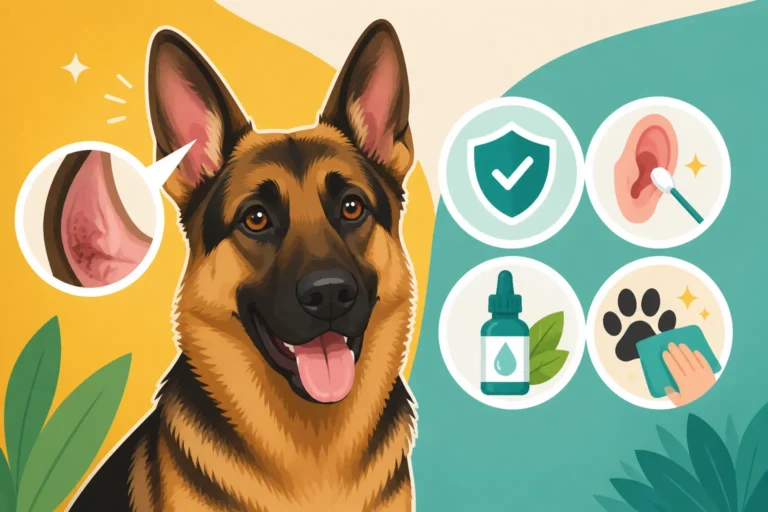
Just like their eyes, your German Shepherd's ears and nose offer vital clues to their well-being. Healthy ears should be clean, free of strong odors, redness, or excessive wax. A small amount of light brown wax is normal, but dark, gritty discharge, a yeasty smell, or constant scratching and head shaking are signs of an ear infection. Regular checks and knowing how to clean German Shepherd ears properly can help prevent these common issues.
Their nose should be slightly moist and cool to the touch, without excessive dryness, cracking, or discharge. While a dry nose isn't always a sign of illness, persistent dryness coupled with other symptoms, or a nose with colored discharge, scabs, or bleeding, certainly warrants concern. Always check the inside of the nostrils for any foreign objects or blockages if you suspect a problem.
Physical Condition and Movement
A German Shepherd's robust physique is one of their most defining characteristics, and assessing their physical condition and how they move can reveal a great deal about their health, particularly concerning their musculoskeletal system.
Healthy Weight and Muscle Tone
Maintaining a healthy weight is paramount for your German Shepherd, impacting everything from joint health to overall longevity. A healthy GSD should have a clearly defined waist when viewed from above, and their abdomen should tuck up slightly when viewed from the side. You should be able to easily feel their ribs when running your hands along their sides, but not see them protruding. Their muscle mass should be firm and well-developed, especially over their hindquarters and shoulders.
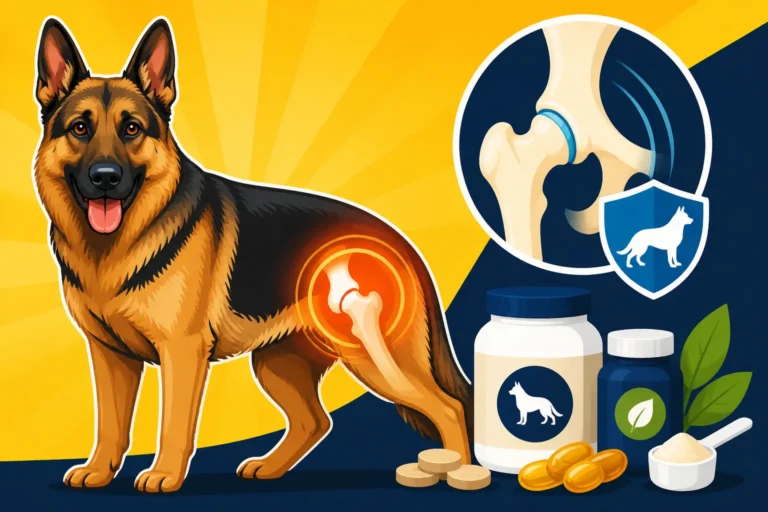
Being overweight puts immense strain on their joints, especially the hips and elbows, which are already predisposed to conditions like German Shepherd Hip Dysplasia Explained and elbow dysplasia. Conversely, being underweight could indicate nutritional deficiencies, malabsorption issues, or serious underlying diseases like cancer. If you're struggling to determine if your dog is at an ideal weight, consult your vet for guidance. They can help you with a proper German Shepherd feeding guide and advise on any necessary dietary adjustments. Monitoring their weight and ensuring they maintain a good body condition score is a proactive step in preventing a host of problems.
Fluid Movement and Gait
One of the most graceful sights is a healthy German Shepherd moving with purpose. Their gait should be fluid, powerful, and balanced. They should walk, trot, and run without limping, stiffness, or hesitation. When they stand, their weight should be evenly distributed, and they shouldn't show discomfort when getting up or lying down. Watch them closely during exercise; do both front and hind legs move smoothly and symmetrically? Do they jump and climb without apparent pain?
Any signs of lameness, stiffness, bunny hopping (using both back legs simultaneously, often a sign of hip discomfort), difficulty rising, or reluctance to engage in activities they once enjoyed are serious indicators of potential musculoskeletal issues. These could range from temporary muscle strains to chronic conditions like arthritis or the aforementioned hip and elbow dysplasia. Early detection of a limp or altered gait is crucial, as conditions like German Shepherd Arthritis: Symptoms and Treatment can often be managed more effectively if caught early.
Strong Paws and Nails
Your German Shepherd's paws are their foundation, and healthy paws are essential for comfortable movement. Their paw pads should be tough but supple, free of cracks, cuts, or excessive dryness. The nails should be trimmed to an appropriate length – just touching the ground or slightly above when they stand – and free of splits or signs of infection around the nail bed. Long nails can alter their gait, causing discomfort and potentially leading to further joint issues.
Regularly inspect their paws, especially between the toes, for foreign objects, redness, swelling, or irritation. Limping or excessive licking of the paws often points to a problem, whether it's an injury, an allergy, or a more serious condition like an interdigital cyst or fungal infection. Knowing how to perform a proper German Shepherd Nail Trimming Guide is a key aspect of their routine care.
Digestive Health and Appetite
The digestive system is a cornerstone of overall health. What goes in and what comes out, along with your German Shepherd’s enthusiasm for food, can tell you a lot about their internal workings.
Consistent Appetite and Thirst
A healthy German Shepherd typically has a robust and consistent appetite. They should be eager for meal times and consume their food with gusto. While individual dogs might have preferences, a sudden and persistent loss of appetite, or a significant decrease in the amount they eat, is a strong indicator of illness. Conversely, a sudden increase in appetite that isn't related to increased exercise or growth spurts could also be concerning, potentially signaling conditions like diabetes or malabsorption.
Similarly, consistent water intake is vital. Your GSD should drink water regularly throughout the day, especially after exercise. A sudden decrease in thirst can lead to dehydration, while an excessive increase in thirst (polydipsia) could be a symptom of kidney disease, diabetes, or other serious health problems. It's helpful to have an idea of how much water a German Shepherd needs daily to gauge any changes. Always ensure fresh, clean water is available.
Regular, Healthy Stools
This might not be the most glamorous topic, but inspecting your German Shepherd's stool is one of the most informative daily health checks you can do. Healthy German Shepherd stools should be consistent in color (typically brown), firm but not hard, well-formed, and easy to pick up. They should pass stool regularly, usually once or twice a day, depending on their diet and routine.
Any significant deviation from this norm warrants attention. Diarrhea, constipation, stools with visible blood (bright red or black and tarry), mucus, or worms are all serious red flags. Occasional loose stool might be due to a dietary indiscretion, but persistent issues indicate a deeper problem. Knowing the German Shepherd Loose Stool: Common Causes can help you determine when to seek veterinary advice. Consistent digestive health is a strong sign that their diet is suitable and their internal organs are functioning correctly.
No Vomiting or Excessive Drooling
Occasional vomiting can happen for various reasons, sometimes benign like eating too fast or an upset stomach from something they shouldn't have ingested. However, frequent vomiting, projectile vomiting, vomiting blood, or vomiting accompanied by other symptoms like lethargy or abdominal pain, is never normal and requires immediate veterinary attention. This could be a sign of anything from a severe infection to organ failure, or even an obstruction in their digestive tract.
Similarly, while some German Shepherds might drool slightly (especially around mealtime or when excited), excessive, continuous drooling that is out of character can indicate nausea, dental pain, mouth injuries, or even exposure to toxins. If your GSD suddenly starts drooling profusely for no apparent reason, check their mouth for foreign objects and call your vet.
Oral Health and Breathing
Often overlooked, the state of your German Shepherd's mouth and their breathing patterns offer critical insights into their overall health. These areas can be precursors to or indicators of more serious systemic issues.
Clean Teeth and Healthy Gums
A healthy German Shepherd's mouth should have clean teeth, free of heavy plaque and tartar buildup. Their gums should be a healthy bubblegum pink color (though some dogs have naturally pigmented gums) and moist, with no redness, swelling, or bleeding. Their canine teeth should be strong and white, and their molars should be free of decay. You should perform regular checks of your dog's mouth, and a consistent German Shepherd Dental Care Explained routine at home can make a huge difference in preventing problems.
Poor oral hygiene can lead to painful dental disease, gum infections, and even systemic health issues, as bacteria from the mouth can travel to the heart, kidneys, and liver. If you notice yellow or brown buildup on their teeth, red or bleeding gums, missing teeth, or a strong, foul odor from their mouth, it’s time for a vet visit. These can all be signs of significant dental problems or other oral pathology.
Fresh Breath
While no dog's breath is going to smell like a bed of roses, it shouldn't be offensively foul. A healthy German Shepherd should have relatively neutral breath. A strong, persistent bad odor, or halitosis, is a common sign of dental disease, often caused by plaque and tartar buildup and gum infections. However, particularly pungent breath that smells sweet, like urine, or like feces can indicate more serious underlying health problems.
Sweet-smelling breath could point to diabetes, while breath smelling of urine might signal kidney disease. Fecal-smelling breath could indicate an intestinal blockage or a severe digestive issue. Don't dismiss bad breath as just "dog breath"; it's a vital diagnostic clue.
Easy, Unlabored Breathing
Your German Shepherd's breathing should be calm, quiet, and effortless when they are at rest. You should see a gentle rise and fall of their chest, without any visible effort or distress. Their normal resting respiratory rate is typically between 10 to 30 breaths per minute. Panting is normal after exercise, excitement, or in warm weather, but it should subside once they are cooled down and relaxed.
Any changes in breathing patterns are serious. Labored breathing, gasping, wheezing, coughing, or persistent panting when at rest or in cool conditions are immediate red flags. This could indicate respiratory infections, heart conditions, allergies, or even a foreign object lodged in their airway. If your German Shepherd is struggling to breathe, do not delay in seeking emergency veterinary care. Watching for these subtle changes can make a huge difference, especially given some of the German Shepherd Health Problems Guide that can affect respiration.
Vital Signs and Body Temperature
While not something you check every day, understanding your German Shepherd's normal vital signs and knowing how to quickly assess them can be life-saving during an emergency or provide crucial information for your vet.
Normal Body Temperature
A German Shepherd's normal body temperature typically ranges from 100.0 to 102.5 degrees Fahrenheit (37.8 to 39.2 degrees Celsius). Anything significantly above or below this range indicates a problem. A fever could signal infection or inflammation, while a lower-than-normal temperature could indicate shock or other serious conditions.
While taking a rectal temperature might not be a daily routine, knowing this range is important for understanding information from your vet or if you ever need to take their temperature at home. If your dog feels unusually hot or cold to the touch, or is exhibiting other signs of illness, a temperature check can confirm if there's a fever or hypothermia at play.
Healthy Heart Rate and Respiration
When your German Shepherd is relaxed and at rest, their heart rate should generally fall between 60 to 100 beats per minute. For puppies, it can be higher, up to 120 bpm. You can feel their pulse on the inner thigh where the femoral artery runs. Similarly, their resting respiratory rate, as mentioned before, should be 10 to 30 breaths per minute, with quiet, unlabored breathing.
A consistently high heart rate (tachycardia) or a very slow one (bradycardia) can indicate various health issues, including pain, anxiety, heart disease, or internal bleeding. Similarly, an elevated respiratory rate (tachypnea) without recent exercise or heat exposure is a strong indicator of respiratory distress, pain, or other systemic illness. Being aware of their normal baseline can help you quickly identify when something is off.
Pink and Moist Gums Capillary Refill Time
Checking your German Shepherd's gums is a quick and effective way to assess their circulation and hydration. Healthy gums, as noted, should be a moist, healthy pink color. You can also check their capillary refill time (CRT) by gently pressing your finger against their gum line until the spot turns white, then releasing. The color should return to pink within 1 to 2 seconds.
Gums that are pale, white, blue (cyanotic), or bright red can indicate severe problems such as anemia, shock, carbon monoxide poisoning, or heatstroke, respectively. A prolonged capillary refill time (longer than 2 seconds) suggests poor circulation or dehydration, both of which are serious and require immediate veterinary attention. This quick check can be a vital indicator during an emergency.
Regular Veterinary Check-ups and Preventative Care
Even with diligent at-home observation, nothing replaces the expertise of a veterinarian. Regular check-ups and proactive preventative care are non-negotiable for maintaining your German Shepherd’s health and catching potential issues before they become severe.
The Importance of Routine Exams
Annual veterinary examinations are absolutely crucial, even if your German Shepherd appears perfectly healthy. For puppies and senior dogs, more frequent visits might be recommended. During these routine visits, your vet will perform a thorough physical examination, checking everything we've discussed and more – listening to their heart and lungs, palpating their abdomen, assessing their joints, and examining their eyes, ears, and teeth. These exams establish a baseline for your dog's health and allow the vet to detect subtle changes that might not be obvious to you.
Routine bloodwork, urinalysis, and fecal exams are also often recommended, especially as your German Shepherd ages. These diagnostics can uncover hidden issues like kidney disease, liver problems, diabetes, or parasites long before clinical signs appear. Early detection dramatically improves prognosis and treatment options. If you're wondering about common German Shepherd health issues by age, your vet can provide tailored advice during these appointments. This proactive approach is a cornerstone of responsible pet ownership.
Vaccinations and Parasite Prevention
Keeping up with your German Shepherd’s vaccination schedule and parasite prevention is fundamental to their health. Vaccinations protect against serious and often deadly diseases like rabies, distemper, parvovirus, and leptospirosis. Your vet will recommend a schedule appropriate for your dog’s age, lifestyle, and local disease prevalence.
Parasite prevention, including year-round protection against fleas, ticks, heartworm, and intestinal worms, is equally vital. These parasites not only cause discomfort but can transmit severe diseases and even be life-threatening. Flea and tick preventatives come in various forms, such as topical treatments, oral medications, and collars, and your vet can help you choose the best option for your GSD. Protecting your dog from these threats is a simple yet effective way to prevent a host of health problems.
Genetic Health Testing Considerations
German Shepherds, like many purebred dogs, are predisposed to certain genetic conditions. Reputable breeders will perform extensive German Shepherd Genetic Health Testing on their breeding stock for common issues like hip and elbow dysplasia, degenerative myelopathy, and certain eye conditions. Even if you've adopted your GSD, or weren't aware of their genetic background, discussing genetic testing with your vet can be a wise step.
Knowing if your dog carries genes for certain conditions can help you and your vet implement preventative strategies, monitor for early symptoms, and plan for potential future care. For example, if you know your GSD is genetically predisposed to hip dysplasia, you might be more vigilant about their weight, exercise, and consider joint supplements like those often recommended by vets. Understanding these predispositions allows for a more tailored and proactive approach to your dog's long-term health, ensuring they can lead the fullest life possible.
Quick Reference Table: Signs of a Healthy German Shepherd
Here's a handy table to help you quickly review the key indicators of your German Shepherd's health:
| Indicator | Healthy Sign | Potential Concern (Consult Vet) |
|---|---|---|
| Energy & Behavior | Energetic, playful, alert, responsive, socially appropriate | Lethargy, withdrawal, aggression, disorientation, excessive barking |
| Coat & Skin | Shiny, full coat; supple, clear skin; minimal dandruff | Dull, brittle coat; excessive shedding; rashes, sores, lumps, dry patches |
| Eyes | Clear, bright; no discharge; white sclera; equal pupils | Redness, thick discharge, cloudiness, squinting, pupils unequal |
| Ears & Nose | Clean, odorless ears; moist, clear nose | Odor, redness, excessive wax/discharge; dry, cracked nose, colored discharge |
| Weight & Movement | Healthy weight, firm muscle tone; fluid, balanced gait | Under/overweight; limping, stiffness, difficulty rising, bunny hopping |
| Appetite & Thirst | Consistent, eager appetite; regular water intake | Loss of appetite, excessive thirst, sudden increase in appetite |
| Stool | Firm, brown, well-formed, regular | Diarrhea, constipation, blood, mucus, worms, straining |
| Vomiting/Drooling | Rare or situational vomiting; minimal drooling | Frequent vomiting, blood in vomit; excessive, unexplained drooling |
| Oral Health | Clean teeth, pink gums, neutral breath | Plaque, tartar, red/bleeding gums, foul breath, missing teeth |
| Breathing | Quiet, calm, unlabored at rest | Labored breathing, wheezing, persistent panting, coughing, gasping |
| Gums & CRT | Pink, moist gums; CRT < 2 seconds | Pale, white, blue or bright red gums; CRT > 2 seconds |
The Lifelong Journey of German Shepherd Health
Caring for a German Shepherd is a commitment that spans their entire lifespan, from the boundless energy of puppyhood to the dignified wisdom of their senior years. While we've delved into numerous specific indicators of health, the overarching theme is consistent observation and proactive care. No single sign tells the whole story, but a combination of changes in their usual patterns often points to a need for closer inspection or veterinary intervention.
As your German Shepherd transitions through different life stages, their needs and typical health signs will evolve. A German Shepherd Puppy Training Guide will focus on different aspects than a German Shepherd Senior Care Guide, but the principles of observation remain constant. Staying vigilant, knowing your dog’s baseline, and not hesitating to consult your veterinarian for any concerns are the strongest tools you have in ensuring your German Shepherd lives a long, healthy, and happy life right by your side. Remember, unexpected health issues can arise, and having pet insurance, such as a plan from Healthy Paws, can provide significant financial relief when those unexpected vet visits become necessary. It allows you to focus on your dog's recovery rather than the bill, making it a valuable part of comprehensive care.
Disclaimer
The information provided in this article is for general informational purposes only and is not intended to be a substitute for professional veterinary advice, diagnosis, or treatment. Always seek the advice of your veterinarian or other qualified health provider with any questions you may have regarding a medical condition or the health and welfare of your pet.