Best Supplements for German Shepherd Hips
One of the most heart-wrenching concerns for any German Shepherd owner is the thought of their majestic companion struggling with hip problems. It’s a sad reality that these incredible dogs are predisposed to certain joint issues, and seeing your once-active pup start to slow down or show signs of discomfort can feel like a punch to the gut. This guide is here to walk you through understanding these challenges and, more importantly, exploring the best supplements that can offer crucial support for your German Shepherd's hip health, helping them lead a more comfortable and active life.
Understanding German Shepherd Hip Health Challenges
German Shepherds are magnificent, powerful dogs, but their genetics often come with a predisposition to certain orthopedic conditions that can significantly impact their quality of life. As responsible owners, being aware of these challenges is the first step in providing the best possible care for their long-term well-being. It’s not about fear-mongering, but about being proactive and informed.
The Reality of Hip Dysplasia
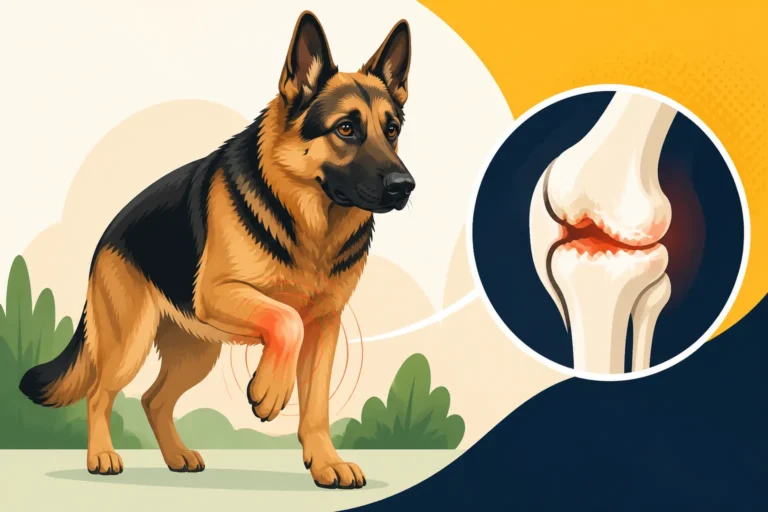
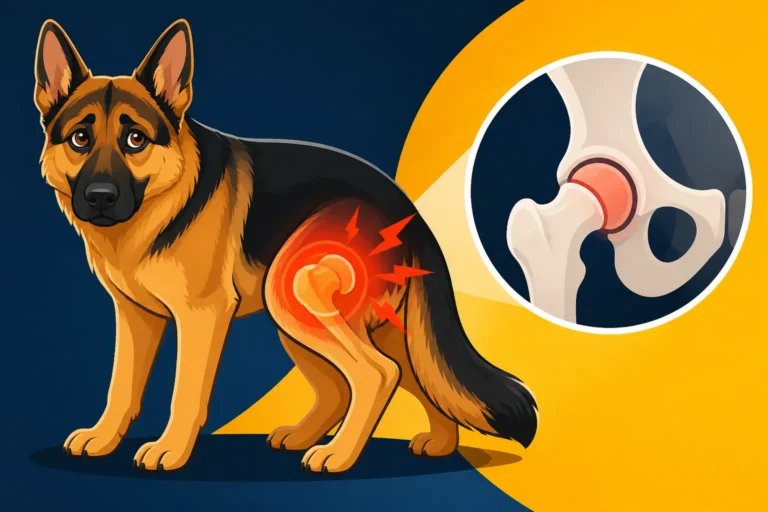
Let's address the elephant in the room: hip dysplasia. If you own a German Shepherd, you've almost certainly heard of it. Why Do German Shepherds Have Hip Problems? It’s a genetic condition where the ball and socket of the hip joint don’t fit together properly. Instead of a smooth, congruent fit, the joint is loose, causing friction and grinding over time. This leads to the deterioration of the cartilage, bone spurs, and ultimately, painful arthritis. It's not always apparent in puppies, often manifesting as they grow, and can range from mild discomfort to severe lameness.
Imagine trying to run with a shoe that's two sizes too big; it’s clumsy, inefficient, and eventually, it causes pain and blisters. That’s a bit like what hip dysplasia can feel like for your dog. The impact of this condition can severely limit their mobility, affecting everything from their ability to jump into the car to their desire for a playful romp in the park. Early detection and management are absolutely key to mitigating the progression and severity of this debilitating condition.
Beyond Dysplasia: Other Joint Concerns
While hip dysplasia often takes center stage, it’s important to remember that it's not the only joint issue German Shepherds face. These active, large-breed dogs put a lot of strain on their joints throughout their lives, making them susceptible to other forms of joint degeneration.
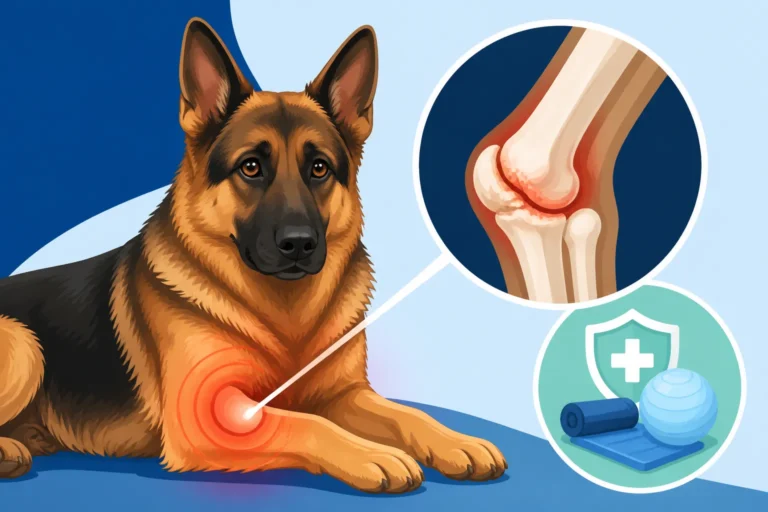
For instance, osteoarthritis, or degenerative joint disease, often develops as a secondary condition to hip dysplasia but can also occur independently due to aging, injury, or even just the wear and tear of an active life. This is where the protective cartilage within the joints gradually breaks down, leading to bone-on-bone friction, inflammation, and pain. Furthermore, conditions like elbow dysplasia, though less commonly discussed in relation to hips, often occur concurrently, as these dogs can have genetic predispositions to multiple joint abnormalities. German Shepherd Hip Dysplasia Explained goes into more detail about the specific mechanics and impact of this particular condition. Understanding the full spectrum of potential joint issues helps us build a more comprehensive preventative and supportive care plan.
Key Ingredients to Look For in Hip Supplements
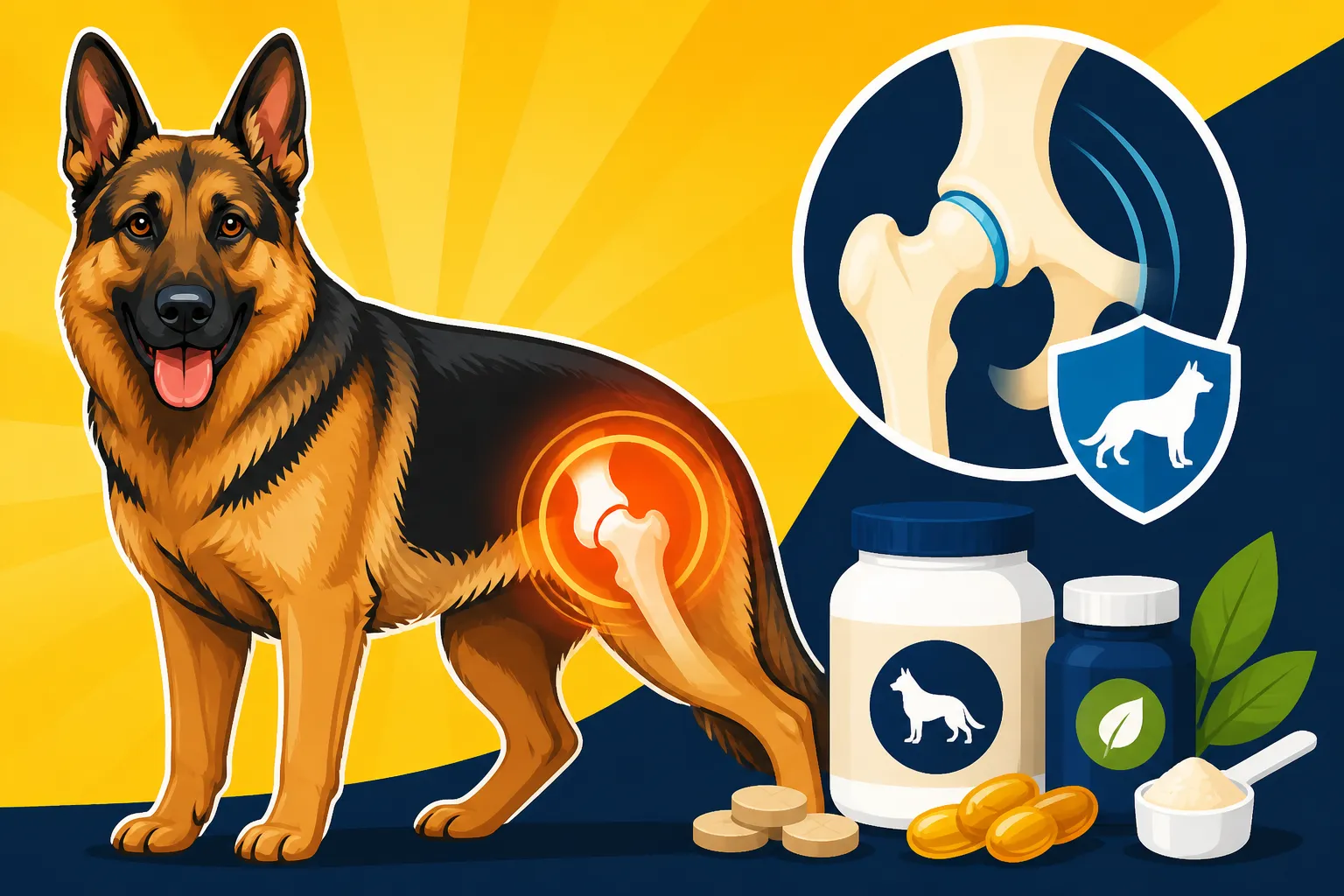
Navigating the world of dog supplements can feel overwhelming. There are so many brands, so many claims, and a dizzying array of ingredients. For German Shepherd hip health, focusing on a few key, well-researched ingredients will simplify your search and ensure you're giving your dog the best chance at comfort and mobility. Think of these as the fundamental building blocks for joint support.
Glucosamine and Chondroitin: The Dynamic Duo
If there's one combination you'll hear about most for joint health, it's glucosamine and chondroitin. These two ingredients are truly a dynamic duo when it comes to supporting cartilage and joint fluid. Glucosamine is an amino sugar that plays a crucial role in forming and repairing cartilage. It helps produce glycosaminoglycans (GAGs), which are essential components of cartilage and synovial fluid – the natural lubricant in joints.
Chondroitin sulfate, on the other hand, is a major component of cartilage that helps maintain its elasticity and prevents further breakdown. It also helps with water retention in the cartilage, which is vital for shock absorption and overall joint health. When combined, glucosamine and chondroitin work synergistically to repair and protect cartilage, improve joint lubrication, and reduce the symptoms of arthritis. Many German Shepherds with early signs of stiffness or diagnosed mild hip dysplasia see significant improvement in comfort and mobility with consistent supplementation of these two powerful ingredients. They aren't a cure for conditions like hip dysplasia, but they are absolutely essential for managing symptoms and slowing progression.
MSM: Reducing Pain and Inflammation
MSM, or Methylsulfonylmethane, is a naturally occurring sulfur compound that is widely recognized for its anti-inflammatory and pain-relieving properties. It works by inhibiting the breakdown of cartilage and reducing the oxidative stress that can damage joint tissues. Think of it as a natural pain reliever that doesn't just mask symptoms but actively helps to calm the inflammatory response within the joint.
For a German Shepherd dealing with the daily aches of joint issues, MSM can be a game-changer. It helps to alleviate discomfort, which in turn can lead to increased mobility and a more positive outlook for your dog. When your dog is in less pain, they're more likely to engage in appropriate activity, which is crucial for maintaining muscle mass around the hips and preventing further stiffness. It's often found alongside glucosamine and chondroitin, forming a powerful trifecta for comprehensive joint support. This is particularly important for breeds prone to German Shepherd Arthritis: Symptoms and Treatment.
Omega-3 Fatty Acids: A Natural Anti-Inflammatory
Omega-3 fatty acids, specifically EPA (eicosapentaenoic acid) and DHA (docosahexaenoic acid), are nutritional powerhouses renowned for their potent anti-inflammatory effects. You might already be familiar with them for human health, but their benefits for canine joint health are equally significant. These fatty acids work at a cellular level to reduce the production of inflammatory chemicals in the body, providing a natural and effective way to manage the chronic inflammation often associated with conditions like hip dysplasia and osteoarthritis.
Sources of high-quality omega-3s include fish oil (from salmon, mackerel, sardines) and krill oil. When choosing an omega-3 supplement, pay close attention to the EPA and DHA content, as these are the active compounds delivering the anti-inflammatory punch. Not only do they help soothe painful joints, but omega-3s also contribute to overall skin and coat health, making them a fantastic addition to your German Shepherd's daily routine. Regular intake can genuinely improve your dog's comfort levels, making their movements smoother and less painful over time.
Other Beneficial Ingredients
Beyond the core three, several other ingredients can enhance a hip supplement's effectiveness, offering additional layers of support for your German Shepherd's joints. It’s worth looking for products that incorporate some of these, especially if your dog has more advanced joint issues.
- Hyaluronic Acid (HA): Often referred to as "joint fluid's best friend," hyaluronic acid is a major component of synovial fluid, which lubricates the joints and provides shock absorption. Supplementing with HA can help improve the viscosity of this fluid, leading to smoother joint movement and reduced friction. It’s particularly helpful for dogs experiencing stiffness or a "creaky" gait.
- Green Lipped Mussel (GLM): Hailing from the pristine waters of New Zealand, Green Lipped Mussel is a superfood for joints. It contains a rich blend of omega-3 fatty acids, glycosaminoglycans (including chondroitin sulfate), and other essential nutrients that support joint structure and reduce inflammation. GLM is a holistic ingredient that addresses multiple aspects of joint health, making it a highly sought-after component in premium joint supplements.
- Turmeric/Curcumin: This vibrant yellow spice contains curcumin, a powerful antioxidant and anti-inflammatory compound. Curcumin works to suppress inflammatory pathways in the body, offering a natural way to reduce pain and swelling in arthritic joints. When looking for turmeric in supplements, ensure it's combined with piperine (from black pepper) to significantly enhance its bioavailability and absorption.
- Vitamins C and E: These aren't direct joint builders but are potent antioxidants that help protect joint cells from damage caused by free radicals, which are a byproduct of inflammation. They support overall cellular health and can play a supportive role in a comprehensive joint health strategy.
Including these ingredients can create a more robust supplement profile, targeting inflammation and cartilage health from multiple angles. When you're looking to provide the best possible care for your German Shepherd, especially when addressing issues like German Shepherd Hip Dysplasia: Symptoms and Treatment, a multi-faceted approach to supplementation is often the most effective.
Top Recommended Supplements for German Shepherd Hips
With a clear understanding of the powerhouse ingredients for hip health, the next step is identifying quality products. The market is flooded with options, and it's easy to get lost in the noise. For your German Shepherd, the focus should always be on quality, reputable brands, and the right formulation for their specific needs.
Choosing Quality Brands and Formulations
When it comes to selecting a joint supplement for your German Shepherd, the brand matters. Look for companies that are transparent about their ingredient sourcing, manufacturing processes, and provide third-party testing results. Reputable brands often have veterinary endorsements and a long track record of positive customer reviews. Some well-regarded brands in the pet supplement space include Nutramax (makers of Cosequin and Dasuquin), Zesty Paws, Extend Joint Care, and VetriScience. These brands typically invest heavily in research and development to ensure efficacy and safety.
Beyond the brand, pay close attention to the formulation. Are the active ingredients present in therapeutic dosages appropriate for a large breed like a German Shepherd? Many cheaper supplements contain inadequate amounts of key ingredients, making them largely ineffective. Always check the guaranteed analysis on the label. Sometimes, a higher price reflects better quality ingredients and concentrations, which ultimately provides better value for your dog's health. Don't shy away from asking your veterinarian for their recommendations – they often have insights into which products deliver the best results for their patients.
Supplement Types: Chews, Powders, and Liquids
Joint supplements come in various forms, and the "best" type largely depends on your dog's preference and ease of administration. Each has its pros and cons, so it's worth experimenting to find what works best for your German Shepherd.
- Chewable Tablets or Soft Chews: These are arguably the most popular form. They often come in palatable flavors (like chicken or beef) that dogs readily accept, making administration feel like a treat. Soft chews are generally easy to chew, even for dogs with dental issues. The main drawback might be if your dog is particularly picky, or if they need very high dosages, which could mean giving multiple chews.
- Powders: Powders are excellent for owners who want to mix the supplement directly into their dog's food. This can be a great option for picky eaters, as the powder can be disguised in wet food or mixed with a small amount of yogurt. Powders also often allow for more precise dosage adjustments based on your dog's weight and needs. Be aware that some dogs might detect a change in their food and turn up their nose, so a gradual introduction is best.
- Liquids: Liquid supplements are absorbed quickly and can be easily measured and added to food or administered directly into your dog's mouth with a dropper. They are often highly concentrated, meaning a small dose delivers a powerful punch. However, some dogs might not like the taste or texture, making direct administration a challenge.
The key is finding a form that ensures consistent daily intake, as consistency is paramount for the effectiveness of joint supplements. It's often a process of trial and error, but once you find what works, it makes supporting your German Shepherd's hips a breeze.
Important Considerations for Dosing and Administration
Getting the dosage right is crucial for effectiveness and safety. Joint supplements are not one-size-fits-all, and a German Shepherd's large size means they will require significantly higher doses of active ingredients compared to smaller breeds. Always follow the manufacturer's recommended dosing instructions, which are typically based on weight.
Most supplements will have an initial "loading phase" for the first 4-6 weeks, where a higher dose is given to build up therapeutic levels in the body. After this, you'll switch to a maintenance dose. It's vital to stick to this schedule. If you notice any digestive upset (like diarrhea or vomiting), reduce the dose and gradually reintroduce it, or consult your vet. Consistency is key; these supplements work over time, not instantly. Missing doses regularly will undermine their potential benefits. If you're ever in doubt about the appropriate dosage or the best supplement choice for your individual dog, always consult your veterinarian. They can provide tailored advice, especially if your German Shepherd has other health conditions or is on medication.
| Ingredient | Primary Benefit | Supporting Role | Common Supplement Form |
|---|---|---|---|
| Glucosamine HCl | Cartilage repair and production | Improves joint lubrication | Chews, Powder, Liquid |
| Chondroitin Sulfate | Maintains cartilage elasticity, shock absorption | Inhibits cartilage breakdown, anti-inflammatory | Chews, Powder, Liquid |
| MSM | Reduces pain and inflammation | Supports connective tissue health | Chews, Powder, Liquid |
| Omega-3 Fatty Acids | Powerful natural anti-inflammatory | Promotes healthy skin and coat, supports brain | Liquid, Soft Gels, Chews |
| Hyaluronic Acid (HA) | Enhances joint fluid viscosity, lubrication | Improves shock absorption | Liquid, Chews |
| Green Lipped Mussel | Comprehensive joint support (omegas, GAGs) | Reduces inflammation, protects cartilage | Powder, Chews |
| Turmeric/Curcumin | Strong anti-inflammatory and antioxidant | Alleviates pain, supports immune system | Powder, Chews |
Integrating Supplements into a Holistic Hip Health Plan
Supplements are a powerful tool, but they are just one piece of the puzzle when it comes to maintaining your German Shepherd's hip health. A truly effective approach is holistic, combining proper nutrition, appropriate exercise, and regular veterinary care. Neglecting other aspects can undermine even the best supplementation efforts. Proactive management can greatly influence how long German Shepherds live, especially with these breed-specific challenges.
The Role of Diet and Weight Management
One of the most impactful things you can do for your German Shepherd's hips is to manage their weight effectively. Excess weight puts immense strain on already vulnerable joints, exacerbating conditions like hip dysplasia and accelerating the progression of arthritis. Every extra pound your dog carries translates to significantly more stress on their hips and elbows. German Shepherd Weight and Obesity Risks highlights just how critical this is.
Feeding a high-quality, balanced diet specifically formulated for large breeds or those with joint sensitivities is essential. Look for foods with appropriate protein and fat levels, and consider supplements within the food itself, though separate supplementation is often still recommended. Portion control is paramount. Don't just "fill the bowl"; measure out their food according to their activity level and ideal body weight. Regular body condition scoring – feeling their ribs, seeing a visible waist – can help you monitor their weight. If you're struggling to keep the weight off, consult your vet for a personalized feeding plan. A lean German Shepherd is a happier, more mobile German Shepherd.
Appropriate Exercise and Physical Therapy
German Shepherds are naturally active dogs, and exercise is crucial for their physical and mental well-being. However, when dealing with hip concerns, the type and intensity of exercise become incredibly important. High-impact activities like aggressive fetching, jumping, or long runs on hard surfaces can be detrimental to compromised joints. Instead, focus on low-impact, muscle-building activities.
Swimming is often hailed as a fantastic option because it allows for full range of motion without weight-bearing impact. Leash walks on soft surfaces, gentle uphill climbs to build hindquarter strength, and controlled play sessions are also beneficial. For dogs with more significant issues, physical therapy, including hydrotherapy (underwater treadmill), massage, and targeted exercises, can provide immense benefits. A certified canine rehabilitation therapist can design a personalized program to strengthen supporting muscles around the hips, improve flexibility, and manage pain. Remember, a lack of exercise can lead to muscle atrophy, further destabilizing the joints, so finding the right balance is key. If your dog is showing signs of pain or lameness, check out German Shepherd Limping: When to Worry.
Regular Veterinary Check-ups and Proactive Care
No amount of supplementation or home care can replace the expertise of your veterinarian. Regular check-ups are fundamental to a proactive hip health plan. Your vet can monitor your German Shepherd's joint health, perform physical examinations, and recommend imaging (like X-rays) if necessary. They can also discuss a wider range of treatment options, including pain management medications, anti-inflammatory drugs, or even advanced therapies like PRP (platelet-rich plasma) or stem cell treatments, depending on the severity of the condition.
Early diagnosis of conditions like hip dysplasia is vital because it allows for earlier intervention and better long-term outcomes. Furthermore, your vet can help you choose the most appropriate supplements, verify their quality, and ensure they won't interact negatively with any other medications your German Shepherd might be taking. Being proactive also means considering pet insurance. Companies like Healthy Paws can provide peace of mind by covering a significant portion of unexpected veterinary costs, especially for chronic conditions that may require ongoing care and expensive treatments. A comprehensive approach, guided by your vet, is the best way to ensure your German Shepherd enjoys the most comfortable and active life possible. They can also advise on German Shepherd Joint Health Supplements and how they fit into a broader health strategy.
Disclaimer
This article is for general informational purposes only and does not constitute professional advice. Laws, prices and regulations vary by location and change over time. Consult a qualified professional for guidance on your specific situation.