How to Choose a Vet for a German Shepherd
Bringing a magnificent German Shepherd into your life is an incredible journey, but it also comes with a weighty responsibility – chief among them, finding a veterinarian who truly understands their unique needs. It can feel like searching for a needle in a haystack, especially when you know your beloved companion deserves nothing less than the absolute best care. This comprehensive guide will walk you through the process of choosing the right vet for your German Shepherd, ensuring they receive expert, compassionate care throughout their life.
Understanding Your German Shepherd's Unique Veterinary Needs
German Shepherds aren't just any dog; they're a breed renowned for their intelligence, loyalty, and imposing presence, but also for a predisposition to certain health challenges. This isn't meant to scare you, but rather to empower you with the knowledge to seek out veterinary care that acknowledges and proactively addresses these specific breed traits. A generic approach simply won't cut it for these incredible animals, and finding a vet who understands this distinction is paramount.
Breed-Specific Health Concerns to Prioritize
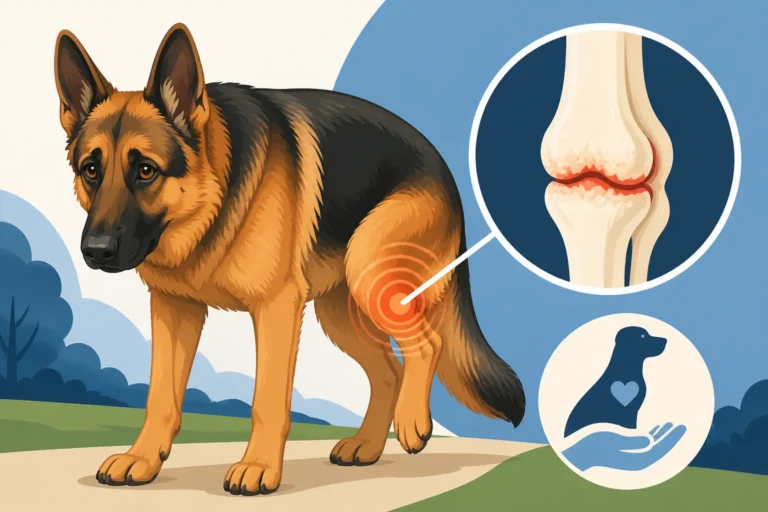
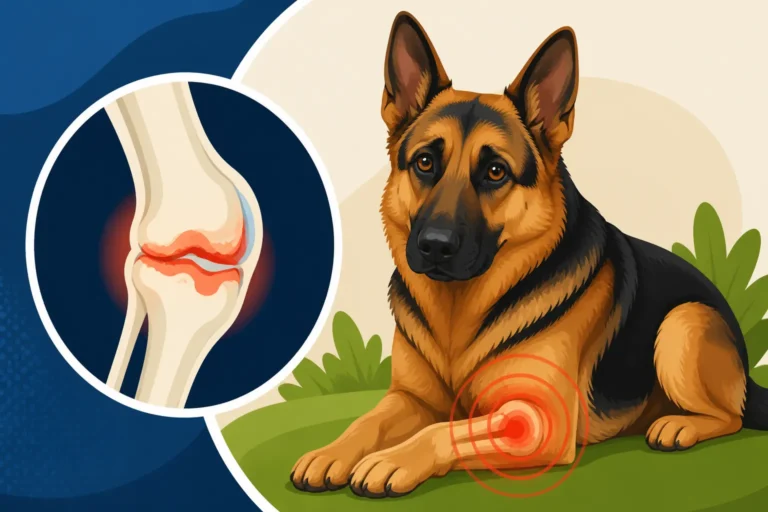
When you're looking for a veterinarian, it's not enough for them to just know "dogs." They really need to understand German Shepherds. This breed, more than many others, comes with a specific list of potential health hurdles that a knowledgeable vet should be well-versed in diagnosing, treating, and, ideally, preventing. We're talking about conditions like hip and elbow dysplasia, which can severely impact their mobility and quality of life. You'll want a vet who can thoroughly discuss preventative measures and is proficient in interpreting OFA or PennHIP X-rays, not just vaguely familiar with the terms.
Beyond structural issues, German Shepherds are also more susceptible to conditions like Degenerative Myelopathy in German Shepherds, an insidious neurological disease that can be devastating. A good vet will be aware of the genetic testing available for this and be proactive in discussing early signs. Then there’s the dreaded bloat, or Gastric Dilatation-Volvulus (GDV), a life-threatening emergency common in deep-chested breeds like ours. Your vet should know the German Shepherd Bloat: Signs and Prevention inside out and be ready to discuss preventative surgeries like gastropexy, especially for puppies or young adults. A truly outstanding veterinarian will bring these topics up themselves, signaling that they truly understand the breed's vulnerabilities and are committed to proactive care, not just reacting when a crisis hits.
The Importance of a Preventative Care Mindset
The old adage "an ounce of prevention is worth a pound of cure" couldn't be more true when it comes to the health of your German Shepherd. A great veterinarian doesn't just treat illnesses; they actively work with you to prevent them. This means creating a tailored vaccination schedule, recommending appropriate parasite control, and establishing a regular wellness exam routine that goes beyond a quick check-over. For a German Shepherd, this also extends to nutritional guidance – understanding the right food for growth, activity levels, and age, and how diet impacts joint health and overall vitality.
A preventative mindset also includes encouraging regular exercise that's appropriate for their age and development, especially to protect those growing joints, as well as being candid about potential genetic predispositions based on their lineage. They should guide you on when to consider German Shepherd Genetic Health Testing if your dog comes from unknown lines, or what to expect if you've already seen the health clearances from a reputable breeder. This proactive partnership is key to ensuring your German Shepherd lives a long, healthy, and happy life, minimizing costly and painful interventions down the road.
Key Factors When Evaluating Potential Veterinarians
So, where do you even begin your search for this unicorn vet? It's more than just looking up clinics in your area. You need to become a detective, observing, questioning, and trusting your instincts to find a practice that aligns with your German Shepherd's specific needs and your values as an owner. Think of this as an interview process – you're vetting them just as much as they'll be vetting your dog!
Experience with Large Breeds and German Shepherds
This might seem obvious, but it's a critical point to reiterate: not all vets are equally experienced with large, strong-willed breeds like German Shepherds. A vet who primarily sees small terriers or lapdogs might struggle with the nuances of a 90-pound German Shepherd's temperament, examination needs, or even dosage calculations for medications. You want a veterinarian who is comfortable and confident handling a powerful breed, one who understands their body language, and knows how to build trust without resorting to heavy-handed methods.
Ask about their caseload: how many German Shepherds or similar large working breeds do they see regularly? Have they managed complex cases of hip dysplasia, elbow dysplasia, or other serious German Shepherd Health Problems Guide? Their familiarity with these specific challenges often translates into quicker, more accurate diagnoses and a deeper understanding of long-term management strategies. A vet who has treated many German Shepherds will also appreciate their intelligence and drive, and understand the importance of not just physical health, but mental well-being and appropriate exercise. They might even offer insights into how to Keep a German Shepherd Healthy beyond just medical interventions.
Clinic Atmosphere and Staff Empathy
Imagine walking into a vet clinic with your German Shepherd, who might already be a little anxious, only to be met with a chaotic waiting room or hurried, impersonal staff. It sets a terrible tone. The atmosphere of a clinic, and the demeanor of its entire staff—from the front desk to the vet techs to the veterinarians themselves—is incredibly important. You want a place that feels calm, organized, and genuinely caring. Observe how the staff interacts with animals in the waiting room and with you. Are they patient? Do they speak to your dog kindly?
Empathy is non-negotiable. German Shepherds are incredibly sensitive and pick up on human emotions. A vet and their team should be able to approach your dog with a calm, confident, and gentle manner, making the experience as stress-free as possible. A truly empathetic team will listen to your concerns, answer your questions without making you feel rushed, and treat both you and your German Shepherd with respect. They should understand that your dog is a cherished family member, and their well-being is your top priority. This extends to discussing difficult topics, like the German Shepherd Senior Care Guide, or end-of-life care, with sensitivity and compassion.
Equipment, Technology, and Services Offered
While a compassionate touch is vital, modern veterinary medicine also relies heavily on technology and a comprehensive range of services. When evaluating a clinic, consider the scope of what they offer in-house. Do they have digital X-ray capabilities, which provide quicker and clearer images, crucial for diagnosing conditions like osteoarthritis? Do they have ultrasound equipment for internal imaging? What about an in-house lab for immediate bloodwork and urine analysis, which can be life-saving in emergencies like German Shepherd Bloat Emergency: What to Do?
| Feature/Service | Why It Matters for a German Shepherd |
|---|---|
| Digital X-Ray | Faster diagnosis of hip/elbow dysplasia, arthritis, injuries. |
| Ultrasound | Essential for abdominal issues, bloat, internal organ assessment. |
| In-House Lab | Quick results for bloodwork (pancreatitis, EPI), urinalysis, emergencies. |
| Surgical Suite | For routine procedures (spay/neuter), complex orthopedic surgeries. |
| Anesthesia Monitoring | Critical for safe surgical procedures, especially for larger breeds. |
| Dental Equipment | For German Shepherd Dental Care Explained, cleanings, extractions. |
| Pharmacy | Convenient access to medications, supplements (e.g., joint supplements). |
Beyond diagnostics, consider their surgical capabilities, anesthesia monitoring protocols, and whether they offer specialized services like rehabilitation or acupuncture if those are areas of interest to you. For instance, if your German Shepherd develops arthritis, having access to physical therapy or hydrotherapy can make a huge difference. A well-equipped clinic can save you time and stress by minimizing referrals to specialists for routine diagnostic needs, allowing for a more streamlined and consistent care experience.
Questions to Ask During Your Veterinary Consultation
Once you've narrowed down your list to a few promising clinics, the next step is to schedule a "meet and greet." Many vets offer a complimentary initial consultation for new clients, and you should absolutely take advantage of this. Come prepared with a list of questions – this is your chance to really dig in and see if they're the right fit for your German Shepherd.
Assessing Their Approach to Health Management
This is where you'll get a real feel for their philosophy on veterinary care. Don't be afraid to ask direct questions about how they approach various aspects of your German Shepherd's health. For example: "What is your typical German Shepherd Vaccination Schedule, and do you offer titre testing as an alternative for core vaccines once the initial series is complete?" Or, "What are your recommendations for a German Shepherd diet, specifically for a large-breed puppy versus an adult dog, and do you have a stance on raw feeding?" Their answers will reveal their depth of knowledge and flexibility.
Inquire about their approach to pain management, especially important for a breed prone to joint issues. Do they advocate for early intervention with joint supplements, or do they wait until symptoms are severe? What are their thoughts on alternative therapies like cold laser or acupuncture for conditions like German Shepherd Arthritis Management at Home? A good vet will not only provide answers but also engage in a discussion, respecting your input as an owner. They should explain the pros and cons of different approaches, empowering you to make informed decisions for your German Shepherd's well-being.
Understanding Costs and Payment Options
Let's be realistic: veterinary care for a large breed like a German Shepherd can be expensive. From routine check-ups and vaccinations to unexpected emergencies, the German Shepherd Vet Costs Per Year can add up quickly. It's crucial to have an open conversation about fees upfront to avoid any surprises down the line. Ask for a breakdown of typical costs for an annual wellness exam, common vaccinations, and diagnostic tests.
Inquire about their payment policies. Do they require payment at the time of service? Do they offer payment plans for larger, unexpected bills? This is also an excellent time to discuss pet insurance. Many German Shepherd owners find that pet insurance, like plans from Healthy Paws, can be an absolute lifesaver when major health issues arise. Ask if they work directly with pet insurance providers, or if you're responsible for submitting claims yourself. A transparent clinic will be happy to discuss costs and help you understand your financial responsibilities without making you feel uncomfortable. Knowing these details helps you budget and ensures your German Shepherd can always get the care they need, no matter the cost.
Emergency Preparedness and Communication
Emergencies happen, often at the worst possible times. Knowing how your chosen vet handles urgent situations can provide immense peace of mind. Ask what their protocol is for after-hours emergencies. Do they have an emergency line? Do they offer overnight care, or do they refer to a local 24-hour emergency hospital? If it's the latter, do they have a preferred emergency clinic they recommend, and what is their process for transferring records or communicating with that clinic?
Effective communication is also paramount. How do they communicate test results? Via phone, email, or a patient portal? How quickly can you expect to hear back if you call with a question about your German Shepherd? In a true emergency, every minute counts, and a clear, efficient communication strategy from your vet's office can make all the difference. You want a team that is responsive, keeps you informed, and makes you feel supported during stressful times. For serious issues like a suspected German Shepherd Bloat, you need to know exactly what steps to take and who to call without hesitation.
Making the Final Decision and Building a Long-Term Relationship
After all your research and questions, it's time to make that important decision. Remember, this isn't just about picking a service provider; it's about choosing a healthcare partner for one of the most important members of your family. The relationship you build with your vet will profoundly impact your German Shepherd's health and your peace of mind for years to come.
Trust Your Gut Feeling
Sometimes, all the facts and figures in the world still boil down to an intangible feeling. Did you feel comfortable talking to the vet? Did they connect with your German Shepherd, even if your dog was a little shy or rambunctious? Did the staff seem genuinely happy and competent? Pay attention to these subtle cues. Your German Shepherd will spend time at this clinic, and a positive experience is crucial for their long-term well-being and reducing stress associated with vet visits.
If something felt off, or you just didn't get a good vibe, it's perfectly okay to keep looking. There are many excellent veterinarians out there, and finding the one that feels like the right "fit" for both you and your German Shepherd is incredibly important. After all, you'll be entrusting them with crucial decisions about your beloved companion's health, and that requires a foundational level of trust and comfort.
The Role of Ongoing Communication
Choosing a vet is just the first step; maintaining an open line of communication is what truly builds a successful, long-term partnership. Don't hesitate to ask questions, voice concerns, or seek clarification on anything you don't understand. A good vet will appreciate your engagement and active participation in your German Shepherd's care. If your dog exhibits a new behavior or symptom, or if you're considering a new supplement (like those for German Shepherd Joint Health Supplements), communicate with your vet.
This isn't a one-way street; your vet should also be proactive in communicating with you. They should remind you about upcoming appointments, explain complex medical terms in an understandable way, and offer guidance on how to implement care instructions at home. A strong, communicative relationship with your vet is the cornerstone of exceptional care for your German Shepherd, ensuring they receive consistent, informed support throughout all stages of their life, from energetic puppyhood to their peaceful senior years.
Disclaimer
The information provided in this guide is for general informational purposes only and does not constitute veterinary medical advice. Always consult with a qualified veterinarian for any health concerns or before making any decisions about your German Shepherd's health or treatment plan.