How to Introduce a German Shepherd to a New Baby
Bringing a new baby home is one of life's most joyous, yet simultaneously nerve-wracking, experiences for any parent. When you add a loyal, protective, and often high-energy German Shepherd to the mix, those nerves can multiply. Many owners worry endlessly about how their beloved canine companion will react to this tiny, noisy, and attention-demanding new family member. This comprehensive guide is here to walk you through the process, offering realistic strategies and empathetic advice to ensure a smooth, safe, and loving introduction for everyone involved.
Understanding Your German Shepherd's Perspective
It's easy to project our human emotions onto our dogs, but a German Shepherd experiences the world through their own unique lens. What seems like a simple, happy addition to us can be a monumental shift in their established universe. Acknowledging this perspective is the first step toward a successful integration.
Why the Introduction Can Be Tricky
German Shepherds are creatures of routine and often form incredibly strong bonds with their primary caregivers. They see themselves as an integral part of the family unit, often taking on a protective role. When a new baby arrives, suddenly their routine is disrupted, their humans' attention is divided, and there's a strange, loud, small creature that smells entirely new in their territory. This can lead to a cocktail of emotions for your dog: curiosity, confusion, anxiety, and sometimes even a hint of jealousy or possessiveness over their human companions.
Furthermore, a German Shepherd's protective instincts, while usually a cherished trait, can become a double-edged sword when a baby is involved. They might view the baby as something to be guarded, which can manifest in unwanted behaviors like resource guarding or excessive barking at anyone who approaches. Conversely, some GSDs might feel displaced or ignored, leading to regressive behaviors like house-soiling, destructive chewing, or seeking attention in less-than-ideal ways. It’s not that they don't like the baby; it's often a profound misunderstanding of their new role and the sudden upheaval of their world.
Reading Your Dog's Body Language
Learning to interpret your German Shepherd's body language is absolutely paramount during this sensitive time. They can't tell you in words how they're feeling, but their posture, ears, tail, and eyes speak volumes. A relaxed GSD will have loose body language, a gently wagging tail (not stiff or high), soft eyes, and ears in a natural position.
Signs of stress or fear can include a tucked tail, flattened ears, yawning (when not tired), lip licking, averted gaze, rigid body posture, trembling, excessive panting, or even a low growl or snarl. These are not signs of aggression immediately, but rather clear signals that your dog is uncomfortable and needs space or a change in the situation. It’s crucial to respect these signals and not force interactions. On the other hand, an overly excited dog, while seemingly happy, can also pose a risk to a fragile baby due to their sheer size and enthusiasm. Look for calm curiosity – a gentle sniff, a relaxed tail wag, but no pushing, jumping, or intense staring. Understanding these cues will help you gauge your dog's comfort level and intervene before any negative situation escalates. For a deeper dive into canine communication, exploring resources on Understanding German Shepherd Behavior can be incredibly insightful.
Pre-Arrival Preparation: Setting the Stage for Success
The introduction process doesn't start when the baby comes home; it begins weeks, if not months, before. Proactive preparation is key to minimizing stress for your German Shepherd and ensuring a smoother transition for the entire family.
Adjusting Routines Before Baby Arrives
One of the biggest stressors for dogs when a baby arrives is the sudden and drastic change to their daily routine. Their feeding times, walk schedules, play sessions, and even the amount of direct attention they receive will inevitably shift. To mitigate this, start gradually adjusting these routines well in advance of the baby's due date. If you anticipate your evening walks will be shorter, or that feeding times might become less rigid, begin implementing these changes slowly over several weeks.
For instance, if your GSD is used to a strict 6 PM dinner, start shifting it by 15-30 minutes every few days until it aligns with your projected post-baby schedule. Similarly, if you know you'll have less time for long, uninterrupted play sessions, start introducing shorter, more frequent bursts of activity, or incorporate more independent play with durable chew toys. The goal is for your dog to perceive these changes as part of their normal life, rather than attributing them directly to the new baby. This gentle transition helps them adapt without associating the baby with negative changes.
Familiarizing Your German Shepherd with Baby Scents and Sounds
Babies come with a whole new sensory experience – unique smells, different sounds, and unfamiliar objects. Introducing these elements gradually can desensitize your German Shepherd and help them form positive associations. Before the baby arrives, bring home some baby-related items, like lotions, powders, diapers, or a baby blanket. Let your GSD sniff these items, offering praise and treats for calm investigation. You can even dab a little baby lotion on your own hands so your scent is mixed with the new one.
Beyond scents, baby sounds can be startling. There are many online resources or apps that play recordings of babies crying, cooing, and babbling. Start playing these sounds at a very low volume during positive activities, like mealtime or during a favorite play session. Gradually increase the volume over time, always observing your dog for signs of stress. If they react negatively, lower the volume and proceed more slowly. This methodical exposure helps your dog habituate to the new auditory landscape, making the actual baby's sounds less alarming.
Reinforcing Obedience and Training
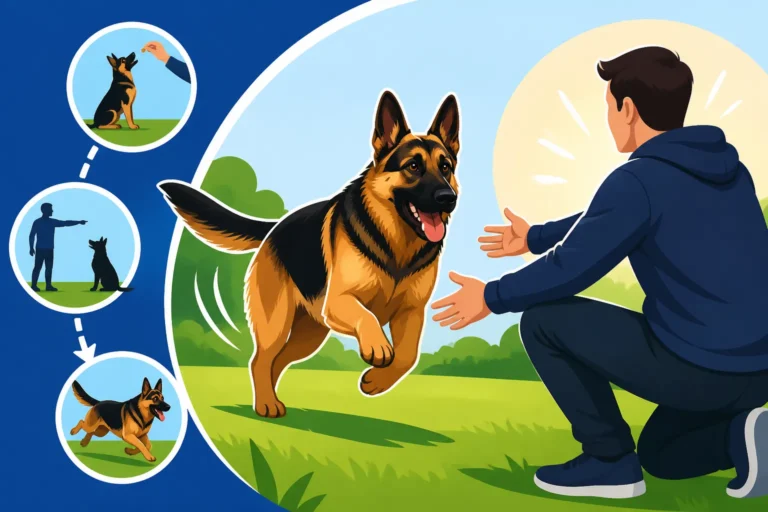
A well-trained German Shepherd is a safer, more manageable German Shepherd, especially in a household with a baby. Now is the time to really polish those obedience skills. Commands like "sit," "stay," "down," "leave it," "off," and a solid "place" command will be invaluable. Practice these commands frequently, rewarding consistently. The "place" command is particularly useful, teaching your dog to go to a designated spot (like their bed or crate) and remain there until released, even amidst distractions. This allows you to manage their presence calmly when the baby is present or needs your full attention.
Consider enrolling in an advanced obedience class or working with a professional trainer if your dog's obedience isn't rock-solid. There are also many excellent online resources and training programs, such as those offered by BAXTER & Bella, that can help reinforce these crucial behaviors from the comfort of your home. A strong foundation in German Shepherd Obedience Training Basics will provide both you and your dog with confidence and control during these new and potentially overwhelming situations. Having your dog reliably respond to commands will make managing interactions much less stressful and significantly enhance the safety of your baby. For necessary supplies like clickers, long leashes, or specialized treats for training, you can easily find a wide selection on Amazon.
The First Introduction: A Step-by-Step Approach
The actual moment of introduction needs to be carefully managed to ensure it's a positive, low-stress experience for both your German Shepherd and your newborn. Rushing this step can create lasting anxieties or negative associations.
The Initial Meeting in a Controlled Environment
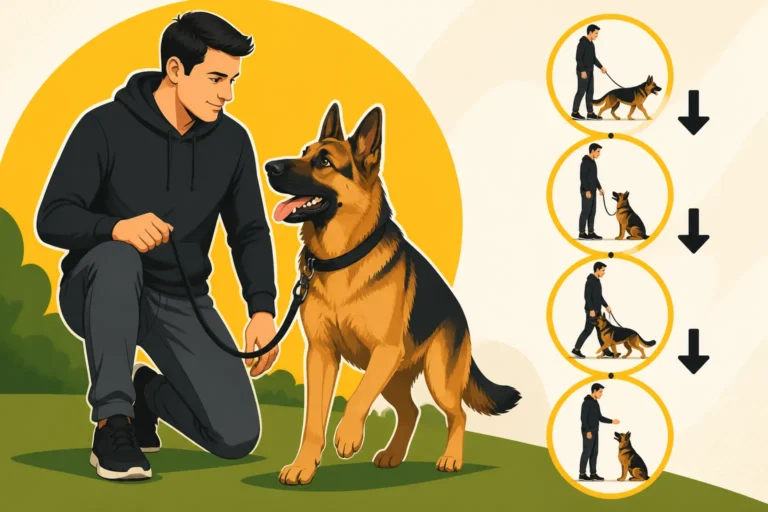
When you first bring your baby home from the hospital, it’s best to have one parent enter the house first, without the baby. This allows your German Shepherd to greet you excitedly and burn off some initial energy, re-establishing your bond before the new arrival. Once your GSD has calmed down, the other parent can bring the baby in. Ideally, the initial meeting should take place in a neutral, calm environment within the home, not in a high-traffic area. Your German Shepherd should be on a leash, held by a calm handler, even if they've never shown aggression. This provides an essential layer of control.
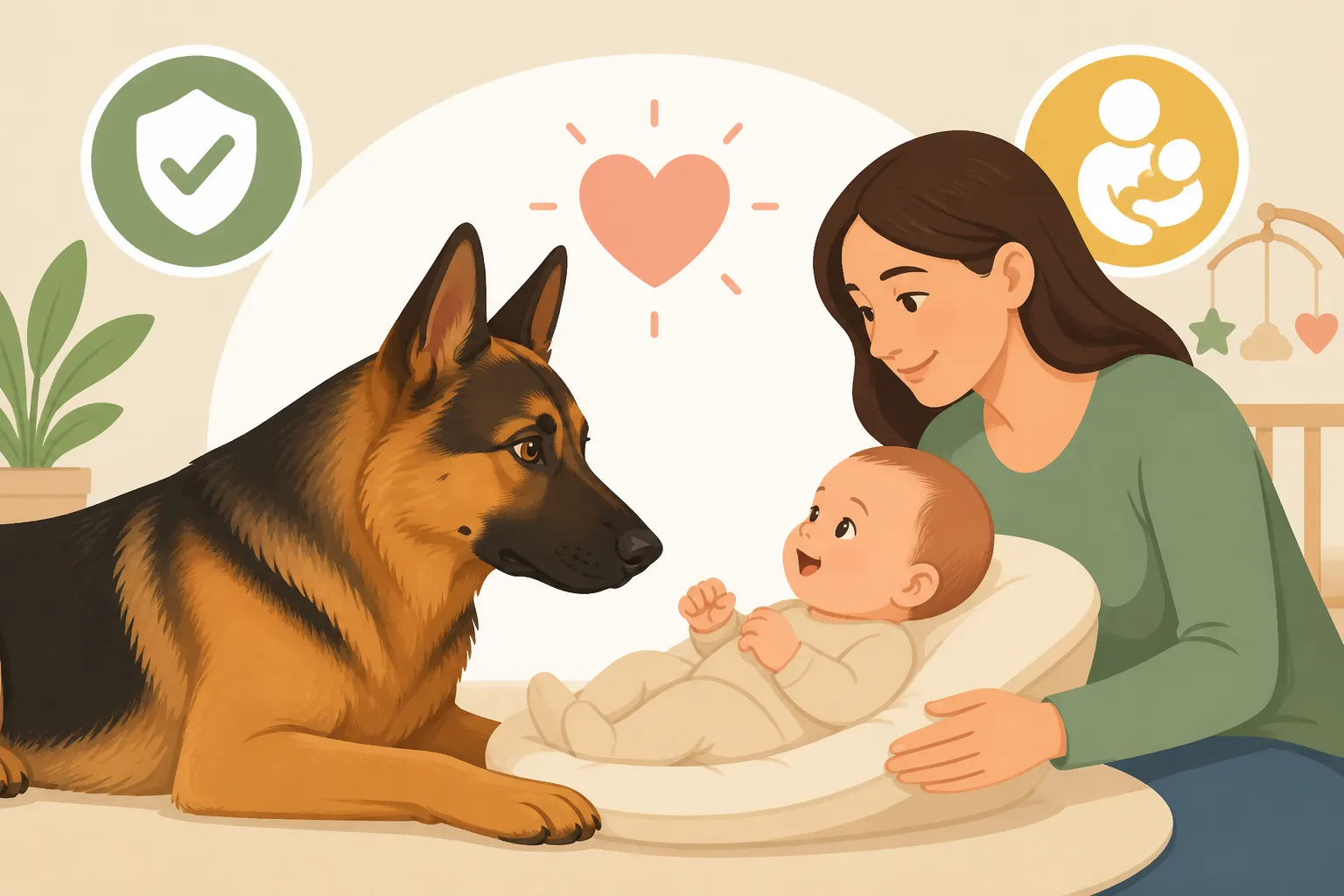
Allow your GSD to observe the baby from a distance first, while you calmly hold and speak to the baby. Do not force interaction. Let your dog approach slowly, if they wish, and sniff the baby's feet or the blanket. Keep the leash loose to avoid creating tension. Talk in a soothing voice, praising your dog for calm, curious behavior. Keep this first interaction very short – just a few minutes – and end it on a positive note. The goal is gentle exposure, not a full-blown playdate. If your dog shows any signs of stress (lip licking, turning away, rigid body), calmly redirect them and create more distance. Never reprimand your dog for showing these signs; it can increase their anxiety and make them hide their discomfort in the future.
Managing Interactions and Supervision
For the first several weeks, and often months, all interactions between your German Shepherd and the baby must be closely supervised. This means never leaving your dog alone in a room with the baby, even for a moment. Think of it as an "umbilical cord" approach – your dog is always connected to you, metaphorically or literally with a leash, when the baby is in proximity. When the baby is awake and active, your GSD can be in the same room, but perhaps tethered to you or on their "place" mat, practicing their stay command.
When the baby is sleeping or you need to attend to other tasks, utilize baby gates or a crate to ensure physical separation. This isn't a punishment for your dog; it's a responsible management strategy to ensure safety and prevent accidental mishaps. During supervised interactions, continue to reward calm behavior with praise and small, high-value treats. If your dog approaches the baby gently and sniffs, say "good boy/girl" and give a treat. The aim is to build positive associations, so every time the baby is around, good things happen for your GSD. Remember, a playful German Shepherd can unintentionally knock over a small child, so active, careful supervision is non-negotiable.
Creating Safe Spaces for Both Baby and Dog
Establishing clear, safe spaces for both your baby and your German Shepherd is vital for preventing conflict and reducing stress. Your baby should have areas where they can play and crawl without your GSD being able to physically interact. Baby gates are invaluable tools for this, creating physical barriers while still allowing your dog to see and hear what's happening. Many pet parents find great quality, robust baby gates on Amazon that can span wide doorways or staircases, offering flexible control.
Equally important is a designated "safe space" for your German Shepherd. This could be their crate (How to Crate Train a German Shepherd is a great resource if you haven't mastered this yet), a comfy bed in a quiet room, or a corner behind a baby gate where they can retreat and relax undisturbed. Teach your dog that this is their sanctuary, a place where they won't be bothered by the baby or even you. When your GSD is in their safe space, make sure they have a favorite chew toy or a puzzle feeder to keep them happily occupied. This provides them with a much-needed mental break from the new household dynamics and prevents them from feeling constantly on edge or overwhelmed by the baby's presence.
Long-Term Integration and Ongoing Management
The initial introduction is just the beginning. Successful, long-term integration requires consistent effort, clear boundaries, and an understanding of your German Shepherd's evolving needs as your baby grows.
Maintaining Boundaries and Consistency
As your baby grows into a toddler and then a young child, the dynamic with your German Shepherd will naturally change. Toddlers are unpredictable – they grab, poke, and can inadvertently hurt a dog. It’s crucial to maintain and reinforce boundaries for both your dog and your child. Teach your child, as soon as they're old enough to understand, how to interact respectfully with the dog: no pulling tails or ears, no sudden loud noises, and always asking permission before petting.
For your German Shepherd, continue to enforce commands like "off" (to prevent jumping), "leave it" (for baby's toys or food dropped on the floor), and "place." Consistency is paramount. If you don't allow your dog on the furniture when the baby is present, don't allow it at other times either. Clear rules help your GSD understand their role and expectations. Inconsistencies only create confusion and can lead to behavioral issues. If you notice your GSD exhibiting behaviors like nipping, excessive barking, or resource guarding, addressing these immediately and consistently is important. You might find valuable strategies in articles like How to Stop German Shepherd Biting or German Shepherd Resource Guarding Explained.
Ensuring Your German Shepherd Still Gets Attention and Exercise
One of the biggest pitfalls for new parents is unintentionally neglecting their dog's needs in the whirlwind of baby care. A bored, under-exercised, or attention-starved German Shepherd is far more likely to develop behavioral issues. These dogs have significant German Shepherd Exercise Requirements and need mental stimulation. Make a conscious effort to carve out dedicated time for your GSD. This doesn't always have to be a long, intense hike. Even a 20-minute structured walk, a game of fetch in the backyard, or a puzzle toy session can make a huge difference.
Involve your German Shepherd in family activities where appropriate. If you're pushing the baby in a stroller, take your GSD along for a walk. When the baby is napping, dedicate some time to one-on-one play or cuddle sessions with your dog. This reassures them they are still valued members of the family and helps prevent feelings of jealousy or displacement. For continued support and fresh ideas on integrating your dog into a busy family life, online training platforms like BAXTER & Bella offer excellent resources that cater to evolving household needs, helping you adapt your training as your family grows. Ensuring their physical and mental needs are met will foster a happier, more balanced, and safer household for everyone.
Addressing Common Challenges
Even with the best preparation, challenges can arise. It's important to recognize common issues and know how to address them.
- Nipping/Mouthing: A GSD puppy might nip playfully, but this can escalate into concerning behavior around a baby. It's crucial to teach bite inhibition early on. With an older dog, any nipping, even if seemingly gentle, must be stopped immediately.
- Excessive Barking: Some GSDs may bark excessively at the baby's cries or movements, or at visitors approaching the baby. Identify the trigger and work on desensitization and counter-conditioning, rewarding quiet behavior. If your German Shepherd starts to develop German Shepherd Separation Anxiety Solutions, this can also manifest as barking or destructive behaviors when left alone, compounding the stress.
- Resource Guarding: This can involve toys, food, or even specific people (like you). If your German Shepherd guards items from the baby, this needs professional intervention immediately. Never try to manage severe resource guarding on your own, as it can be dangerous.
- Fear/Anxiety: Some dogs might show signs of fear or avoidance towards the baby. This requires a gentle approach, creating positive associations from a distance, and ensuring the dog always has an escape route to their safe space.
If you encounter persistent behavioral issues or any signs of aggression, do not hesitate to consult a certified professional dog trainer or a veterinary behaviorist. Their expertise can provide tailored strategies to ensure the safety and well-being of both your baby and your German Shepherd. Remember, early intervention is key to resolving problems before they become deeply ingrained. A dog showing German Shepherd Behavior Problems and Solutions needs understanding and appropriate guidance.
Key Steps for Introducing a German Shepherd to a New Baby
Here's a quick overview of the essential steps we've discussed, to help you visualize the journey:
| Phase | Key Actions |
|---|---|
| Pre-Arrival Preparation | Gradually adjust dog's routine (feeding, walks, attention). Introduce baby scents (lotion, blanket) and sounds (crying). Reinforce obedience commands (sit, stay, place, leave it). Set up baby-free zones with gates and dog's safe space (crate). |
| Hospital Stay (Before Home) | Bring home a blanket or item with the baby's scent for your GSD to sniff. Reward calm curiosity. |
| Initial Home Meeting | One parent greets dog first without baby. Second parent enters with baby. GSD on leash, calm handler. Allow supervised, gentle sniffing from a distance. Keep it short and positive. |
| Ongoing Integration | NEVER leave dog and baby unsupervised. Maintain strict boundaries for both dog and child. Continue positive reinforcement for calm behavior around the baby. Ensure GSD receives adequate individual attention, exercise, and mental stimulation. Utilize baby gates and dog's safe space consistently. |
| Problem Solving | Address any undesirable behaviors (nipping, barking, guarding) immediately. Seek professional help (certified trainer, veterinary behaviorist) for persistent or aggressive issues. Consistently enforce commands and rules for safety. |
Disclaimer
The information provided in this guide is for general educational purposes only and should not be considered a substitute for professional veterinary advice or professional dog training. Every German Shepherd is an individual, and their reactions to a new baby can vary. If you have any concerns about your dog's behavior, health, or the safety of your baby, please consult with a qualified veterinarian, a certified professional dog trainer, or a veterinary behaviorist. Their expertise can provide personalized guidance for your specific situation.