German Shepherd Leash Training: Step-by-Step
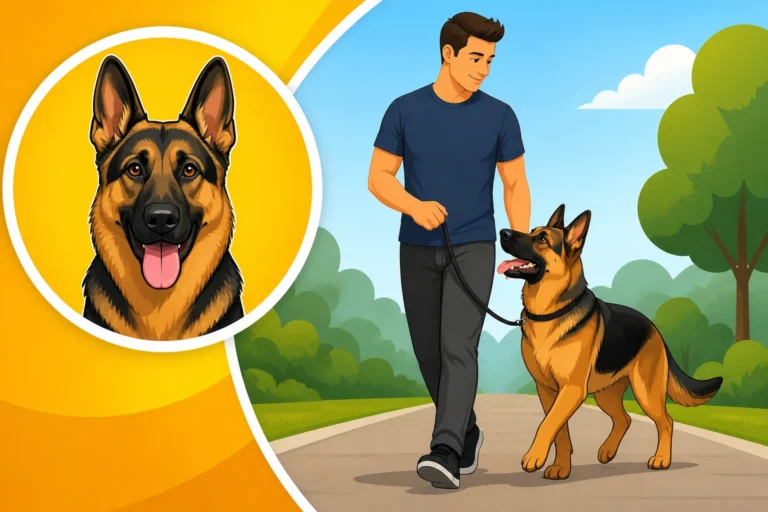
There’s almost nothing more frustrating than a German Shepherd who thinks they’re a sled dog, pulling you down the street on every walk. That strong, intelligent companion you adore can turn into a furry freight train the moment you step outside, making what should be an enjoyable stroll feel more like an arm workout. If you've been grappling with a leash-pulling German Shepherd, this guide is for you. We're going to break down effective, step-by-step methods to transform those chaotic walks into calm, pleasant experiences for both you and your beloved canine.
Understanding Why Your German Shepherd Pulls
Before we dive into solutions, let’s talk about why your German Shepherd is pulling. It’s rarely out of defiance, but rather a mix of natural instincts, learned behaviors, and sheer excitement. Understanding these root causes is the first step toward compassionate and effective training.
The Instinctual Drive to Pull
German Shepherds are powerful dogs, bred for work, endurance, and intelligence. This means they often have a strong natural drive to move forward, explore, and sometimes, even pull. It’s in their DNA. Think about their history as herding and working dogs; they were meant to be active and to cover ground.
When they catch a scent, see a squirrel, or just feel that burst of energy, their instinct is to surge ahead. Many German Shepherds also have a pronounced prey drive, meaning they are naturally inclined to chase small, fast-moving objects. If they feel restricted by a leash, their natural reaction is to put their powerful shoulders into it and try to get where they want to go. It’s not that they’re trying to dominate you; they're simply responding to their environment and their inherent drives. If you want to learn more about the breed's foundational traits, our comprehensive German Shepherd Breed Guide provides excellent insights.
Lack of Early Training and Reinforcement
Often, pulling becomes a habit because it works. If your German Shepherd pulls and gets to sniff that interesting bush, greet that other dog, or reach the park faster, they’ve just been rewarded for pulling. This cycle, even if unintentional on our part, reinforces the unwanted behavior.
Puppies, especially, aren't born knowing how to walk politely on a leash. They need to be taught from day one. If early leash training wasn't consistent or thorough, an adult German Shepherd will likely continue these learned behaviors. This isn't a judgment, just a reality. We all start somewhere, and the good news is that even adult dogs can learn new habits with patience and the right techniques. If you're starting with a young pup, our German Shepherd Puppy Training Guide offers a fantastic foundation for all early learning.
Over-Excitement and Environmental Stimuli
Imagine stepping out into a vibrant, noisy world after being cooped up indoors. For a German Shepherd, every walk is a sensory explosion. New smells, the sound of distant traffic, other dogs barking, people passing by – it's all incredibly stimulating. Their excitement can quickly overwhelm their ability to focus on you or remember their training.
This is especially true for young, energetic German Shepherds. Their impulse control might not be fully developed, and the thrill of the outdoors can make them forget all about loose-leash walking. This over-excitement often leads to lunging, barking, and, yes, pulling. It's a testament to their zest for life, but it still needs to be managed for a peaceful walk. Understanding their German Shepherd Exercise Requirements can help you channel that energy positively before walks.
Essential Gear for Effective Leash Training
Having the right tools can make a world of difference when you're working on leash training your German Shepherd. With their strength and power, standard collars and leashes might not always cut it, or at least, they won't make the training process as smooth as it could be.
Leashes and Collars
When it comes to outfitting your German Shepherd for leash training, not all gear is created equal. The goal is always to provide clear communication and gentle control, without causing discomfort or pain.
- Standard Flat Collar: This is the most common type and perfectly acceptable for a German Shepherd who has already mastered loose-leash walking. However, for a dog that pulls, a flat collar can be ineffective and even dangerous, putting strain on their neck and trachea. For an untrained puller, this isn't your primary training tool. Once your dog is proficient, it's great for everyday walks.
- Front-Clip Harness: This is often a game-changer for German Shepherds who pull. Unlike back-clip harnesses that can actually encourage pulling (think sled dogs!), a front-clip harness has the leash attachment point on the dog's chest. When your German Shepherd pulls, the leash redirects them to the side, turning them around rather than allowing them to lean into the pull. This provides immediate, gentle feedback without discomfort. Brands like the Easy Walk Harness or Freedom No-Pull Harness are widely available and highly recommended by many trainers. You can find a great variety of these effective tools and more on online retailers like Amazon.
- Head Halter (Gentle Leader/Halti): These tools fit around your German Shepherd's muzzle and behind their ears, similar to a horse's halter. They provide excellent control because "where the head goes, the body follows." When your dog tries to pull, it gently turns their head to the side, breaking their focus and discouraging the forward momentum. They require careful introduction and positive reinforcement to ensure your dog accepts them comfortably, as some dogs initially resist them. However, for strong pullers, they can offer immediate relief and facilitate faster learning.
- Avoid Retractable Leashes: While they seem convenient, retractable leashes are counterproductive for leash training. They teach your dog that pulling extends their range, reinforcing the very behavior you want to stop. They also offer less control and can be a safety hazard. Stick to a standard 4-6 foot leash for training.
Treats and Training Aids
Positive reinforcement is the cornerstone of effective German Shepherd training. High-value treats and other aids will be your best friends during this process.
- High-Value Treats: Forget the dry, crumbly biscuits for training sessions, especially outdoors. You need treats that are incredibly enticing – think small pieces of cooked chicken, cheese, hot dogs, or commercially available soft, smelly training treats. These are the "jackpots" that will truly motivate your German Shepherd to pay attention to you amidst distractions. The higher the distraction, the higher value your treat needs to be.
- Clicker: A clicker is an excellent tool for precise communication. When used correctly, the "click" marks the exact moment your German Shepherd performs the desired behavior (e.g., walking with a loose leash). This clear signal, followed immediately by a treat, helps your dog understand exactly what they did right. It’s particularly useful for the exact timing needed in loose-leash walking.
- Treat Pouch: A convenient treat pouch that clips to your waist or belt ensures your high-value rewards are always readily accessible. Fumbling for treats in your pockets delays reinforcement, making it less effective. Speed is key in positive reinforcement.
Remember, the right gear is a training aid, not a magical fix. It works best when combined with consistent, positive training methods.
The Step-by-Step Leash Training Process
Now that we understand the 'why' and have our tools ready, let's get down to the actual training. Consistency and patience are paramount when working with a German Shepherd, as they are intelligent and can quickly pick up on patterns.
Foundation Indoors
Before you even step foot outside, start training inside in a distraction-free environment. The goal here is to create positive associations with the leash and collar/harness, and to teach the basic concept of walking calmly beside you.
- Gear Up Positively: Put the chosen collar/harness and leash on your German Shepherd for short periods indoors. Immediately reward with high-value treats and praise. Don’t just put it on for training; let them wear it while playing or relaxing, always making it a positive experience. This helps them understand that the gear isn't a punishment.
- Short Sessions, Big Rewards: With the leash on, practice walking a few steps in your living room. The moment the leash is loose and they are walking beside you, click (if using a clicker) and treat generously. Then, let them relax. Repeat this many times a day in very short bursts (30 seconds to a minute). The idea is to build a strong association: loose leash + near me = delicious treats.
- Introduce the "Let's Go!" Cue: As you start moving, use a cheerful cue like "Let's Go!" or "Heel!" (more on "Heel" below). The goal is to get their attention before you move, signaling that it's time to walk.
Introducing the "Heel" Command
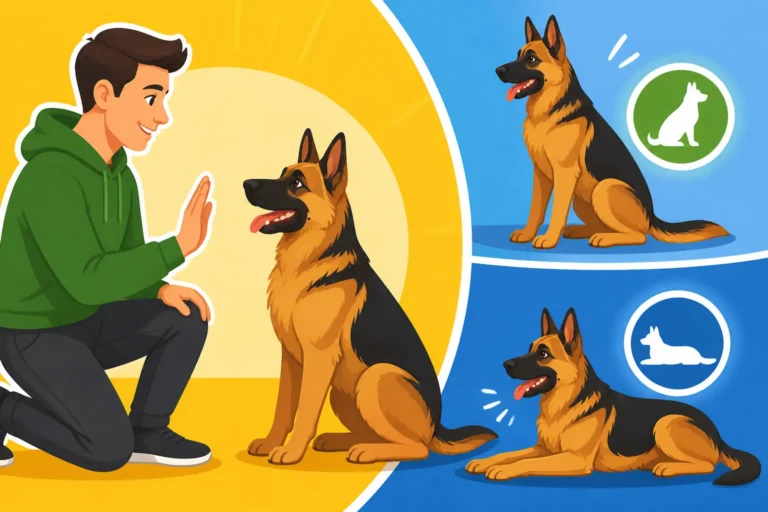
The "Heel" command teaches your German Shepherd to walk politely at your side, typically with their shoulder aligned with your leg, without pulling.
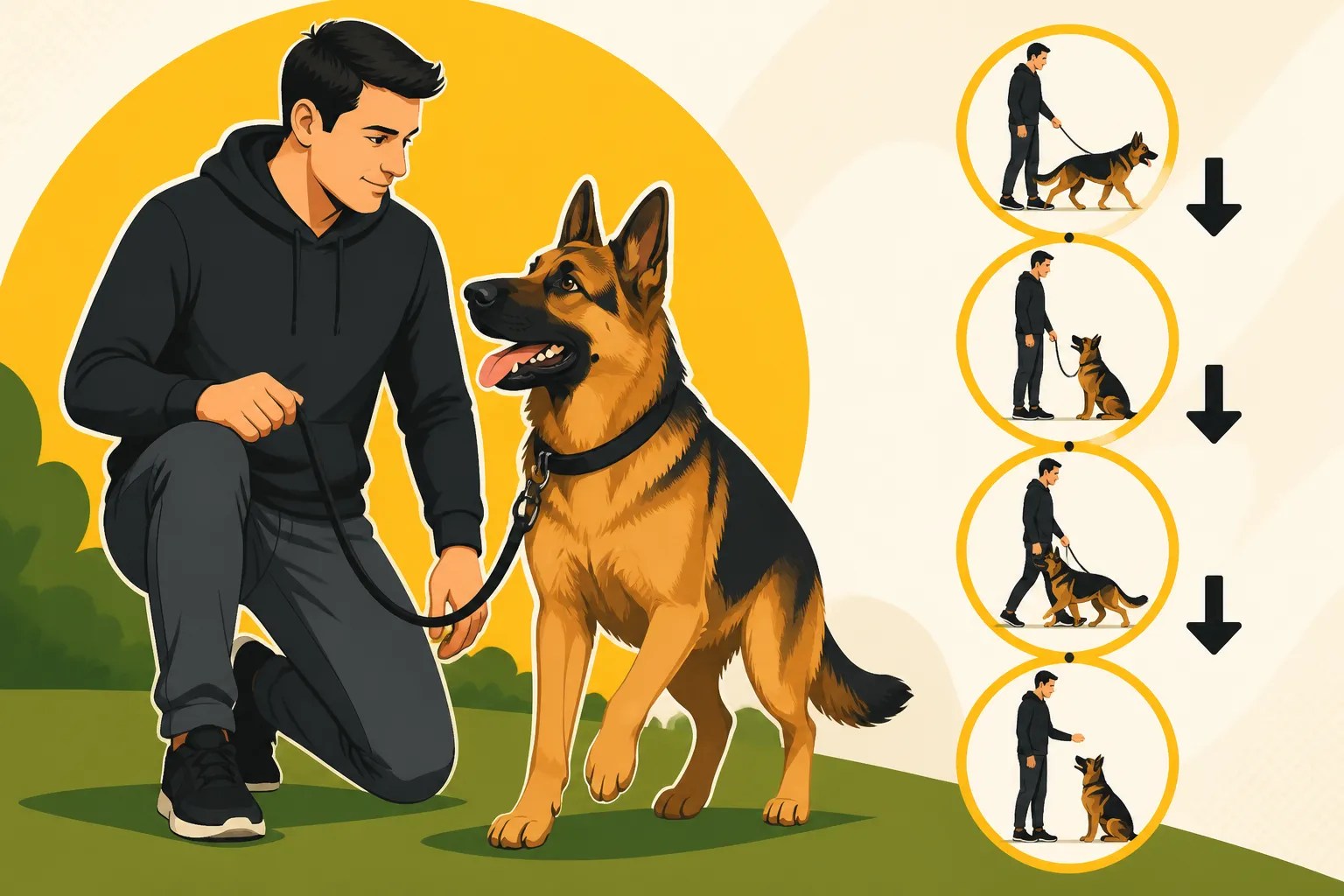
- Lure and Reward: Hold a high-value treat in your hand, near your German Shepherd's nose. Use your "Heel!" or "Let's Go!" cue, and take a step forward. Lure your dog to walk by your side with the treat.
- Mark and Treat: As soon as they take even one step with a loose leash in the correct position, click and give them the treat. Repeat this, gradually increasing the number of steps they take before receiving the reward.
- Fade the Lure: Once your German Shepherd understands the concept, gradually reduce how much you use the physical lure. Start pointing to the "heel" position instead of holding the treat right at their nose, eventually transitioning to just the verbal cue and a hand signal.
- Practice Turns and Stops: Integrate turns and stops into your indoor practice. When you stop, they stop. When you turn, they turn with you. Always mark and reward for staying in position with a loose leash. For more detailed obedience foundation, our guide on German Shepherd Obedience Training Basics can be a great next step.
Practice in Low-Distraction Areas
Once your German Shepherd is consistently walking nicely indoors, it’s time to move to slightly more distracting environments.
- Quiet Backyard or Driveway: Start in your own yard or a very quiet street. The principles remain the same: "Heel!" cue, steps, click, treat for loose-leash walking.
- Gradual Increase in Distractions: Slowly introduce more challenging environments. A quiet park during off-peak hours, then a slightly busier street. The key is to set your German Shepherd up for success. If they are failing, the environment is too distracting, and you need to scale back.
- Short Training Bursts: Keep these early outdoor sessions short and positive. End on a good note. A 5-minute successful walk is far better than a 30-minute frustrating one.
The "Stop, Change Direction" Method
This is a powerful technique for addressing pulling when it happens.
- Stop Immediately: The very instant your German Shepherd pulls, stop walking. Become a "tree." Do not move forward until the leash goes slack.
- Wait for Slack: Wait patiently. Your German Shepherd might turn to look at you, or take a step back, causing the leash to loosen.
- Reward and Resume: The moment the leash is slack, even for a second, mark it with a click and reward them with a high-value treat. Then, calmly resume walking.
- Change Direction: If your dog is consistently pulling ahead, or if stopping isn't breaking their focus, immediately change direction. Walk the opposite way, or make a sharp turn. This disorients them slightly, makes them pay attention to you, and teaches them that pulling doesn't get them where they want to go. The moment they are walking with a loose leash in the new direction, reward them. Repeat this as often as necessary. Every time they pull, your movement stops or changes. This teaches them that your movement is contingent on their loose leash.
Consistency and Patience Are Key
This is where the rubber meets the road. German Shepherds are smart, but they are also creatures of habit.
- Every Walk is a Training Opportunity: Don’t have "training walks" and "just go for a walk" walks. Every single time the leash goes on, it's a training session. If you let them pull sometimes, you're just confusing them and undoing your hard work.
- Family Involvement: Ensure everyone in the household is using the same cues and methods. Inconsistent training will slow progress significantly.
- Celebrate Small Wins: It might feel like a slow process, especially with a powerful breed like a German Shepherd. Celebrate every moment of loose-leash walking, no matter how brief. Those small wins build up to big successes.
Common Leash Training Challenges and Solutions
Even with the best intentions and the right techniques, you might run into some bumps in the road. German Shepherds, for all their brilliance, can present unique challenges. Let's tackle some common ones.
When Your GSD Ignores You
"My German Shepherd just tunes me out!" This is a cry I've heard countless times. It's frustrating when you're calling their name, offering treats, and they're laser-focused on a scent, a distant dog, or even just the thrilling prospect of what's ahead.
- Increase Reward Value: If your German Shepherd is ignoring you, your treats probably aren't high-value enough for the environment. Indoors, dry kibble might work. Outdoors, with all its amazing smells and sights, you need something truly irresistible – cooked meat, strong-smelling cheese, or specialized high-value training treats.
- Focus Exercises: Practice "watch me" or "look" commands indoors, then gradually introduce them outside. Hold a treat near your face, say "watch me," and the moment they make eye contact, click and treat. Build up the duration of eye contact. This teaches them to check in with you, even when there are distractions.
- Manage the Environment: If your dog is completely overwhelmed, you've chosen too distracting an environment. Go back to a quieter area where they can succeed. Gradually build up to busier spots. Think of it like learning to drive – you don't start on a freeway.
- Engagement Before the Walk: Before you even leave the house, engage your German Shepherd with some mental stimulation or a quick play session. A mentally and physically tired dog is often more focused on a walk.
Dealing with Reactivity on Leash
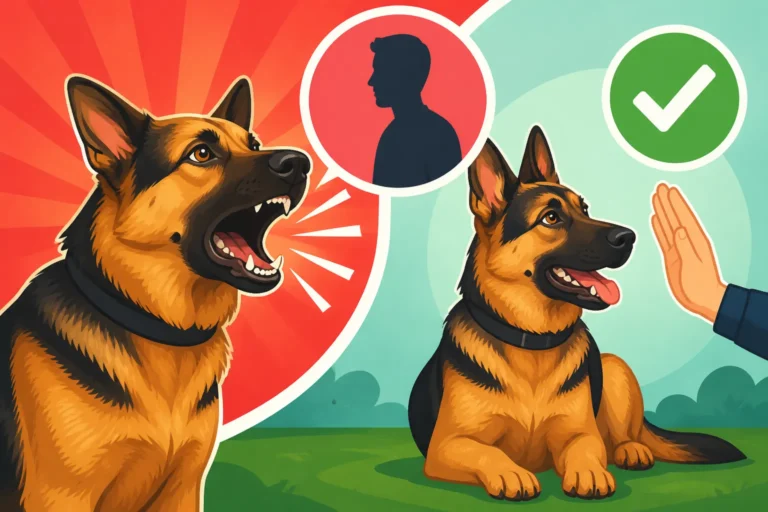
Leash reactivity – barking, lunging, and pulling towards other dogs, people, or even bicycles – is a common German Shepherd behavior problem. It's often rooted in fear, frustration, or over-excitement, not aggression, though it can certainly look aggressive.
- Identify Triggers: What specifically sets your German Shepherd off? Other dogs? Men with hats? Skateboards? Knowing their triggers helps you anticipate and manage situations. For a deeper dive into this, check out our article on German Shepherd Reactivity on Walks.
- Create Distance: The first step is to manage the environment so your dog is below their "threshold" – the point at which they react. If seeing another dog 50 feet away causes them to react, start at 100 feet. The goal is for them to notice the trigger but not react.
- Desensitization and Counter-Conditioning (DS/CC): This is a powerful, long-term solution.
- Desensitization: Gradually expose your German Shepherd to their trigger at a distance where they remain calm.
- Counter-Conditioning: Pair the trigger with something positive. For example, if another dog appears at a safe distance, immediately start giving your German Shepherd high-value treats. The idea is to change their emotional response from "Oh no, a dog!" to "Yay, a dog means treats!"
- Block and Redirect: If a trigger appears suddenly and you can't create enough distance, physically block your dog's view (step in front of them) and immediately redirect their attention to you with a "watch me" command and treats.
- Consider a Head Halter or Front-Clip Harness: As mentioned earlier, these tools give you more control, which is crucial for managing reactive behaviors safely and effectively.
The Puppy Pulling Phase
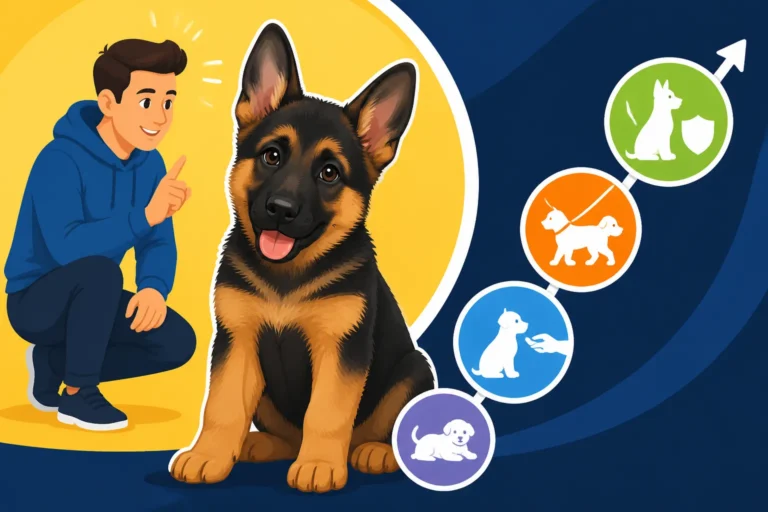
German Shepherd puppies, full of boundless energy and curiosity, are prone to pulling. They haven't yet learned leash manners and are exploring the world with their mouths and noses.
- Start Early: Begin leash training as soon as your puppy is comfortable with their collar/harness. Even short 1-2 minute sessions indoors are valuable.
- Short, Frequent Sessions: Puppy attention spans are short. Keep training sessions very brief but frequent throughout the day.
- Focus on Positive Reinforcement: Shower your puppy with praise, play, and high-value treats for any moment of loose-leash walking. Ignore the pulling (don't yank, just stop) and reward the slack.
- Manage Expectations: A puppy won't walk perfectly. They will get distracted, sniff, and sometimes pull. Be patient and consistent. This stage is about building good habits, not perfection. Our guide, How Much Exercise Does a German Shepherd Puppy Need, also offers tips on managing their energy.
- Bite Inhibition: If your puppy is also nipping at the leash, redirect their attention to appropriate chew toys. Our article on German Shepherd Puppy Biting: What to Do can offer more guidance here.
Seeking Professional Help
Sometimes, despite your best efforts, you might feel stuck. Or perhaps your German Shepherd has developed deeply ingrained pulling habits or significant reactivity that you're struggling to manage alone. This is when seeking professional help is not just okay, it's highly recommended.
- Certified Professional Dog Trainer (CPDT): A certified trainer can assess your specific situation, identify underlying causes for pulling or reactivity, and provide personalized coaching and techniques. They can also offer guidance on advanced obedience and behavior modification. Look for trainers who use positive reinforcement methods.
- Online Training Platforms: For those who prefer a flexible learning schedule, online programs can be incredibly valuable. Platforms like BAXTER & Bella offer comprehensive, step-by-step online German Shepherd training courses that cover everything from basic obedience to more advanced challenges, often with personalized support. This can be a great resource for learning at your own pace.
- Veterinary Behaviorist: For severe cases of fear, aggression, or anxiety contributing to leash issues, a board-certified veterinary behaviorist might be necessary. These are veterinarians with specialized training in animal behavior, who can sometimes prescribe medication in conjunction with behavior modification. Our article on How to Choose a Vet for a German Shepherd might help guide your search.
Remember, asking for help isn't a sign of failure; it's a sign of a responsible pet owner committed to providing the best life for their German Shepherd.
Leash and Collar Comparison for German Shepherds
| Gear Type | Best For | Pros | Cons | Training Efficacy for Pulling |
|---|---|---|---|---|
| Flat Collar | Dogs with good leash manners, ID tag holder | Comfortable, common, easy to use | Little control over pulling, can strain neck/trachea | Low |
| Front-Clip Harness | Pullers, reactive dogs, puppies | Redirects pulling, gentle, no neck pressure, encourages loose-leash | Can sometimes chafe armpits if ill-fitting, dog might need time to adjust | High |
| Head Halter | Strong pullers, highly reactive dogs, quick control | Excellent control, redirects head/body, immediate feedback | Requires positive introduction, some dogs dislike it, can be mistaken for muzzle | Very High |
| Back-Clip Harness | Dogs with no pulling issues, small dogs | Comfortable, easy to put on | Can encourage pulling (like a sled harness), offers little control for strong dogs | Low (can worsen pulling) |
| Choke/Prong Collar | Generally not recommended for positive training | Can offer immediate control but relies on pain/discomfort | Aversive, can cause physical/psychological damage, breaks trust | Use with extreme caution, consult pro |
Note: Always ensure any gear fits properly to prevent discomfort, chafing, or escape.
Disclaimer
The information provided in this article is for general informational purposes only and is not a substitute for professional veterinary advice, diagnosis, or treatment. Always seek the advice of your veterinarian or other qualified animal health provider with any questions you may have regarding a medical condition or training approach for your German Shepherd.