How to Stop German Shepherd Biting
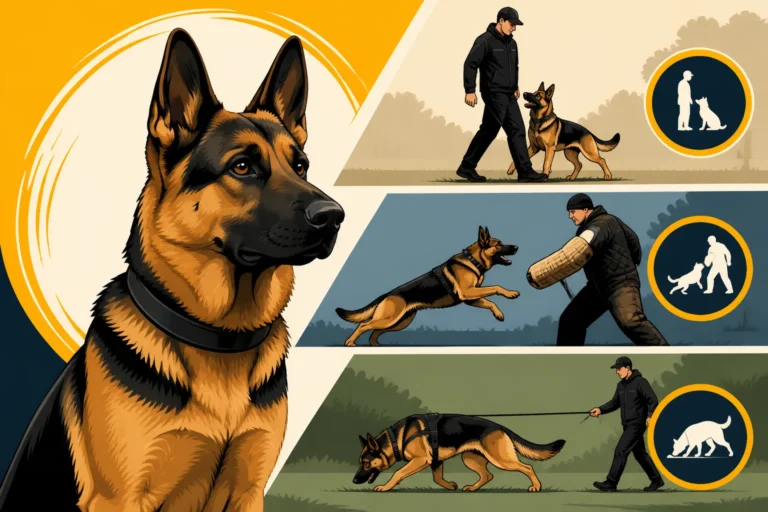
Few things are as alarming and frustrating as when your beloved German Shepherd starts biting, whether it's the sharp nips of a puppy or the more concerning mouthiness of an adult. This behavior can range from innocent play to serious aggression, leaving owners feeling confused, hurt, and sometimes even fearful. This comprehensive guide is here to walk you through understanding why your German Shepherd might be biting and provide clear, actionable strategies to put a stop to it, fostering a safer and happier relationship for everyone involved.
Understanding Why Your German Shepherd Bites
Before we can even think about stopping the biting, we have to understand why it's happening. German Shepherds are intelligent, powerful dogs with strong natural instincts, and biting isn't always a sign of aggression. Often, it's a form of communication or an expression of an unmet need. Pinpointing the root cause is the first, most crucial step in finding an effective solution.
Puppy Nipping and Play Biting
Ah, the "sharky" puppy phase! If you've just brought home a German Shepherd puppy, you're likely experiencing this firsthand. Those tiny, needle-sharp teeth seem to be everywhere, latching onto hands, ankles, and clothing. This kind of biting, often referred to as puppy nipping or play biting, is completely normal developmental behavior. Puppies explore the world with their mouths, much like human toddlers do with their hands. It's how they learn about their environment and interact with littermates.
When puppies play together, they mouth and nip each other. If one bites too hard, the other will yelp, and play will momentarily stop. This teaches them "bite inhibition" – how much pressure they can exert with their jaws without causing pain. Unfortunately, when they come to live with humans, we don't always yelp in the same way, and they might not learn this crucial lesson naturally. This is where you, as their dedicated owner, step in. It's not malicious; it's just how they're wired to learn.
Teething Discomfort
Just like human babies, German Shepherd puppies go through a painful teething phase. Their baby teeth start falling out around 3-4 months of age, and their adult teeth begin to erupt, a process that can continue up to 6-7 months. During this time, their gums can be incredibly sore and itchy. Chewing on things, including your hands, helps to relieve this discomfort. Think of it like a baby wanting to chew on anything they can get their hands on – your puppy feels the same way.
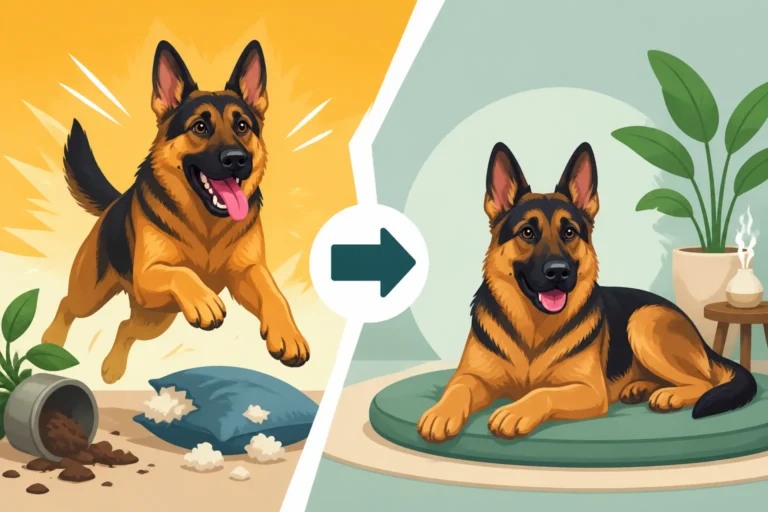
Without appropriate chew toys or outlets, your furniture, shoes, or even your fingers become prime targets for their aching gums. It's not about being naughty; it's about seeking relief. Providing safe, satisfying chew items during this period is absolutely essential. This not only saves your belongings but also teaches your puppy what is acceptable to chew on.
Fear, Anxiety, or Resource Guarding
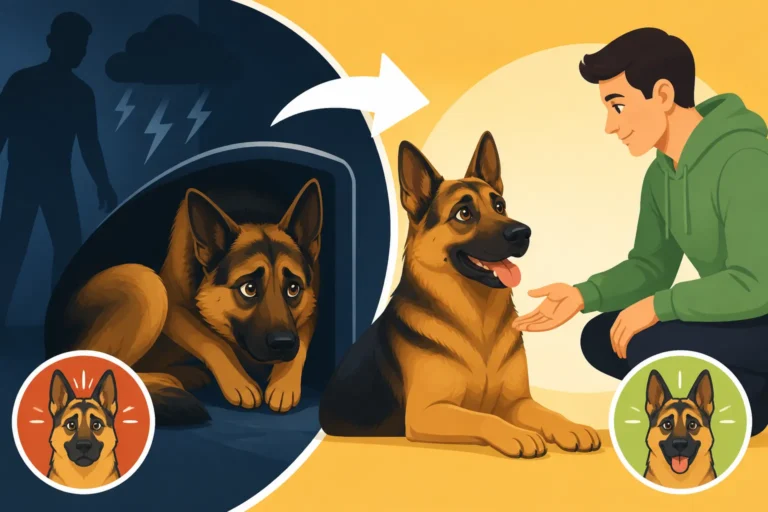
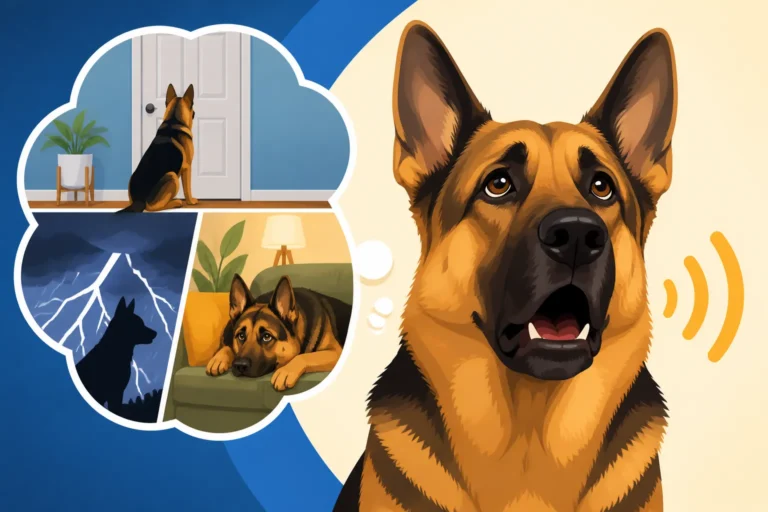
When an adult German Shepherd bites, or a puppy exhibits more intense, sustained biting beyond play, it's a serious red flag. Fear is a common underlying cause for adult dog bites. A fearful dog might bite when they feel cornered, threatened, or if they're startled. This isn't an act of aggression to dominate; it's a desperate attempt to create space and protect themselves from perceived danger. Imagine someone suddenly reaching out to pet them in a way they find uncomfortable, or a loud noise sending them into a panic.
Anxiety can also manifest as biting. Dogs with separation anxiety, for instance, might display destructive chewing, which can sometimes escalate to biting if a person tries to intervene. Resource guarding, another common issue, involves a dog becoming aggressive or defensive when someone approaches their food, toys, bed, or even their human. This behavior is often rooted in insecurity and a fear of losing something valuable. If you notice your dog tensing up, growling, or snapping when you get near their prized possessions, it's crucial to address this immediately, as it can quickly lead to biting incidents.
Frustration, Overstimulation, or Lack of Socialization
German Shepherds are high-energy, intelligent dogs who require significant mental and physical exercise. A dog that is constantly bored, under-exercised, or lacking appropriate mental stimulation can become frustrated. This pent-up energy and frustration can boil over into destructive behaviors, including excessive nipping or biting. They might be trying to communicate their boredom or frustration in the only way they know how.
Overstimulation is another factor, especially in puppies and young dogs. Too much excitement, rough play, or being overwhelmed in a new environment can push a German Shepherd past their threshold, leading to frenzied nipping that can be hard to control. Similarly, a lack of proper socialization during critical puppyhood stages can lead to a German Shepherd that doesn't understand appropriate canine or human interactions. They might not have learned bite inhibition from littermates or how to properly greet people, making them more prone to nipping out of awkwardness or excitement. This often contributes to German Shepherd Behavior Problems and Solutions.
Practical Strategies to Stop Puppy Nipping
Dealing with a nippy German Shepherd puppy can test your patience, but remember, this is a trainable behavior. The goal isn't to stop them from ever using their mouths, but to teach them appropriate mouth use, especially bite inhibition. Consistency and patience are your best friends here.
Bite Inhibition Training
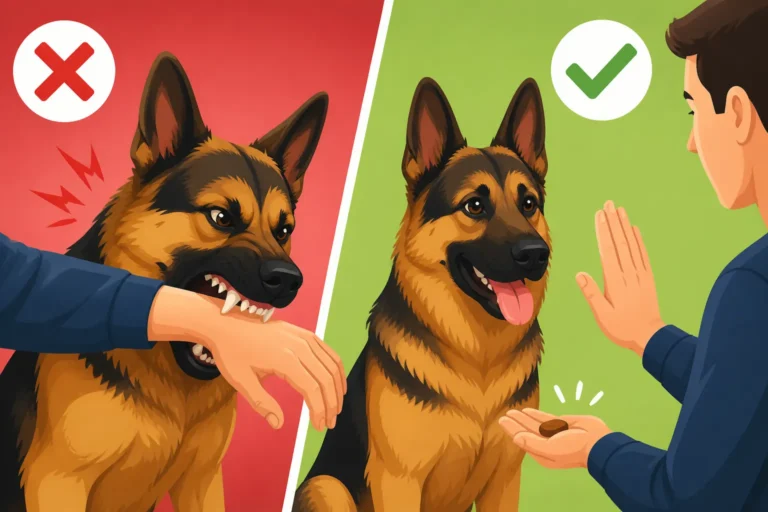
This is the single most important lesson you can teach your German Shepherd puppy regarding their mouth. The idea is to teach them that human skin is fragile and that a hard bite means playtime stops. Start by letting your puppy mouth your hand gently. When they bite too hard (any bite that causes you pain or discomfort), yelp loudly and clearly, like a puppy would. Then, immediately withdraw your hand and stop all interaction for 10-20 seconds. This is a critical step in German Shepherd Bite Inhibition: Step-by-Step.
The interruption of play is the consequence. Your puppy loves to play with you, so losing that interaction teaches them that hard bites lead to isolation. Once the 10-20 seconds are up, you can resume play. Repeat this process every single time they bite too hard. Over time, as their biting softens, you can raise your standard, only yelping for medium pressure, then eventually only for light pressure. The ultimate goal is for them to learn that human skin is off-limits for anything more than the gentlest mouthing.
Redirection and Toy Play
Prevention is often the best medicine, and for nippy puppies, redirection is key. Always have appropriate chew toys readily available. When your German Shepherd puppy starts to nip your hands or clothes, immediately offer them a suitable chew toy instead. Engage them with the toy – wiggle it, make it interesting – to divert their attention from your skin to the toy. This teaches them, "Instead of biting me, bite this."
Durable rubber toys, rope toys, or puzzle toys are excellent choices for German Shepherds, who are powerful chewers. Brands like KONG and Nylabone offer a variety of options that can withstand a German Shepherd's strong jaws. Interactive play with toys, using a flirt pole or tug toy, can also be a fantastic way to burn off energy and satisfy their natural biting instincts in a safe, acceptable manner. Remember to rotate toys to keep them interesting, and store them on a popular platform like Amazon for easy access.
Managing Overstimulation
German Shepherd puppies, especially, can get easily overstimulated, leading to frantic nipping and "zoomies" where they seem unable to control themselves. Recognizing the signs of overstimulation – excessive panting, frantic energy, ignoring commands, or persistent nipping – is vital. When you see these signs, it's time to intervene. Often, a brief "time-out" in their crate or a quiet, puppy-proofed area can help them decompress.
Ensure your puppy is getting enough appropriate rest throughout the day. Puppies need a lot of sleep, and an overtired puppy can be just as cranky and mouthy as an overtired child. Structured play sessions, followed by quiet relaxation, are more beneficial than chaotic, prolonged free-for-all play. Teaching your puppy how to relax and settle is an important part of their overall German Shepherd Puppy Training Guide.
Addressing Biting in Adult German Shepherds
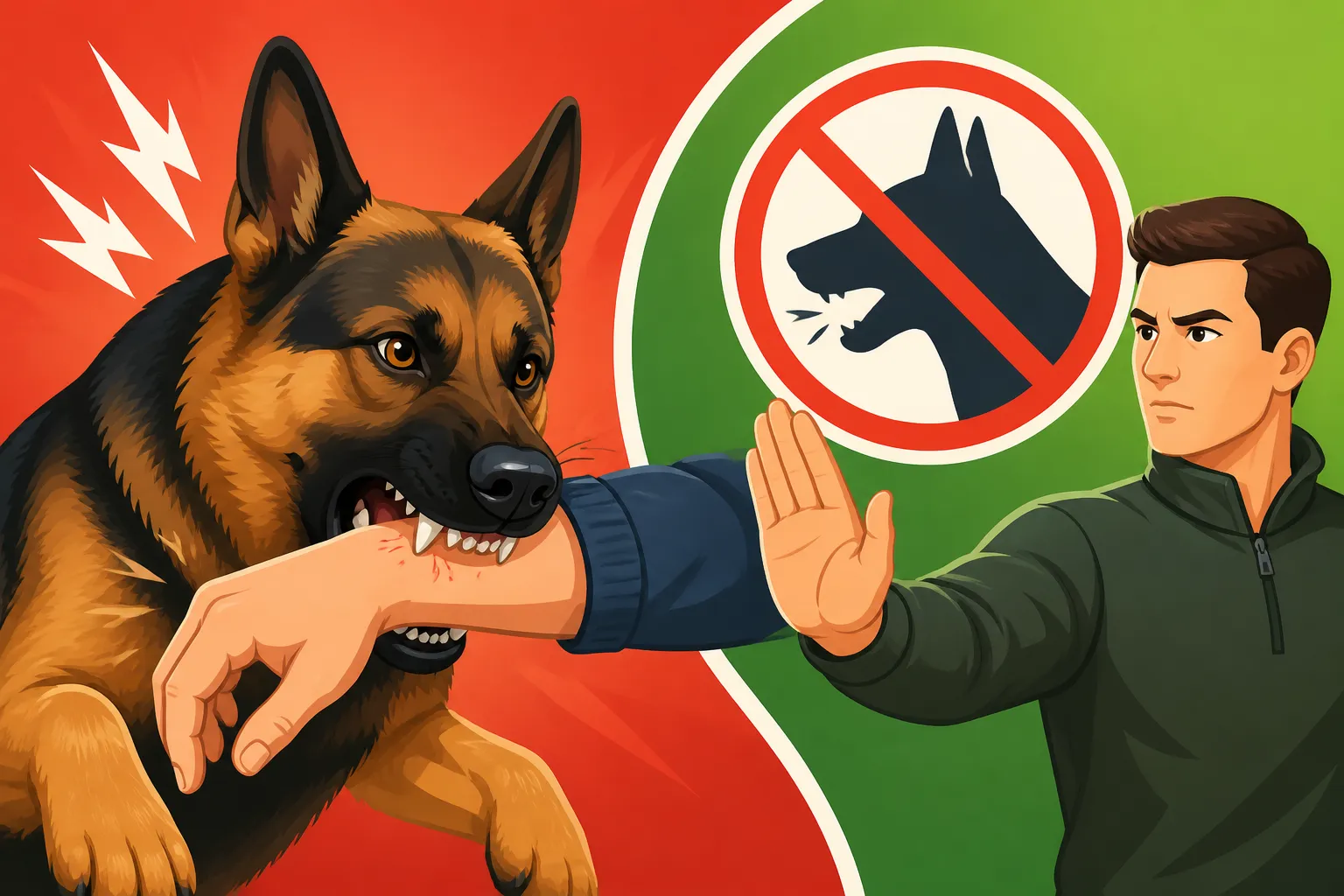
While puppy nipping is generally a phase, biting in an adult German Shepherd is a much more serious concern and requires immediate, consistent intervention. It's crucial to approach this with caution, as adult bites can cause significant injury. Safety for everyone involved, including your dog, should be your top priority.
Identifying Triggers and Body Language
Understanding when and why your adult German Shepherd bites is paramount. Start keeping a detailed journal of every biting incident. Note the time, location, who was involved, what happened right before the bite, and what the dog's body language was like. Was it during feeding? When someone approached their bed? When they felt cornered by a stranger? Was their tail tucked, ears back, stiff body, or did they growl or bare teeth first? This systematic approach helps you identify specific triggers.
German Shepherds communicate extensively through body language. Learning to recognize early warning signs of discomfort, fear, or anxiety – like lip licking, yawning (when not tired), averted gaze, stiff posture, whale eye, or a low growl – can allow you to intervene before a bite occurs. These subtle cues are your dog's way of saying they're uncomfortable and need space. Respecting these signals can prevent escalation. For more on this, you might find "How to Tell If a German Shepherd Is in Pain" helpful, as pain can also be a biting trigger.
Professional Help and Behavior Modification
For any biting in an adult German Shepherd, especially if it breaks the skin or shows signs of aggression, seeking professional help is not just recommended, but essential. This is not a problem you should try to solve alone. A certified professional dog trainer or a veterinary behaviorist has the expertise to accurately assess the situation, diagnose the root cause of the biting, and develop a safe, effective behavior modification plan. They can help you address issues like German Shepherd Fear Aggression Explained or territoriality.
These professionals use science-based, positive reinforcement methods to change your dog's emotional response and subsequent behavior. They can teach you techniques for desensitization and counter-conditioning, which gradually expose your dog to their triggers in a controlled way while associating them with positive experiences. This might involve working on specific scenarios, like how to properly Introduce a German Shepherd to Other Dogs. A good behaviorist will also help you implement safety protocols to prevent further incidents while you work through the training.
Management and Safety Measures
While you're working with a professional, immediate management and safety measures are crucial to prevent further biting incidents. This means controlling the environment to avoid triggers. If your dog guards their food, feed them in a separate room and ensure no one approaches while they eat. If they bite strangers, prevent direct contact with new people using leashes, muzzles, or by keeping them in a secure area when guests are present.
A well-fitting muzzle, properly introduced and conditioned, can be an invaluable tool for safety during training or in situations where biting is a risk. It's not a punishment, but a safety device. Consider barriers like baby gates to create safe zones. Never put your dog in a situation where they feel the need to bite. Your primary responsibility is to protect both your dog and others from harm. For more on general behavior, check out "Understanding German Shepherd Behavior".
Essential Tools and Resources for Training
Having the right tools and knowing where to turn for support can make all the difference in successfully addressing biting behavior in your German Shepherd. These aren't just gadgets; they're investments in your dog's well-being and your peace of mind.
Appropriate Chew Toys and Puzzle Toys
As mentioned, appropriate chew toys are non-negotiable for German Shepherds, especially during puppyhood and for adults who need an outlet for their chewing instincts. Look for durable, dog-specific toys designed for strong chewers.
| Toy Type | Benefits | Considerations |
|---|---|---|
| Rubber Chews | Durable, good for dental health, often stuffable | Can be expensive, inspect regularly for damage |
| Nylon Chews | Very long-lasting, satisfies need to gnaw | Can be too hard for some dogs, choose appropriate size |
| Rope Toys | Good for tugging, helps clean teeth | Fibers can be ingested, supervise closely |
| Puzzle Toys | Mental stimulation, slows down eating, reduces boredom | Can be easily destroyed by power chewers if not durable |
You can find a wide variety of these toys on Amazon. Remember, no toy is indestructible, so always supervise your German Shepherd with new toys and discard them once they become a choking hazard. For additional ideas, read our guide on "Best Toys for a German Shepherd's Energy".
Training Aids and Online Courses
Beyond physical toys, various training aids and resources can support your efforts. Long-lasting, high-value treats are excellent for positive reinforcement during behavior modification. Clickers can be used to mark desired behaviors with precision. Head halters or front-clip harnesses can provide better control during walks, especially if reactivity is a factor, helping you manage situations more effectively.
For structured guidance, online training platforms like BAXTER & Bella offer comprehensive puppy and dog training programs that cover bite inhibition, socialization, and addressing common behavioral challenges. These programs often provide step-by-step videos, live Q&A sessions, and a supportive community, allowing you to learn at your own pace from the comfort of your home. While not a replacement for an in-person behaviorist for serious biting issues, they can be excellent for foundational training and managing puppy nipping. You might also find general resources on "How to Train a German Shepherd" helpful for overall development.
Remember that addressing biting is a journey that requires commitment. With the right understanding, consistent training, and sometimes professional guidance, you can transform your German Shepherd into a well-mannered companion who knows how to use their mouth appropriately.
Disclaimer
Please note that this guide offers general information and recommendations. Every German Shepherd is an individual, and their behavior can be influenced by many factors. For specific concerns regarding your dog's health or behavior, always consult with a qualified veterinarian or certified professional dog trainer.