Why Does My German Shepherd Have Whining Issues
It can be incredibly frustrating, can't it? You love your German Shepherd deeply, but that persistent whining can truly test your patience, especially when you can't quite figure out what they want. It’s easy to feel guilty, confused, or even a little annoyed when your loyal companion seems to be vocalizing their discontent with a constant stream of high-pitched pleas. This guide is here to help you decipher why your German Shepherd might be whining and, more importantly, what actionable steps you can take to understand and address the root cause, leading to a calmer, happier home for everyone.
The Many Voices of Whining: What Your German Shepherd Is Trying to Tell You
Whining isn't just random noise; it's a potent form of communication in the canine world, especially for intelligent and expressive breeds like German Shepherds. They don't have human words, so they rely on a symphony of barks, growls, body language, and, yes, whines, to get their message across. Before you can address the whining, you need to become a detective and understand what they're trying to convey. It's often much more nuanced than a simple demand.
Whining as Communication: What Are They Trying to Say?
Your German Shepherd uses whining to express a range of feelings and needs. It’s their way of initiating a conversation, even if it sometimes feels like a monologue directed solely at you. They might be trying to tell you they're hungry, need to go outside, or are simply overjoyed to see you after a long day. Learning to differentiate these subtle cues is the first step in managing the behavior effectively.
Think of it like a toddler tugging on your shirt and making noises before they can fully articulate "juice" or "potty." Your dog is doing something similar. They’ve learned that this particular vocalization often gets a response from you, so they try it for a variety of reasons. Sometimes it's a soft, almost imperceptible sound, while other times it's a full-blown opera of discontent, especially when their needs feel urgent.
Physical Needs and Discomfort
One of the most straightforward reasons for whining is to signal a basic physical need. Just like us, dogs can feel uncomfortable, hungry, or have to relieve themselves. A sudden onset of whining, especially if unusual for your dog, should always make you consider their physical well-being first.
They might be telling you their bladder is full to bursting and they really need to go outside, right now. Or perhaps their dinner is late, and their internal clock is sounding the alarm. Less obviously, whining can be a sign of discomfort or pain. If your German Shepherd is whining while trying to get up, walking strangely, or guarding a particular body part, it's a serious indicator that something is physically wrong. Conditions like arthritis, a pulled muscle, or even more serious health issues such as bloat can manifest as increased vocalizations. If you suspect pain, a vet visit is paramount to rule out any underlying medical conditions. Don't dismiss a sudden increase in whining as just "being dramatic" without first checking for physical causes.
Emotional and Behavioral Triggers
Beyond physical needs, emotions play a huge role in why German Shepherds whine. These intelligent and sensitive dogs can experience a complex range of feelings, from overwhelming excitement to deep anxiety. Understanding these emotional triggers is key to addressing the whining.
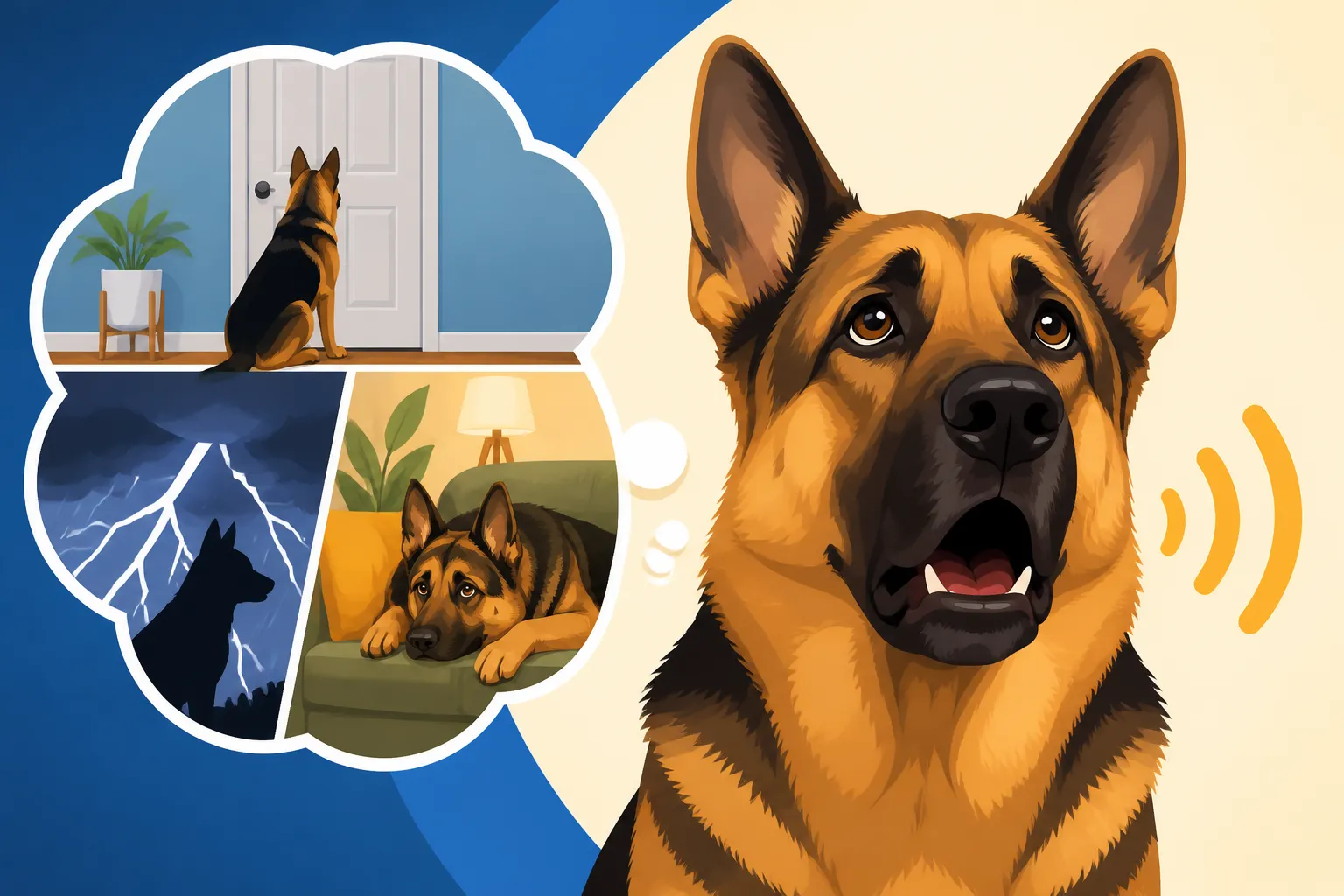
For instance, boundless excitement can lead to whining. Imagine you're getting ready for a walk, grabbing the leash and keys. Your German Shepherd might start prancing, tail wagging, and emitting excited little "woo-woo" whines because they anticipate a favorite activity. While this can be endearing, it can also become excessive. On the flip side, fear or anxiety, especially separation anxiety, is a major culprit for whining. If your German Shepherd whines and paces when you're preparing to leave, or if your neighbors tell you they whine incessantly while you're gone, it's a strong sign of distress. They might also whine when scared by loud noises, new people, or unfamiliar situations. Lastly, some German Shepherds learn that whining is a highly effective tool for getting attention. If every whine results in you looking at them, talking to them, or petting them, you've inadvertently taught them that whining works wonders to get what they want.
Common Whining Scenarios and How We Accidentally Reinforce Them
It's easy to fall into a trap where we unintentionally encourage our German Shepherds to whine. They are incredibly smart and quick to pick up on patterns, especially when those patterns lead to a desirable outcome – usually, getting our attention or a specific reward. Recognizing these common scenarios and how we play into them is crucial for breaking the cycle.
Attention-Seeking Whining: Breaking the Cycle
This is perhaps the most common reason German Shepherds whine. They want your focus, your touch, your voice, or even just a glance. And often, we give it to them, even if it's just to say "no" or "stop." Unfortunately, even negative attention can be perceived as a reward by a dog craving interaction.
Think about it: Your German Shepherd nudges you, then whines softly. You look down, say, "What's wrong, buddy?" and maybe give a quick pat. Success! They've learned that whining gets a reaction. Over time, this behavior escalates. The soft whine might become louder, more insistent, perhaps paired with a pawing motion or leaning into you. The key to breaking this cycle is simple, yet incredibly difficult: ignore the whining. Don't look, don't touch, don't talk. The moment they quiet down, even for a second, that's when you give them attention. This teaches them that silence, not whining, is the key to getting what they want. Be prepared for an "extinction burst"—an initial increase in whining as they try harder to get a reaction before they realize it's no longer working. Consistency is vital here.
Separation Anxiety Whining: Easing Distress
Separation anxiety is a serious and distressing issue for many German Shepherds, and whining is often one of its primary symptoms. This isn't just about attention-seeking; it's genuine panic at being left alone. Owners often feel helpless watching their dog suffer.
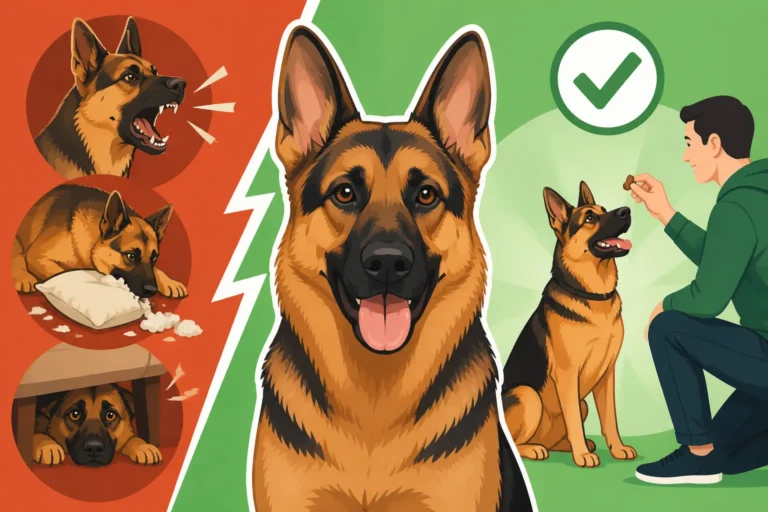
Beyond whining, signs of separation anxiety include destructive chewing (especially around exits), house-soiling, excessive drooling, pacing, and desperate attempts to escape. The whining starts as you prepare to leave and can continue for significant periods after you're gone. Addressing German Shepherd Separation Anxiety Solutions requires a multi-faceted approach. You'll need to desensitize your German Shepherd to your departure cues (keys, coat, shoes) by practicing them without actually leaving. Counter-conditioning involves associating your departure with something positive, like a high-value chew toy or puzzle feeder only given when you leave. Crate training, if done positively, can also provide a safe den for your dog, but it should never be used as punishment. For deeper guidance, online courses, such as those offered by BAXTER & Bella, can provide structured programs to help manage and alleviate separation anxiety. Building up alone time gradually, starting with just a few minutes, is crucial.
Excitement or Frustration Whining: Managing Arousal
Sometimes, your German Shepherd isn't anxious or attention-seeking, but simply overwhelmed with anticipation or frustration. This type of whining often happens when they know something good is about to happen, but they can't quite control their impulses.
Picture this: You're about to put their food bowl down, and they're whining, dancing, and perhaps even nipping at the air. Or you're opening the car door for an adventure, and they're bursting with whines of eagerness. This is excitement or frustration whining. It's often accompanied by high energy and a lack of impulse control. To manage this, you need to teach your German Shepherd to be calm and patient. Practice commands like "sit" and "stay" before rewarding them with food, toys, or walks. Make them wait for a few seconds of silence before they get what they want. Teaching a "place" command, where they go to a designated spot and wait calmly, can be incredibly effective. Provide plenty of Best Mental Stimulation for German Shepherds to channel their energy positively, as an under-stimulated German Shepherd is more prone to frustration.
Behavioral Solutions: Training Your German Shepherd to "Use Their Inside Voice"
Once you've identified the why behind the whining, you can start implementing targeted training strategies. Remember, German Shepherds are highly intelligent and eager to please, but they need clear communication and consistent boundaries. The goal isn't to silence them completely – that's unrealistic and unhealthy – but to teach them appropriate ways to communicate and to manage their emotional responses.
Consistent Training and Reinforcement
Consistency is the golden rule in dog training, and it's especially true when dealing with whining. Every family member needs to be on the same page, or your German Shepherd will quickly learn who they can manipulate for attention.
Start by establishing a solid foundation of German Shepherd obedience training basics. Commands like "sit," "stay," and "quiet" become invaluable tools. When your dog starts to whine for attention, immediately turn your back, walk away, or leave the room. The moment they stop, even for a brief pause, turn back and calmly reward them with praise or a small treat. This method, called negative punishment (removing something desirable—your attention—to decrease a behavior), needs to be applied consistently every single time. It takes patience, as your dog will likely try harder initially, but they will eventually understand the new rules. Using a clicker and positive reinforcement, perhaps with treats kept in a handy pouch from Amazon, can really help mark the exact moment of desired quiet behavior.
Environmental Enrichment and Mental Stimulation
A bored German Shepherd is a vocal German Shepherd. These dogs were bred for working roles, and their intelligent minds and energetic bodies need constant engagement. If they're not getting enough appropriate stimulation, they'll find their own "jobs," which often include destructive behaviors and excessive vocalizations like whining.
Providing ample German Shepherd Exercise Requirements is fundamental. Daily walks, runs, and active playtime are essential. Beyond physical activity, mental stimulation is equally important. Puzzle toys that dispense treats, snuffle mats, and engaging chew toys can keep their minds busy and their mouths occupied. Regular training sessions, even short 10-15 minute bursts throughout the day, provide valuable mental exercise. Teach them new tricks, practice advanced obedience commands, or even enroll in dog sports. A tired, mentally satisfied German Shepherd is far less likely to resort to constant whining out of boredom or frustration.
Establishing a Predictable Routine
Dogs thrive on routine. A predictable schedule provides security and reduces anxiety, which can significantly cut down on stress-induced whining. When your German Shepherd knows what to expect and when, they feel more secure and less compelled to vocalize their needs.
Establish a consistent schedule for feeding, potty breaks, exercise, and training. For example, if your German Shepherd knows they get fed at 7 AM and 5 PM, they're less likely to whine incessantly for food outside those times. The same goes for potty breaks. If they have designated times to go out, they’re less likely to whine unexpectedly at the door. A predictable schedule also helps with managing excitement. If they know a walk always happens after breakfast, the whining might still occur, but you can work on having them sit calmly during the transition, knowing their walk is coming. This consistency helps them build confidence and trust that their needs will be met, reducing the urge to whine to communicate urgency or demand.
Beyond Behavior: When Whining Signals a Deeper Issue
While many instances of whining are behavioral, it's critical to be able to distinguish when your German Shepherd's vocalizations might indicate a more serious underlying problem. As responsible pet parents, our first duty is always to ensure their health and well-being. Never ignore a sudden change in whining patterns.
When Whining Signals Pain or Illness
A German Shepherd who suddenly starts whining more than usual, or whines in conjunction with other concerning symptoms, needs immediate veterinary attention. Dogs are masters at hiding pain, so any vocalization of discomfort should be taken very seriously.
Look for specific signs: Is the whining accompanied by limping, reluctance to move, difficulty getting up or lying down, or unusual restlessness? Are they guarding a particular body part when you try to touch it? Is their appetite or thirst reduced, or have their bathroom habits changed? Are they licking a specific area excessively? These can be indicators of conditions ranging from an injury, like a strained muscle, to more severe issues such as German Shepherd Hip Dysplasia: Symptoms and Treatment, German Shepherd Arthritis: Symptoms and Treatment, or even internal pain from conditions like pancreatitis or bloat. If you have any doubt about How to Tell If a German Shepherd Is in Pain, it's always best to consult your veterinarian. Early diagnosis and treatment can make a world of difference in your German Shepherd's quality of life.
The Role of a Professional Trainer or Behaviorist
Sometimes, despite your best efforts, you might feel stuck. If your German Shepherd's whining issues are severe, persistent, or accompanied by other concerning behaviors, it's absolutely okay – and often necessary – to call in the professionals.
A certified professional dog trainer or a veterinary behaviorist has the expertise to accurately assess your German Shepherd's behavior, identify complex underlying causes, and develop a tailored training and management plan. This is especially true for issues like severe separation anxiety, generalized anxiety, or fear-based whining that you're struggling to address on your own. They can observe your dog's interactions, help you identify subtle triggers you might have missed, and guide you through advanced training techniques. Look for trainers who use positive reinforcement methods and have experience with large, intelligent breeds like German Shepherds. Sometimes, a veterinary behaviorist might also recommend medication in conjunction with behavior modification for more severe anxiety cases, to help your dog learn more effectively.
Proactive Steps for a Quieter, Happier German Shepherd
Preventing excessive whining is always easier than trying to stop a deeply ingrained habit. By taking proactive steps in your German Shepherd's daily life, you can foster a sense of security, reduce boredom, and ensure their needs are met, leading to a much calmer and quieter companion.
Consistent Training and Early Socialization
Starting with a strong foundation is key. A well-trained and well-socialized German Shepherd puppy is less likely to develop problematic whining habits later on. Early exposure to various sights, sounds, people, and other friendly dogs helps them develop confidence and resilience, reducing fear- or anxiety-driven whining.
Enroll your German Shepherd puppy in a reputable puppy class as soon as they are vaccinated. This provides crucial socialization opportunities and teaches you the basics of positive reinforcement training. Consistent training means setting clear rules and expectations from day one and sticking to them. For instance, if you don't want your dog to jump on guests, never let them do it, even once. The same applies to whining. Teach them a "quiet" command when they bark or whine unnecessarily, and reward them for being calm and settled. A structured environment where they understand boundaries is invaluable for their emotional well-being. Think about how a structured approach like BAXTER & Bella’s online puppy program could help you establish these good habits from the start.
Providing Ample Exercise and Mental Enrichment
An under-exercised or under-stimulated German Shepherd is a recipe for behavioral issues, and whining is a common symptom of boredom or pent-up energy. These dogs are working animals at heart and need a constructive outlet for their intelligence and physical prowess.
Ensure your German Shepherd receives adequate physical exercise daily. This goes beyond a quick walk around the block. They need vigorous activity like running, hiking, or playing fetch in a large, secure area. In addition to physical exercise, challenge their minds with puzzle toys, interactive feeders, and regular training sessions. Learning new tricks, practicing obedience commands in different environments, or even engaging in dog sports like agility or nose work can be incredibly satisfying for them. A mentally and physically tired German Shepherd is a much calmer German Shepherd, and less likely to whine out of sheer boredom or frustration. You can find a vast array of engaging toys and puzzle feeders on Amazon that are designed to challenge intelligent breeds.
Healthy Diet and Regular Vet Check-ups
Just like humans, a dog's physical health profoundly impacts their behavior. A German Shepherd on an inappropriate diet or experiencing chronic pain is more likely to be vocal, including whining. Maintaining their overall health is a fundamental step in preventing behavioral issues.
Feed your German Shepherd a high-quality, balanced diet appropriate for their age, size, and activity level. Poor nutrition can lead to digestive upset, low energy, or skin issues, all of which can cause discomfort and subsequent whining. Ensure they always have access to fresh water. Regular veterinary check-ups are also non-negotiable. These check-ups allow your vet to catch potential health problems early, before they escalate into painful conditions that cause your dog to whine. Discuss any changes in behavior or vocalization with your vet, especially if it's a sudden onset. Keeping them healthy ensures they're comfortable and less prone to distress-related whining. Learning about German Shepherd Health Problems Guide can help you be proactive.
Understanding the German Shepherd Training Timeline by Age
Different stages of a German Shepherd's life come with different needs and potential challenges. What might cause a puppy to whine is different from an adolescent or senior dog. Understanding their developmental stages helps you tailor your approach to whining.
A young German Shepherd puppy might whine out of loneliness, hunger, or needing a potty break – a time when a well-implemented German Shepherd Puppy Training Guide can be invaluable. Adolescents might whine out of frustration during their "teenage" phase as they test boundaries. Senior dogs might start whining due to age-related discomfort, cognitive decline, or increased anxiety. Being aware of these typical developmental phases, as outlined in a German Shepherd Training Timeline by Age, allows you to anticipate and address potential whining issues proactively. For instance, if your senior German Shepherd starts whining more, it might be a sign they need Best Joint Supplements for Senior German Shepherds or a vet check for pain. Tailoring your response to their age and developmental stage is crucial for effective intervention.
| Whining Reason | Common Scenarios | Quick Solutions | When to Seek Help |
|---|---|---|---|
| Attention-Seeking | Barking at you, nudging, pawing, sitting by the door | Ignore until quiet, then reward. Redirect with a toy. Consistent rules. | If constant, aggressive, or causes distress. |
| Physical Need (Potty) | Whining by the door, pacing, sniffing | Immediate potty break, praise for going outside. Maintain a strict schedule. | If sudden onset, painful urination, or accidents increase. |
| Hunger/Thirst | Whining near food bowl, kitchen, looking at you | Stick to a consistent feeding schedule. Ensure fresh water is always available. | If combined with reduced appetite or vomiting. |
| Excitement/Frustration | Before walks, meals, greetings, or when unable to reach something | Teach "sit" and "stay" for impulse control. Use puzzle toys for mental challenge. | If destructive, aggressive, or not responding to training. |
| Anxiety/Fear | When left alone, during storms, new environments | Desensitization, counter-conditioning, safe space (crate), vet consultation. | If accompanied by destruction, house-soiling, or panic. |
| Pain/Discomfort | Sudden onset, reluctance to move, limping, lethargy | Immediate vet check. Observe for other physical symptoms. | ALWAYS IMMEDIATE VET VISIT. |
| Boredom | Pacing, destructive chewing, excessive barking | Increase physical exercise, mental stimulation (puzzle toys, training). | If leading to significant destructive behavior. |
Disclaimer
The information provided in this article is for general informational purposes only and is not a substitute for professional veterinary advice. Always consult with a qualified veterinarian or certified dog trainer for any health concerns or before making any decisions related to your German Shepherd's care or training.