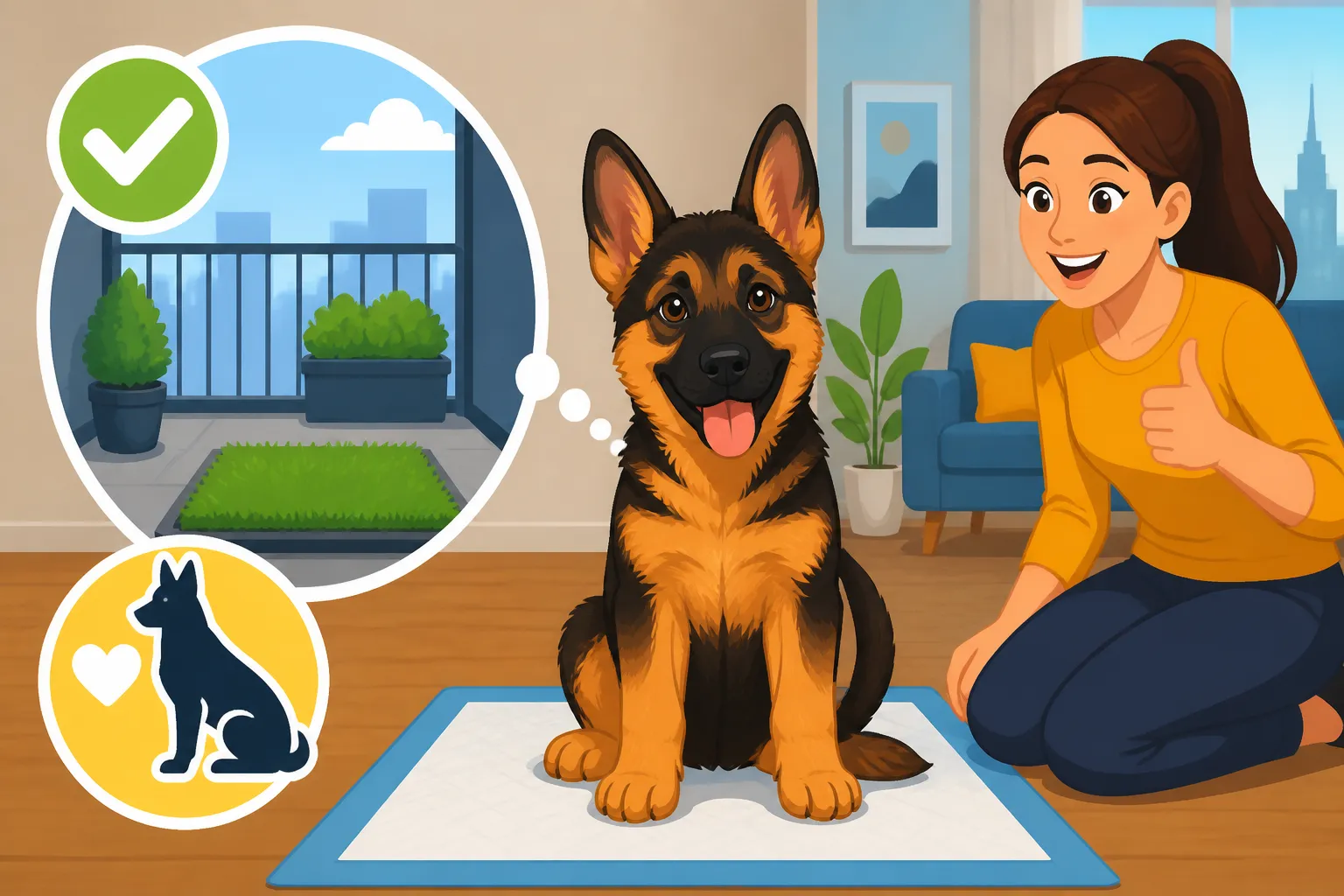
How to Potty Train a German Shepherd in an Apartment
Bringing a German Shepherd puppy or even an adult rescue into an apartment can feel like signing up for an endless cycle of cleaning up messes. The common frustration is that traditional potty training advice often assumes you have a big backyard or easy, immediate outdoor access, which simply isn't the reality for apartment dwellers. But don't despair! Potty training your German Shepherd in an apartment is absolutely achievable with the right strategy, patience, and a deep understanding of your dog's needs in an urban environment. This comprehensive guide will walk you through every step, from setting up your space to handling accidents with grace, ensuring a clean and harmonious home for you and your furry companion.
Understanding the Apartment Challenge for Potty Training
Potty training any dog requires consistency and routine, but when you’re living in an apartment, these fundamental principles take on a whole new layer of complexity. It's not just about teaching your German Shepherd where to go; it's about navigating the unique logistical hurdles that come with multi-unit living. Ignoring these differences can lead to frustration for both you and your dog, making the process much longer and more stressful than it needs to be.
Space Limitations and Outdoor Access
One of the most obvious differences between apartment and house living is the immediate access to an outdoor space. In a house, you might just open the back door and let your puppy out. In an apartment, you're likely dealing with elevators, stairwells, shared hallways, and possibly a long walk to a designated potty area. This means that every single potty break takes more time and effort. This isn't just an inconvenience; it can be a critical factor in successful potty training. A young puppy, or even an adult dog in a new environment, might not be able to "hold it" for the time it takes to get downstairs and outside, leading to accidents right inside your door or in the hallway.
Think about it from your German Shepherd's perspective. They might be bursting to go, but then they have to wait for you to get dressed, put on their leash, navigate the building, and then find an appropriate spot. This delay can teach them that relieving themselves indoors is sometimes their only option, especially if they've had a few successful "indoor moments" out of sheer necessity. It also means you need to be hyper-vigilant about their signals and initiate potty breaks proactively, rather than waiting for them to tell you they need to go.
Schedule Management in a Busy Environment
Another significant hurdle is managing a strict potty schedule within a busy apartment lifestyle. Many of us have jobs, commutes, and other obligations that make it challenging to take a puppy out every hour or two, especially during the workday. If you live alone, this challenge is magnified. You can't just leave a German Shepherd puppy unattended for extended periods, hoping they'll hold it, because they simply won't. This breed is intelligent and needs routine, but they also have small bladders when young and may mark more frequently when exploring new territories, even inside.
The lack of immediate outdoor access also means that late-night or early-morning potty breaks are a bigger production. Instead of a quick dash to the yard, it's a full outing, which can be exhausting, particularly if you’re already sleep-deprived from new puppy parenthood. This is where many owners become lax, even unintentionally, leading to setbacks. Establishing a consistent schedule that you can realistically maintain is paramount, and it might require some creative solutions like dog walkers or trusted friends if you can't be home all the time. Remember, consistency truly is king in potty training, and any deviation, no matter how small, can confuse your German Shepherd.
The Importance of Consistency
I know I just mentioned it, but it bears repeating: consistency is the absolute cornerstone of effective potty training, especially in an apartment. Your German Shepherd needs to learn a clear, unwavering routine. If sometimes you take them out every two hours, and sometimes it's four, or if you sometimes use a potty pad and sometimes go outside, you're sending mixed signals that will slow down their learning curve significantly. Every member of the household needs to be on the same page regarding the schedule, the designated potty spot, and the reward system.
This isn't just about potty breaks; it extends to how you react to accidents. A consistent, calm, and neutral response to an indoor accident (clean it up, don't scold) is just as important as consistent praise for outdoor successes. German Shepherds thrive on structure and knowing what's expected of them. If you're unpredictable, they'll struggle to understand the rules. For a breed that bonds so deeply and looks to you for guidance, that consistency builds trust and helps them feel secure in their new home. Think of it as laying down the foundational rules of your shared life together; if the foundation is shaky, everything else becomes more difficult.
Laying the Foundation: Supplies and Setup
Before you even bring your German Shepherd home, or if you're already struggling, taking the time to prepare your apartment space and gather the right tools will make a world of difference. Trying to wing it or assuming you can get by with minimal preparation is a recipe for frustration and accidents. Remember, the goal is to set your German Shepherd up for success, and that starts with a well-thought-out environment.
Essential Gear for Apartment Potty Training
You'll need more than just a leash and collar for apartment potty training. Having the right arsenal of tools can significantly streamline the process.
- Crate: A sturdy, appropriately-sized dog crate is arguably the most crucial tool. German Shepherds are den animals by nature and usually won't soil their sleeping space. The crate should be just large enough for them to stand up, turn around, and lie down comfortably. If it’s too big, they might use one end as a potty area. You can find excellent, durable crates on platforms like Amazon, often with dividers that allow you to adjust the size as your puppy grows. Crate training is a massive aid in potty training, teaching them to hold it and associate relief with the outdoors. Learn more in our guide on How to Crate Train a German Shepherd.
- Enzyme Cleaner: Accidents will happen, especially in an apartment where they're often a "close call" right near the door. A high-quality enzyme cleaner is non-negotiable. Regular cleaners might remove the stain for you, but they won't eliminate the scent entirely, which can lead your German Shepherd to revisit the same spot for future accidents. Look for brands specifically designed to neutralize pet odors.
- Leash and Collar/Harness: This seems obvious, but having it readily accessible right by the door is key. You want to be able to grab it and go immediately when your dog shows signs or when it's time for a scheduled break.
- High-Value Treats: Positive reinforcement is powerful. Small, soft, and extremely appealing treats that your German Shepherd doesn't get at any other time are perfect for rewarding successful outdoor potty breaks. Think cooked chicken, cheese, or specialized training treats.
- Potty Pads/Artificial Grass Patch: While the ultimate goal is outdoor potty training, a potty pad or an artificial grass patch can be a lifesaver in an apartment, especially for young puppies, during inclement weather, or when you simply cannot get outside fast enough. Place it in a consistent, easily accessible spot away from their feeding and sleeping areas. While not a long-term solution, it can bridge the gap in emergencies and provide a familiar scent target.
Creating a Designated Potty Area
Since you don't have a backyard, you need to identify and consistently use a designated outdoor potty spot. This might be a patch of grass at the edge of the apartment complex, a specific tree, or a dog park nearby. The key is consistency. Take your German Shepherd to this exact spot every single time. The familiar scents from previous visits will encourage them to relieve themselves there.
When you're at this spot, keep distractions to a minimum initially. This isn't play time; it's potty time. Use a consistent phrase like "Go potty" or "Do your business" to create an association. Once they go, immediately praise them lavishly and reward them with one of those high-value treats. Then, and only then, can you extend the walk for some exercise or play. This helps them understand that going potty means a reward and also means they get to enjoy more outdoor time. If they don't go, bring them back inside and try again in 15-20 minutes, taking them back to the exact same spot. Establishing this routine clearly communicates what's expected in your urban environment.
Setting Up a "Safe Zone" Indoors
Even with the best intentions, you won't be able to watch your German Shepherd every single second, especially in the early stages. This is where a "safe zone" or confinement area comes into play. This space should be small enough that your dog is less likely to soil it but large enough for them to move around comfortably. This could be their crate, a small section of a room blocked off by baby gates, or an exercise pen.
In this safe zone, they should have access to their water, chew toys, and maybe their potty pad if you're using one. The idea is that when you can't actively supervise them – when you're cooking dinner, showering, or working – they are in a place where they are unlikely to have an accident or, if they do, it's contained and easy to clean. This prevents them from wandering off into another room and quietly relieving themselves behind the couch, which is a common setback. For a German Shepherd, who loves to be near their people, consider placing this safe zone in a high-traffic area of your apartment so they still feel connected, even when confined. Companies like BAXTER & Bella also offer excellent online resources that detail how to effectively set up these zones for large breeds in smaller living spaces, ensuring comfort and success.
The Potty Training Process: Step-by-Step
Potty training isn't a race; it's a marathon that requires dedication and a methodical approach. For German Shepherds, especially in an apartment, it's about building predictable routines that they can easily understand and follow. Each step builds on the last, reinforcing the desired behavior.
Establishing a Strict Schedule
The most critical component of apartment potty training is establishing a rigorous, predictable schedule, especially for puppies. Young German Shepherd puppies need to go out very frequently – every 1-2 hours is not uncommon. They also need to go immediately after waking up, after eating or drinking, and before going to bed.
Here's a sample schedule for a German Shepherd puppy (adjust as needed for older dogs or individual needs):
| Time | Activity | Notes |
|---|---|---|
| 7:00 AM | Wake up & Immediate Potty Break | Carry puppy out if necessary to avoid accidents inside. Lavish praise & treats for success. |
| 7:15 AM | Breakfast | Serve meals at the same time daily. |
| 7:30 AM | Post-Meal Potty Break | Digestion often stimulates the urge to go. |
| 7:30-8:30 AM | Playtime/Training/Supervised Free Time | Keep an eye out for sniffing, circling, or heading for the door. |
| 8:30 AM | Potty Break | Even if they just went, offer the chance. |
| 8:45 AM | Crate Time (or supervised "safe zone") | When you can't actively supervise. Provide appropriate chew toys. |
| 10:30 AM | Potty Break | Every 1.5-2 hours is a good baseline for young pups. |
| 10:45 AM | Playtime/Training/Supervised Free Time | |
| 12:30 PM | Potty Break | |
| 1:00 PM | Lunch (if applicable for young pups) | |
| 1:15 PM | Post-Meal Potty Break | |
| 1:30 PM | Crate Time (or supervised "safe zone") | |
| 3:00 PM | Potty Break | |
| 3:15 PM | Playtime/Training/Supervised Free Time | |
| 5:00 PM | Potty Break | |
| 5:30 PM | Dinner | |
| 5:45 PM | Post-Meal Potty Break | |
| 6:00 PM | Family Playtime/Training/Supervised Free Time | Evening is often active. |
| 8:00 PM | Potty Break | Last chance before wind-down. |
| 9:30 PM | Final Potty Break Before Bed | Essential to ensure an empty bladder for crate time overnight. |
| 9:45 PM | Bedtime in Crate | If puppy whines, take them out immediately, quietly, with no play, then back to the crate. |
| (Overnight) | One or two additional potty breaks may be needed for very young puppies. Set an alarm! | German Shepherd puppies can hold it for roughly their age in months + 1 hour, up to 8 hours max. |
Stick to this schedule religiously, even on weekends. Your German Shepherd will quickly learn to anticipate these outings and develop good habits. This detailed approach is far more effective than just hoping they'll learn on their own. Our guide on German Shepherd Puppy Feeding Schedule can also provide insights into how feeding times affect potty needs.
Leash Training for Potty Breaks
When you live in an apartment, every potty break is a leash walk. This means your German Shepherd needs to be comfortable on a leash from day one, even if it's just a short trip to the designated outdoor spot. You can't just open a door and shoo them out; you need to guide them purposefully.
Start by getting your puppy accustomed to wearing a collar or harness for short periods indoors. Once they're comfortable, practice walking them on a leash inside your apartment, then in the hallway, and finally outside. The goal for potty breaks is efficient movement. Don't let them dawdle or stop to sniff every lamppost on the way to their spot. It’s a mission. Once at the spot, let them have a little sniff and exploration, but keep the focus on the task. Use your verbal cue ("Go potty!") consistently. The moment they finish, praise and reward generously. This also ties into How to Leash Train a German Shepherd Puppy for broader context.
It's tempting to want to immediately reward them the second they start to squat, but resist the urge. Wait until they're completely finished before offering praise and a treat. If you interrupt them, even with positive reinforcement, you might inadvertently teach them to stop mid-stream. Once they're done, the party starts! This immediate reward system helps solidify the positive association between relieving themselves outside and getting a fantastic payoff.
Positive Reinforcement and Rewards
German Shepherds are incredibly intelligent and eager to please their owners, which makes positive reinforcement highly effective. When your German Shepherd successfully potties in the designated outdoor area, make it a big deal!
- Praise: Use enthusiastic verbal praise ("Good potty! Yes!") in a happy, excited tone.
- Treats: Immediately offer a high-value treat that they adore. This creates a strong positive association.
- Affection/Play: Once they've successfully pottied and received their treat, you can incorporate a few minutes of praise, gentle petting, or even a short game of fetch if time and location permit. This reinforces that outdoor potty breaks are not just about relief but also about positive interactions with you.
Avoid punishment for accidents. Scolding, rubbing their nose in it, or physical corrections are counterproductive. They don't teach your dog where to go; they only teach them to be afraid of you or to hide their accidents. If you catch your German Shepherd in the act indoors, calmly interrupt them with a clap or a gentle "Uh-oh!" immediately pick them up (if a puppy) or quickly guide them outside to their designated spot. If they finish outside, reward them. If not, don't worry, just clean up the mess with your enzyme cleaner, and remember to be more vigilant next time.
Handling Accidents Gracefully
Despite your best efforts, accidents will happen in an apartment. It's an inevitable part of the potty training journey, and how you react can either help or hinder progress. The key is to respond calmly, quickly, and without anger.
Firstly, if you discover an accident that you didn't witness, simply clean it up thoroughly using an enzyme cleaner. There's no point in scolding your German Shepherd after the fact; they won't connect your anger to an event that happened minutes or hours ago. They'll just learn to be wary of you, which can damage your bond. Your focus should be on prevention for the future, not punishment for the past.
If you do catch your German Shepherd in the act of having an accident indoors, make a sudden noise (like a quick clap or "ah-ah!") to interrupt them without scaring them. Immediately pick them up (if small enough) or leash them and rush them to the designated outdoor potty spot. Even if they only produce a tiny drop outside, praise and reward them as if they've emptied their entire bladder. This teaches them that finishing outside is the desired behavior, even if the start was an error. Then, return inside and thoroughly clean the original accident spot with an enzymatic cleaner to remove all scent traces. Remember, every accident is a learning opportunity – for you to refine your schedule and supervision!
Troubleshooting and Common Setbacks
Even the most dedicated German Shepherd owners will encounter bumps in the road during apartment potty training. It's completely normal to face challenges, especially with a large, intelligent breed in a confined space. Understanding why these setbacks occur and having strategies to address them can save you a lot of frustration.
When Your German Shepherd Won't Go Outside
This is a common and incredibly frustrating scenario: you've trekked all the way downstairs, navigated the chilly weather, stood patiently at the designated spot, and your German Shepherd just… won't go. Then, the moment you get back inside, they immediately relieve themselves on your living room rug. What gives?
- Too Many Distractions: Urban environments are full of stimulating sights, sounds, and smells. For a curious German Shepherd, the outside world might be far too interesting to focus on bodily functions. Try finding a quieter, more secluded spot initially, or go out at less busy times. Keep the initial "potty break" strictly business – no play, minimal interaction beyond your potty cue, until they've gone.
- Weather Aversion: Some German Shepherds dislike rain, snow, or extreme cold/heat. Consider investing in a dog coat or booties for unpleasant weather. If it's truly unbearable, this is where a well-placed indoor artificial grass patch can be a short-term savior.
- "Holding It In": Sometimes, if they've been inadvertently punished for accidents in the past (even just a sharp "no!"), they might be hesitant to relieve themselves in front of you. Rebuild trust with positive reinforcement and ensure all outdoor experiences are positive.
- Health Issues: If this is a sudden change in behavior, consult your vet. A urinary tract infection (UTI) or other medical condition could be the cause.
Remember to celebrate even tiny successes outside. If they pee only a little, act like they just won an Olympic medal. This exaggerated praise helps them understand this is the correct behavior. Patience is key here. Our article on German Shepherd Puppy Training Guide also offers general tips that can help with outdoor focus.
Dealing with Regression and Stress
You thought you had it all figured out, weeks of no accidents, and then suddenly, your perfectly potty-trained German Shepherd starts having accidents indoors again. This regression can be incredibly disheartening, but it's a common part of dog development and often a sign that something has changed.
- Developmental Stages: Adolescence in German Shepherds (roughly 6-18 months) can bring a return of puppy-like behaviors, including house-soiling. They're testing boundaries and experiencing hormonal changes. Stick to your original schedule and routine; don't give them more freedom than they've truly earned.
- Environmental Changes: A new roommate, a rearranged apartment, a different work schedule, or even loud construction outside can be stressful for a sensitive German Shepherd. Stress and anxiety can manifest as indoor accidents. Assess your home environment for potential stressors and try to mitigate them. For example, if you suspect German Shepherd Separation Anxiety Solutions might be at play, accidents could be a symptom.
- Insufficient Potty Breaks: As dogs get older, owners sometimes relax the schedule too much. While an adult German Shepherd can hold it longer than a puppy, they still need frequent opportunities. Revisit your strict schedule, especially if you've recently extended the time between breaks.
- Undetected Medical Issues: Again, a vet visit is crucial for any sudden change in potty habits. Rule out medical reasons before assuming it's purely behavioral.
The best way to combat regression is to go back to basics. Reimplement the strict schedule, increase supervision, and reduce unsupervised free-roam time in the apartment. Treat them like a new puppy for a week or two, reinforcing every single successful outdoor potty break. Do not get angry; it will only exacerbate their stress and confuse them further.
Professional Help and Advanced Training
Sometimes, despite your best efforts, you might feel completely stuck. Perhaps the accidents are persistent, or you're dealing with a rescue German Shepherd with unknown past training experiences. This is not a failure on your part; it's simply a sign that you could benefit from expert guidance.
- Certified Professional Dog Trainer (CPDT): A local certified professional dog trainer can assess your specific situation, observe your German Shepherd's behavior, and develop a tailored potty training plan for your apartment environment. They can offer hands-on guidance, refine your techniques, and help you understand subtle cues you might be missing. Many trainers offer in-home consultations, which are invaluable for observing your dog in their natural habitat.
- Online Training Programs: For those with limited access to local trainers or who prefer self-paced learning, online platforms can be incredibly helpful. Programs like those offered by BAXTER & Bella provide comprehensive, step-by-step guidance that covers everything from puppy fundamentals to more complex behavior issues, and they can be particularly useful for navigating apartment-specific challenges. This allows you to get expert advice from the comfort of your home.
- Veterinary Behaviorist: If the potty problems are severe, persistent, or accompanied by other concerning behaviors (like extreme anxiety, aggression, or compulsive actions), a veterinary behaviorist might be recommended. These are veterinarians with advanced training in animal behavior who can diagnose and treat behavioral issues from both a medical and behavioral perspective. They can prescribe medication if necessary, alongside behavior modification plans. This is a step beyond a general vet and a regular trainer, for deeply ingrained issues. When considering such specialized help, make sure you know How to Choose a Vet for a German Shepherd who can refer you to the right specialist.
Don't hesitate to seek help if you're struggling. Potty training a German Shepherd in an apartment is a significant undertaking, and a little professional guidance can make all the difference, transforming a stressful situation into a manageable and successful journey for both you and your loyal companion.
Disclaimer
This guide offers general information and recommendations for potty training a German Shepherd in an apartment. Every dog is an individual, and results may vary. Always consult with your veterinarian for any health concerns or sudden changes in your dog's behavior, as these could indicate underlying medical conditions. For specific training challenges, consider seeking guidance from a certified professional dog trainer or a veterinary behaviorist.